
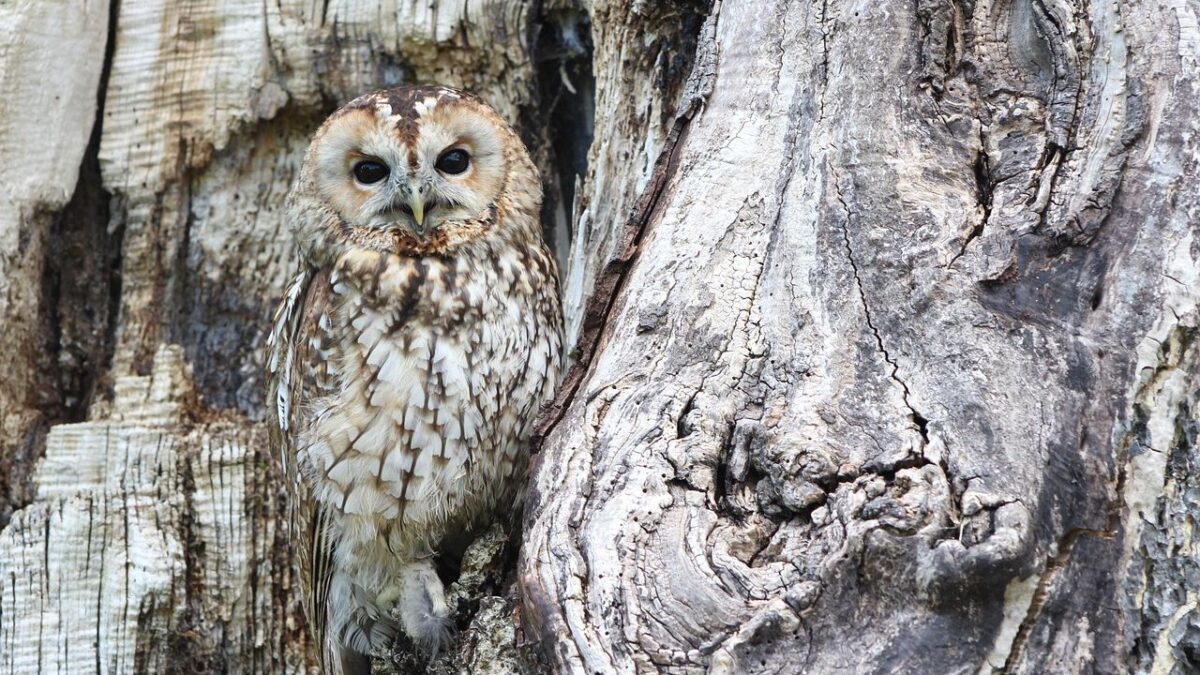
Most of us go to bed thinking the world quiets down after dark. It doesn’t. In fact, something far more dramatic happens the moment the sun drops below the horizon. A completely parallel world clicks into motion, one that’s been perfecting itself for hundreds of millions of years, completely invisible to us sleeping humans.
When the sun sets and darkness blankets the landscape, a whole different world comes alive. While most of us are winding down for the evening, nocturnal predators are just getting started. These remarkable creatures have spent millions of years perfecting the art of hunting in darkness, developing extraordinary senses and abilities that make them some of nature’s most efficient killers. What’s truly jaw-dropping is just how sophisticated, strategic, and downright clever these nightly hunts actually are. Get ready to look at the dark in a whole new way. Let’s dive in.
The Evolutionary Genius Behind Going Nocturnal
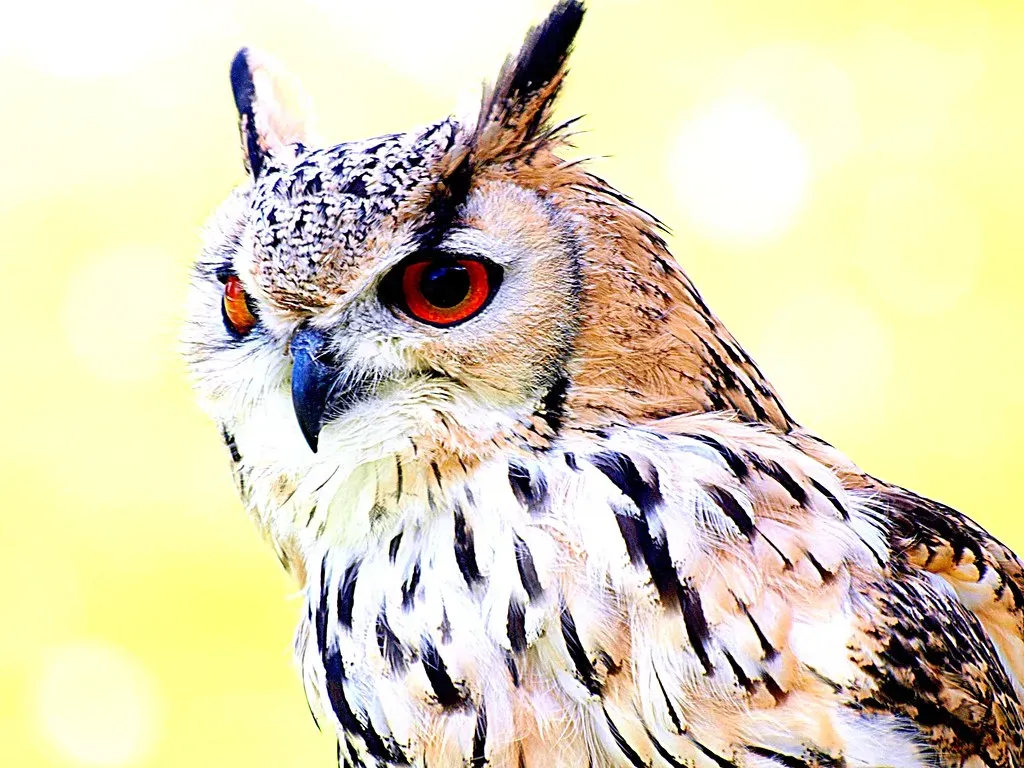
Here’s something that genuinely surprised me when I first came across it: a staggering roughly seven out of every ten mammal species are nocturnal, while only about two in ten, like humans, are diurnal and active during the day. That’s not a quirk of nature. That’s a strategy.
Throughout the course of evolutionary history, nocturnal behavior developed as a means of balancing an ecosystem, enabling a greater variety of species by reducing competition during the daytime hours. This was not a conscious choice, but was achieved through adaptations that developed over the course of thousands of generations.
Early mammals evolved nocturnal habits during the Jurassic period to avoid being preyed upon by dinosaurs, and these ancient species enhanced their senses over time to adapt to night life. Think about that for a second. The roots of tonight’s owl hunt outside your window trace back to the age of T. rex.
Being active at night is a form of niche differentiation, where a species’ niche is partitioned not by the amount of resources but by the amount of time. Hawks and owls can hunt the same field for the same rodents without conflict because hawks are diurnal and owls are nocturnal. This means they are not in competition for each other’s prey. It’s like nature invented its own shift system long before humans ever thought of factories.
Eyes, Ears, and Senses That Defy Imagination
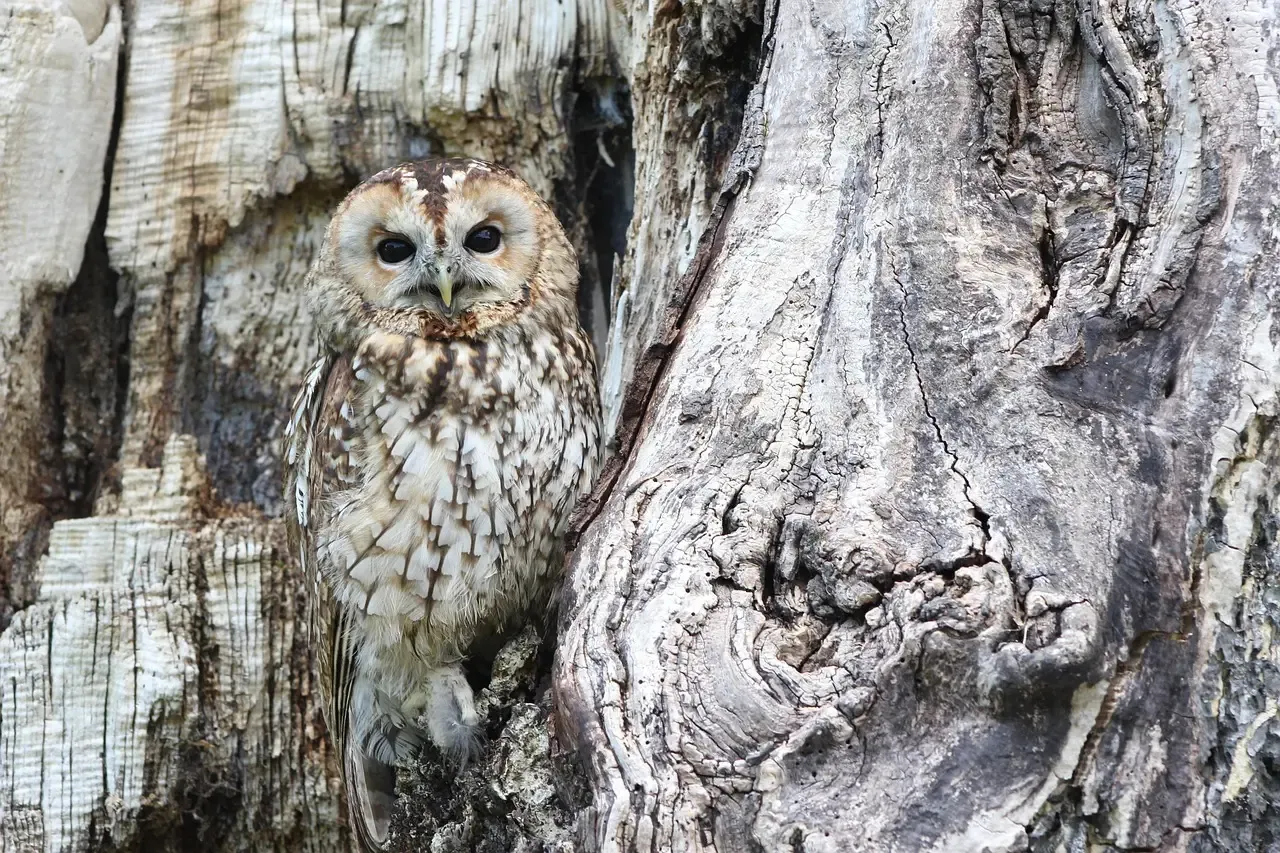
Nocturnal creatures generally have highly developed senses of hearing, smell, and specially adapted eyesight. Sounds simple enough, right? Honestly, the details are where it gets genuinely mind-blowing.
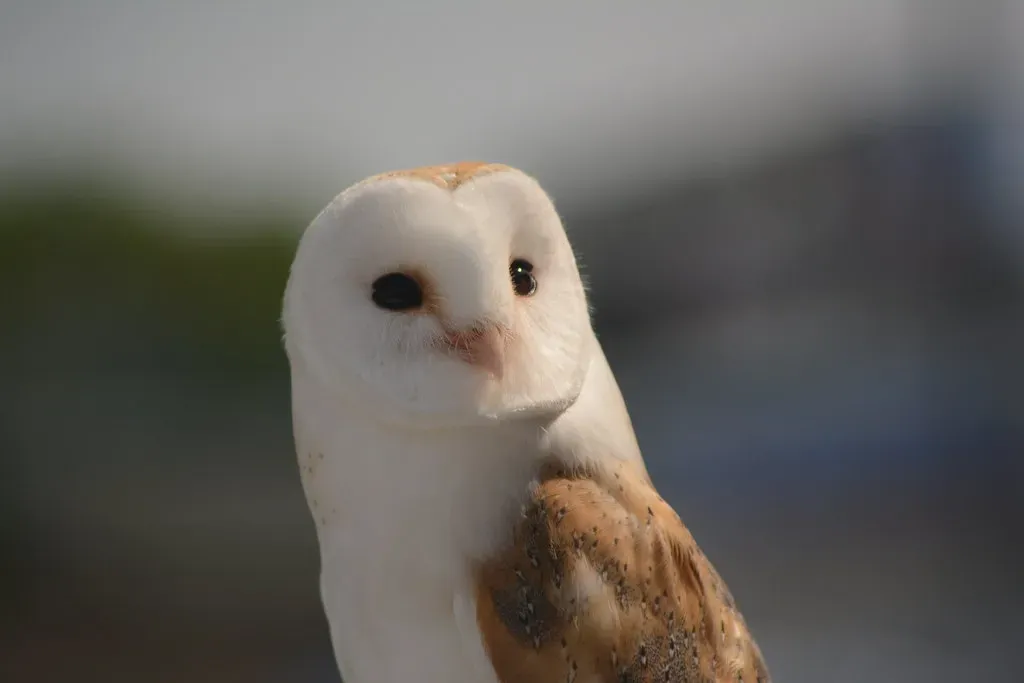
The Great Horned Owl is truly one of the most iconic nocturnal predators across the Americas, and its success comes from incredible adaptations. These owls possess extraordinary low-light vision, with massive, tube-shaped eyes fixed in their sockets that are so sensitive the owl can see in conditions only slightly brighter than starlight. To compensate for their inability to move their eyes, they have the remarkable ability to rotate their heads up to 270 degrees.
Bats use echolocation to navigate and hunt, emitting high-frequency sounds and listening for the echoes that bounce back from objects, allowing them to determine the size, shape, and distance of obstacles and prey in complete darkness. It’s essentially a biological sonar system. No technology required.
Some snakes, like pit vipers, use heat-sensitive pits to detect warm-blooded prey in total darkness. These constrictors combine thermal sensing with excellent chemoreception through their flickering tongues, which collect scent particles from the air and transfer them to the Jacobson’s organ in the roof of their mouth, giving them a detailed chemical map of their environment. A map built entirely from smell and heat. Let that sink in.
The Art of the Ambush: Patience as a Weapon
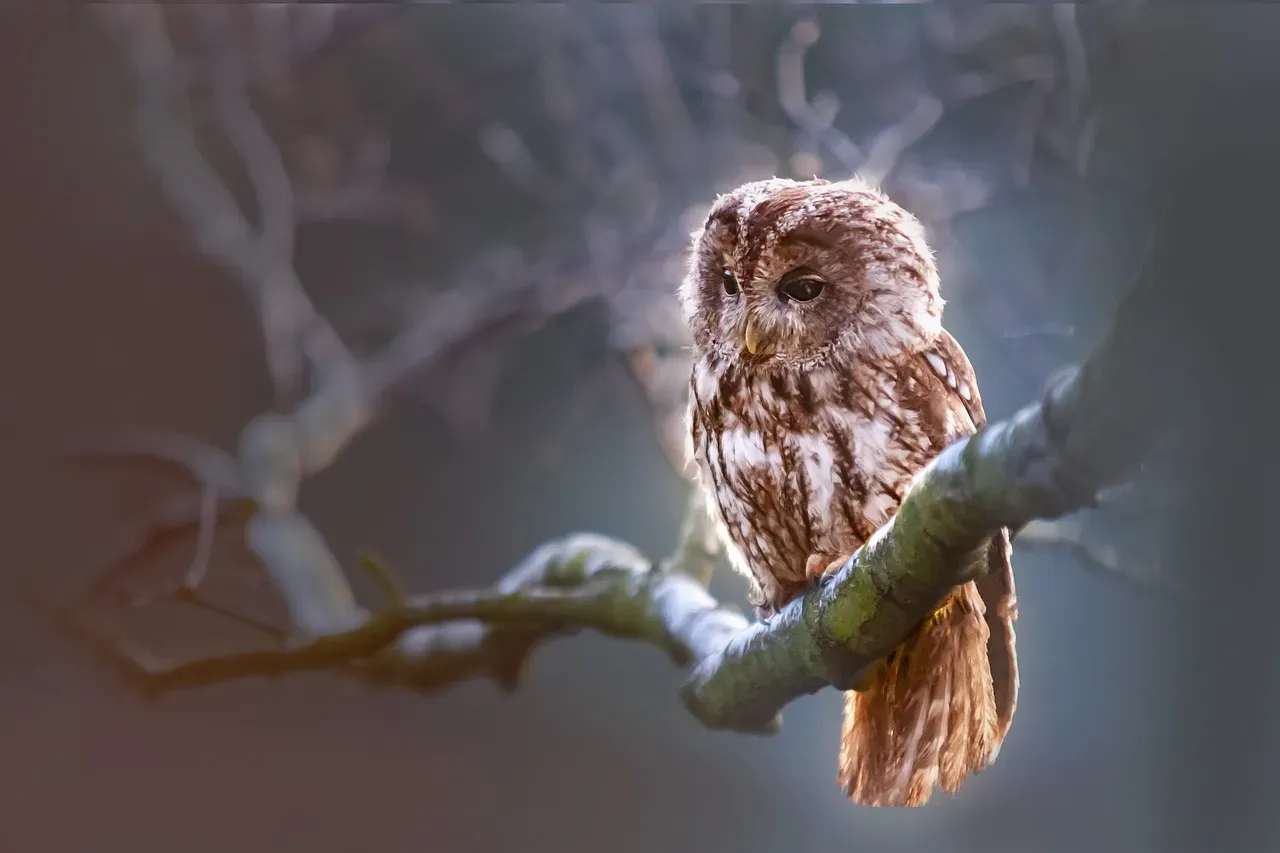
Nocturnal predators often exhibit patience and energy conservation strategies, remaining motionless for extended periods before striking with explosive speed and precision. If you think sitting completely still in the dark for hours sounds brutal, try being the mouse on the other end of it.
Species like the American alligator and Nile crocodile are most active at night, using their excellent night vision, pressure-sensitive scales that detect water disturbances, and patient ambush tactics to catch prey coming to the water’s edge to drink. They don’t chase. They simply wait for the world to come to them.
The hunting strategies themselves are often adapted for nighttime success. Ambush predation becomes more effective when prey can’t see the attack coming, and persistence hunting works well when predators can track prey through the night without overheating. It’s a game of nerves, and the nocturnal hunters are very, very good at it.
Lions, though cathemeral and active at any time of day or night, prefer to hunt at night because many of their prey species, such as zebra, antelope, impala, and wildebeest, have poor night vision. There’s something almost ruthlessly logical about that. Why fight fair when the darkness gives you every advantage?
Pack Tactics and Collective Intelligence After Dark
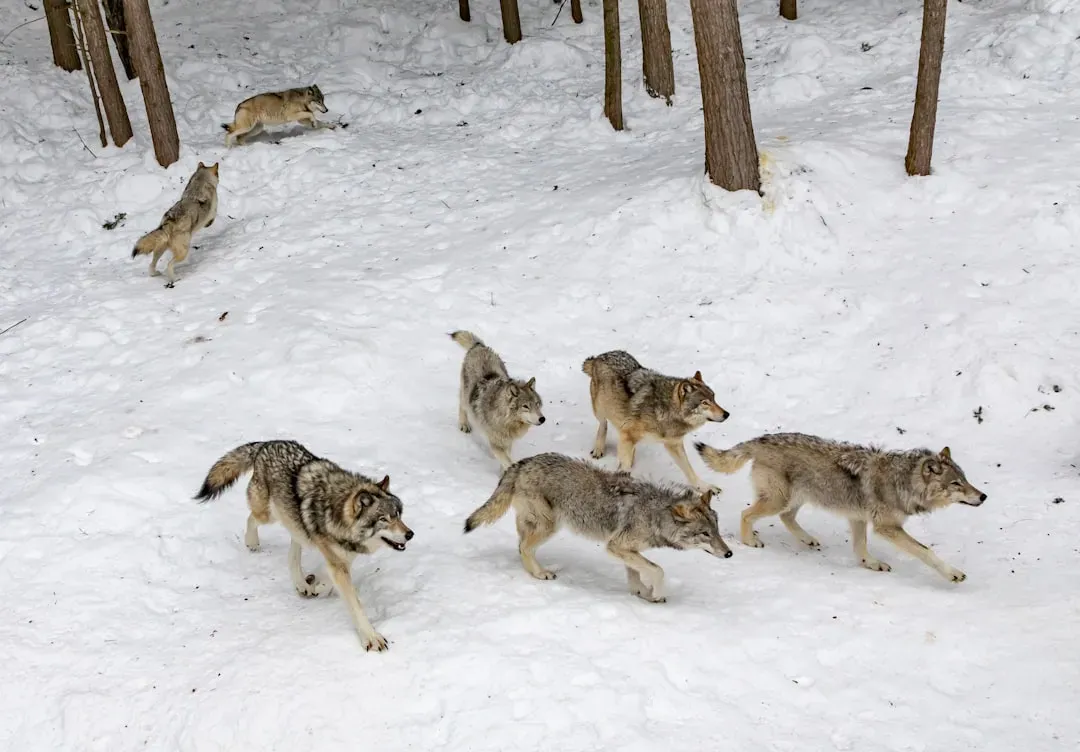
Let’s be real: most people picture wolves howling at the moon as a kind of romantic, chaotic scene. The truth is far more calculated. Wolf packs don’t just randomly chase prey until someone catches something. Their nighttime hunting involves complex decision-making, role assignments, and strategic thinking that rivals human hunting groups.
Research using GPS collar data combined with thermal imaging has revealed that wolf packs employ different hunting formations depending on prey type, terrain, weather conditions, and even moonlight availability. These aren’t instinctive behaviors but learned strategies passed down through generations and refined through experience.
Communication during nocturnal hunts doesn’t rely on the howls many people associate with wolves. Instead, packs use an intricate system of soft whines, subtle body postures, and scent marking that creates a silent coordination network. Silence, it turns out, is part of the strategy.
Recent research suggests wolves can anticipate prey movements, recognize individual prey animals from previous encounters, and even appear to create contingency plans when primary hunting strategies fail. One study in Minnesota documented a pack consistently placing wolves at alternative escape routes before the main hunting group initiated the primary chase, suggesting they anticipated possible prey responses and planned accordingly. That’s not instinct. That’s planning.
The Surprising Threats Facing the Masters of the Night
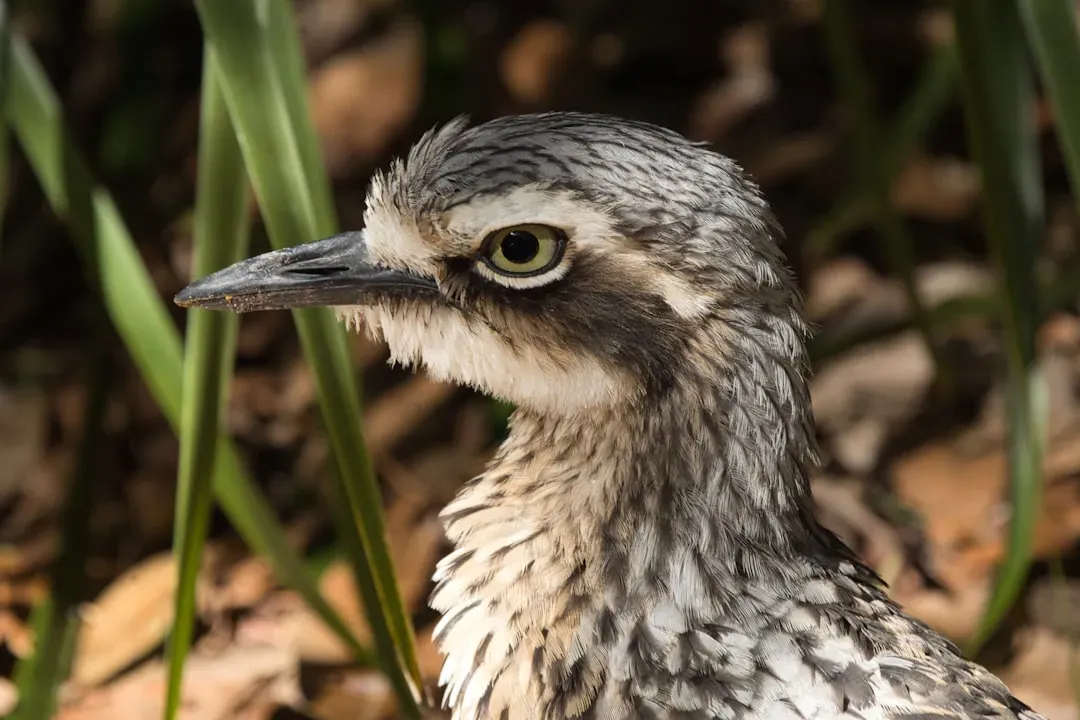
I think it’s easy to assume that creatures this perfectly adapted are invincible. They’re not. Despite their remarkable adaptations, nocturnal animals face numerous challenges, many of which are exacerbated by human activities. Habitat destruction, light pollution, and climate change all threaten the delicate balance of nighttime ecosystems.
Light pollution is a major issue for nocturnal species, and the impact continues to increase as electricity reaches parts of the world that previously had no access. Species in the tropics are generally more affected by this due to the change in their relatively constant light patterns, but temperate species relying on day-night triggers for behavioral patterns are also affected.
Light pollution can disorient species that are used to darkness, as their adaptive eyes are not as used to the artificial lighting. Insects are the most obvious example, attracted by the lighting and usually killed by either the heat or electrical current. The very darkness these animals evolved to master is being erased, one streetlight at a time.
As the Earth warms, some animals may shift their active hours, becoming more nocturnal or crepuscular, which could reshuffle entire food chains in ways scientists are only beginning to understand. Understanding how these hunters have adapted to their environment is essential if we are to develop conservation strategies that will protect them for many years to come. The stakes are high, and the window to act may be narrowing faster than we think.
Conclusion
The nocturnal world is not a quieter, simpler version of the day. It’s a ruthlessly efficient parallel universe, engineered by millions of years of evolution into something that operates with a precision and sophistication we’re only beginning to truly understand. From the chemical mapping abilities of snakes to the coordinated flanking tactics of wolf packs, the night is alive with strategy, patience, and breathtaking biological ingenuity.
What strikes me most is how little of this we witness. Every single night, while we’re scrolling our phones under warm lights, predators are navigating total darkness with senses we can barely comprehend, executing hunts that would impress even the most seasoned military strategist.
The next time you step outside on a dark evening and hear something rustle in the shadows, maybe don’t assume it’s the wind. Something out there almost certainly knows exactly where you are. Did you ever imagine the night could be this extraordinary?
