

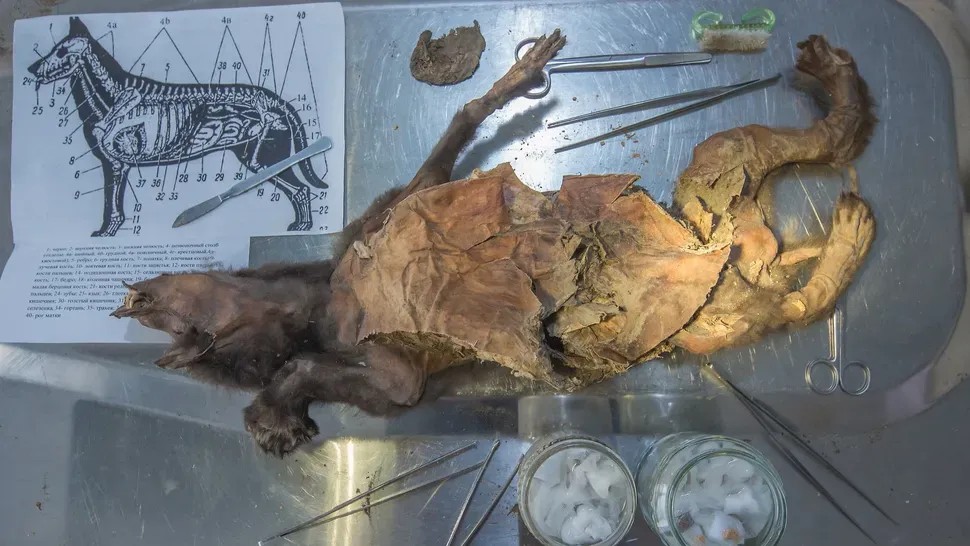
Imagine scientists extracting the genetic blueprint of an extinct giant from meat that was partially digested inside a wolf puppy – meat that sat frozen in permafrost for roughly 14,000 years. It sounds like something straight out of a science fiction novel, honestly. Yet that is exactly what happened, and the findings are reshaping what we know about one of the most fascinating creatures to ever walk the Earth.
The woolly rhinoceros is already a legendary beast in paleontology circles. Massive, shaggy, and built for ice age brutality, these animals once roamed across vast stretches of Eurasia. Now, thanks to a preserved wolf pup and some remarkably intact ancient tissue, researchers have managed to sequence a woolly rhino genome in extraordinary detail. Let’s dive in.
The Bizarre Discovery That Started It All
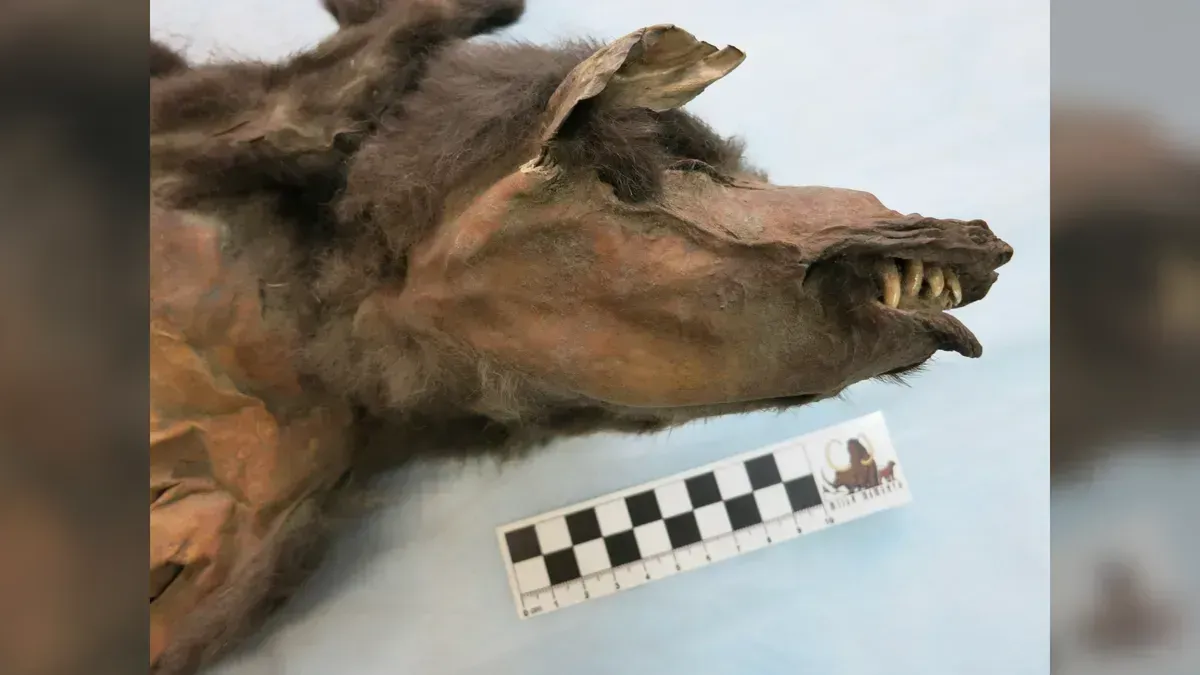
Here’s the thing about permafrost – it’s essentially nature’s freezer, and it has been holding secrets for tens of thousands of years. In Siberia, a frozen wolf pup was discovered with identifiable meat in its stomach, and that meat turned out to be woolly rhino tissue. The pup had eaten part of a rhino shortly before its own death, and both were preserved together in the ice.
What makes this so jaw-dropping is the sheer improbability of it. A predator consuming prey, dying soon after, and then both being locked in permafrost long enough for modern scientists to extract usable genetic material – that chain of events is almost cosmically unlikely. Yet here we are. The discovery was made in the Siberian region of Yakutia, which has become something of a goldmine for ice age specimens over the past two decades.
Sequencing an Ice Age Giant’s Genome
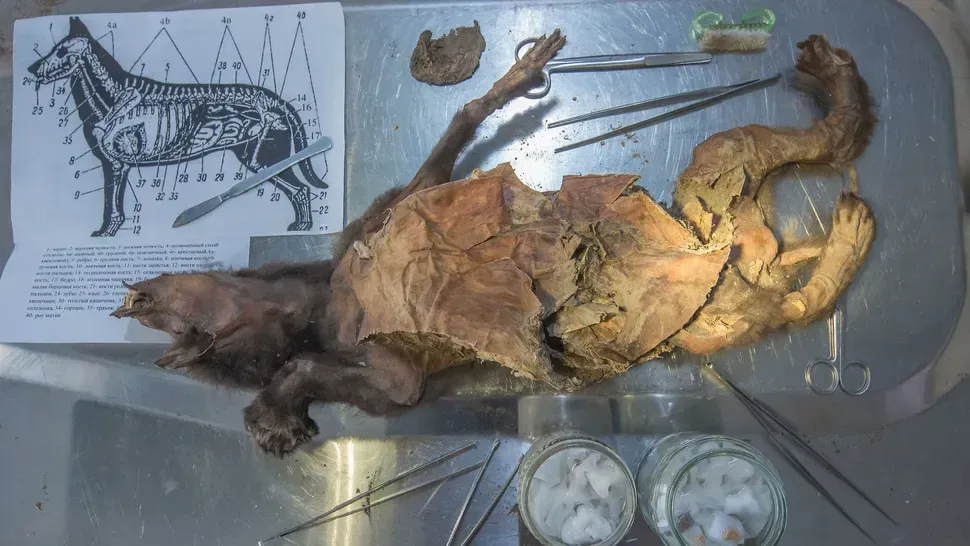
The stomach contents of the wolf pup provided researchers with soft tissue from the rhino that was in remarkably good condition. DNA degrades over time, especially in environments with freeze-thaw cycles, but deep, stable permafrost slows that process dramatically. Scientists were able to extract genetic material and sequence the woolly rhino genome at a level of detail that simply wasn’t achievable from bone fragments alone.
This is genuinely exciting for the field of ancient genomics. Soft tissue tends to preserve DNA far better than bones or teeth, which is why finding intact muscle or organ tissue from extinct megafauna is considered a major scientific prize. The quality of the genome sequence obtained from this rhino tissue was high enough to allow meaningful comparisons with living rhinoceros species. Think of it like having a blurry old photograph suddenly come into focus.
What the Genome Actually Reveals
The sequenced genome offered researchers a clearer window into the woolly rhino’s evolutionary history than ever before. One of the most significant findings relates to the genetic relationship between woolly rhinos and their closest living relatives, particularly the Sumatran rhinoceros. The data helped clarify how long ago these lineages diverged and how the woolly rhino adapted genetically to frigid environments.
Scientists identified genes associated with cold tolerance and metabolic adaptations, which makes a lot of sense given that these animals thrived during periods of intense glaciation. It’s a bit like finding the instruction manual for surviving an ice age written right into the animal’s DNA. The genome also helps paint a picture of the woolly rhino’s population history, showing patterns of growth and decline that tracked closely with climate fluctuations over thousands of years.
The Final Days of the Woolly Rhino
Woolly rhinos went extinct roughly 14,000 years ago, right around the time this particular individual was being eaten by a wolf pup. That timing is not a coincidence – it places this animal at the very tail end of the species’ existence on Earth. The Late Pleistocene extinction event wiped out a staggering number of large mammals across multiple continents, and the woolly rhino was among the casualties.
The debate over what drove them to extinction has been going on for decades. Was it climate change as the planet warmed after the last glacial maximum? Was it human hunting pressure? Most researchers now lean toward a combination of both factors, with warming habitats shrinking the tundra grasslands that woolly rhinos depended on. The genome data from this specimen adds another data point to that complex puzzle, suggesting the population was already under significant stress before its final collapse.
Why the Wolf Pup Connection Is So Important
It might be tempting to see the wolf pup as a footnote in this story, but honestly, the pup is central to why this discovery was even possible. Without the pup’s stomach preserving that rhino tissue in a protected, enclosed environment, the soft tissue would likely have degraded far more severely. The pup acted, in a strange way, as an accidental preservation vessel.
The wolf pup itself was also a remarkable find. Discovered in permafrost, the pup was young, possibly only a few months old, and is considered one of the best-preserved ice age canids ever found. Researchers believe the pup died quite suddenly, possibly from a permafrost collapse, shortly after consuming the rhino meat. That sudden death and quick burial in frozen ground created the near-perfect preservation conditions that scientists benefited from thousands of years later.
What This Means for the Science of Extinct Species
I think it’s worth stepping back and appreciating just how much this single discovery does for the broader field. Ancient DNA research has exploded over the past decade, but the quality of genomic data is always limited by the quality of the tissue you’re working with. Finding soft tissue from large extinct mammals is extraordinarily rare, and each new discovery opens doors that were previously sealed shut.
This woolly rhino genome now joins a growing library of ancient megafauna genetic data that includes mammoths, cave bears, and giant ground sloths. Researchers can use these genomes to study everything from how ancient species responded to climate shifts to what genetic traits might have made certain populations more or less resilient. There is even ongoing, if controversial, discussion about de-extinction projects, and high-quality genomes like this one would theoretically be essential to any such effort. It’s hard to say for sure where that science leads, but the raw material is becoming increasingly available.
The Permafrost as a Time Capsule for Science
Siberia’s permafrost has yielded woolly mammoths, ancient horses, cave lions, and now this extraordinary woolly rhino tissue. The region is, without exaggeration, one of the most scientifically valuable places on Earth for understanding Pleistocene life. Each thaw season, as climate change causes permafrost to melt at accelerating rates, new specimens are emerging from the ground.
There is a painful irony in that. The same warming that is threatening ecosystems today is also slowly releasing ancient biological material that gives us an unprecedented look at the past. Scientists are racing to recover and study these specimens before they are exposed to air and warm temperatures long enough to degrade. The woolly rhino genome extracted from a wolf pup’s last meal is a perfect reminder of just how much the frozen ground still has to tell us.
Conclusion: A Last Meal That Became a Scientific Gift
A wolf pup’s final meal turned into one of the most remarkable genetic discoveries in recent paleontology. That is a sentence I genuinely never expected to write, and yet here we are, in 2026, reading about a 14,000-year-old rhino genome sequenced from half-digested tissue preserved inside a frozen predator. Science has a way of finding the extraordinary in the most unlikely places.
The woolly rhino may be long gone, but its genetic legacy is now part of the scientific record in stunning detail. This discovery reminds us that extinction doesn’t always mean complete erasure. Sometimes the past clings on in frozen ground, waiting for the right moment and the right set of curious humans to pull it back into the light. What would you have guessed was sitting in a Siberian wolf pup’s stomach all this time?

- Urban Coyotes Show Remarkable Adaptability, Learning to Thrive in City Environments - July 22, 2026
- Beavers Are Nature’s Engineers, Creating Vital Habitats for Other Wildlife Species - July 21, 2026
- The Recovery of the California Condor Offers Hope for Other Critically Endangered Birds - July 21, 2026