
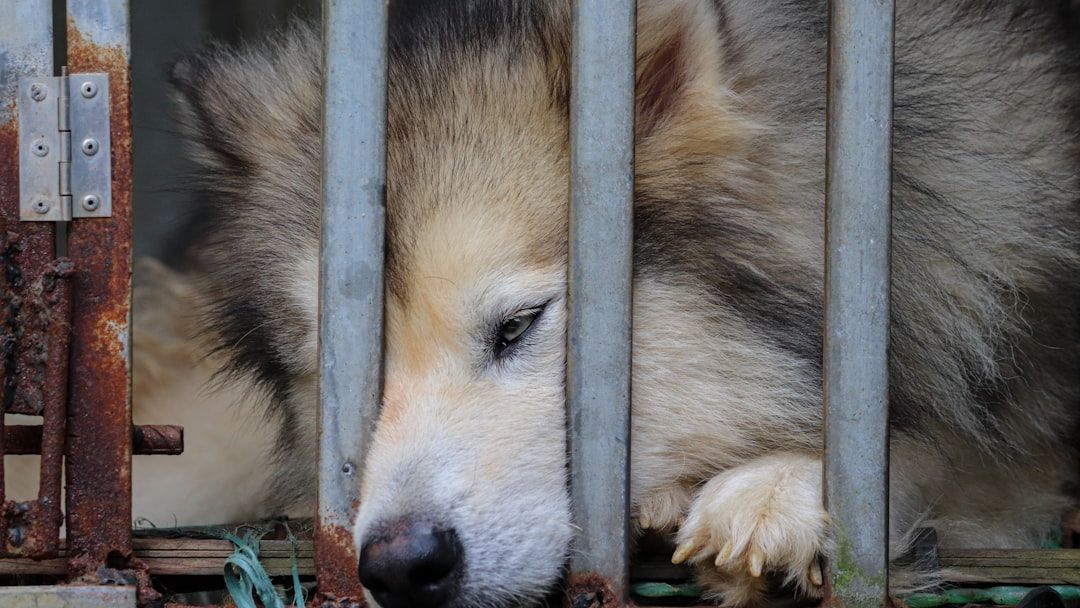
You scroll past a heartbreaking video. A tiny puppy, matted and shaking, crying out in a ditch somewhere overseas. A person rushes in, scoops the animal up, and a donation link appears on screen. Your heart tightens. You reach for your wallet.
That moment, that precise emotional flash of compassion, is exactly what criminals are counting on. Fake animal rescue scams have exploded across the internet into a full-blown, sophisticated criminal industry. They are targeting some of the most empathetic people alive, animal lovers, and the consequences go far beyond a stolen twenty dollars. Let’s dive in.
The Staggering Scale of the Problem Nobody Is Talking About
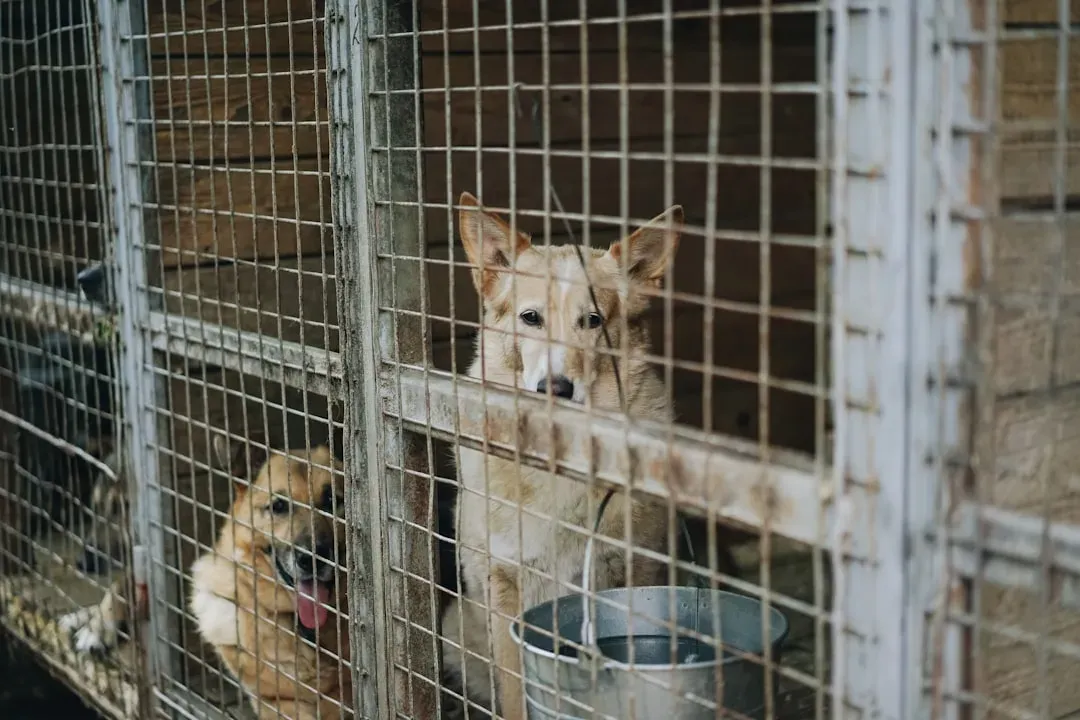
Most people assume animal rescue fraud is rare, a fringe issue, a few bad actors here and there. Honestly, the reality is shocking. In 2024, the Social Media Animal Cruelty Coalition (SMACC) documented over a thousand links to suspected fake rescues across Facebook, Instagram, YouTube, TikTok, and X in just six weeks, generating 572 million views. That is not a niche problem. That is a global epidemic hiding in plain sight.
These posts are designed to trigger an instant response from kind people and to siphon donations away from legitimate organizations. This sits inside a wider wave of “fake rescue” content: staged cruelty or stolen clips engineered to go viral and funnel cash. Think about that the next time you watch a feel-good rescue video. The scale of deception is breathtaking.
The Emotional Hook: How Scammers Reel You In
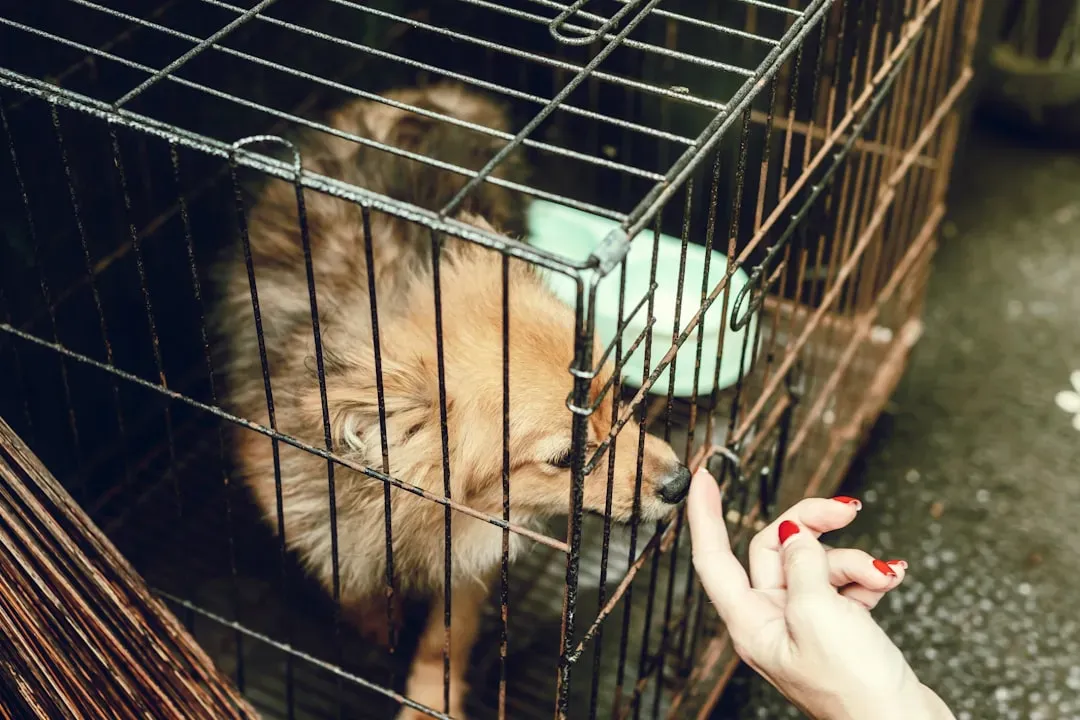
Scammers are not amateurs. They are, in many cases, highly calculated manipulators who understand human psychology at a deeply unsettling level. They approach you through a mutual interest in animals, gain your friendship and your trust, then follow you or invite you to follow their page with a fake name of a shelter or rescue on social media. It feels organic. It feels real. That is the point.
In the animal shelter scam, crooks post pictures of animals with false information about “high kill” shelters and imminent death unless they immediately receive money to rescue the pets. The urgency is artificial and weaponized. Once someone believes an animal will die in hours without their help, rational thinking goes out the window. Scammers know this, and they exploit it without a single moment of hesitation.
Staged Cruelty: When Animals Are the Actual Victims of the Fraud
Here is where this story takes a truly disturbing turn. Some fake rescue content does not just use stolen images. Fake rescue content features animals who have been harmed or placed in dangerous situations specifically so that the content creator can appear to rescue the animal from that situation, to generate revenue from likes and shares, as well as from direct donations from the viewer. Read that again. Animals are being deliberately hurt to film a “rescue.”
In one disturbing trend, multiple videos show mother cats laying on the ground, wide-eyed and unable to move their bodies, as their kittens cry out and try to feed. The content then shows the cats being “rescued” and brought back to full health. Veterinarians who have reviewed this content suspect that the cats may in fact be intentionally drugged for the videos. It is, without question, one of the most morally reprehensible scams operating online today.
Fake Charities, Stolen Logos, and the Impersonation Game
Animal shelters warn that scammers are creating fake social media accounts to solicit donations from animal lovers by using stolen photos and videos of sick and abused pets. This is not theoretical. Real, established organizations are being cloned. Friends of Michigan Animals Rescue, a shelter that has been placing pets in homes for roughly two decades, discovered a look-alike social media profile posing as them. The scammers’ page reused their photos of sick and injured animals and urged people to donate, and a Facebook supporter noticed the copycat account was using their logo and a nearly identical name.
These scams directly impact legitimate organizations’ ability to raise funds for animals in need. Think of it like this: every dollar stolen by a fake rescue page is a dollar that could have fed a real dog, paid for a real surgery, or kept a real shelter open. The harm is not just financial. It is felt by the animals themselves.
The Draining of Bank Accounts: How Victims Lose Thousands

Let’s be real about the financial damage here. Victims, overwhelmed by fear and love, have sent hundreds or even thousands of dollars before realizing they have been conned. One Maryland resident reportedly lost $2,600 after a scammer claimed their dog needed surgery. These are not small sums. For many people, this is rent money, grocery money, emergency savings gone in minutes.
Several people who have donated to scammers report that once they send a donation, they are asked over and over for more money, including funds to help the animals, money for their mother in the hospital, for their sister’s school fees, or money to pay their medical bill. The initial donation is just the beginning. Once scammers know you will give, they keep pushing until you have nothing left. Some rescue shelters have even received fraudulent checks in the mail, leading to overdrawn bank accounts and serious financial problems.
The Payment Trap: Why You Can Almost Never Get Your Money Back
This is the part that should make everyone stop cold. Scammers will insist you can only pay with cash, a gift card, a wire transfer, cryptocurrency, or a payment app. Those are ways that get scammers the money quickly and make it hard for you to get it back. It is not a coincidence. It is a deliberate strategy to make recovery almost impossible.
A bio that lists only personal wallets such as PayPal email, Cash App, Venmo, or crypto is a red flag. Legitimate charities simply do not operate this way. You may never get your money back, so it’s important to prepare for that outcome. Federal agencies rarely track down perpetrators of crimes against individuals. Rather, they use complaints to record patterns of abuse, which enables an agency to take action over time. The system is slow. The scammers are fast. That imbalance is devastating.
The Domino Effect on Real Rescues and Real Animals
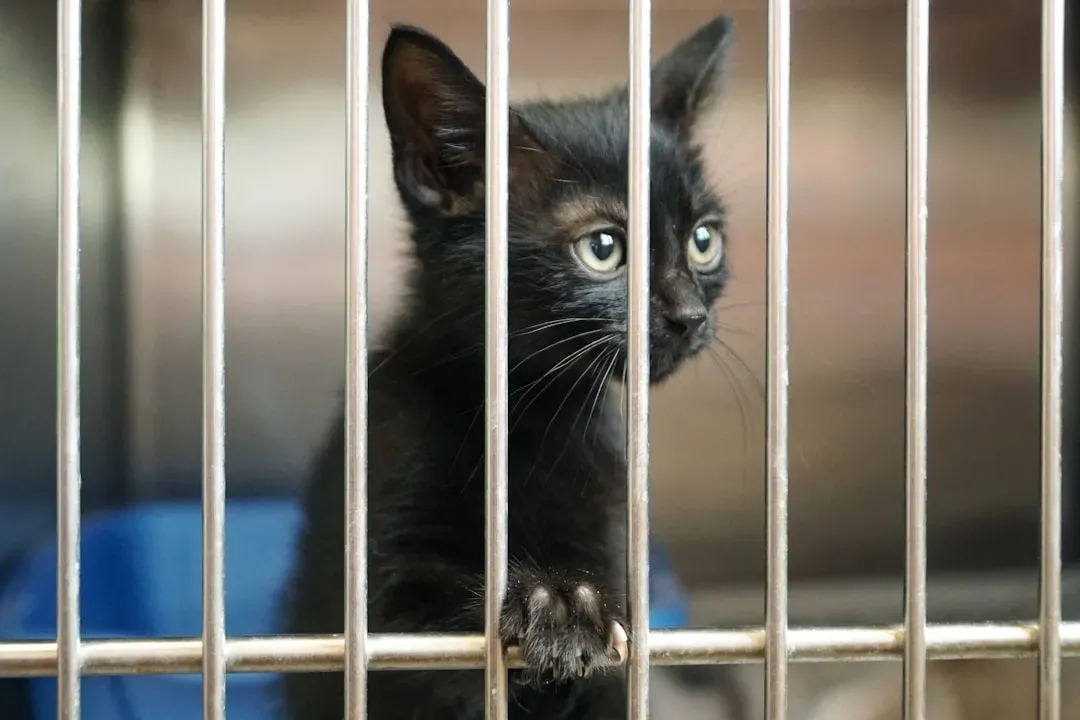
There is a painful irony buried inside all of this. The people being scammed genuinely want to help animals. These predators and fake rescues exploit benevolent citizens by stealing funds, lying about a need, and in some cases pretending to be a legitimate charity. The cruelest part is that their generosity ends up harming the very cause they care about. Real shelters go underfunded. Real animals go untreated.
Impulse donations to a Facebook post might create at least three victims: a pet who truly needs help, a shelter whose survival depends on donations, and the donor themselves. That is a devastating truth. The money raised by scammers does not go to the care of the animal, sheltering agencies, or to the adopting party or organization. Every stolen donation is a chain reaction of harm, spreading far beyond the victim’s bank account.
How to Protect Yourself: Practical Steps That Actually Work
Here is the good news. You can fight back, and it does not require becoming a cynic or abandoning your compassion. Experts recommend verifying organizations before donating by visiting their official websites rather than social media pages. A quick extra step can save you hundreds of dollars and genuine heartbreak. Verify that the organization soliciting funds is a legitimate charitable group, double check that the animal exists and where it is housed, and ask the sheltering agency what help has already been provided and whether the animal is truly at risk.
Scammers often take photos from other websites and present them as their own. One way to assess whether a photo is authentic is to do a reverse image search to see if it has appeared elsewhere online. Simply right-click on the photo, select “copy image address,” visit images.google.com, and search by image to find if it has appeared in other places. It takes thirty seconds and can reveal a scam instantly. No legitimate rescue or shelter will ever demand immediate payment or threaten to withhold an animal. If someone is pressuring you, that pressure itself is the scam.
Conclusion

The fake animal rescue scam is a uniquely cruel form of fraud because it weaponizes something beautiful, the human capacity for compassion, and turns it into a tool for exploitation. It harms donors, cripples real charities, and in some cases causes direct suffering to the very animals being used as bait.
Staying safe does not mean becoming heartless. It means becoming smart. Verify before you give. Question the urgency. Reverse image search everything. And when something makes your heart leap in panic, take one slow breath before reaching for your card. The animals that truly need you deserve a donation that actually reaches them.
So next time a tearjerking rescue video pops up on your feed, ask yourself: does this feel real, or does it feel engineered? That one question might be the most important thing you do for animals today. What would you have guessed was the scale of this problem before reading this?
