
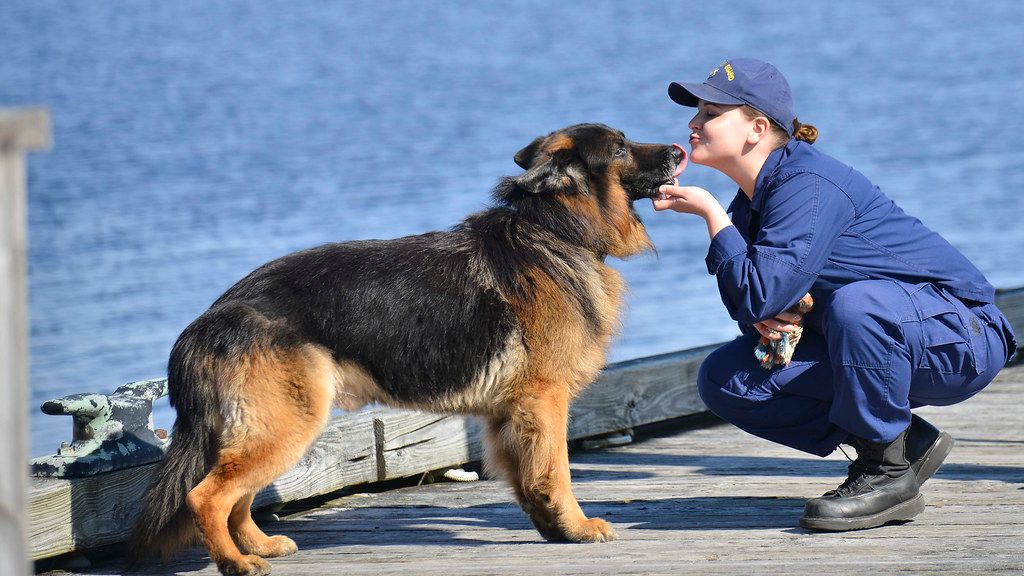
Picture this: the middle of a sunny afternoon, birds singing, your dog lounging lazily on the grass – and then, without warning, the sky goes dark. Not a cloud in sight. No rumble of thunder. Just sudden, eerie twilight where there should be broad daylight. For us humans, a solar eclipse is a breathtaking spectacle. For the animal kingdom? It’s a whole different story.
From giraffes breaking into a panicked gallop to spiders tearing down their own webs, the natural world reacts to solar eclipses in ways that still leave scientists genuinely stunned. Your dog, your backyard birds, the bees outside your window – all of them feel something shift in the world. The big question is: what exactly is happening in their minds, and should you be worried about your pup? Let’s dive in.
The Science Behind Why Animals Go “Off-Script” During an Eclipse
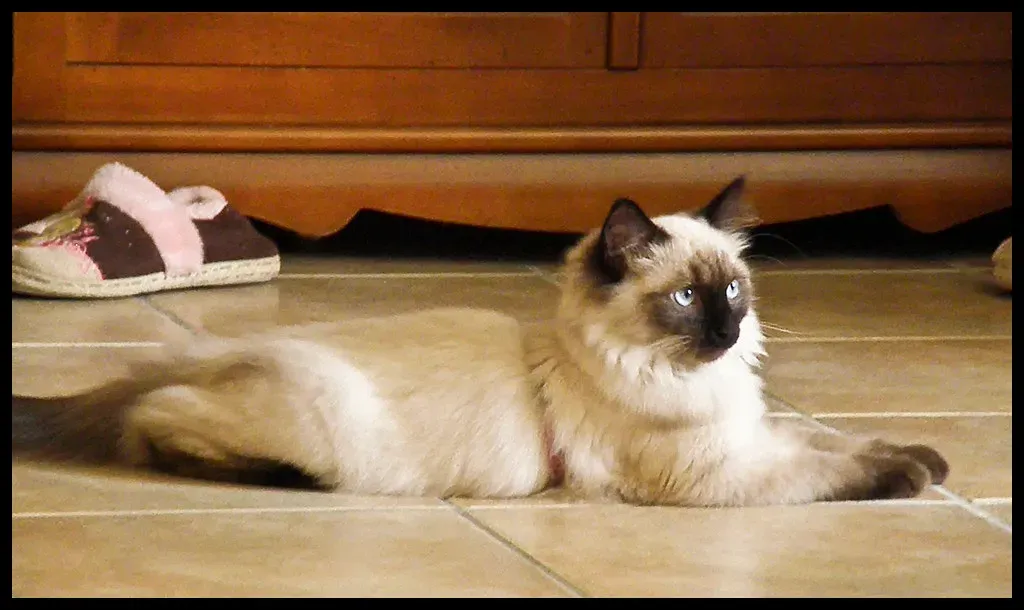
Animals don’t have myths or actual clocks, so they take all their behavioral cues from nature. A darkening sky and a drop in temperature – both of which happen during an eclipse – can cause wildlife to shift into nighttime routines, sometimes with startling speed. Think of it like someone flipping a biological switch mid-afternoon.
A total solar eclipse is a rare but genuinely impactful event that has been historically linked to unusual behavioral responses in animals. Research from the Riverbanks Zoo in South Carolina found that roughly three quarters of observed species exhibited a behavioral response to the eclipse, with most of them slipping into their established evening or nighttime behaviors. That’s a staggering number, and it tells us something profound about how wired animals are to the rhythms of light.
Animal researcher Nate Bickford at Oregon Institute of Technology noted that “solar eclipses actually mimic short, fast-moving storms,” which explains why so many creatures instinctively take shelter when the sky dims unexpectedly. When you think about it that way, their reactions make complete sense.
Wild Animals: From Giraffes Galloping to Spiders Dismantling Their Webs
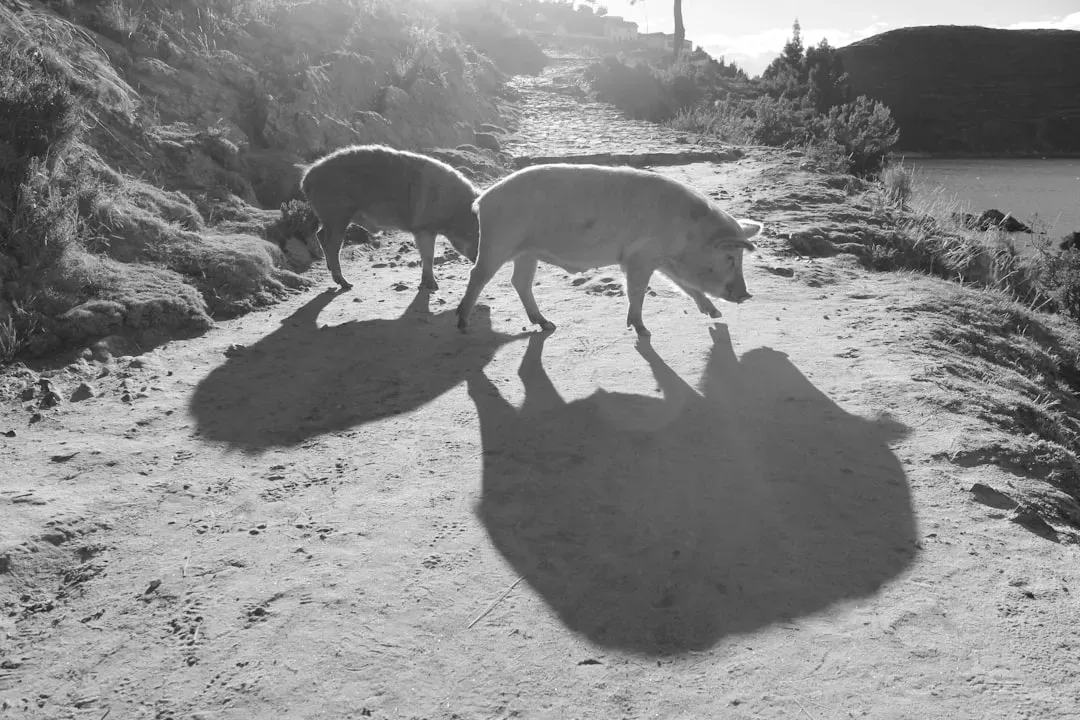
During the 2017 eclipse at Riverbanks Zoo, researchers found animal responses ranging from no noticeable change all the way to displays of anxiety, switches to nighttime preparation, and changes in vocalization. Researchers saw giraffes suddenly start running around their pen, and some male gorillas became more aggressive. That’s the kind of raw, instinctive panic you really don’t expect from an animal that spends most of its day quietly chewing leaves.
Animals that usually stir at sunset, like frogs and crickets, began to chirp during the eclipse. Some spiders even took down their webs, only to rebuild them once sunlight returned. Nocturnal animals like bats and owls became active during the eclipse, while diurnal animals like squirrels and deer showed more activity just before and after it. Honestly, it reads less like a scientific report and more like a nature documentary gone sideways.
Flying bald eagles changed their speed and direction during the eclipse, while feral horses appeared to take cover, likely responding to what felt like the possibility of an incoming storm out on the open plains. The animal world, it seems, is far more tuned in to the sky than we ever gave it credit for.
How Do Dogs Actually React? The Truth Might Surprise You
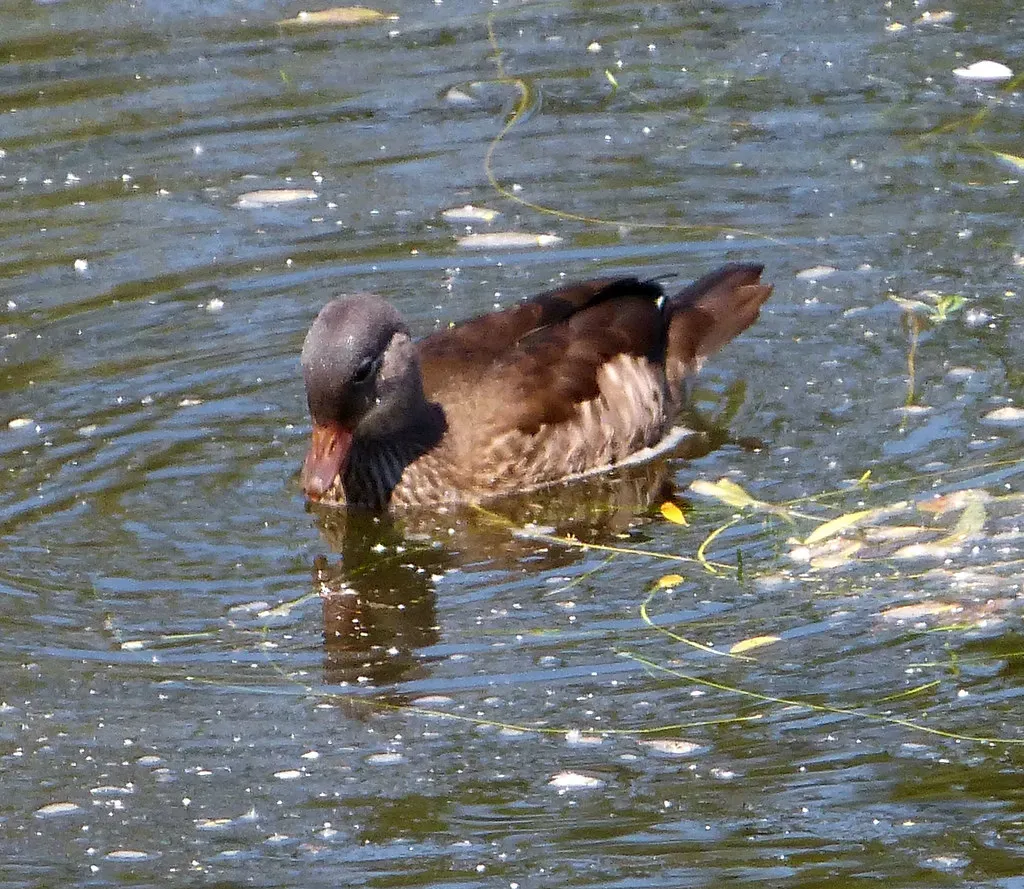
The average indoor dog is likely not going to be significantly affected by the eclipse itself, and that’s genuinely good news for most of us. Here’s the thing though – “not affected by the eclipse” doesn’t mean “completely unaffected by the whole situation.” There’s a meaningful difference there.
The environmental changes surrounding an eclipse could influence pet behavior, but mostly in dogs who tend to become anxious prior to thunderstorms. They may confuse the diminished sunlight with the onset of an upcoming storm. If your dog is already the type to hide under the bed when clouds roll in, an eclipse day could feel unsettlingly similar.
Indoor pets may react as much to what their owners are doing – whether they’re excited or nonchalant – as to any changes in the sky. As one researcher put it, “Dogs and cats pay a lot of attention to us, in addition to their internal clocks.” Your dog’s stress level on eclipse day might just be a mirror of your own energy. That’s worth sitting with.
Stress Signals to Watch For in Your Dog During an Eclipse
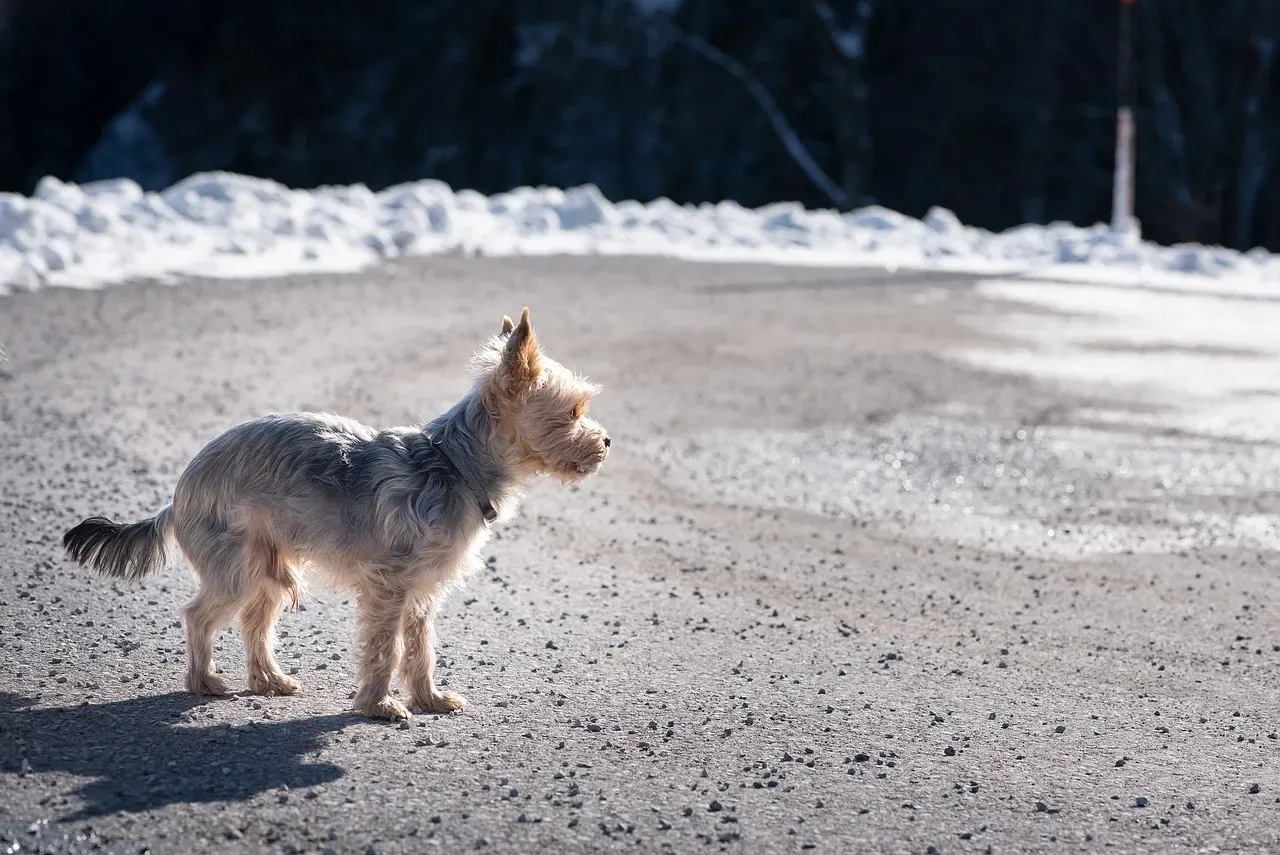
The darkness caused by an eclipse can disrupt pets’ internal clocks, leading to confusion and anxiety. During a solar eclipse, pets may display unusual behaviors because they are accustomed to being active during daylight hours and resting at night, and animals with a history of anxiety may exhibit behaviors such as whining, pacing, panting, or hiding. If you see any combination of these signs, your dog is communicating clearly. Listen to them.
Keep a close eye on your dog and look for any signs of stress or anxiety. The most obvious sign is your dog running off and hiding somewhere, but there are subtler cues too. Other signs of anxiety in dogs include whining, panting, pacing, excessive barking, lip licking, or yawning. Lip licking and yawning are especially easy to miss, but they’re classic canine stress signals that every dog parent should recognize.
Experts strongly encourage owners to maintain their pet’s daily routine so that animals can feel a sense of normalcy and comfort during the eclipse, reducing the likelihood of stress or anxiety-related behaviors. If pets do exhibit unusual behaviors, owners can provide comfort and reassurance, though if a pet is hiding, forcing interaction may make them more nervous. Sometimes the kindest thing you can do is simply sit nearby, quiet and calm.
Keeping Your Dog Safe: Practical Tips Every Dog Owner Needs to Know
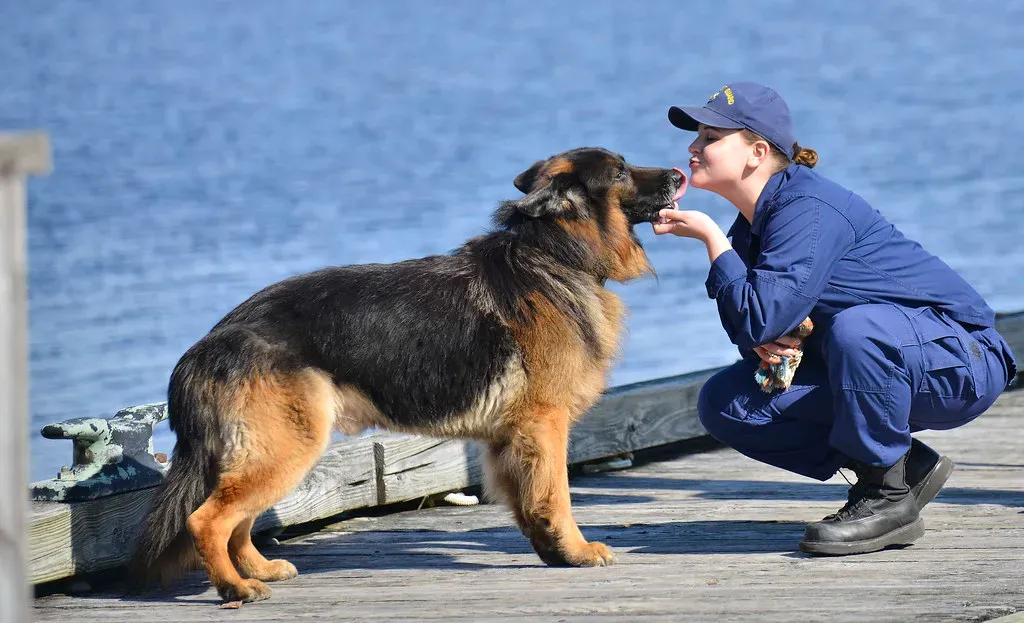
Veterinarians agree that it’s likely best to keep pets inside during the eclipse, especially if they’re stressed by crowds or events like storms or fireworks. If possible, keeping them indoors in a comfortable environment where they will feel more secure is the most important thing. Simple as that. No gimmicks, no special gear. Just a safe, familiar space.
Pets cue on our behavior so much that if you’re out with your dog and reacting strongly to the eclipse, your dog probably isn’t reacting to the eclipse at all – it’s reacting to how you’re behaving. Staying composed is genuinely key, because pets are sensitive to our emotions and actions. This one feels underrated. Your calm really is contagious to your dog, in the best possible way.
If you’ve decided to take your dog to an eclipse event, make sure they’re microchipped with current information in case they get stressed and run off. Keep them well-controlled on a leash at all times. If your dog does show signs of stress or anxiety, distracting them with a training treat, a quiet room, or even relaxing music inside could all help manage the situation effectively.
Conclusion: Nature’s Most Honest Audience
There’s something quietly humbling about watching the animal kingdom respond to a solar eclipse. No cameras, no glasses, no social media posts – just pure biological instinct responding to a universe-sized event in real time. Giraffes gallop. Spiders dismantle. Crickets sing to a suddenly dark afternoon sky. It’s raw, unfiltered nature at its most honest.
For your dog, the good news is that the eclipse itself is rarely the problem. It’s the chaos around it – the crowds, your excitement, the unfamiliar sounds – that can unsettle a sensitive pup. Stay calm, keep their routine steady, and give them a warm, quiet place to ride it out. That’s truly all they need from you.
The animal world is listening to signals we can barely perceive, and in doing so, it reminds us just how deeply every living thing is woven into the rhythms of the sun. What does your dog do when the world goes unexpectedly quiet? You might be surprised by what you notice next time. What do you think? Share your eclipse day pet stories in the comments below!
