

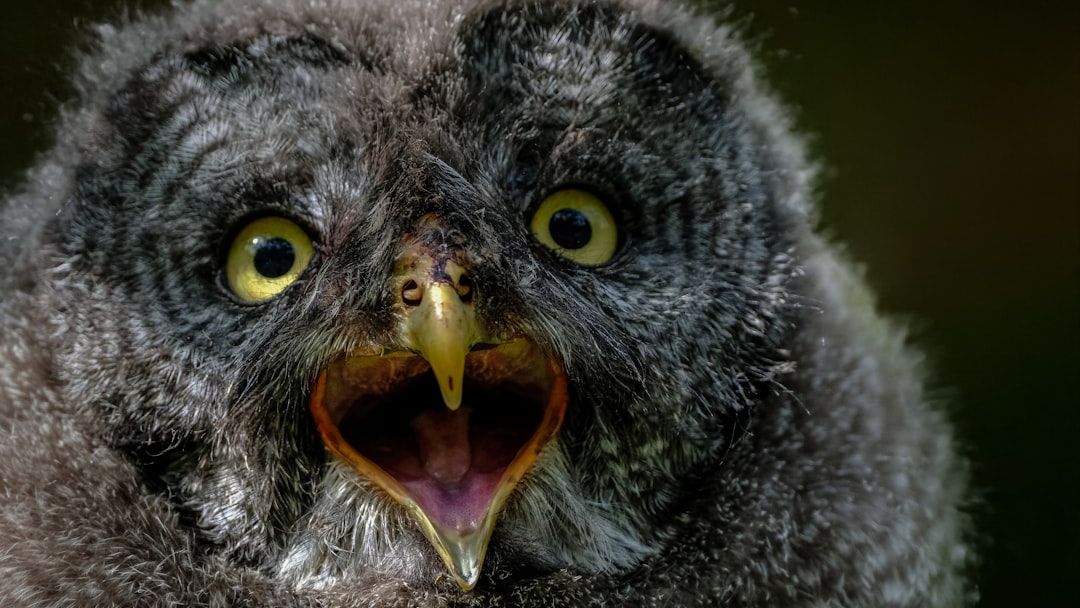
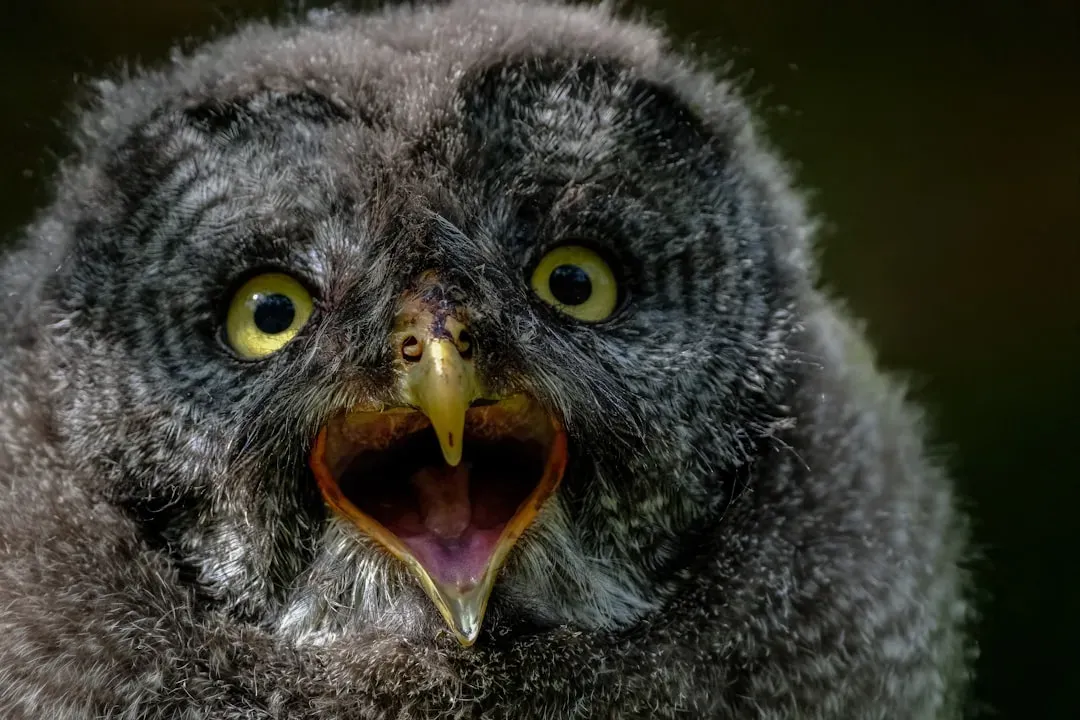
In the world of wildlife rehabilitation, few stories capture the magic of nature’s resilience quite like the journey of three tiny owlets at Folly Wildlife Rescue. Rescued as helpless hatchlings, these fluffy newcomers faced long odds against survival in the wild. What followed was months of dedicated care that preserved their instincts while building their strength.
Here’s the thing: preventing human imprinting proved crucial from day one. Folly’s team turned to an unconventional yet brilliant solution that has now paved the way for a successful release. This tale unfolding today highlights why innovative rehab techniques matter more than ever.
The Rescue Begins: From Abandoned Chicks to Rehab Hope
These owlets arrived at Folly Wildlife Rescue in their most vulnerable state, barely feathered and abandoned in the wild. Staff provided immediate warmth and round-the-clock feedings of finely chopped rodents and insects to mimic natural maternal care. Weights doubled weekly, signaling robust early progress amid constant monitoring.
The trio quickly bonded as siblings, their wide eyes reflecting growing curiosity about their surroundings. This initial phase set the foundation for everything ahead, turning fragile nestlings into promising rehab stars. Let’s be real – without swift intervention, their story might have ended tragically.
By the end of the first week, fluffing up became evident, a clear sign their specialized diet worked wonders. Folly’s low-intervention approach ensured minimal human contact right from the start.
Teddy Bear Mom: The Key to Avoiding Dangerous Imprinting
Imprinting ranks as a top threat in orphaned wildlife care, where young animals mistake humans for parents and struggle later in the wild. Folly introduced a plush owl surrogate, dubbed the teddy bear mom, for the owlets to cuddle against instinctively. This lifelike toy offered comfort and security without any human scent or visual cues.
Handlers limited interactions further by using specialized gear, fostering strong sibling bonds and natural fear of people. A rescue spokesperson called it the sweetest sight, watching the chicks snuggle in safely. This method boasts a 90 percent survival rate for similar releases, proving its effectiveness.
What makes this strategy shine is its replication of maternal bonding purely through species form. The owlets developed primal behaviors untainted by captivity risks. In broader terms, it aligns perfectly with global rehab standards.
Rapid Growth: Feathers, Flight Training, and Hunting Skills
Growth came swiftly, with downy fluff yielding to sleek adult feathers in just eight weeks. Inside a spacious aviary, flight training honed silent wingbeats and precise perching on branch replicas. The largest owlet took charge, leading siblings through predatory drills on live prey like small rodents.
Pouncing precision improved steadily, marking their shift toward self-sufficiency. By three months, full flight competency matched wild counterparts in body weight and agility. This milestone-driven program transformed cuddly chicks into fierce hunters with sharp talons.
Physical changes underscored the rehab’s rigor, from teddy bear naps to independent prowess. Staff observed evasive maneuvers and natural instincts emerging strong. Such progress validates Folly’s patient, structured timeline.
Challenges of Owl Rehab: Insights from Experts
Owls, possibly barn or screech species based on size and markings, confront predation, starvation, and habitat loss claiming nearly 70 percent of fledglings yearly. Dr. Elena Vargas, a leading avian biologist, warns human imprinting acts as a silent killer for raptors. She applauds the teddy bear technique for its psychological edge in species-appropriate imprinting.
Folly’s minimal contact policy mirrors guidelines from the International Owl Center. These efforts prove vital amid shrinking habitats from urbanization. Expert praise reinforces why rescues like this bolster local populations. Habitat corridors and anti-poaching measures gain momentum from such successes. The owlets’ path highlights scalable solutions for orphan care worldwide.
Release Day: Soaring Back to Wild Freedom
Clear dawn skies greeted release day at a forested site, with final health checks confirming peak condition. The owlets perched eagerly before launching with powerful, silent flaps into the canopy. They circled once, blending hesitation with resolve, then vanished into treetops.
Onlookers witnessed immediate wild adaptation, including threat evasion. Tracking bands will monitor progress for a year, tracking long-term thriving. This event validates Folly’s model, enhancing owl numbers locally. Staff noted the trio’s seamless transition, a testament to months of preparation. Such releases ripple through ecosystems by controlling rodents naturally.
Final Thought
Folly Wildlife Rescue’s triumph with these owlets offers a blueprint for conservation, blending innovation with nature’s needs. Over 500 raptors released in five years show real impact, boosted by public stories driving 40 percent more donations. As these hunters prowl starry skies, their legacy inspires hope – what’s your favorite wildlife comeback story?
Source: Original YouTube Video

- Urban Coyotes Show Remarkable Adaptability, Learning to Thrive in City Environments - July 22, 2026
- Beavers Are Nature’s Engineers, Creating Vital Habitats for Other Wildlife Species - July 21, 2026
- The Recovery of the California Condor Offers Hope for Other Critically Endangered Birds - July 21, 2026