
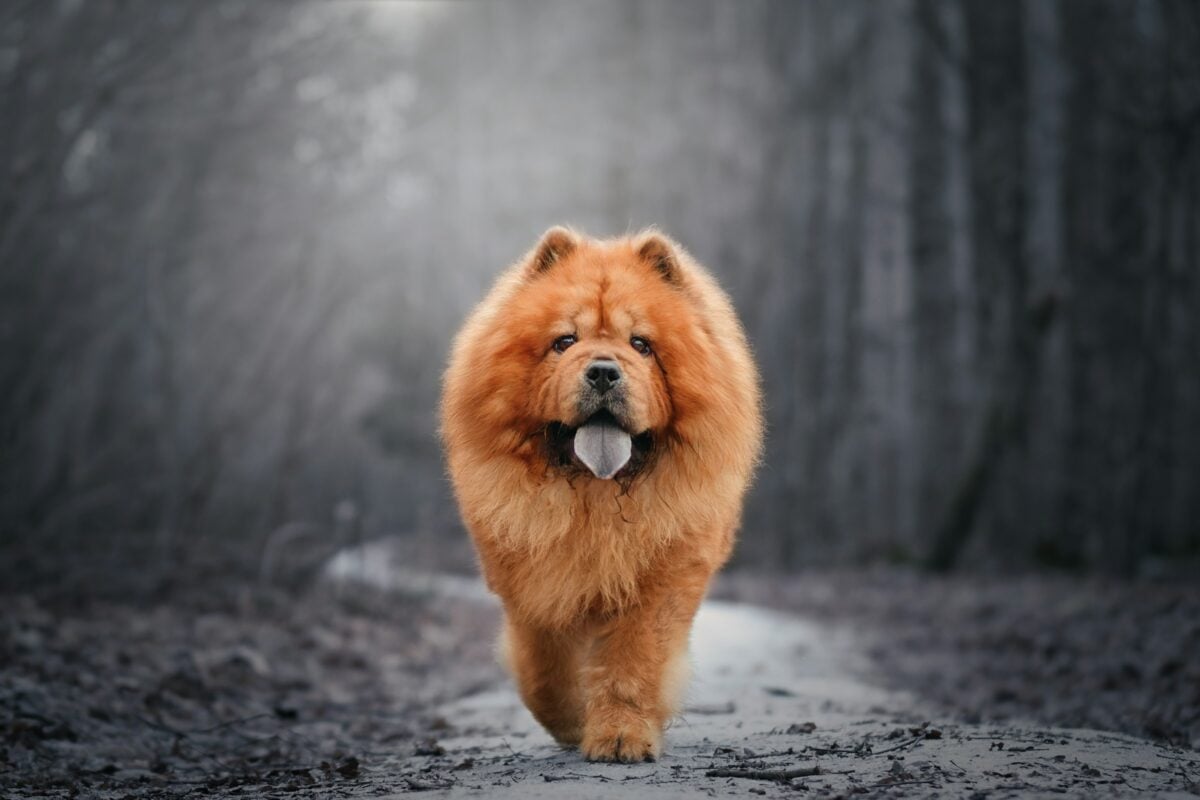
Picture the clingiest dog you know. Probably not what you’re imagining. That fluffy, lion-maned dog glued to its owner’s leg at the park looks like the neediest creature alive – the kind that would fall apart the second you walked out the door.
Except that’s exactly backwards. This breed was built for centuries to work alone, think alone, and guard property without a human ever telling it what to do. The clinginess you’re seeing isn’t desperation. It’s a choice. And once you understand why, you’ll never look at a “velcro dog” the same way again.
#1 – The Breed: The Chow Chow’s Secret Double Life
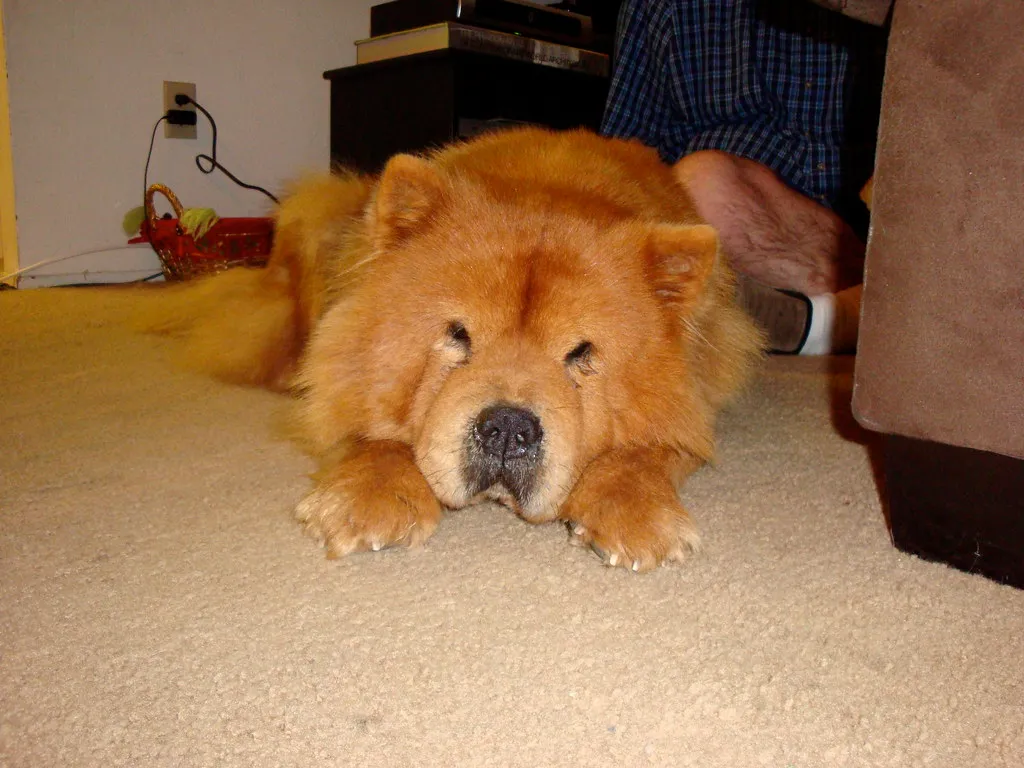
From across a room, the Chow Chow looks like the ultimate cuddle buddy. Lion mane, thick coat, squished-up face – people take one look and think “giant stuffed animal.” It’s an easy mistake to make.
But underneath that plush exterior is one of the most independent dogs ever developed, with a temperament that owes more to a housecat than a Golden Retriever. In China, the Chow worked as a guardian, hunter, and sometimes even a sled dog – jobs that required making decisions alone, not waiting on a human for permission. That history is baked into every fiber of this breed, and it shows up the moment you get them home.
Fast Facts
- Origin: Northern China, with roots tracing back over 2,000 years
- Historic roles: guard dog, hunter, herder, and sled puller
- Coat: thick double coat that sheds heavily and needs regular brushing
- Signature traits: a blue-black tongue and a stiff, straight-legged gait
Outside, a bonded Chow might shadow your every step, practically glued to your side. Walk back through your front door, though, and that same dog may casually wander off to another room and tune you out completely for the rest of the afternoon. It isn’t rejection. It’s a dog that has always been comfortable running its own show.
#2 – Why a “Clingy” Chow Is Actually Choosing You (Not Needing You)
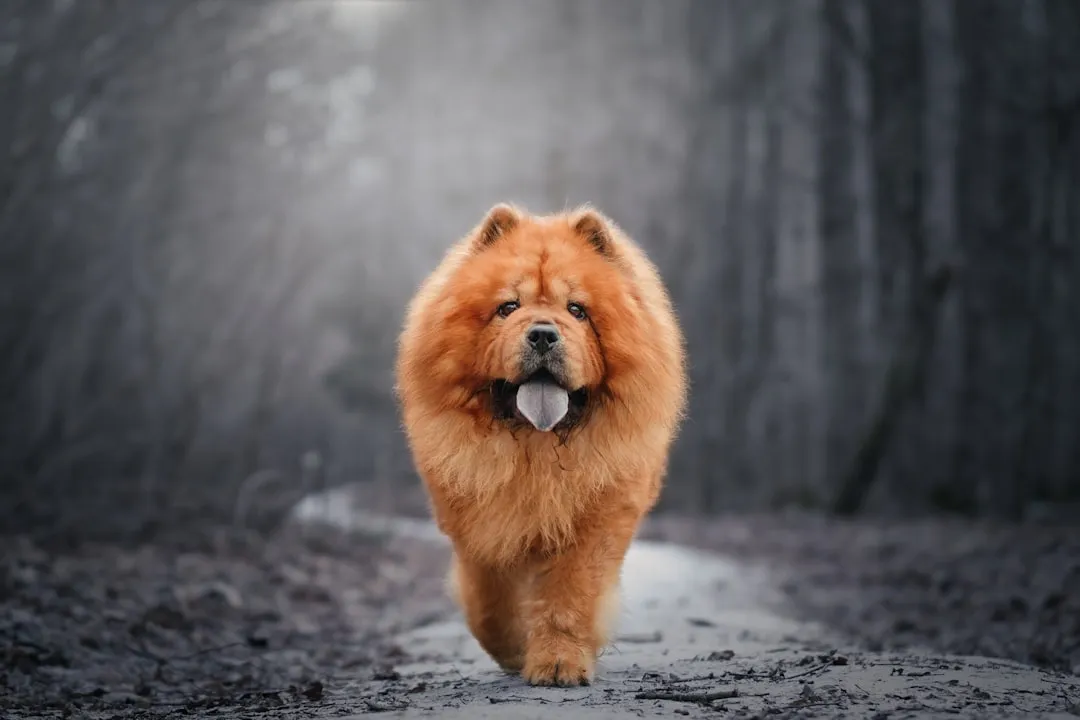
Here’s the part that throws people off: when a Chow Chow follows you around, it’s almost never panic. Real neediness looks like whining at the door, pacing, or shredding a couch cushion the second you leave. Most Chows do none of that.
Instead, they’re doing something closer to a quiet inspection. They’ve decided, on their own terms, that you’re worth watching. That’s a guardian mindset, not a codependent one – a holdover from centuries spent patrolling property and protecting whatever mattered most to their family.
Owners notice the pattern once they know what to look for. A Chow will follow you from the kitchen to the living room, then lie down facing the doorway instead of curling up against your leg. In public, it might lounge several feet away, seemingly uninterested, until a stranger gets a little too close – and then it’s instantly alert. That’s not clinginess. That’s a dog doing its job.
#3 – The Cat-Dog Personality: Affection on Their Schedule
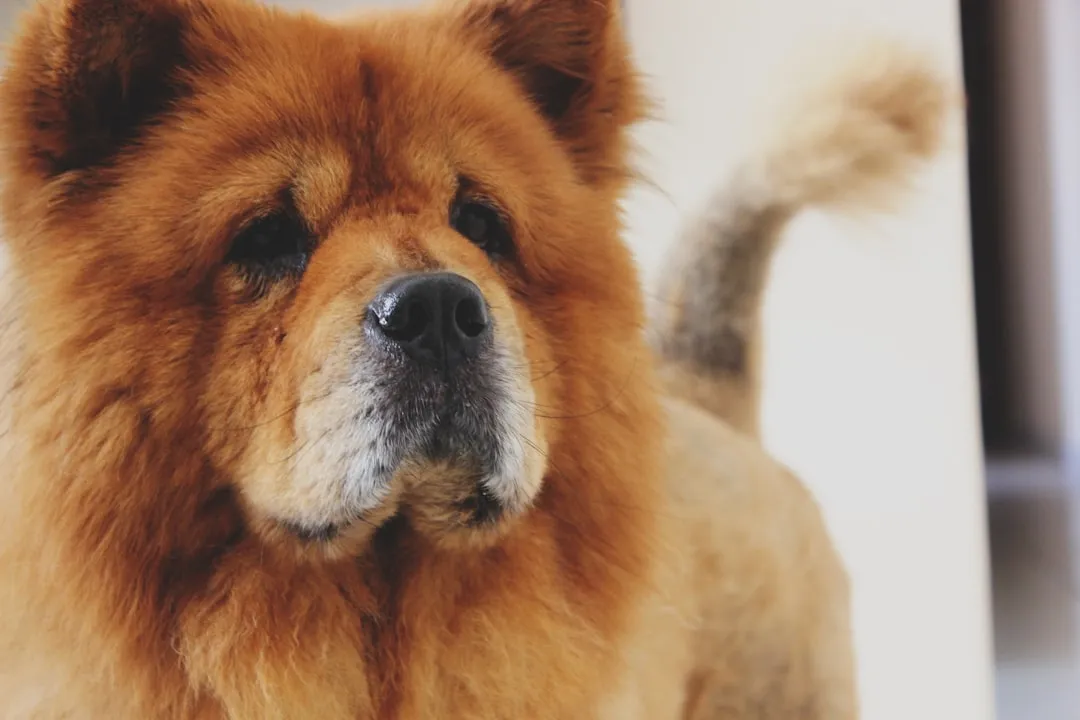
Say “independent dog” and most people picture a Greyhound or a Husky. Trainers who actually work with Chows tend to bring up a different comparison: cats.
A Chow decides when affection happens, and no amount of coaxing speeds that process up. It might tolerate a few seconds of petting before calmly relocating to a cooler spot across the room. As adults, many would rather watch you from a distance than pile onto your lap the way a Labrador would. To a stranger, that reserved posture can look snobby, even cold.
Quick Compare
- Labrador: seeks physical contact and thrives on constant praise
- Chow Chow: tolerates brief affection, prefers distance and quiet observation
- Cat (for reference): initiates contact on its own terms, walks away when done
To the people who live with one, it feels like something else entirely – a privilege. When a Chow chooses to lean in, rest its head on your knee, or place a paw on your arm, it means something, precisely because it doesn’t happen on command. That rare closeness is trust from a dog that genuinely doesn’t need anyone.
#4 – Alone Time Champions: Why Chows Handle Solitude So Well
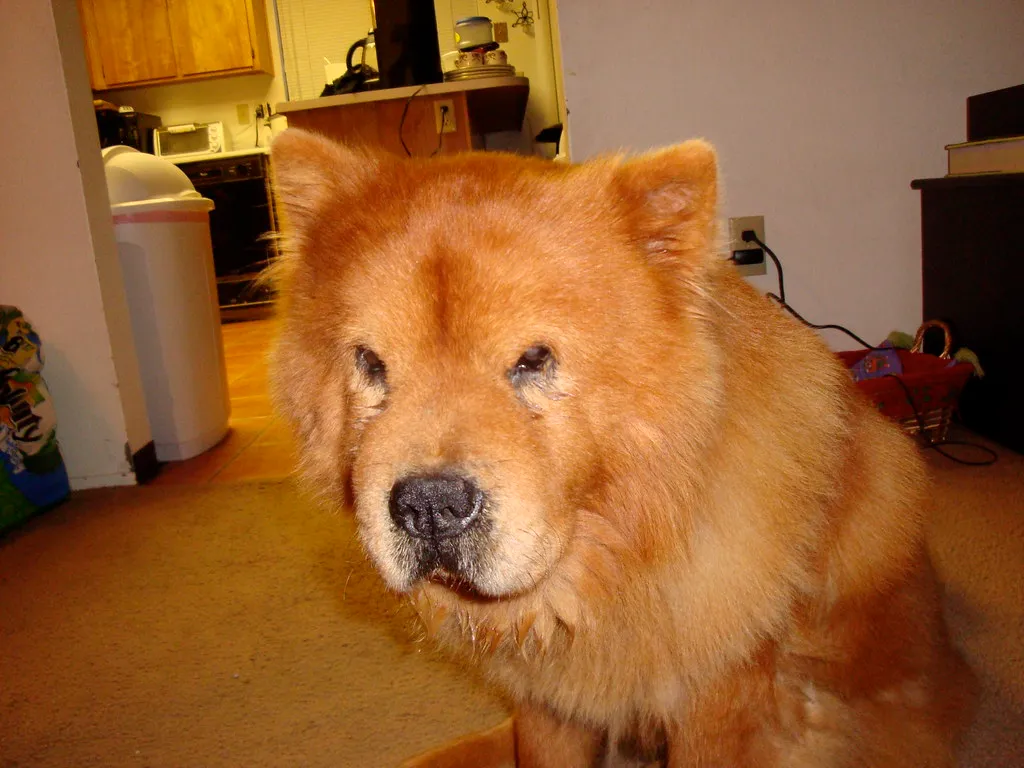
Plenty of popular breeds fall apart if they’re left alone for more than a few hours. The Chow Chow is almost unnervingly fine with it. A well-bred, well-socialized adult Chow will often handle solitude better than breeds that look far less clingy on the surface.
The same dog that stuck to your heels all evening might spend a quiet workday snoozing on the tile, occasionally getting up to patrol the house, and otherwise causing zero drama. That doesn’t mean they can be neglected – they still need exercise and mental stimulation. But their baseline setting is “I’ve got this,” not “please don’t ever leave.”
At a Glance
- Handles being left alone better than many high-energy breeds
- Often chooses cool tile floors over cuddling on the couch
- Self-entertains and rarely shows destructive, anxious behavior
- Still needs daily exercise and mental stimulation despite its calm solo streak
Owners describe the same handful of habits over and over: a Chow that puts itself to bed in another room, picks the cool tile floor over the couch, and ignores noisy chaos in the house if it’s decided it’s off duty. Some trainers find that aloofness frustrating to work with. It’s also exactly what makes this breed so quietly self-sufficient.
#5 – Loyalty Without Obedience: The Most Misunderstood Temperament
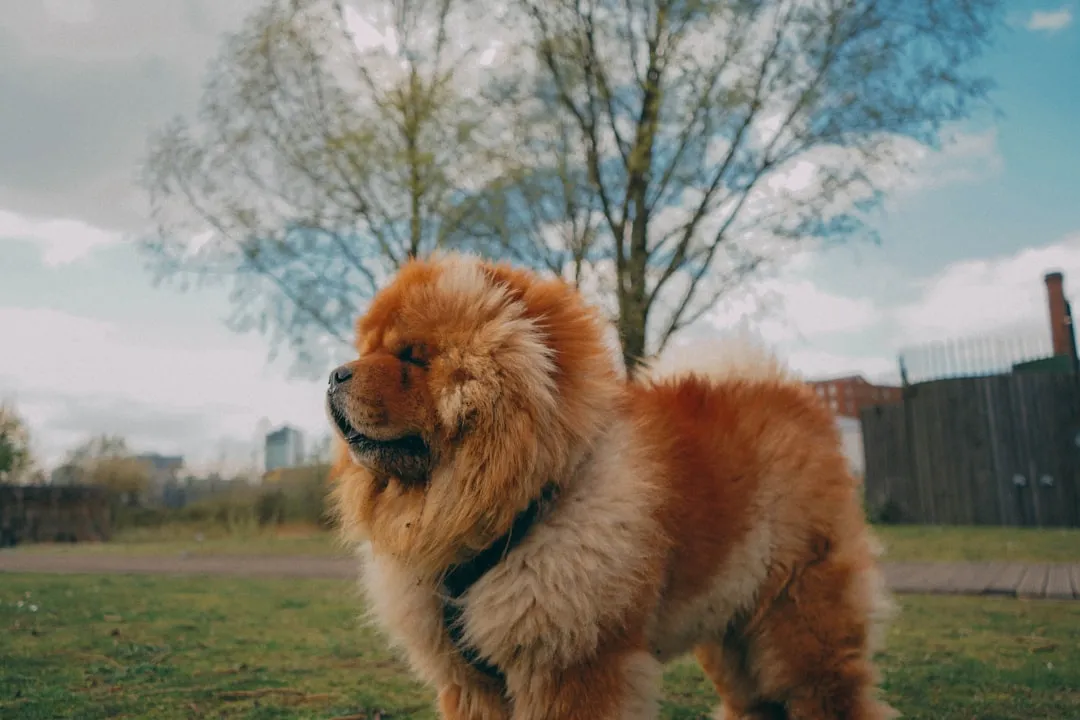
This is where most people get the breed completely wrong. They assume independence means stubbornness, and clinginess means eagerness to please. With a Chow, it’s almost the opposite equation.
A Chow can be fiercely loyal to its family and still flat-out ignore a command if it doesn’t see the point of following it. That’s not a training failure – it’s the job description the breed was built around: guard the property, decide who’s a threat, work at a distance from people in rough conditions, without checking in for approval.
A dog that respects you doesn’t have to be a dog that’s desperate to impress you.
Common sentiment among Chow Chow breeders and trainers
So a Chow might stick close to you in public and still not “sit” the instant you ask. Owners often describe them as polite but unbothered by praise. They respond to calm, consistent leadership far better than cheerful repetition – and to some, that reads as difficult. To others, it’s the clearest sign of real independence they’ve ever seen in a dog.
#6 – How Upbringing Turns a Clingy Look Into True Independence
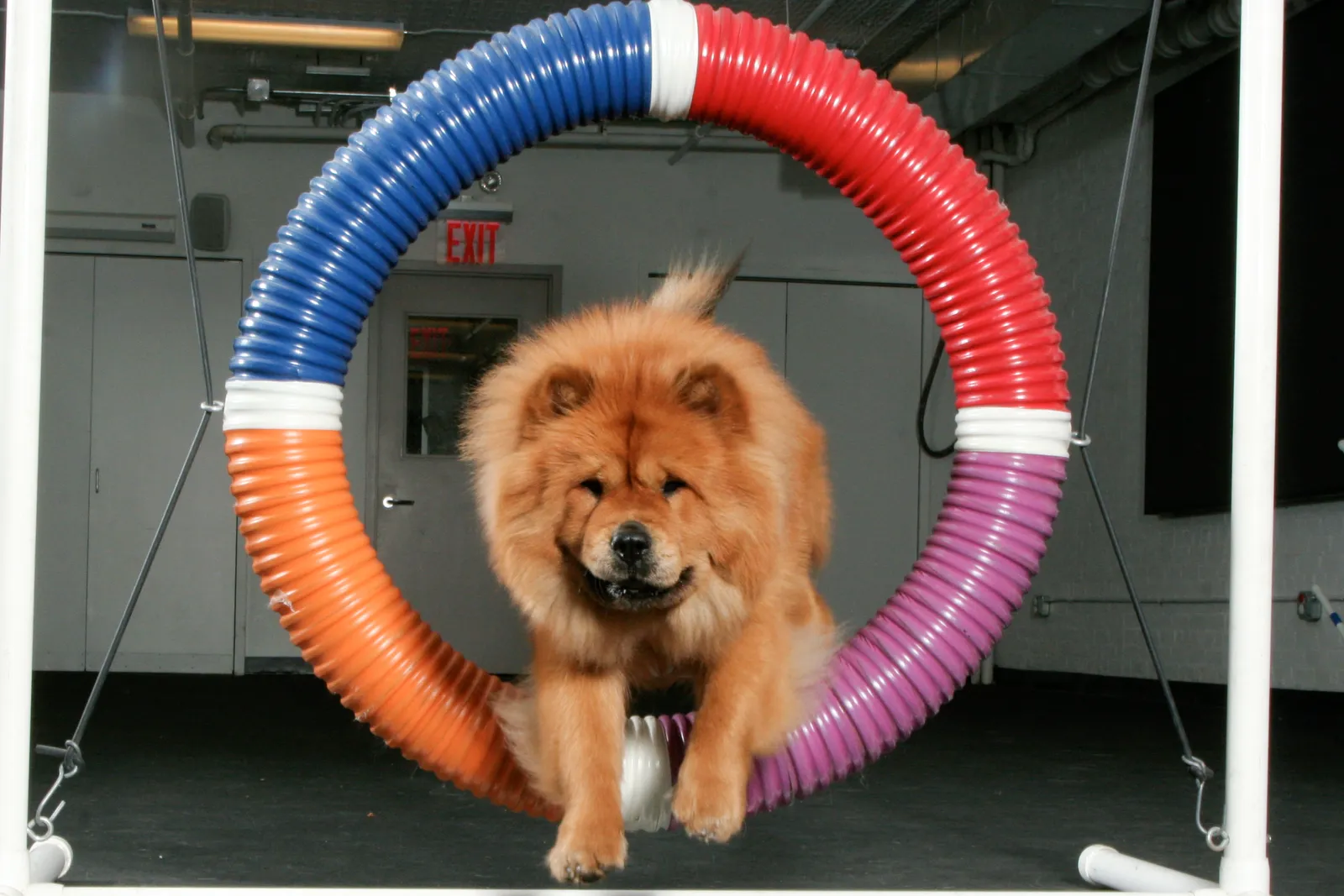
Most people bring home a Chow Chow because it looks like a living plush toy, then raise it like any other cuddly family pet. That’s usually where things go sideways. An undersocialized Chow can turn overly suspicious. An over-babied one can become reactive instead of genuinely independent.
The fix is treating them like what they actually are: a dignified, thinking guardian wearing a teddy-bear costume. That means early, positive exposure to strangers, sounds, and new environments, clear house rules from puppyhood, and short training sessions that respect a Chow’s limited patience for repetition.
Get that foundation right, and you end up with a dog that can hang near you without demanding constant contact, relax alone without unraveling, and decide for itself when to engage and when to simply observe. The clingy-looking aura becomes a choice they’re making, not a crutch they’re leaning on – and that difference is everything.
#7 – Why the Chow Wins: More Independent Than the Usual “Velcro” Breeds
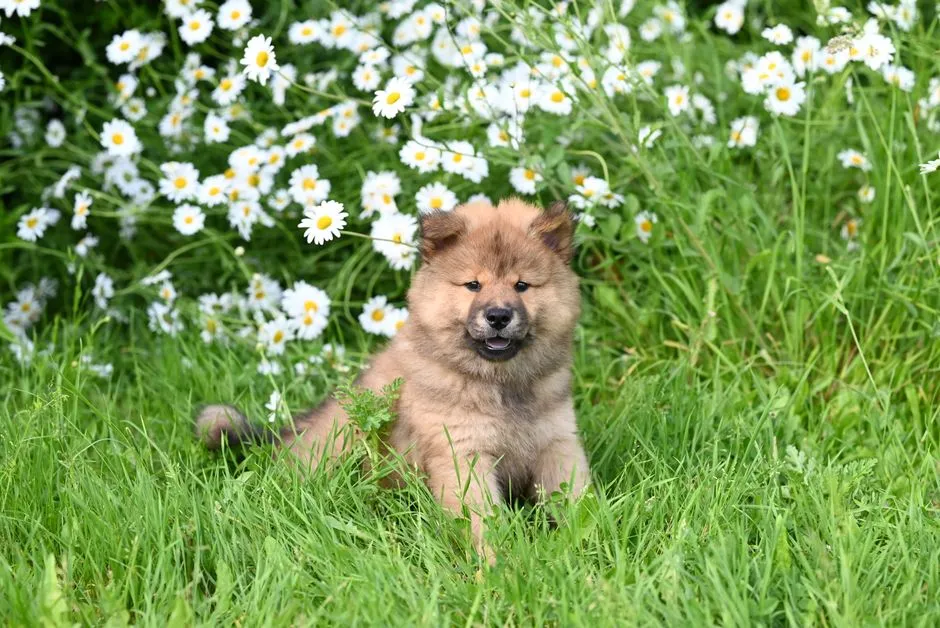
Line the Chow Chow up next to the breeds people actually call clingy – Cavalier King Charles Spaniels, many Doodles, some shepherd mixes – and the contrast gets stark fast. Those breeds are far more prone to real separation anxiety if alone time isn’t managed carefully.
The Chow can love a family deeply and still maintain a rock-solid comfort in its own company, which is about as textbook a definition of independence as dog behavior gets. Some trainers quietly rank the breed among the least biddable, most self-reliant companion dogs out there – one of the rare “family” breeds that still behaves like a working guardian at heart.
Worth Knowing
- Cavalier King Charles Spaniels and many Doodles are far more prone to separation anxiety
- Chows rank among the least “biddable,” or eager-to-please, breeds according to many trainers
- Deep family loyalty and rock-solid comfort alone can coexist in the same dog
Most casual dog lovers assume clingy body language always equals neediness. The Chow Chow blows that assumption apart. It proves a dog can look like a stuffed animal, trail your every step through a parking lot, and still be completely fine on its own the moment the door closes.
The Bottom Line
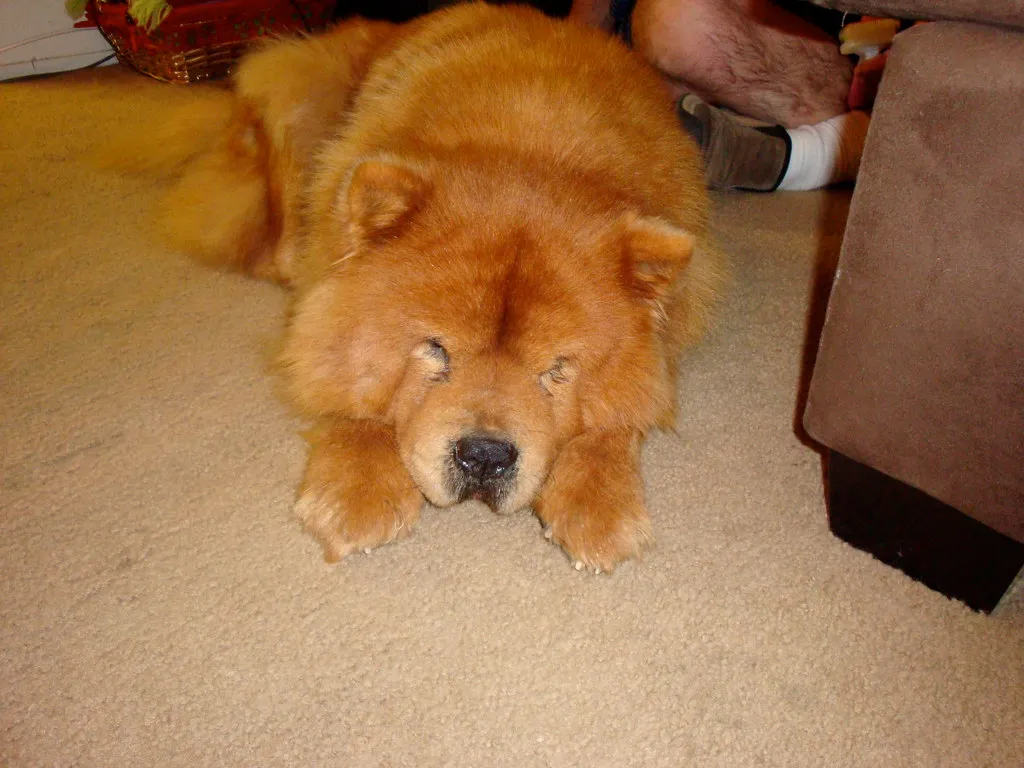
The Chow Chow might be the most misunderstood “clingy-looking” dog on the planet. That giant mane, serious stare, and habit of quietly trailing you room to room tricks people into thinking it’s desperate for attention. It isn’t.
This is one of the most self-contained, independent breeds ever put on a couch – closer to a stoic guardian or an opinionated cat than a needy lap dog. It follows because it wants to, not because it will fall apart without you. Some owners find that cool distance frustrating. Honestly, in a world full of over-attached pets, I find it kind of refreshing.
If you’ve lived with a Chow – or think this take is completely wrong – does this breed strike you as secretly independent, or just cold?
