
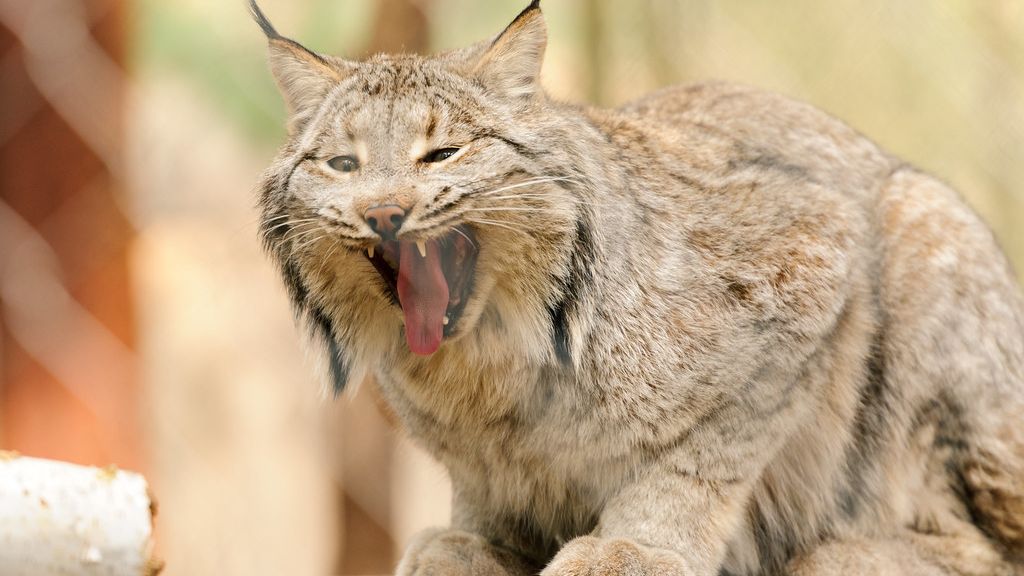
Most people will live their entire lives within miles of a wild big cat and never once catch a glimpse. No roar echoing through the trees. No paw print in the mud. Nothing. These creatures are that good at hiding from us. It is honestly a little humbling.
America is home to some of the most remarkable feline predators on the planet, each one carrying secrets that even experienced wildlife researchers are still piecing together. From ghostly mountain lions drifting silently across Rocky Mountain ridgelines to elusive jaguars slipping across the Arizona border at night, the wild cats of this continent lead lives that most of us can barely imagine.
What drives them? How do they hunt, survive, communicate, and raise their young in a world increasingly shaped by human expansion? You might be surprised by what the shadows are hiding. Let’s dive in.
The Mountain Lion: Ghost of the American Wilderness
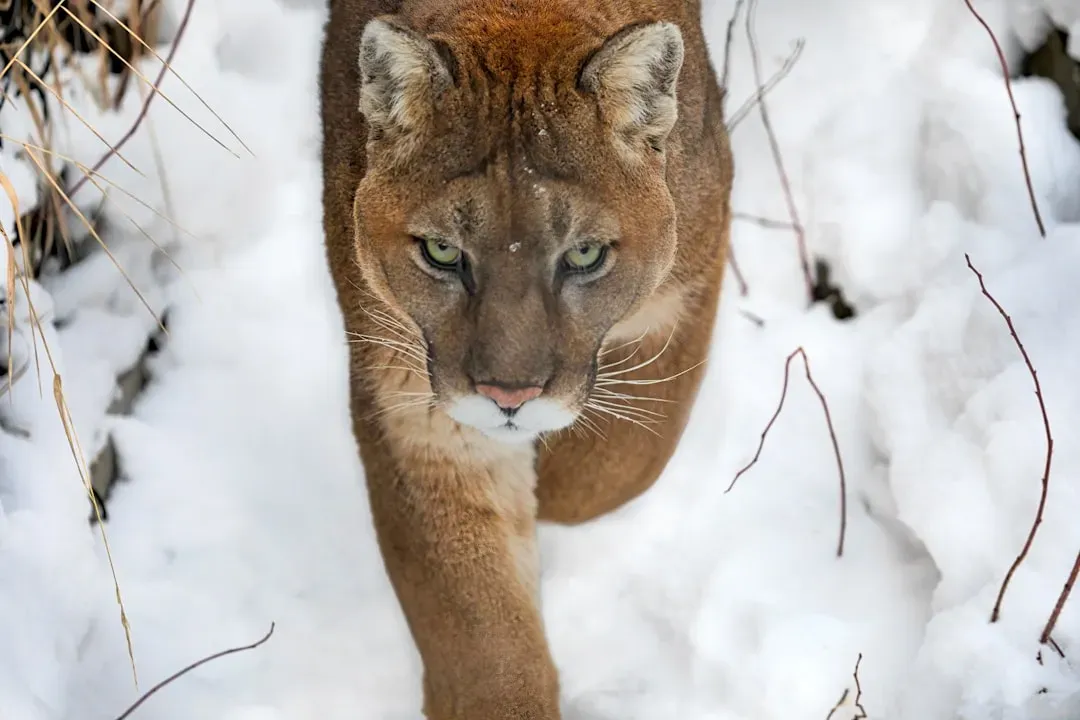
Honestly, few animals command the kind of quiet respect that a mountain lion does. Probably no other animal evokes the majesty and awe of wild North America as much as the mountain lion. It is a massively powerful animal, yet lithe, graceful, beautiful, and mysterious.
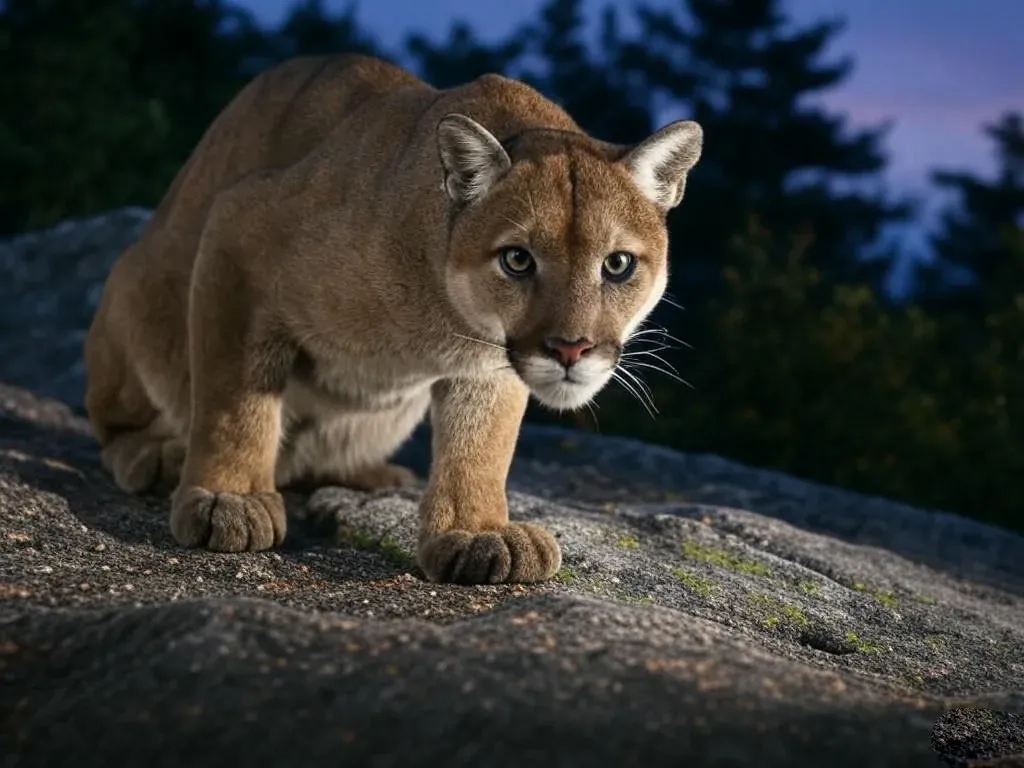
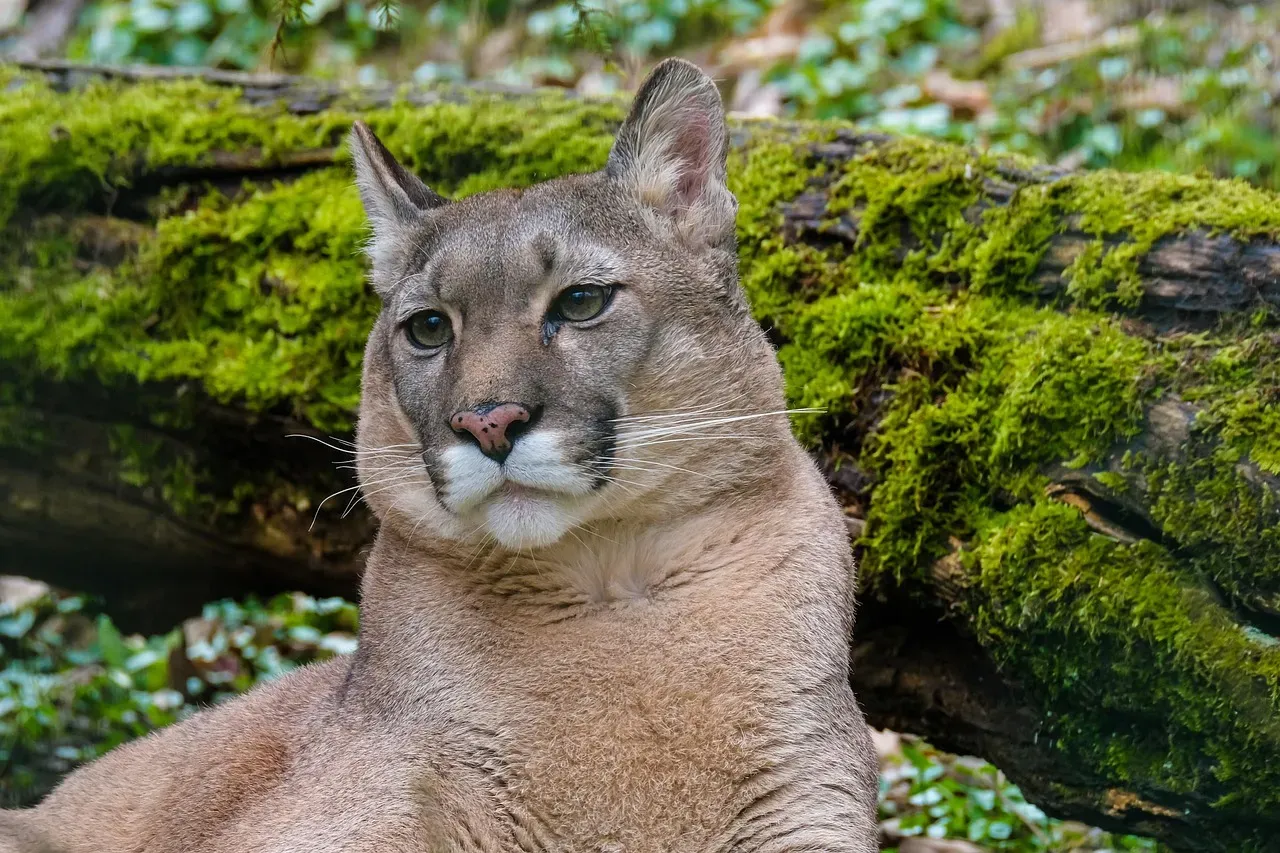
Also known as cougars or pumas, mountain lions rank as North America’s largest wild cats. Their muscular bodies can stretch over 8 feet from nose to tail tip, with males weighing up to 220 pounds. These tan-colored predators possess incredible jumping power, clearing distances of 40 feet horizontally and 15 feet vertically. Think about that for a moment. Forty feet in a single bound. That is roughly the length of a school bus.
The mountain lion may wander widely in search of deer or other prey, but when it finds something suitable, it slowly sneaks up, trying to get as close as possible before the ambush and attack. The mountain lion, though a powerful predator, has a very small heart and lungs for its size, so it lacks the endurance for long chases. A 300 yard dash is about the best a lion can accomplish. If the deer is not caught by then, the chase is over.
After feeding, the cat scrapes up leaf litter or debris to cover and hide the kill, then returns each day to feed until the prey is consumed. A single adult lion without kittens usually needs to make a kill every 6 to 10 days. There is something almost methodical about that. Calculated. It is a predator working on its own quiet schedule, invisible to the rest of the world.
Unlike their roaring big cat relatives, mountain lions communicate through purrs, whistles, and distinctive screams. Once nearly eliminated from eastern states, these resilient cats are reclaiming former territories. Trail cameras increasingly capture images of mountain lions in areas where they haven’t been seen for generations.
The Bobcat: America’s Most Successful Wild Cat
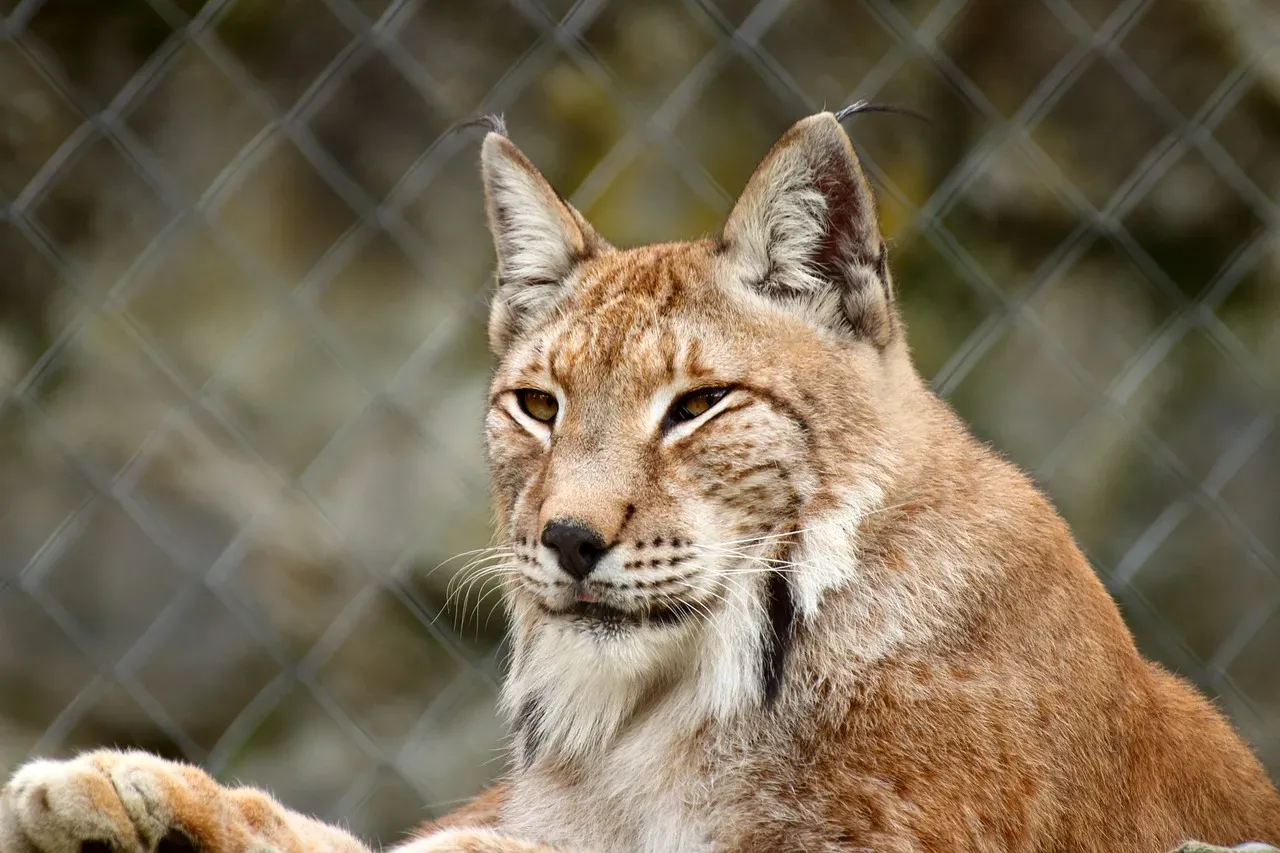
Here is the thing about bobcats. They are absolutely everywhere, and almost nobody ever sees one. With an estimated population of around 2.3 to 3.5 million in the United States alone, bobcats are the most common wild cats of North America. That is a staggering number for an animal most people have never laid eyes on.
The bobcat is an adaptable species. It prefers woodlands – deciduous, coniferous, or mixed – but does not depend exclusively on the deep forest. It ranges from the humid swamps of Florida to desert lands of Texas or rugged mountain areas. Adaptability is their superpower, pure and simple.
Maintaining an area large enough to support kittens with ample prey and cover requires bobcats to live territorial, solitary lives. Though a male will tolerate a female within a home range, bobcats are fiercely solitary and communicate territory boundaries using scat, urine markings, and repeated scratching on trees.
Bobcats are skilled hunters and can jump to heights of up to 12 feet, so even a tall fence may not deter a bobcat from coming after your chickens. Their territory size varies: females with kittens usually won’t wander any farther than 5 square miles, while solitary males tend to wander up to 30 square miles. That is a lot of ground to cover, silently and alone, night after night.
Despite their widespread presence, bobcats remain largely unseen due to their secretive nature and primarily nocturnal habits. They’re one of the few wild cat species whose populations have remained stable despite human expansion. In a world where most wildlife is retreating, the bobcat is somehow holding its ground. I find that quietly inspiring.
The Jaguar: America’s Most Mysterious Visitor
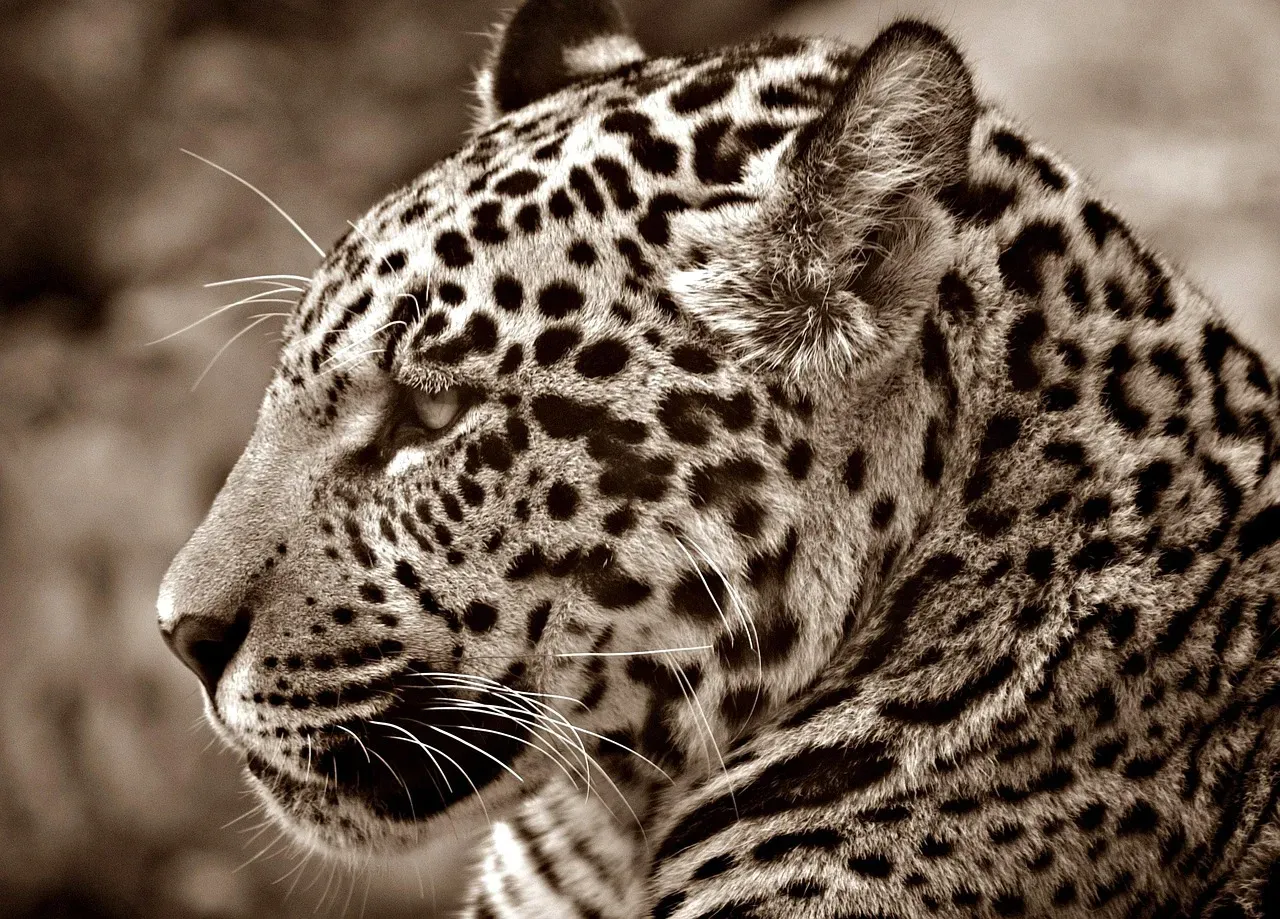
When you think of jaguars, North America probably isn’t the continent that comes to mind. Jaguars actually evolved in North America and then spread to Central and South America. They’re the largest cats that are native to the continent, weighing anywhere between 150 and 300 pounds. In other words, the jaguar is not a foreign visitor to America. It is a native returning home, slowly and against the odds.
This North American wild cat is tremendously powerful and has the third most powerful bite force of all cats, after the tiger and lion. Its jaws are capable of piercing the shell of a turtle. Sitting at the top of the food chain, the jaguar is an apex predator, capable of preying on animals as large as the common caiman. That bite force is not just raw power – it is a finely evolved tool.
In the U.S., jaguars are extremely rare, with a few individuals occasionally spotted in southern Arizona and Texas, where efforts are underway to protect them and expand their range. Jaguars prefer dense rainforests, riversides, and wetlands, where they can hunt for a wide range of prey, such as deer, capybaras, and even caimans. They are powerful swimmers and are often found near water.
The jaguar is a solitary species. Jaguars are territorial but overlap occurs frequently. Unlike most other large solitary cats, jaguars do tolerate a surprising amount of range sharing, which researchers are only beginning to understand. It adds yet another layer to an already deeply fascinating animal.
The Canada Lynx: Phantom of the Frozen North
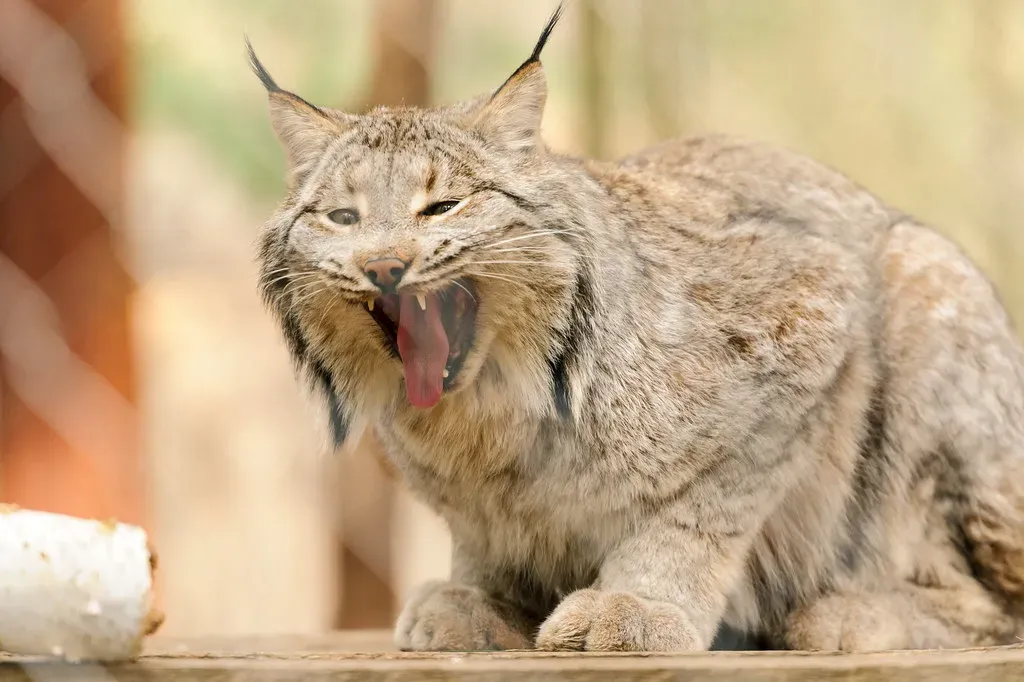
Few animals in North America are as hauntingly beautiful and as poorly understood as the Canada lynx. The Canada lynx is a medium-sized wild cat found in the colder regions of North America, including Canada, Alaska, and parts of the northern United States. It is closely related to the bobcat but is larger and adapted to life in colder climates. The Canada lynx is usually found in boreal forests and mountainous regions.
Canadian lynx are best known for their stylish ear tufts – black fur that sticks out around 2 inches longer than their ears. Like bobcats, they are quite elusive and nocturnal. Their oversized, snowshoe-like paws are another marvel. Canada lynx are adapted to cold environments, with thick fur and large paws that act as natural snowshoes.
The Canada lynx’s life is closely tied to the snowshoe hare, its primary prey. When hare numbers increase, lynx populations rise as well. When hare populations decline, so does the lynx population. It is a relationship so tightly wound that researchers use it as a textbook example of predator and prey dynamics. Two species, locked in a permanent dance across the frozen landscape.
At the beginning of 2025, the US Fish and Wildlife Service finalized a Canada lynx recovery plan. The purpose of the plan is to increase protections for this threatened species. It includes a new habitat proposal of around 19,000 square miles across Colorado, Idaho, Montana, New Mexico, Washington, and Wyoming. That is an encouraging development, though it’s hard to say for sure if it will be enough given the pressures these cats already face.
The Hidden Threats and the Fight to Save America’s Big Cats
Let’s be real: America’s wild cats are living in a landscape that is shrinking around them. These cats face significant challenges. Habitat loss from urbanization, agriculture, and infrastructure development fragments their ranges, isolating populations and reducing genetic diversity. Changes in the climate impact prey availability and habitat conditions, particularly for the Canada lynx. Human-wildlife conflict, including road mortality and hunting, adds further pressure.
As human populations grow, forests, grasslands, and other natural habitats are cleared for farming, urban development, and infrastructure. This leaves wild cats with smaller, fragmented areas in which to live. The loss of habitat makes it harder for wild cats to find food, shelter, and mates. Think of it like trying to maintain a population of ghost-like predators on an ever-shrinking island.
In Texas, a population of 50 to 100 ocelots has been holding steady for several years, but a population that small may not have enough genetic diversity to survive indefinitely. That is a razor-thin margin. A single severe weather event or disease outbreak could tip that balance in a heartbeat.
Conservation strategies such as protected areas, wildlife crossings, and public education are critical to their survival. Wildlife crossings, in particular, are one of those surprisingly simple solutions that make a profound difference. When cats can safely cross highways, populations reconnect, and genetic diversity is restored. It is elegant, practical, and worth every penny invested.
Some populations are declining due to habitat loss, road development, and other human activities. However, conservation efforts and legal protections have led to the recovery of certain species in recent decades. Ongoing awareness and action remain key to ensuring their continued survival. The story is not over. Not yet.
Conclusion: The Wild is Closer Than You Think
America’s big cats are not just wildlife statistics in a conservation report. They are living, breathing, hunting presences that share this continent with us right now, tonight, in the dark. Tracks, scat, and other evidence of where a cat has been will outnumber actual live sightings 1,000 to one. They are North America’s ultimate stealth predators.
From the muscle-bound mountain lion ambushing deer in the Rockies, to the bobcat ghosting through suburban woodland edges, to the rare jaguar slipping across the Arizona border like a rumor made of spots and shadow – each of these animals is a reminder that wilderness still exists, even when we can’t see it.
The question is not whether these cats can survive. History has shown they are tougher and more resourceful than we give them credit for. The real question is whether we will make enough room for them before it is too late. What side of that answer do you want to be on? Tell us what you think in the comments below.
