
Imagine spending nearly three decades searching for an animal – scanning swamps, trudging through chest-deep water, setting up camera traps in the pitch dark – and finding absolutely nothing. That is the reality scientists faced when it came to one of the planet’s most mysterious felines. For years, it was written off as gone forever in an entire country. Then, at the very end of 2025, something remarkable happened.
Two separate stories have electrified the wildlife conservation world right now: the shocking rediscovery of a cat thought extinct in Thailand, and the painstaking camera-trap sightings of the Americas’ most endangered feline high in the freezing Andes. These are not just animal stories. They are stories about survival, obsession, and the razor-thin line between extinction and existence. Let’s dive in.
The Ghost That Came Back: Thailand’s Vanished Flat-Headed Cat Returns
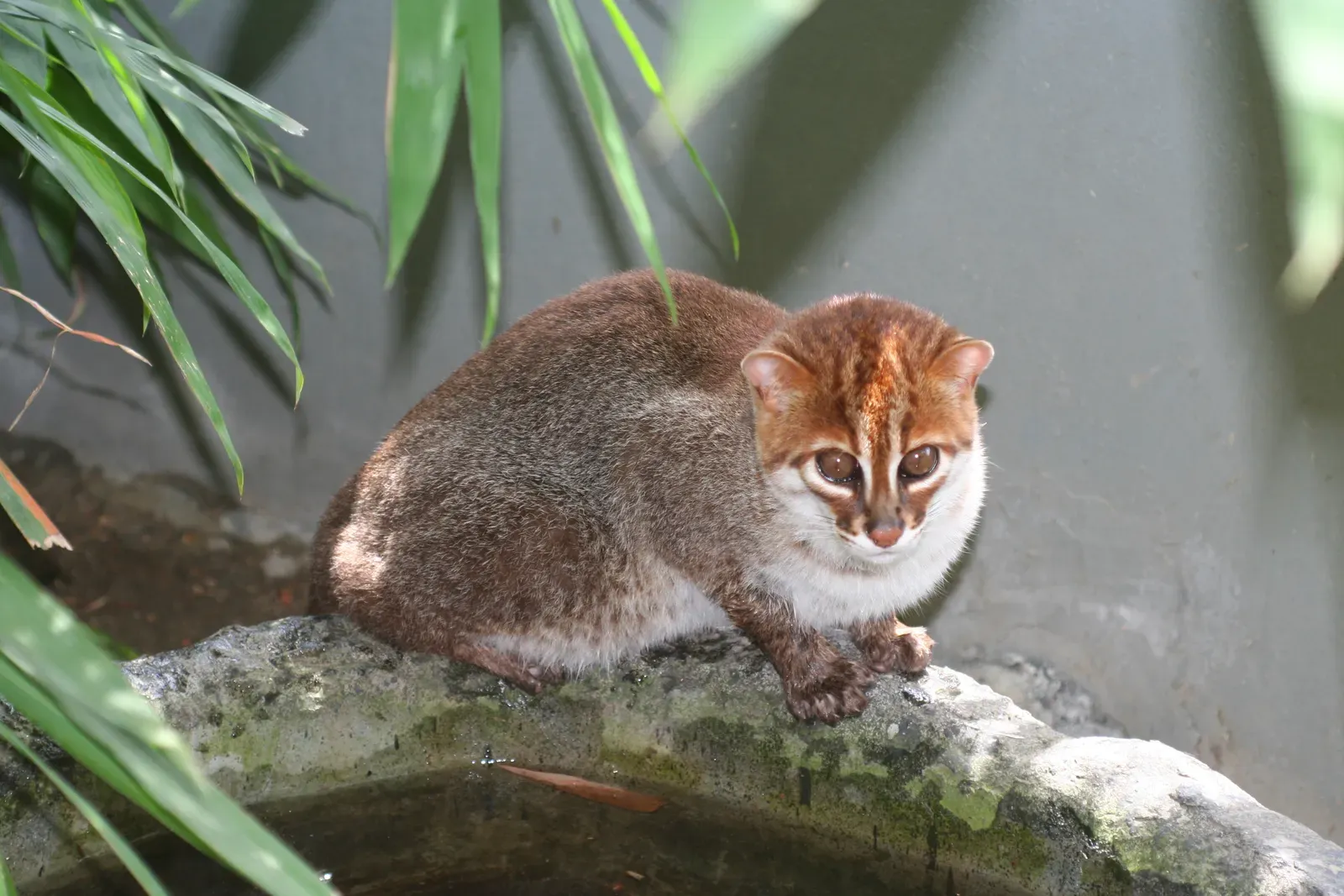
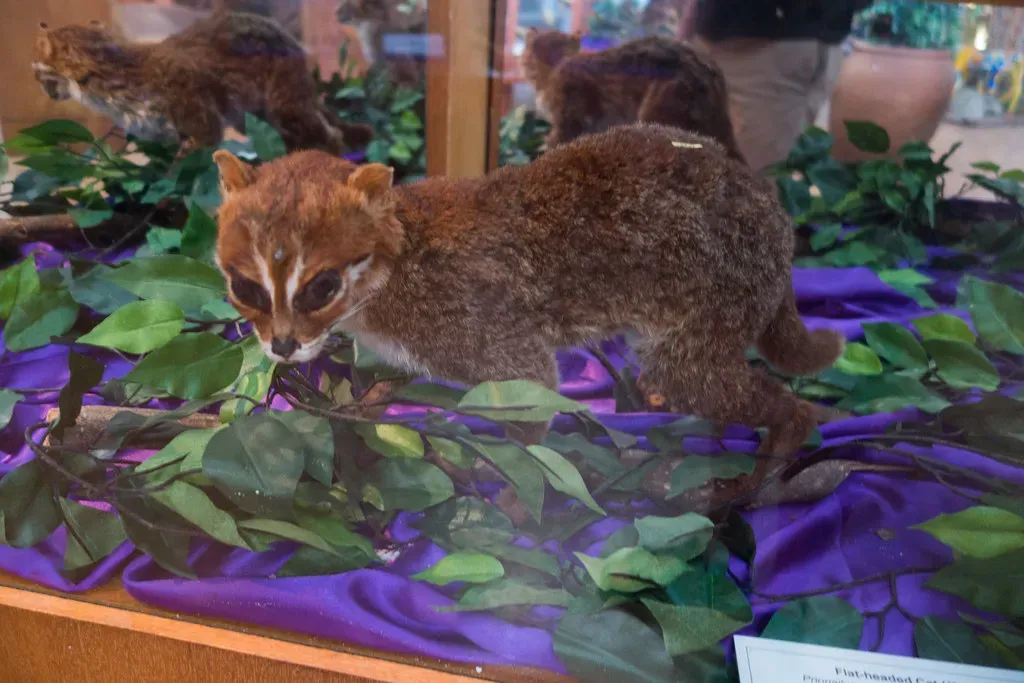
Let’s be real – when scientists call something “possibly extinct,” hope starts to feel pretty thin. An elusive wild cat long feared extinct in Thailand was rediscovered three decades after the last recorded sighting. That cat is the flat-headed cat, and its comeback story is nothing short of jaw-dropping.
The domestic cat-sized feline, with its distinctive round and close-set eyes, was last spotted in a documented sighting in Thailand in 1995. Think about that for a moment. An entire generation of conservation scientists grew up believing this animal was simply gone from Thailand. Then came the camera traps.
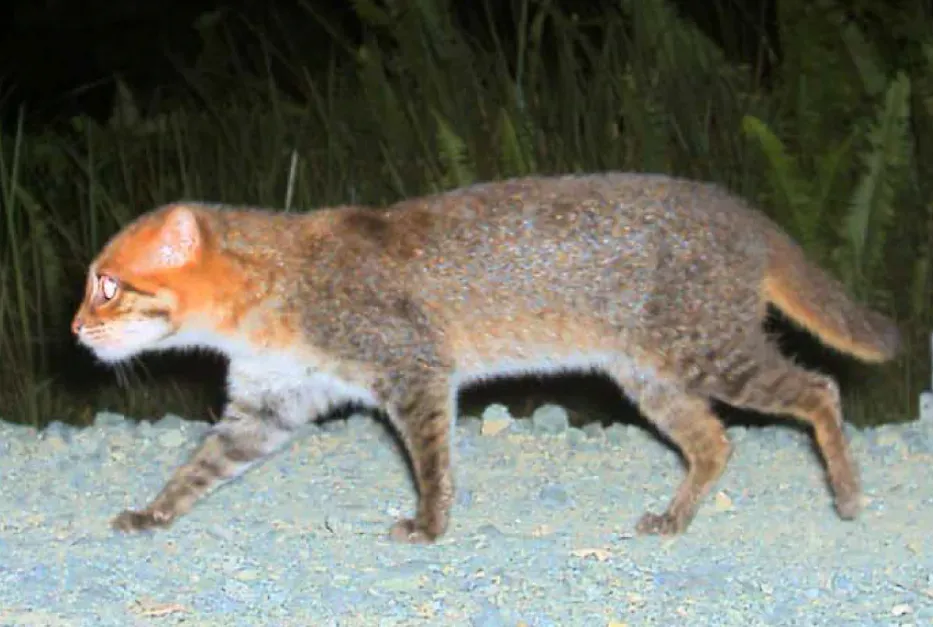
Camera traps recorded 13 sightings in 2024 and 16 more in 2025, making it the largest flat-headed cat survey ever conducted. The announcement landed on December 26, 2025, which also happened to be Thailand’s National Wildlife Protection Day. Timing doesn’t get more poetic than that.
The camera traps photographed several flat-headed cats, including a female with a cub, demonstrating that they are not only living in southern Thailand but also breeding in the region. A mother and cub. Proof not just of survival, but of a future.
What Exactly Is the Flat-Headed Cat, and Why Is It So Incredibly Hard to Find?
Honestly, the flat-headed cat sounds almost fictional. Flat-headed cats are among the world’s rarest and most threatened wild felines, with a range limited to Southeast Asia, where they are endangered because of dwindling habitat. They are not enormous roaring beasts like lions or tigers. They are small, secretive, and built for a very specific world.
Nocturnal and elusive, the flat-headed cat typically lives in dense wetland ecosystems such as peat swamps and freshwater mangroves, environments that are extremely difficult for researchers to access. Think of it like trying to find a shy, swimming-capable feline in the most impenetrable swamp you can imagine, after midnight.
Access to the swampy forest in which the cats dwell requires battling through chest-high waters and tangles of mangroves, which no doubt helped the small cat elude camera traps of researchers studying other species such as otters in the same area in recent years. In other words, even teams of scientists who were already there kept missing it.
On top of the difficulties in spotting or snapping images of these cats, they don’t have distinctive markings like other species, such as clouded leopards or tigers, complicating identification of individual cats. Counting them is almost as hard as finding them in the first place.
Flat-headed cats are among the world’s most threatened wild felines, with the International Union for Conservation of Nature estimating that just 2,500 adults exist in the wild. That is fewer people than you might find in a small town’s high school football stadium.
The Andean Mountain Cat: A Ghost of the High Peaks
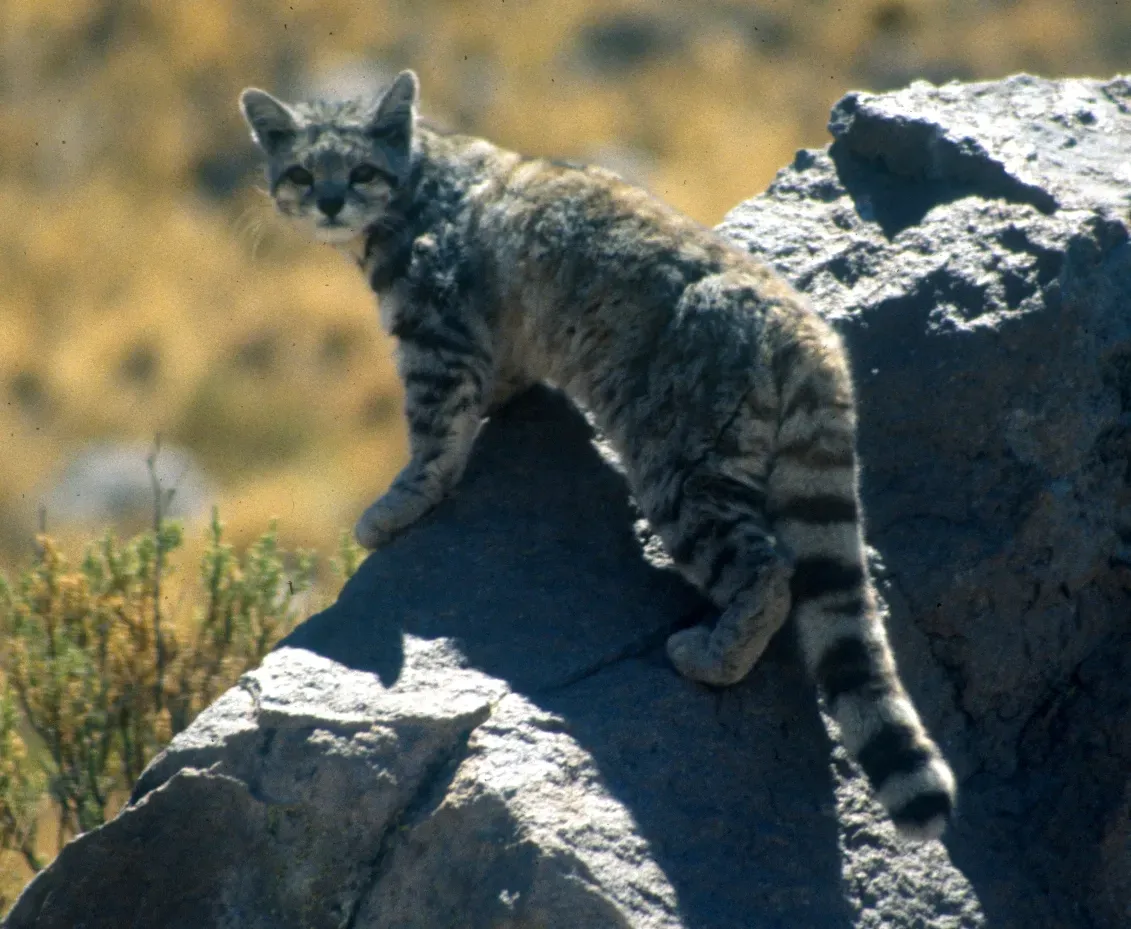
If the flat-headed cat is mysterious, meet its rival for ultimate elusiveness: the Andean mountain cat. The Andean mountain cat is described as “ghostlike” because of its elusive nature. It lives so high up in the Andes Mountains that most humans could barely breathe where it roams.
The Andean mountain cat is a small wild cat native to the high Andes that has been listed as Endangered on the IUCN Red List because fewer than 1,500 individuals are thought to exist in the wild. Some estimates are even more sobering. The Andean cat is the most threatened felid in the Americas, with scientists estimating their total population is less than 1,400 animals and declining.
Many conservationists dedicated to protecting the endangered Andean cat have never seen one in the wild, with the species known to science by just a few photos until the late 1990s. It took one leading field researcher nine years to spot one of these elusive animals. Nine years. That is not a typo.
It took three years of monitoring the elusive Andean wild cats before researchers finally captured video of the felines in their natural habitat, where the cats live at elevations from 6,000 feet to 13,000 feet. Imagine camping in freezing mountain conditions, year after year, just for a glimpse. That is what dedication to conservation actually looks like.
The Andean mountain cat is traditionally considered a sacred animal by indigenous Aymara and Quechua people. For centuries, local communities recognized something powerful in this cat long before scientists did. It’s a humbling thought.
The Forces Pushing These Cats Toward Disappearance
Here’s the thing about both of these cats: they are not vanishing because of some mysterious force of nature. They are disappearing because of us. The threats are specific, documented, and largely preventable.
The flat-headed cat is currently threatened by human-driven habitat loss from land conversion, fishing, agricultural encroachment, hunting, waterway pollution, and domestic animals transmitting diseases. That is a crushing list of pressures for an animal that already barely has a foothold in the world.
Thailand’s peat swamp forests have been heavily fragmented, largely due to land conversion and agricultural expansion, and the animals also face mounting threats from disease spread by domestic animals, struggling to reproduce across isolated areas. Isolated populations cannot find each other. Isolation, for a species this rare, is essentially a slow death sentence.
For the Andean mountain cat, the story is similarly grim. Climate change and our attempts to curb it both put this small cat at risk. As the world warms, the Andean cat’s cold mountain habitat shrinks ever smaller, and global warming is also driving up demand for lithium and other rare metals for electric vehicles, with extractive industries pushing ever deeper into alpine zones.
There’s a painful irony there. The green energy transition that is supposed to save the planet is itself threatening one of the planet’s rarest predators. As these cold-climate animals retreat ever higher, their mountain range habitat shrinks, like a disappearing ocean archipelago with islands drowned by rising seas. I honestly find that metaphor devastating.
What Conservation Is Doing – and What Still Needs to Happen
It would be easy to read all of this and feel hopeless. Honestly, I get it. The numbers are small. The habitats are shrinking. The threats are many. Still, there is real, tangible progress being made on the ground right now – and these recent sightings are proof.
Thailand’s Department of National Parks and Panthera Thailand confirmed at a joint press conference on December 26, 2025 that camera traps had captured images of the flat-headed cat multiple times in 2024 and 2025, confirming the species still exists in the wild. The scientific community is already mobilizing around this rediscovery.
Researchers behind the new survey plan to submit their findings to the IUCN’s Red List Committee in hopes of updating the cats’ status in Thailand, though more research will likely be needed. A status change from “possibly extinct” to “endangered but surviving” would be a meaningful, real-world victory.
The announcement of the rediscovery must be followed by increased protection for the peat swamp forest, as there is concern that wildlife traffickers may target the area. The moment a rare animal gets publicity, it also gets attention from the wrong people. That is an uncomfortable reality that conservationists must race ahead of.
For the Andean cat, one conservation strategy embraced by advocates is the CATCrafts program, which trains local people to create handcrafts from leftover materials, helping local communities generate alternative incomes. When communities have economic reasons to protect a species, protection actually works. It is not glamorous. It is also not rocket science. It just requires genuine commitment.
Thai authorities said the discovery will guide future conservation planning, including strengthened patrols, expanded use of SMART patrol systems, and community-based intelligence networks to address threats. Science and community together. That combination, more than anything else, is what keeps species alive.
Conclusion: Every Sighting Is a Second Chance
There is something deeply moving about the idea that a cat can vanish from an entire country for nearly 30 years, hiding in flooded mangroves and chest-deep swamps, only to reappear in a camera trap image one quiet night. It is a reminder that nature is remarkably resilient when we leave it room to breathe.
The flat-headed cat’s return to Thailand and the painfully rare glimpses of Andean mountain cats in the high Andes are not just conservation victories. They are warnings. These animals are still here, but barely. The margin for error is almost gone.
More than roughly two in every five wild cat species are classified as endangered or threatened, and they face many pressures including habitat loss due to human activities. We are in a moment where the choices made right now, in the next few years, will determine which creatures remain on this planet for future generations.
It is hard to say for sure whether stories like these can shift public will at the scale needed. But every photograph from a rain-soaked camera trap in a Thai swamp, every trail camera frame from a frozen Andean peak, is a small act of defiance against extinction. The cats are still out there. The question is whether we care enough to keep it that way.
What do you think – does news like this give you hope, or does the scale of the crisis feel overwhelming? Tell us in the comments.
