
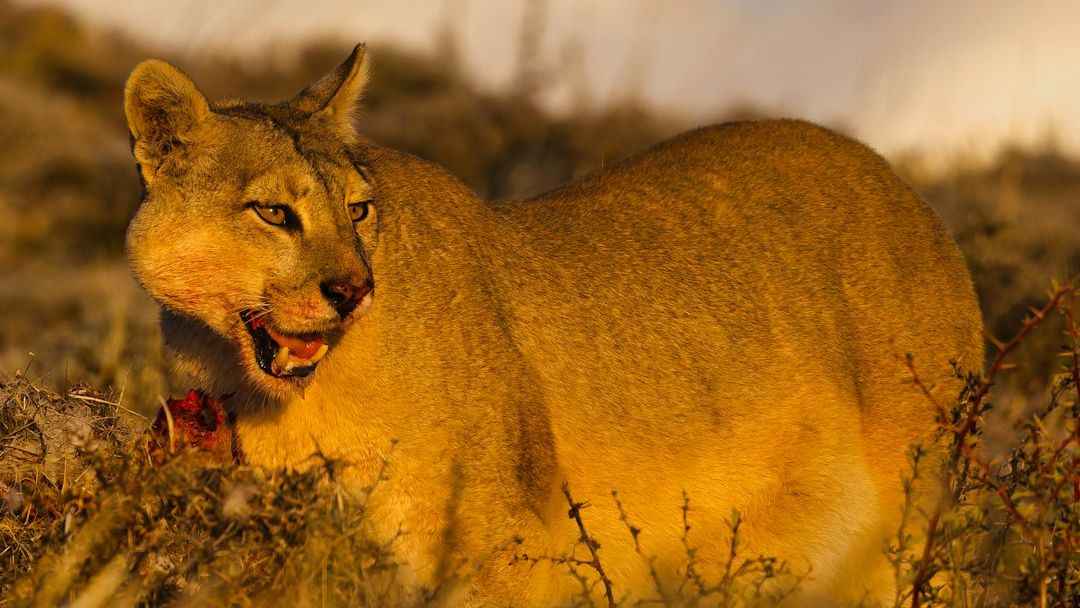
Few wild animals carry as much baggage as the cougar. Known also as the mountain lion, puma, panther, and roughly 40 other names, this extraordinary cat has been feared, hunted, misunderstood, and turned into a villain in popular culture for centuries. The truth, though, is far more nuanced, and honestly far more fascinating.
People who live near cougar country often pass stories down through generations, each retelling adding a little more drama, a little more menace. The result? A creature wrapped in mythology more than reality. Science has been steadily unraveling those myths, and what’s being revealed might surprise you. Let’s dive in.
Myth 1: Cougars Are Constantly Hunting Humans
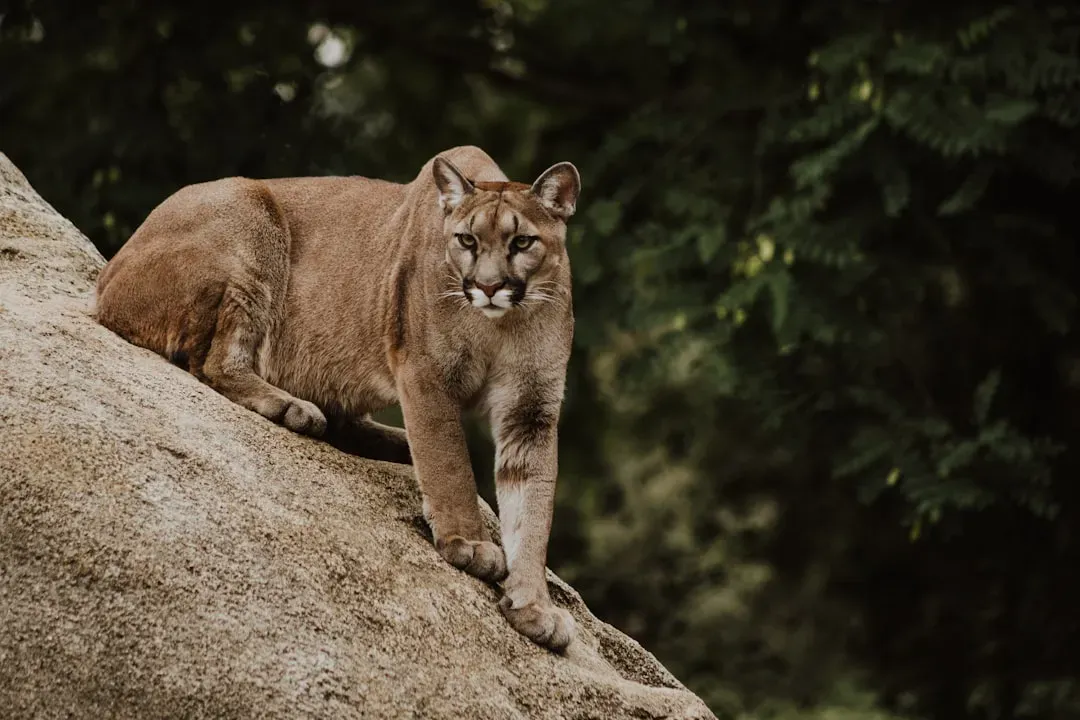
This is probably the biggest, most persistent myth of all. Movies, local legends, and sensational news headlines have painted the cougar as a creature lurking behind every trailhead, just waiting to pounce on unsuspecting hikers. Let’s be real: the numbers simply do not back that up.
Since 1890, there have been only 25 confirmed fatal cougar attacks on people in all of North America. That’s 25 deaths in roughly 130 years. To put that in perspective, you are at far greater risk from being shot by a hunter, killed by lightning, bees, dogs, or cattle. Every year, about 100 people in the U.S. and Canada are fatally shot by hunters, and 20 to 30 are killed by dogs.
Attacks on humans are very rare, as cougar prey recognition is a learned behavior and they do not generally recognize humans as prey. In other words, you simply are not on the menu. The fear surrounding these animals has been inflated far beyond what the evidence supports.
Myth 2: If a Cougar Is Following You, It Wants to Attack
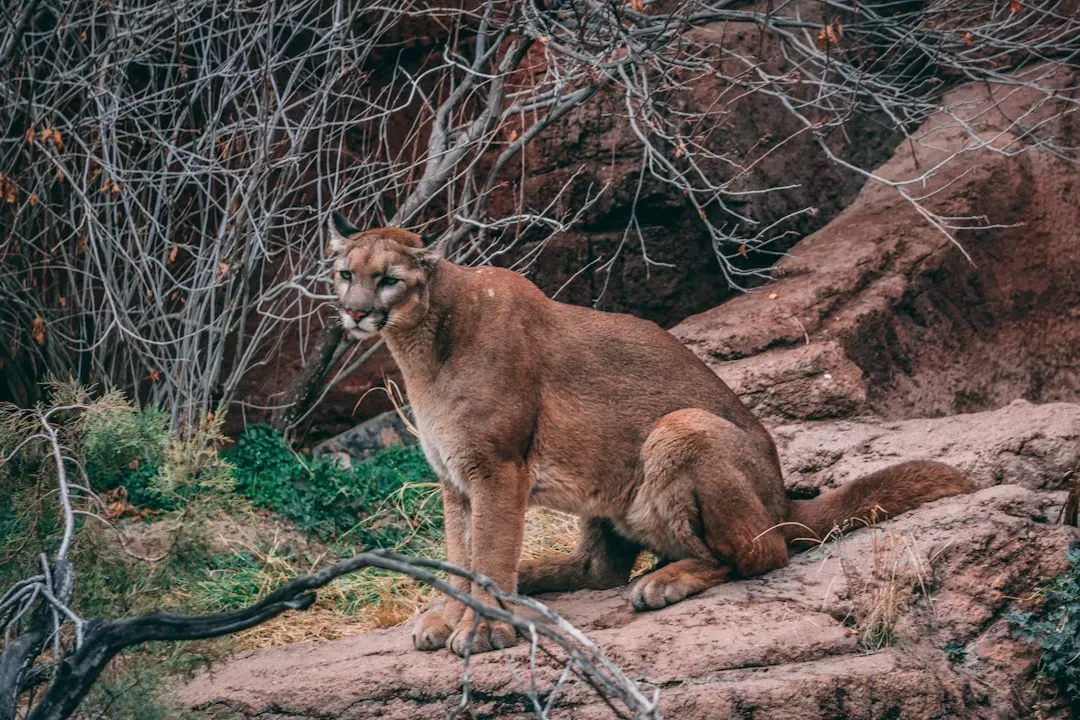
This myth has gone viral on social media many times over. Someone captures footage of a cougar tailing a hiker down a trail, and the internet erupts in panic. Shocking? Sure. Predatory? Almost certainly not.
You may have heard reports or even seen videos of mountain lions following hikers down a trail, but while that’s certainly a terrifying scenario, it’s not entirely a myth that cougars may follow hikers. The act is most often out of curiosity, not due to predatory behavior. Think of it like a house cat watching a bug crawl across the floor. Captivated, yes. Planning dinner? No.
When a mountain lion is actually on the hunt, you won’t see it. The cougar will spot its prey from a distance, find a good hiding spot, and wait for its potential dinner to walk right in front of it, allowing it to strike with impressive speed and achieve the element of surprise. If a cougar is visible and following you, it’s watching out of fascination, not aggression.
Myth 3: Cougars Are Aggressive, Territorial Killers Who Attack on Sight
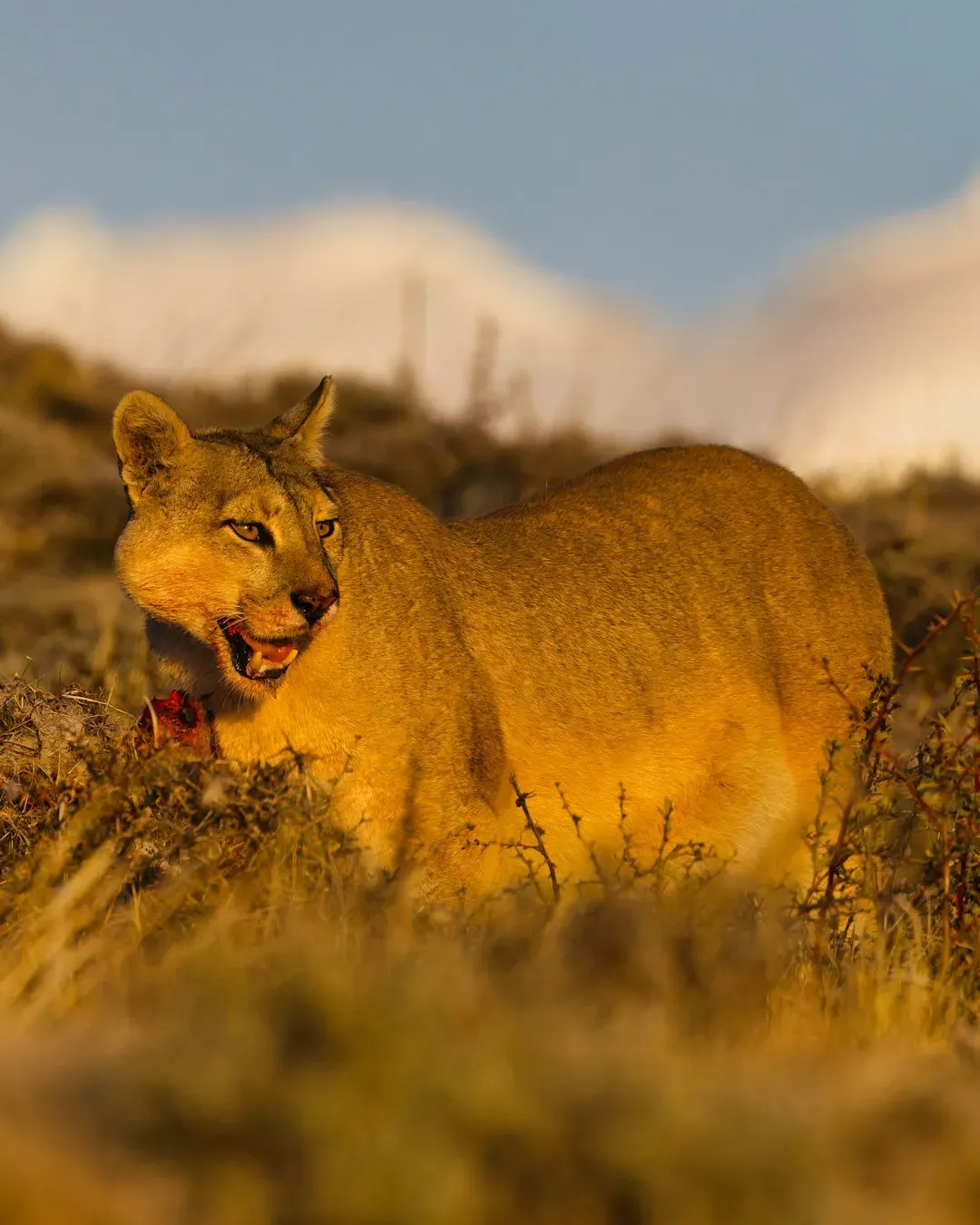
Here’s the thing: the word “aggressive” and “cougar” get paired together so often in popular media that people assume these cats are wired to attack anything that moves. The reality is almost the complete opposite. Cougars are, by nature, deeply conflict-averse.
Cougars are elusive animals that typically avoid contact with humans and even other cougars. By nature, they are elusive and reclusive, preferring to avoid contact with humans at all costs. In fact, upon seeing a human, cougars usually run. That bear spray you’re carrying on the trail? Chances are the cougar was already gone before you even reached for it.
As long as a mountain lion hears you coming, chances are it’s going to take off or take cover, and you’ll never know it was ever there. The times when cougars do act defensively are typically tied to very specific circumstances: protecting cubs or a cached kill, or being cornered with no escape route. That is not the same as random aggression.
Myth 4: Cougars Are Completely Solitary and Have No Social Life
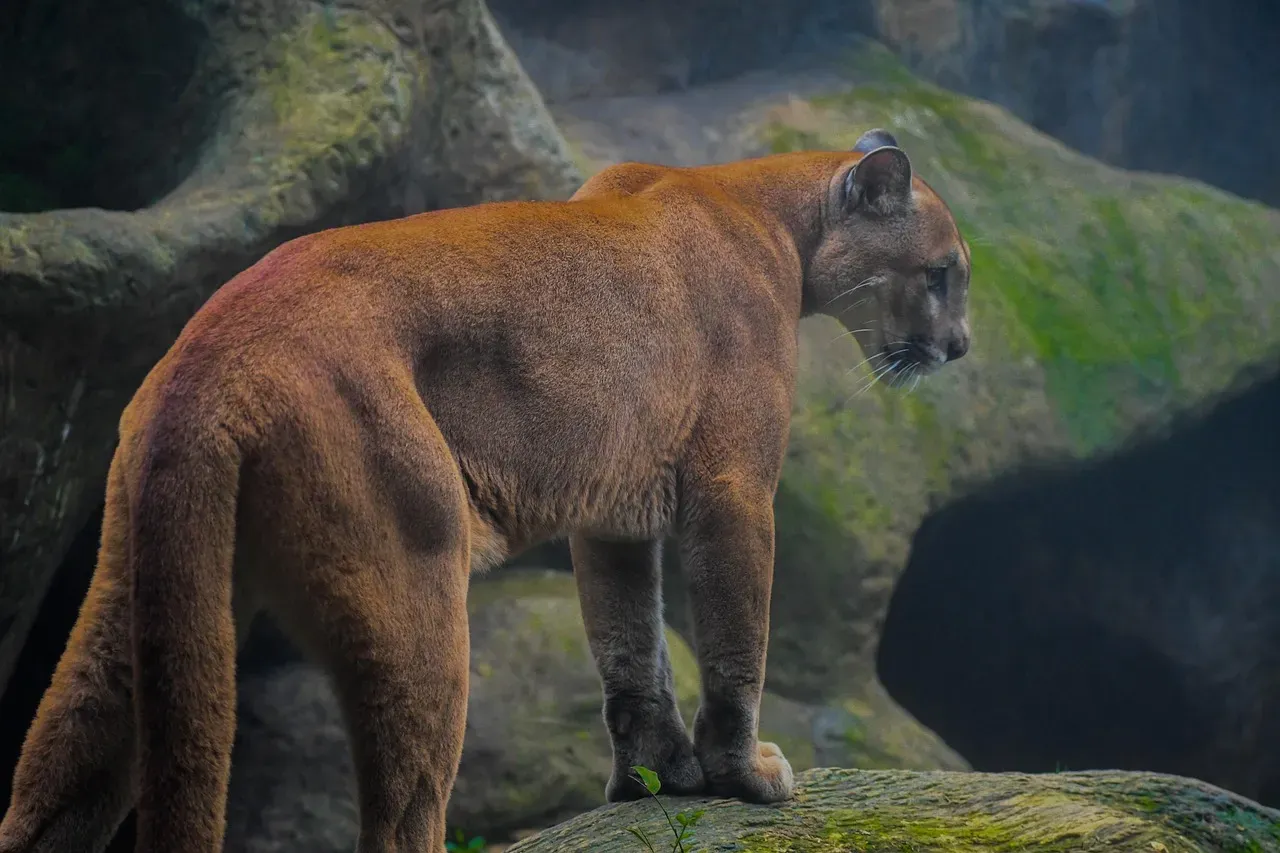
Ask anyone and they’ll tell you cougars are total loners. No friends, no social bonds, just a silent ghost hunting alone in the dark. It sounds dramatic. It also turns out to be wrong, at least significantly more complicated than scientists once believed.
For decades, the cougar has been thought of as a loner predator, running across other members of its species only to mate or to fight. A new study now shows that, contrary to popular belief, cougars have quietly built for themselves a rich, hierarchical society based largely on sharing food. This genuinely surprised researchers who spent years studying them.
Between 2012 and 2015, cameras recorded 118 interactions between two cougars. A full 60 percent of them were at kill sites, and many involved the kind of meal-sharing that had never been documented before. The data revealed that cougar society not only existed, but it was hierarchical. The boundaries of various social groups mapped closely to the territorial ranges of individual males. I think this is one of the most genuinely surprising revelations in recent wildlife science.
Myth 5: Cougars Only Live in Mountains and Forests
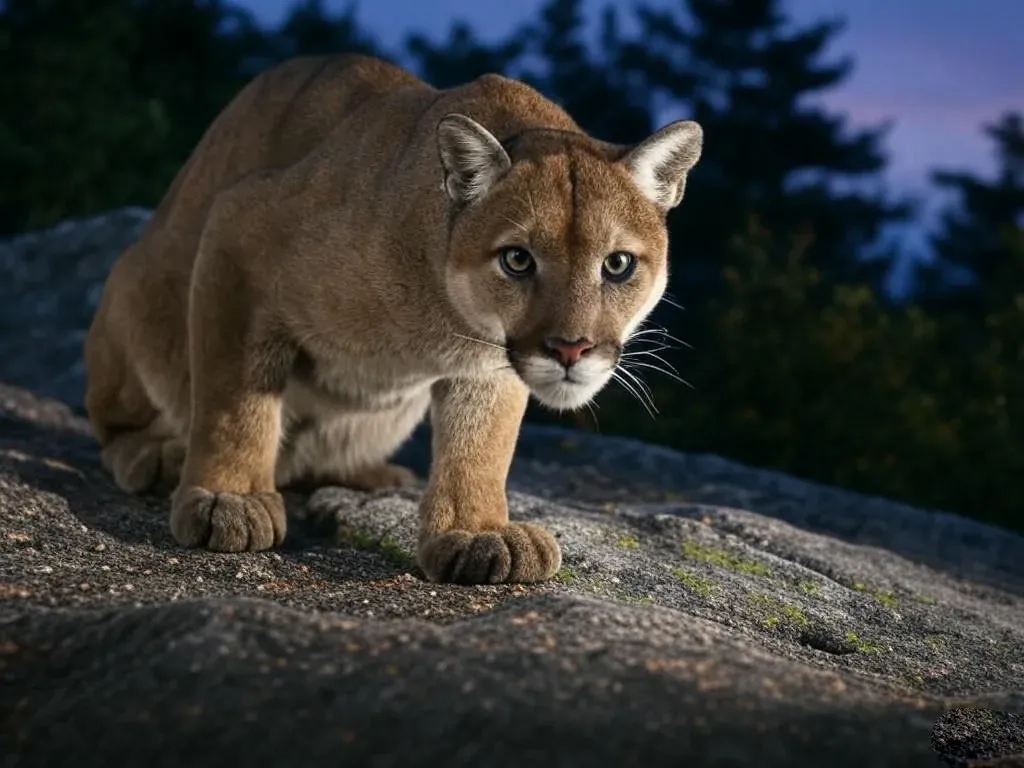
The name “mountain lion” doesn’t help here. It immediately conjures images of snowy peaks and dense alpine forests, and many people genuinely believe cougars are confined to rugged, remote wilderness. That assumption couldn’t be further from reality.
Cougars are very adaptable and are found from western Canada to southern Chile in nearly any environment that supports enough prey to sustain them. They can be found in forests, mountains, deserts, swamps, and areas of human development. They prefer habitat with enough brush to aid their ambush hunting style, but can also be found in more open areas.
Puma concolor is not a true lion of the genus Panthera and cannot roar, nor is its habitat restricted to mountainous regions. The adaptability of this species is honestly staggering. It’s a bit like discovering that an animal you assumed lives only in the Arctic is also thriving in the tropics. Due to the cougar’s knack for adaptability, including a fast and powerful muscular body, sharp eyesight and keen hearing, as well as the ability to swim, climb trees, and jump long distances, this cat can be seen thriving in many varied habitats, from the Southern Andes in South America to the Yukon in Canada.
Myth 6: Cougars Are Bad for the Ecosystem and Should Be Controlled
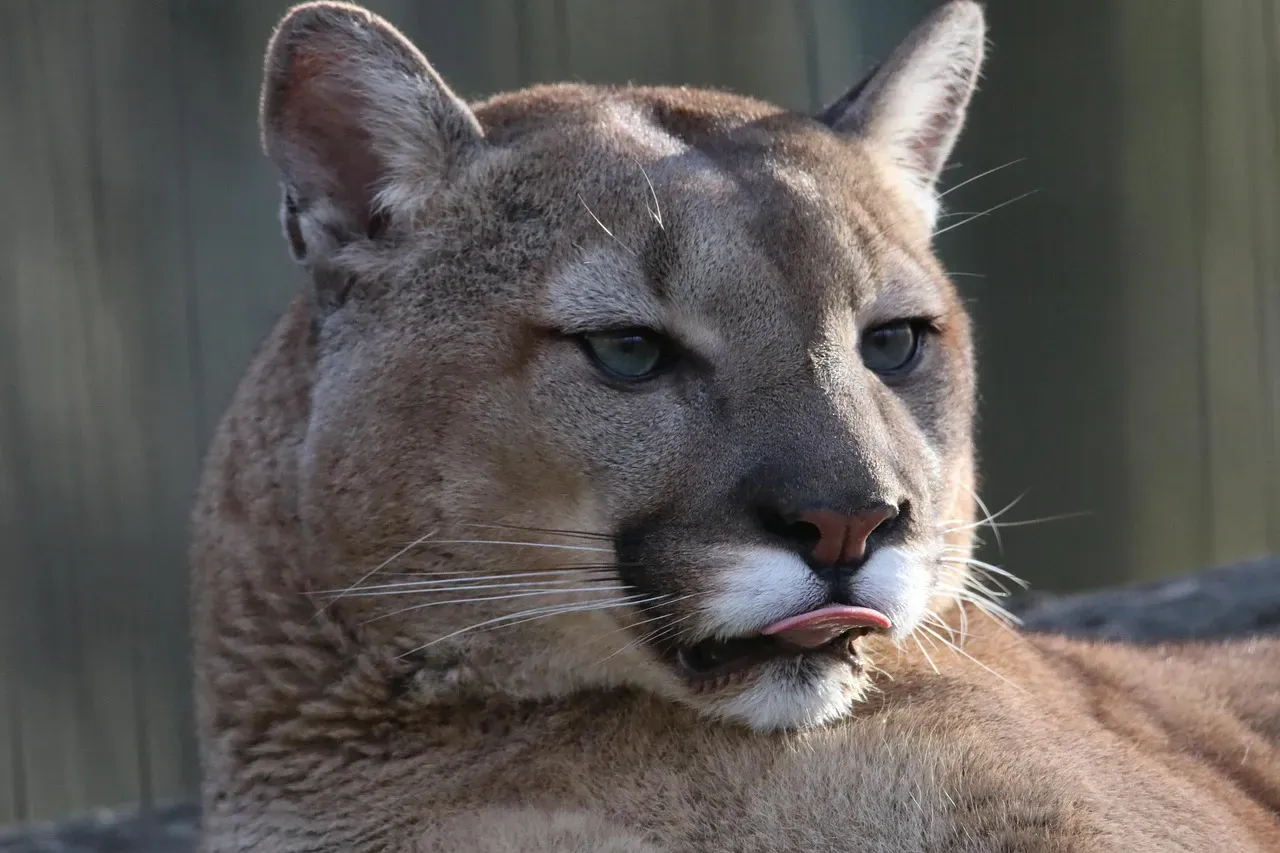
This one has real-world consequences. For centuries, cougars were hunted, poisoned, and driven out of most of the eastern United States under the belief that their removal made things safer and better for everyone. The science tells a devastatingly different story.
Through their interactions with prey, cougars influence energy flow in ecosystems and thus influence the structure and function of those ecosystems. As a powerful selective force on prey, cougars can regulate the size of ungulate populations such as deer and elk, and thus indirectly affect the impacts of ungulates on plant communities. Remove the cougar, and the whole system starts to unravel.
On islands too small to sustain predators like cougars and jaguars, herbivore populations increased dramatically and overran the islands, leading to the reproductive failure of vegetation and a rapid decline in overall biodiversity. Within seven years, three quarters of the remaining vertebrate species had disappeared. That is not a minor ecological footnote. That is a collapse. Researchers describe cougars as keystone predators that enrich and support healthy ecosystems. Taking them out of the picture doesn’t create safety. It creates imbalance.
Conclusion: It’s Time to See the Cougar Clearly
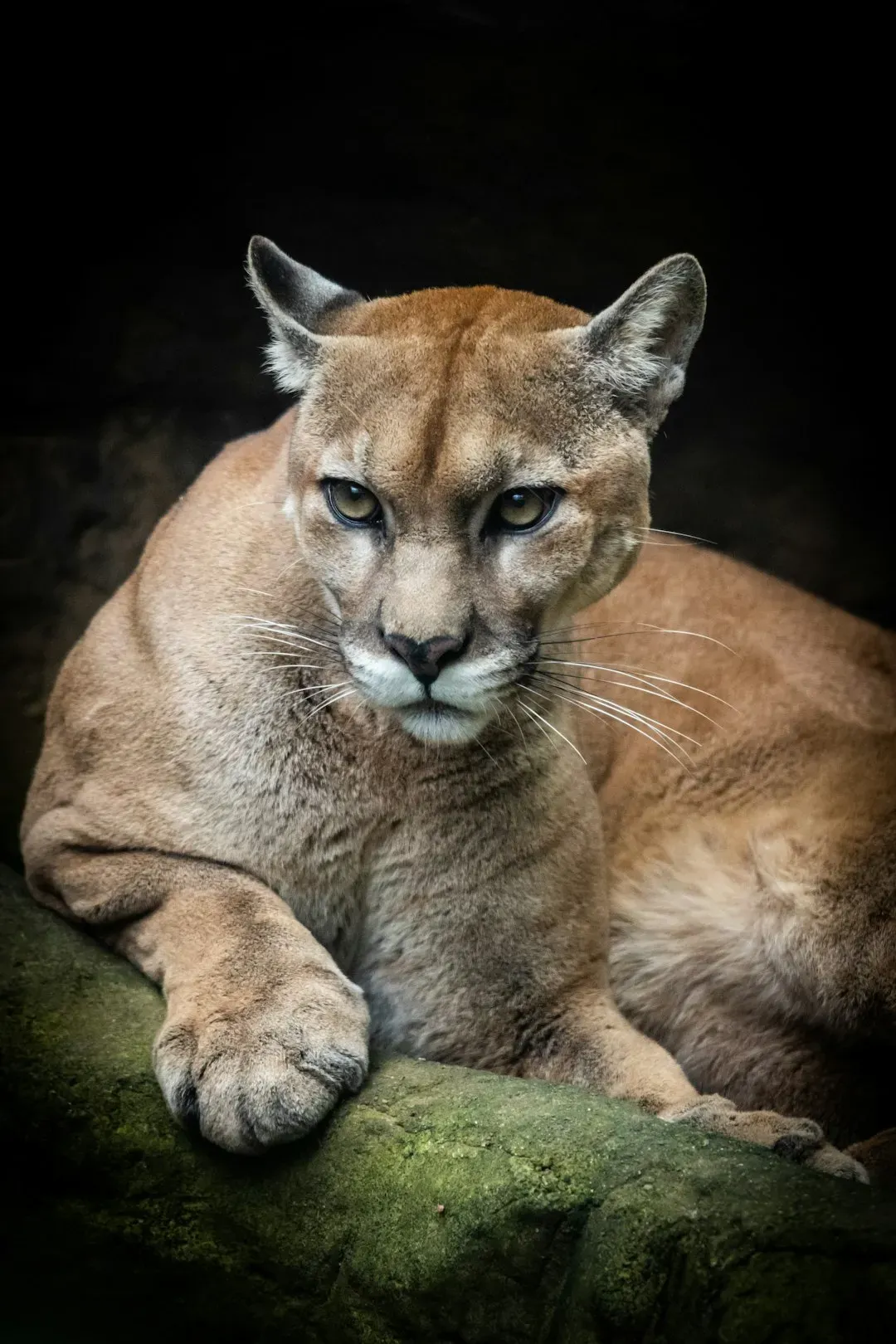
The cougar has spent centuries trapped inside human mythology, portrayed as a lurking terror or mindless killing machine. The science says otherwise. It is elusive, intelligent, ecologically essential, and far more socially complex than anyone gave it credit for. Honestly, the more you learn about it, the harder it becomes to justify the fear.
Unfortunately, mystery breeds fear, myth, and misinformation. Only in the last three decades have wildlife biologists begun to chip away at the fable and folklore and reveal the cougar for the remarkable carnivore that it is. We are living in a moment when the facts are finally catching up with the fiction.
The cougar doesn’t need our fear. It needs our understanding. These are not monsters lurking in the wilderness waiting for a victim. They are a living, breathing cornerstone of the wild ecosystems we all depend on. The real question is: now that you know the truth, how will you see them differently? Tell us what you think in the comments.
