

There is something almost poetic about the fact that creatures who cannot speak a single word of our language have been quietly shaping human survival for thousands of years. From the lizard whose venom inspired a blockbuster diabetes drug to the dog who can literally smell cancer before a scanner can find it, the animal kingdom has a relationship with human health that goes far deeper than most of us ever stop to appreciate.
It goes well beyond cuddly companion animals and aquarium fish, too. Some of the most staggering medical breakthroughs in recent history trace their origins back to venom, fur, fins, and feathers. So, before you assume that animals are simply fellow passengers on this planet, prepare to have your mind changed. Let’s dive in.
Pets That Actually Protect Your Heart

Companion animals may improve heart health by lowering blood pressure and regulating the heart rate during stressful situations. Honestly, that almost sounds too simple to be true, like something your grandmother would say. Yet the science backs it up in a surprisingly convincing way.
One study found that having your dog in the room lowered blood pressure better than taking a popular type of blood pressure medication when you are under stress. Think about that for a second. A living, breathing, tail-wagging animal outperformed medication. The simple act of stroking a pet can help lower blood pressure and cholesterol. That is not folklore. That is science.
The Neurochemical Magic of Human-Animal Interaction

Here is where it gets genuinely fascinating. Petting an animal promotes the release of serotonin, prolactin, and oxytocin, all hormones that can play a part in elevating moods. It is essentially the same chemical reaction your brain fires during deep social bonding, and a dog or a cat can trigger it just as powerfully.
Recent studies have revealed significant changes in the activity levels of human emotion-related cortical areas such as the frontal cortex and amygdala, as well as neurotransmitter secretion, due to interaction with companion animals. Your brain, in other words, literally rewires itself around the presence of an animal. Interactions with companion animals in a healthy attachment relationship can mitigate stress, and additional research indicates that even indirect exposure to companion animals, through viewing images or videos, also mitigates stress. So even scrolling through cat videos may not be entirely wasted time.
Animals as Frontline Mental Health Support
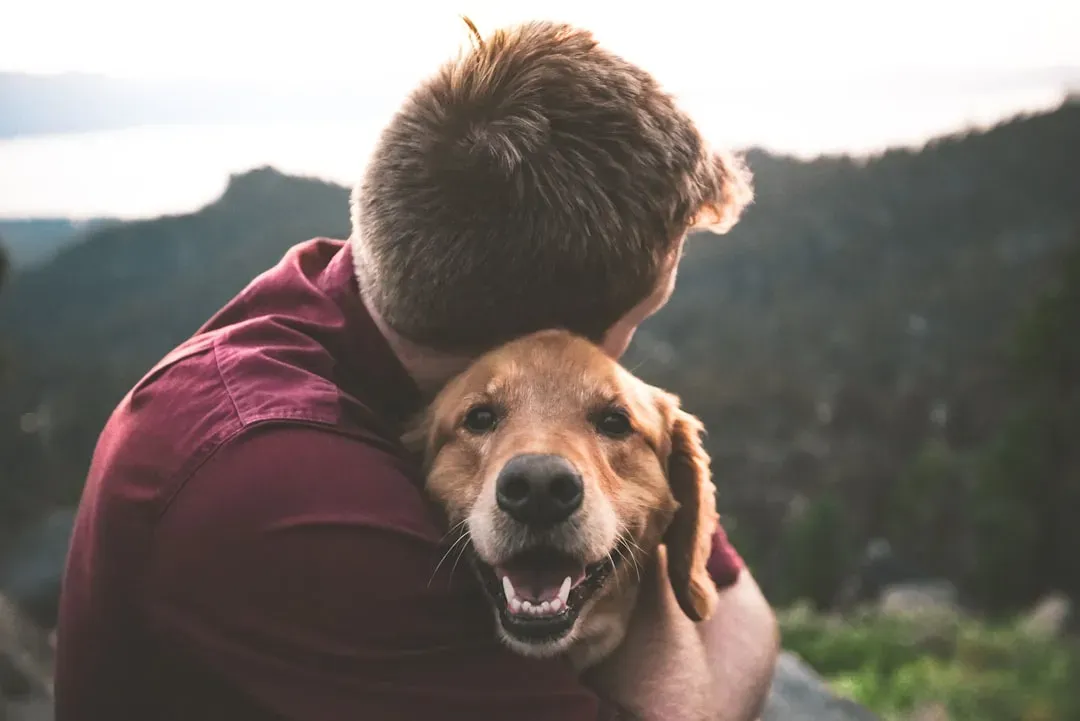
Animal-assisted therapy supports those with mental health conditions by easing anxiety, depression, and post-traumatic stress disorder through lower cortisol and higher oxytocin levels. What is particularly striking is the environment this creates. The nonjudgmental environment promotes openness and helps build effective coping strategies.
Studies indicate that animal-assisted therapy improved mental health outcomes for people with depression, anxiety, PTSD, and schizophrenia, with interaction with therapy animals reducing cortisol levels, increasing oxytocin, lowering blood pressure, and increasing social engagement and emotional regulation. That is a remarkably broad spectrum of benefit from a single type of intervention. Animal-assisted therapy benefits people of all ages and needs, from children with ADHD to older adults with dementia, offering emotional support, physical rehabilitation, and stronger social connection across various care settings.
Dogs That Can Sniff Out Disease

Let’s be real, this one still feels almost impossible when you first hear it. Diseases produce chemicals that give off an odor, and even in the early stages of a disease, dogs can pick up on the change in scent. A dog’s nose is, in the most literal sense, a biological disease-detection machine.
In various experiments, dogs have detected breast cancer and lung cancer by sniffing the breath of patients, bladder cancer and prostate cancer by sniffing urine, and colorectal cancer by sniffing exhaled breath and stool samples. In colorectal cancer specifically, canine scent sensitivity for breath samples reached a staggering ninety-one percent, compared to the standard fecal occult blood test sensitivity of roughly forty-four percent, meaning dogs can provide a more successful and non-invasive screening method. The implications of this are enormous for early detection in medicine.
Seizure-Alert Dogs and Epilepsy Management

There have been reports of trained seizure-alerting dogs successfully detecting when a seizure is occurring or indicating imminent seizures, allowing patients to take preventive measures. This is one of those developments that changes lives in a daily, practical, and deeply personal way.
Research not only shows that dogs can smell seizures, but also offers the first known proof that different types of seizures are associated with common scents. That second part surprised even the researchers. Untrained pet dogs have also shown the ability to detect seizures and provide comfort and protection during and after seizures. It is hard to say for sure exactly how far this capability extends, but the early evidence is genuinely extraordinary.
Venom That Became Blockbuster Medicine
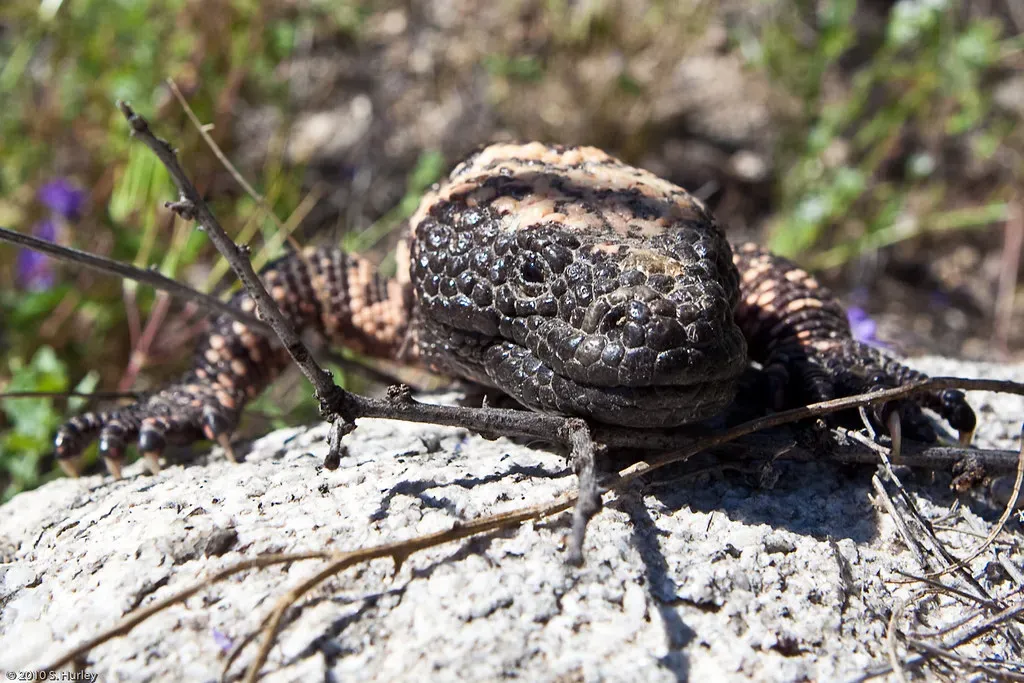
Possibly the most jaw-dropping entry on this list. The toxic bite of a Gila monster can kill a human, but a specific ingredient in the cocktail of the lizard’s venom is the reason we have glucagon-like peptide agonists like Ozempic and Wegovy. A lethal desert lizard quietly revolutionized the treatment of type 2 diabetes and obesity for millions of people worldwide.
In the 1990s, researchers discovered a component in the Gila monster’s venom that works like a hormone to stimulate insulin release when blood sugar levels rise, and exenatide, an injectable drug based on the toxin, helps people with diabetes produce their own insulin and lose weight. To date, eleven venom-derived molecules have been approved and marketed for the treatment of disease, derived from lizard, cone snail, leech, and snake venoms. I think that number alone deserves a moment of genuine awe.
Animals That Shaped Modern Vaccines and Medicine
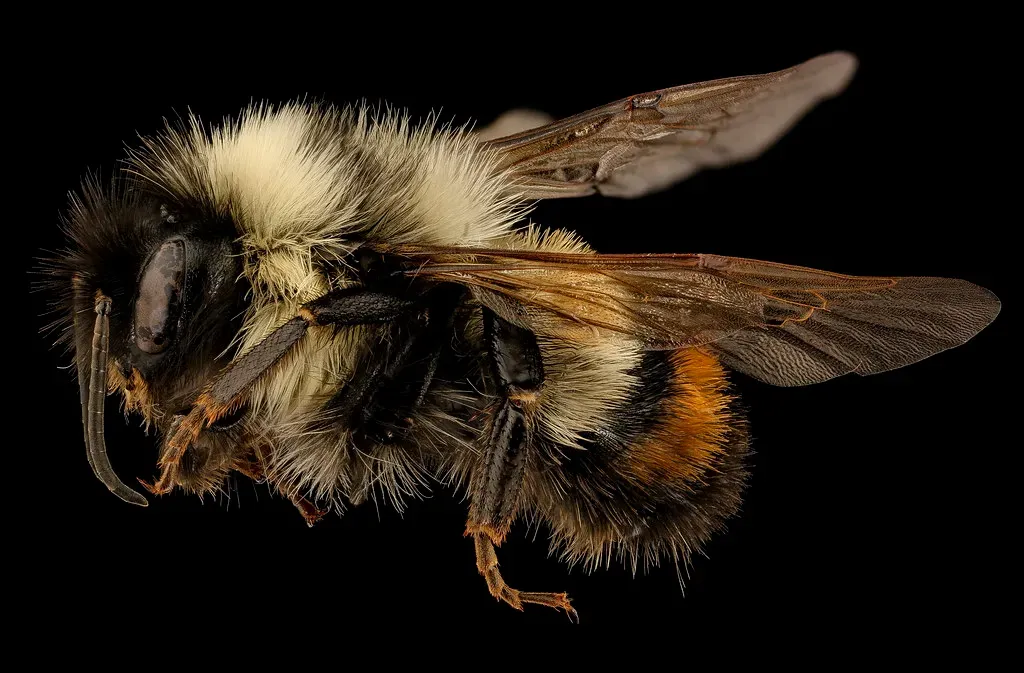
NIH’s support of research with animals has been critical for advancing prevention, early detection, and treatment of countless diseases, and animal research has been crucial in the early stages of development of nearly every safe and effective drug in our medicine cabinet. This is the kind of foundational contribution that is easy to forget because the end result, a vaccine or a pill, looks nothing like the creature that made it possible.
The vaccines to fight the COVID-19 virus were first studied in mice and non-human primates, and these animal species were also critical to creating a vaccine that has nearly eliminated bacterial meningitis in children. Other scientific contributions arising from studies of animals include the discovery of insulin, the development of vaccines against several diseases, and the fact that many drugs used by humans are directly produced from animals, for example, hormones used to overcome fertility problems derived from cattle and insulin derived from the pancreases of cattle and pigs.
The Surprising Role of Animals in Aging Research
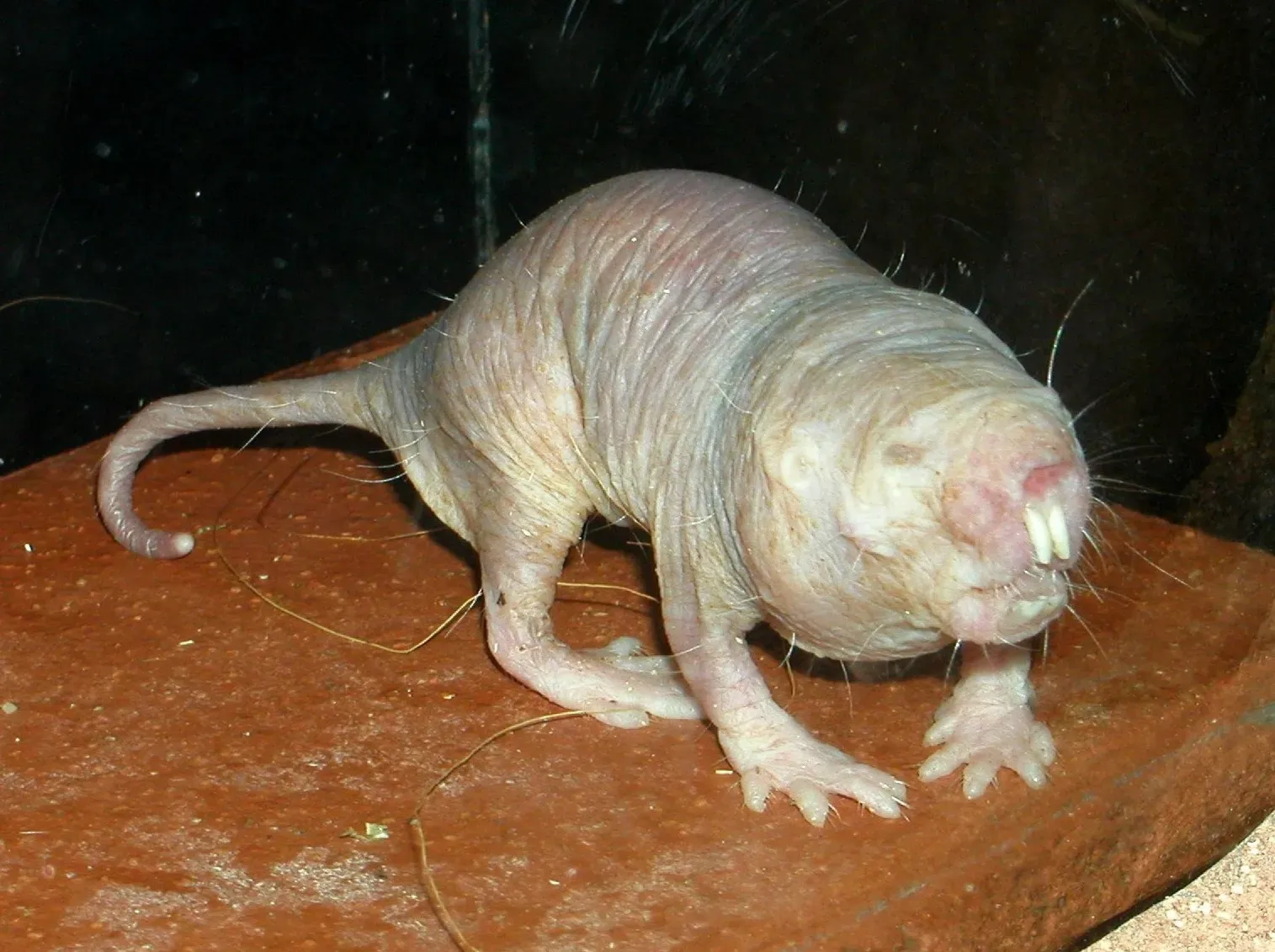
This one rarely makes headlines, yet it may be among the most important. Naked mole rats live in colonies with a single queen, like ants or honeybees, and they can live for up to three decades, ten times longer than mice, while almost never succumbing to cancer or other diseases of aging. Scientists are studying these tiny, wrinkle-skinned creatures to understand what makes biological aging tick.
Looking at data from more than one hundred different reptiles and amphibians such as turtles, salamanders, and crocodiles, researchers supported by NIH have revealed insights into aging that may help better understand longevity in humans. Meanwhile, nematode worms help scientists study neurodegenerative diseases such as Alzheimer’s and dementia, since a buildup in the brain of certain proteins, known as beta-amyloid and tau, contributes to these conditions in humans. The animal kingdom, it turns out, is our greatest living textbook on the science of staying alive longer.
Companion Animals and the Fight Against Loneliness in the Elderly

Among elderly people, pet ownership might be an important source of social support that enhances well-being, and in one study, elderly individuals who had a dog or cat were better able to perform certain physical activities deemed activities of daily living, such as climbing stairs, bending, taking medication, preparing meals, and bathing and dressing themselves. The practical, physical impact is real and measurable.
In one study, residents of care facilities who received animal-assisted therapy scored significantly lower on the UCLA Loneliness Scale than those who did not. Loneliness among the elderly is widely regarded as a public health crisis. Companion animals provide numerous benefits such as companionship, enhanced social skills, and reduced feelings of loneliness, crucial for increasing life satisfaction, while also offering emotional support in stress management, improving psychological adaptability. Sometimes the most powerful medicine looks like a golden retriever with its head in someone’s lap.
Conclusion: The Quiet Healers Among Us

The relationship between humans and animals has always been layered, complex, and far more reciprocal than we tend to acknowledge. We share the planet with creatures that have shaped our pharmaceutical industry, kept our hearts beating longer, steadied our mental health, and even sniffed out cancer before our technology could. That is not a small thing.
What makes all of this particularly moving is the fact that none of these animals set out to help us. They simply exist, and in existing, they offer us gifts we are only beginning to understand. As science continues to probe the depths of the human-animal bond, one thing seems increasingly clear: our well-being and theirs are more intertwined than any of us imagined.
The next time a dog rests its head on your knee, or a researcher peers through a microscope at a tiny worm, remember that healing sometimes comes from the most unexpected directions. Which of these nine surprised you the most?
