

Everyone tells you the same sad story about old dogs. Slower steps, foggy eyes, more naps than walks. You brace yourself for decline the moment you spot the first gray hair on their muzzle.
But vets see something different every day in their exam rooms, and it rarely matches the story people expect. Plenty of senior dogs are quietly thriving, and the signs are easy to miss if you’re only watching for trouble. Here’s what actually separates a dog who’s winding down from one who still has real years of joy left in the tank.
15 – They Still Attack Mealtime Like It’s Christmas
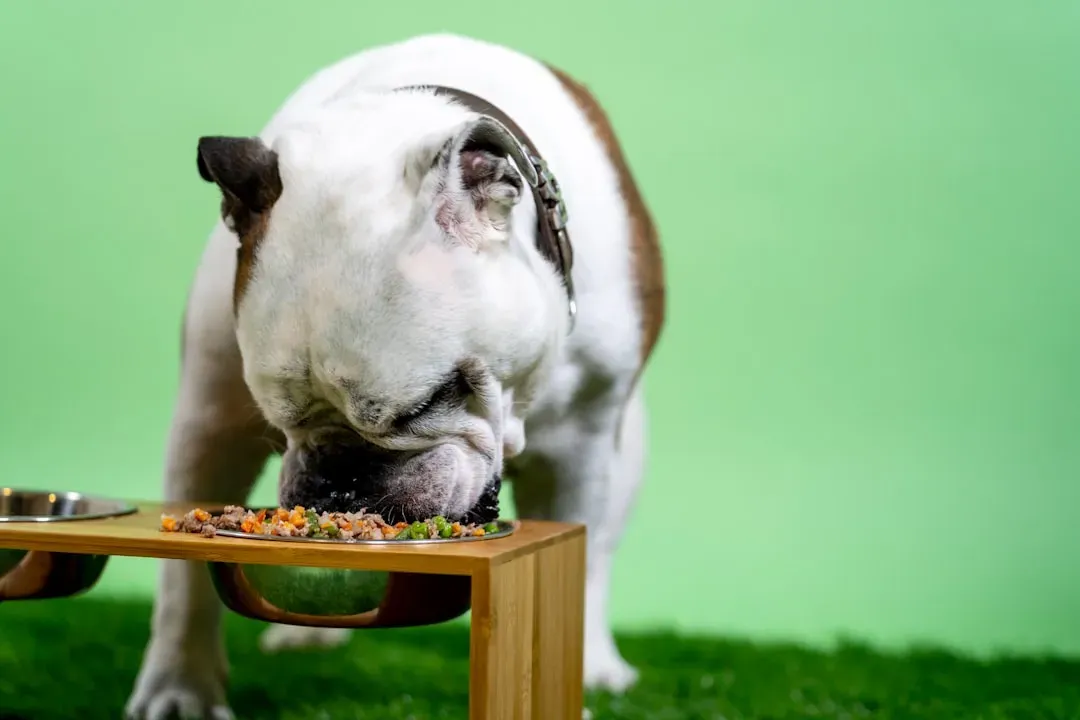
Watch your dog’s face the second the food bowl hits the floor. A senior dog who still gets genuinely excited, who noses the bowl around and cleans every last crumb, is telling you something important about how their body is running underneath the surface.
Appetite is one of the first things to slip when something’s wrong internally, long before other symptoms show up. So when that hunger stays strong year after year, it’s not a small thing. It’s a quiet, daily vote of confidence from your dog’s own body.
14 – Playtime Isn’t Optional For Them
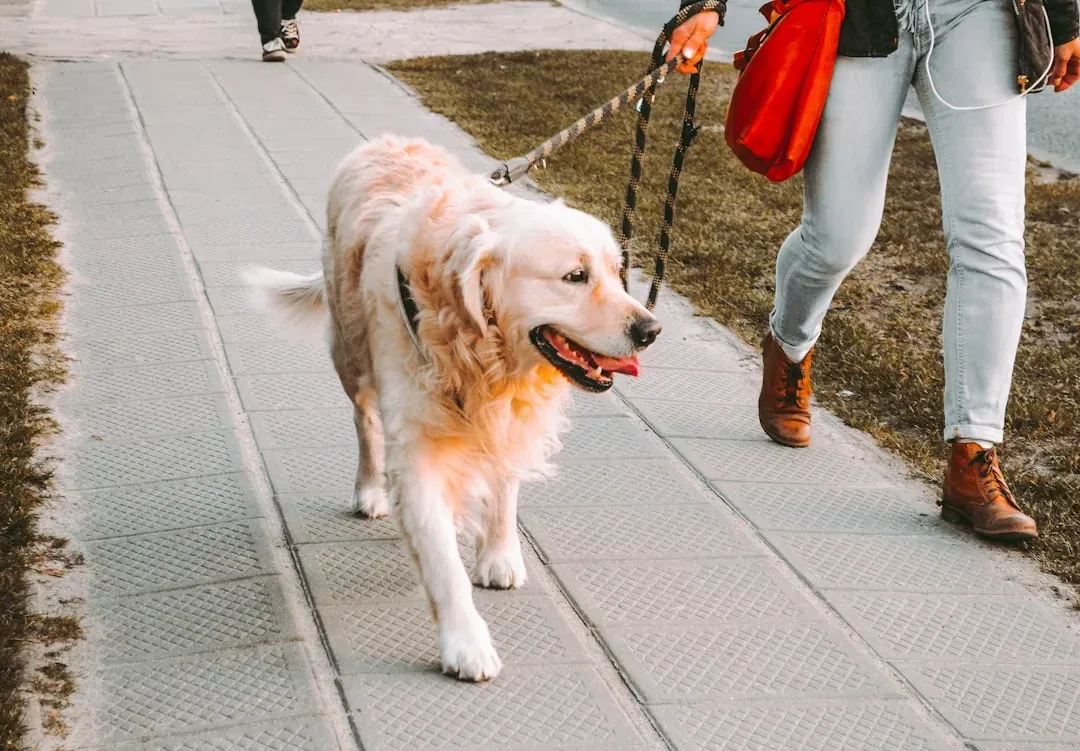
Older dogs don’t have to sprint like puppies to prove they’re doing well. But if yours still perks up at the leash, still trots along on walks, or still wants a few minutes of tug-of-war, that’s real vitality talking, not just habit.
Movement keeps their joints lubricated, their muscles from wasting away, and their mind occupied. The dogs who decline fastest are often the ones who stop moving first, not the other way around. A senior dog who still asks for a walk is still asking for life.
13 – Their Coat Still Has That Glow
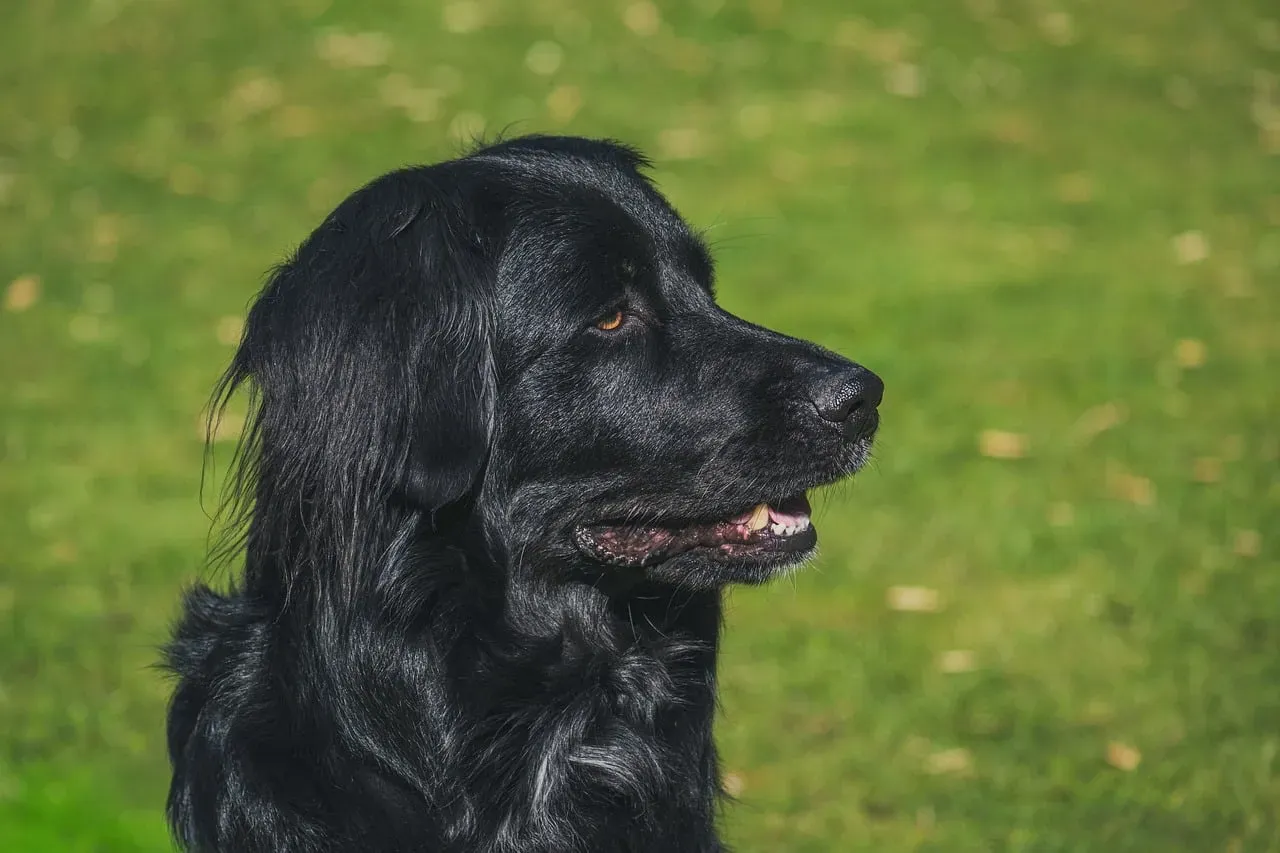
Run your hand down your dog’s back. A coat that’s still soft, still holds some shine, and doesn’t come off in clumps is a surprisingly honest report card on what’s happening inside.
Skin and coat are often the last things fed by the body when something else is going wrong, so a healthy coat usually means the rest of the machine is running fine too. If your senior dog still enjoys being brushed and still looks put-together doing it, take that as a genuine compliment to their health.
Fast Facts
- A dull, brittle, or flaky coat can point to thyroid issues, allergies, or nutritional gaps.
- Shedding well beyond the normal seasonal blow-out is worth mentioning at the next checkup.
- New bald patches or thinning fur deserve a vet’s eyes, not just a grooming fix.
- Brushing sessions double as a hands-on scan for lumps, bumps, or hidden ticks.
12 – They’re Still Nosy About Everything
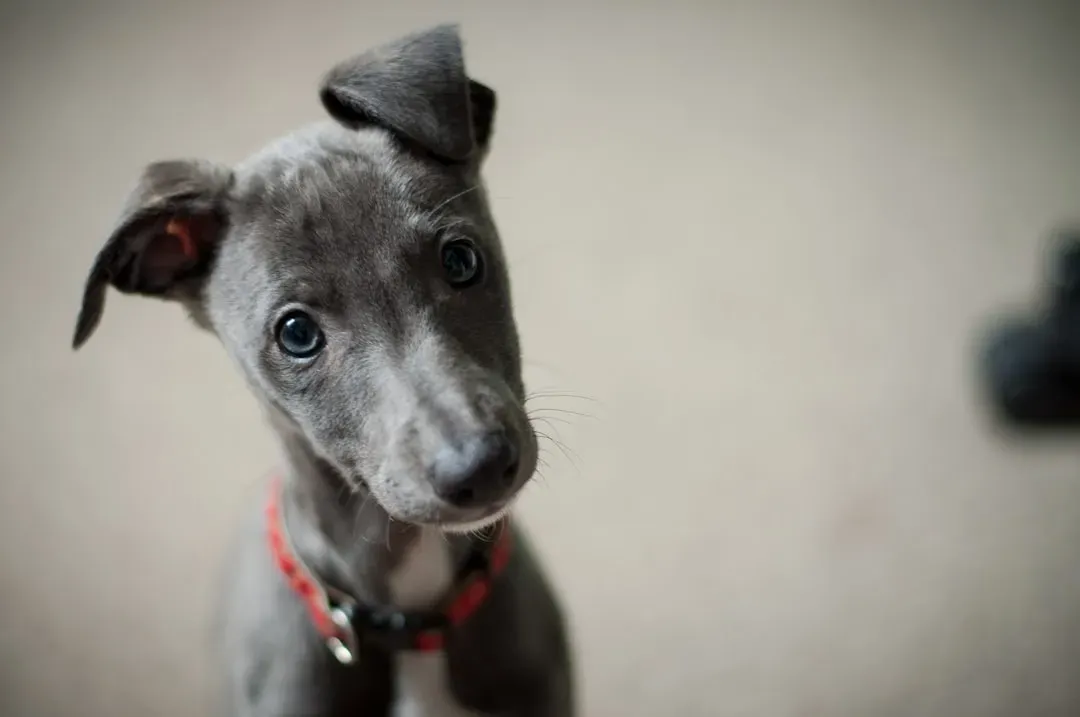
Does your dog still stop dead on a walk to investigate a smell that clearly requires a full three minutes of forensic sniffing? That nosiness is a good sign, not an annoying one.
Curiosity is a direct window into a dog’s cognitive health. Dogs losing mental sharpness tend to disengage from their surroundings, staring blankly instead of exploring them. A senior dog who’s still snooping around the yard or watching the mail carrier like it’s must-see TV still has a sharp mind behind those eyes.
11 – The Number on the Scale Doesn’t Budge

Nobody gets excited about a vet visit that starts with a scale, but for senior dogs, that number tells a bigger story than most people realize. Steady weight, year after year, usually means organs and metabolism are working the way they should.
Sudden weight loss or gain in an older dog is one of the fastest ways vets catch hidden problems before they become emergencies. If your dog’s weight has barely shifted in the last year despite no major changes to food or activity, quietly celebrate that. It’s one of the clearest, least glamorous signs of good health there is.
10 – Their Breath (and Teeth) Aren’t a Warning Sign
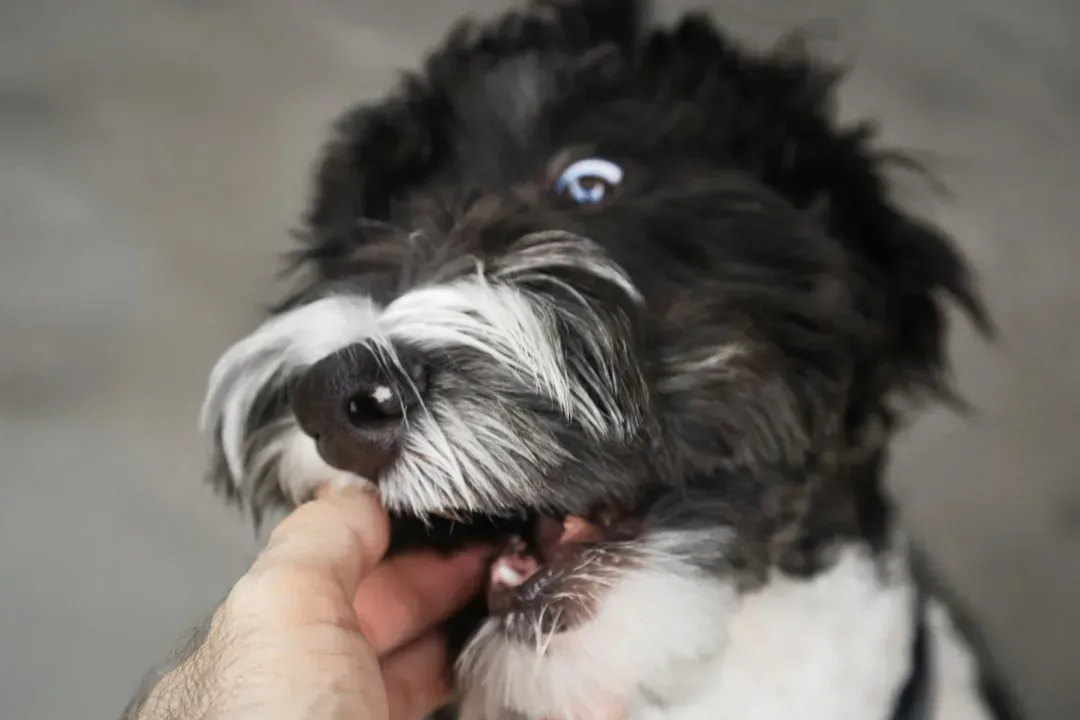
Dog breath has a reputation, but there’s a difference between normal dog breath and the kind that makes you turn your head away. Senior dogs with clean teeth and gums that aren’t red or receding are dodging a problem that quietly wrecks a lot of aging dogs’ health.
Dental disease doesn’t stay in the mouth. Left untreated, it can strain the heart, kidneys, and liver over time. A senior dog with solid dental health isn’t just avoiding bad breath, they’re avoiding a slow, hidden threat to their whole system.
Worth Knowing
- Studies show that 80-90% of dogs over the age of 3 have some component of periodontal disease, even when their teeth look clean.
- Small breeds are especially prone, and severity tends to climb with age.
- Bad breath is often the first sign owners notice, but by then the disease may already be advanced.
- Untreated oral bacteria can enter the bloodstream and affect the heart, kidneys, and liver.
9 – Their Eyes and Ears Still Work For Them
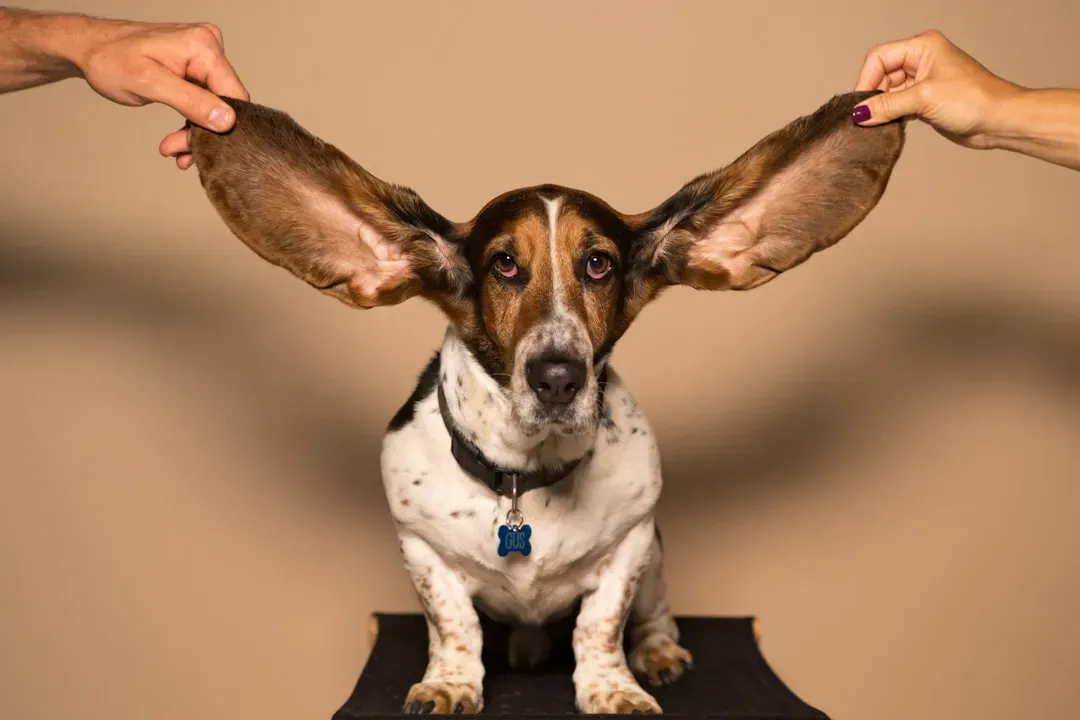
Some fading is normal with age, a little cloudiness here, a little extra volume needed there. But a senior dog whose eyes are still bright and whose ears still perk up at the jingle of keys is holding onto something a lot of aging dogs lose early.
Sharp senses mean your dog is still fully present in their world, not just going through the motions. They can still catch the sound of your car in the driveway, still track a ball across the yard. That kind of sensory awareness keeps a dog engaged with life instead of drifting away from it.
8 – No Surprises on Bathroom Breaks
It’s not a glamorous topic, but it’s one vets pay close attention to for a reason. Regular, predictable bathroom habits, no accidents, no straining, no sudden changes, point to a digestive and urinary system that’s still doing its job well.
Because these systems often show trouble before anything else does, consistency here is a quiet green light. If your senior dog’s routine hasn’t changed in months, that’s not boring. That’s their body running smoothly behind the scenes.
7 – They Still Want to Be Near You
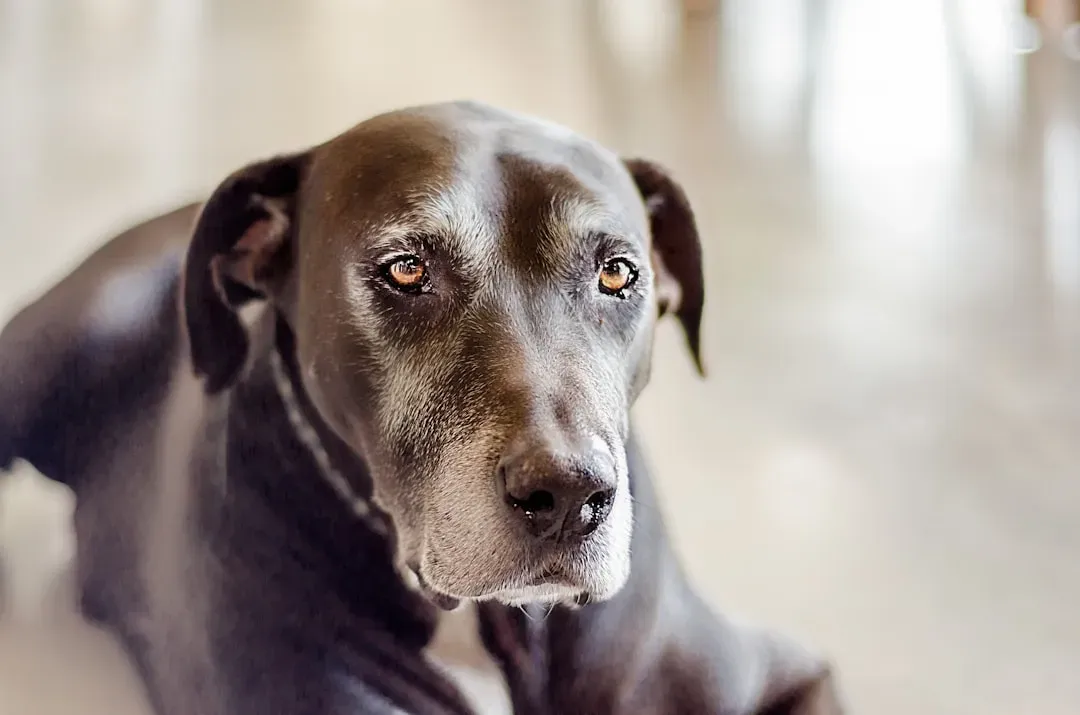
Some senior dogs start pulling away, choosing a quiet corner over the couch cushion next to you. Others do the opposite, staying close, leaning in, following you room to room like they always have. That second dog is showing you something meaningful.
Continued affection and social interest are strong signs of emotional and cognitive health. Dogs experiencing serious decline often withdraw first. A senior dog who still wants to be part of the family, not just present in the house, is still emotionally all there.
Dogs are not our whole life, but they make our lives whole.
Roger Caras
6 – Change Doesn’t Rattle Them
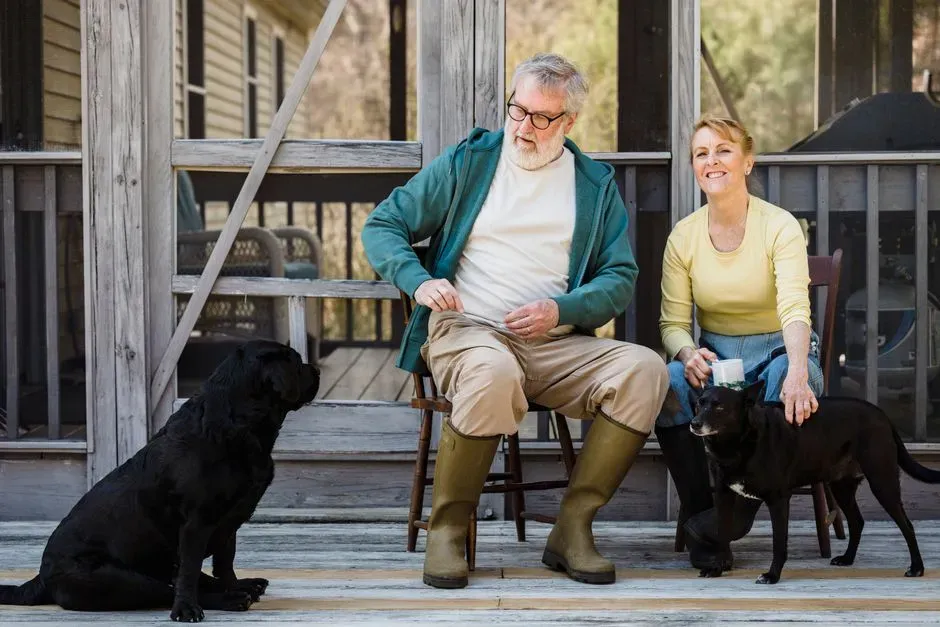
A new walking route, a rearranged living room, a different feeding time because your schedule shifted. Dogs whose minds are struggling tend to get anxious or confused by these small disruptions. Dogs who adapt without much fuss are showing off real cognitive flexibility.
That adaptability doesn’t mean nothing bothers them. It means their brain is still processing new information efficiently instead of clinging to rigid routine out of confusion. A senior dog who can roll with minor changes is a senior dog whose mind is still keeping up.
Quick Compare
| Thriving Senior | Worth a Vet Chat |
|---|---|
| Adjusts to a new routine within a day or two | Seems anxious or lost over small changes |
| Explores unfamiliar spaces with curiosity | Paces or freezes in familiar rooms |
| Recognizes cues and commands quickly | Seems to “forget” familiar people or routines |
5 – The Squeaky Toy Still Works Its Magic
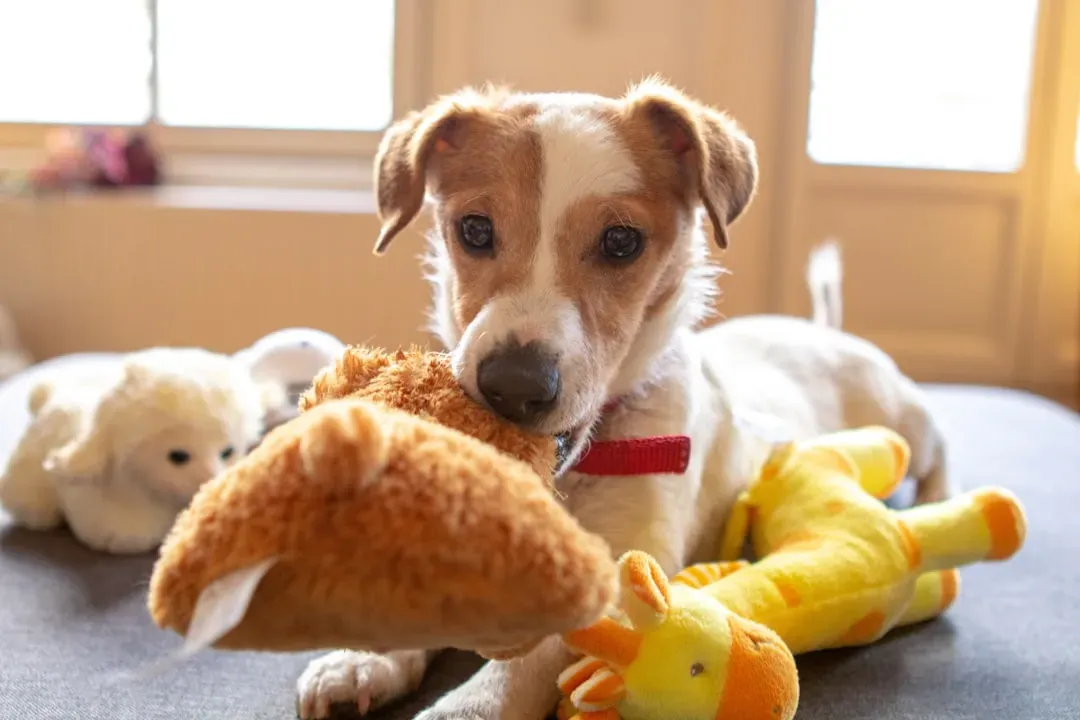
You know the sound. The second that toy squeaks, ears go up, tail starts going, and suddenly your “old” dog looks ten years younger for about thirty seconds. That flash of pure delight matters more than people realize.
Enthusiasm for favorite games and treats is one of the clearest emotional health markers vets look for. It shows the parts of the brain tied to joy and anticipation are still firing normally. A senior dog who still loses their mind over a tennis ball is a senior dog who still knows how to be happy.
4 – They Sleep Like Nothing’s Wrong
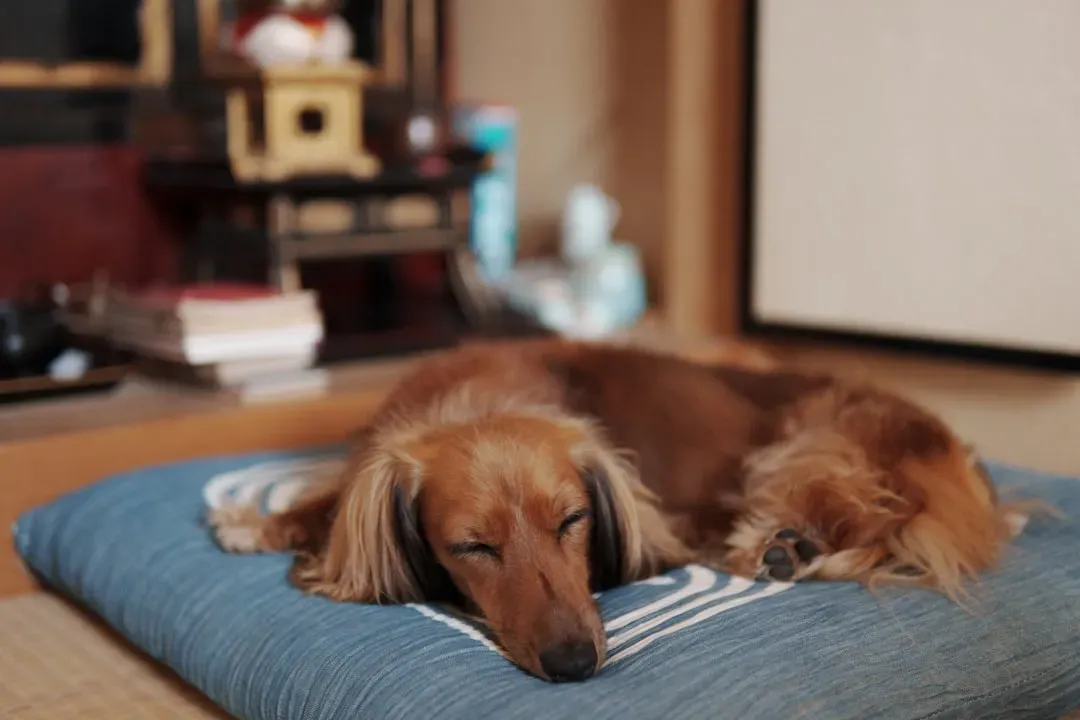
Restless pacing at 3 a.m., panting for no reason, whining in the dark, these are things vets ask about specifically because disrupted sleep often signals pain, anxiety, or cognitive decline in older dogs.
A senior dog who settles down at bedtime and sleeps through the night without drama is telling you their body isn’t fighting something in the background. Deep, uneventful sleep is one of the most underrated signs of comfort a dog can offer.
3 – They Still Move Like They Mean It
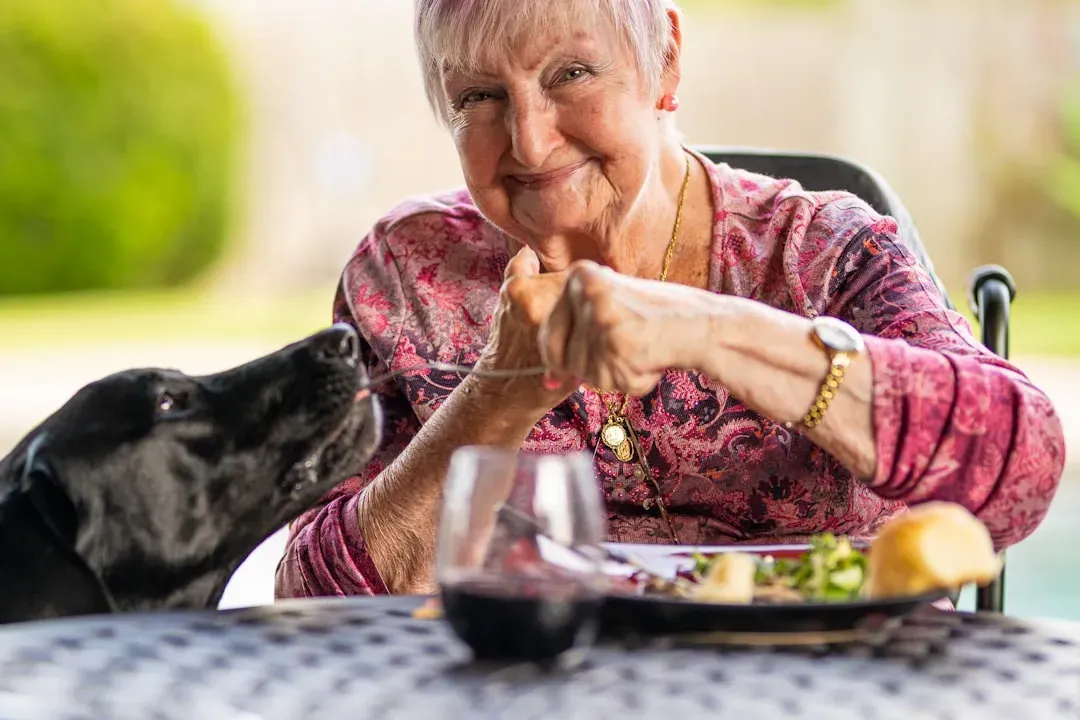
Stiffness first thing in the morning is common and often manageable. But a senior dog who can still get up without hesitation, still climbs stairs, and still moves through the house with purpose is holding onto something a lot of aging dogs lose fast: confidence in their own body.
Mobility issues tend to snowball once they start, because a dog in pain moves less, which weakens muscles further. A senior dog who’s still moving well now has real momentum working in their favor, and that’s worth protecting with continued gentle exercise.
2 – They Bounce Back Quickly After Activity
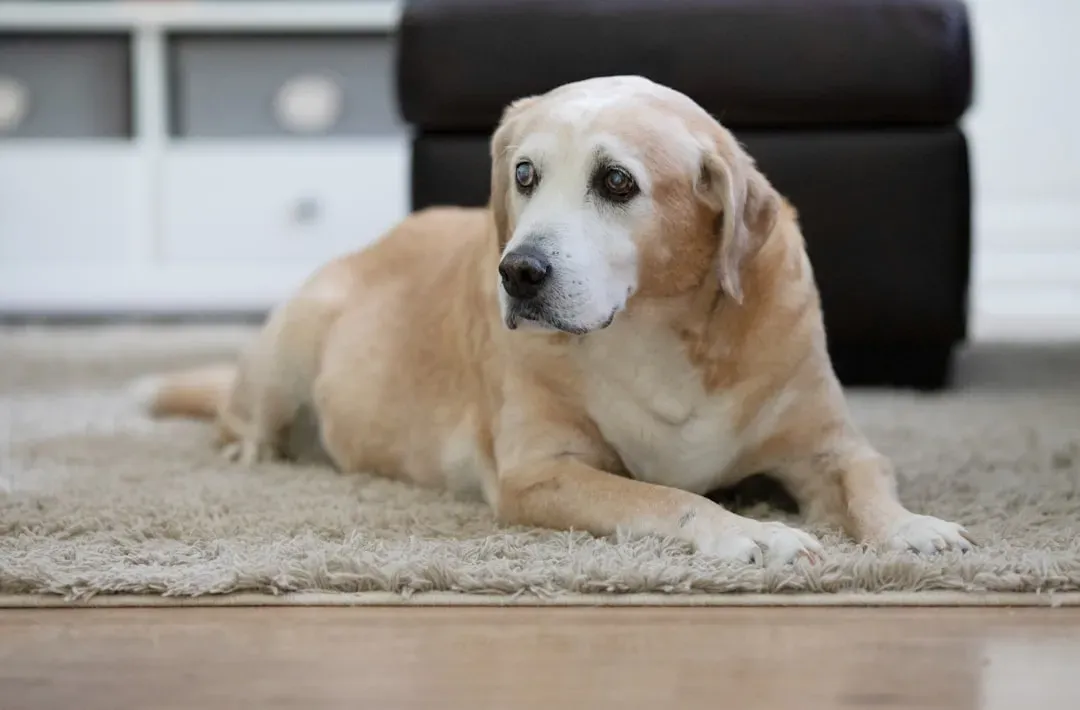
Every senior dog gets a little tired after a longer walk or an extra-playful afternoon. What matters is what happens next. Dogs who nap it off and are back to normal within an hour or two are showing genuine physical resilience.
Slow, prolonged recovery after mild exertion is often an early red flag vets watch for. Quick recovery means the heart, lungs, and muscles are still working together the way they’re supposed to. It’s a small window, but it tells you a lot about what’s happening under the hood.
At a Glance
- A healthy senior typically settles back to normal within an hour or two of light activity.
- Heavy panting that lingers well past rest time is worth flagging to your vet.
- A quick return of appetite after exercise suggests stable digestion and energy.
- Reluctance to get up again after resting can hint at joint discomfort building up.
1 – That Spark in Their Eyes Hasn’t Gone Anywhere
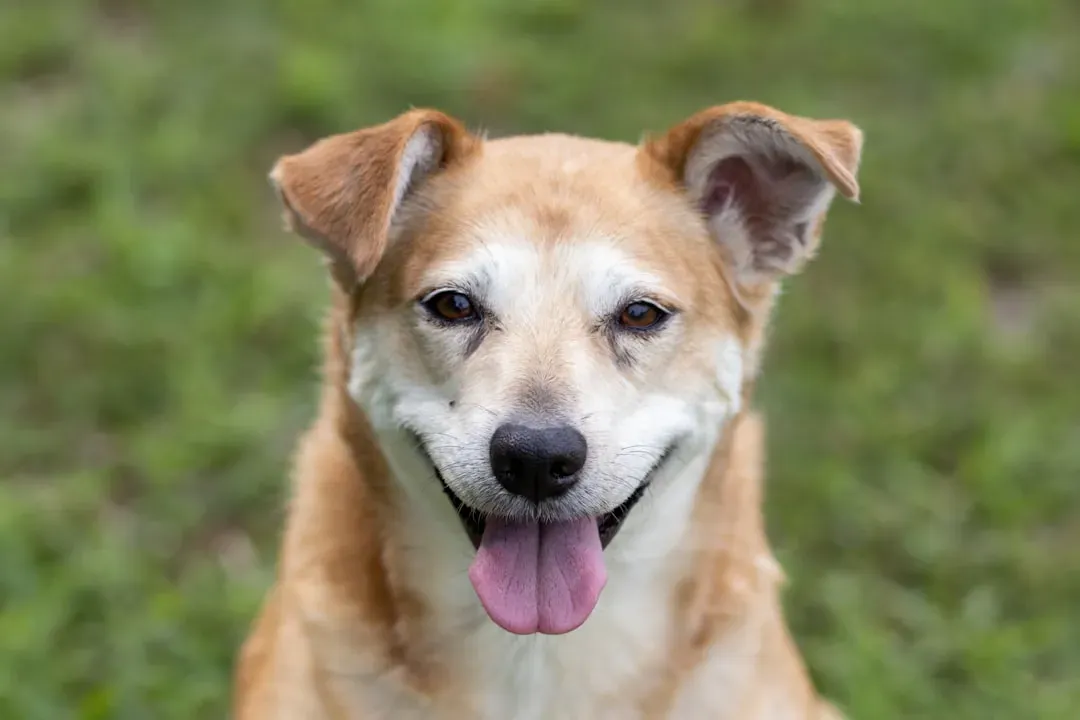
This one isn’t a medical test, and no vet can measure it on a chart, but every vet knows it when they see it. It’s the look a dog gives you when you walk through the door, the exact same look they gave you at two years old and still give you now.
That spark, that unmistakable “you’re home” energy, is often the truest sign of all. Bodies age. Joints stiffen. Muzzles go gray. But a dog who still lights up for you hasn’t lost the thing that actually makes a good life a good life.
Here’s the part nobody tells you enough: aging and thriving aren’t opposites. A senior dog can have cloudy patches in their vision and still be one of the happiest, most engaged animals you’ll ever meet. The mistake is assuming gray fur means the good years are behind them.
If your dog is still eating with enthusiasm, still asking for walks, still lighting up when you walk in the door, don’t treat that as luck you’re waiting to run out. Treat it as proof. Your dog isn’t just surviving their golden years. Given half a chance, they’re still living them.

- The Pet Your Zodiac Sign Would Rescue Without Hesitation - August 16, 2026
- 7 US States Where Mountain Lions Are Closer Than You Think - August 16, 2026
- 10 US States With the Highest Black Bear Populations - August 16, 2026