
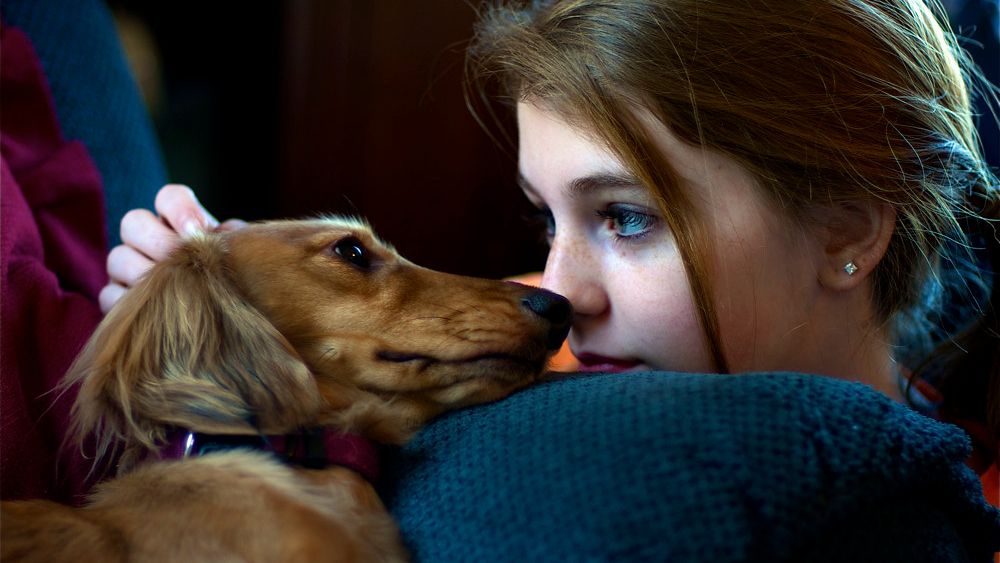
There’s something almost supernatural about the moment your dog pads over quietly, rests a heavy head on your knee, and simply stays. You didn’t say a word. You didn’t call for them. Yet somehow, they knew. It’s one of those small, daily miracles that dog owners accept as perfectly normal, even when science is only just beginning to explain why it happens.
The truth is, not all dogs do this equally well. Some breeds have developed an almost uncanny sixth sense for human emotion, and the gap between a highly attuned breed and a more independent one can feel as wide as the distance between a therapist and a stranger on a bus. What makes certain dogs so astonishingly good at reading us? Let’s dive in.
The Science Behind the Sixth Sense

Here’s the thing that always surprises people: this isn’t just poetic dog owner sentiment. The science is real, and it’s genuinely impressive. Dogs can recognise emotions in humans by combining information from different senses, an ability that has never previously been observed outside of humans. Think about that for a second. We’re not talking about basic instinct. We’re talking about something that, until recently, researchers thought was exclusive to our own species.
Numerous studies have found that dogs use three main senses – sight, smell, and hearing – to determine human emotions. Dogs can recognize six basic emotions: anger, fear, happiness, sadness, surprise, and disgust. It’s an emotional toolkit that would honestly make some humans envious.
Studies have shown that when dogs look at human faces, they exhibit a “left-gaze bias.” The right side of the human face expresses emotion more accurately. Therefore, dogs have literally evolved to look where the most emotional information is stored. That’s not luck. That’s thousands of years of co-evolution at work, and it’s astonishing.
Golden Retrievers: The Empaths of the Dog World
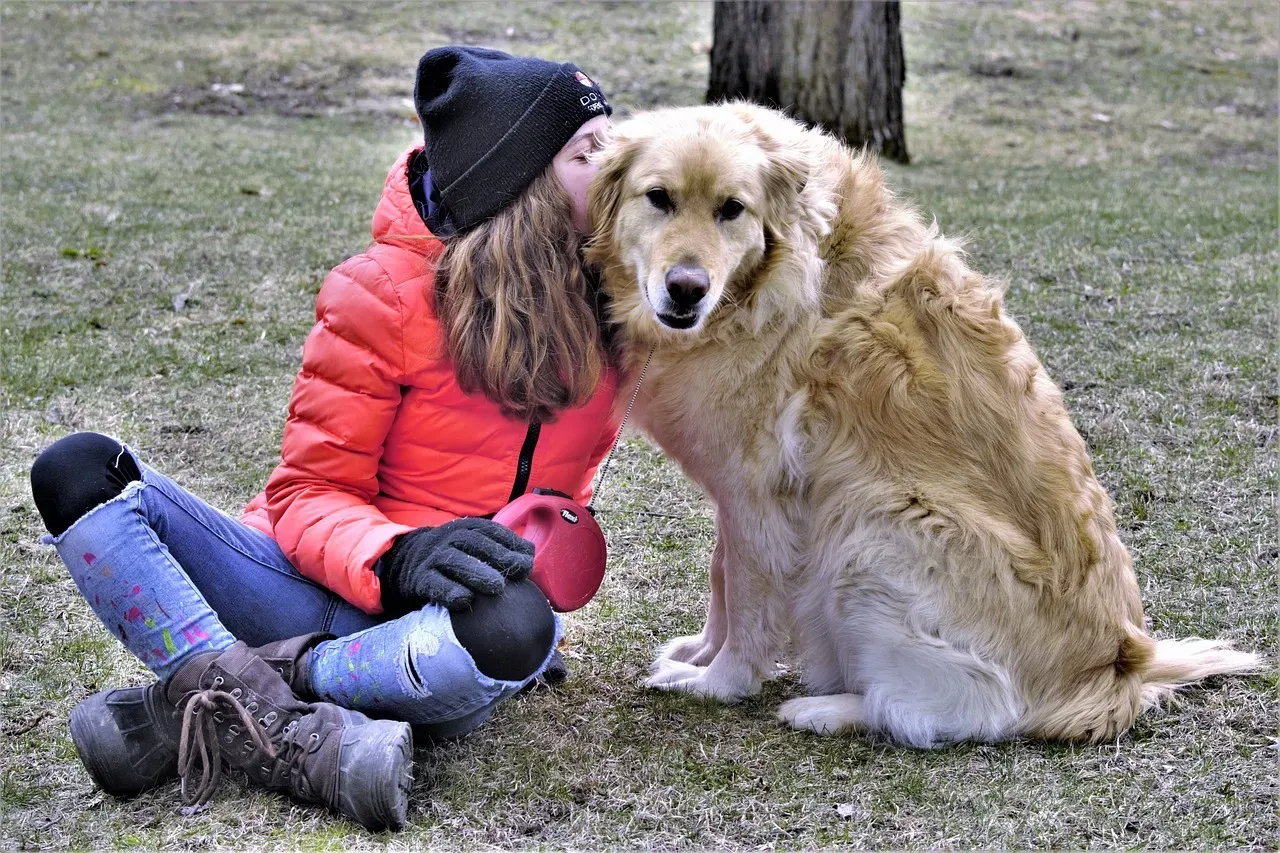
Golden Retrievers are famously sensitive to the mood of their household. They possess a very natural “emotional radar.” This allows them to detect tension or grief immediately. If you’ve ever cried in front of a Golden and had them press their entire body against yours without being asked, you already know this isn’t an exaggeration.
Since they have such a gentle temperament, they are frequently utilized as therapy dogs. Honestly, it makes complete sense. A Golden doesn’t just observe your emotional state from a distance. Their presence can lower blood pressure and reduce stress, so if you suffer from stress-related issues, getting a Golden would be genuinely good for you.
Think of a Golden Retriever like a warm blanket with a heartbeat. They don’t fix your problems. They just make carrying them feel lighter, which is sometimes all anyone really needs.
Border Collies: Brilliant Minds With Emotional Depth
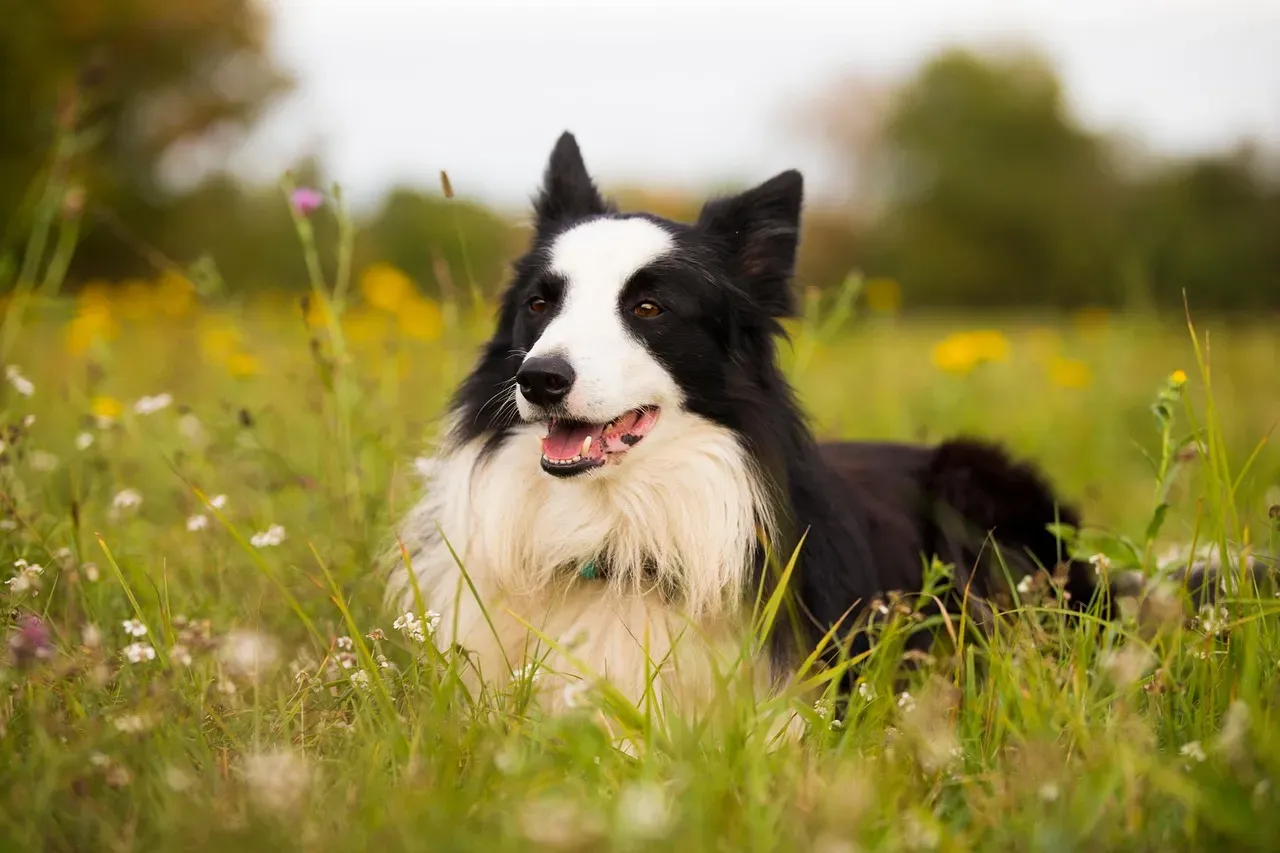
Because they score high in social cognition tests, Border Collies excel at reading human gestures and cues more than many other dogs. This emotional attunement helps them sense when you’re happy, sad, or stressed – and respond accordingly. Most people think of Border Collies purely as working dogs, built for speed and precision on a farm. That’s only part of the story.
Border Collies are remarkably emotionally intelligent. They possess a keen sensitivity to human voice, gestures, and energy, often anticipating needs without explicit commands. Their capacity to mirror emotions and adapt to environmental shifts makes them ideal companions for emotionally attuned owners. It’s like living with a dog who is constantly taking mental notes about you.
Border Collies are known to comprehend and remember over 1,000 different words, making them one of the most linguistically capable breeds in the world. Pair that verbal intelligence with emotional sensitivity and you have a dog that feels less like a pet and more like a deeply perceptive companion. I think that’s why Border Collie owners tend to speak about their dogs with a kind of reverence you don’t often hear.
Labrador Retrievers and Cavalier King Charles Spaniels: Built for Human Connection

Unlike some emotionally attuned breeds that focus on quiet comfort, Labs take a more active approach to emotional support. They thrive on human interaction and have an innate ability to make their owners feel good. They’re naturally sensitive to tone, facial expressions, and body language, making them excellent companions for those dealing with anxiety, loneliness, or PTSD.
Labs are, in a word, relentless in their affection. They follow their owners from room to room, checking in constantly, like having a best friend who never lets you feel alone. That consistency is genuinely therapeutic. It’s the dog equivalent of someone texting “are you okay?” and actually meaning it.
Cavalier King Charles Spaniels take a different, quieter approach. What’s fascinating about Cavaliers is how they bond through physical proximity and eye contact. They want to be touching you almost constantly, not because they’re insecure, but because physical connection is their love language. These dogs have an uncanny ability to sense distress and respond with quiet presence. The bond forms quickly and deepens through routine, as Cavaliers love predictability and ritual.
German Shepherds, Dobermans, and Vizslas: The Intensely Loyal Ones
German Shepherds are deeply loyal, fearless, and exceptionally attuned to their humans’ emotional states. Their high emotional intelligence makes them ideal not only as service and protection dogs but also as empathetic companions who provide comfort in times of stress or sadness. These dogs are intuitive, often offering support without prompting. Picture a dog that studies you the way a detective studies a case, always watching, always ready to act.
Dobermans surprise people. Dobermans are famous “velcro dogs” for a reason. When bonded, they check in constantly, leaning into your legs as if to anchor both of you. They’re sensitive, fast learners, and more emotionally tuned than their intimidating silhouette suggests. People see the build and assume guard dog. Owners know the truth: they’re soft-hearted shadows who just happen to look fierce.
Vizslas are perhaps the most extreme example of emotional bonding. These Hungarian hunting dogs were bred to work closely with their handlers, and they’ve transferred that collaborative instinct into domestic life. What makes the Vizsla bond unique is its combination of athleticism and affection. These dogs need serious exercise, but they also need serious cuddle time. They’re not satisfied with just being in the same house; they want physical contact and emotional connection throughout the day. Living with a Vizsla is less like owning a dog and more like adopting a second heartbeat.
How Dogs Actually Smell Your Stress – and What That Changes

Let’s get into something that feels almost too extraordinary to believe. Due to their elevated sense of smell, dogs are highly sensitive to changes in our body odor that are undetectable to other humans. You can fake a smile. You can keep your voice steady. Your dog, however, is smelling the cortisol seeping from your pores and knows exactly what’s going on before you’ve said a single word.
Researchers collected sweat samples from male donors who had watched videos inducing happiness or fear, and found that dogs responded differently to the odor of differing human emotions. Honestly, that’s extraordinary. It means your dog isn’t just reading your face; they’re reading your chemistry. You are, in a very literal sense, an open book to them.
Humans, who tend to rely most on sight to make sense of their environments, may well forget that dogs’ most dominant sense is actually smell, which gives them a very different perspective on the world around them. It’s a humbling reminder that our dogs experience us in ways we can barely begin to imagine. And those emotionally attuned breeds? They use every single one of those signals, all at once, all the time.
Conclusion

When you step back and look at the full picture, what emerges is something genuinely moving. Humans and dogs have lived side by side for some 30,000 years, and along the way, evolution seems to have given dogs the skills to read their owners’ needs and emotions. This isn’t a trick. It isn’t a coincidence. It is, in the truest sense, the result of one of the oldest partnerships in the natural world.
Research shows that spending time with dogs can lower stress, ease anxiety, and bring comfort in a way few other animals can. The most emotional dog breeds are more than pets – they become companions, confidants, and sometimes even lifelines. Whether it’s a Border Collie that knows when you’re overwhelmed before you do, a Vizsla that refuses to let you feel alone, or a Golden Retriever that simply leans in and stays, these animals offer something that is both scientifically fascinating and deeply human.
The next time your dog interrupts your bad day with a quiet nudge or a warm presence at your feet, maybe ask yourself this: if they understand us this well, how well do we really understand them?

- What Nocturnal Animal Are You According to Your Zodiac Sign - July 19, 2026
- The Fastest Bird in Level Flight Is Not the Peregrine Falcon – That Record Belongs to a Species That Almost No One Can Identify on Sight - July 19, 2026
- 12 Architectural Wonders From The Ancient World That Inspire Us Today - July 18, 2026