
is, quite literally, the most biologically rich place on the surface of the planet. It stretches across roughly the size of two thirds of the entire United States, and within that sprawling green labyrinth, something extraordinary is happening constantly. is the world’s largest rainforest and river system and the most biologically diverse place on earth, covering roughly 40% of South America and spanning nine countries. Scientists, explorers, and indigenous guides are continuously pulling back the curtain on species that the rest of the world has never seen.
Honestly, the sheer pace of discovery here is mind-bending. The Amazon is home to more than 40,000 plants and over 4,000 animal species, including 3,000 freshwater fish, thousands of birds and butterflies, and mammals – and these are just the ones humans have discovered. From creatures that generate their own electricity to frogs with see-through skin, the Amazon keeps delivering surprises. Let’s dive in.
1. The Northern Green Anaconda (Eunectes akayima)
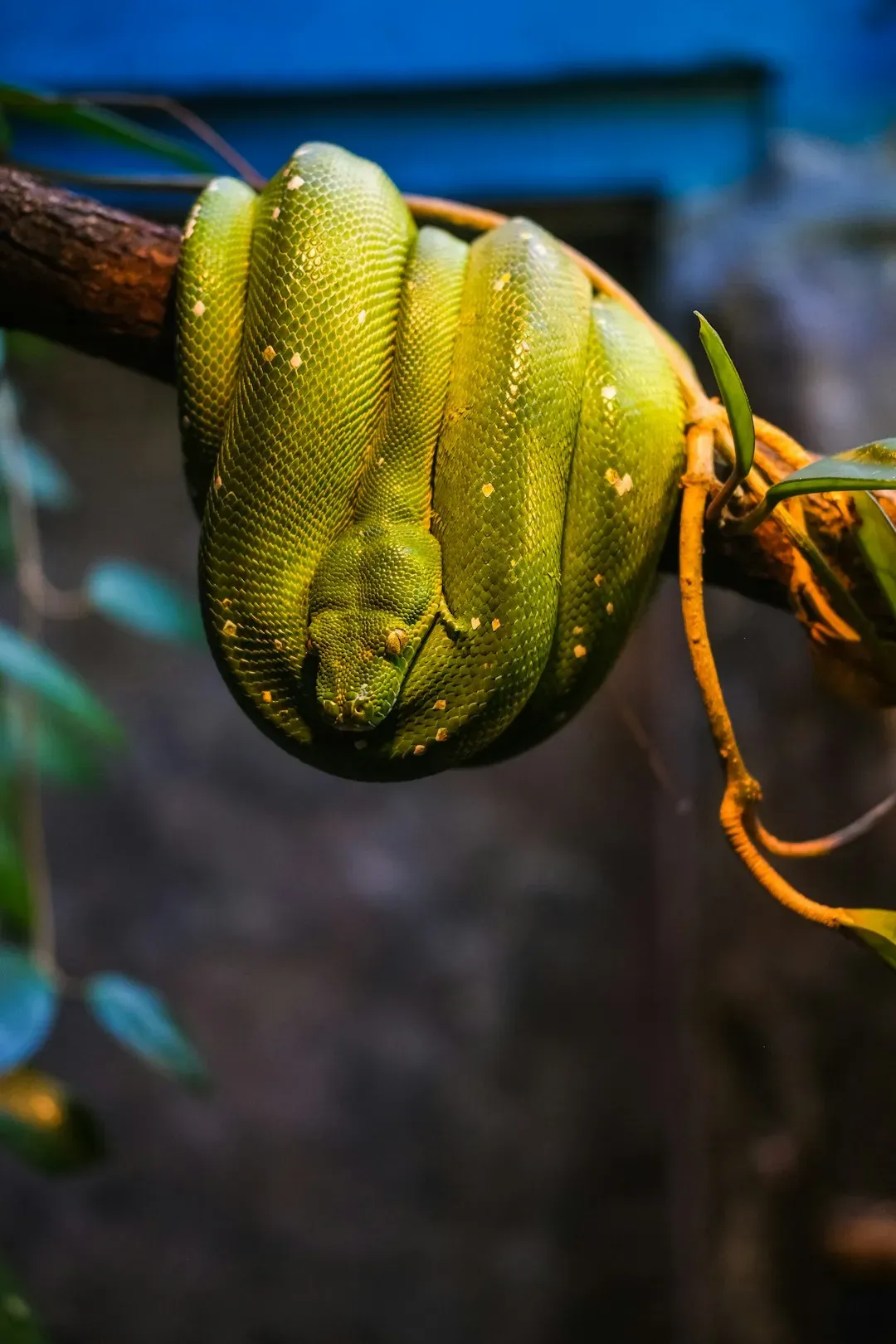
Few discoveries in recent memory have genuinely rattled the scientific community the way this one did. The green anaconda had long been considered one of the Amazon’s most formidable and mysterious animals, yet new research completely upended scientific understanding of this magnificent creature, revealing it is actually two genetically different species.
Professor Bryan Fry from The University of Queensland led a team which captured and studied several specimens of the newly named northern green anaconda, located in the Bameno region of Baihuaeri Waorani Territory in the Ecuadorian Amazon. What is perhaps the most jaw-dropping detail? The northern green anaconda species diverged from the southern green anaconda almost 10 million years ago, and they differ genetically by 5.5%, which is quite significant – to put it in perspective, humans differ from chimpanzees by only about 2%.
2. The Decoy-Building Spider (Cyclosa sp.)
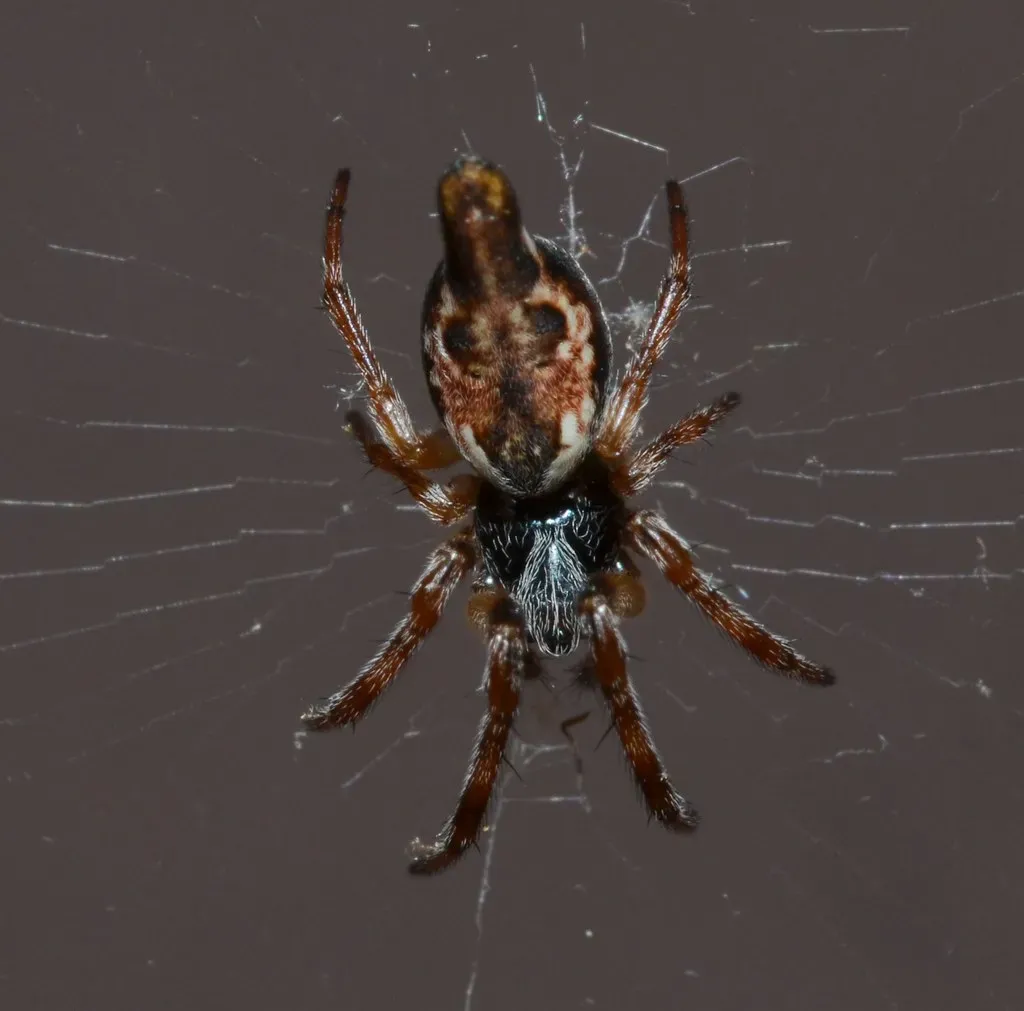
If you thought spiders were already unsettling enough, wait until you hear about this one. Only recently discovered, the decoy-building spider is thought to belong to the genus Cyclosa and is incredibly small, around 5mm in length, but assembles a much larger decoy spider in its web, complete with multiple legs, from dead leaves and debris.
It was first discovered at the Tambopata Research Center, and although further investigation is necessary to confirm this, it is thought to be a previously unknown species. Think of it like a tiny puppeteer hiding behind a life-sized dummy of itself. Evolution in the Amazon has a dark sense of humor, and this spider might be the punchline.
3. The Glass Frog
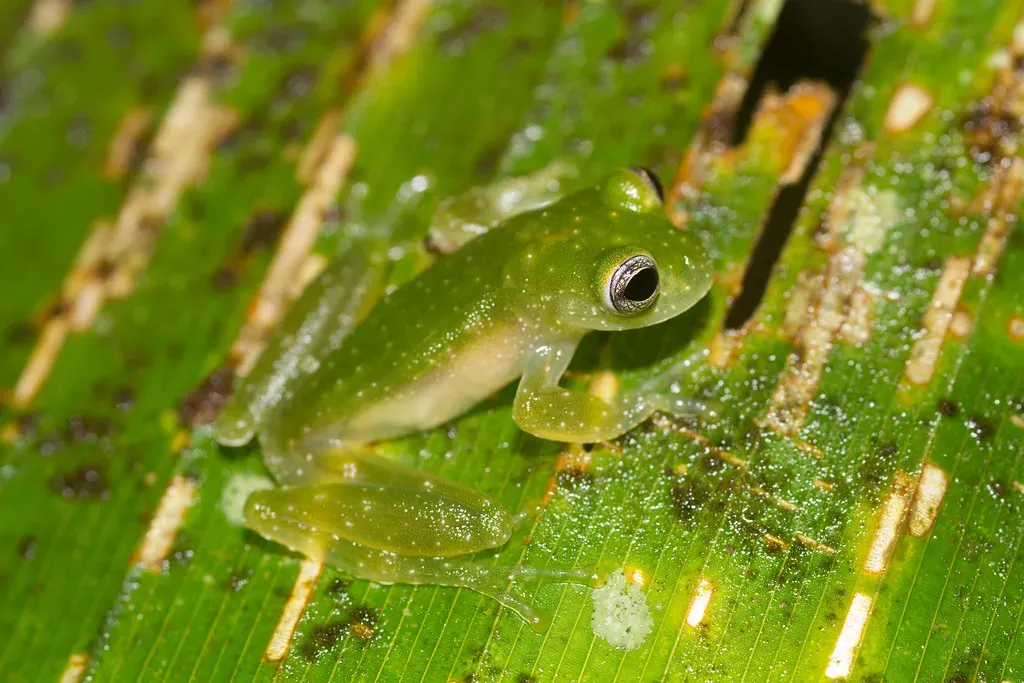
Here’s a creature that makes you question whether nature even has any boundaries left. Glass frogs are translucent amphibians with see-through skin on their bellies, allowing you to observe their internal organs, including their beating heart and digestive system. It’s like looking at a living biology textbook.
These nocturnal creatures feed on tiny insects like flies and gnats, and during the rainy season, males call loudly to attract mates and guard fertilized eggs laid on leaves. Glass frogs spend most of their lives in trees near streams, and males guard their eggs by sitting on leaves above the water, and when the tadpoles hatch, they drop directly into the stream below. It’s a parenting strategy as daring as any base jump.
4. The Poison Dart Frog
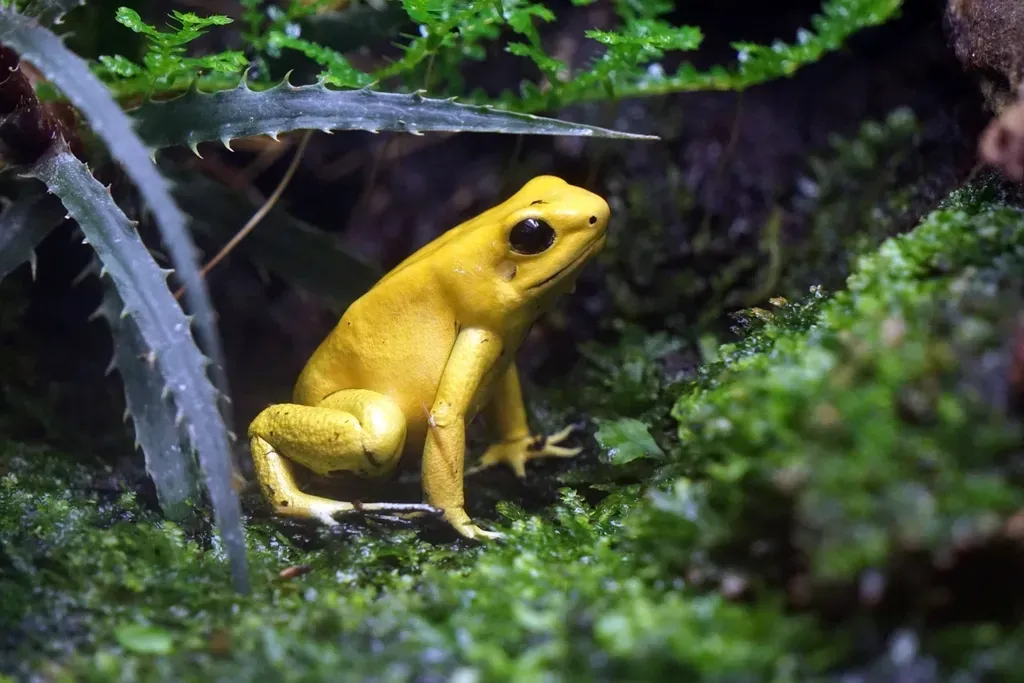
Small, strikingly beautiful, and terrifyingly lethal. That’s a combination the Amazon seems to specialize in. Beautiful but deadly, the poison dart frog is famed for its vibrant colouring and is also one of the world’s most poisonous animals, with varying degrees of toxic skin and symptoms after contact ranging from mild numbness to paralysis and even death.
Interestingly, captive-bred dart frogs raised on non-toxic diets don’t produce poison, proving that their deadly defense comes from their wild food sources. So the poison isn’t in the frog itself – it’s in what the frog eats. It is estimated that about 2.5 grams of the poison dart frog’s poison could easily kill an adult human. A creature the size of your thumbnail carrying enough poison to end a human life. Remarkable.
5. The Northern Green Rainfrog (Pristimantis sp.)
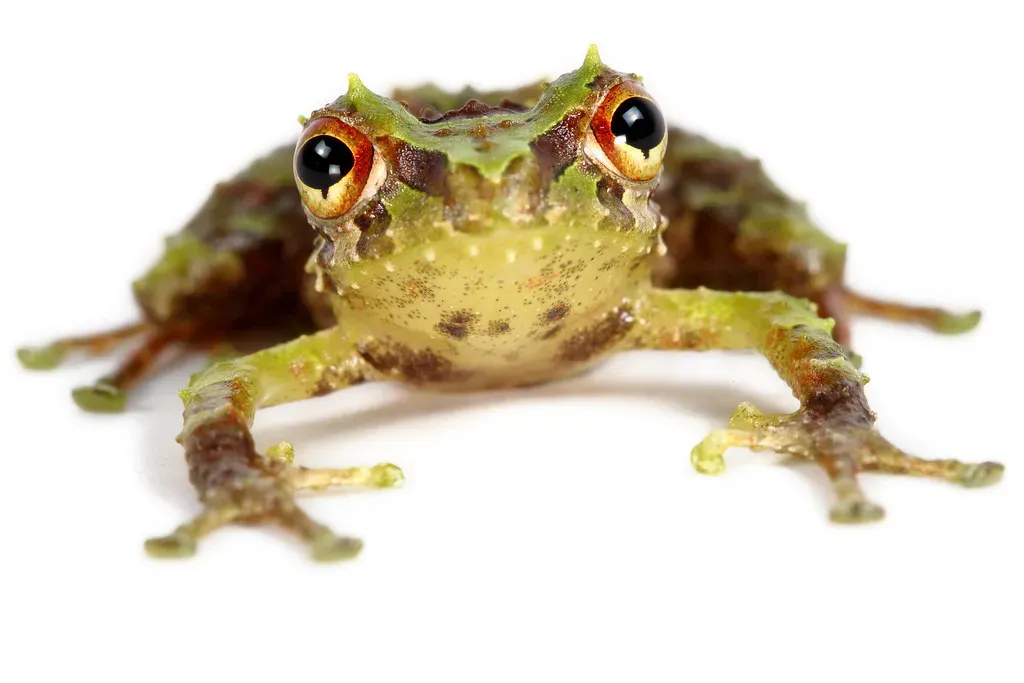
In 2022, a Conservation International expedition into Peru’s Alto Mayo region turned up more than anyone had bargained for. Among the finds, three amphibians were new to science: a rainfrog, a narrow-mouthed frog, and a climbing salamander. The rainfrog, belonging to the genus Pristimantis, is particularly astonishing in context.
With around 600 described species, this genus of frogs is the most diverse among all vertebrates in the world. Yet scientists are still finding entirely new members. The creatures were all found in the Alto Mayo Landscape, which spans the Andes mountains to the Amazon River and includes the Alto Mayo Protected Forest. It’s an astonishing reminder that even well-studied regions can still harbor secrets.
6. The Electric Eel
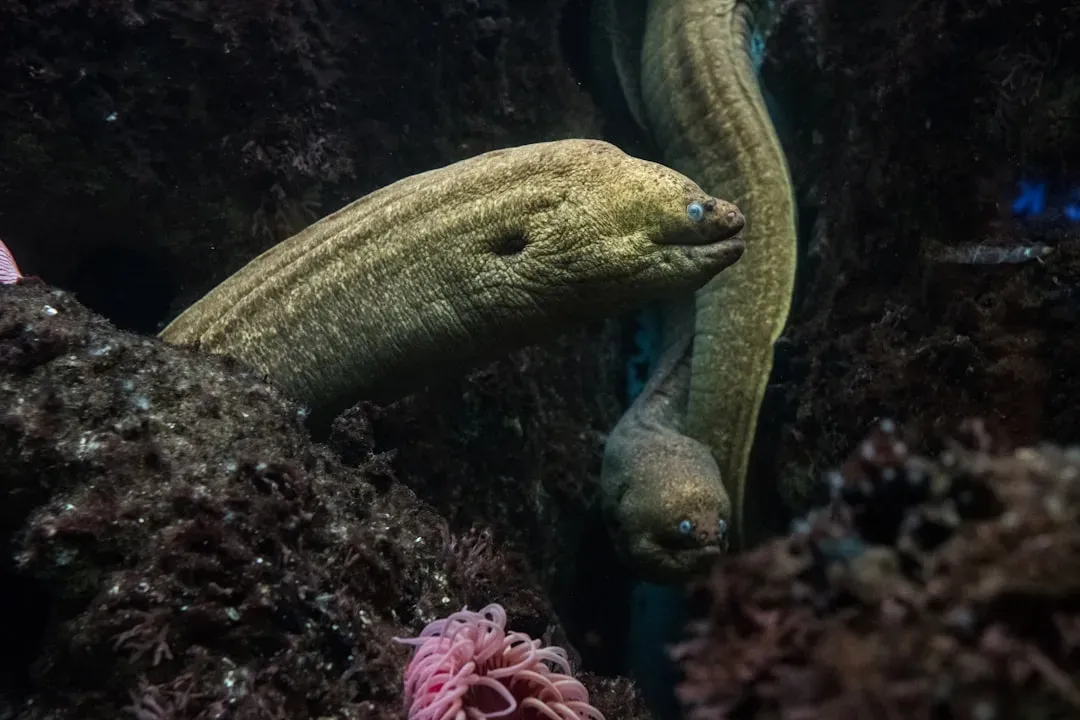
Let’s be real – the electric eel sounds like something a child would invent. A fish that shoots electricity? Yet here we are. Despite its name, the electric eel isn’t actually an eel. It’s more closely related to catfish, and this underwater powerhouse can generate up to 600 volts of electricity, enough to stun a human and potentially cause drowning.
This Amazon rainforest animal lives in murky rivers and flooded forests, where it uses electric shocks to hunt prey like fish, frogs, and small mammals. It can produce up to 600 volts, and amazingly, it also uses weaker electric pulses to navigate and communicate. It basically has its own built-in sonar system. The Amazon truly cannot stop inventing things that seem impossible.
7. The Amazonian Giant Centipede (Scolopendra gigantea)
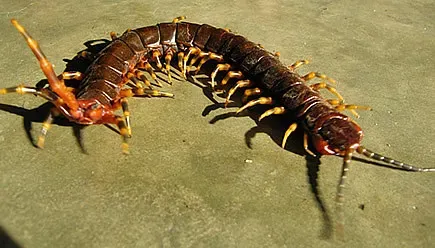
Some creatures make your skin crawl just reading about them. The Amazonian giant centipede is something you definitely wouldn’t want to meet on a dark night – dark spots are exactly where this giant insect likes to hide and wait for prey. Made up of 25 or 27 segments with up to 23 pairs of legs and exceeding 30cm, this carnivorous centipede injects its victims with a powerful venom that is toxic to mammals and insects.
They have even been known to hang on cave ceilings in the hopes of catching unsuspecting bats. A centipede that hunts bats by dangling from the ceiling of a cave. I know it sounds crazy, but that’s just Tuesday in the Amazon. It’s the kind of adaptation that makes you truly respect what millions of years of evolution can produce.
8. The Harpy Eagle (Harpia harpyja)
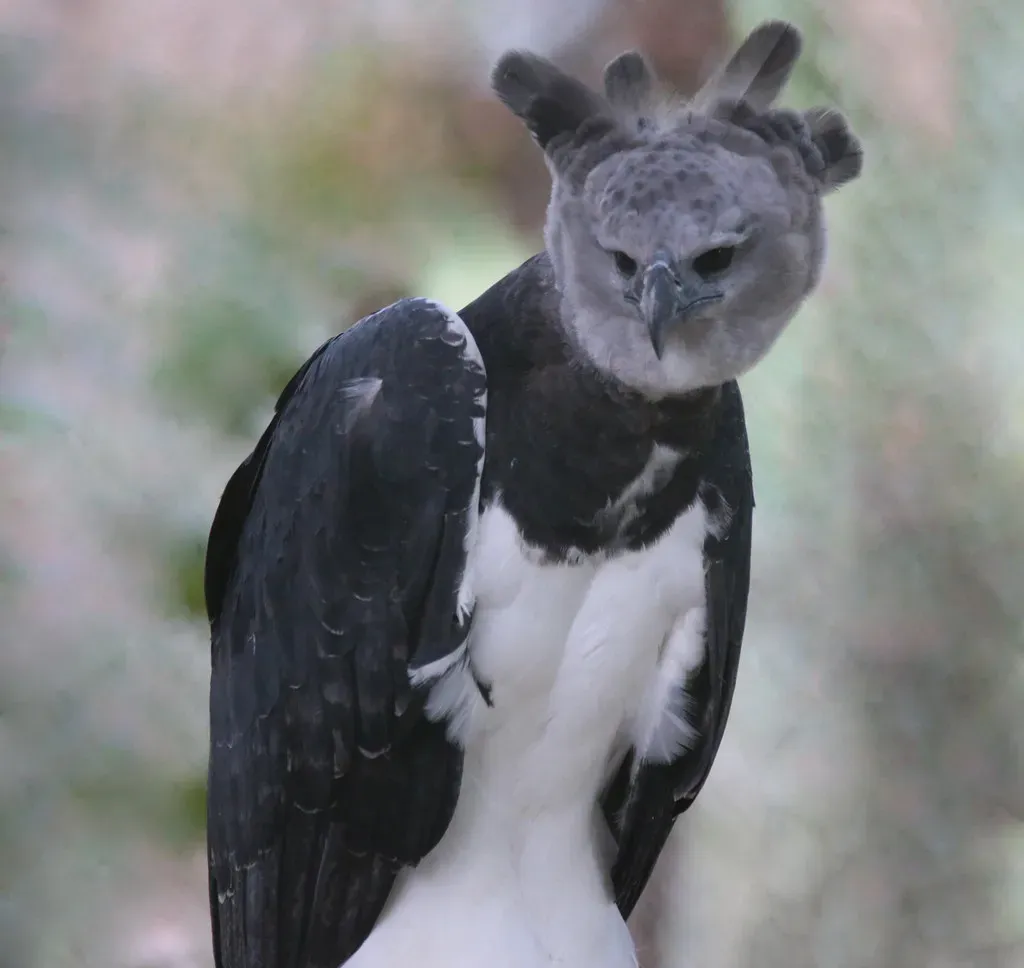
The Amazon’s skies are ruled by this extraordinary bird, and if you’ve never seen a harpy eagle up close, nothing quite prepares you. This massive bird of prey has talons bigger than a bear’s claws and a seven-foot wingspan, making it both powerful and graceful as it glides through the rainforest canopy.
The harpy eagle is one of the largest and most powerful eagles in the world, with a wingspan over 2 meters and claws the size of a grizzly bear’s, and it preys on monkeys and sloths high in the canopy. Despite their fearsome size, harpies are very elusive and rarely seen. Somehow, the fact that this apex predator can vanish into the trees entirely makes it even more captivating.
9. The Amazon River Dolphin (Boto)
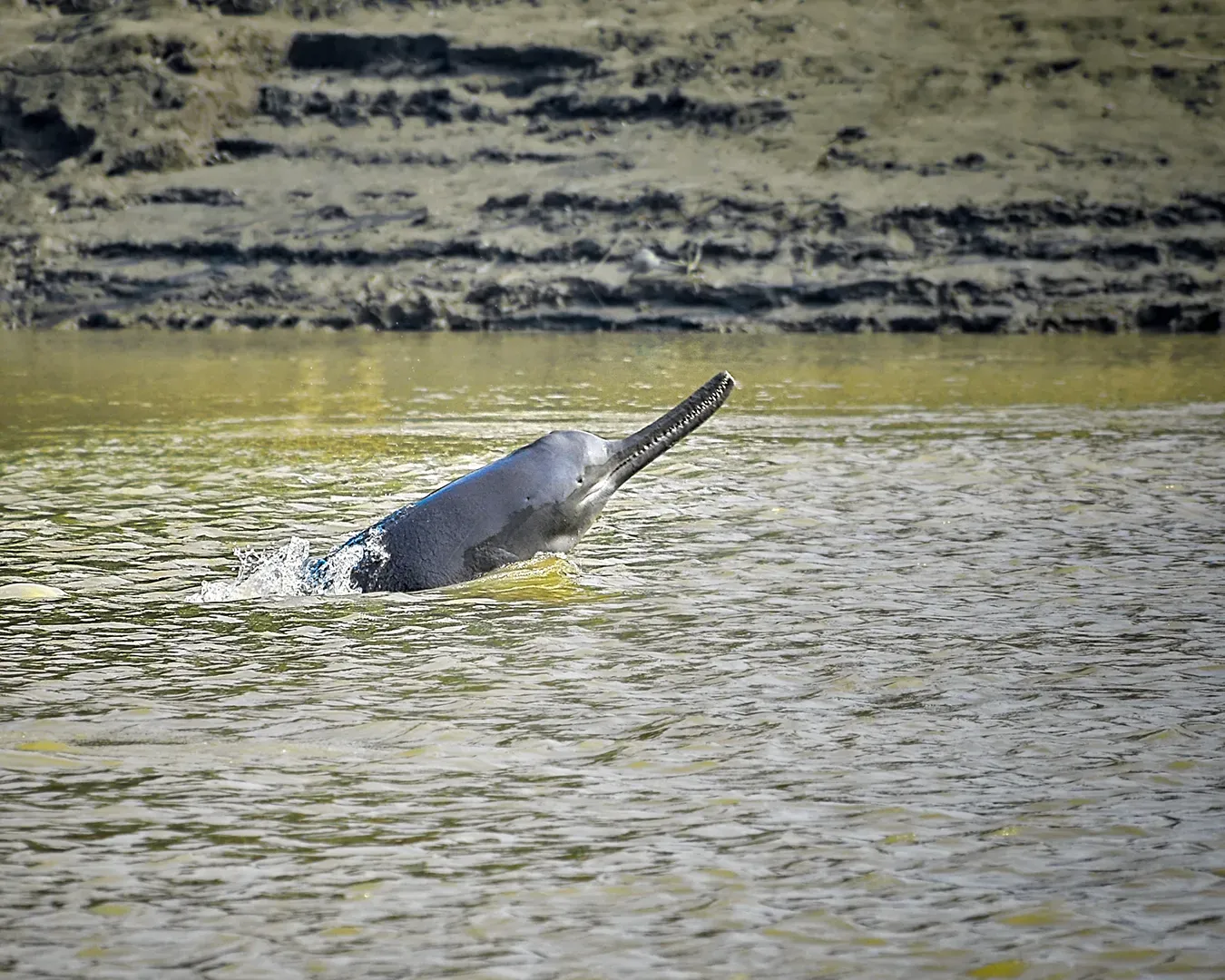
Pink river dolphins feel almost mythological, like something out of a storybook. Amazon river dolphins aren’t born pink. They start gray and develop their rosy coloration as they age. That alone is a fascinating detail most people never know.
Also called a boto or pink river dolphin, these long-nosed creatures number in the tens of thousands; however, because of threats caused by dams and by water and food contamination from mining, the dolphin is classified as vulnerable by the World Wildlife Fund. The animal lives only in freshwater and is found throughout the Amazon river basins in Bolivia, Brazil, Colombia, Ecuador, Guyana, Peru, and Venezuela. It is genuinely one of the strangest and most beautiful mammals alive today.
10. The Giant River Otter (Pteronura brasiliensis)
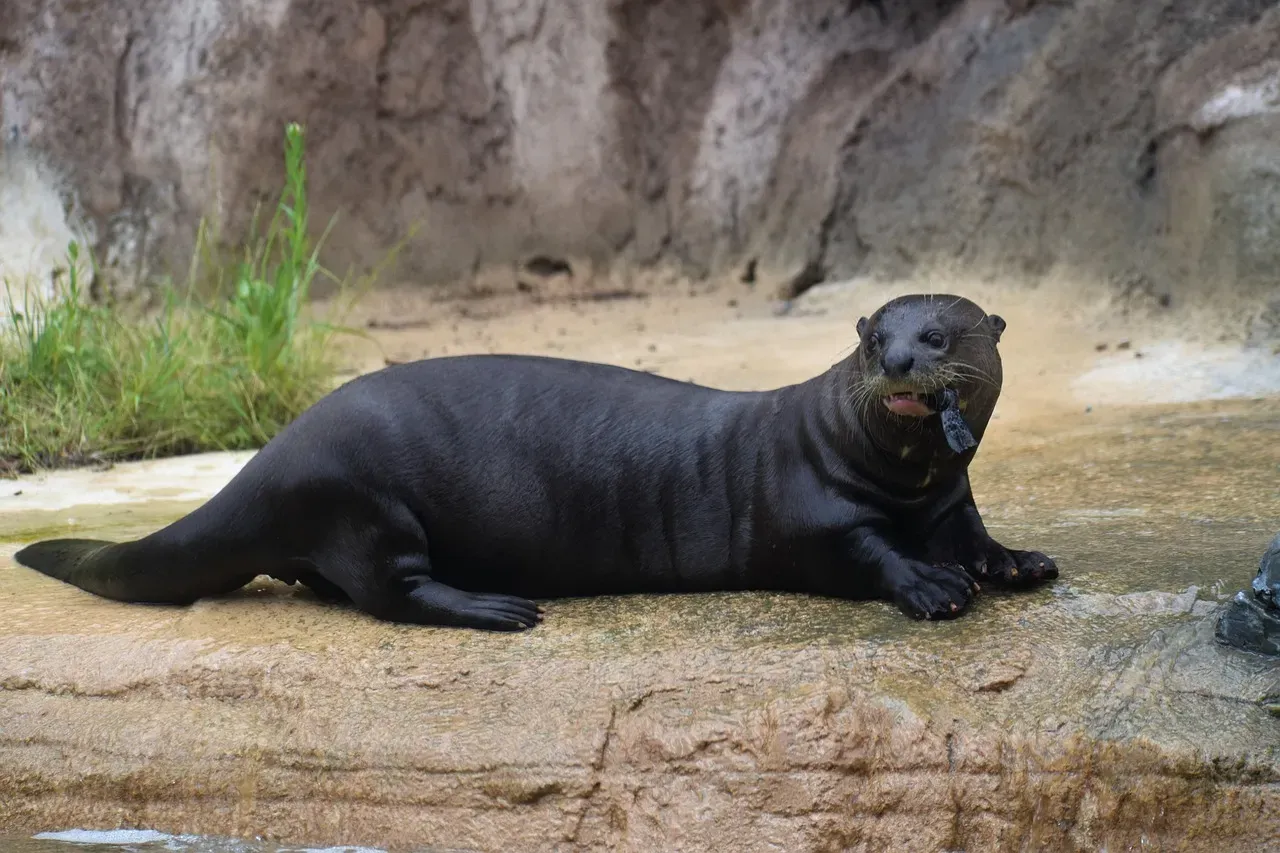
Don’t let the charming face fool you. The giant river otter of the Amazon is no pushover. Known as the “river wolf,” giant otters are the largest otter species in the world, reaching up to six feet in length. These highly social carnivores live in family groups and are incredibly vocal, with at least 22 distinct sounds in their vocabulary, and despite their playful appearance, they are fierce hunters that can take down large fish and even defend their territory against caimans and jaguars.
This endangered otter is found only in remote parts of the Amazon, where it is estimated that only 2,000 to 5,000 remain, and habitat loss continues to threaten them, though most were wiped out by hunters wanting their luxurious fur. That population number is sobering. A creature this extraordinary, hanging on to existence by a thread.
11. The Potoo Bird
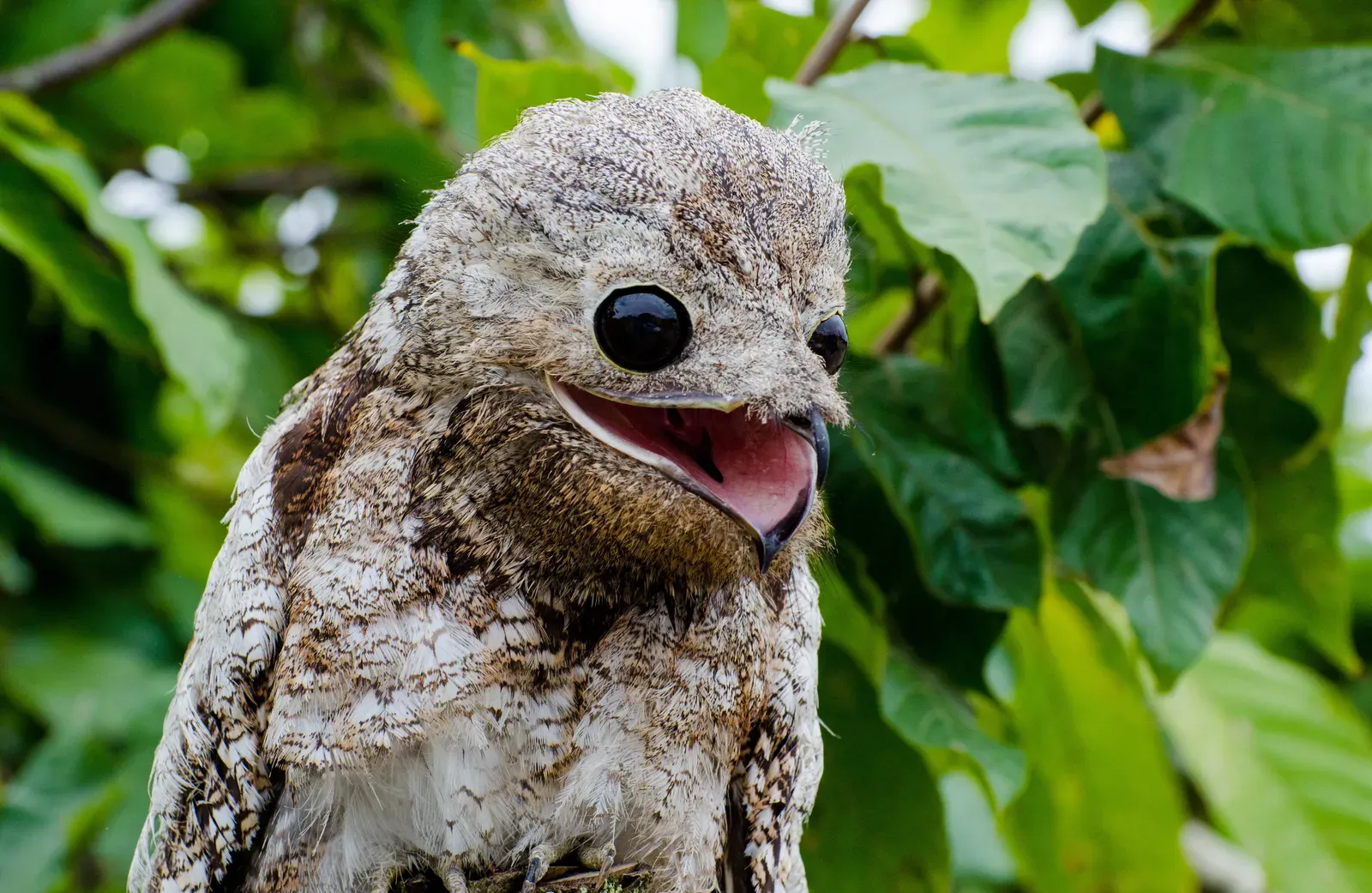
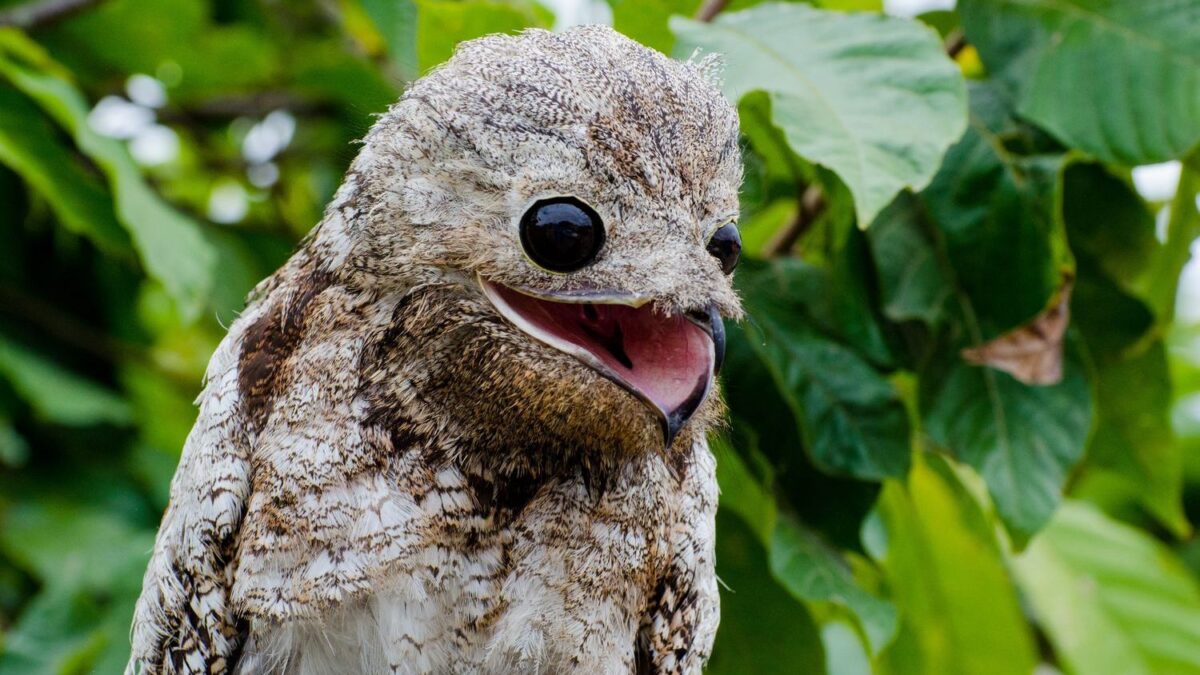
It’s hard to say for sure which Amazon creature wins the prize for weirdest talent, but the potoo bird makes a very strong case. Potoos are a group of birds related to nightjars and frogmouths found throughout the Amazon rainforest. Masters of disguise, they are nocturnal creatures that spend the days motionless, with eyes half-open, perched upon the stumps of broken branches.
During the day, this nocturnal bird sits perfectly still on tree branches, its gray and brown plumage making it virtually indistinguishable from bark, and their haunting calls echo through the jungle at night while they hunt insects with their enormous mouths and giant eyes. Imagine walking past what you think is a dead branch, only to have it suddenly open its enormous eyes. That experience reportedly never leaves you.
12. The New Tinamou Species (Tinamus resonans)
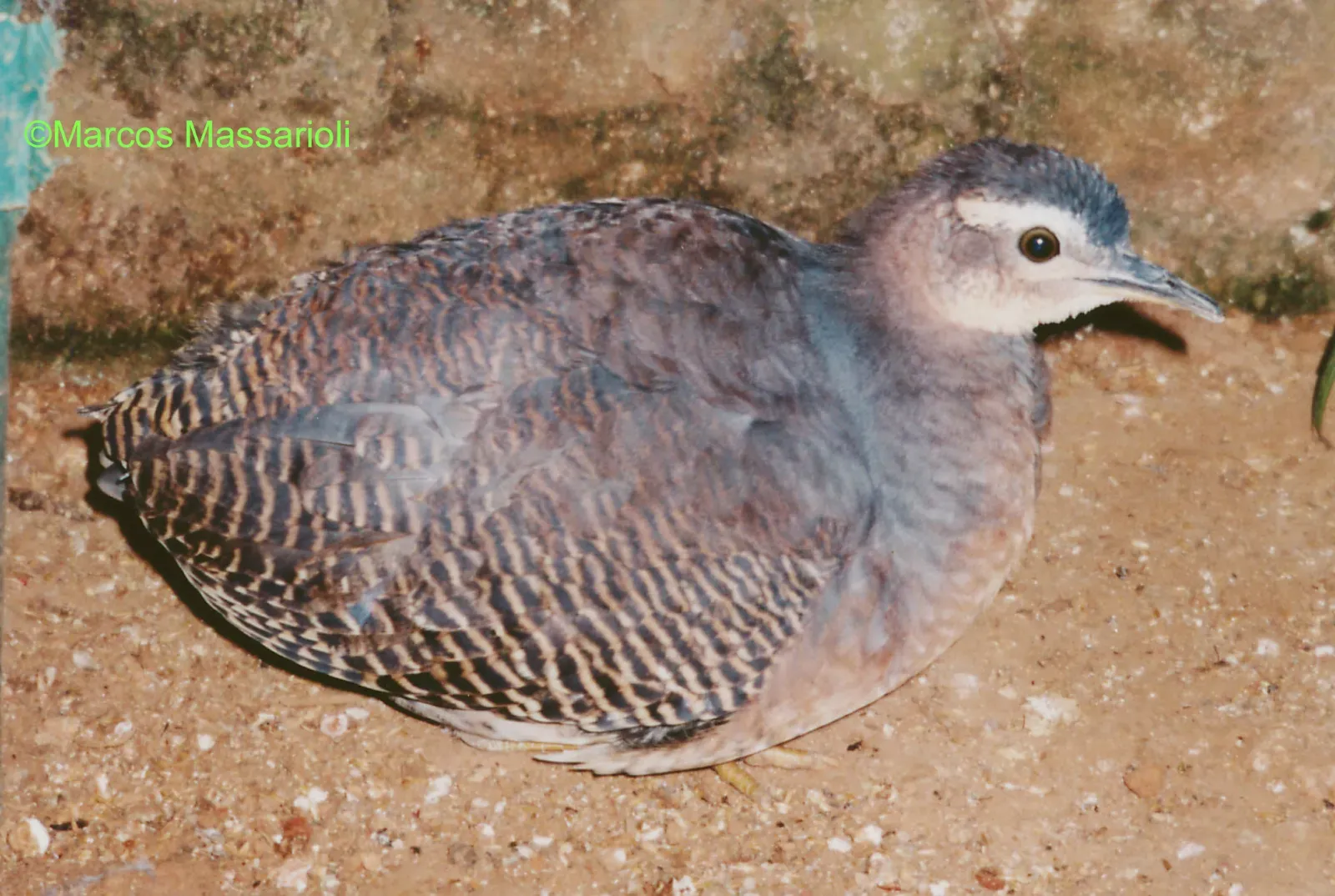
In December 2025, scientists confirmed yet another stunning addition to the Amazon’s roster. Discovered in the mountains of the Serra do Divisor National Park in Brazil, this ground-dwelling bird was identified by a research team as a new species of Tinamus, a genus of birds in the Tinamou family.
In October 2021, a member of the research team first recorded the song of the undiscovered bird, which they described as “an unusual acoustic phenomenon,” in which the bird’s vocalization diffused through the forest understory, creating a confused perception of the sound’s distance and direction. The new species, Tinamus resonans, is restricted to a narrow elevational range and is estimated to have a population of about 2,100. The species exhibits unusually tame behavior and unique vocalizations, and its limited distribution, small population, and habitat threats place it at significant risk of extinction.
13. The Callicebus Monkey (Purring Titi Monkey)
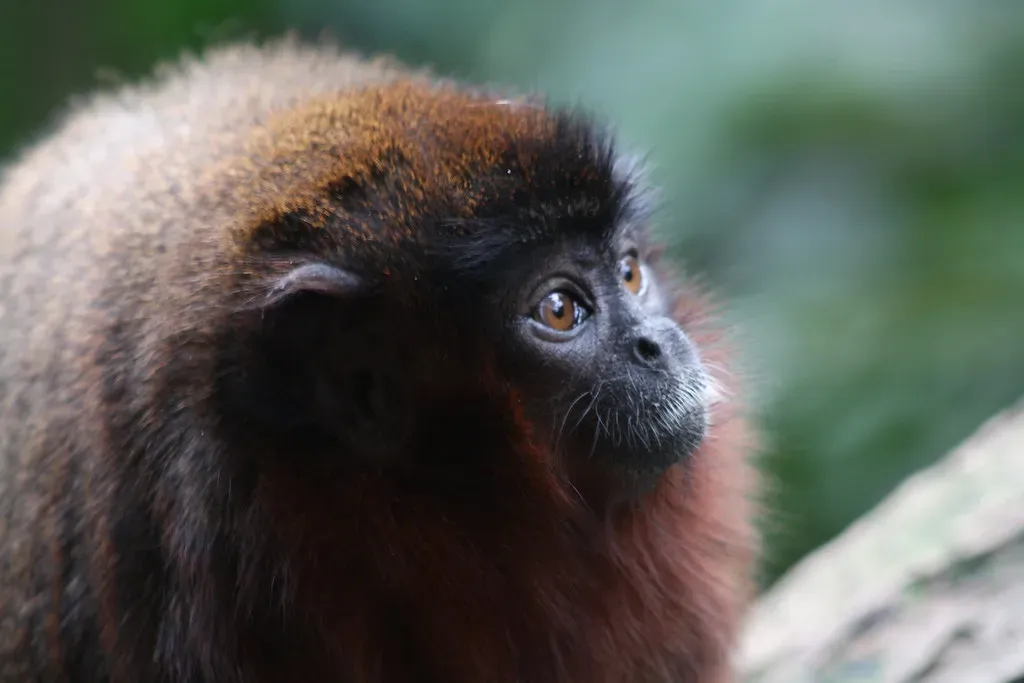
A monkey that purrs like a cat. That’s not fiction. That’s the Amazon. A newly discovered species of monkey, called the Callicebus caquetensis, lives in the Amazon basin and purrs like a cat. It belongs to the titi monkey family, and researchers were genuinely caught off guard by its distinctly feline vocalizations.
Conservationists estimate that between 0.2% and 0.3% of species in the rainforest fall victim to extinction each year, and that figure is amplified when you consider how many species call the forest home – and how many remain yet to be discovered. The titi monkey is one of those discoveries that forces you to reconsider what an animal can be.
14. The Capybara (World’s Largest Rodent)
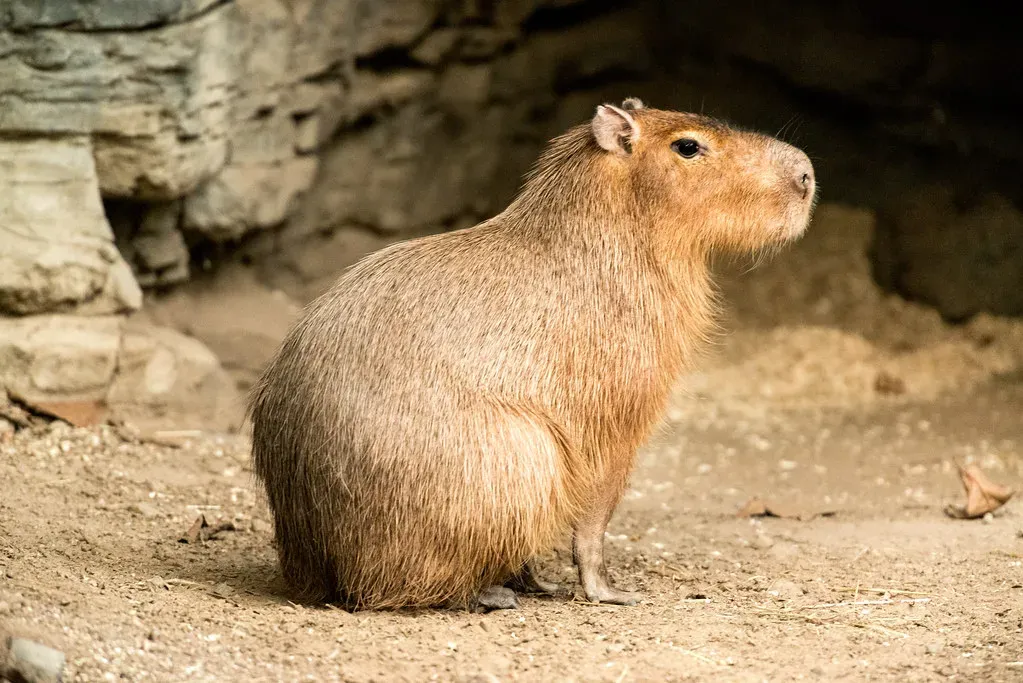
If rodents make you uneasy, the capybara may not be the creature for you. Capybaras are the largest rodents in the world, weighing up to 200 pounds. They are very social animals and can be found in groups of 100 strong, though usually the groups range from 10 to 20.
These Amazon animals are the largest rodents in the world today, measuring about 4 feet long and 2 feet tall. Despite their size, they are entirely herbivorous and remarkably calm. Think of them as the oversized, laid-back aunts and uncles of the jungle. Still, being the preferred prey of anacondas, jaguars, and caimans all at once sounds like an exhausting life.
15. The Vampire Bat (Desmodus rotundus)
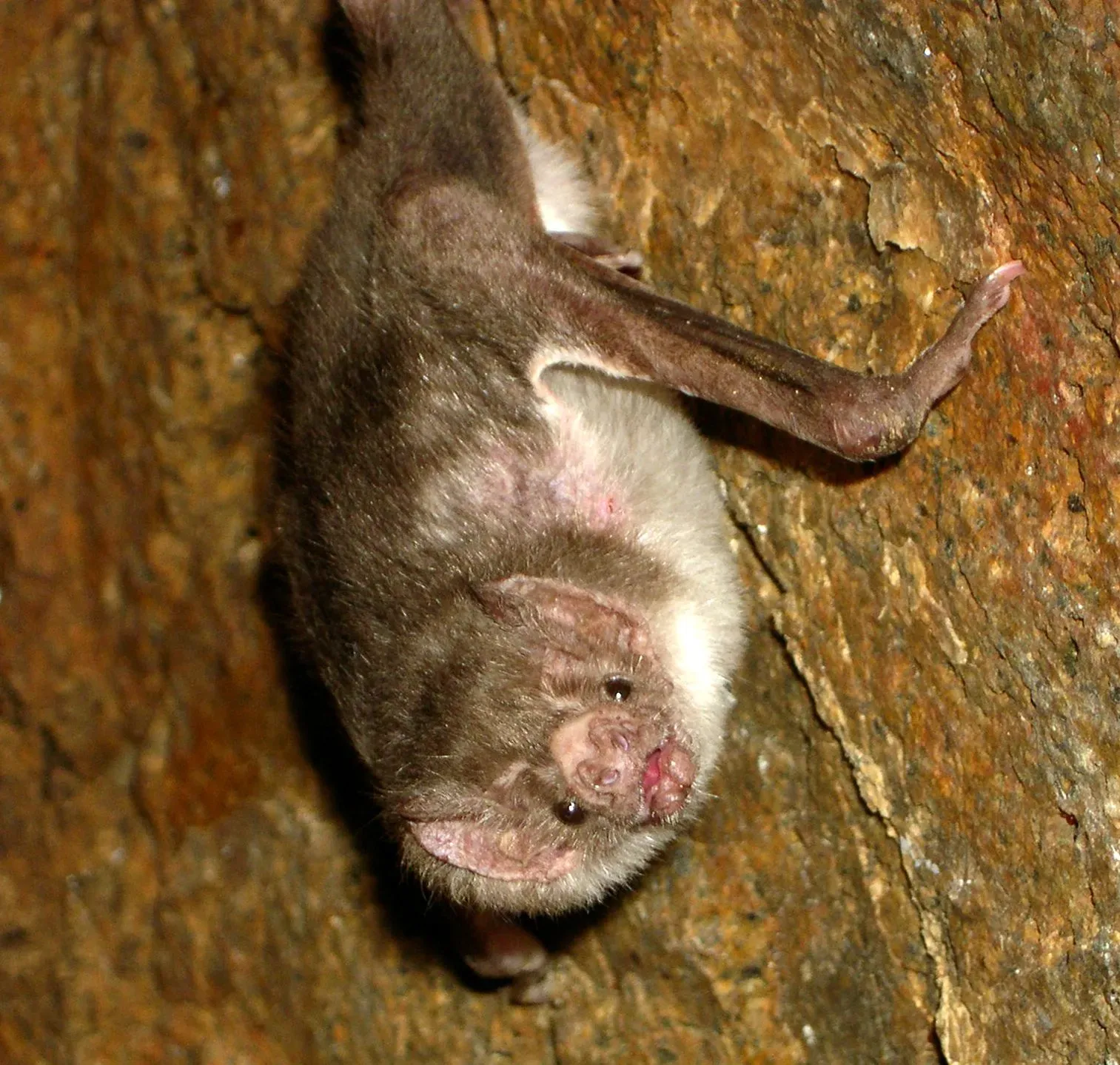
For the grand finale, we have the creature of nightmares and Halloween decorations: the vampire bat. The only mammal that feeds exclusively on blood, vampire bats have razor-sharp teeth that make tiny incisions in sleeping animals. They can drink nearly half their body weight in blood during a single feeding and have anticoagulants in their saliva to keep the blood flowing.
These bats are surprisingly social, often sharing meals with colony mates who couldn’t find food. It’s hard not to find that oddly touching, honestly. A blood-drinking bat that looks out for its hungry neighbors. The Amazon contains multitudes, and the vampire bat is perhaps the most perfect symbol of that: terrifying on the surface, surprisingly complex underneath.
Conclusion: A Living World Still Full of Secrets
The Amazon is not just a rainforest. It’s a living archive of evolutionary history, a giant biological experiment still running after millions of years, and a place that continues to astonish even the most seasoned scientists. One of the most remarkable aspects of cutting-edge research is the existence of previously unknown plant and animal species, and scientists have documented rare and elusive creatures that have remained hidden from human eyes for centuries.
Some parts of the far north and western Amazon have never been scientifically explored, which means the list of fascinating creatures is almost certainly nowhere near complete. Every new species found is both a celebration and a warning, a reminder of what we still have and what we stand to lose if we don’t act. The creatures in this article are survivors, marvels, and mysteries all at once. The real question is: how many more are still out there, waiting to be found?
What do you think – which of these creatures surprised you the most? Let us know in the comments.

- 14 Ways an Old Dog Holds On a Little Longer for the Person It Loves - July 21, 2026
- 15 Tender Things Old Dogs Do the Closer the End Quietly Comes - July 21, 2026
- 14 Ways a Rescue Cat Shows It Has Given You Its Fragile Heart - July 21, 2026