
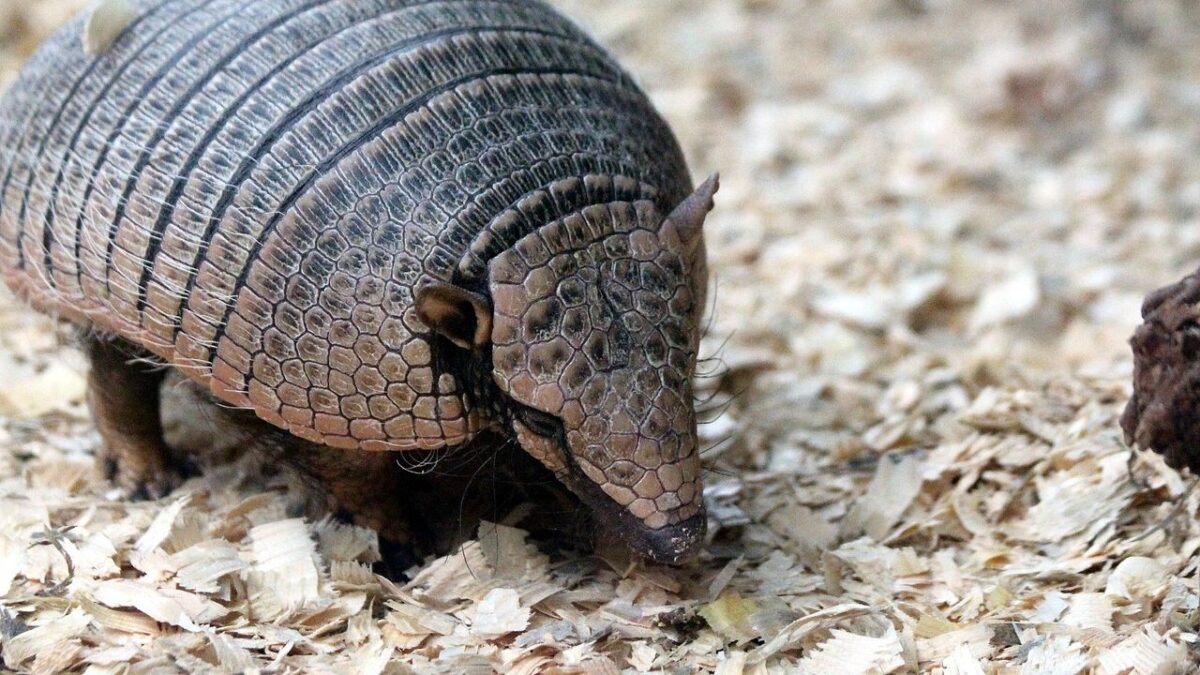
Most people think of the United States as a land of highways, skyscrapers, and suburbia. Fair enough. Yet beyond those familiar edges lies a wildlife tapestry so wild, so bizarre, and so jaw-dropping that it rivals anything you’d find on an African safari or deep in the Amazon.
The incredible nearly 3,000 estimated animal species native to the United States make it one of only 17 megadiverse countries in the world, with over 400 known mammals, nearly 800 birds, over 300 reptiles, nearly 300 amphibians, and over 1,100 fish species. That’s not a nature documentary. That’s your backyard. From the frost-bitten tundra of Alaska to the subtropical swamps of Florida, the creatures that quietly share this country with us are nothing short of extraordinary. Let’s dive in.
1. The Gila Monster: America’s Only Venomous Lizard
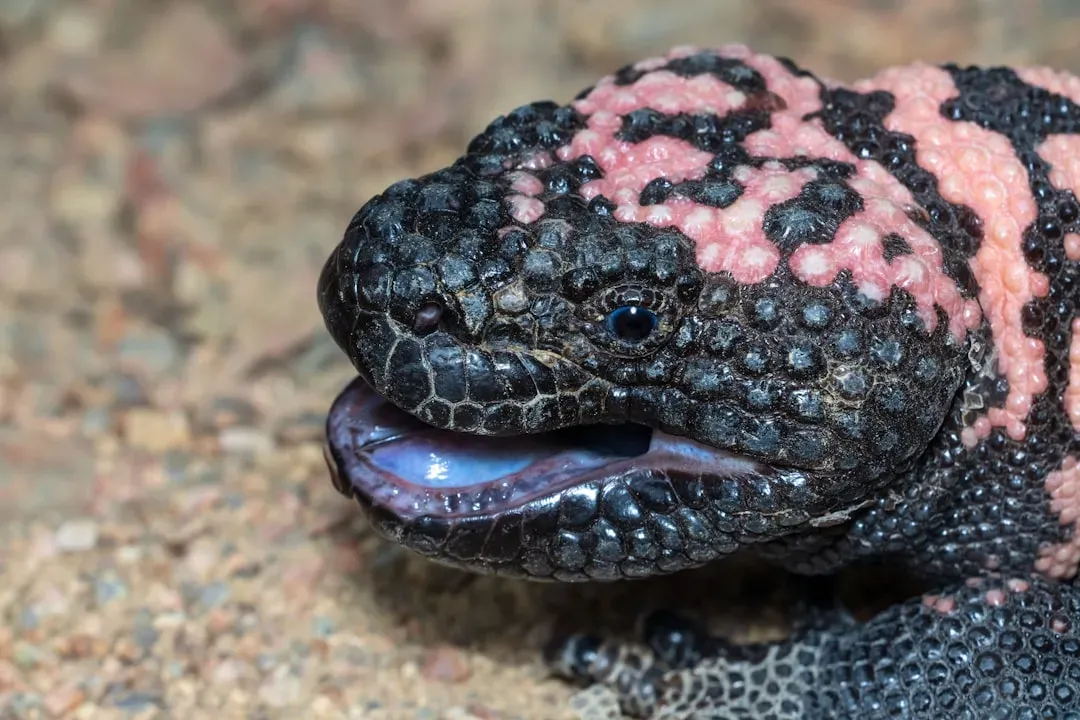
Here’s something most people never realize: the United States is home to a genuinely venomous lizard. Not in a zoo. In the wild. The Gila monster is the largest living lizard in the US and the country’s only venomous lizard, found in parts of Arizona, California, Nevada, New Mexico, and Utah.
Recognized by its striking orange and black stripes and spots, the Gila monster is typically sluggish and does not generally attack humans, and its venom is typically not fatal. Think of it like a grumpy old neighbor who looks terrifying but really just wants to be left alone.
Its name derives from the Gila River Basin, where it was once abundant, and it currently holds a near-threatened status on the IUCN Red List, facing threats from illegal wildlife trade, habitat loss, and road traffic. Honestly, the Gila monster is less of a monster and more of a misunderstood icon of the American Southwest.
2. The American Bison: A Giant That Almost Vanished Forever
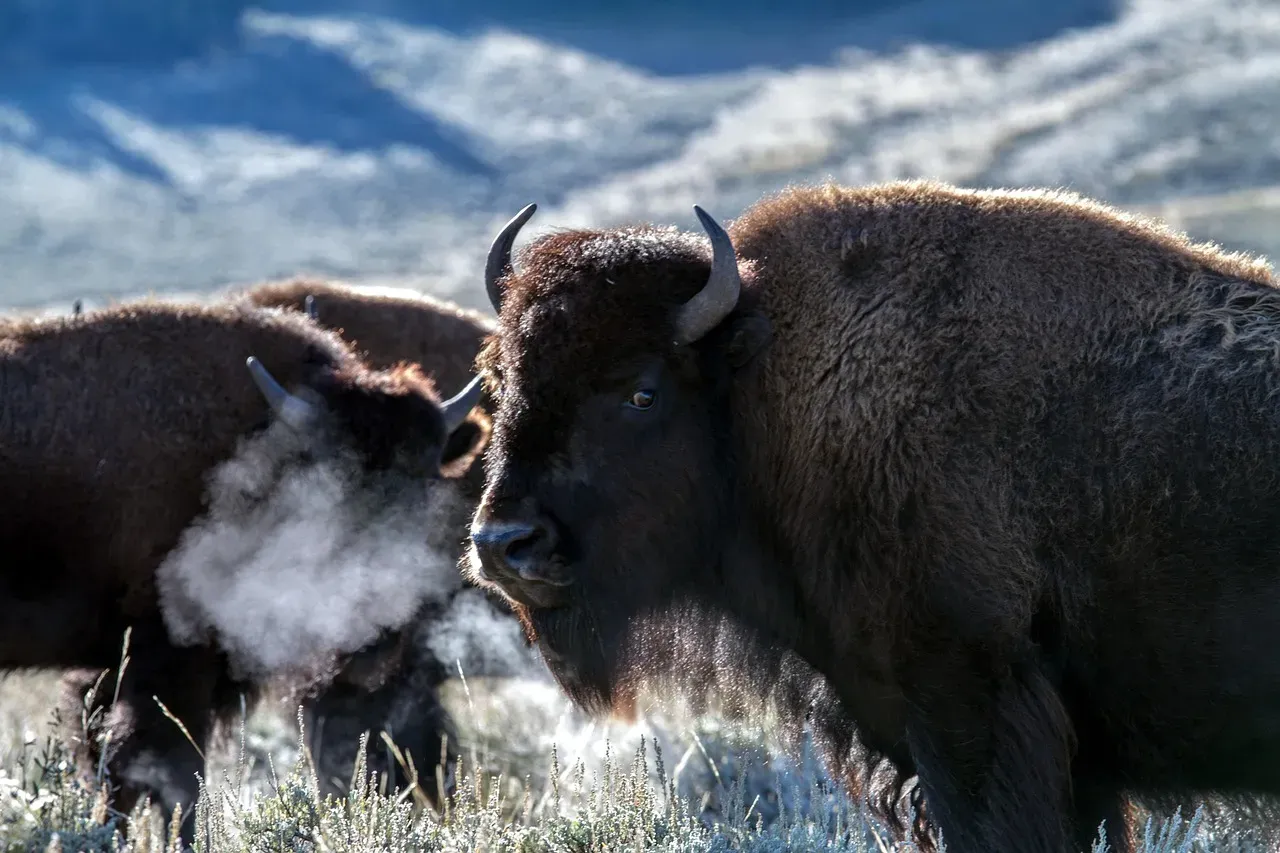
Few stories in American wildlife history are as heartbreaking and heroic as that of the bison. The largest land animal in North America, the American bison stands up to 6 feet tall and weighs up to 2,000 pounds. Although bison are often referred to as buffaloes, they are actually unrelated to true buffaloes, a group of wild cattle native to Asia and Africa.
Baby bison are known as “red dogs” due to the red-orange color of their fur. I think that’s one of the most endearing wildlife facts in existence.
Before Europeans arrived, millions of bison stretched across the continent from Alaska to Mexico, but as settlers moved westward, their numbers were reduced to just a few hundred. Yellowstone National Park is the only place where they have lived uninterrupted since prehistoric times. Today, bison stand as one of wildlife conservation’s greatest comeback stories, and they deserve every bit of that status.
3. The Star-Nosed Mole: The Fastest Eater on Earth
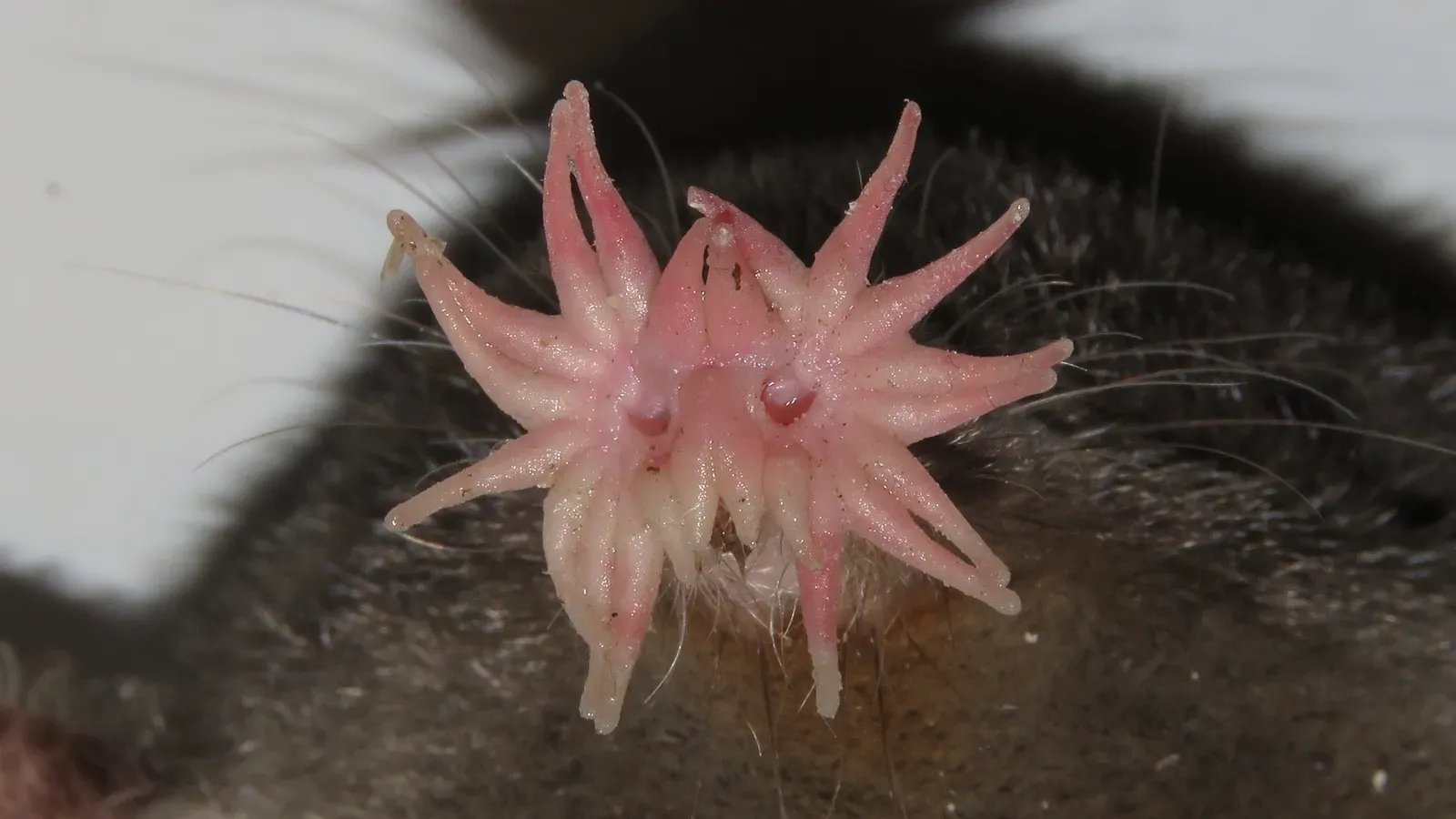
You’d be forgiven for thinking this creature escaped from a science fiction film. The star-nosed mole, found primarily in the wet lowland areas of North America, is a creature like no other. Its most striking feature is its twenty-two fleshy appendages surrounding its nose, which are used for tactile sensation and spatial awareness.
Star-nosed moles eat faster than any other mammal on Earth. They decide if something is edible in just eight milliseconds and devour their meal in less than two-tenths of a second. To put that in perspective, that’s faster than the blink of a human eye. Wild, right?
They owe part of their unusual superpower to the extremely efficient operation of their nervous system, and part to their extraordinary nose, which contains 100,000 nerve fibers in a space smaller than your fingertip. It’s the most sensitive touch organ of any mammal on the planet, bar none.
4. The Alligator Snapping Turtle: A Living Prehistoric Monster
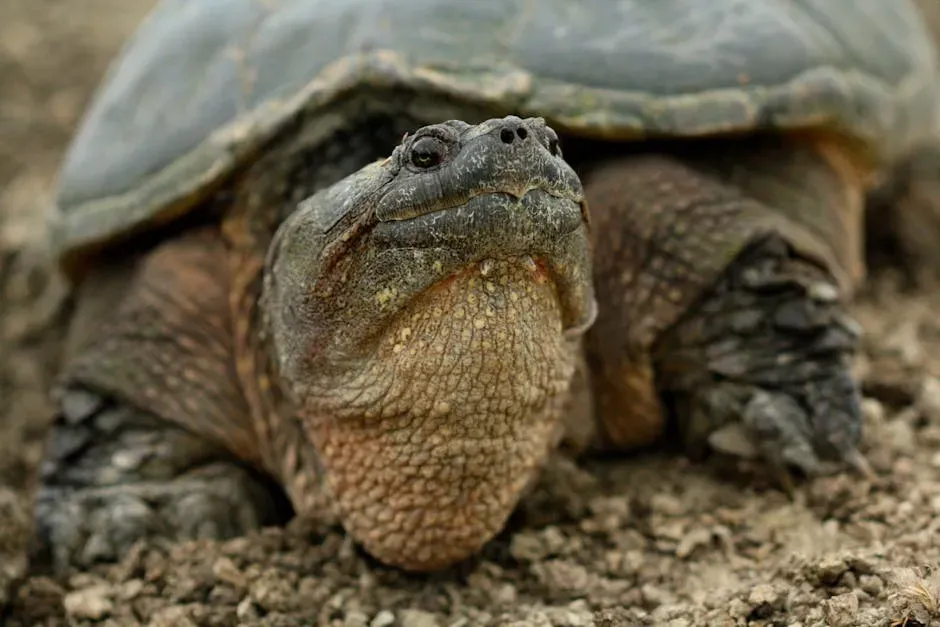
If dinosaurs never truly went extinct, they probably looked something like this. America is home to the largest freshwater turtle in the world: the alligator snapping turtle. These creatures can weigh up to 200 pounds and grow to 31 inches in length, and are famous for their strong jaws and hooked beak.
Alligator snapping turtles also have a worm-like tongue that they use to attract prey such as fish. Once prey enters their strong jaws, it is not able to escape. That’s basically a built-in fishing lure. Nature is terrifyingly clever.
Living fossils with a worm-like lure in their mouths, alligator snapping turtles are among the most ancient reptiles in North America. Once widespread, they’ve disappeared from much of their range and now survive mainly in isolated Southern waterways. They are a threatened species in many areas, and regulations have been placed on hunting and trapping them.
5. The Black-Footed Ferret: Resurrected From Extinction
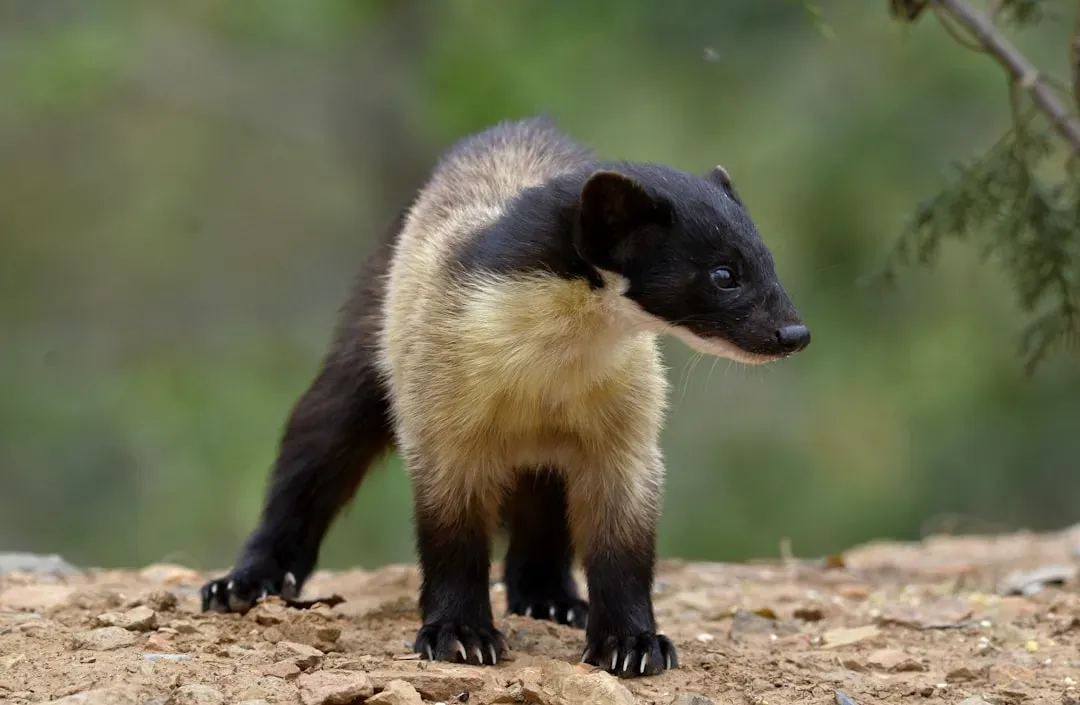
This one genuinely shocked me when I first read about it. Once thought to be extinct, the black-footed ferret is a remarkable conservation success story. These nocturnal predators rely almost entirely on prairie dog colonies for survival.
Once declared extinct in the wild, the black-footed ferret has made a comeback thanks to captive breeding programs. Today, around 495 survive in the wild, scattered across prairie dog colonies in several western states. That’s not a massive number, but considering they were gone, it’s extraordinary.
Key spots to potentially find them include Badlands National Park in South Dakota and the wide-open grasslands of the Shirley Basin in Wyoming. Your best chance of seeing one is on special ranger-led night tours, with red searchlights, long hours, and the constant chorus of prairie dogs. It sounds like an adventure in itself.
6. The Canada Lynx: The Snowshoe Ghost of American Forests
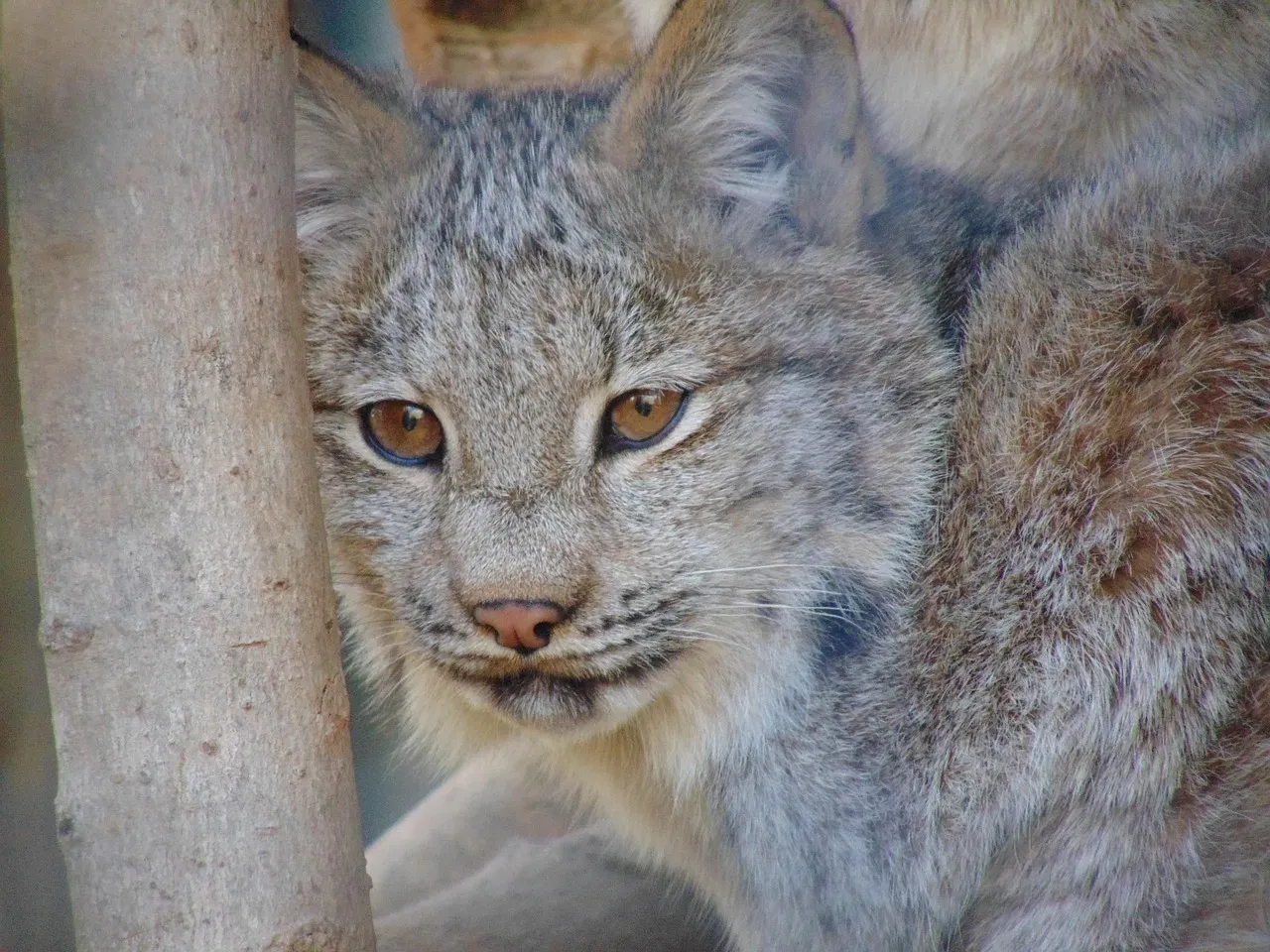
There’s something deeply mysterious about a creature that most Americans have no idea shares their landscape. Characterized by its long, dense fur, snowshoe-like paws, and black-tufted ears, the Canada lynx is native to several US states including Alaska, Maine, Montana, Washington, Minnesota, and Colorado. They live in boreal forests and mainly target snowshoe hares as prey.
The Canada lynx’s oversized feet help it traverse deep, snowy areas with ease. Though they are much larger than house cats, lynx are not considered big cats like tigers and lions. Think of them as the silent, padded-pawed phantoms of the northern wilderness.
They are rarely seen, solitary to their core, and frustratingly elusive. Let’s be real: most people living in lynx territory will spend their entire lives never spotting one. Yet the fact that these wild cats are quietly padding through American snow-covered forests right now is something worth sitting with for a moment.
7. The Pronghorn: The Fastest Land Animal in the Western Hemisphere
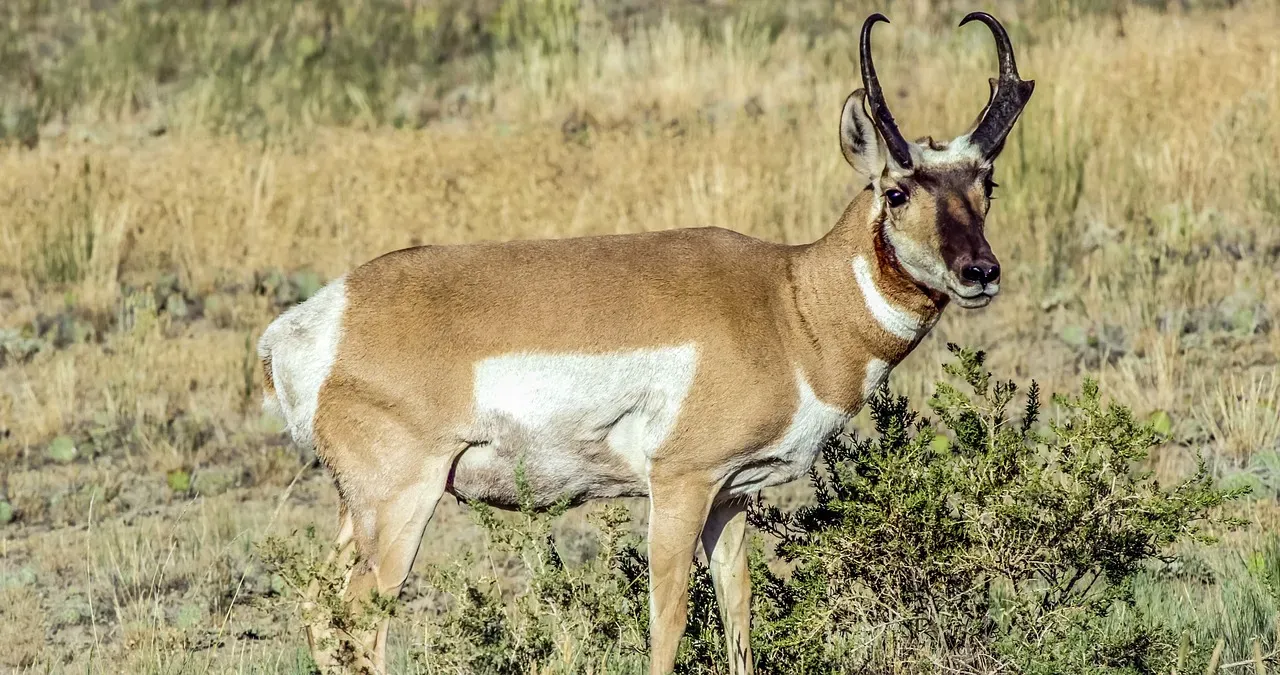
Speed fans, this one’s for you. Many people assume the cheetah wins every race on the planet. In North America, the pronghorn has other ideas. The pronghorn, standing at just 90 centimeters, is the fastest hoofed animal in North America, reaching impressive speeds of up to 96 kilometers per hour.
Pronghorns are found exclusively in North America, roaming freely across sweeping prairies and steppes, and as a migratory species, they move toward wilder regions when winter’s harsh temperatures set in. They are built for one thing: speed. Everything about their anatomy screams acceleration.
You might be lucky enough to spot pronghorns in Wyoming’s Red Desert or Yellowstone National Park, both home to thriving populations. Honestly, watching a herd of pronghorns blur across an open plain is one of those sights that stops you cold. It’s like watching a living wind.
8. The Red Wolf: America’s Most Endangered Wild Canine
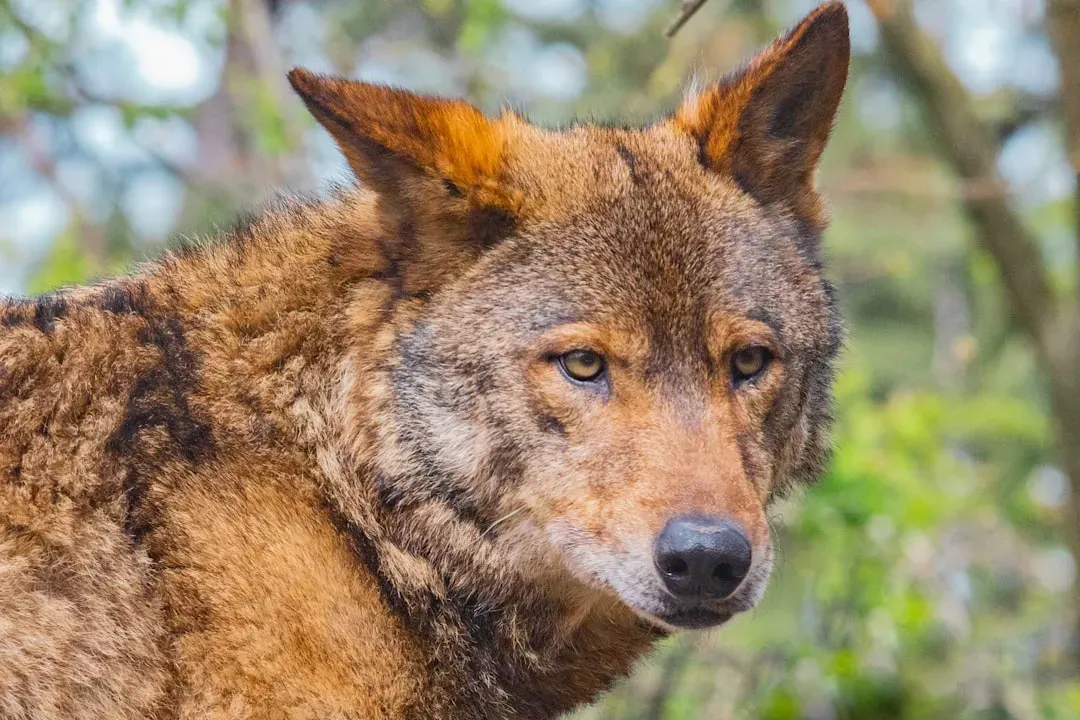
This story is genuinely heartbreaking, and I think it deserves far more attention than it gets. Nicknamed America’s ghost dog, the red wolf is down to fewer than 20 in the wild. They roam the Albemarle Peninsula of North Carolina, mostly in and around Alligator River and Pocosin Lakes National Wildlife Refuges. You’re more likely to hear their dusk howls over swampland than see them.
Once having a territory that spanned much of the eastern United States and southern Canada, red wolves are now officially solely within US borders. With a dash of distinctive rust-colored fur, they are generally smaller than gray wolves and live in smaller family packs, roaming swamps, forests, and wetlands.
A separate safety-net population of a few hundred lives in accredited facilities across the country. The red wolf is a symbol of what happens when we don’t act fast enough. Yet it’s also a symbol of stubborn, quiet survival. Fewer than 20 in the wild. Think about that.
9. The Hellbender: The Giant Salamander With Ridiculous Nicknames
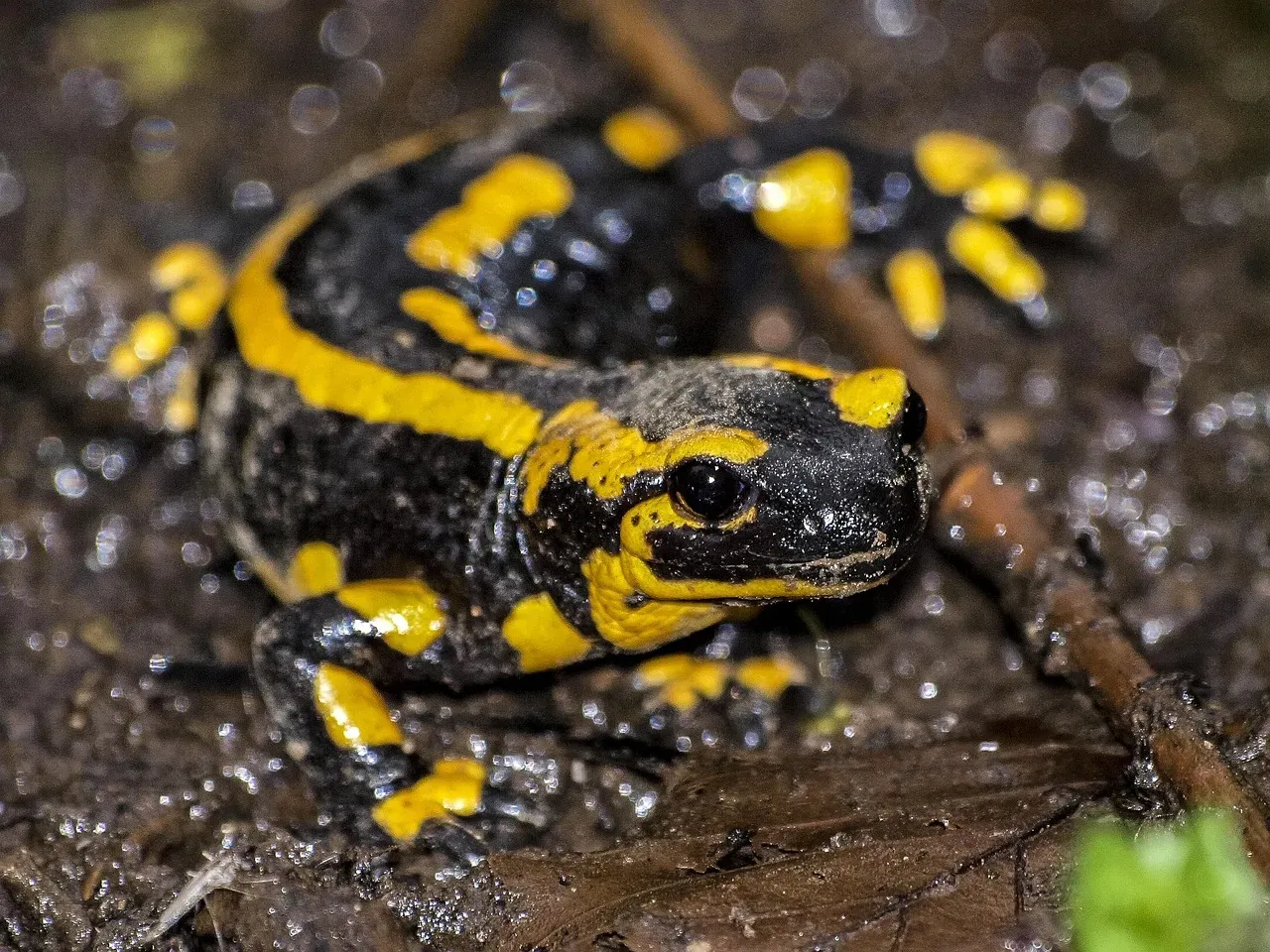
This is, without any doubt, the most dramatically nicknamed animal in America. This creature’s unusual appearance has inspired colorful nicknames such as “mud devil,” “water dog,” “snot otter,” and “old lasagna sides.” The curious amphibian is North America’s oldest and largest salamander, growing up to two feet long. It is also an example of divergent evolution, with Asian ancestors dating back 160 million years.
This giant salamander species lives exclusively in the northeastern United States, primarily in the rivers and streams flowing in and out of the Appalachian Mountains. Hellbenders are the largest species of salamander in all of North America, with some specimens measuring up to 29 inches in length.
An endangered animal, hellbenders rely on clean, clear water to survive, and their populations have been in steep decline for several decades. You can potentially find them in Great Smoky Mountains National Park, Ozark National Scenic Riverways in Missouri, and Shenandoah National Park in Virginia. They are strange, ancient, and quietly magnificent.
10. The Ringtail: Arizona’s Secretive Night Phantom
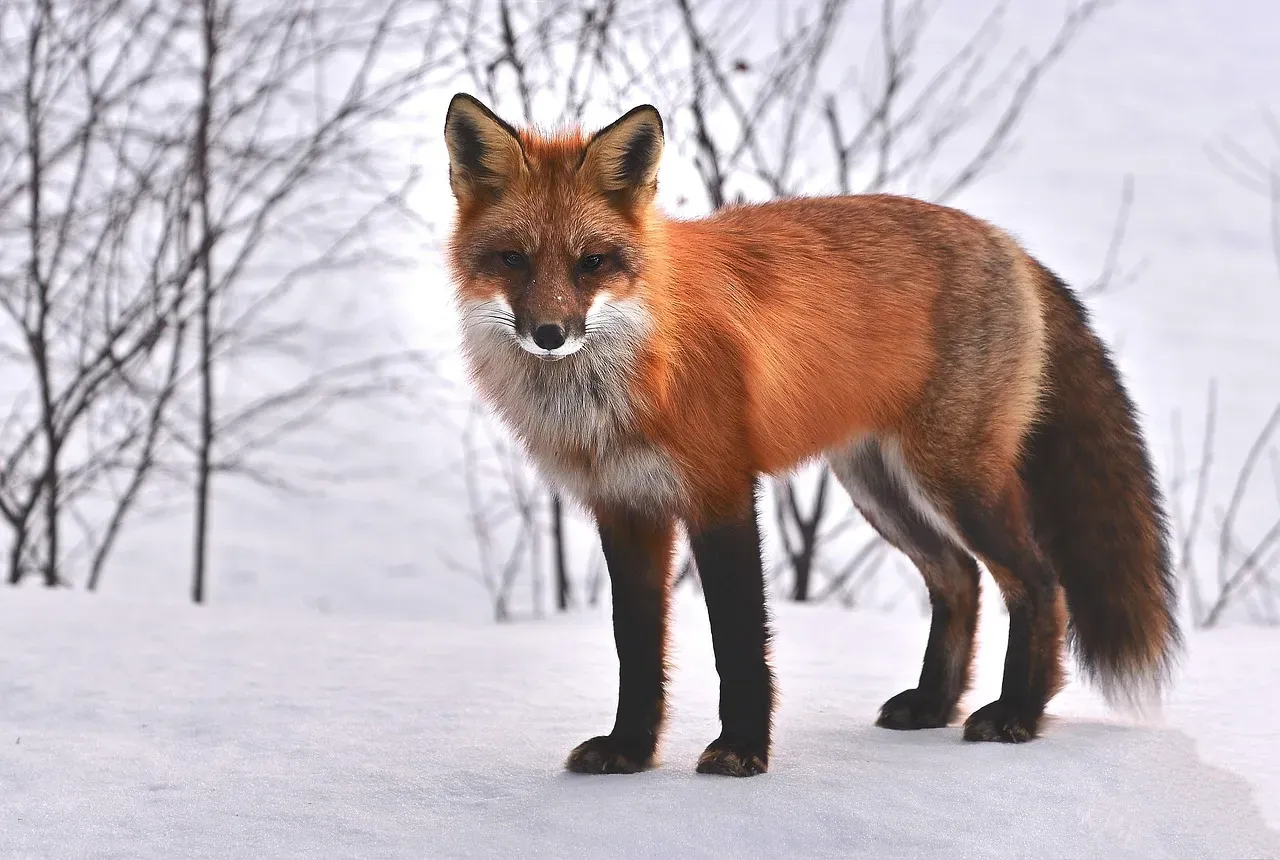
Arizona’s state mammal, the ringtail, looks like a mix of lemur, squirrel, and burglar. That description alone should make you want to know more. Ringtails are rarely seen because, similar to raccoons, they are most active at night. They tend to hang out in trees and rocky areas during the day. Their tail is about the same length as their body and has between 14 and 16 rings.
The ringtail’s scientific name, Bassariscus astutus, means “clever little fox” in Latin. A nocturnal, ring-tailed, fox-like phantom that lives in the American Southwest. It sounds fictional. It’s absolutely not.
While they range widely across the Southwest, they’re masters of stealth and rarely seen in the wild. Your best chances are rocky canyons in Saguaro National Park or the cliffs of the Grand Canyon. Head out at night, scan the shadows carefully, and you might just catch a flash of that banded tail.
11. The Nine-Banded Armadillo: The Jumping, River-Crossing Oddity
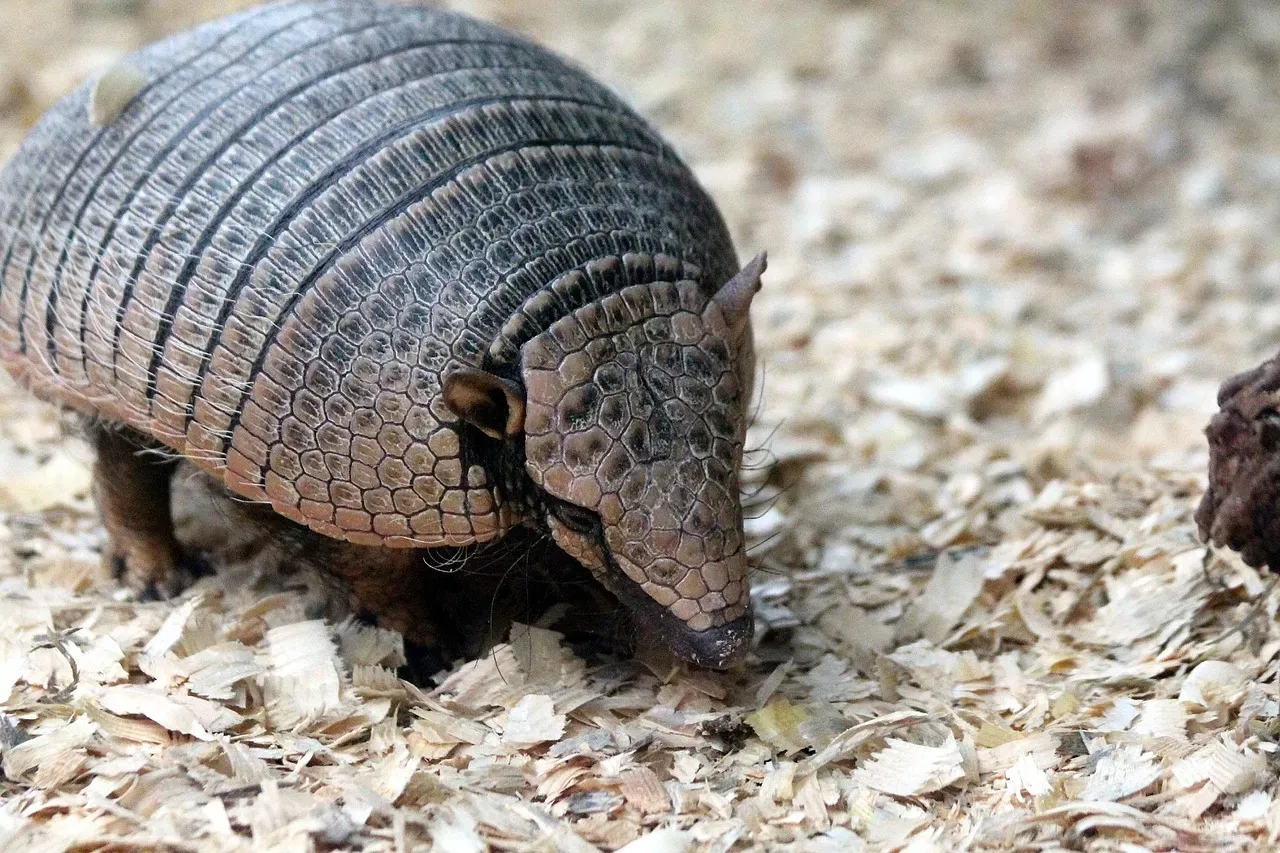
Let’s be real: the armadillo looks like it was designed by a committee that couldn’t agree on anything. Of the 20 species of armadillos, only the nine-banded armadillo is found in the United States. Once relegated to southeastern states, their range is continually expanding northward, and these bizarre creatures with ossified dermal scutes and long sticky tongues are now often spotted far beyond their original territory.
Contrary to popular belief, the nine-banded armadillo cannot curl into a ball and roll away from danger. Only two types of armadillos can do that. However, it can jump 3 to 4 feet in the air, float across rivers by inflating its intestines, hold its breath for six minutes while running across riverbeds, and quickly dig a snug trench to hide in when threatened.
That’s an animal with tricks upon tricks upon tricks. Inflating its intestines to float across a river? I know it sounds crazy, but it’s entirely true. The armadillo may look clumsy, but it’s secretly one of the most survival-capable animals in the country.
12. The California Condor: A 10-Foot Wingspan That Almost Disappeared
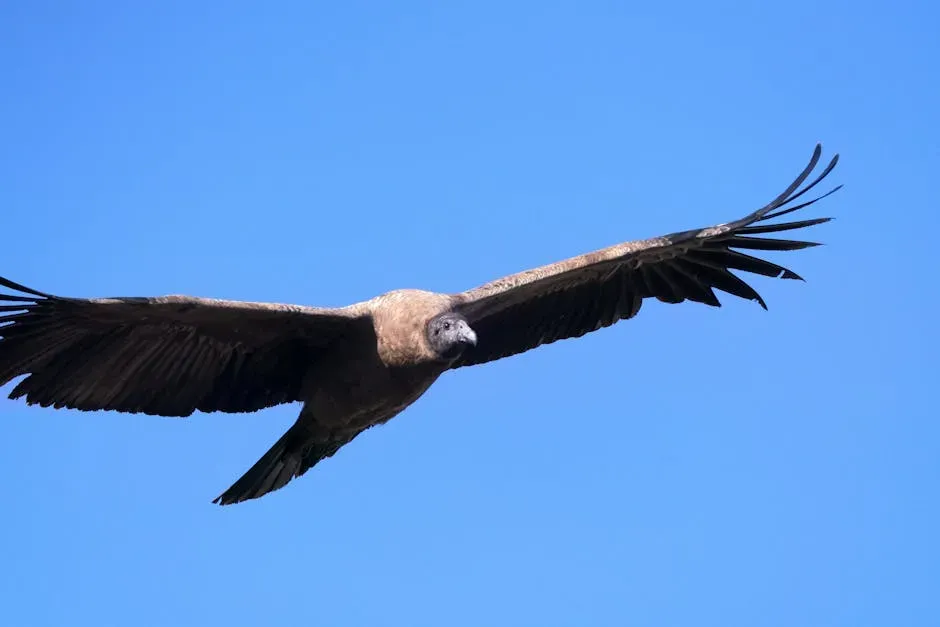
There’s no bird in the continental United States quite as awe-inspiring as the California condor. The California condor, once down to just 27 individuals, has rebounded through intensive captive breeding. With a wingspan nearing 10 feet, it’s North America’s largest flying bird.
Think about that wingspan for a second. Ten feet. That’s wider than most cars are long. Seeing a condor soar overhead is the kind of experience that makes people cry without expecting to. The Vermilion Cliffs National Monument in northern Arizona is a primary release site. Visitors often spot condors soaring above cliffs or resting on rock ledges near the Condor Viewing Site along Highway 89A.
From 27 individuals to a recovering wild population, the California condor’s story is one of the most dramatic wildlife rescues in human history. It’s hard to say for sure what the future holds for this species, but the fact that it still soars above Arizona’s red cliffs feels like nothing short of a miracle.
13. The Florida Panther: The Swamp Ghost of the South
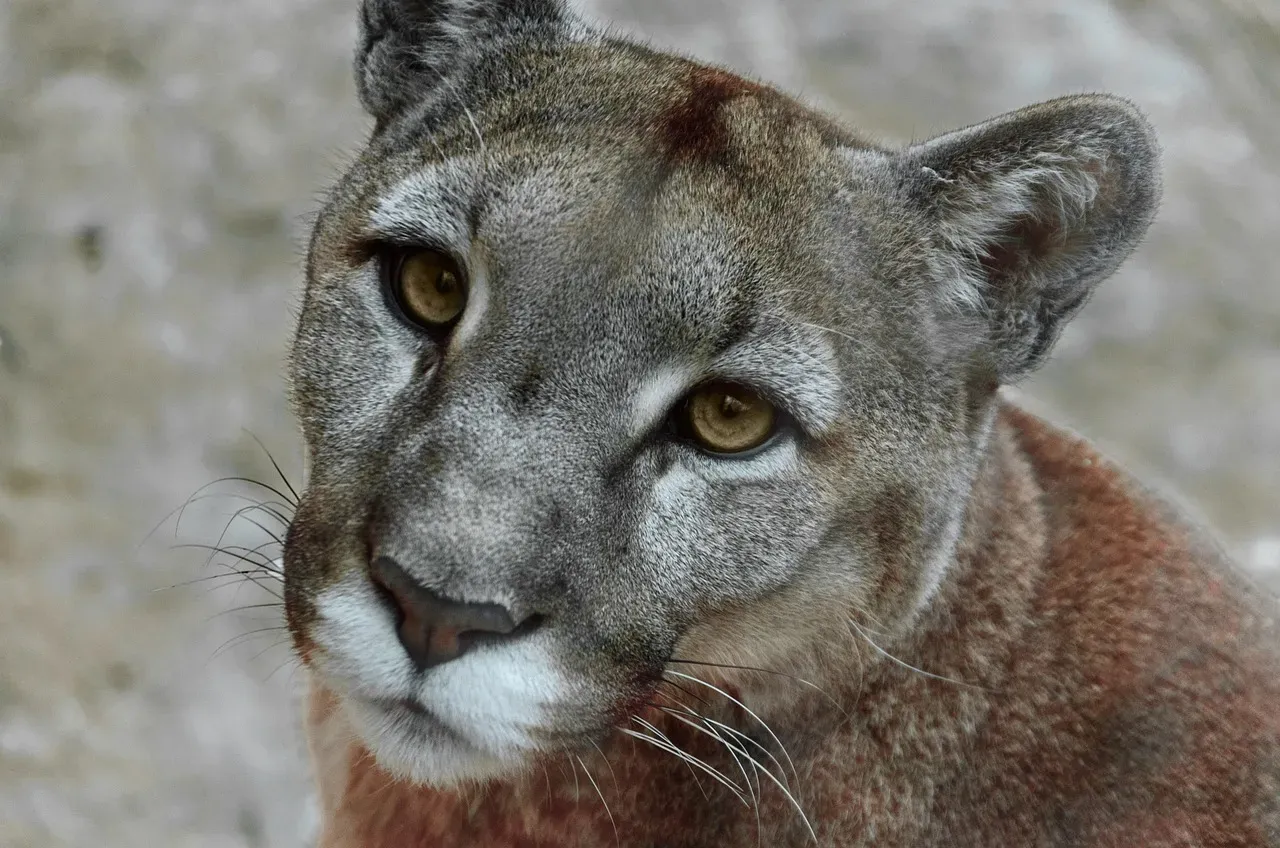
Few American animals carry as much mystique as the Florida panther. The Florida panther is a subspecies of cougar found only in the forests and swamps of southern Florida. It is one of the most endangered mammals in the entire Western Hemisphere, and for years, its population hovered at the edge of oblivion.
The Florida panther is the largest feline in the South and is exclusive to the wetlands of South Florida. Imagine something that large slipping silently through cypress swamps, completely invisible, completely wild. Sleek, powerful, and notoriously elusive, the mountain lion is described as the ghost of the western wilderness, and the Florida panther carries that same phantom energy in the East.
Conservation efforts have helped steady the population over recent decades, though threats from habitat fragmentation, vehicle collisions, and loss of territory continue to challenge the species. The Florida panther is living proof that wilderness can persist in the most unexpected corners of America, if only we give it the space to breathe.
The United States Is Wilder Than You Think
From a lizard with venom to a wolf with fewer than 20 left in the wild, from a salamander nicknamed “snot otter” to a bird with a wingspan wider than an SUV, the wildlife living quietly within US borders is nothing short of extraordinary.
The United States is a country with perhaps the greatest variety of landscapes and biomes in the entire world. From the frost-covered tundra of Alaska to the arid deserts of the Southwest to the forest-covered Northeast, the variety of animals that call this country home is just as diverse.
These 13 animals are a reminder that wild America isn’t something you have to travel to a foreign continent to find. It’s already here, in the canyons, rivers, swamps, and snowfields all around us. The real question isn’t where the wildlife is. It’s whether we’re paying close enough attention to notice it.
Which of these 13 remarkable animals surprised you the most? Let us know in the comments!

- 15 Tender Things Old Dogs Do the Closer the End Quietly Comes - July 21, 2026
- 14 Ways a Rescue Cat Shows It Has Given You Its Fragile Heart - July 21, 2026
- 13 Familiar Things That Bring an Aging Dog Deep, Quiet Comfort - July 21, 2026