

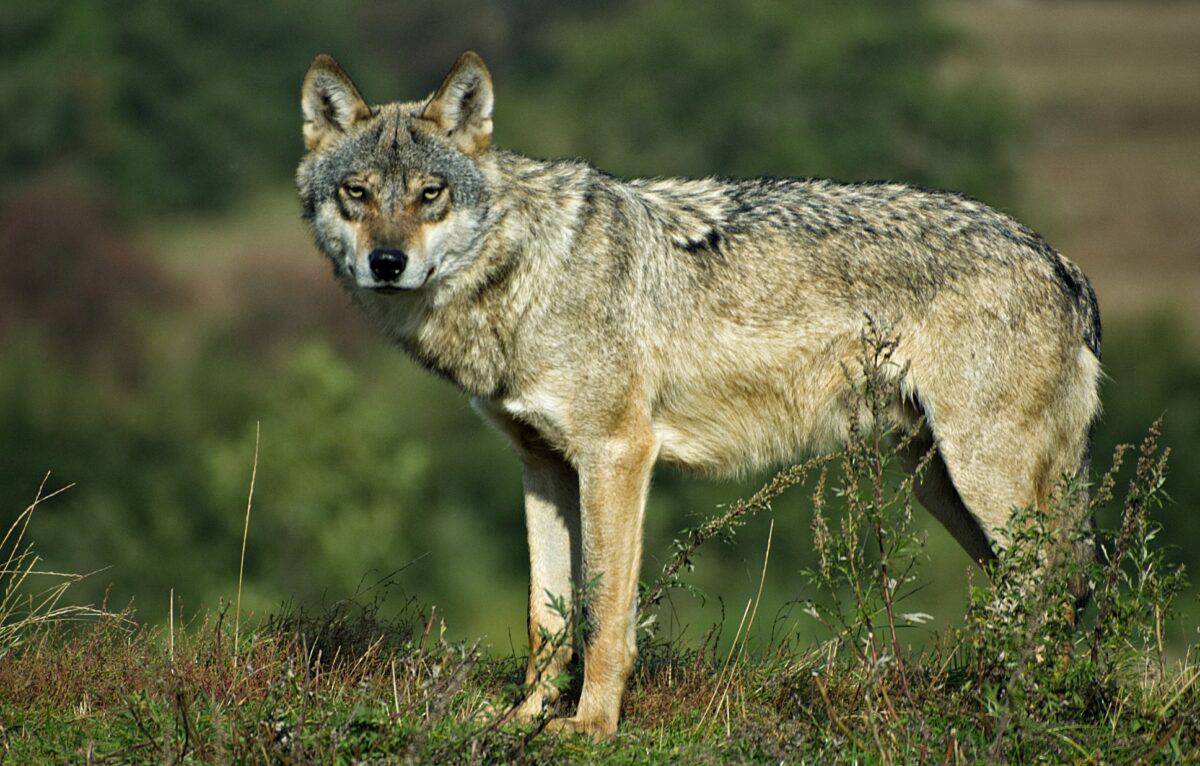
Wolves are more than just majestic apex predators that captivate our imagination; they are ecological engineers that help maintain the balance and health of numerous ecosystems across the globe. These highly intelligent, social animals have evolved alongside their prey for thousands of years, developing intricate relationships that shape entire landscapes. Despite centuries of persecution that brought wolves to the brink of extinction in many regions, conservation efforts have helped restore wolf populations in some areas, allowing scientists to document their profound ecological influence. From controlling prey populations to influencing vegetation patterns and supporting biodiversity, wolves play crucial roles that extend far beyond their immediate predatory actions. This article explores the multifaceted ways in which wolves contribute to ecosystem health and why their conservation remains vital for maintaining ecological integrity.
The Keystone Predator Effect

Wolves function as keystone predators, meaning they have disproportionately large effects on their environment relative to their abundance. As apex predators at the top of the food chain, wolves help regulate prey populations, particularly ungulates like elk, deer, and moose. This regulation prevents overgrazing and maintains the health of plant communities.
The classic example of this keystone effect was observed in Yellowstone National Park following wolf reintroduction in 1995, after a 70-year absence. With wolves back on the landscape, elk populations and behavior changed dramatically, leading to what ecologists call a trophic cascade – ecological changes that ripple through multiple levels of the food web. This single reintroduction has become one of the most studied examples of how predators shape ecosystems.
Regulating Prey Populations
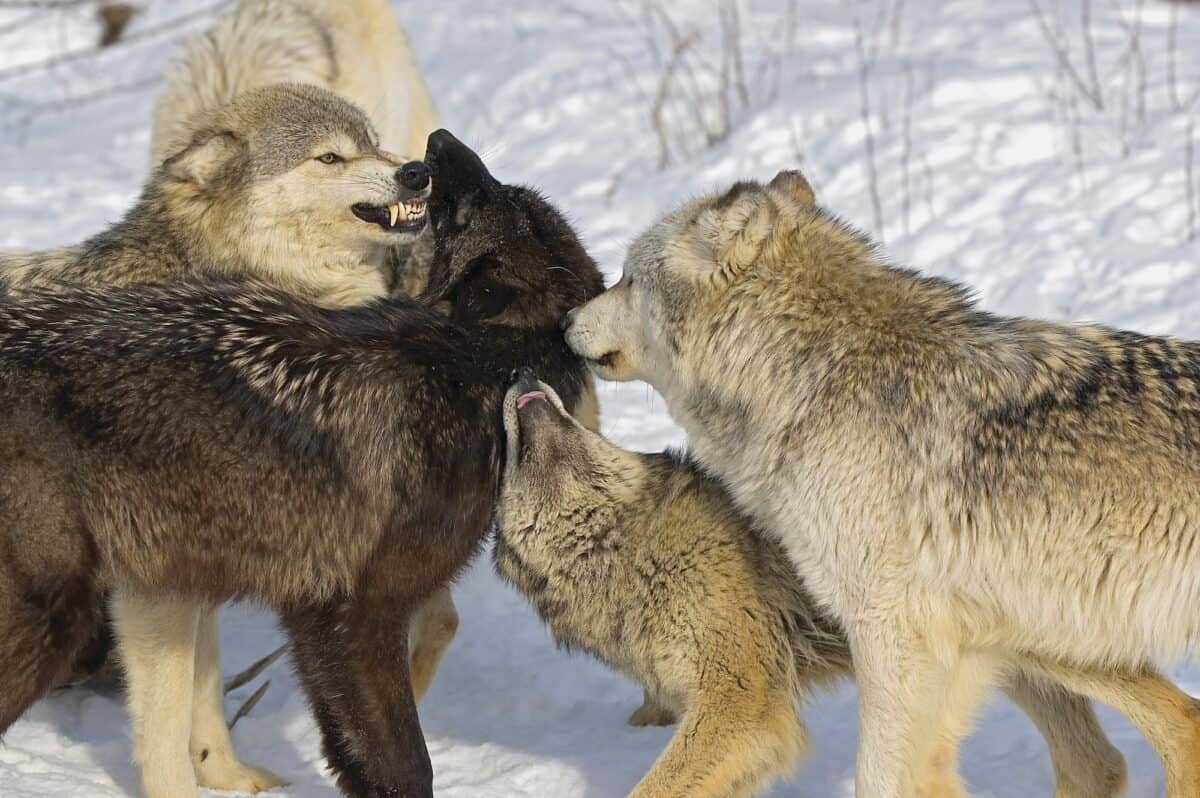
One of the most direct ways wolves benefit ecosystems is by keeping herbivore populations in check. Without predation pressure, ungulate populations can explode beyond the carrying capacity of their habitat, leading to overgrazing, habitat degradation, and ultimately, starvation. Wolves typically target the most vulnerable individuals – the old, young, sick, or injured – which helps maintain healthier prey populations by removing less fit individuals.
Research in North America has shown that wolf predation can reduce elk populations by 15-40% in some regions, preventing the destructive boom-and-bust cycles that occur without predators. This natural regulation is often more effective and less disruptive than human hunting in maintaining stable, healthy herbivore populations.
The Behaviorally Mediated Trophic Cascade
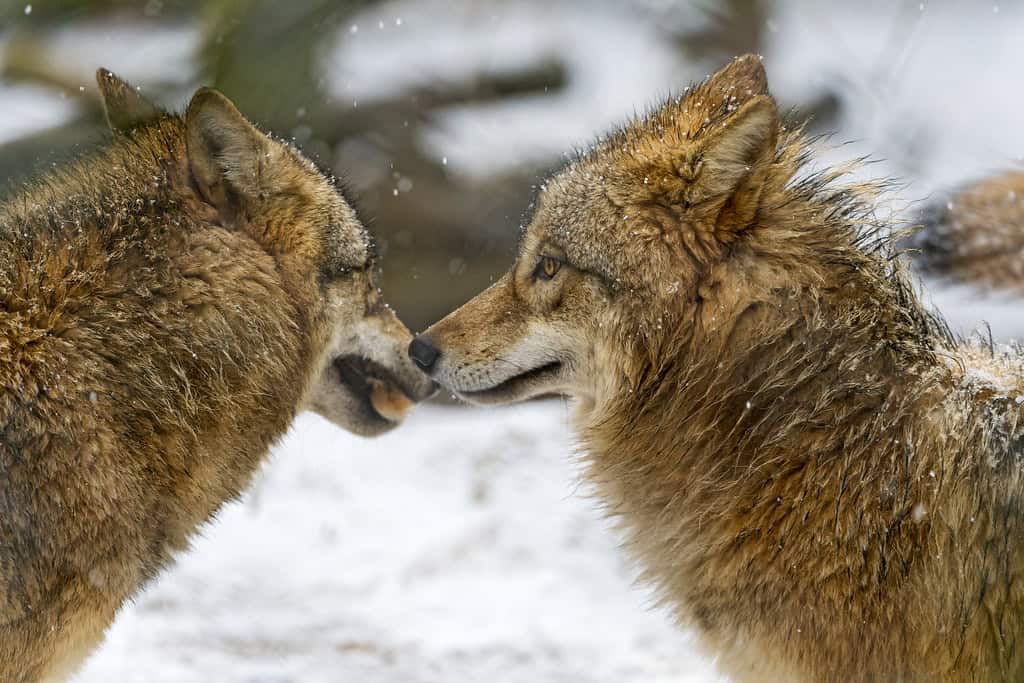
Beyond simply reducing prey numbers, wolves create what ecologists call a “landscape of fear” that changes herbivore behavior. When wolves are present, prey species become more vigilant and alter their feeding patterns to avoid high-risk areas. In Yellowstone, researchers documented how elk began avoiding certain valleys and riparian areas where they were more vulnerable to wolf predation.
This behavioral shift reduced browsing pressure on willows, aspens, and cottonwoods in these areas, allowing young trees to grow taller than they had in decades. This phenomenon, known as a behaviorally mediated trophic cascade, demonstrates how predators can influence ecosystems not just by killing prey, but by changing prey behavior in ways that benefit vegetation communities.
Restoring Riparian Ecosystems

The recovery of streamside (riparian) vegetation following wolf reintroduction has had profound effects on aquatic ecosystems. In Yellowstone, as willows, cottonwoods, and aspens returned to stream banks, they stabilized soils, provided shade that cooled water temperatures, and created habitat for fish and aquatic invertebrates. Beaver populations also increased as their preferred food sources became more abundant.
Beavers, themselves ecosystem engineers, built dams that created wetlands, improved water quality, and provided habitat for countless species. One study found that the number of beaver colonies in Yellowstone increased from one in 1996 to over nine by 2007, demonstrating how the presence of wolves can indirectly benefit aquatic biodiversity through this chain of ecological interactions.
Supporting Biodiversity Through Carrion

Wolf kills provide an essential food source for a wide range of scavenger species. A single wolf pack can produce tons of carrion annually, supporting everything from bears and eagles to ravens, magpies, and countless insects and microorganisms. In the Greater Yellowstone Ecosystem, researchers have documented over 30 species feeding on wolf kills.
This redistribution of nutrients through carrion is particularly important during winter months when food is scarce for many species. Additionally, by leaving behind partially consumed carcasses, wolves create feeding opportunities for smaller predators and scavengers that would be unable to take down large prey themselves. This sharing of resources increases the overall carrying capacity of the ecosystem for diverse predator and scavenger communities.
Controlling Mesopredator Populations
Wolves help maintain ecological balance by controlling populations of mesopredators – medium-sized predators like coyotes, foxes, and raccoons. In the absence of wolves, these mesopredators often become overabundant, a phenomenon known as mesopredator release. When wolves return to an ecosystem, they compete with and sometimes kill these mid-sized predators, reducing their numbers and influence.
In Yellowstone, coyote populations decreased by approximately 50% after wolf reintroduction, which benefited smaller predators and prey species that coyotes had previously suppressed. This regulatory effect helps maintain diverse predator communities and prevents any single predator species from dominating the ecosystem, creating a more balanced and resilient food web.
Increasing Plant Diversity

The influence of wolves on herbivore behavior and abundance leads to increased plant diversity across the landscape. When herbivores can graze freely without fear of predation, they often focus on preferred plant species, reducing diversity over time. The presence of wolves creates a mosaic of grazing intensities – some areas experience heavy browsing while others, perceived as more dangerous by prey, remain relatively untouched.
This patchy distribution of herbivory allows different plant communities to thrive in different areas, increasing overall plant diversity. Studies in Yellowstone have documented increases in plant species richness in areas where elk browsing decreased following wolf reintroduction, demonstrating how predators can indirectly promote plant biodiversity.
Enhancing Carbon Sequestration

The vegetation recovery triggered by wolf presence may have significant implications for carbon sequestration and climate change mitigation. As wolves enable forests and shrublands to regenerate by altering herbivore behavior, these recovering plant communities capture and store more carbon dioxide. Young, rapidly growing trees sequester carbon at higher rates than mature forests, and the expansion of woody vegetation following wolf reintroduction represents a natural carbon sink.
While this effect is still being quantified by researchers, preliminary studies suggest that predator-driven trophic cascades could play a meaningful role in regional carbon dynamics, highlighting another ecosystem service that healthy wolf populations provide.
Wolves and Disease Ecology

Wolves contribute to ecosystem health by influencing disease dynamics in prey populations. By preferentially targeting sick or weakened animals, wolves can reduce the prevalence of various diseases in ungulate herds. For example, research suggests wolves may help limit the spread of chronic wasting disease (CWD), a fatal neurological illness affecting deer and elk, by removing infected individuals before they can transmit the disease to others.
Some studies indicate that areas with healthy wolf populations have lower rates of certain wildlife diseases compared to areas without wolves. Additionally, by keeping prey populations within the carrying capacity of their habitat, wolves help prevent the crowding conditions that facilitate disease transmission, functioning as natural disease control agents in wilderness ecosystems.
Ecological Resilience in the Face of Climate Change

Ecosystems with intact predator-prey relationships and functioning trophic cascades appear more resilient to climate change impacts. Wolves help maintain this resilience in several ways. By preventing herbivore overabundance, they reduce grazing pressure on vegetation that might already be stressed by changing climate conditions. The increased plant diversity that results from wolf presence creates more robust ecosystems that can better withstand environmental fluctuations.
Additionally, the riparian restoration facilitated by wolves improves water retention and quality, which helps buffer aquatic systems against drought and temperature increases. As climate change accelerates, maintaining healthy predator populations may become increasingly important for preserving ecosystem function and adaptability.
Cultural and Economic Benefits

Beyond their ecological roles, wolves provide significant cultural and economic benefits to human communities. Wolf tourism has become a major economic driver in regions like Yellowstone, where visitors spend millions of dollars annually hoping to glimpse these iconic predators. A University of Montana study estimated that wolf-related tourism brings $35 million annually to the Greater Yellowstone region.
Wolves also hold profound cultural significance for many Indigenous peoples, featuring prominently in traditional knowledge systems and spiritual practices. Additionally, the presence of wolves in an ecosystem serves as an indicator of wilderness quality and ecological integrity, providing value to those who appreciate knowing that wild places and processes still exist, even if they never personally encounter a wolf.
Challenges in Wolf Conservation

Despite their ecological importance, wolf conservation remains controversial and challenging in many regions. Conflicts with livestock producers, concerns from hunters about impacts on game populations, and deeply rooted cultural fears all create obstacles to wolf recovery and management. Addressing these challenges requires multifaceted approaches, including compensation programs for verified livestock losses, promoting coexistence strategies like guard dogs and fladry (flag fencing), and public education about wolf ecology and behavior.
Finding the balance between conservation goals and human interests remains difficult but essential work. Successful wolf conservation ultimately depends on social tolerance as much as biological understanding, highlighting the need for collaborative approaches that respect diverse perspectives while acknowledging wolves’ irreplaceable ecological roles.
The Future of Wolves and Ecosystems

The story of wolves and their ecological importance continues to unfold as conservation efforts progress and scientific understanding deepens. Wolves have now been documented reshaping ecosystems across North America and Europe, with each region revealing unique aspects of predator-prey dynamics and trophic cascades. The future of healthy ecosystems may well depend on our ability to coexist with these apex predators and allow them to fulfill their ecological functions.
As wolf populations recover in some areas while facing new threats in others, continued research, adaptive management, and public engagement will be essential. The lesson from decades of wolf ecology research is clear: these predators are not merely components of healthy ecosystems – they are often fundamental architects of ecosystem health itself, shaping landscapes in ways that benefit countless other species, including humans.

From exploring the marine wonders in the Azores and witnessing the vast savannas of Kenya, to delving deep into the rich biodiversity of South Africa and traversing iconic landscapes in Australia and the US like Yellowstone, Chris's experiences are vast.
With a penchant for diving alongside sharks, the ocean holds a special place in his heart.
Through his academic insights, he champions wildlife conservation, striving with 'Animals Around The Globe' to cultivate a profound connection between humans and animals, enhancing our mutual appreciation.
Connect with him at Feedback@animalsaroundtheglobe.com.
- Why Spiders Don’t Get Stuck in Their Own Webs - July 20, 2026
- What Scientists Found in a 10,000-Year-Old Beehive - July 20, 2026
- This Spider Builds Fake Decoys of Itself - July 20, 2026