
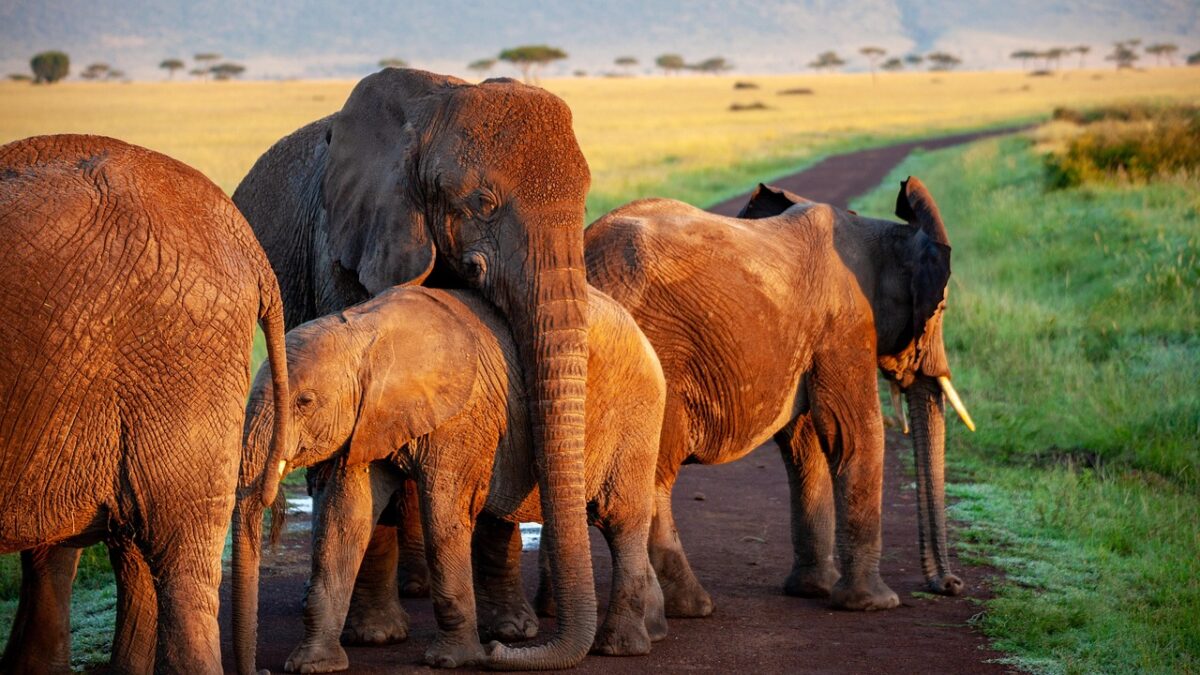
Imagine a colossal elephant, trunk swaying gently, brushing against sun-bleached bones scattered across a dusty plain. This isn’t random curiosity. It’s a ritual that tugs at the heart, hinting at depths of emotion we rarely associate with wildlife.
These massive creatures pause their journeys for the fallen. Families gather in quiet solidarity. What unfolds next reveals a side of elephants that feels achingly familiar. Let’s explore these poignant behaviors that challenge our understanding of animal sentience.
Investigating the Fallen with Care
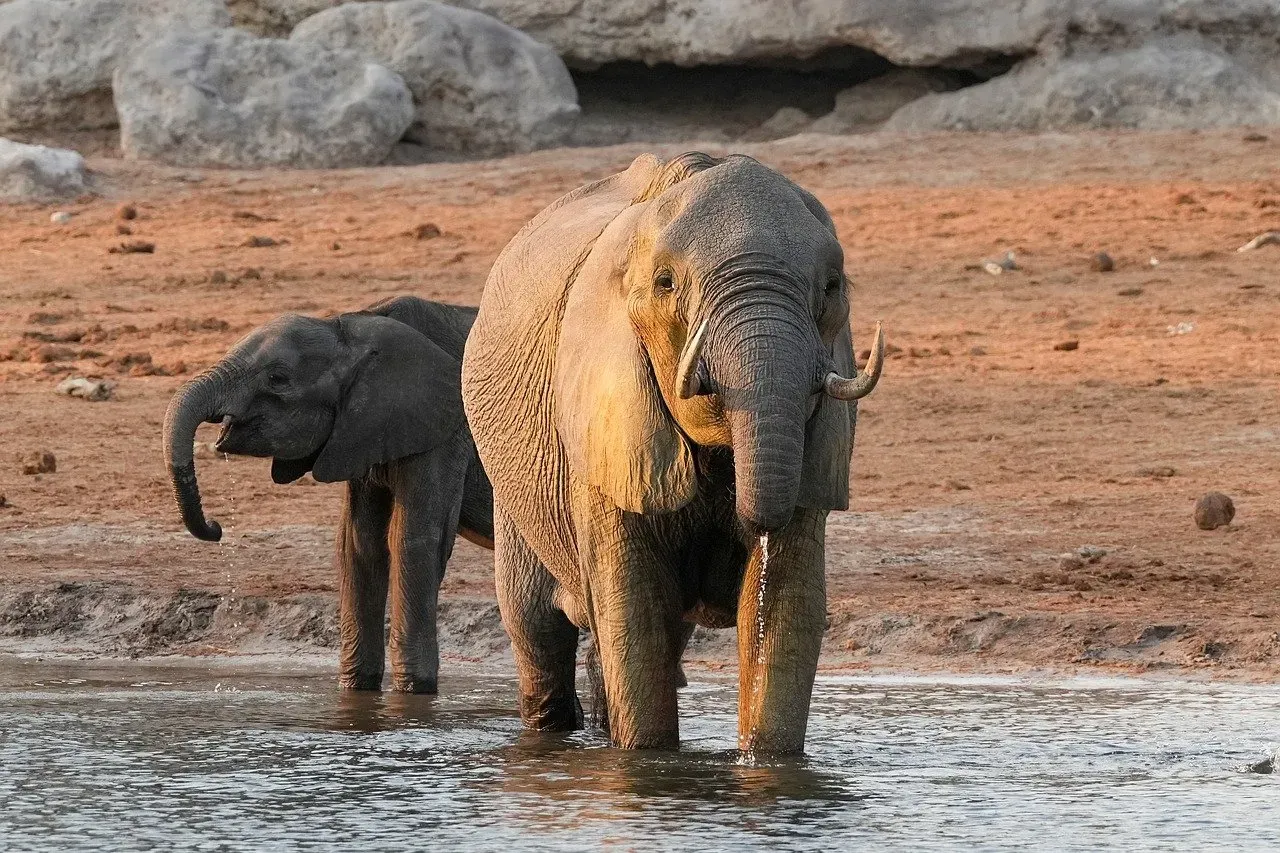
Elephants approach dead kin with deliberate steps. They circle the body, sniffing deeply and prodding with feet. This investigative phase often lasts hours, as if piecing together the final moments.[1]
Sometimes they nudge tusks or skulls, recognizing old family members through scent alone. Here’s the thing: they ignore other animal remains entirely. Their focus stays laser-sharp on their own species, underscoring a profound connection.
Gentle Caresses from Powerful Trunks
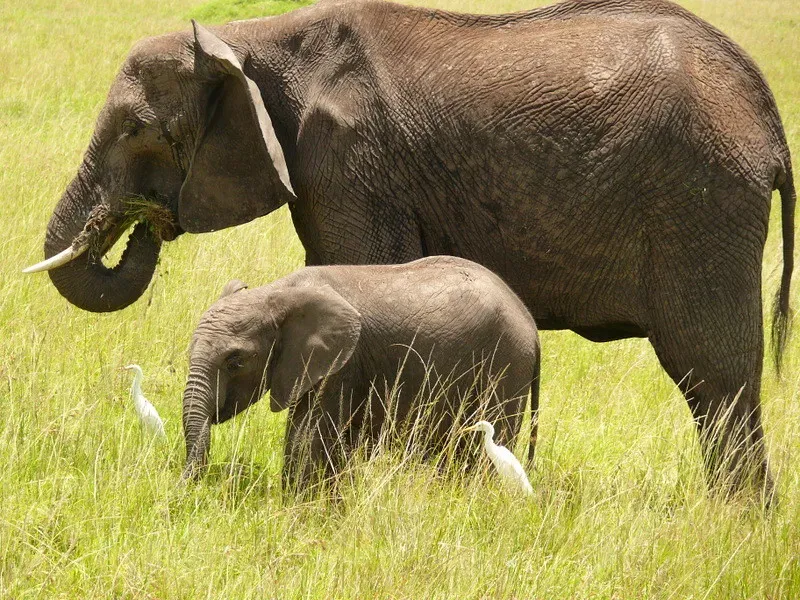
Trunks become tools of tenderness in these moments. Elephants stroke the carcass softly, tracing contours with the utmost delicacy. They tap legs or drape trunks over heads, almost like a comforting embrace.[2]
Mothers linger longest with calves, ears flapping in distress. Other herd members join, forming a circle of trunks extended in unison. It’s hard not to see echoes of human hugs here, though scientists tread carefully on labeling it grief.
Covering Bodies in Earthly Blankets
Many elephants kick dirt, leaves, and branches over the deceased. This covering behavior appears protective, shielding the body from scavengers or elements. Witnesses describe it as deliberate, not mere restlessness.[3]
In Asian elephants, this escalates to full burials for calves. They pile soil meticulously, trumpeting loudly in the process. Such actions stir questions about innate rituals passed through generations.
Mothers Refusing to Let Go
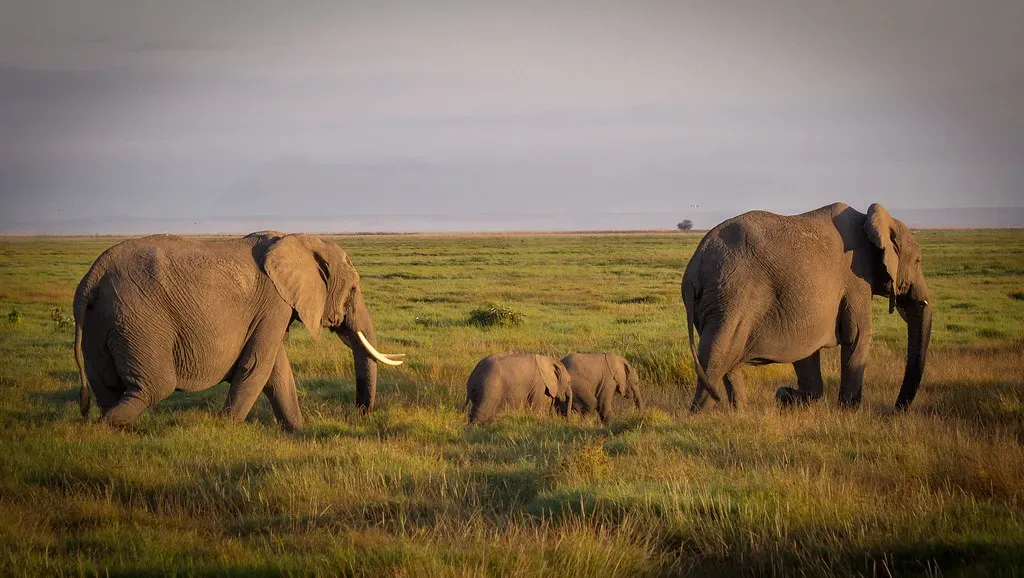
Heart-wrenching scenes show mothers carrying dead calves for days. They balance limp bodies on tusks or trunks, walking vast distances. Exhaustion sets in, yet they persist, unwilling to abandon their young.[4]
One video captured a mother nudging her calf for over 24 hours straight. Herds rallied around her, offering silent support. Let’s be real, this mirrors parental devotion in ways that hit close to home.
Returning to Sites Years Later
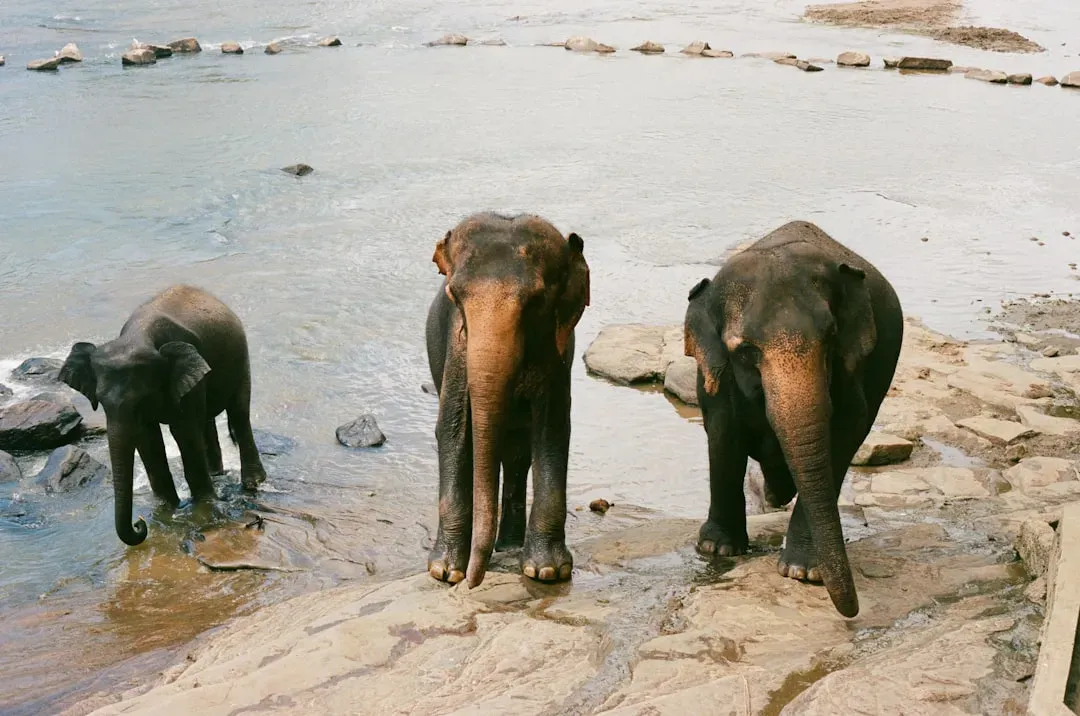
Elephants boast memories spanning decades. They revisit death spots long after bones bleach white. Trunks reach out again, caressing familiar remains with quiet reverence.[5]
Families from afar join these pilgrimages, gathering in abundance. It’s as if the location holds sacred weight. This persistence suggests loss lingers deeply in their vast minds.
Herds United in Silent Vigil
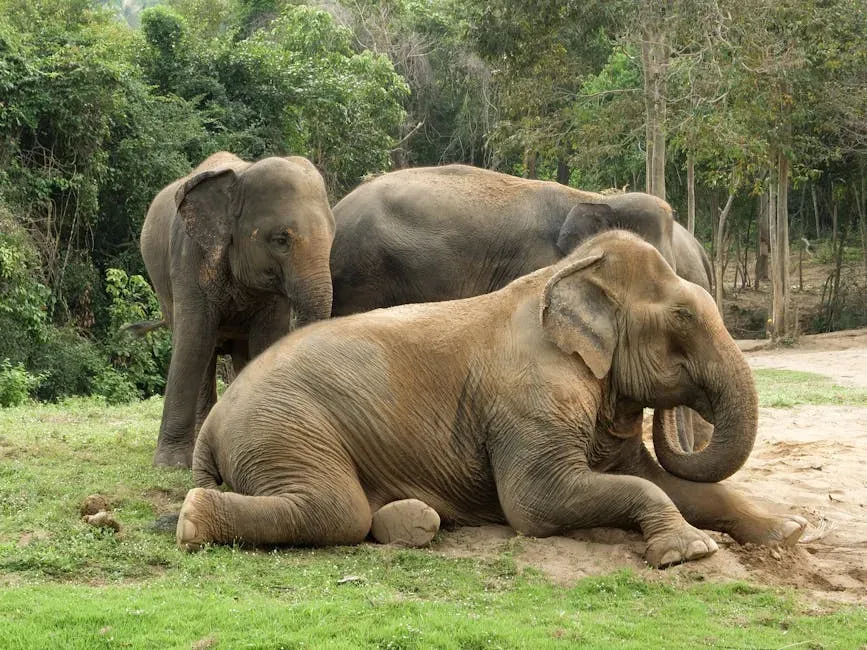
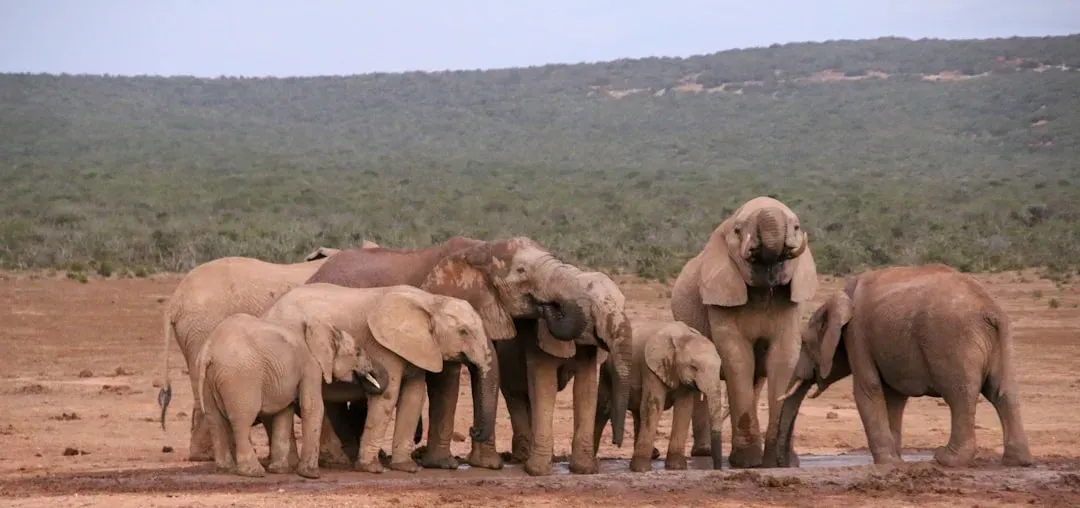
When one falls, the matriarch often halts the group. They stand motionless, trunks touching the dying or dead. Postural changes signal a collective pause, heavy with unspoken sorrow.[6]
Unrelated elephants sometimes arrive, paying respects before departing. These vigils foster bonds across families. I think it hints at empathy rippling through their social world like waves on a still pond.
Insights from Decades of Observation
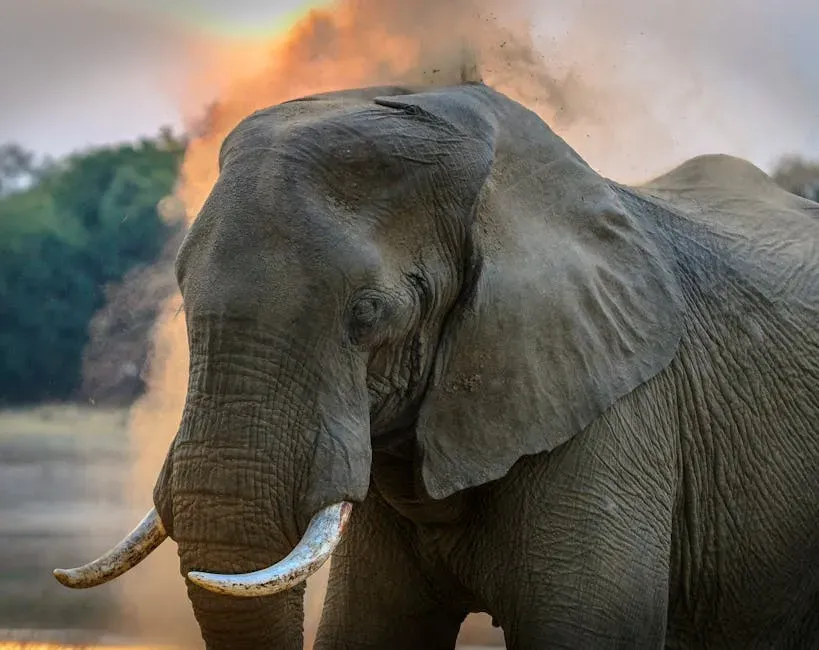
Researchers catalog these acts through field notes and videos. Behaviors like guarding or mounting persist across African and Asian species. Yet experts caution: fascination with death doesn’t prove human-style grief.[7]
YouTube footage revealed rare calf burials and head-patting comforts. Studies confirm elephants alter routines around the dead. Still, the emotional core remains a tantalizing mystery, urging more watchful eyes.
A Lasting Reflection on Elephant Bonds
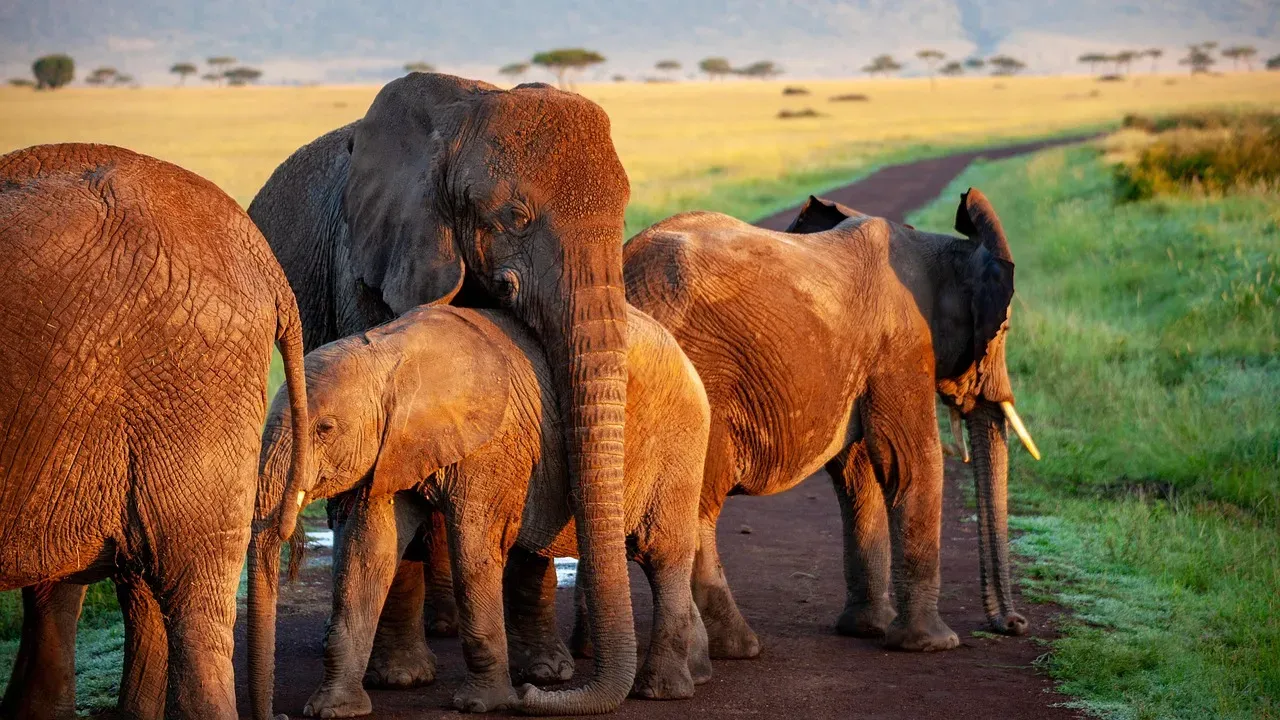
These behaviors paint elephants as creatures of remarkable depth. Their responses to death weave a tapestry of memory, touch, and community. In a world quick to dismiss animal feelings, they demand we reconsider.
What strikes you most about their ways? Share in the comments below. These giants remind us: profound loss knows no species bounds.[8]
