
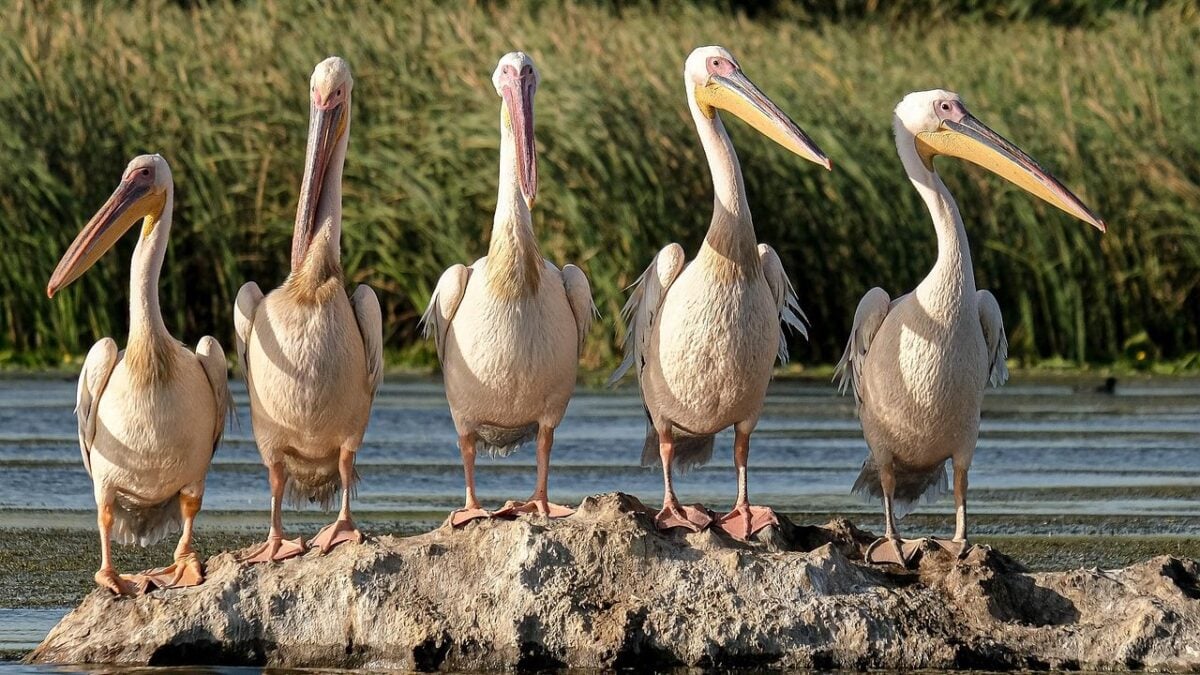
Picture this: a majestic bird, once teetering on the edge with just 14 survivors left in the wild, now boasting hundreds strong. Stories like that aren’t fairy tales. They’re real triumphs unfolding right now in 2026.
From urban skyscrapers to remote islands, these feathered wonders are defying the odds. Conservationists’ tireless work is paying off in ways that stun even experts. Let’s dive into ten remarkable recoveries that prove hope isn’t lost for our planet’s rarest avians.[1][2]
Whooping Crane Hits Record Heights
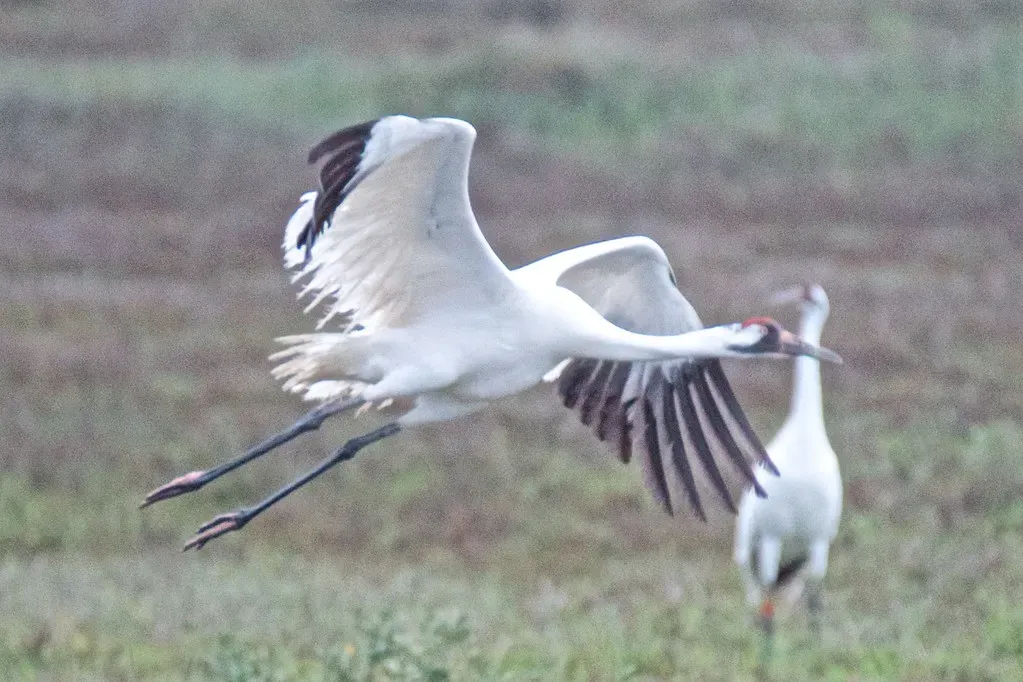
Back in the 1940s, the whooping crane dwindled to a heartbreaking 14 adults. Hunting and habitat loss nearly wiped them out. Fast forward to early 2025, and aerial surveys tallied a staggering 557 birds wintering in Texas.[1]
Protected wetlands like Aransas National Wildlife Refuge played a huge role. International teams from the US and Canada reintroduced birds and monitored migrations. Though challenges linger, this growth signals a self-sustaining future. Honestly, it’s the kind of win that makes you cheer for every conservation dollar spent.
Spix’s Macaw Defies Extinction
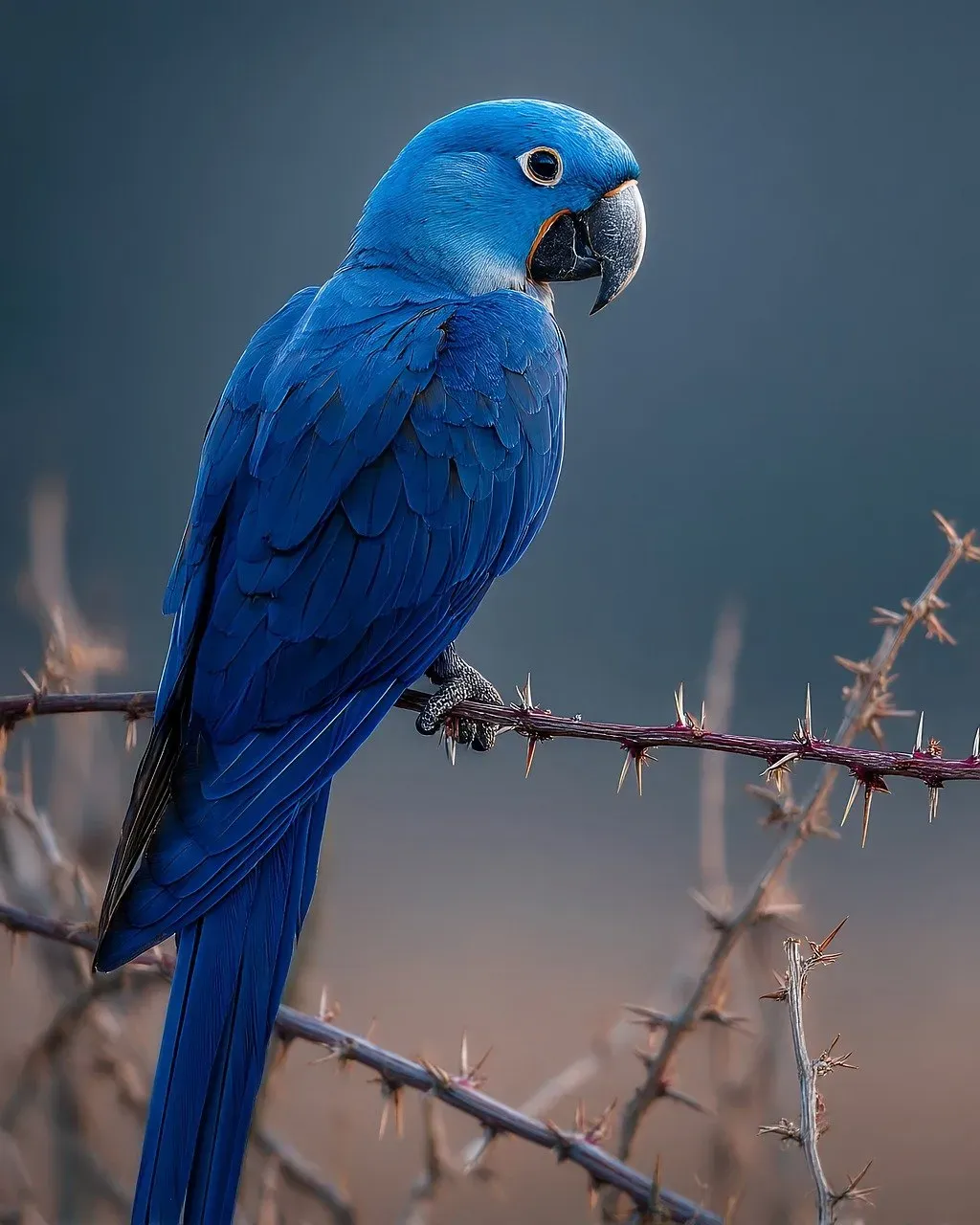
Declared extinct in the wild, the Spix’s macaw made headlines with its 2022 reintroduction in Brazil’s Caatinga biome. Twenty birds took flight, forming pairs and nesting naturally. By 2024, two chicks fledged successfully, a milestone after decades of captivity breeding.[3]
Survival rates hover around 58 percent in the first year. Illegal trade and habitat woes persist as threats. Yet, these blue beauties hatching wild young? That’s pure resilience. I know it sounds like a movie plot, but it’s happening.
California Condor Population Soars
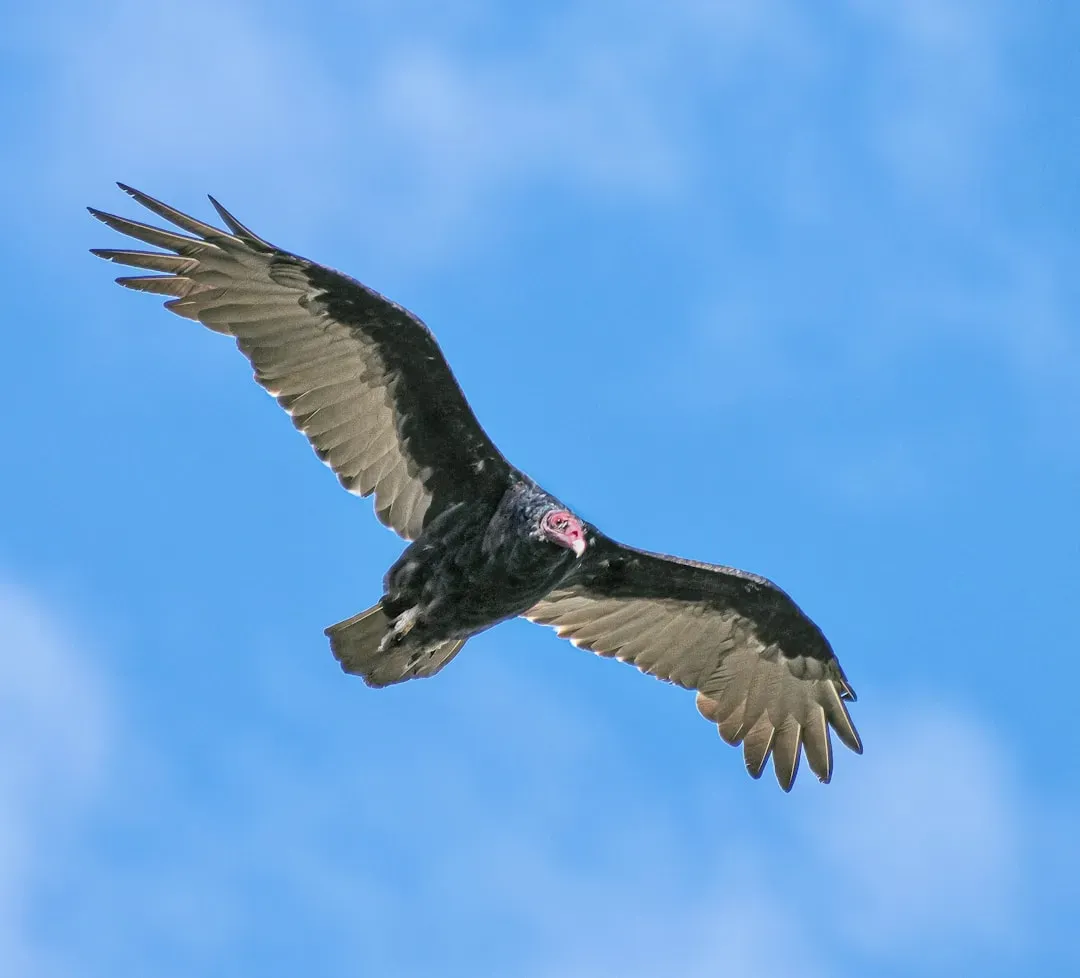
The California condor, with its nine-foot wingspan, reached 607 individuals by late 2025. Wild numbers climbed to 392, spread across California, Arizona, Utah, and beyond. Captive breeding produced 45 chicks for 2026 releases.[2]
Lead poisoning remains a killer, claiming nine lives last year. Bans and chelation treatments help mitigate it. Releases and habitat protection keep the momentum. These giants circling skies again remind us what’s possible with science and grit.
Kakapo Gears Up for Epic Breeding
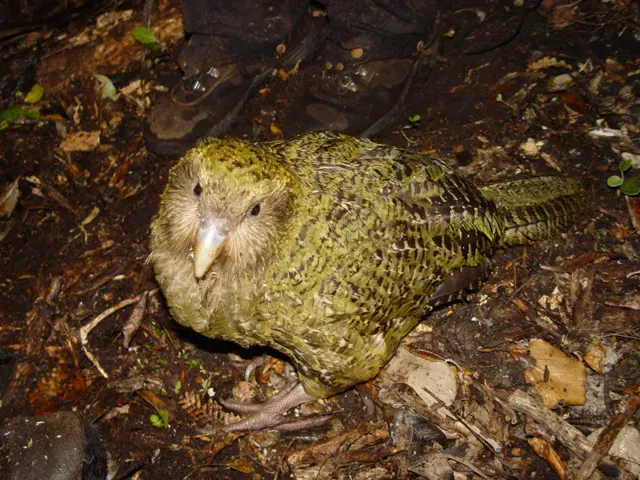
New Zealand’s flightless kakapo, all 242 strong, huddle on predator-free islands. After rebuilding from 51 birds in 1995, 2026 promises a mast year with rimu fruit galore. Up to 87 females could nest, potentially the biggest boom yet.[4]
Intensive management includes tracking, hand-rearing, and genetic tweaks. Partners like Ngāi Tahu and Meridian Energy fuel the effort. Lek-breeding males boom to woo mates. It’s a delicate dance, but numbers are climbing steadily.
Yellow-crested Cockatoo Thrives in Hong Kong
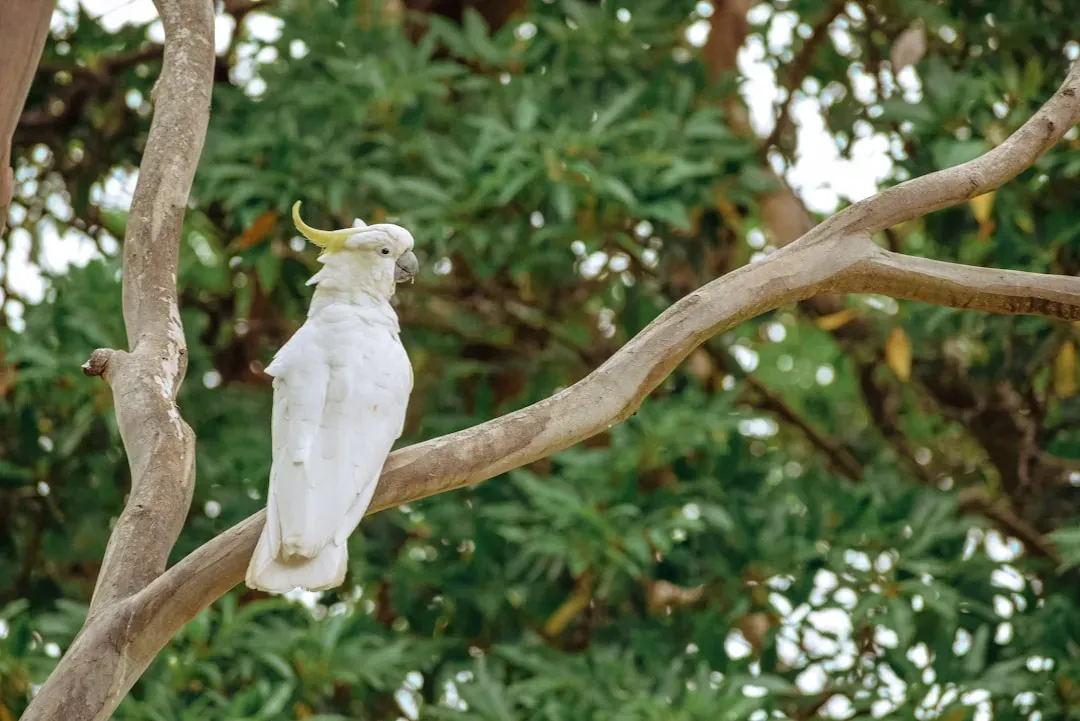
Critically endangered with under 2,000 wild adults, these cockatoos found refuge amid Hong Kong’s concrete jungle. Roughly 10 percent of the global population roosts in urban parks. Escaped pets likely seeded this unexpected colony.[5]
Nest boxes combat typhoon-damaged trees. Pet trade and deforestation still loom large. Yet, their screeches echoing skyscrapers? A quirky testament to adaptability. Cities as sanctuaries – who saw that coming?
UK Waders Like Bittern Reclaim Wetlands
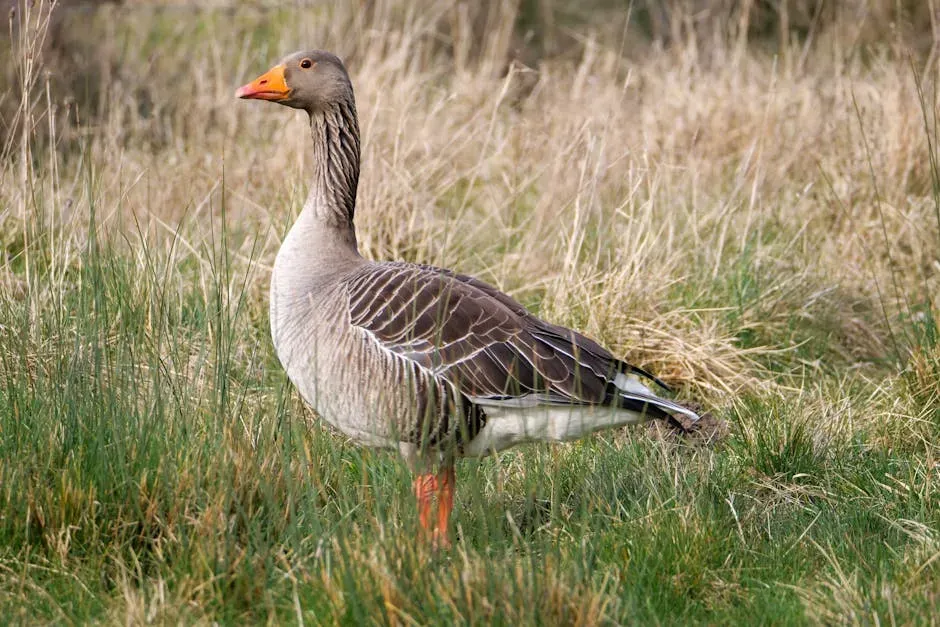
Britain’s bittern, crane, spoonbill, and egrets hit population peaks in 2023. New wetlands and restored sites welcomed booming numbers. Legal protections sealed the deal for these elusive breeders.[6]
Bitterns boomed in reedbeds once thought lost. Cranes nested widely for the first time in ages. Conservation turned the tide on drainage and persecution. Wetlands whispering with rare calls again feels like magic reborn.
Sandhill Crane Conquers the East
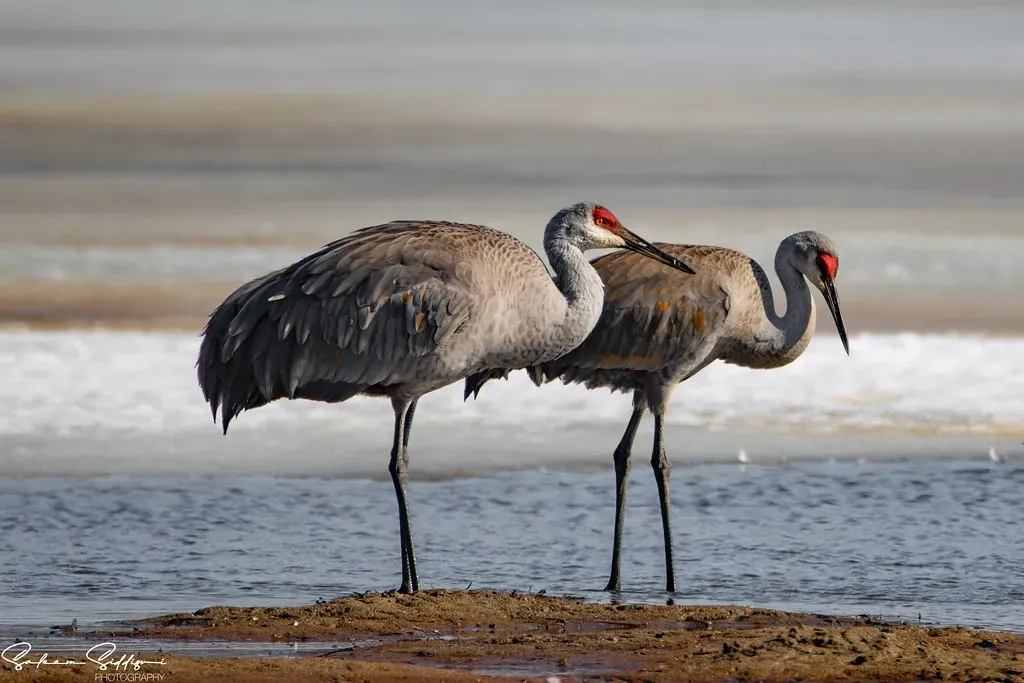
Down to three dozen pairs in the 1930s, eastern US sandhill cranes now exceed 90,000 nationwide. Wetland restoration via the Clean Water Act fueled the surge. Hunting regs let them forage fearlessly, even on golf courses.[7]
They breed from Wisconsin to New England. Crop-raiding complaints aside, tolerance grows. These ribeye-of-the-sky giants dance in suburbs. Recovery like this shows policy packs a punch.
Merlin Masters City Living
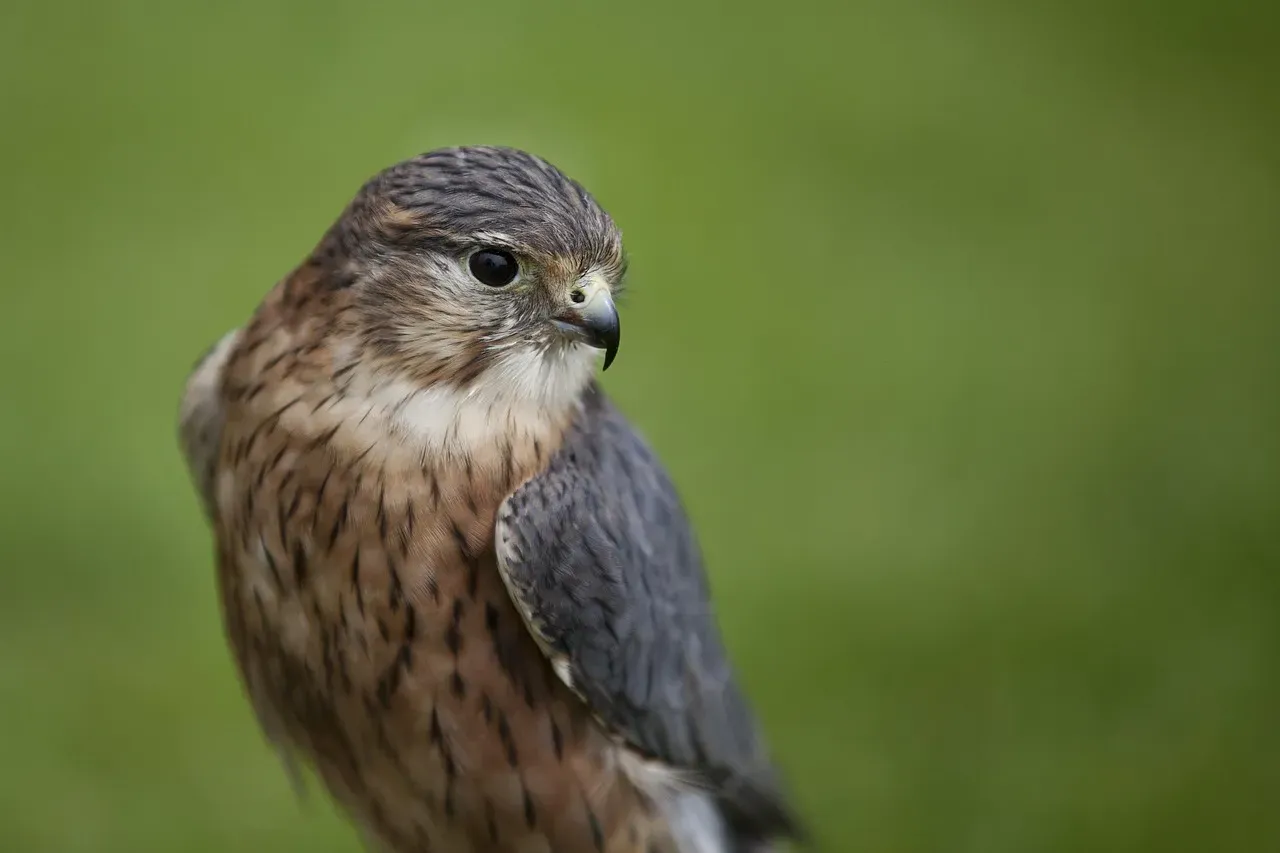
Once scarce outside northern forests, merlins now nest in every village from Canada to New York. Populations rose 3.5 percent yearly in Ontario. DDT bans and shooting halts sparked the turnaround.[7]
Crow nests in urban spruces suit them fine. Farmers once bountied them; now they’re backyard falcons. Their piercing calls mark reclaimed skies. Small but fierce, merlins prove raptors rebound fast.
Pileated Woodpecker Drums Back Strong
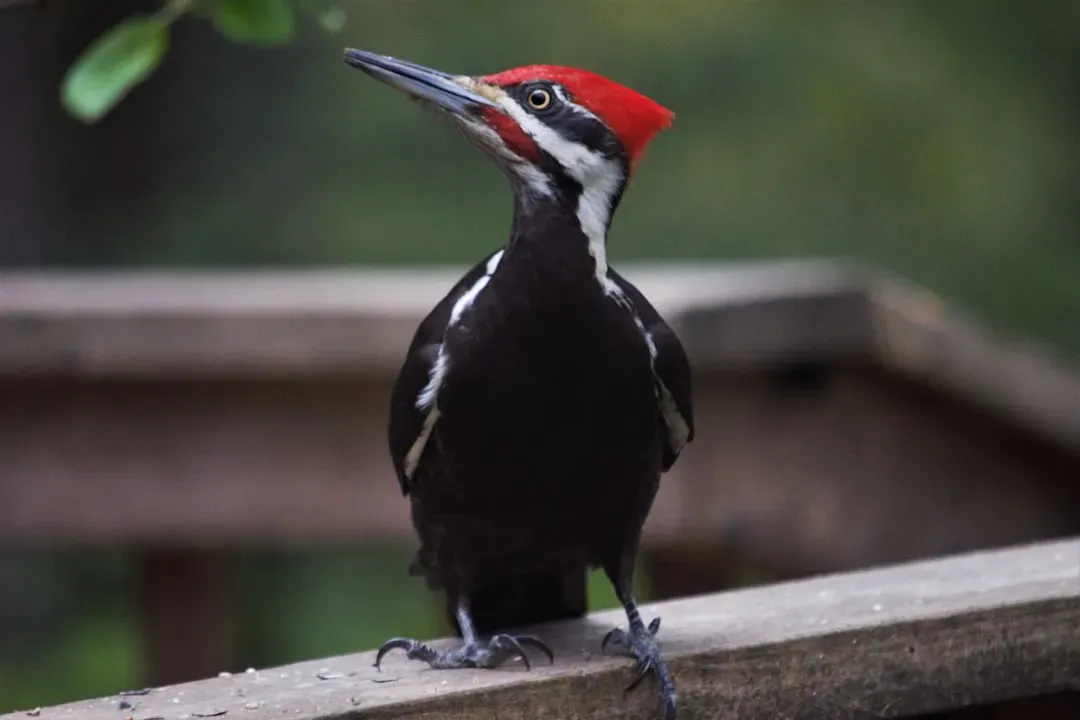
Forest clearing gutted pileated woodpeckers early last century. Regrown woods and shooting bans brought dramatic range expansion. Crow-sized with red crests, they now hammer suburban yards.[7]
Cavities they carve aid other wildlife. Ant feasts in dead trees sustain them. From rarity to feeder visitors, it’s a woodpecker’s world again. Nature heals when we step back.
A Brighter Dawn for Feathered Fighters
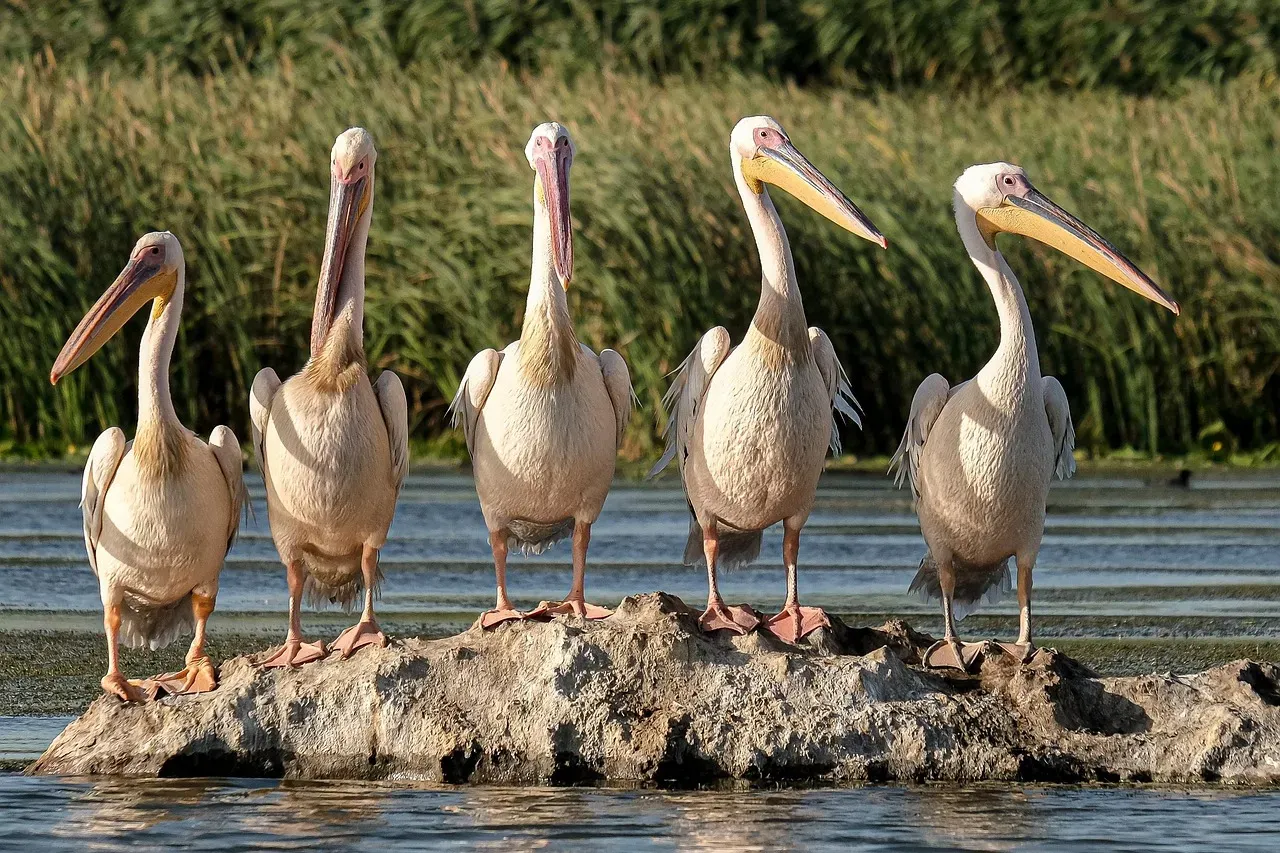
These tales – from whooping cranes to woodpeckers – highlight conservation’s power. Habitat fixes, bans on poisons, and captive boosts turned near-misses into milestones. Over 60 percent of birds still decline, but successes inspire action.[8]
Here’s the thing: every protected acre counts. Momentum builds toward self-sustaining flocks. What bird’s comeback excites you most? Share in the comments and keep the conversation flying.

- 14 Signs the Backyard Birds That Left Your Yard Are Quietly Coming Back - July 21, 2026
- 12 Cat Breeds Vets Refuse To Recommend to First Time Owners - July 21, 2026
- 6 US States With the Most Alligators - July 21, 2026