
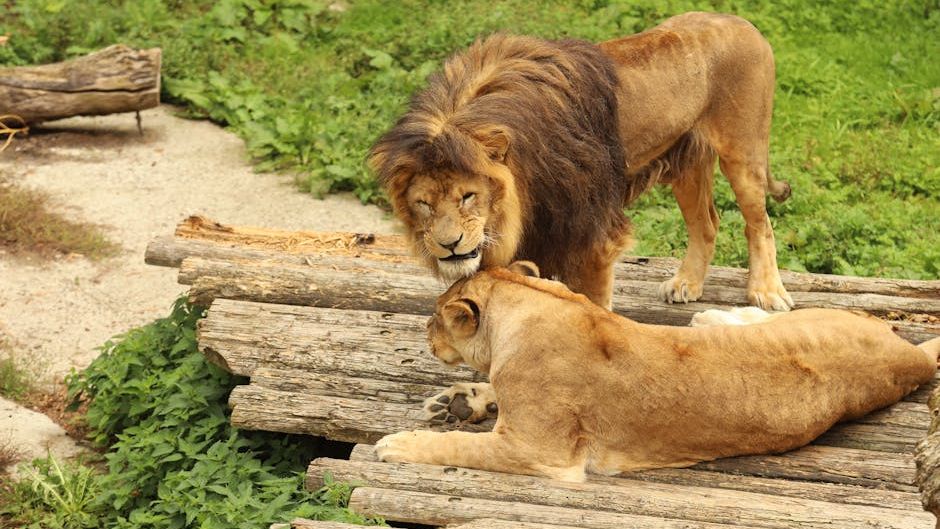
Imagine standing in the middle of a forest, surrounded by the chirps, rustles, clicks, and low rumbles of hundreds of creatures, and realizing you have been deaf to an entire universe of conversation. For thousands of years, we assumed animals made noise for simple reasons. They were hungry. They were afraid. They were mating. That was about it.
Turns out, we could not have been more wrong. The more scientists dig into the subject, the more they are uncovering layers of complexity that frankly challenge everything we thought we knew about what it means to communicate. So let’s dive in.
The Hidden Language Hiding in Plain Sight
Here is the thing about animal communication: it was never really hidden. It was everywhere, all the time. We just lacked the tools and, honestly, the humility to listen properly. Historically, Western science dismissed nonhuman animal vocalizations as simple and lacking complexity. Recent advancements in recording technology, artificial intelligence, and interdisciplinary collaborations have revealed that many species, from whales to honeybees, possess sophisticated communication systems.
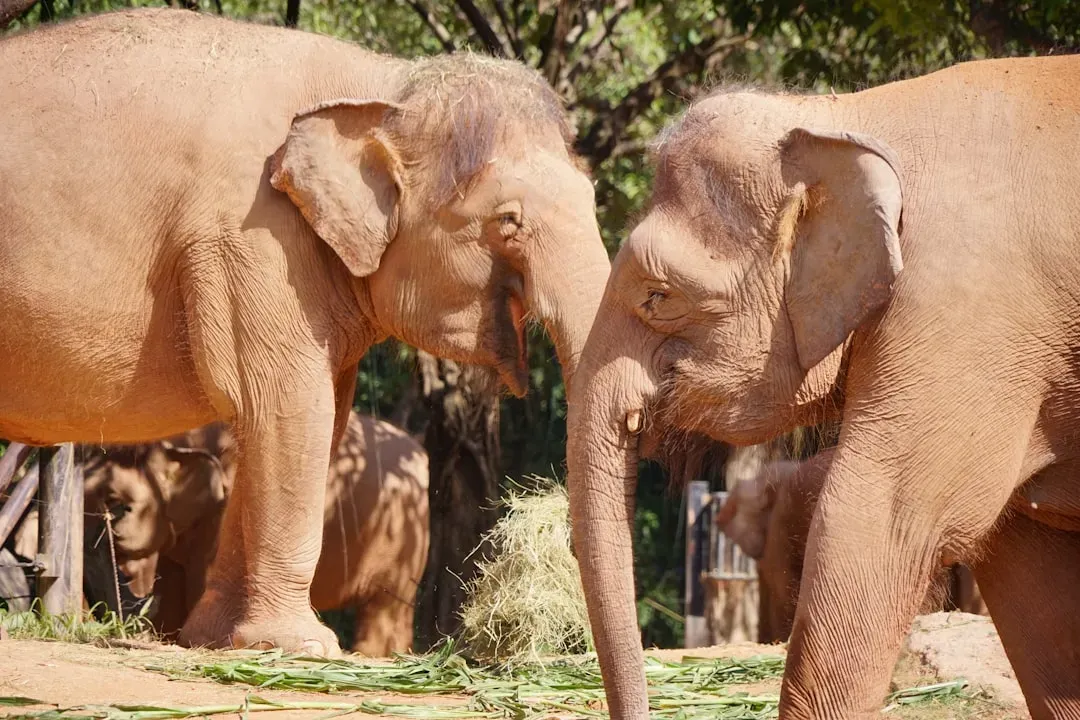
A recently published study found that African elephants have names for each other, and address one another by name. It is a significant finding, as very few creatures have this ability. It is also a reminder that when it comes to the science of animal communication, there is still a whole lot we do not know.
Only a few other animals use names for each other, as far as scientists know, including parakeets and dolphins and ravens, and they do so by mimicking each other’s calls. Elephants, by contrast, appear to come up with names for other elephants independently, without imitating another’s call, an ability that no animal other than humans was previously known to possess. Think about that for a second. They are not copying. They are inventing. That is breathtaking.
Interspecies communication research has much further to go to understand the full scope of nonhuman animal communication, which is staggeringly complex. Many species use gestures, smell, and touch to communicate, while still others use thermal, chemical, and electrical cues. Our human-centric obsession with sound-based language has been a major blind spot in the field.
AI Is Cracking the Code We Could Never Crack Alone
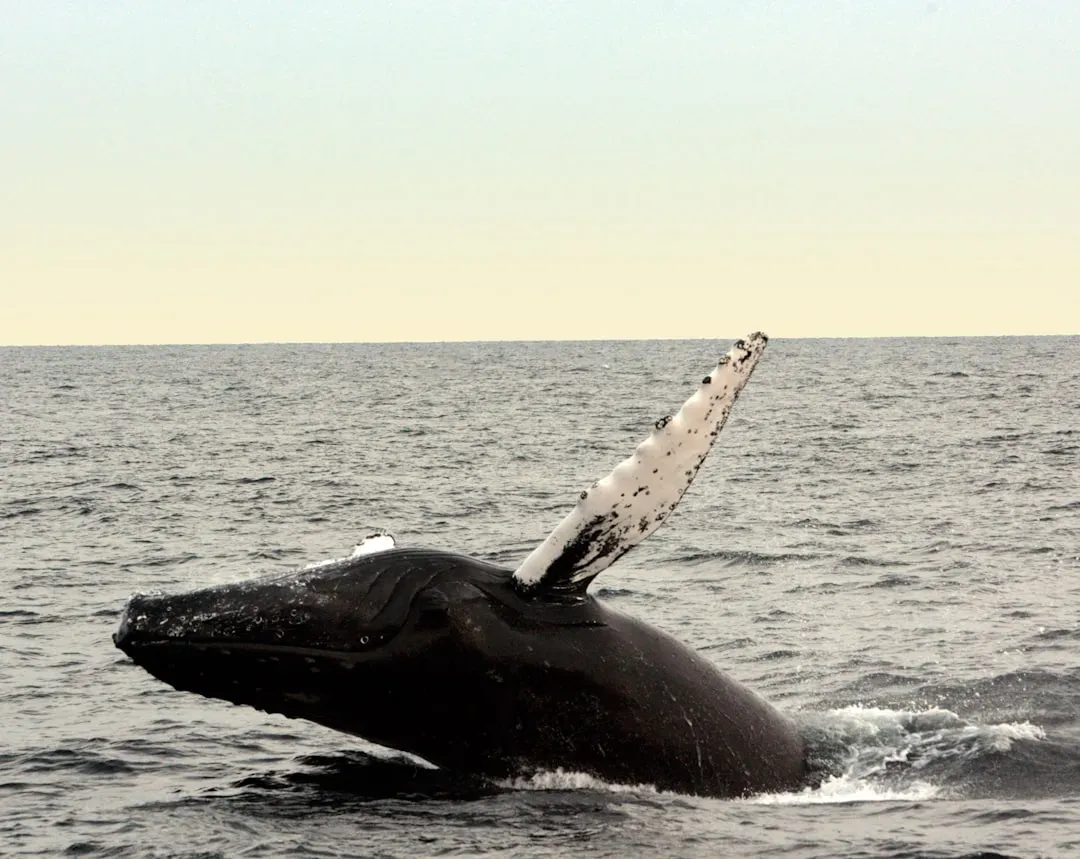
Advancements in machine learning and robotics are making possible the study of nonhuman animal communication with unprecedented depth and precision. Researchers are getting closer to identifying the unique names that elephants use for each other, understanding how moths hear the distress calls of plants, and decoding the complex sounds of sperm whales, a highly intelligent, social species whose clicks have been found to contain the equivalent of vowels and a phonetic alphabet, resembling the building blocks of human language.
I think the whale story is genuinely one of the most stunning scientific developments of recent years. Researchers now understand how sperm whales vary the rhythm, tempo, and duration of their clicks, in the same way that humans combine words in different orders with different tones to change the meaning of what they say to each other. That led to the discovery that sperm whale clicks work like an alphabet, where elements can be combined differently to mean different things.
Researchers took a dataset of known sperm whale codas and fed it to an AI model. In virtually no time, the technology spotted patterns they had missed, including differences in the intervals between certain clicks, and the occasional extra click. Borrowing terms from the musical world, they called these features “rubato” and “ornamentation” respectively. All in all, 156 distinct codas were identified. Before AI, researchers had only managed to catalogue 21. That is the scale of what we were missing.
The Earth Species Project has developed NatureLM-audio, the first large-scale audio language model tailored for animals. This innovative tool identifies species and distinguishes traits such as sex and life stage from their vocalizations. It is almost like a universal translating machine, still learning the grammar, but already reading the alphabet.
The Astonishing Complexity Lurking in Bats, Bees, and Beyond

Whales get most of the headlines, fairly enough, but the deeper you go into this research, the wilder it gets across the entire animal kingdom. Bees, for instance, are doing things that should feel borderline impossible for an insect. A researcher named Tim Landgraf of Freie Universität Berlin studies bee communication, which is vibrational and positional. When honeybees communicate with one another, it is their body movements as well as the sounds that matter. Computers and deep-learning algorithms are now able to follow this because you can use computer vision combined with natural language processing. They have perfected these algorithms to the point where they are able to track individual bees and determine what impact the communication of an individual might have on another bee.
Researchers found that bees have specific signals, and they have given these signals surprisingly funny names. Bees toot, they quack. There is a “hush” or “stop” signal, and a whooping “danger” signal. Honestly, that is more nuanced than some office meetings I have sat through.
After analyzing almost 15,000 distinct bat sounds, researchers found that a single vocalization can contain information about who the speaker bat is, the reason the vocalization is being made, the speaker bat’s current behavior, and the intended recipient of the call. Rather than using “names” for each other as elephants do, the bats used different intonations of the same “words” to signal who they were talking to. The study also found that when bats talk, they are usually arguing.
Other researchers are working on understanding sperm whale communications, and there is even research into honeybees that analyzes the body movement and sounds of bees in order to understand what they are communicating. Much interspecies communication work has centered on cetaceans, but technologies are now emerging that can be used to study the communication systems of any species that uses auditory signals, including terrestrial mammals, birds, amphibians, and even insects.
The Limits of the Science: What We Still Cannot Hear
Let’s be real. This science is not all triumphant breakthroughs. There are genuine, fundamental walls that researchers are running into. Neuroecologist Yossi Yovel, who studies communication in Egyptian fruit bats at Tel Aviv University in Israel, says that machine learning and the breakthroughs it has led to will not be able to break all the language barriers between humans and other animals. Human scientists can study animal behaviors in contexts we can see and understand, such as fighting, eating, sleeping, and mating. But what if the animals are behaving in ways that humans cannot even imagine, because they are so different from what we can think of?
Sperm whales and belugas navigate the world using clicks. Most humans cannot picture what it would look like to navigate the world entirely using sound rather than sight. It is a bit like trying to understand color if you have never had vision. Some experiences simply do not translate.
As good as language models are at finding patterns, they are not actually deciphering meaning, and they are definitely not always right. Even AI experts often do not understand how algorithms arrive at their conclusions, making them harder to validate. This is a critical limitation that the field is still working through.
Some of the thorny questions surrounding interspecies communication are ones that animal communication researchers have always grappled with. Is it an invasion of privacy to record animals without their consent? What are the welfare impacts of broadcasting the sounds of predators to songbirds to test how they respond? What welfare concerns might arise from playing animals signals whose meanings we do not yet know? It is hard to say for sure where the ethical line is, but it is clearly a conversation we need to have urgently.
What This Means for Animal Welfare, Conservation, and Our Own Humanity
Legal researchers argue that an understanding of animal communication could force us to reevaluate our current approaches to animal welfare, conservation, and animal rights. If a chicken living in a modern factory farm could communicate distress caused by living amid ammonia fumes emitted from their own waste, it might cause farmers to reevaluate keeping so many birds packed together in the same building. That is not a hypothetical concern. That is a real possibility drawing closer every year.
Increasing our understanding of animal language could shift how people emotionally relate to other animals. Research shows that when humans take on each other’s perspectives, that leads to increased empathy. Increasing our ability to communicate with animals could plausibly increase our empathy toward them as well.
CETI’s research on sperm whales demonstrates that these highly auditory and social beings have communication systems with linguistic complexity. Research from the More-Than-Human Life Program at NYU Law suggests that these findings offer solid evidence for strengthening the implementation of existing laws, influencing court rulings in different countries, and even catalyzing new rights for sperm whales and other cetaceans.
By 2030, the Earth Species Project expects significant breakthroughs in understanding animal communications. The nonprofit has recently secured $17 million in funding to expand its research team and refine its tools, signaling what they describe as an “exponential takeoff” in bioacoustics. The momentum is real and it is building fast.
Conclusion: Are We Finally Ready to Listen?
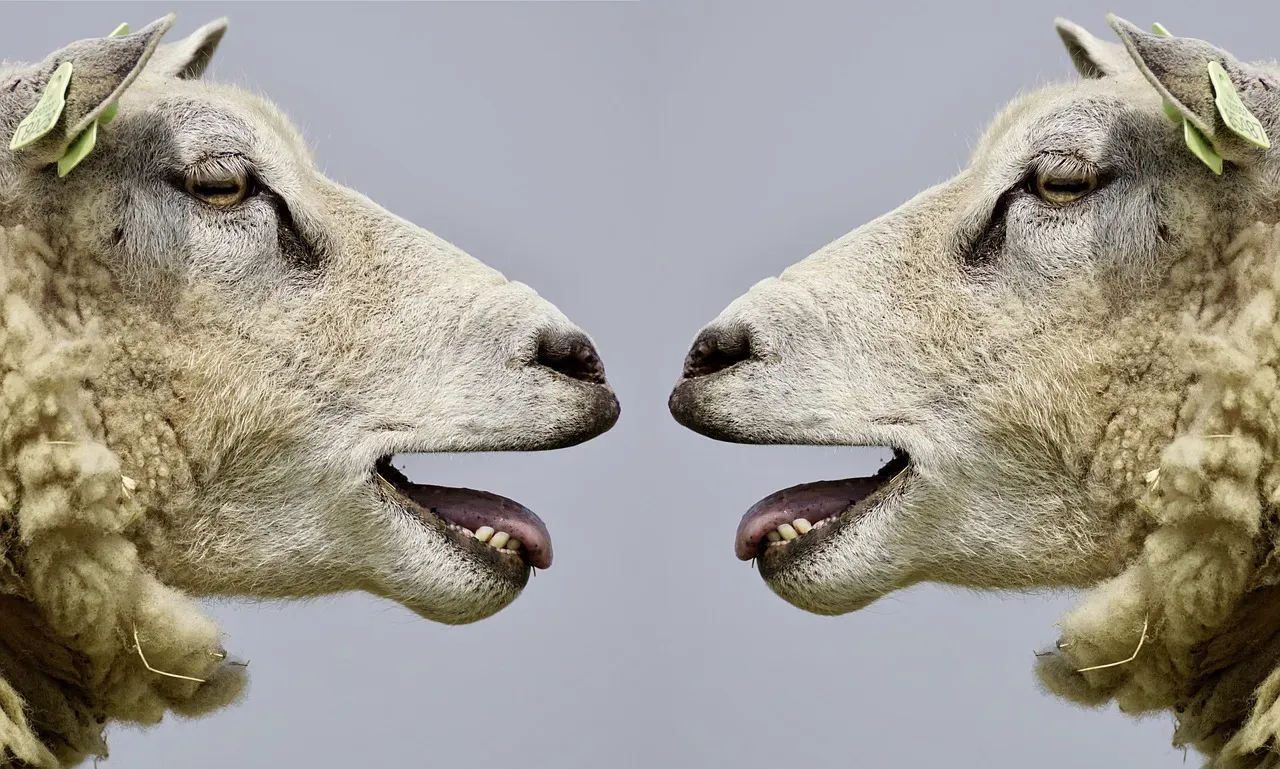
There is something deeply moving, and maybe a little uncomfortable, about realizing that we have been surrounded by intelligent, emotional, communicating creatures for our entire existence as a species, and we spent most of that time assuming they had nothing meaningful to say. Scientists now have the tools and capabilities to assemble and analyze the massive datasets needed to move beyond speculation, towards translation and even interspecies communication. Much like the microscope and telescope revealed hidden realms of our inner and outer worlds, new technologies are unveiling messages beyond the reach of the human senses.
With exponential advances in AI and large language models, decoding animal communication is no longer a question of if, it is a question of when. That shift, from possibility to inevitability, is monumental. It reframes not just science, but our entire moral relationship with the planet.
The real question is not whether we will crack the code. We will. The question is what kind of species we choose to be once we do. Will we listen, truly listen, and act accordingly? Or will we find yet another way to tune out what we do not want to hear?
What do you think this discovery will change first, our laws, our food systems, or our hearts? Tell us in the comments.

- 14 Quiet Signs Your Dog Knows Its Time Is Near and Wants You Close - July 22, 2026
- 10 Falcon Facts That Will Blow Your Mind - July 22, 2026
- 5 Incredible Migratory Journeys Animals Make Every Year - July 22, 2026