

Few wildlife sights in America are more breathtaking than a massive bighorn ram standing motionless on a sheer cliff face, his curled horns catching the morning light like polished bronze. These animals are ancient, rugged, and surprisingly rare. Virtually all mountain ranges in North America once supported large bighorn sheep populations totaling somewhere between one and a half to two million animals before European settlement. Today, that number sits at roughly 80,000. That’s a staggering collapse, and yet the story of how certain states brought them back from the edge is one of the great conservation tales of our time.
So which states are doing the most to keep these iconic animals thriving? Some answers are obvious. Others will genuinely surprise you. Let’s dive in.
Colorado: The Rocky Mountain Giant
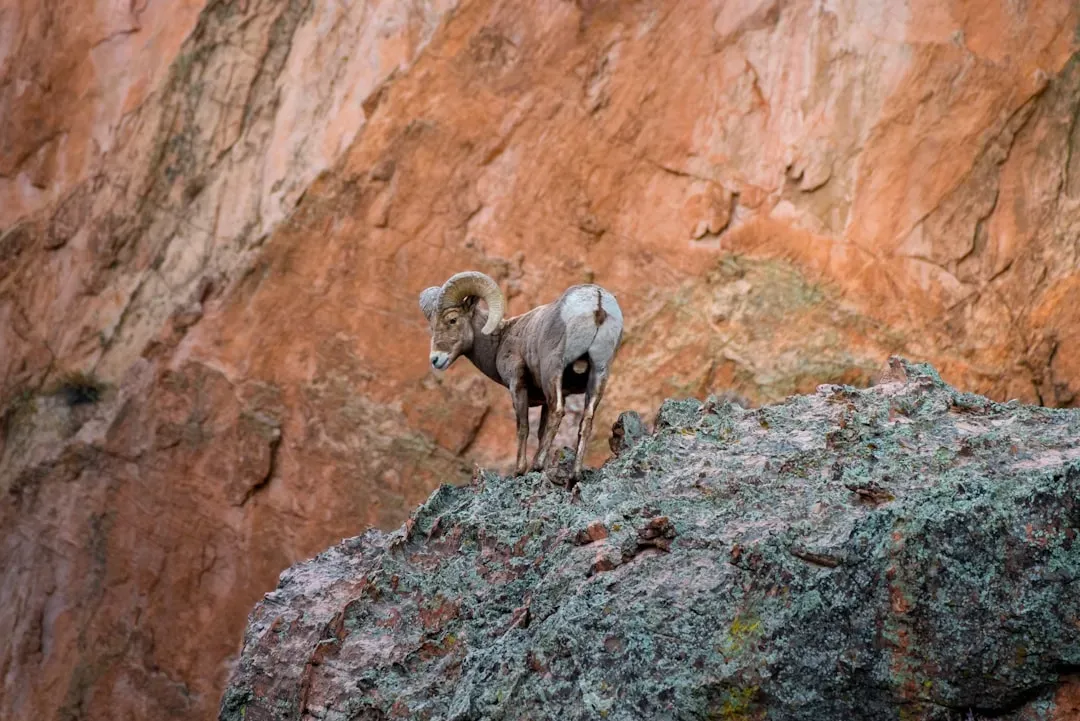
If there’s one state that has gone all-in on bighorn sheep recovery, it’s Colorado. The numbers here are nothing short of impressive. Colorado’s statewide bighorn population is estimated at around 7,000 animals, down slightly from a contemporary peak of 7,500 reached in both 2001 and 2022, though the statewide count has averaged 7,100 over the last 25 years.
Colorado implemented a fairly aggressive trap and transplant program throughout the 1970s, 1980s and early 1990s to expand the range and populations in the state, resulting in a rise from about 2,000 animals in the 1950s to approximately 7,000 today. That’s the kind of persistent, science-driven management that deserves real recognition. From 1945 to the present, Colorado conducted approximately 150 translocations of 2,500 Rocky Mountain bighorn sheep, most of which occurred during the 1980s and 1990s, with approximately 55% of current herds resulting from those reintroductions.
Montana: Land of the Giants

Montana has a reputation, and honestly it has earned every bit of it. Sheep hunting is popular in Montana, and the state has earned the nickname “Land of the Giants” because of its large population of bighorn sheep. There is something almost mythological about the sheer scale of the rams that come out of this state.
There are now 45 populations of bighorns across Montana, with 36 sustaining limited hunting. Officials estimate that 5,700 bighorn sheep inhabit Montana, excluding Yellowstone and Glacier National Parks. The recovery here has been remarkable. Montana’s bighorn sheep population is a conservation success story, having gone from fewer than 1,000 animals in the 1940s to an estimated 5,000 sheep now, with the state currently growing some of the biggest rams in the world.
Arizona: Desert Powerhouse
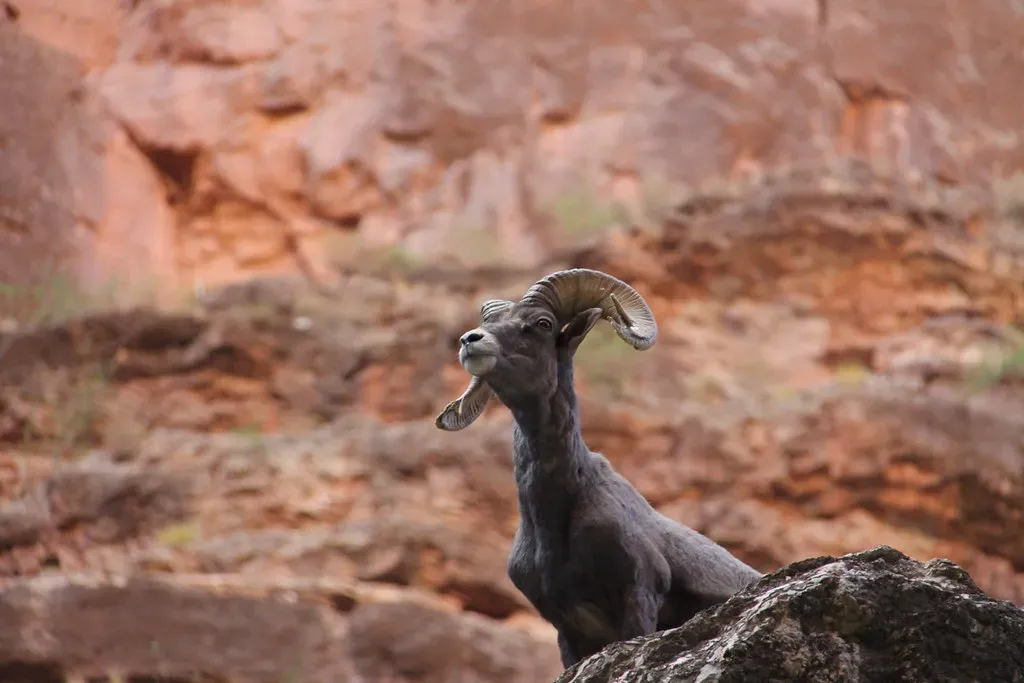
Arizona doesn’t have the snow-capped drama of Montana or Colorado, but its bighorn story is no less compelling. Here the desert heat turns up the challenge for both the animals and the scientists trying to protect them. Arizona’s bighorn sheep population consists of both Rocky Mountain and desert subspecies, and is currently estimated at about 6,000 animals.
Let’s be real, maintaining thousands of bighorn sheep in extreme desert heat, with limited water sources and encroaching human development, is an enormous undertaking. The causes for significant past population declines were largely attributed to exposure to livestock-born parasites and diseases, though thanks to aggressive efforts in translocating sheep and creating livestock-free refuges, Arizona wildlife management has been able to curb the decline and slowly help the bighorn population edge upward. Quietly, Arizona has become one of the most important bighorn strongholds in the entire country.
Nevada: The Desert Bighorn’s True Home
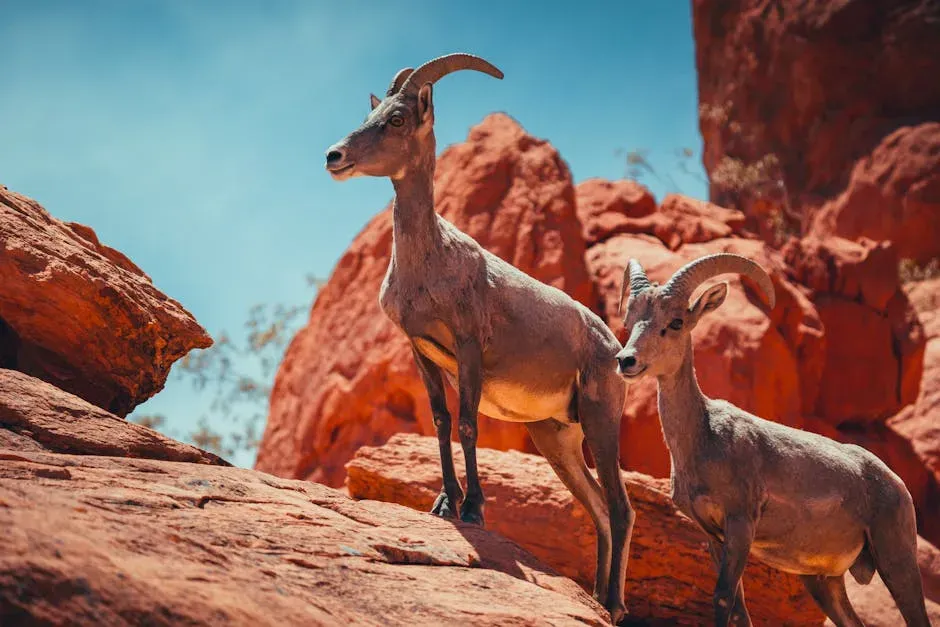
Nevada holds a special place in the bighorn world. It’s worth noting that the desert bighorn sheep is the state mammal of Nevada, a designation that speaks volumes about just how deeply this animal is woven into the state’s identity. Nevada is, in many ways, bighorn country by definition.
Nelson bighorn sheep are the most abundant of the desert bighorn races, numbering approximately 13,000 rangewide, and these bighorn are found in California, Nevada, Utah, and Arizona. Nevada holds a significant share of this population across its vast desert basin ranges. Desert bighorn sheep populations have trended upward since the 1960s, and Nevada has benefited enormously from that recovery arc. The sheer expanse of undeveloped desert terrain in Nevada offers these animals something increasingly rare: space.
California: Complexity and Comeback
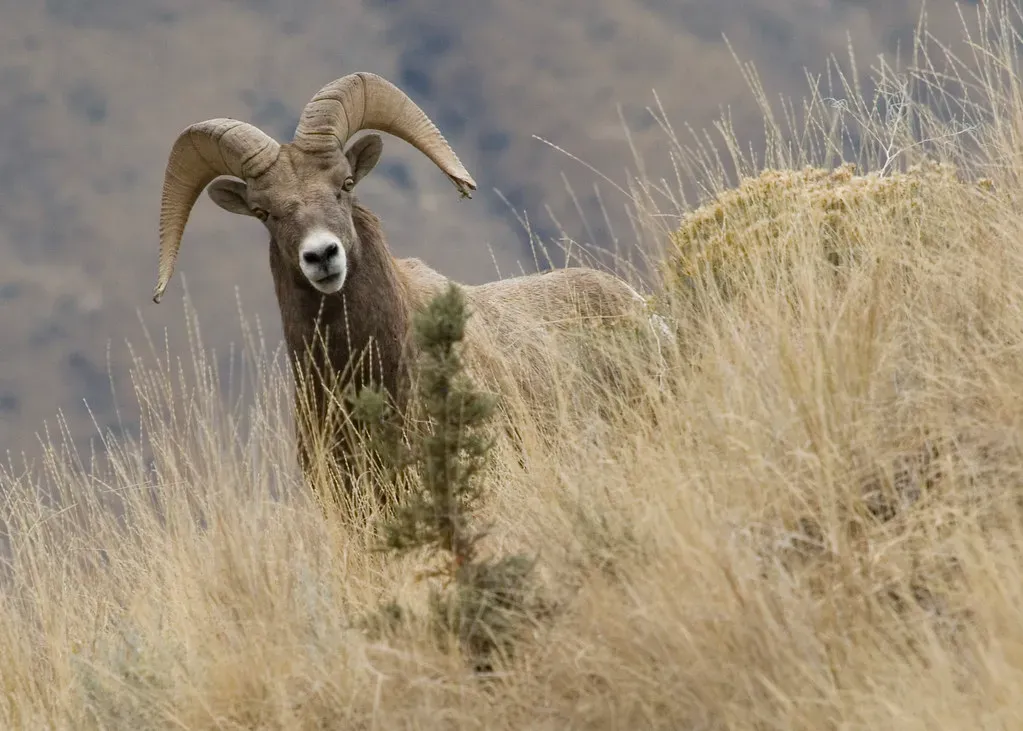
California’s bighorn situation is genuinely complicated. The state hosts multiple subspecies across wildly different landscapes, from the scorching Mojave Desert to the high Sierra Nevada. The desert and Sierra Nevada subspecies are both found in California. California’s population was estimated at 5,000 desert bighorn sheep, though expert opinion suggests a decrease of roughly 10%, attributed to impacts of drought and disease on recruitment.
The infrastructure challenges here are real. Historically, California’s desert bighorn sheep formed one large interconnected population, but three freeways have divided this metapopulation into six fragments, as clearly shown by both genetic and movement data, making re-establishing genetic connectivity one of the top priorities for California’s desert bighorn sheep program. Meanwhile, the Sierra Nevada bighorn, with a population of about 300, and the Peninsular bighorn, with a population of about 800, are listed as endangered both federally and in California due to low populations and ongoing threats. California’s story is part triumph, part ongoing battle.
Wyoming: The Whiskey Basin Legacy
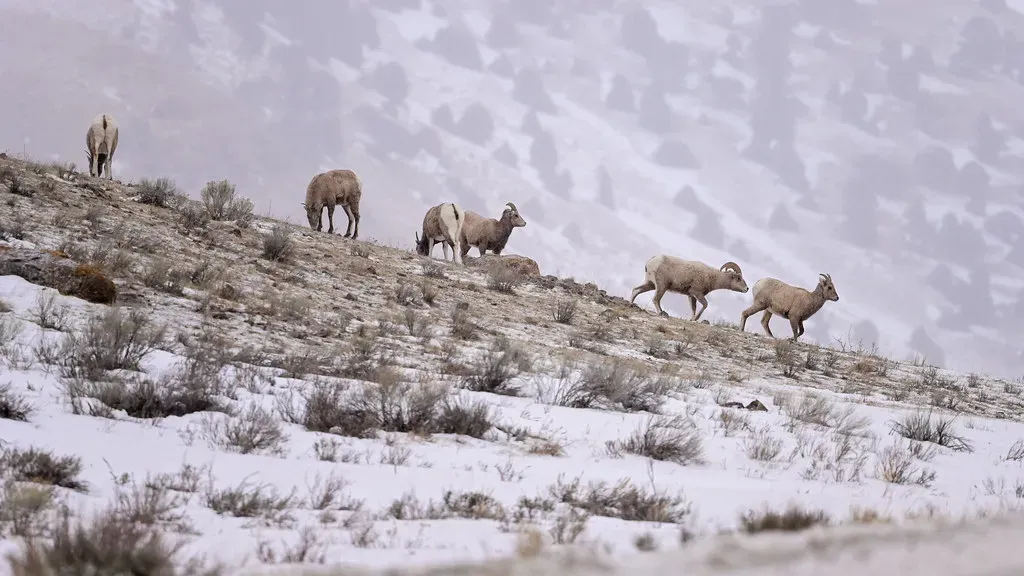
Wyoming may not always get top billing in bighorn conversations, but it probably should. The state hosts some extraordinary concentrations of Rocky Mountain bighorns, particularly in the Absaroka, Teton, Gros Ventre, and Wind River mountain ranges. In Wyoming, the subspecies O. c. canadensis occurs in four core herds in the Absaroka, Teton, Gros Ventre, and Wind River mountain ranges.
The Whiskey Basin area in Wyoming is particularly legendary among wildlife biologists and hunters alike. In an effort to restore populations, nearly 1,500 separate translocations of bighorn sheep have been conducted throughout the United States and Canada, and in Wyoming, almost all of the 74 translocations conducted to date have involved sheep from the Whiskey Basin herd to other locations in Wyoming. Think of Whiskey Basin as Wyoming’s bighorn sheep nursery, the source population that has seeded recovery efforts across the entire state for decades.
The Bigger Picture: A Story Still Being Written
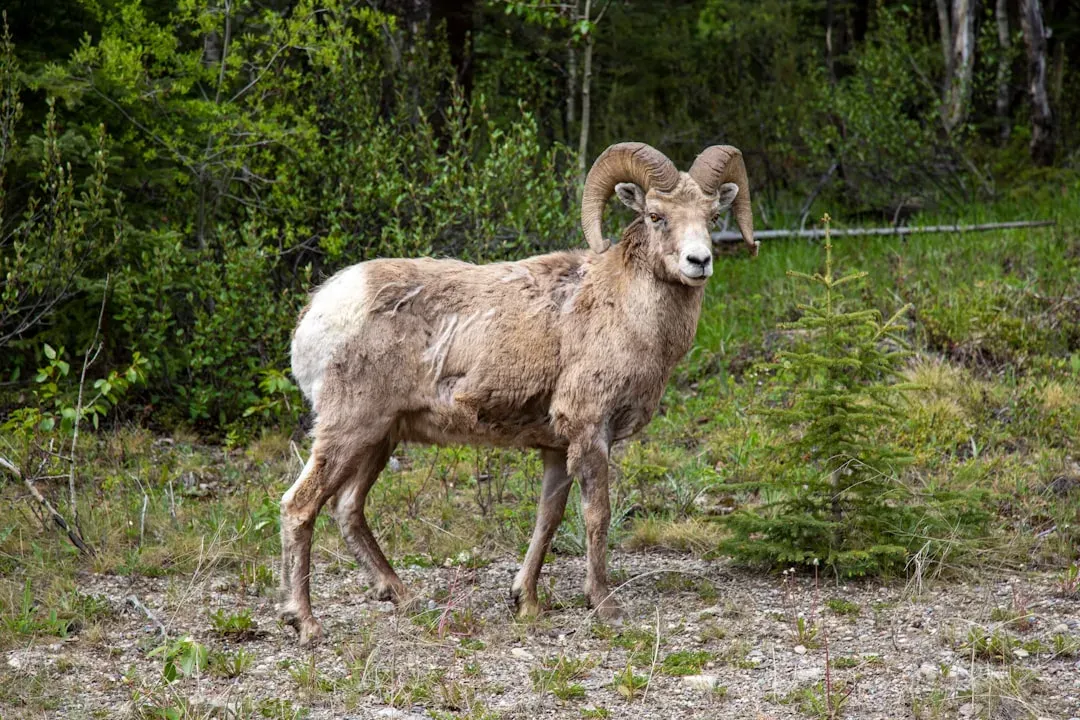
Stepping back and looking at the full national picture, it’s both encouraging and sobering at the same time. There are currently an estimated approximately 80,000 wild bighorn sheep in North America, representing a fourfold increase compared to the beginning of restoration efforts, but still likely at least a tenfold decrease from historic numbers. Progress, yes. But there’s still a long road ahead.
The threats facing bighorn sheep today are relentless. Many bighorn sheep populations in the United States experience regular outbreaks of infectious pneumonia, likely resulting from the introduction of bacterial pathogens carried asymptomatically in domestic sheep, and once introduced, these pathogens can transmit rapidly through a bighorn population, resulting in all-age die-offs that sometimes kill up to 90% of the population. Beyond disease, numerous individual mountain ranges no longer support bighorn populations, and major interstate highways have cut off once-connected mountain ranges. The five states highlighted here represent the best of what’s possible when wildlife management is done with long-term commitment and real scientific investment.
Conclusion: Why These Animals Matter So Much
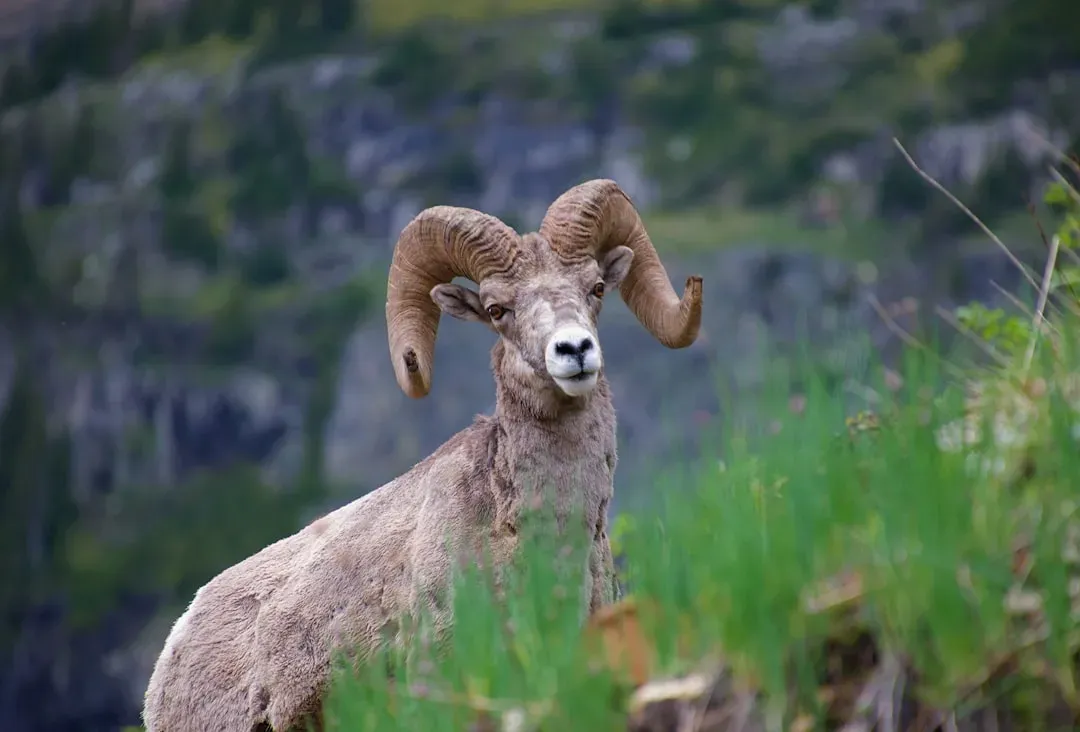
Bighorn sheep are not just a trophy or a symbol. They are living indicators of healthy, functioning wilderness ecosystems. When they thrive, it tells you something deeply reassuring about the land they live on. When they disappear, it tells you the opposite. Colorado, Montana, Arizona, Nevada, California, and Wyoming are doing the hard work that conservation actually demands, not just protecting land on paper but actively managing, monitoring, and sometimes physically moving animals from one mountain range to another.
The fact that these states collectively support tens of thousands of animals that once nearly vanished from the continent is genuinely extraordinary. Conservation efforts, including the reduction in bighorn hunting licenses, transplant programs, the establishment of natural parks and wildlife refuges, and reintroduction programs, have helped curb the bighorn’s rapid decline and even enabled the population to slightly rebound, though bighorns today still only occupy a fraction of their former range. The job is nowhere near finished. These animals deserve every bit of effort still to come.
It’s hard not to feel something when you realize how close we came to losing them entirely. What would it take to bring them all the way back? That’s the question worth asking. What do you think about it? Let us know in the comments.
