
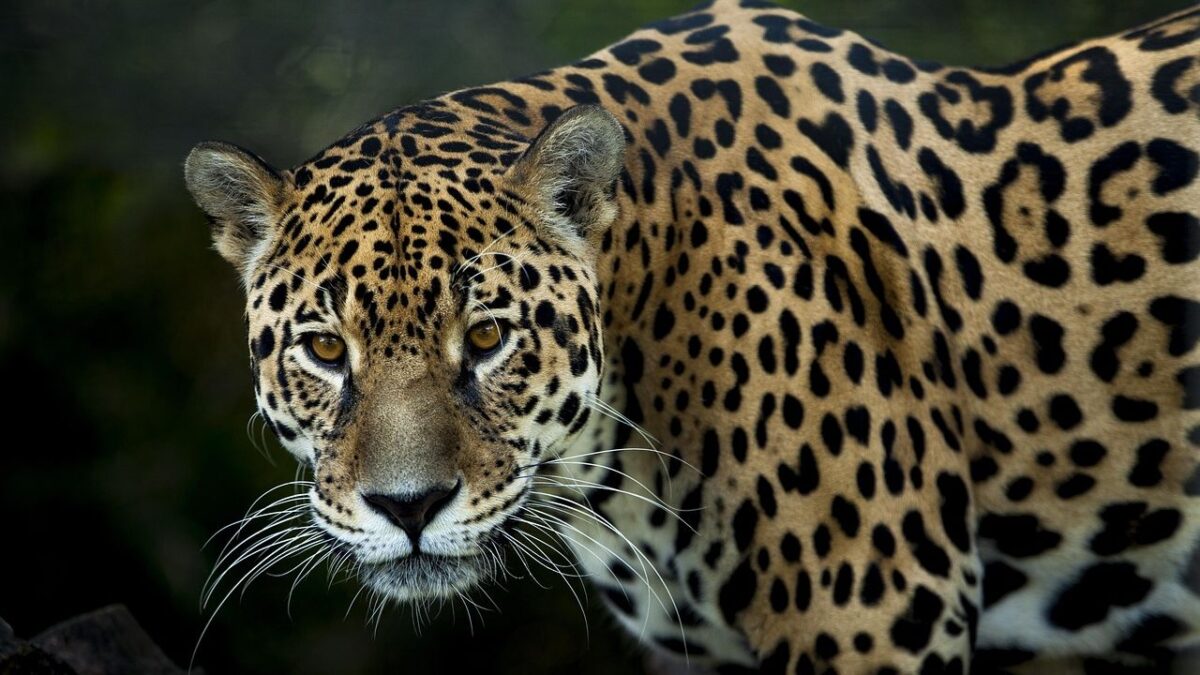
Few animals on this planet carry the kind of raw, electrifying power that a jaguar does. This is a creature that doesn’t just dominate its environment – it defines it. Stealthy, striking, and ferociously capable, the jaguar is not your average big cat story.
From cracking open turtle shells to outswimming rivers and outrunning most things that dare to run, the jaguar is in a league of its own. There’s so much more to this animal than its legendary spots. Let’s dive in.
The Americas’ Undisputed Heavyweight Champion
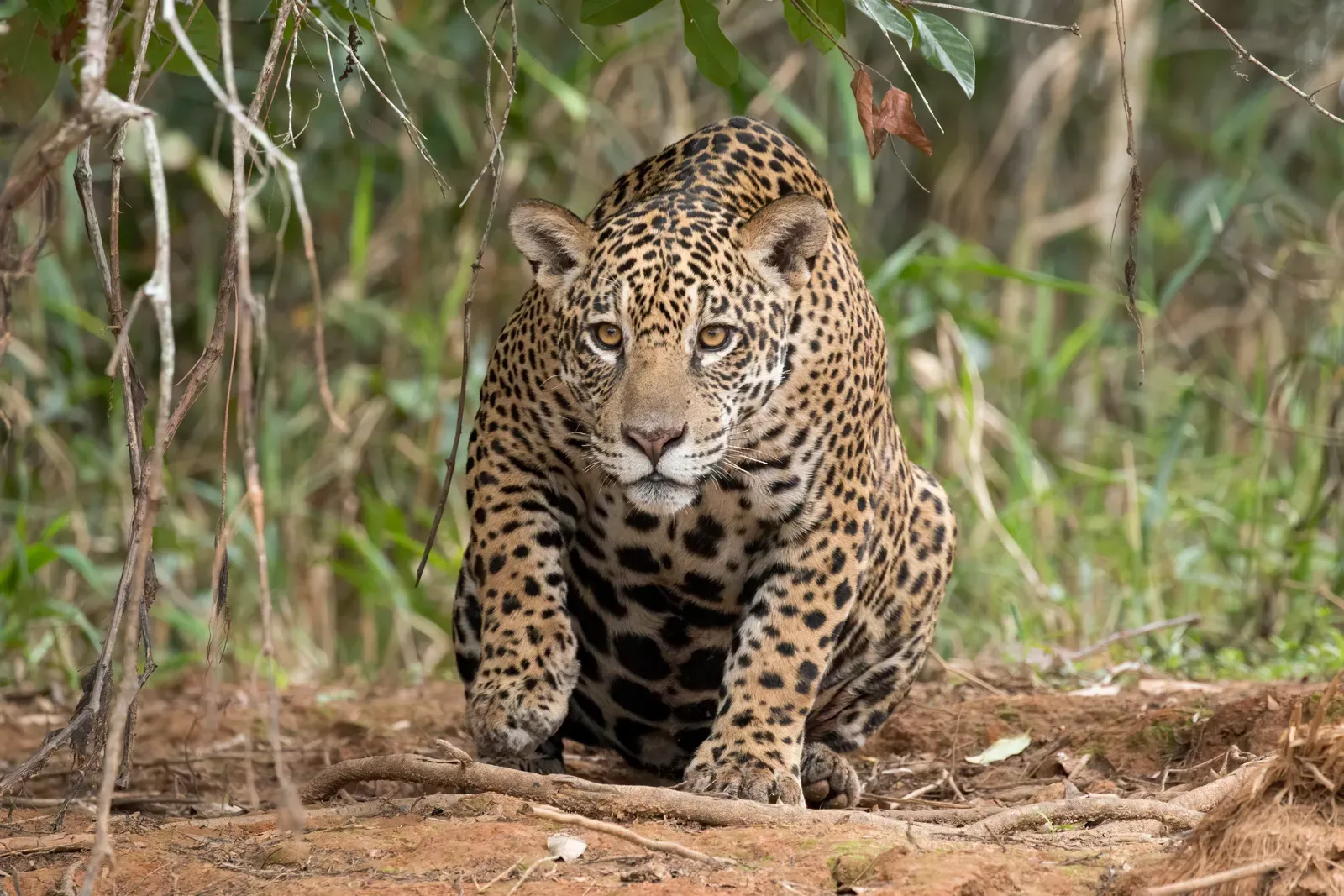
You might assume lions or tigers hold all the big cat records, but here’s the thing – in the entire western hemisphere, no cat comes close to the jaguar. With a body length of up to 1.85 meters and a weight of up to 158 kilograms, it is the biggest cat species in the Americas and the third largest in the world. That’s a remarkable amount of animal packed into such a relatively compact frame.
To put it in context, jaguars are about half the weight of a lion, but more than double that of a cheetah. Think about that for a second. They’re nowhere near the size of a lion, yet they punch so far above their weight class it’s almost unfair. These large cats combine raw power with remarkable agility, allowing them to climb effortlessly, swim expertly, and navigate through dense jungle terrain undetected.
A Bite That Breaks Bones and Shatters Records
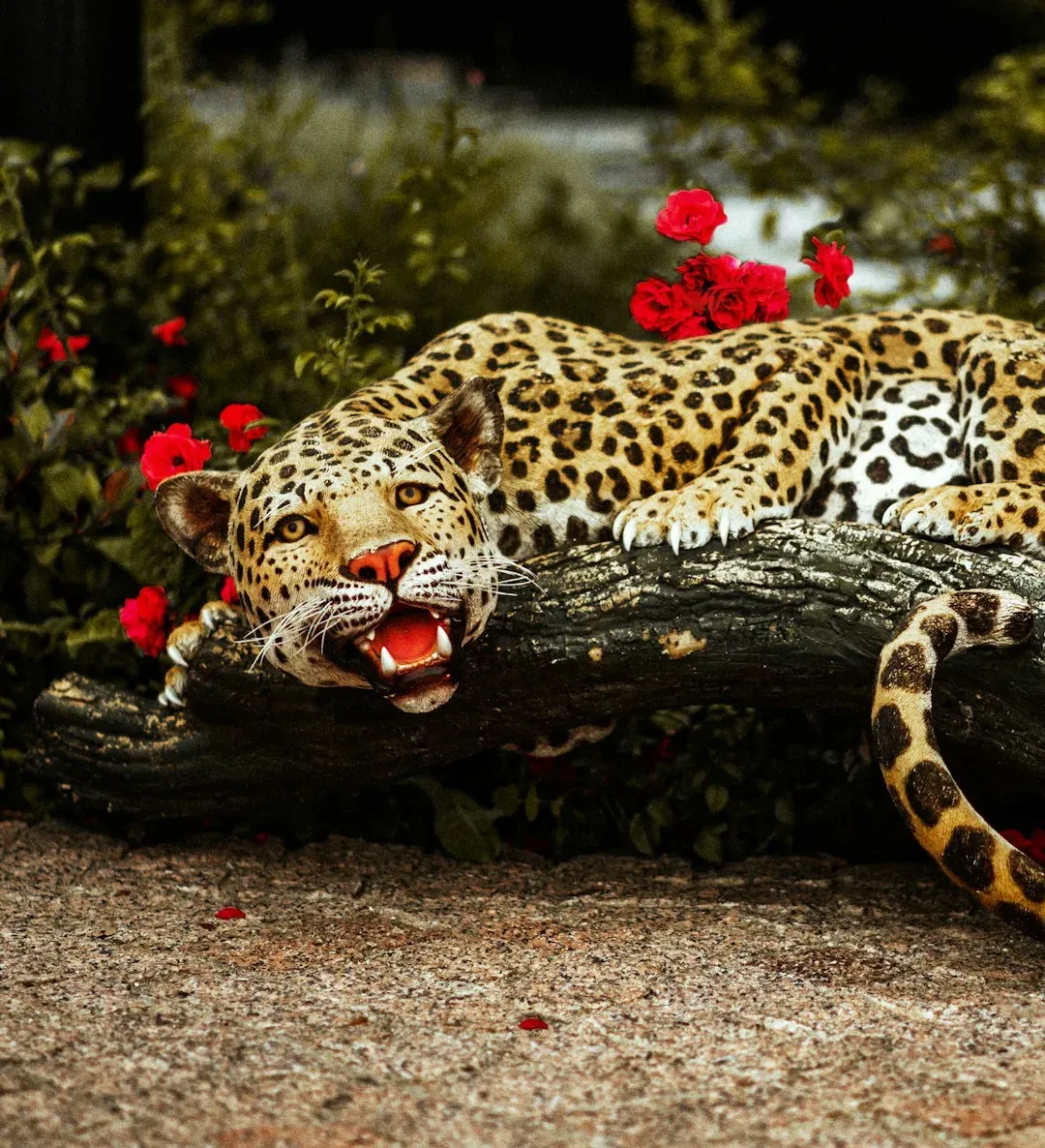
Honestly, if there’s one fact that should stop you in your tracks, it’s this. Pound for pound, jaguars have the strongest bite of all big cats, with crushing power that easily pierces through the toughest hides, skins, or shells. We’re not talking about a firm chomp here. We’re talking about something genuinely terrifying.
Their powerful bite force, measured at around 1,500 PSI, allows them to cut through bone effortlessly. The jaguar’s cutting power and killing ability are truly remarkable. With a bone-piercing bite force of around 1,500 PSI, they can easily tear through tough hide and puncture thick skin, making them formidable predators. To get a sense of just how extraordinary that is, the jaguar has the strongest bite of any big cat relative to its size. Research comparing the bite forces of nine different cat species reveals that a jaguar’s bite force is only three-quarters as strong as a tiger’s. However, given that jaguars are considerably smaller, relatively speaking their bite is stronger.
The Skull-Crushing Kill That Sets Them Apart
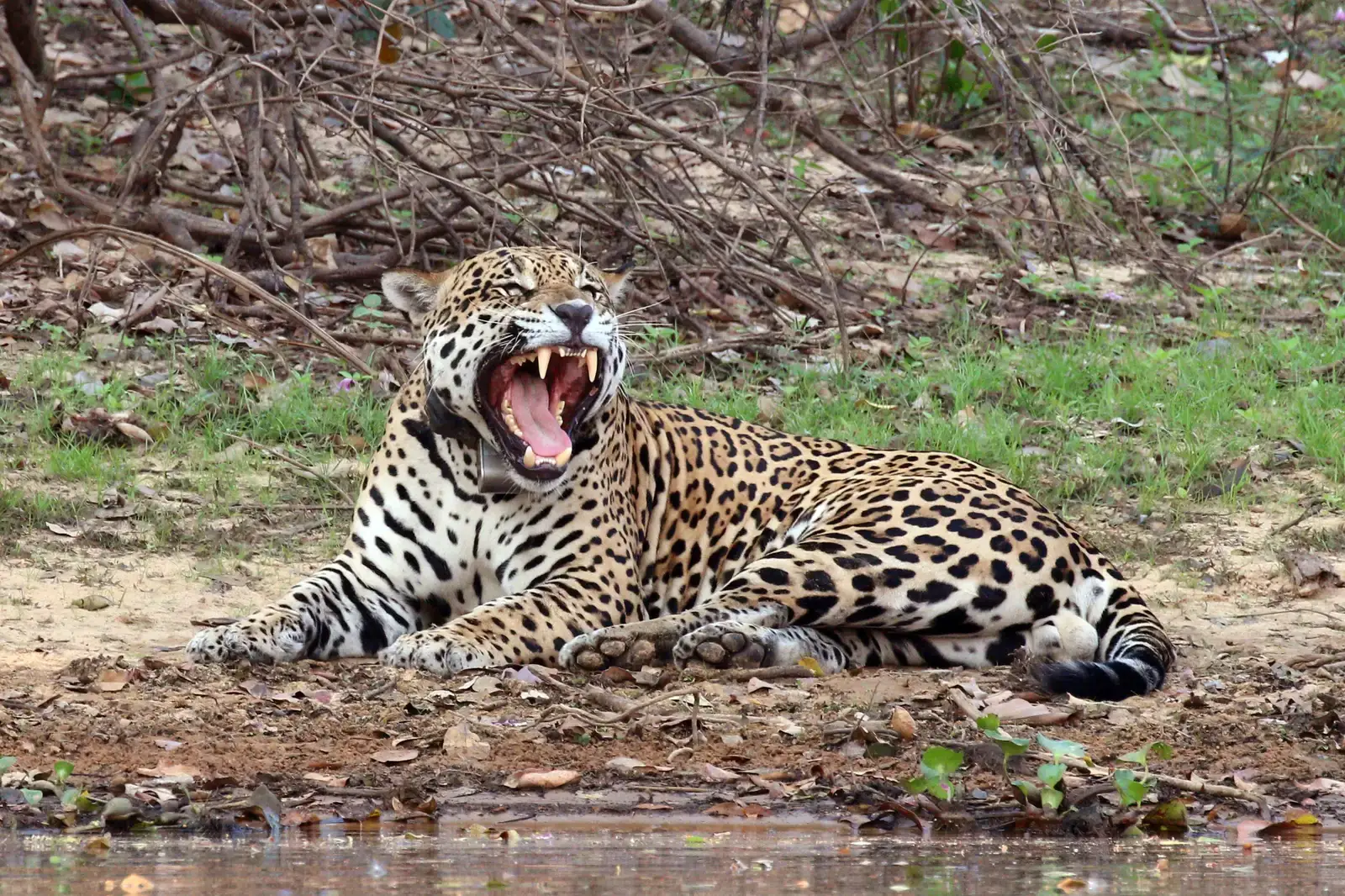
Unlike other big cats that kill by suffocation, jaguars bite directly into the skull or spine, delivering an instant, lethal attack. This is not how lions do it. It’s not how tigers do it. It’s a killing method that is uniquely, chillingly jaguar.
The jaguar’s powerful bite allows it to pierce the carapaces of turtles and tortoises, and to employ an unusual killing method: it bites directly through the skull of mammalian prey between the ears to deliver a fatal blow to the brain. A unique aspect of the jaguar’s hunting technique is targeting the skull or neck vertebrae of prey, rapidly killing them by piercing the brain or severing the spinal cord. This efficient method enables jaguars to avoid a prolonged struggle with their target and minimizes the risk of injury.
A Name That Says It All
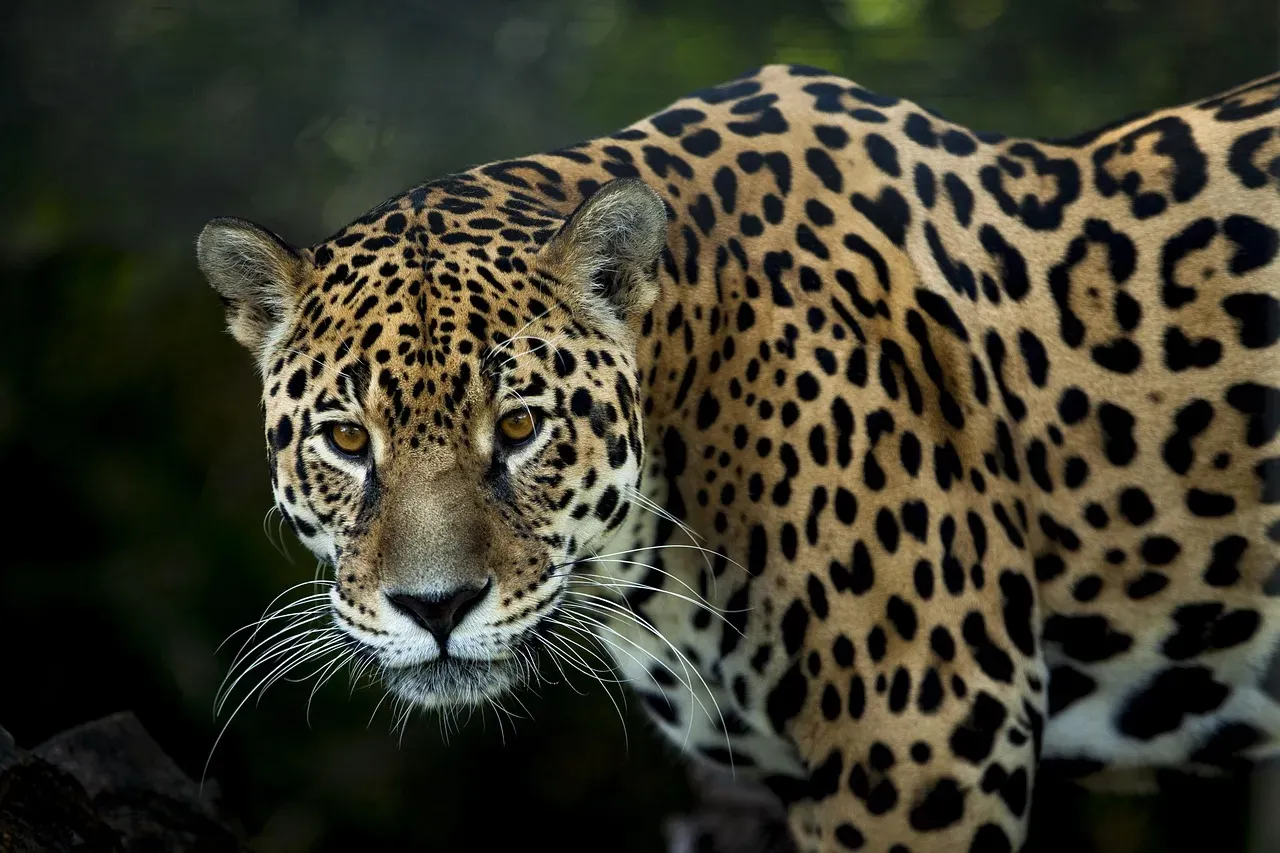
Even the jaguar’s name carries a story worth telling. The name jaguar comes from the Native American word “yaguar,” which means “he who kills with one leap.” I think that’s one of the most perfectly accurate animal names in existence. No spin, no embellishment – just pure, brutal truth baked right into the word itself.
Revered as warriors, deities, spirits, and ancestors through the span of history, jaguars are the only big cats native to the Americas and have held a special place in indigenous cultures across their wide range. This isn’t just a wild animal. It’s a living symbol that entire civilizations built mythology around, and honestly, it’s not hard to see why.
Speed, Stealth, and the Art of the Ambush
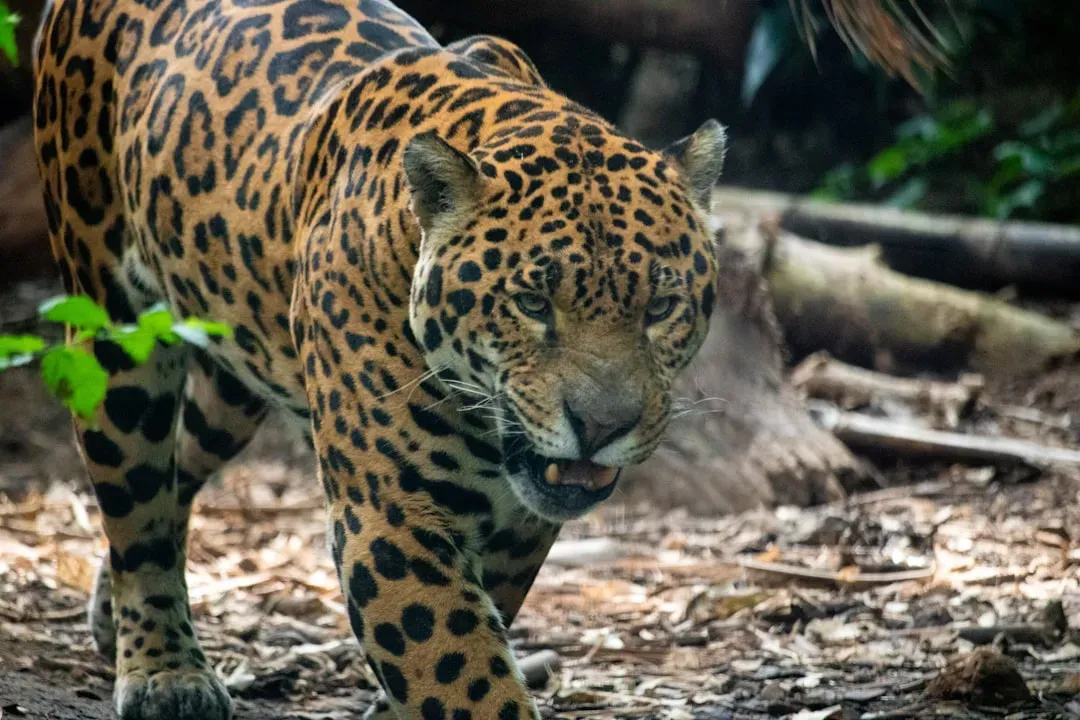
Jaguars can run nearly 50 miles per hour. The lives of jaguars are quite fascinating, but blink, and you could miss them. That’s because, while they’re not as fast as cheetahs, jaguars come in second place and can still run upwards of 50 miles per hour. Speed is one weapon. Stealth is the other, and it may be the deadlier of the two.
Jaguars are solitary hunters, relying on the element of surprise and ambush to catch unsuspecting prey. Their powerful bite is an extension of this behavior, providing them with the means to quickly incapacitate their target before it can escape or fight back. This hunting style is crucial for survival in their often dense and competitive ecosystems. Think of them less like sprinters and more like perfectly calibrated traps that happen to be able to outrun almost everything.
Water Lovers in a World of Land Predators
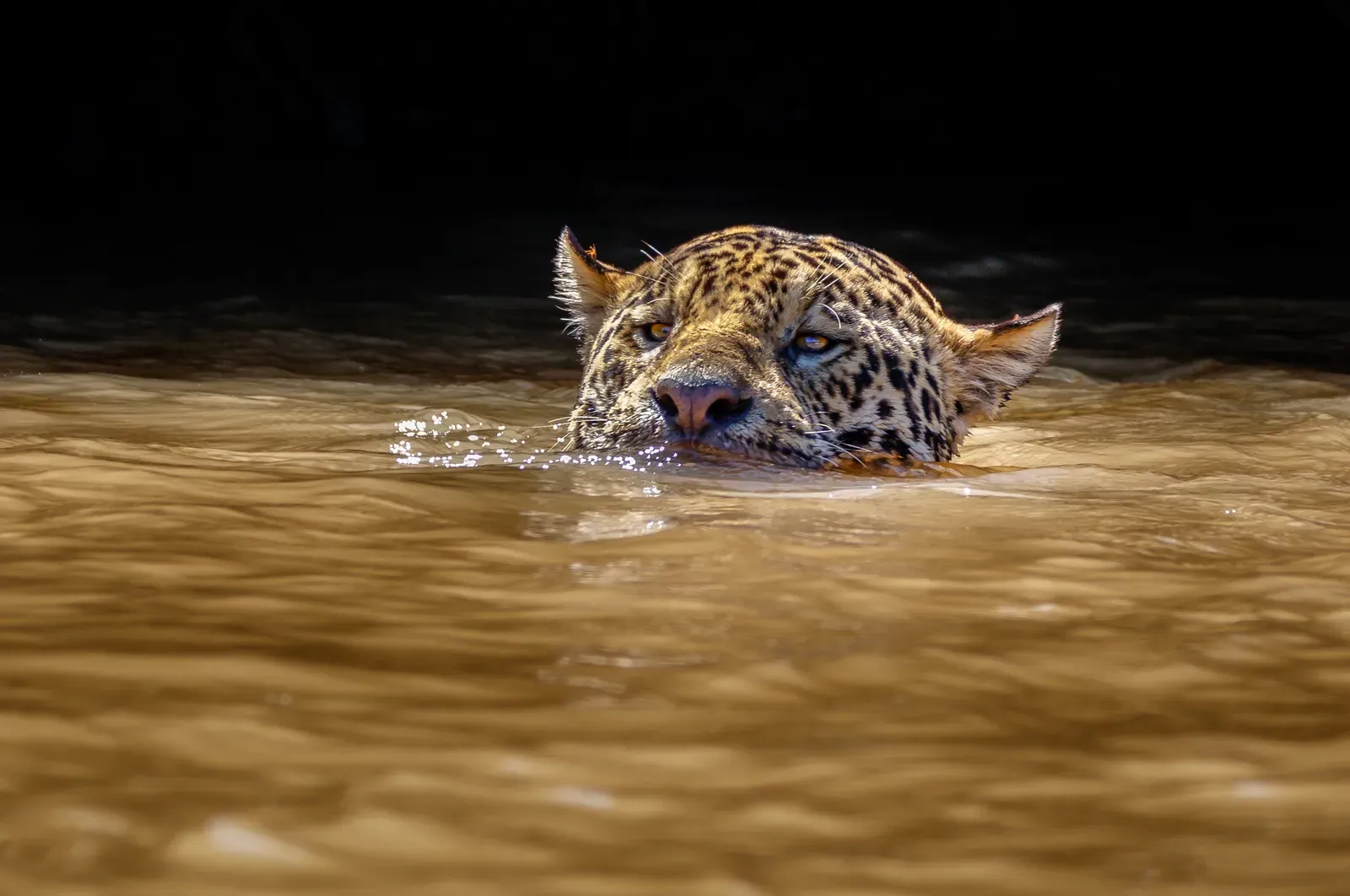
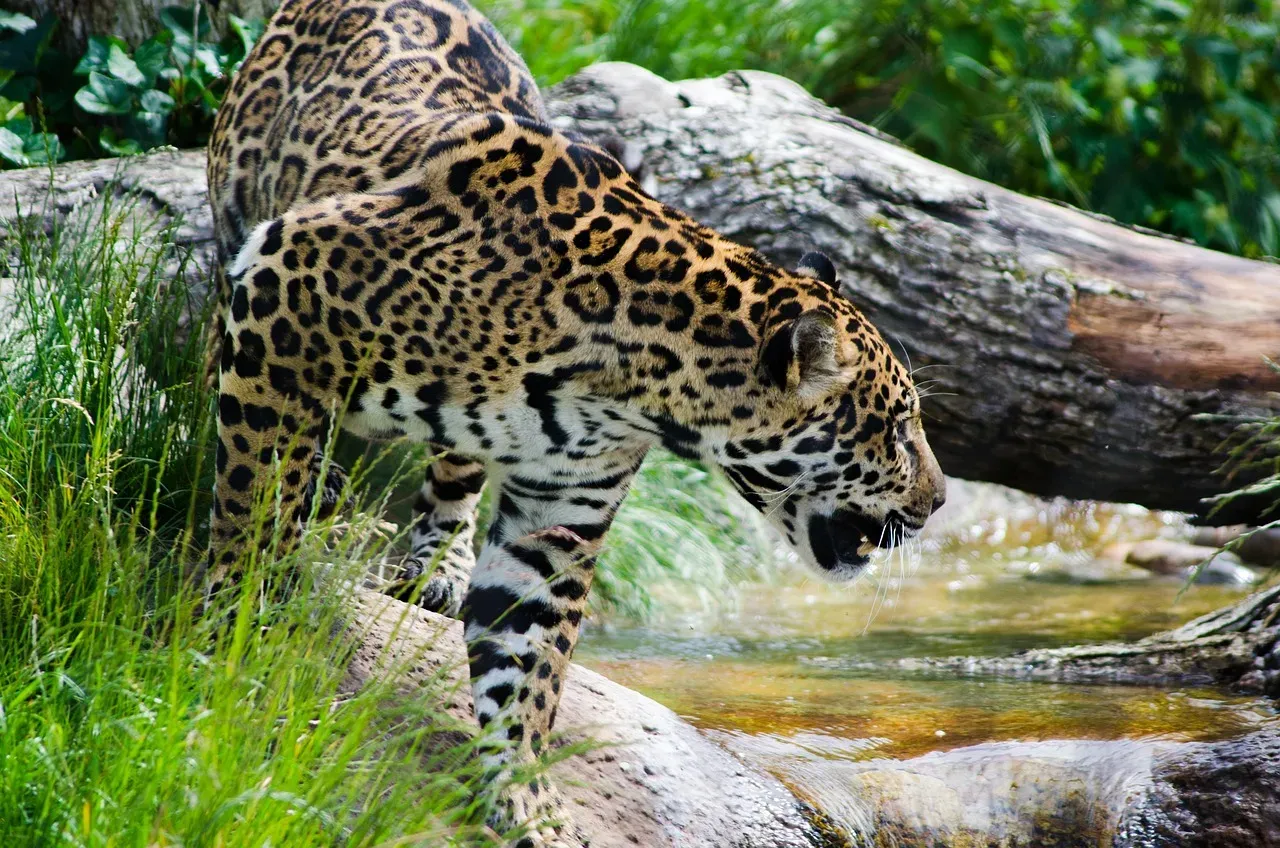
Most cats despise water. Your average house cat will give you a look of pure betrayal if you so much as splash near them. Jaguars? Completely different story. Unlike many domestic cats, jaguars don’t avoid water. They have adapted to living in wet environments and can be found swimming in lakes, rivers, and wetlands. They are confident swimmers, known to cross large rivers.
Some jaguars dive below the surface to catch fish or turtles. Their ability to hold their breath while underwater allows them to hunt in ways that other big cats cannot. Some jaguars have even been seen crossing expansive waterways, including the Panama Canal, proving their ability to navigate challenging landscapes. Let’s be real – that’s not just swimming. That’s a whole other level of adaptability.
A Coat That’s as Unique as a Fingerprint
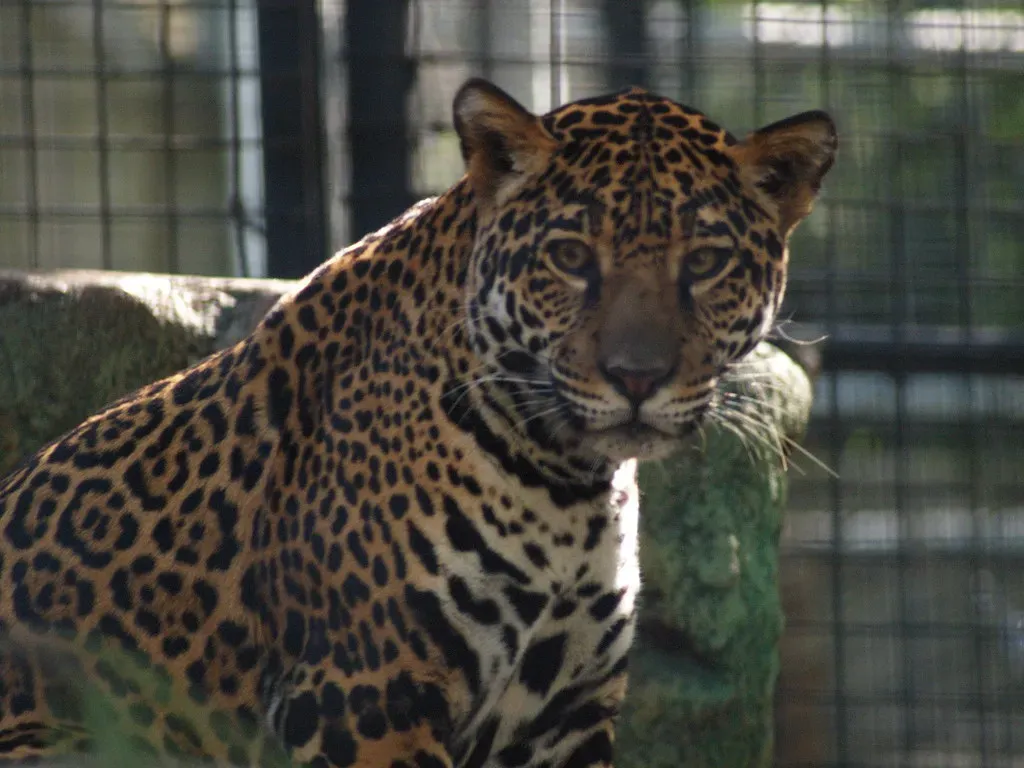
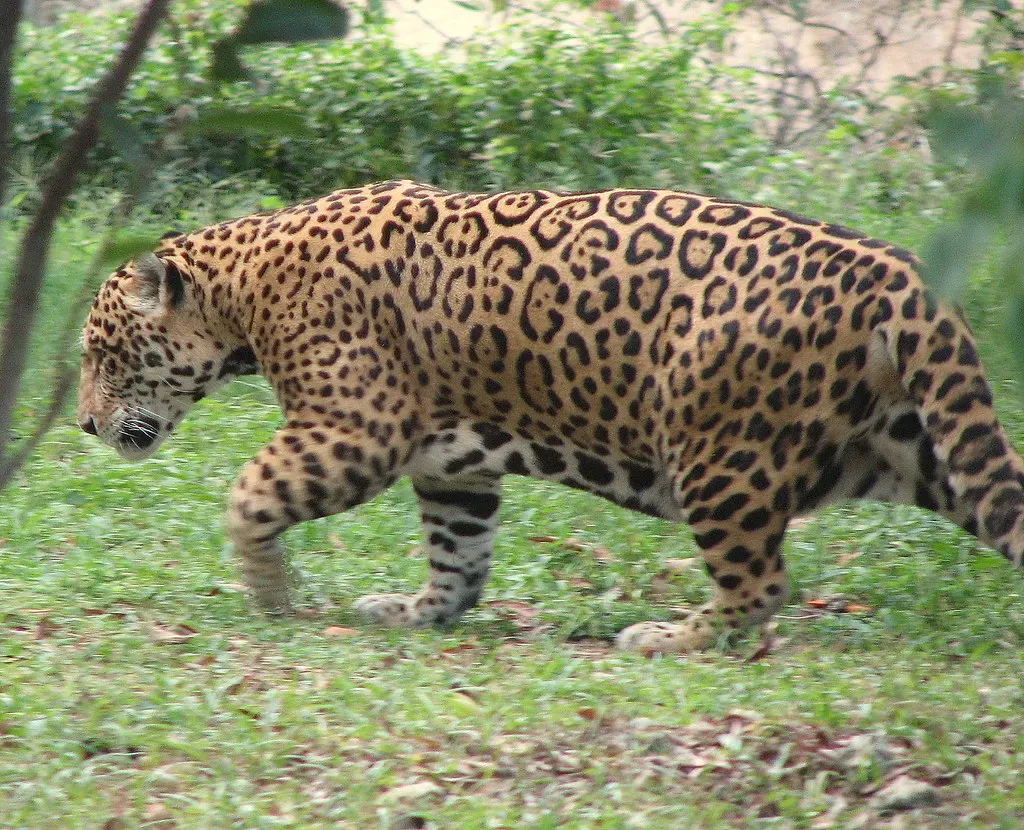
The jaguar’s iconic spotted coat is more than just beautiful – it’s a biological identity card. The jaguar’s black rosettes often feature smaller black spots in the centre, unlike leopards’ rosettes, which generally lack that central dot. The rosettes on a jaguar are unique to each individual, with distinct shapes, spacing, and small spots inside them. This creates a unique marking, much like a human fingerprint.
Then there are the dark ones. Melanistic individuals, commonly known as “black panthers,” occur naturally. While these cats appear solid black at first glance, their signature spots are still visible in the right light. Melanism in the jaguar is caused by deletions in the melanocortin 1 receptor gene and inherited through a dominant allele. So yes, black panthers are real – they’re just jaguars wearing nature’s best disguise.
Sacred Symbols of Ancient Civilizations
Several indigenous cultures throughout history have considered jaguars royalty. The Maya and Aztec cultures often depicted the big cats as a form of military and political power, and they included jaguar imagery in many of their rituals. Maya kings often wore jaguar pelts to show their dominance. This was not decoration – it was a declaration of power.
There’s a strong jaguar presence in Amazonian shamanism, where they believe the jaguar is both a spirit animal and a spirit person, and that it shares a dual existence with the shaman. In fact, the jaguar is often known as the “master of shamans.” The Mayans believed the jaguar facilitated communication between the living and the dead and protected the royal family. For thousands of years, humans didn’t just fear the jaguar. They worshipped it.
An Appetite That Knows Almost No Limits
When it comes to diet, jaguars are remarkably uncomplicated about what’s on the menu. Jaguars have been documented preying on over 80 different animal species in the wild. That’s an astonishing range. We’re talking about a predator that can shift from hunting fish in a river to taking down prey several times its own body weight on land.
Jaguars are opportunistic hunters and can prey upon almost anything they come across. Capybaras, deer, tortoises, iguanas, armadillos, fish, birds, and monkeys are just some of the prey that jaguars eat. They can even tackle South America’s largest animal, the tapir, and huge predators like caiman. What’s most amazing is that jaguars are not afraid to put up a fight against other predators that are often considered meaner than they are. One of those fierce opponents is the black caiman, which is not afraid to inflict serious, life-threatening injuries. There are many videos online of jaguars and caimans going at it, with the jaguar typically coming out the victor.
A Species Under Siege – and Fighting for Survival
For all their power, jaguars face a threat they cannot outrun, outswim, or overpower with brute force. The biggest threat to jaguars range-wide is habitat loss and fragmentation. Deforestation, agriculture, mining, and human development have encroached on the vast areas the predators need to hunt. It’s a slow, grinding pressure that no amount of muscle or jaw strength can fight back against.
Jaguars were historically hunted for their skins. Today, the illegal trade of their bones and teeth continues. Hundreds of jaguars are believed to be killed each year for these international markets. Historically, the jaguar’s territory stretched from the southwestern United States down to central Argentina. Today, they have been eliminated from approximately half of their historic range. The animal that once ruled an entire continent is now being quietly erased from it.
Conclusion: The Ghost Cat That Deserves to Be Seen
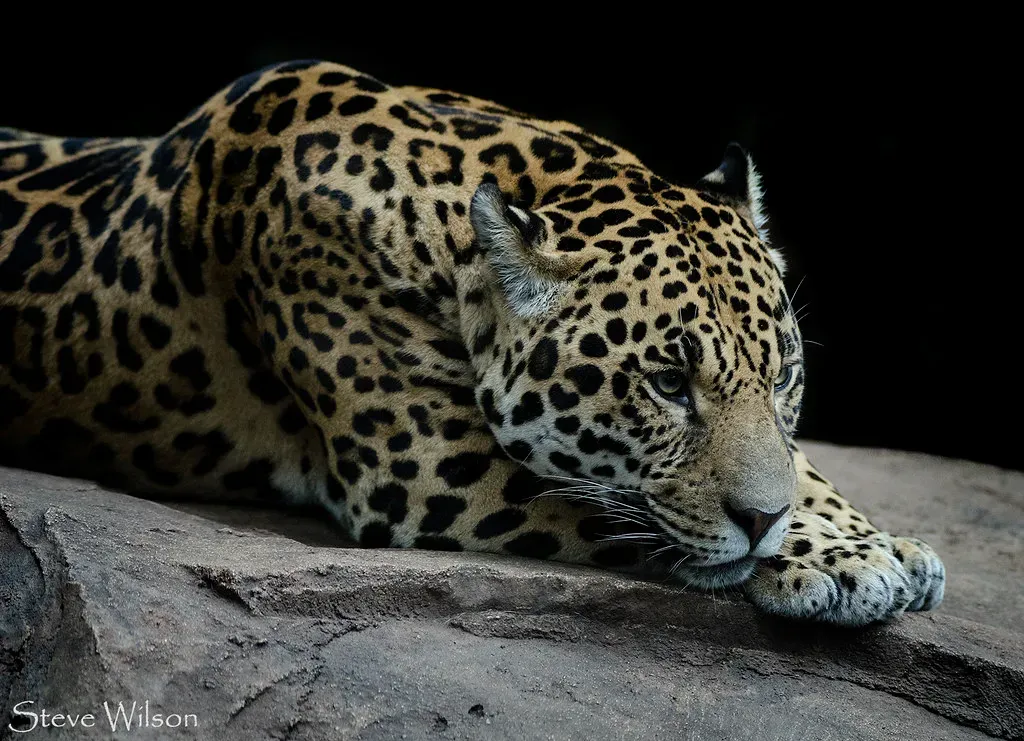
Referred to as “ghost cats” for their stealthy nature, jaguars are becoming increasingly rare as they are threatened by a number of challenges to their survival. There is something deeply sobering about that nickname. A creature this powerful, this ancient, this culturally significant – and it’s disappearing in silence.
As apex predators, jaguars keep their prey populations in check. When we lose more jaguars, it causes a ripple effect that alters entire rainforest communities. The jaguar isn’t just an animal. It’s an ecological cornerstone, a living piece of mythology, and one of nature’s most breathtaking engineering achievements all in one.
A creature that kills with a single bite to the skull, swims rivers with ease, and was once worshipped by entire empires – and most people couldn’t describe what a rosette looks like. Maybe it’s time to pay closer attention. What would it take for you to start caring about an animal that’s been quietly holding an ecosystem together for millions of years?

- Your Dog Doesn't Love You for the Food – 14 Signs You're Its Whole World - July 21, 2026
- 10 Myths About Horses That Owners Keep Falling For - July 21, 2026
- 13 Ways a Shelter Dog Shows It Has Decided to Trust You for Good - July 21, 2026