

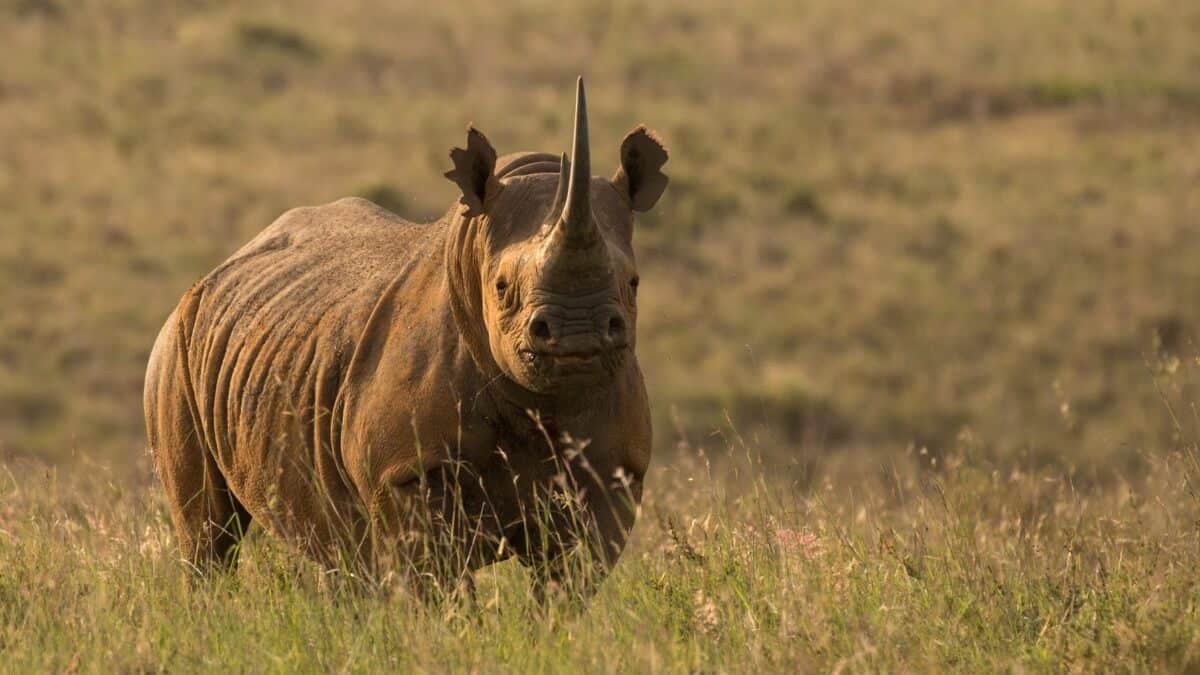
In a groundbreaking development, scientists at Nature’s SAFE, a Shropshire-based wildlife charity, have successfully cultured living cells from a skin sample of a southern white rhino that died in 2021. This achievement marks a significant step forward in conservation efforts, potentially allowing the genetic material of deceased animals to contribute to future breeding programs.
Preserving Life Beyond Death
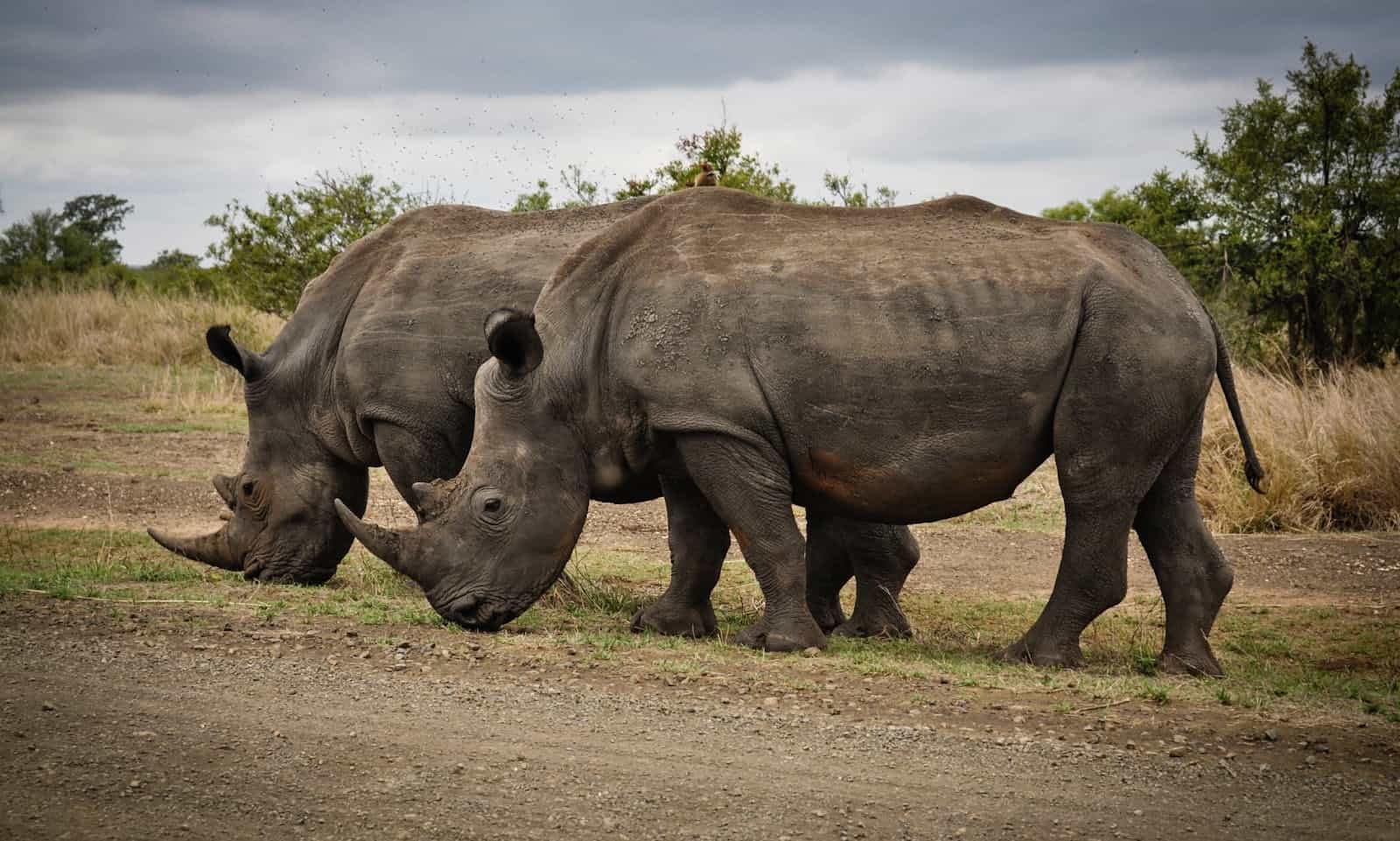
The 40-year-old rhino, who resided at Whipsnade Zoo, passed away in October 2021. Anticipating the potential for future scientific advancements, veterinarians collaborated with specialists to collect tissue samples immediately after her death. These samples were preserved at -196°C, maintaining the viability of the cells for future use.
Reviving Cells for the Future

In April, nearly four years post-mortem, the preserved skin sample was carefully thawed. Scientists successfully revived and cultured the cells, resulting in millions of new living cells. Lucy Morgan, the lab technician leading the project, emphasized the significance of this achievement, stating that these cells represent living DNA from the deceased rhino, now readily available for conservation purposes.
Implications for Endangered Species

This pioneering work opens avenues for developing new egg or sperm cells from the cultured cells, potentially enabling the rhino to contribute to the breeding population posthumously. Such techniques, previously demonstrated in mice, hold promise for assisting reproduction in other animal species as well.
Building a Genetic Library

Nature’s SAFE functions as a “bio bank,” storing biological samples from 300 species, including 37 critically endangered and four extinct in the wild. By preserving and cultivating skin cells from threatened species, the organization aims to build a living library of genetic material. This resource can be instrumental in restoring genetic diversity to declining animal populations and preventing extinction.
A Vision for Conservation

Tullis Matson, founder and chair of Nature’s SAFE, highlighted the broader impact of this development, suggesting that such bio-banking technologies could be a game-changer for protecting critically endangered species. The successful revival of the rhino’s cells brings hope not just for the southern white rhino but for any species on the brink of extinction.
Looking Ahead

As conservationists continue to explore innovative methods to combat biodiversity loss, the work of Nature’s SAFE exemplifies the potential of combining scientific advancement with proactive preservation efforts. The ability to revive and utilize genetic material from deceased animals could play a crucial role in safeguarding the planet’s wildlife for future generations.

adventuring, photography and videography. I am currently working towards a BSc in Biodiversity and Ecology at Stellenbosch University to go on to specialise in Marine Sciences one day.
Please send any feedback to Feedback@animalsaroundtheglobe.com
- Top 21 Must-see Birds For Bird Watchers In America - July 20, 2026
- Italy Mourns Hero Police Dog Killed by Food Laced with Nails - July 20, 2026
- Pigeon Turns into Fashionista and Wears Bread - July 19, 2026