
There is something quietly astonishing about the idea that a creature weighing less than a paperclip can hunt, survive predators, raise young, and thrive across entire continents. Most of us picture mammals as things with presence, size, and weight. Yet some of the most remarkable animals alive today fit comfortably on a fingertip. Their lives are fast, fierce, and strangely beautiful.
Honestly, the deeper you look into the world of the smallest mammals, the harder it becomes to think of them as fragile or insignificant. What they lack in stature, they make up for in sheer biological intensity. Get ready to be genuinely surprised by what you find.
The Etruscan Shrew: The Lightest Mammal on Earth
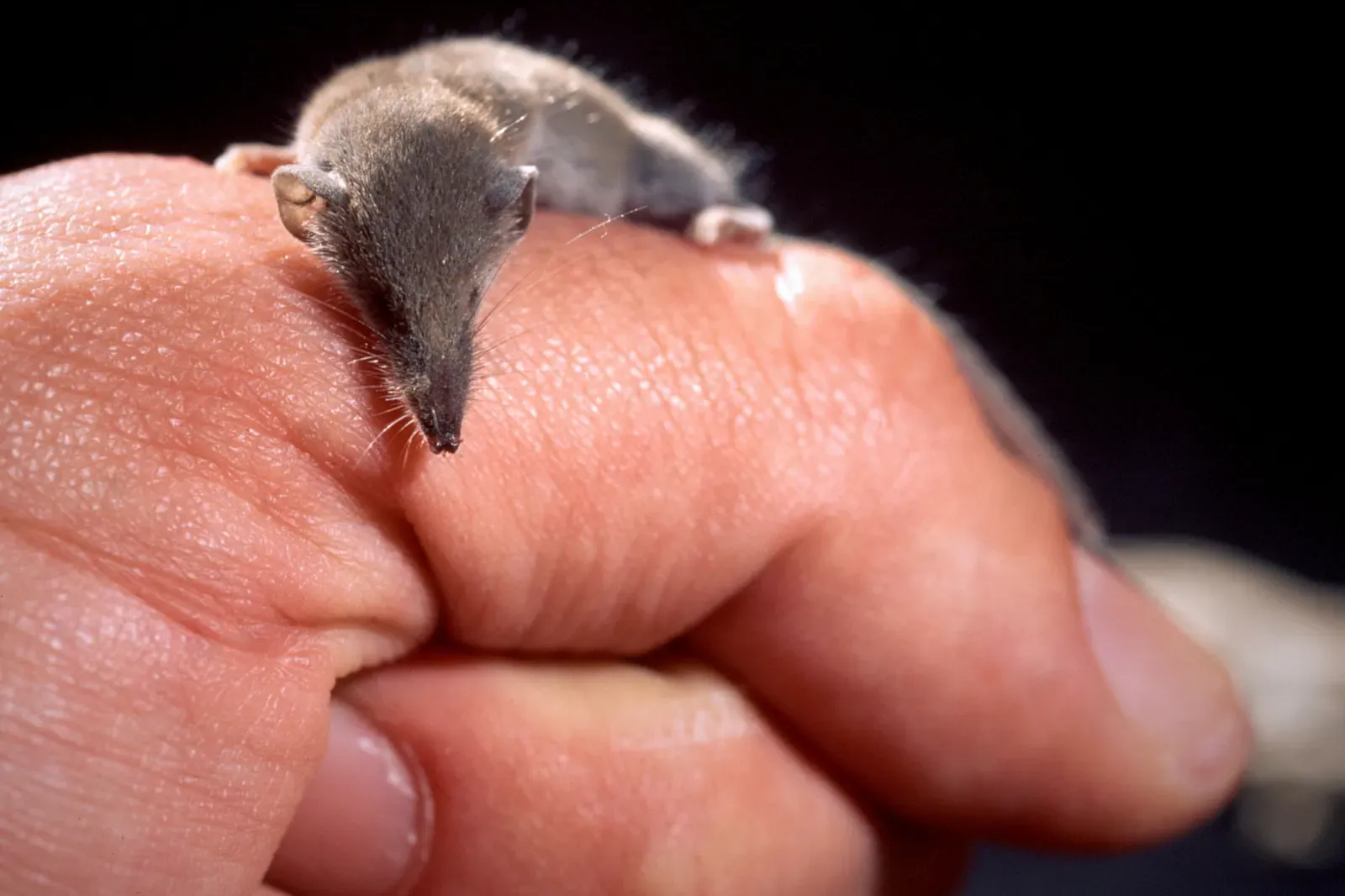
Let’s be real – when most people think of record-breaking animals, they picture giants. Blue whales, African elephants, giant sequoias. So it comes as a genuine shock that the Etruscan shrew is the smallest known extant mammal by mass, weighing only about 1.8 grams on average, which is as much as a paperclip.
Think about that for a second. A paperclip. A living, breathing, hunting mammal with a heartbeat, bones, and fur. It can grow to a length ranging between 1.5 to 2 inches, not including its tail, which is one third of its body length, stretching to approximately 2.3 inches when the tail is added.
Here’s the thing that really gets me: this creature is in a constant race against death. Due to its small size and consequent high surface-area-to-volume ratio, the Etruscan shrew is at a constant risk of hypothermia, and would quickly freeze to death if not for its extremely rapid metabolism.
If it eats nothing for only four hours, it starves to death. That’s the trade-off for being so small. Its engine burns so hot and so fast that stopping means dying. Eating up to 25 times a day due to their high metabolism, these tiny mammals are also distinguished by having the largest brain to body weight ratio of any animal in the world.
The Etruscan shrew has a very fast heart rate, up to 1,511 beats per minute, or 25 beats per second, and a relatively large heart muscle mass at 1.2 percent of body weight. For comparison, the human heart beats an average of around 72 times per minute. This shrew fits nearly a full day’s worth of human heartbeats into a single minute.
These shrews prefer warm and damp climates and are widely distributed in the belt between 10° and 45° north latitude stretching from Europe and North Africa to Malaysia. Far from being rare or isolated, they exist across a surprisingly broad sweep of the world – hidden in plain sight.
Kitti’s Hog-Nosed Bat: The Smallest by Body Length
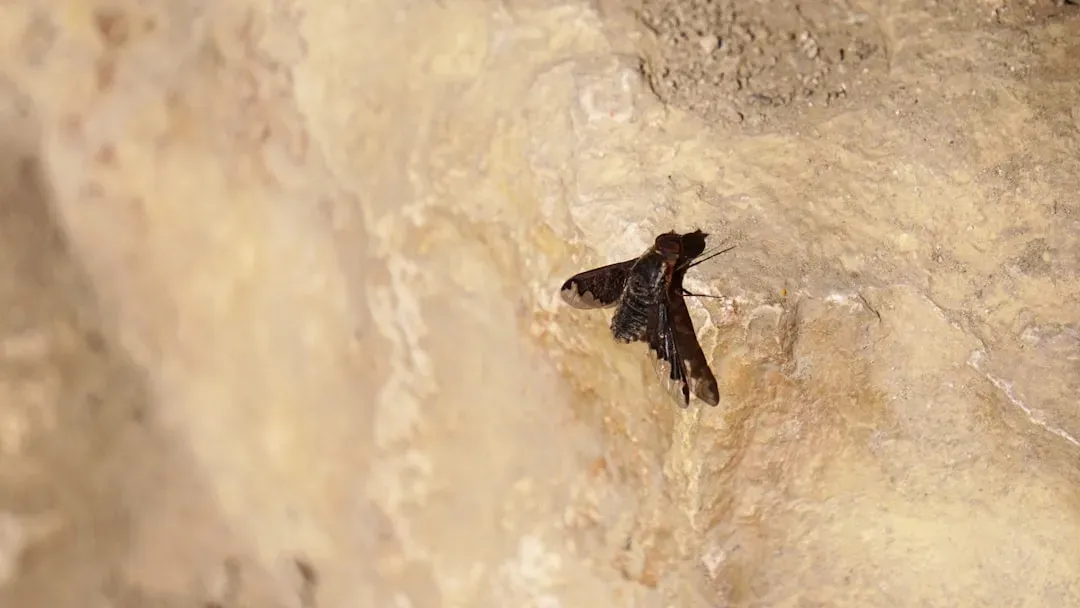
If the Etruscan shrew wins on weight, the Kitti’s hog-nosed bat wins on body size. Kitti’s hog-nosed bat is the smallest species of bat and arguably the world’s smallest mammal by body length. It’s better known by its other name: the bumblebee bat. The comparison is not flattering to the bat. It really is that small.
Kitti’s hog-nosed bat measures approximately 29 to 33 millimeters long and weighs around 2 grams, earning its common name “bumblebee bat.” Hold a large bumblebee in your mind. Now imagine it has a pig-like snout, leathery wings, and uses echolocation to hunt insects in the dark. That’s roughly what you’re dealing with.
Kitti’s hog-nosed bat was unknown to the world at large prior to 1974, and its common name refers to its discoverer, Thai zoologist Kitti Thonglongya. It’s a sobering thought that one of the world’s most extraordinary mammals went unrecorded by science until the modern era. Who knows what else we’ve been missing.
Kitti’s hog-nosed bat has a brief activity period, leaving its roost for only 30 minutes in the evening and 20 minutes at dawn, and these short flights are easily interrupted by heavy rain or cold temperatures. Its entire hunting window is a combined fifty minutes per day. Every second of flight counts.
Classified as near-threatened by the IUCN, their populations are under threat primarily due to habitat loss and human disturbance, with deforestation for agricultural expansion, logging, and mining reducing their natural habitats, while disturbance from tourism and other human activities in cave environments poses additional risks. A creature this rare, and this specific in its habitat needs, cannot afford much margin for error.
Pygmy Marmoset and Madame Berthe’s Mouse Lemur: The Tiny Primates
Primates are our closest relatives in the animal kingdom. So there’s something almost surreal about discovering that our order includes members so small they can sit comfortably in the palm of your hand. Two species in particular take this to extraordinary extremes.
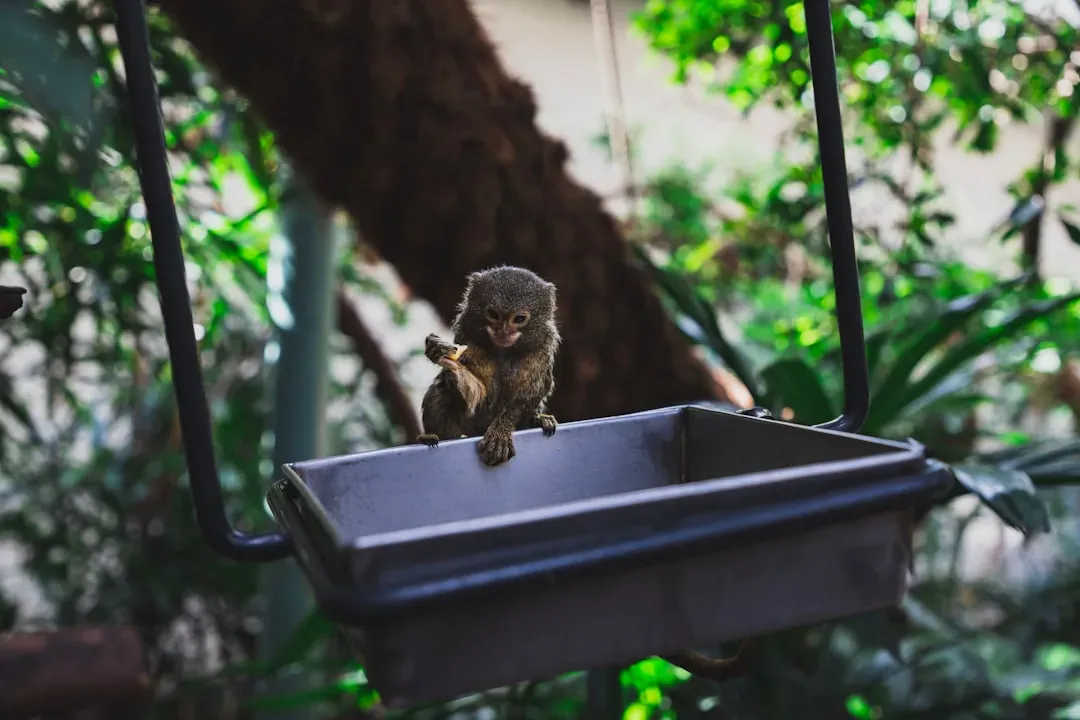
The pygmy marmoset is the smallest monkey, but not the smallest primate – that title belongs to the mouse lemur. It’s a useful distinction to keep in mind. Pygmy marmosets are the smallest true monkeys, with a head-body length ranging from 117 to 152 millimeters and a tail of 172 to 229 millimeters. Their tails are literally longer than their bodies.
What particularly marks out pygmy marmosets from other species is their highly specialized diet consisting of tree sap, which they obtain by employing an up-and-down sawing motion with their specially adapted sharp lower teeth to cut a hole in the trunks or branches of woody plants in order to stimulate sap production. It’s an elegant solution to competition. When you’re tiny, you carve out a niche nobody else can easily fill.
Then there is Madame Berthe’s mouse lemur, which is in a category of its own. Madame Berthe’s mouse lemur is the smallest of the mouse lemurs and the smallest primate in the world, with an average body length of 9.2 centimeters and a seasonal weight of around 30 grams. It was only confirmed as a distinct species in 1992. Before that, scientists simply thought it was another, slightly larger species.
This primate is found chiefly in the Kirindy Forest in western Madagascar. That’s a deeply specific address for a species that holds a world record. Because of the high rate of deforestation in the surrounding Menabe forests between 1985 and 2000, less than 22,000 hectares of inhabitable forests remained. The world’s smallest primate is running out of world to live in.
The Baluchistan Pygmy Jerboa and the African Pygmy Mouse: Record-Holding Rodents
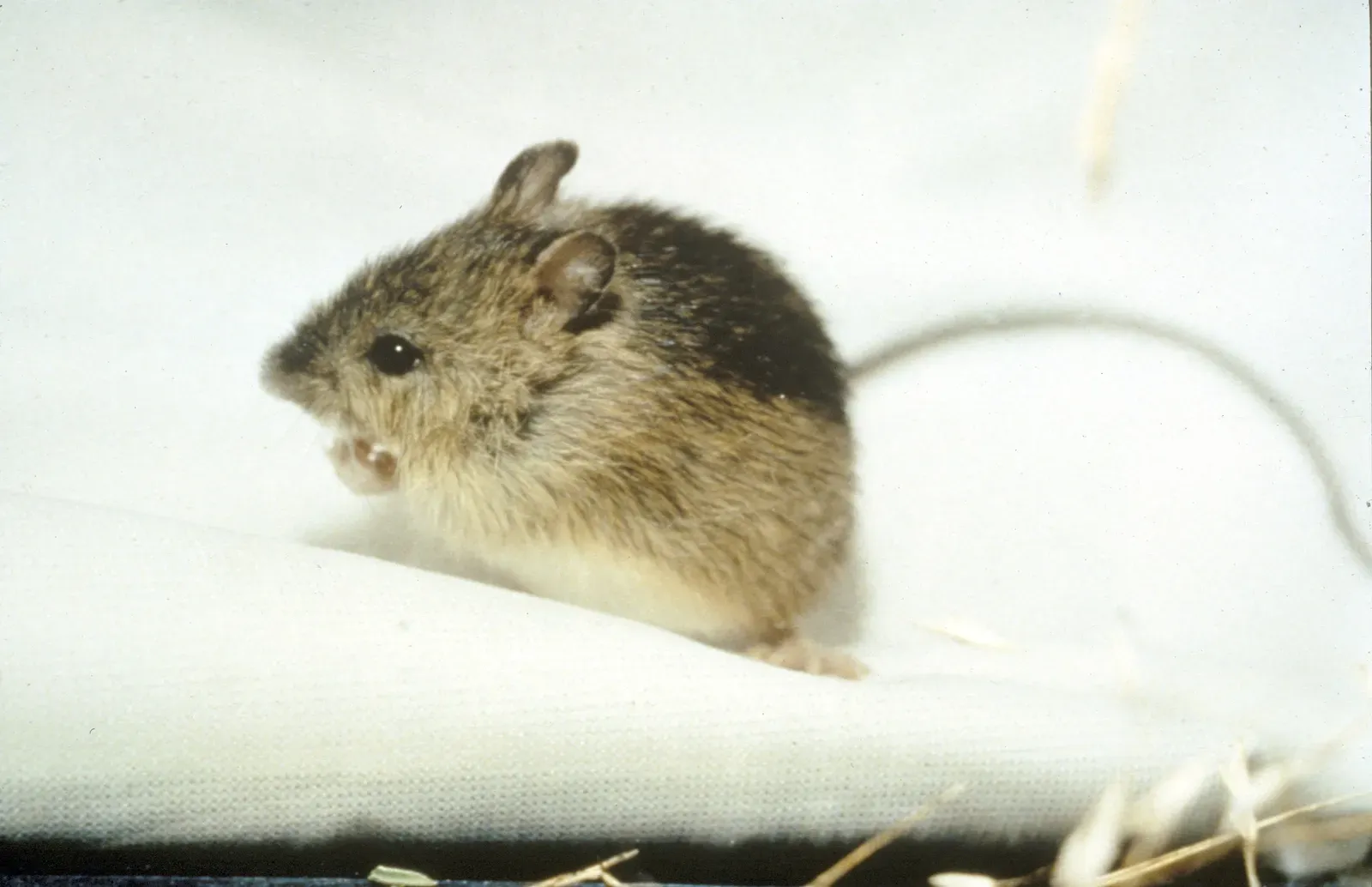
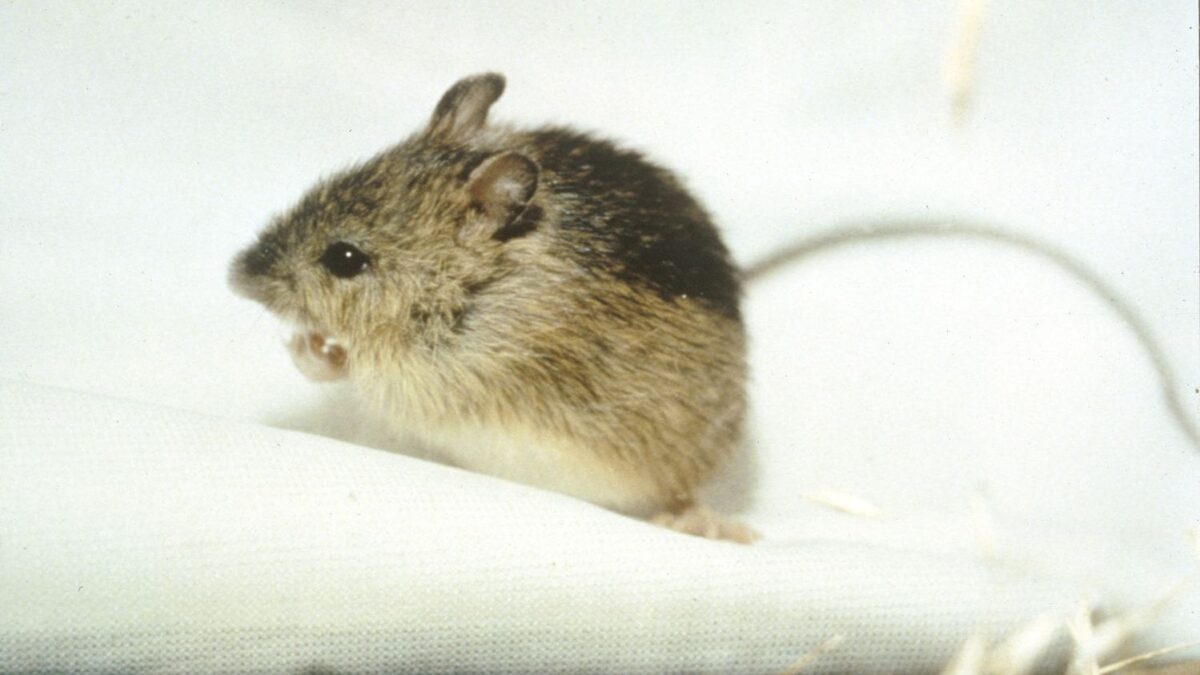
Rodents make up the largest order of mammals on Earth, so it should come as no surprise that some of the most extreme record-holders for small size are found among them. Two species in particular share a title that sounds almost absurd.
According to the Guinness Book of Records, the Baluchistan pygmy jerboa is joint with the African pygmy mouse for the title of the world’s smallest rodent. Sharing a world record is unusual in nature. It speaks to how precisely engineered these two very different animals are.
The pygmy jerboa is native to Pakistan and Afghanistan. It doesn’t walk. It jumps, using its tail for balance, moving in tiny explosive bounds across desert dunes. These animals use their tiny front limbs to eat seeds and carcasses of dead animals, and they are often found in the dunes of Pakistan and Afghanistan, jumping rather than walking.
The African pygmy mouse holds the joint title for the world’s smallest rodent, with a body length of 6 to 8 centimeters and an additional 3 to 6 centimeters coming from its tail. It’s hard to say for sure which of these two animals is more fascinating, but I’d argue the jerboa edges ahead purely on visual strangeness. A tiny desert-dwelling bouncing mouse with disproportionately long hind legs is a genuinely otherworldly sight.
The smallest animals need tiny amounts of resources to survive and have plenty of options for hiding places to escape from predators, or hibernate, without having to rely on camouflage alone. Small size, in this sense, is not a disadvantage. It’s a carefully evolved strategy.
Why Small Size Is a Survival Superpower (and Its Limits)
It would be easy to look at these creatures and feel pity. They seem so exposed, so vulnerable. A world full of predators, cold temperatures, and food scarcity sounds like a nightmare for an animal weighing less than a coin. Yet these mammals have survived for millions of years, and there’s a reason for that.
All mammals on Earth today descended from one common ancestor called the Morganucodon, a tiny shrew-like creature that lived alongside the dinosaurs roughly 200 million years ago, and competing for resources with the planet’s early Jurassic reptilian giants kept the mammal lineages that existed at the time relatively small. Smallness is not a recent experiment. It was the original mammalian condition.
Smaller mammals are also able to make their petite frames work to their advantage by climbing across small branches while hunting. Think of it like a sports car versus a truck. The truck carries more, but the sports car can go places the truck can never reach. Being tiny unlocks an entire world of microhabitats and food sources that larger animals simply cannot access.
Still, the biological costs are real and sometimes brutal. For a long time, experts were doubtful that mammals could exist in such small sizes because small body size leads to too much loss of body heat, but it has since been established that most of the small mammals have a large heart size to body ratio, allowing for rapid heart activities and food intake. Evolution found a solution, but it demands almost constant eating and near-frenzied levels of activity.
In cold seasons and during shortages of food, some of these shrews lower their body temperatures down to about 12 degrees Celsius and enter a state of temporary hibernation to reduce energy consumption. It’s an astonishing physiological trick, essentially hitting a biological pause button when the environment becomes too demanding. Nature, as ever, finds a way.
The greatest threat these animals now face is not predators or cold snaps. It’s us. The largest threat to Etruscan shrews originates from human activities, particularly destruction of their nesting grounds and habitats as a result of farming. The same story echoes across nearly every species in this article. The smallest mammals on Earth are facing some of the largest forces of destruction their ecosystems have ever seen.
Conclusion
There is a quiet kind of wonder in learning about the world’s smallest mammals. These are not creatures on the margins of life. They are life at its most intense and efficient, running hotter, faster, and harder than most of us can imagine. A heart beating 1,500 times a minute. A primate the size of a human thumb. A bat that fits in the shadow of a bumblebee. Each one is a masterpiece of evolutionary precision.
What’s perhaps most striking is how easily we overlook them. They occupy the same planet, breathe the same air, and yet their entire worlds unfold in spaces we walk past without a second glance. A rocky crevice, a limestone cave, a narrow gap between forest roots – each is a universe to one of these animals.
The next time you feel small, maybe consider what the Etruscan shrew manages to accomplish with the weight of a single paperclip. Size, it turns out, was never really the point. Does knowing these tiny creatures share our world change how you see it?
