
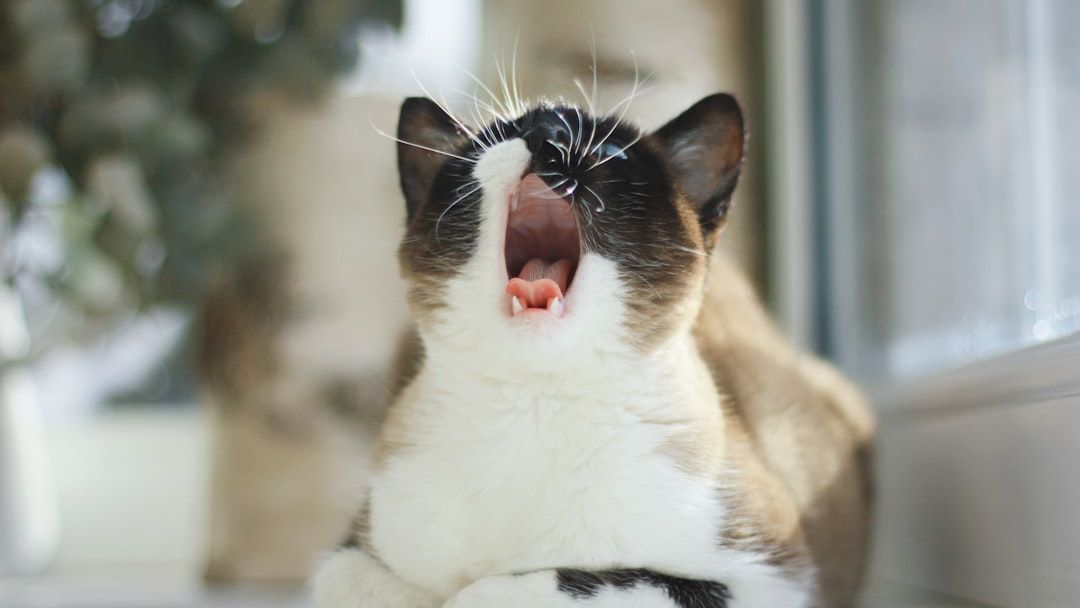
Ever caught your cat staring at you, letting out a peculiar noise that leaves you scratching your head? Cats have a whole language of sounds, each one packed with meaning if you know how to listen. These furry enigmas communicate in ways that go far beyond the obvious.
From soothing rumbles to sharp warnings, every meow or hiss tells a story. Ready to crack the code? Let’s dive into the six most common cat sounds and uncover what your pet is truly saying.
The Meow: A Direct Line to Humans
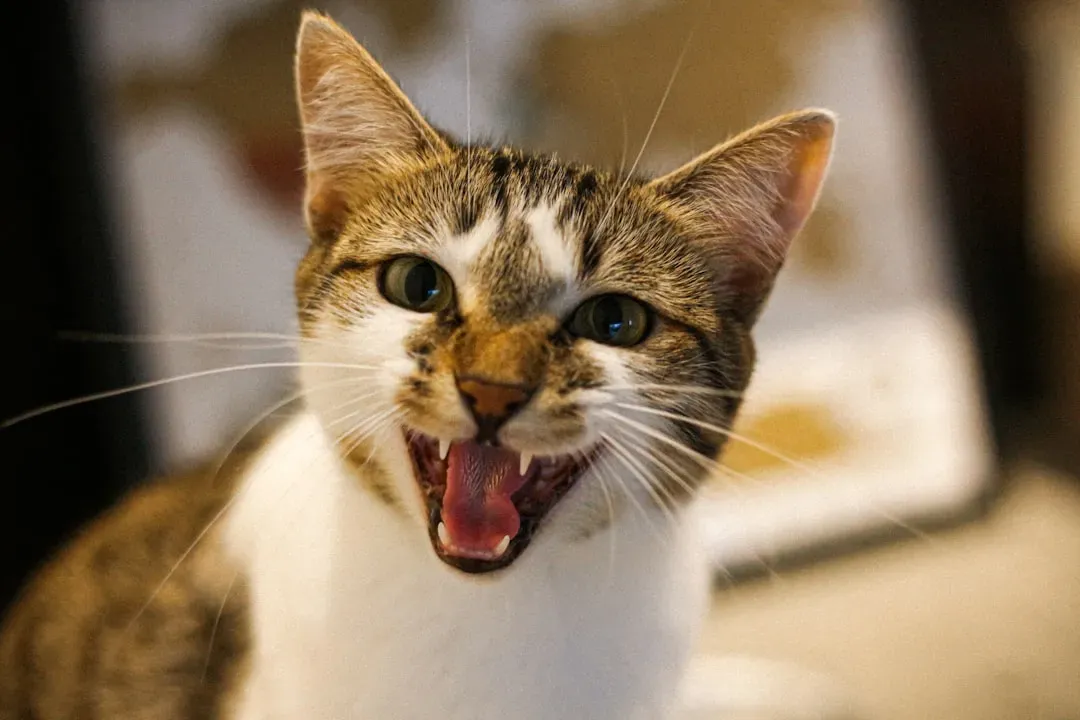
Meowing stands out as the sound cats reserve mostly for us humans. Kittens use it to get their mother’s attention, but adult cats dial it up around people to express hunger, boredom, or a simple hello. The pitch and length vary wildly, a short mew might mean greeting, while a drawn-out yowl screams for dinner.
Honestly, it feels like they’re talking right to our souls. Pay attention to patterns, your cat might have a specific meow just for treats. Next time you hear it, respond, it strengthens that bond.
The Purr: Comfort or Clever Cover-Up?
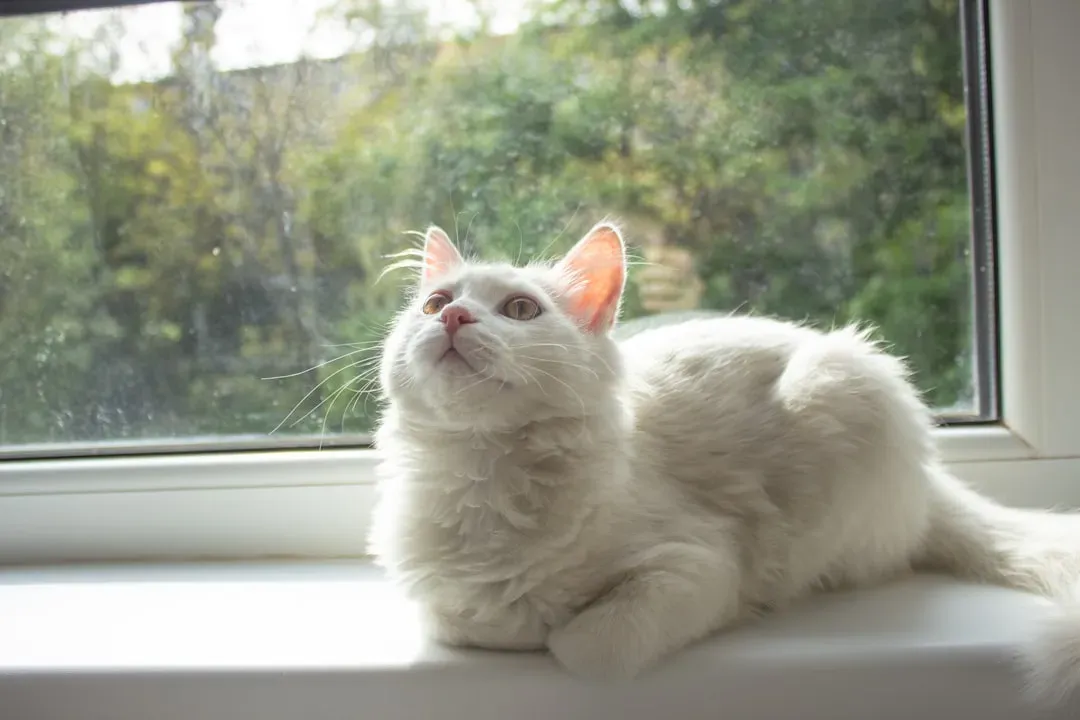
Purring often signals pure bliss, like when your cat curls up on your lap after a long day. Yet, there’s more, cats also purr to self-soothe during pain or stress, almost like a built-in massage for their bones. That low rumble vibrates at frequencies that promote healing.
It’s fascinating how such a gentle sound hides layers. I once had a cat who purred through vet visits, masking discomfort. Listen closely, context reveals if it’s joy or a cry for help.
The Hiss: Back Off, Now
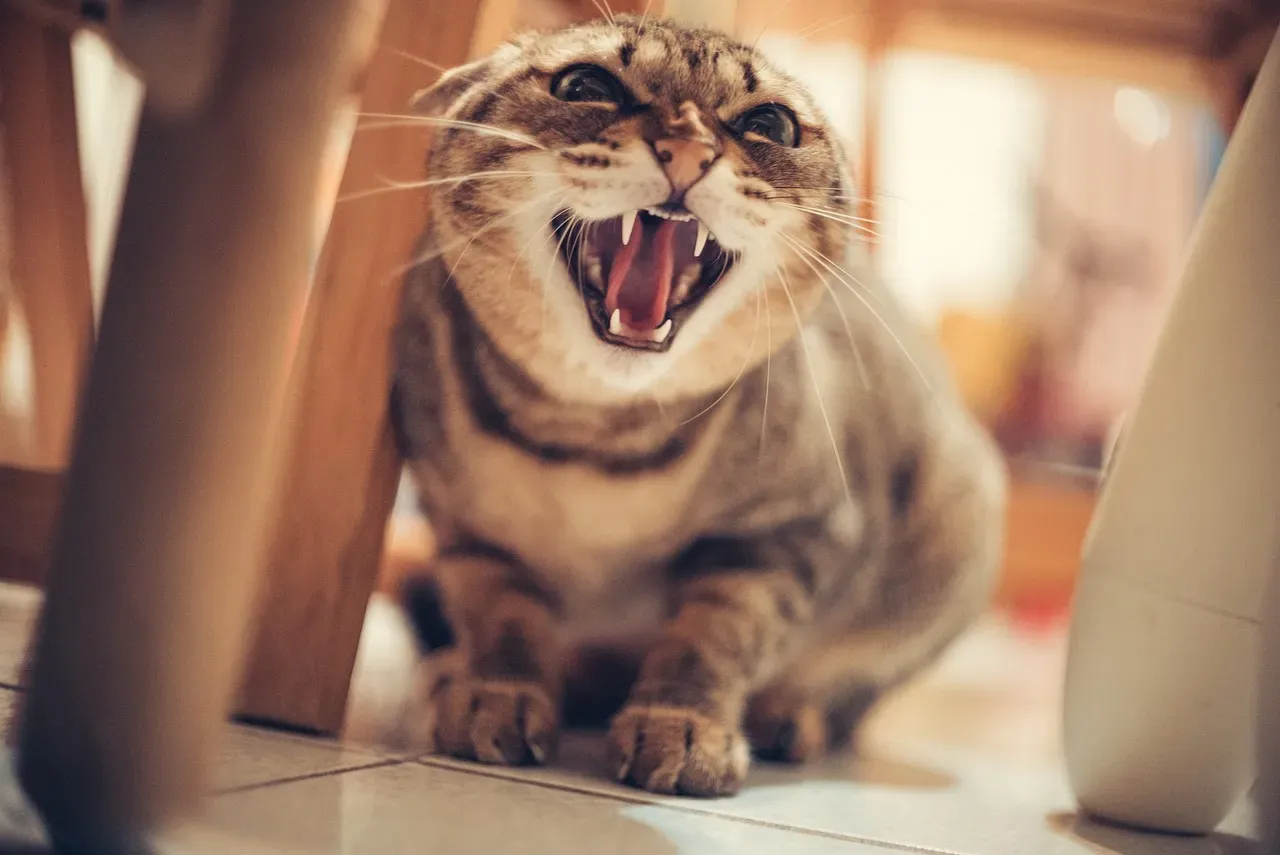
A hiss erupts as a clear warning, teeth bared and fur bristling in defense. Your cat feels threatened, cornered, or plain irritated by another pet or loud noise. It’s primal, echoing wild ancestors fending off rivals.
Ignore it at your peril, respecting space prevents scratches. Though rare, some cats hiss playfully, but body language confirms the mood. Give them room, tension dissolves quickly.
Here’s the thing, hissing beats biting every time if you heed it early.
The Growl: Deep Discontent Brewing
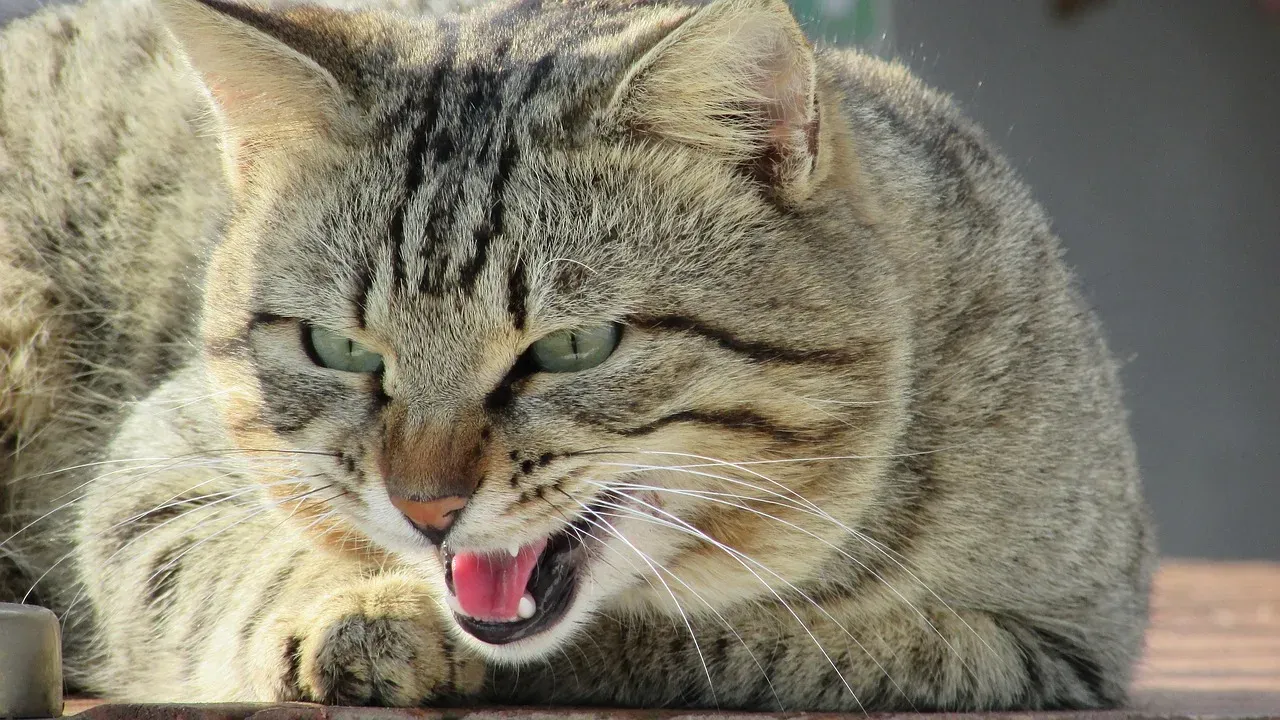
Growling rumbles low and menacing, signaling serious annoyance or fear. Unlike a hiss, it builds slowly, often during resource guarding over food or territory. Your cat draws a line, daring anyone to cross.
It’s rarer indoors but packs a punch. Cats growl at strangers or during rough play gone wrong. Step back calmly, let them cool off to avoid escalation.
I’ve seen it turn a peaceful nap into a standoff over a favorite toy. Patience wins here.
The Chirp or Chatter: Hunter’s Excitement
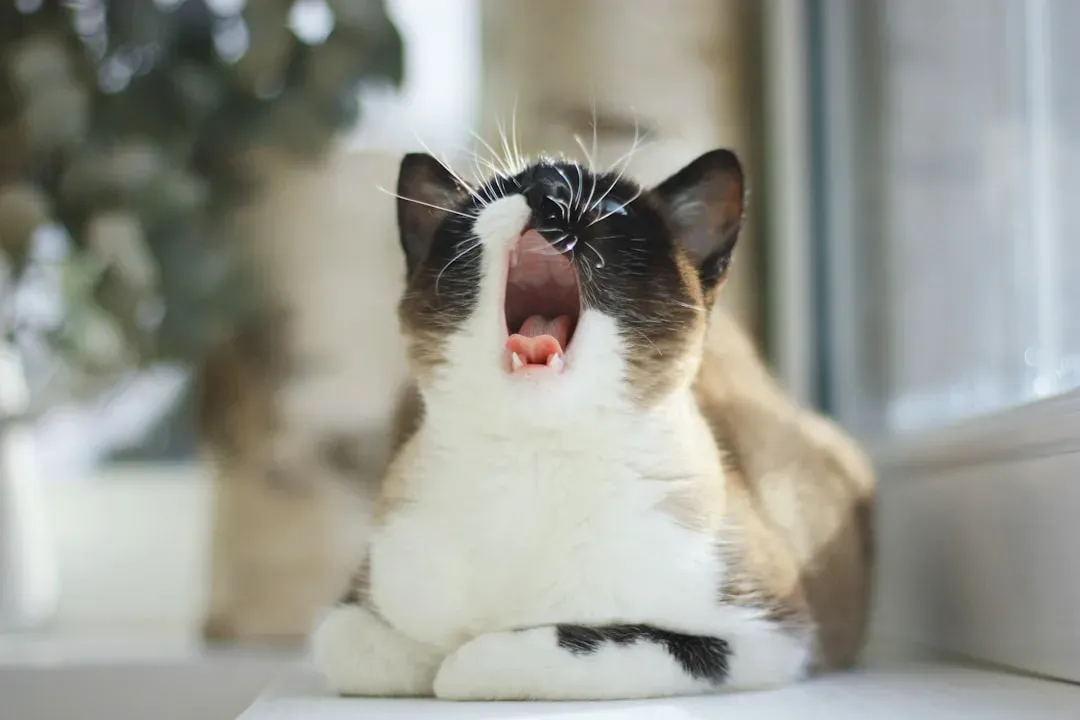
That quirky chirping or chattering happens when your cat spots prey through a window, birds or insects driving them wild. Teeth clack in frustration, mimicking a bite on the elusive target. It’s pure instinct, joy mixed with the agony of glass barriers.
Wild cats do it too, coordinating hunts. Indoors, it shows your pet’s inner predator alive and kicking. Encourage it with toys, channeling energy safely.
Sounds almost like laughter, doesn’t it? Keeps things lively.
The Yowl: Loneliness or Heat Calls
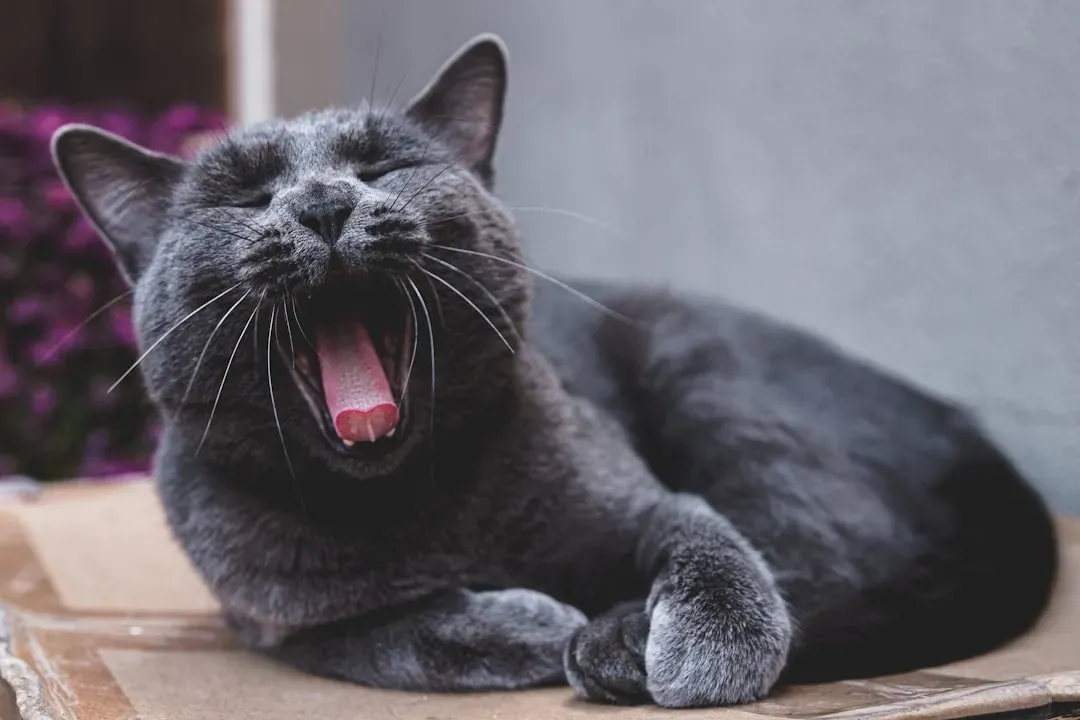
Yowling pierces the night, a long, mournful cry often from unspayed cats in heat seeking mates. Even fixed ones yowl from boredom or distress, echoing through empty houses. It’s attention-seeking at full volume.
Age plays a role, older cats yowl more from confusion or pain. Check for health issues if it persists. Toys and companionship quiet it down effectively.
Let’s be real, those midnight concerts test patience, but understanding cuts the drama.
Decoding these sounds transforms your relationship with your cat, turning guesses into genuine conversations. Next time you hear one, pause and observe, you’ll connect deeper. What sound does your cat make most, and what do you think it means now?
