

Most people picture a tornado the same way: a dramatic, churning funnel under a bruised afternoon sky, visible from miles away. You’ve seen the movies. You’ve seen the storm chaser footage. It all looks terrifyingly cinematic, almost manageable in a strange way.
The problem? That image has almost nothing to do with what nighttime tornadoes actually look like, or how they behave. The myths surrounding them are not just wrong, they are genuinely deadly. Let’s dive in.
Myth 1: Nighttime Tornadoes Are No More Dangerous Than Daytime Ones
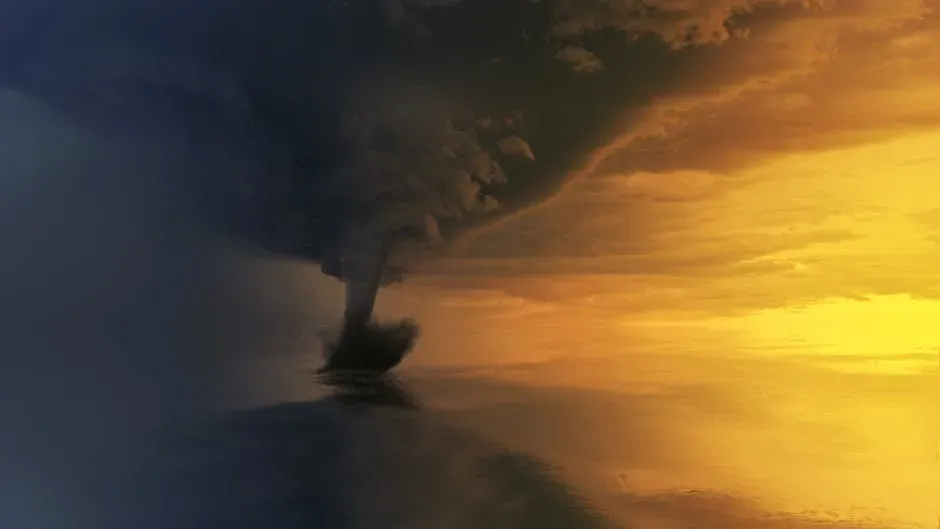
Let’s be real, this is probably the most dangerous myth on the entire list. People tend to assume a tornado is a tornado, no matter the hour. That assumption is flat-out wrong, and the data makes it terrifyingly clear.
A 2022 study published in Weather, Climate, and Society found that nocturnal tornadoes are nearly twice as likely to result in fatalities compared to daytime tornadoes. Think about that for a second. The same storm, simply arriving after dark, becomes nearly twice as lethal.
The danger increases even more after midnight. Tornadoes that occur between midnight and sunrise are about 2.5 times more deadly than those that strike during the day. That’s not a small statistical blip. That’s a completely different category of risk, hiding behind the same storm warning.
Myth 2: You’ll Hear It Coming Before It Hits
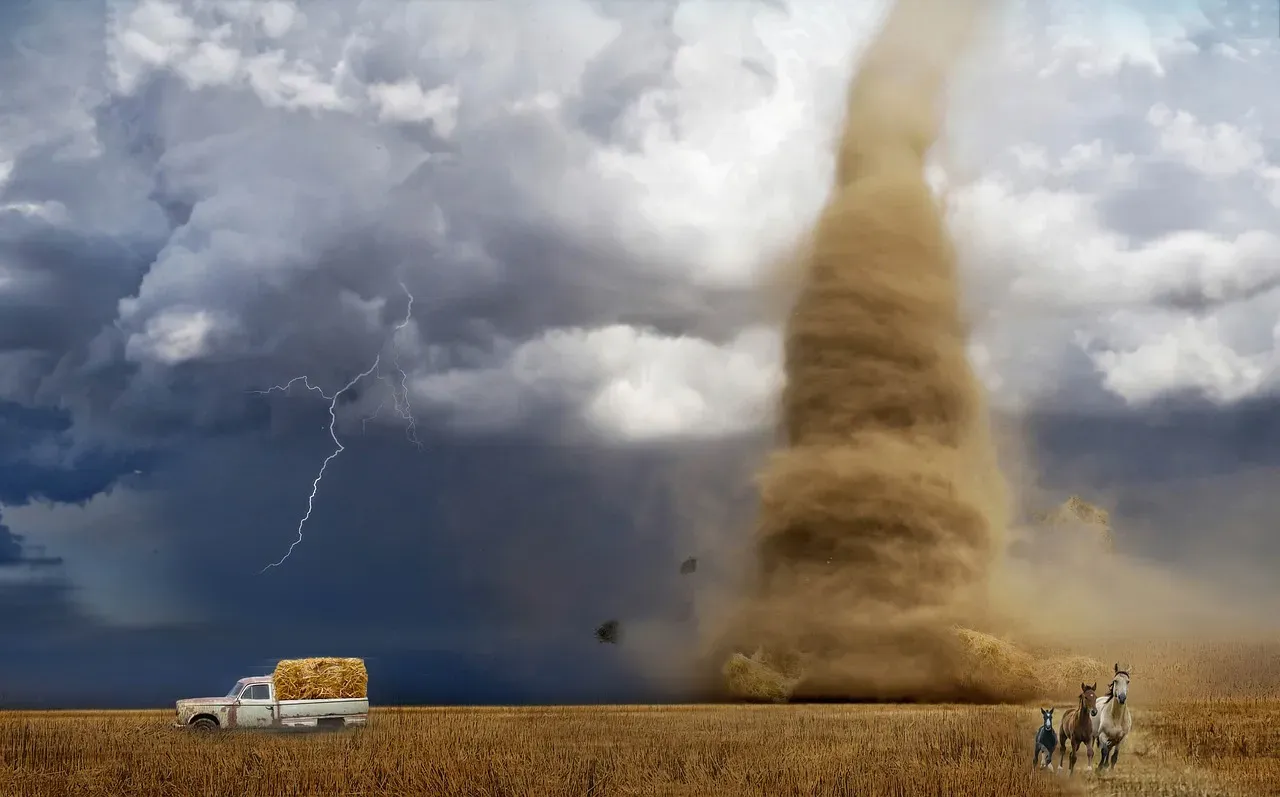
The classic “freight train” description of a tornado has been passed down through generations, and honestly, it has given people a dangerously false sense of security. The idea goes like this: you’ll hear the roar, you’ll have a moment to react, and everything will be fine. Not necessarily.
While tornadoes are sometimes compared to the sound of a freight train, that noise is not guaranteed. Nighttime tornadoes are often rain-wrapped, meaning heavy precipitation surrounds the circulation and can dampen sound. Wind, thunder, trees and even the structure of your own home can further muffle the noise.
So imagine sleeping soundly while a rain-wrapped tornado closes in, its characteristic roar swallowed whole by the storm around it. There’s no dramatic soundtrack. There’s just silence, and then devastation. The freight train myth is not just inaccurate at night, it’s potentially fatal.
Myth 3: Tornado Sirens Will Wake You Up in Time
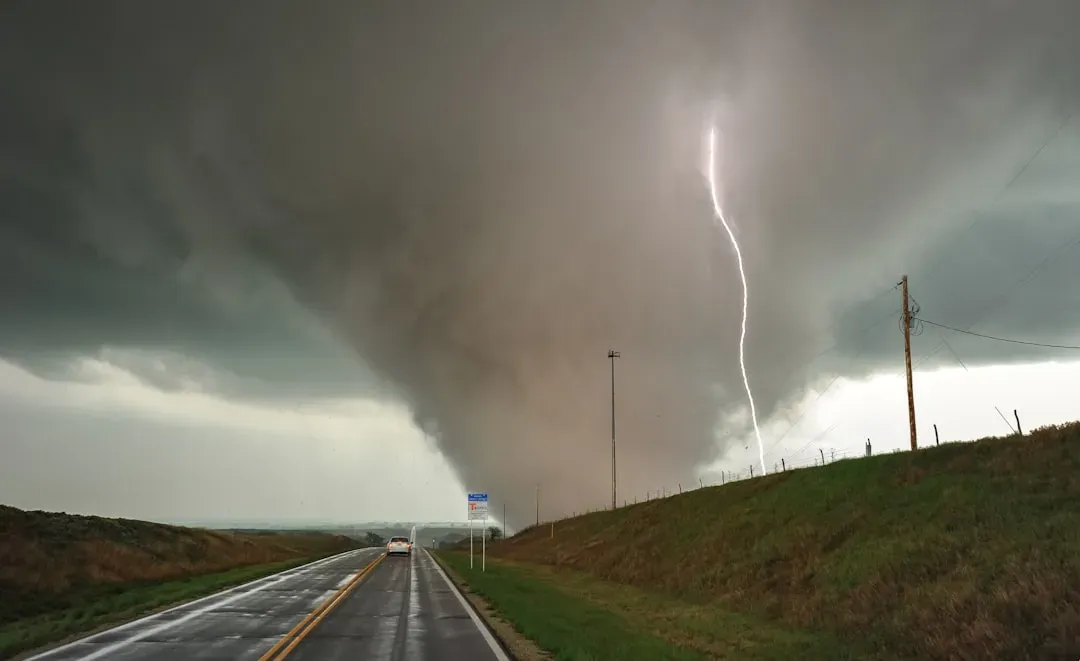
Here’s the thing that surprises almost everyone: tornado sirens were never designed to wake you up. Honestly, the number of people who go to bed during severe weather season thinking “the sirens will get me” is alarming.
Sirens are intended to be heard only by people who are outside. They are not designed to be heard inside your home or vehicle. They are not designed to be able to wake you up. It’s important to not rely so much on sirens. They should not be your primary or only warning source.
Your phone alerts, weather radio, and outdoor sirens might not wake you from deep sleep, especially if you’re a heavy sleeper. Power outages during severe storms can disable your electronic warning systems without you knowing. This is sobering. Having a dedicated NOAA weather radio in your bedroom is not an overreaction, it’s basic preparedness.
Myth 4: You Can Always See a Tornado Coming at Night
During the day, a funnel cloud is at least potentially visible. At night, that visual lifeline disappears entirely. Yet many people still believe they’ll spot it, maybe silhouetted against a lightning flash, maybe illuminated by city lights. That kind of wishful thinking costs lives.
Not only do tornadoes not always have to appear as a visible funnel cloud, but they can also be hidden by heavy rainfall during the day or by the dark of night. Rain wrapping, low cloud ceilings, and complete darkness create a perfect scenario for an invisible killer.
Furthermore, a tornado is sometimes believed to be on the ground only when its condensation funnel descends to the surface, but this assumption is misleading and extremely dangerous. Even meteorologists with radar access can struggle to confirm a tornado’s exact position and width at night. If the experts find it hard, imagine relying on your own eyes alone.
Myth 5: More People Are Exposed to Daytime Tornadoes Because Everyone Is Out and About
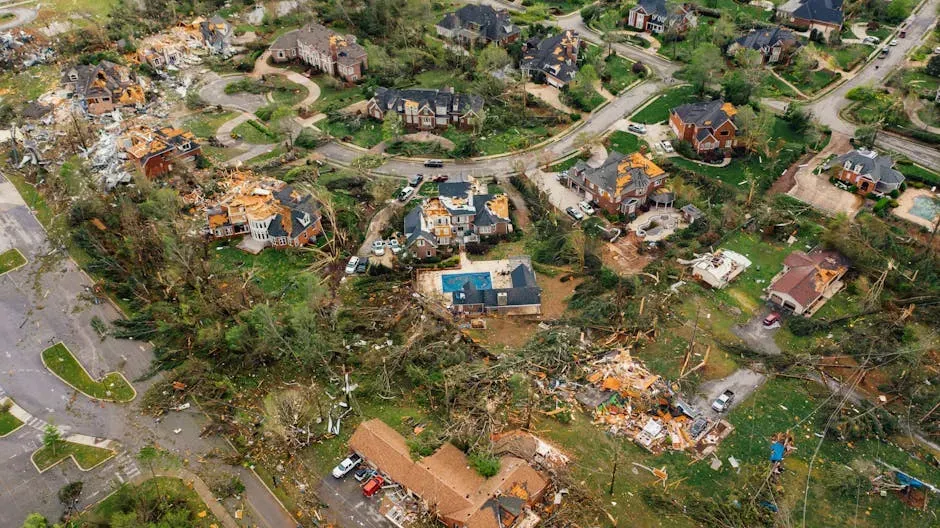
This one sounds logical on the surface. People are out driving, working, going about their lives during the day, so surely more people are in harm’s way. The statistics tell a completely different story.
Researchers who examined tornado paths alongside nighttime population data found that tornadoes striking after dark can expose up to about 13 percent more people compared to daytime storms. That’s largely because most people are at home at night, placing them directly in the path of storms that move through residential areas. When you combine higher exposure with the challenges of darkness and sleeping residents, the risk becomes clear.
Think of it like this: a tornado at noon might catch a few people on an empty country road. The same path at 2 a.m. cuts through neighborhoods full of sleeping families. The geometry of danger is completely reversed after dark.
Myth 6: Manufactured Homes Are Safe Enough If Tied Down
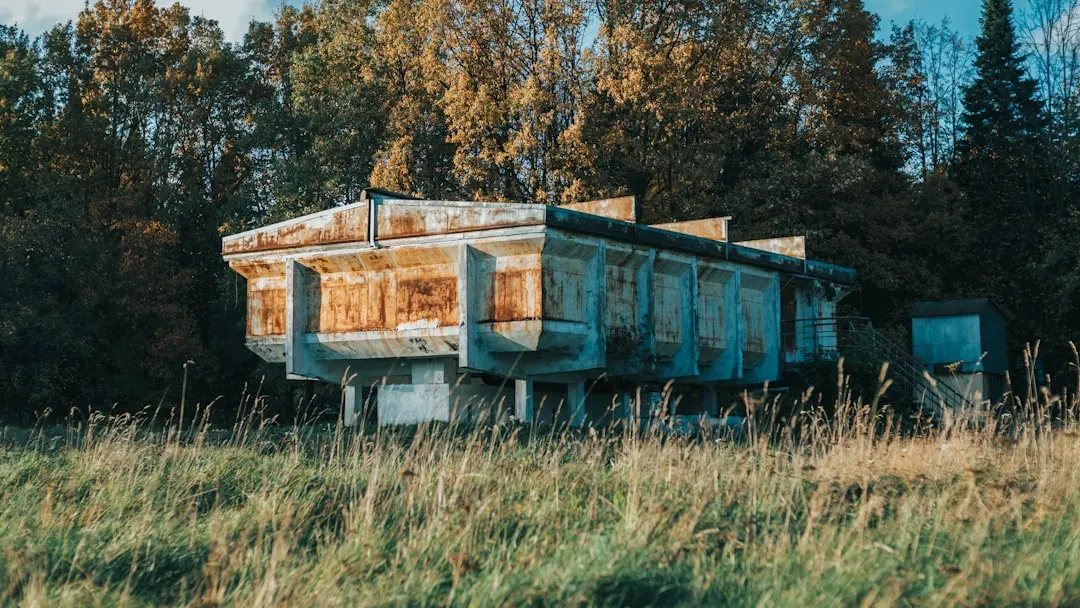
This myth carries an enormous human cost. Across tornado-prone regions of the United States, vast numbers of families live in manufactured or mobile homes, and many believe that anchoring systems or tie-downs offer meaningful protection. They don’t.
Even securely anchored mobile homes cannot withstand tornado-strength winds. If you live in a mobile home, evacuate to a designated storm shelter when a tornado warning is issued. No amount of anchoring changes the fundamental structural vulnerability of these homes.
Manufactured homes account for about 40 percent of tornado deaths in the United States, even though they represent only around 6 percent of the nation’s housing stock. These structures are more vulnerable to high winds, and the risk becomes even greater when tornadoes strike overnight while residents are asleep. The disproportion here is staggering and demands attention.
Myth 7: The Southwest Corner of Your Basement Is the Safest Spot
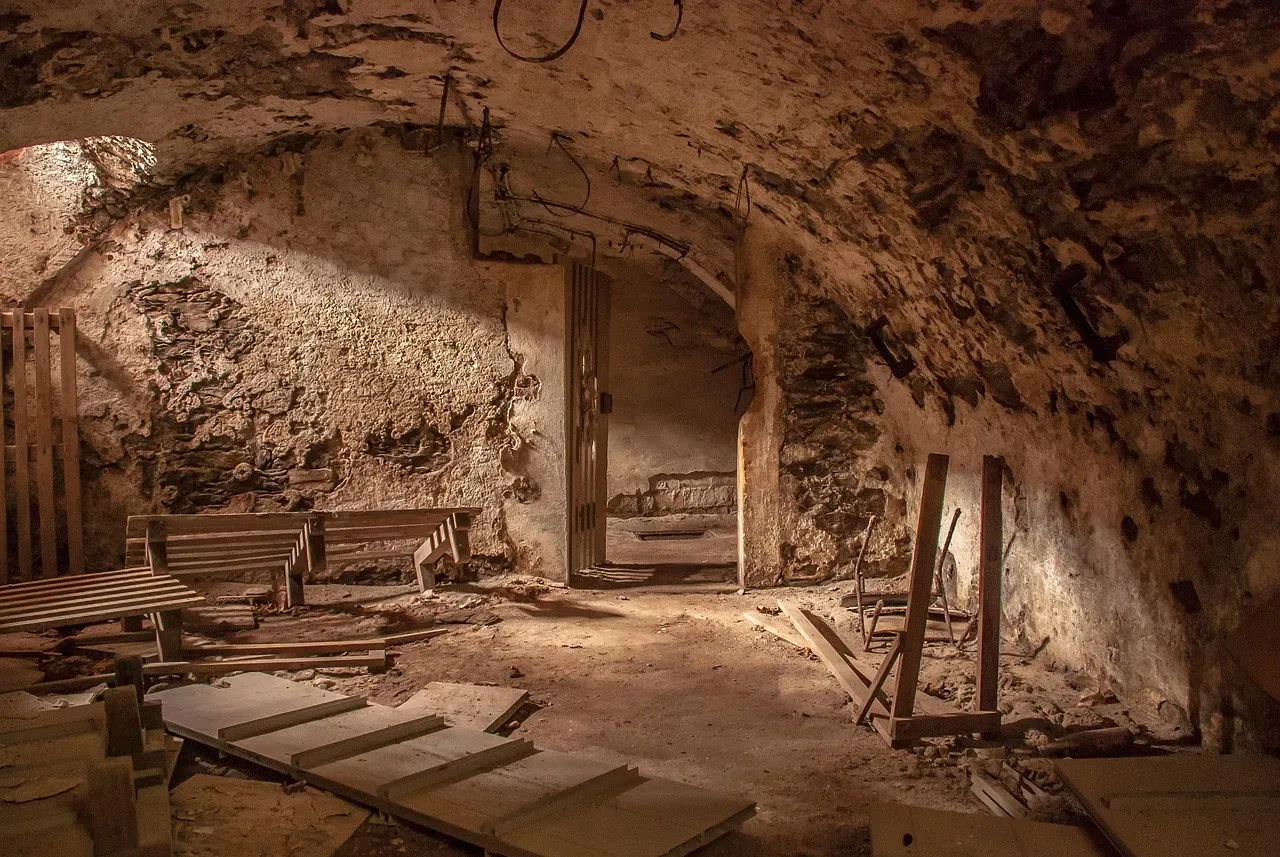
This old piece of folk wisdom has been repeated so many times it feels like established fact. The idea is that since most tornadoes travel from southwest to northeast, the southwest basement corner would be shielded from incoming debris. Logical in theory. Wrong in practice.
The truth is that the part of the home towards the approaching tornado, often but not always the southwest, is the least safe part of the basement, not the safest. This is also true of the above-ground portion of the house. You’d essentially be sheltering on the side that takes the first and hardest hit.
The safest place is in a small, windowless interior room on the lowest floor, such as a basement, bathroom, or closet, regardless of direction. At night, knowing exactly where this space is in complete darkness, without fumbling around, could be the difference between life and death.
Myth 8: Opening Windows Reduces Tornado Damage to Your Home
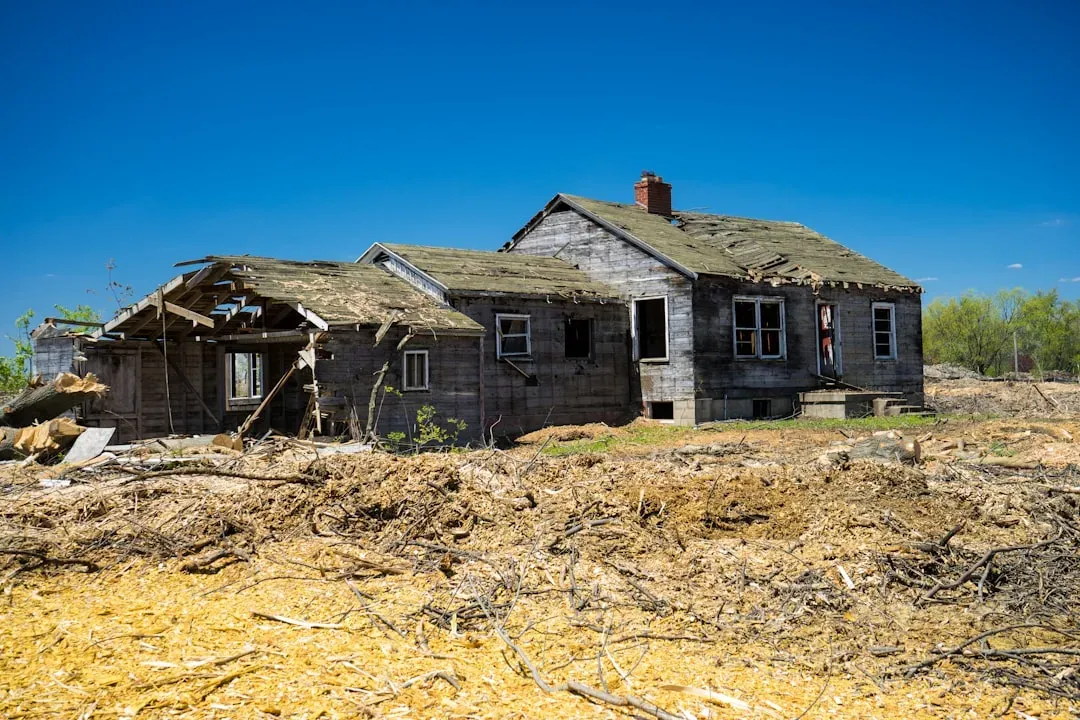
I know it sounds crazy, but this myth has persisted for well over a century. The reasoning goes that opening windows equalizes the pressure inside and outside your home, preventing the structure from essentially “exploding.” It sounds plausible. It is completely wrong.
Homes are damaged and destroyed by the extremely strong winds in a tornado, not pressure. If a tornado is approaching, you should seek shelter immediately. Taking the time to open all of your windows will put you in danger and will not protect your home from forceful winds.
In reality, opening windows is a dangerous and useless waste of time, and could actually be harmful to the house. At night, those precious seconds spent wandering through your home opening windows are seconds you should be sprinting to your shelter. This myth doesn’t just fail, it actively endangers you.
Myth 9: The Southeast Is Not a Major Tornado Threat at Night
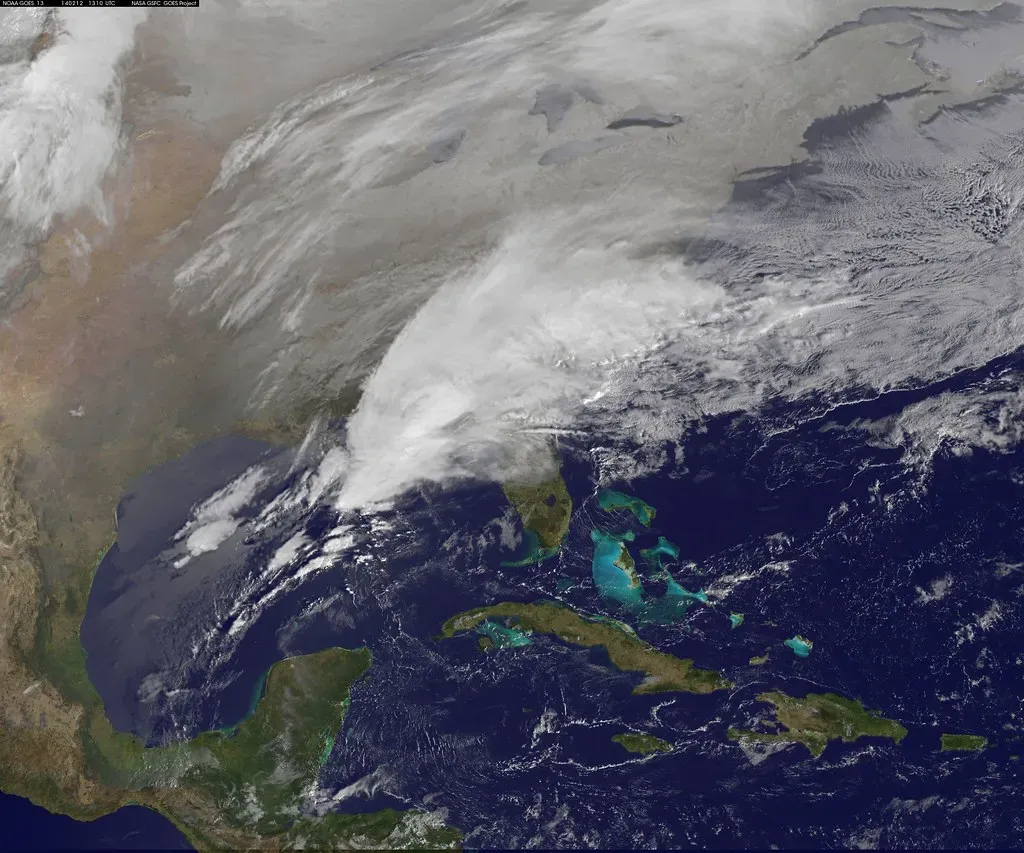
When most people think “tornado country,” they think of the Great Plains, the classic Tornado Alley stretching through Kansas and Oklahoma. It’s a reasonable mental image. It’s also dangerously incomplete, especially when night falls.
While the Plains are famous for tornadoes, the Southeast is actually the nation’s hotspot for deadly nighttime tornadoes. States like Alabama, Mississippi, Tennessee, and Georgia face disproportionate nighttime tornado danger, and their residents are often less prepared simply because the region doesn’t carry the same cultural awareness of tornado risk as the Plains.
Forecasting and warning technology have improved dramatically over the years, but darkness itself remains a serious hazard. Reduced visibility, delayed reactions to warnings, and vulnerable housing all contribute to the disproportionate danger of tornadoes that strike after sunset. Geography offers no protection when the fundamental problem is darkness and sleeping residents.
Myth 10: Tornadoes Can’t Strike the Same Area Twice
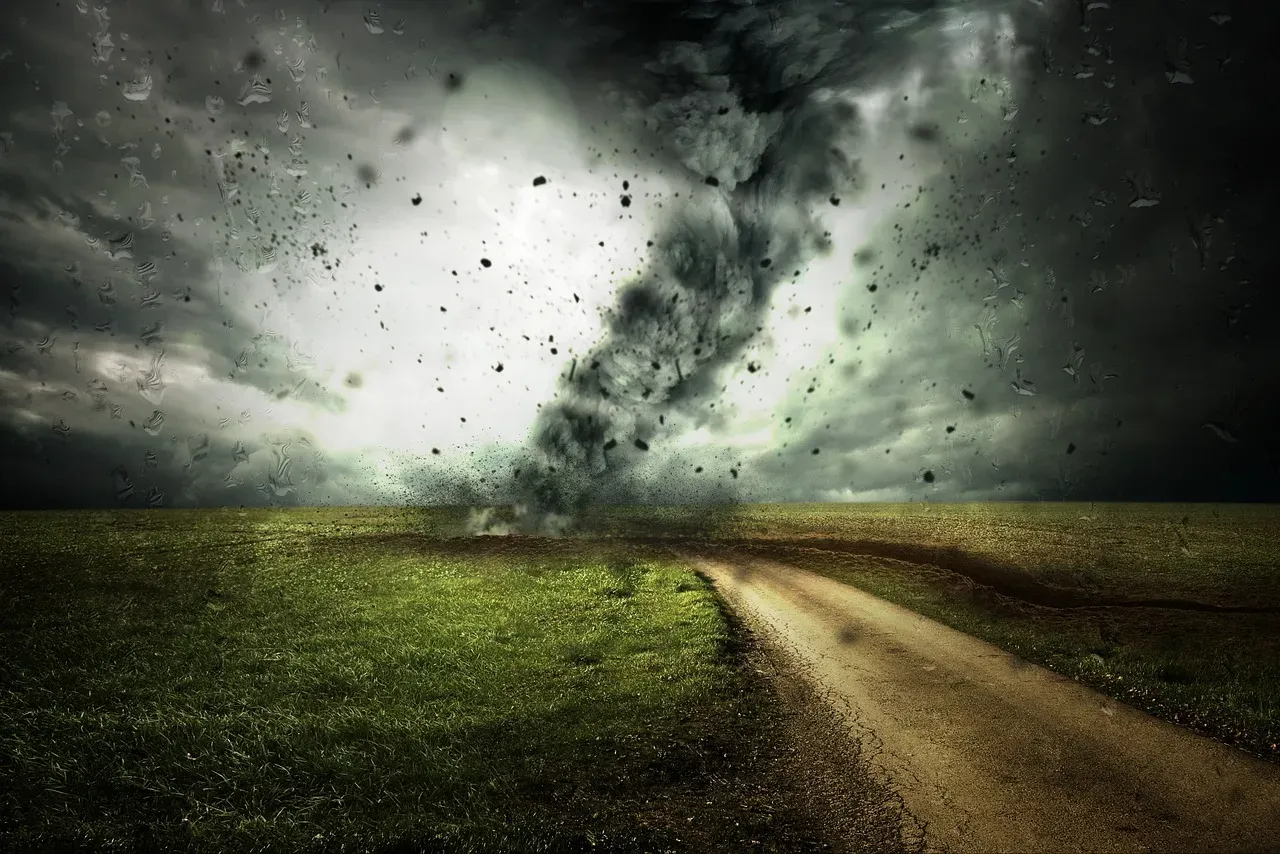
This particular myth creates a quiet, insidious sense of security that can get people killed. The logic goes: “We already had a tornado here, so lightning won’t strike twice.” It’s emotionally understandable. After surviving one terrifying storm, the human brain wants reassurance. Reality, however, doesn’t care about our feelings.
Tornadoes can strike any area at any time, regardless of past history. There is simply no geographic immunity, no storm “debt” that nature pays off. Tornadoes can strike any time, any place regardless of past history. As an example, Cordell, Kansas was hit by tornadoes on the same day three years in a row.
At night, this myth is especially dangerous because it lulls people into skipping their preparedness routines. “It already happened here, we’re safe” is not a safety plan. Most people survive tornadoes, and your odds of doing so go up when you have multiple ways to receive warnings, have an action plan, and quickly get to shelter. That holds true whether it’s your first tornado or your fifth.
Conclusion: What You Don’t Know at 2 A.M. Can Kill You
The myths surrounding nighttime tornadoes are not harmless folklore. They are active threats, shaping decisions people make in the seconds that matter most. Every single one of the misconceptions covered here has, at some point, contributed to unnecessary deaths.
The good news is that awareness is genuinely powerful. Keeping a NOAA weather radio by your bed, having a clear shelter plan that works in complete darkness, and understanding that sirens, sound, and visibility all fail at night are simple but life-changing shifts in thinking. It takes maybe ten minutes to prepare. A nighttime tornado gives you far less.
The most dangerous moment is not when the storm arrives. It’s the quiet night before, when you assume you’re safe because you’ve always been safe before. Are you really as prepared as you think you are when the lights go out?

- 12 Architectural Wonders From The Ancient World That Inspire Us Today - July 18, 2026
- 6 Beautiful Ancient Cities That Time Forgot (But Shouldn’t) - July 18, 2026
- 6 Common Animal Behaviors That Are Often Misunderstood by Humans - July 18, 2026