

There are few things in life as quietly devastating as the empty space a beloved pet leaves behind. The food bowl that stays full. The leash that hangs by the door. The corner of the couch that feels wrong now. If you’ve ever lost an animal companion, you already know this kind of grief is something else entirely. It lives in your bones.
For a lot of people, the death of a beloved companion cuts just as deeply as the loss of a friend or family member. In many cases, however, it’s a specific type of grief that’s often dismissed or overlooked. That dismissal can make everything so much harder. The good news? Experts have real, compassionate, and actionable guidance on how to get through it. Let’s dive in.
1. Allow Yourself to Truly Grieve – Without Apology

Feeling sad, shocked, or lonely is a normal reaction to the loss of a beloved pet. Exhibiting these feelings doesn’t mean you are weak or your feelings are somehow misplaced. It just means that you’re mourning the loss of an animal you loved, so you shouldn’t feel ashamed.
Trying to ignore your pain or keep it from surfacing will only make it worse in the long run. For real healing, it is necessary to face your grief and actively deal with it. By expressing your grief, you’ll likely need less time to heal than if you withhold or “bottle up” your feelings.
Here’s the thing – so many people rush past their own sadness because someone around them doesn’t quite get it. Honestly, the people who don’t understand have simply never loved a pet the way you have. Experiencing your emotions following the death of a pet is difficult, but important. A healthier grief journey may come from taking your time to work through your feelings rather than trying to push them away or ignoring them.
2. Understand That Grief Is Not a Straight Line

Remember that grief is not a linear process. You might feel better one day and then intense sorrow the next. This roller coaster of emotions is completely normal.
Think of grief as ocean waves. Sometimes waves are huge and overwhelming. Other times, waves can be small and gentle. And they can be anywhere in between. Grief is the same way – it can fluctuate at any time. Experiencing waves of different emotions at different times is very normal when it comes to grieving anything in life.
I think this ocean analogy is one of the most accurate descriptions of grief I’ve ever come across. Some mornings you’ll wake up feeling almost okay. Then you’ll find a toy under the sofa and the wave crashes again. Grief doesn’t follow a straight line. Instead, we often move back and forth between intense feelings and everyday functioning. One day you might feel numb or heartbroken, the next distracted by daily tasks, then back in the thick of sadness again.
3. Turn “Clobber” Moments Into Intentional Connection
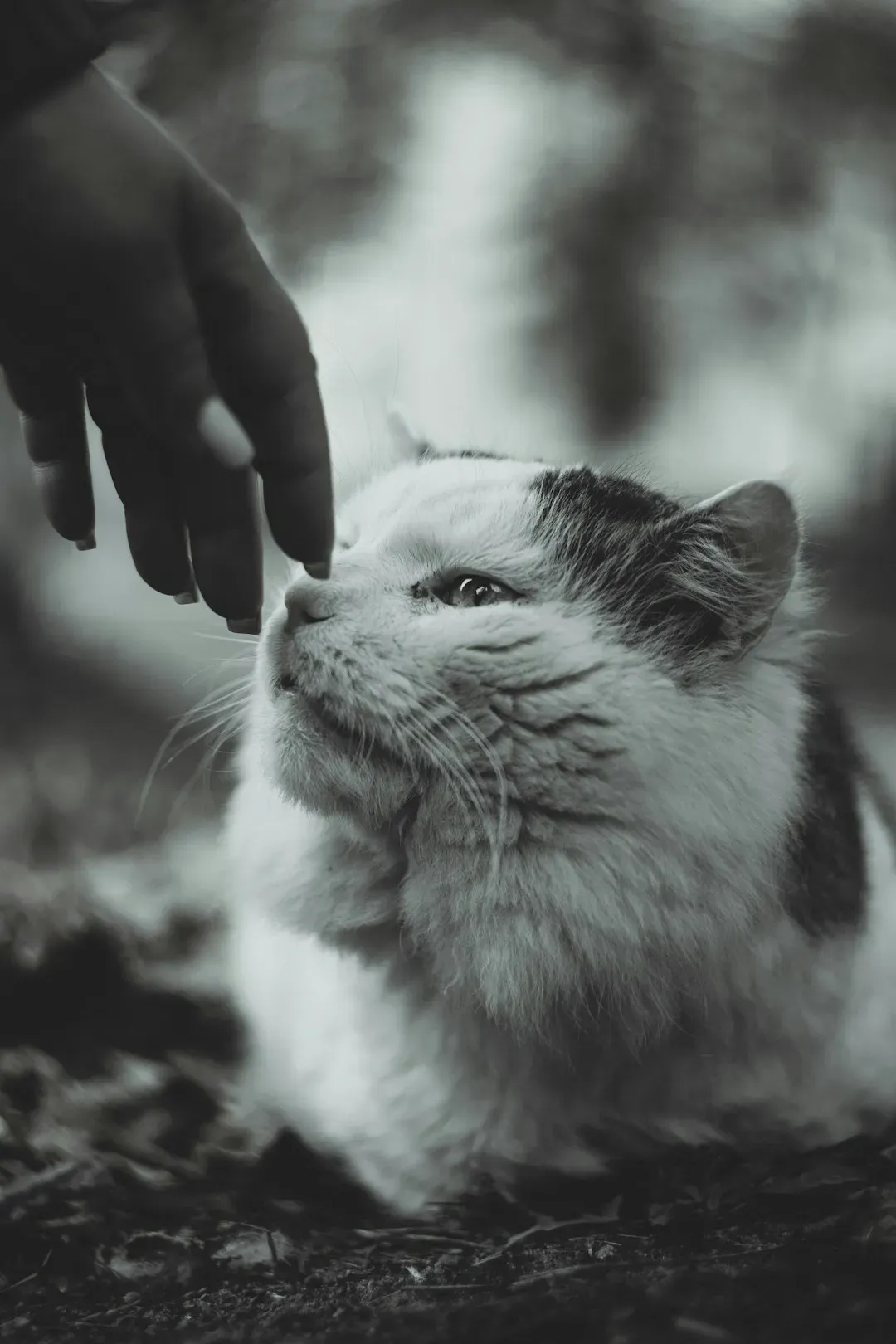
Since pets are so deeply ingrained in our daily routines, when they’re gone, grief can be perpetuated by constant reminders of things like expecting them to greet you at the door or looking for them in their favorite sleeping spot. Pet grief counselor Beth Bigler calls it the “clobber.” It’s like a gut punch and you feel devastated all over again every time. This can happen four or five times in a minute, all day, every day, especially early on.
Bigler’s advice here is surprisingly practical and, I’d argue, genuinely healing. Rather than trying to avoid those moments, she suggests transforming them. To help, Bigler suggests turning “clobber” moments into moments of “intentional connection” by doing things like putting a photograph of your pet by the door, then greeting them when you come home. You can acknowledge them when you come in the door. Doing tactile things is really good and grounding for grief.
4. Release Your Guilt – You Did Your Best

It’s natural to feel a sense of responsibility for what happened to your pet, and you may feel a sense of guilt when trying to rationalize loss. Pet parents often seek explanations to make sense of what happened, which can lead to undeserved guilt, even when the situation was beyond your control. However, blaming yourself for your pet’s illness, accident, or death can trap you in a cycle of guilt and grief, especially when you had no control over the outcome.
Remember that life’s constraints, like finances and time, can limit your options. Accept that you did your best with what you had. Guilt is one of the most common and also most destructive emotions in pet bereavement. It’s a way of trying to make sense of the senseless. Guilty feelings keep us from having to accept the reality of the loss. We need to remember the good life we gave to our furry friends and that we did the best we could.
5. Lean on Others – Especially Those Who Truly Get It

While losing a pet can feel like an isolating experience, the people in your life who care about you likely want to help. You should not be afraid to ask for practical and emotional support from family and friends, whether that’s requesting a hot meal or some company. The more you retreat from meaningful connections, the harder the process can be. This doesn’t mean you have to jump right back into social events, but you should lean on people when you need to.
Accept the fact that the best support for your grief may come from outside your usual circle of friends and family members. Seek out others who have lost pets – those who can appreciate the magnitude of your loss, and may be able to suggest ways of getting through the grieving process. Online communities, pet loss support groups, and even professional pet grief counselors are all genuinely wonderful resources. You don’t have to white-knuckle through this alone.
6. Create a Meaningful Ritual to Honor Their Memory

Societies and cultures throughout human history have engaged in mourning rituals to cope with emotional pain after a loss. Trying a ritual could also help you grieve after the death of a pet. You might try something familiar, such as having a memorial, or you could create your own practice.
Memorializing the memory of your beloved pet can be a good way of finding some form of closure. Some people choose to write a letter, some have funerals and services, some people create shadow boxes with their dog or cat tags and collars and a paw print. Others find a favorite space or memory from their pet’s life and spend some time there. There is never a wrong way to memorialize the beautiful experiences and life that was shared.
7. Know When to Seek Professional Support

The timeline for grieving a pet is deeply personal and varies from person to person. Some people may start to feel better after a few days, while others may mourn for months or years. If active mourning is continuing for months to years, you may consider speaking with a grief counselor to help you move forward in life.
If you’re having a really difficult time finding positive memories of your pet, or if your grief is disrupting your life, such as impacting your ability to go to work, it might be a good time to seek treatment. If you’re having thoughts of self-harm or not wanting to live, it is crucial to get support. Reaching out to a mental health professional who specializes in grief is never a sign of weakness. It’s actually one of the bravest and most self-aware things you can do. Pet loss support groups can provide a safe and non-judgmental place for family members to share their feelings and experiences. Support groups are a place where family members will meet others who understand what they’re going through, as many times your own family and friends may not completely understand your grief.
Finding Your Way Through the Loss

Grief for a beloved pet is real, valid, and deeply human. It doesn’t need to be justified or ranked or explained to anyone. Healthy grieving does not mean that you forget or “get over” your friend. It simply allows you to accept that they’re gone and eventually smile at their memory.
Realize that sharing your love with another animal is not a betrayal of your beloved pet. Opening your home and heart to another animal can be a way to honor your past pet. If you are unable or not ready to do so, consider volunteering your time or resources at an animal shelter or rescue. Healing doesn’t come in a straight line or on anyone else’s schedule. It comes gently, in waves, through rituals and tears and the kind support of people who understand. Be patient with yourself. Your pet certainly always was.
What has helped you most when navigating the loss of a beloved animal? Share your experience in the comments below.

- The Pet Your Zodiac Sign Would Rescue Without Hesitation - August 16, 2026
- 7 US States Where Mountain Lions Are Closer Than You Think - August 16, 2026
- 10 US States With the Highest Black Bear Populations - August 16, 2026