
There is something almost spiritual about standing in a wilderness that has barely changed in thousands of years, watching an animal that could vanish from the Earth within your lifetime. It hits differently than a zoo or a nature documentary. It stays with you. America’s national parks are, honestly, among the last places on the planet where that experience is still possible.
America’s national parks protect some of the most well-preserved wilderness and ecosystems in the world, with vast woodlands, vibrant coastlines, and even arid deserts sheltering a rich diversity of mammals, birds, reptiles, and sea creatures. The thing is, many of these parks exist precisely because the animals living inside them are running out of places to go. Many national parks are designated as such to preserve rare and threatened ecosystems, as plenty of the animals they protect are unfortunately at risk of being, or are already, endangered.
So which parks are truly extraordinary when it comes to rare wildlife? Here are ten that deserve your full attention. Let’s dive in.
1. Yellowstone National Park, Wyoming: The Crowned Jewel of Wild America
Let’s be real. No list about rare American wildlife would mean anything without starting here. Yellowstone is in a category of its own. Yellowstone National Park is the most famous national park in the United States, partly because of its incredible diversity of wildlife. The Greater Yellowstone Ecosystem is one of the largest intact temperate-zone ecosystems on the planet, with an abundance of forests, mountains, and waterways to support a rich tapestry of plants and animals.
The park has the largest concentration of mammals in the lower 48 states, with 67 different mammal species. Think about that for a second. Sixty-seven species of mammals, all in one place. It’s breathtaking.
The grizzly is listed as threatened on the Endangered Species List in the lower 48 states. Once, there were roughly 50,000 grizzlies from the west coast to the Great Plains. With the arrival of European settlers and subsequent overhunting, this number plummeted to just a couple of hundred individuals. In 1975, grizzlies were listed as endangered in order to recover the population that remained in the Greater Yellowstone Ecosystem.
Gray wolves were reintroduced in 1995 after a decades-long absence, restoring a crucial predator to the ecosystem. As a keystone species, their presence has had wide-reaching ecological effects, influencing prey populations and even vegetation patterns via a process known as a trophic cascade. Nature finds a way when you give it room to breathe.
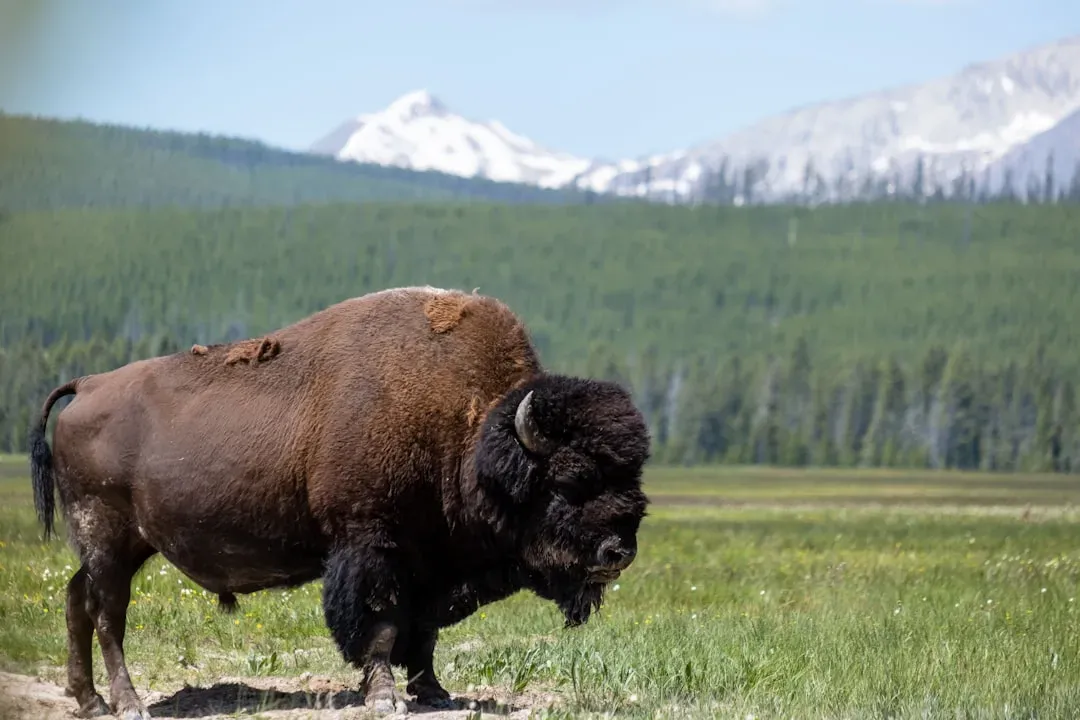
Yellowstone is home to the only continuously free-ranging bison herd in the lower 48 states. Standing in Lamar Valley while a herd of bison crosses the road in front of you is, I’d argue, one of the most humbling experiences available to any human being anywhere on this continent.
2. Everglades National Park, Florida: Where Prehistoric Meets Endangered
Florida surprises people. They picture theme parks and beaches. What they don’t imagine is a slow-moving river of grass so vast and primordial it feels like stepping into a different planet. The subtropical Everglades is an important habitat for numerous rare and endangered species like the manatee, American crocodile, and the elusive Florida panther.
Thanks to a mix of temperate, subtropical, and tropical climates, this national park is a birder’s paradise, with more than 360 species of birds, almost 300 species of fish, more than 50 reptile species including both alligator and crocodile, 17 species of amphibians, and 40 species of mammals.
Rare sightings include the elusive Florida panther, estimated at fewer than 200 left in the wild, and the American crocodile along coastal areas. The Florida panther is not just rare. It is one of the most endangered animals in the world. The only known wild breeding population occurs in south Florida within the Big Cypress Swamp region.
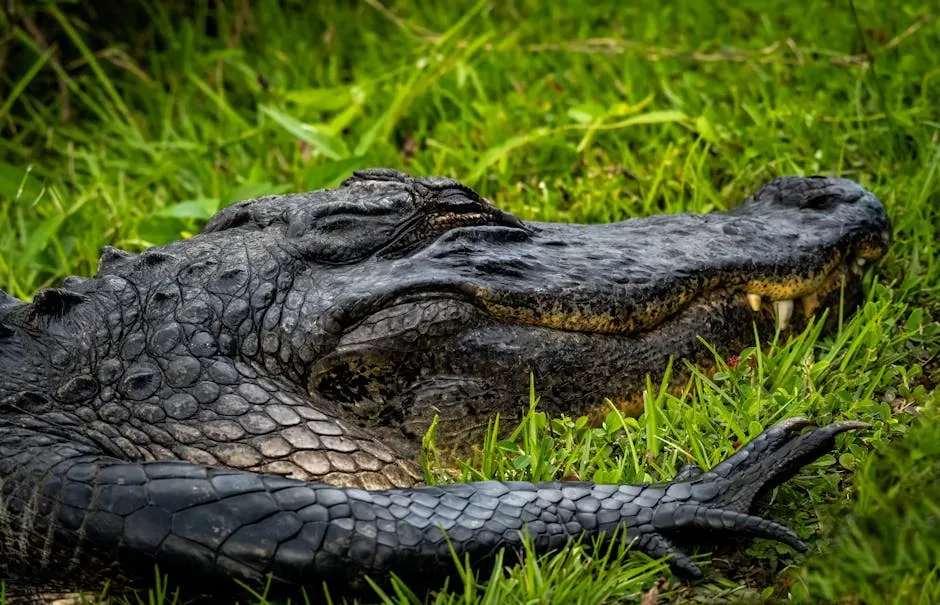
This is the only place on Earth where wild Florida panthers exist and alligators mingle with crocodiles. That last detail never gets old. Two of the most ancient reptile lineages on the planet, coexisting in the same wetland system. Honestly, wild.
3. Channel Islands National Park, California: The Galapagos of North America
People in Los Angeles drive past the ocean every day without realizing that just a short boat ride away, one of the most biologically extraordinary places in North America sits quietly in the Pacific. Channel Islands National Park has one of the state’s most unique coastal ecosystems, with populations of animals found nowhere else on Earth.
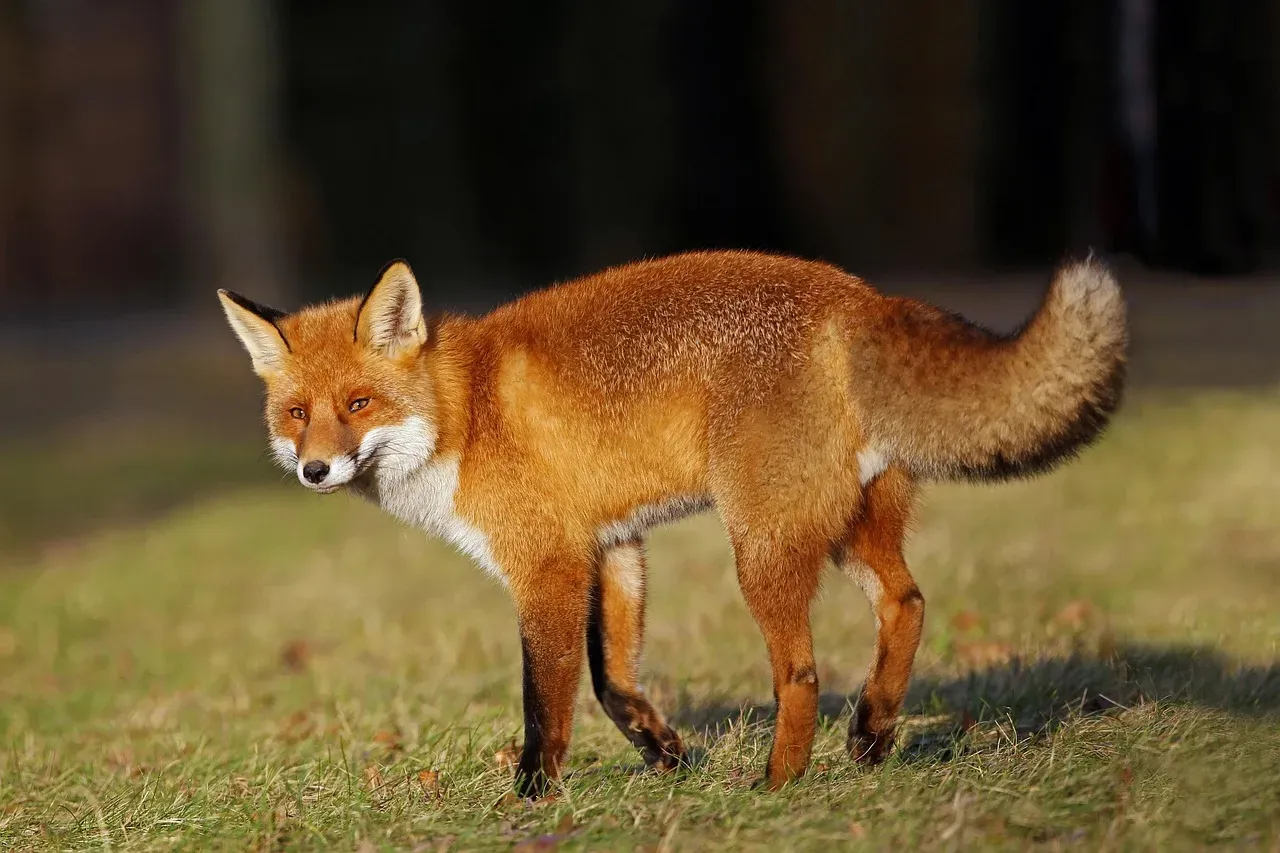
Six of the eight Channel Islands are home to the incredibly rare island fox, a relative of the mainland gray fox that evolved into a separate species after eons of island isolation. It weighs about as much as a large house cat. This small fox is native to six of the eight Channel Islands, found nowhere else on Earth. It is one of the smallest canine species in the world, weighing in at just four or five pounds, and the only carnivore unique to California. Each island is so isolated that the foxes evolved with slight physical variations, creating six unique subspecies.
The park started a captive breeding program in 1999 after sharp population declines from predation threatened the foxes’ survival. The program successfully reversed the animals’ near-extinction, and today their populations have mostly recovered. It’s a genuine conservation success story, and one of the most heartening wildlife recoveries in recent memory.
4. Great Smoky Mountains National Park, Tennessee and North Carolina: The Salamander Capital of the World
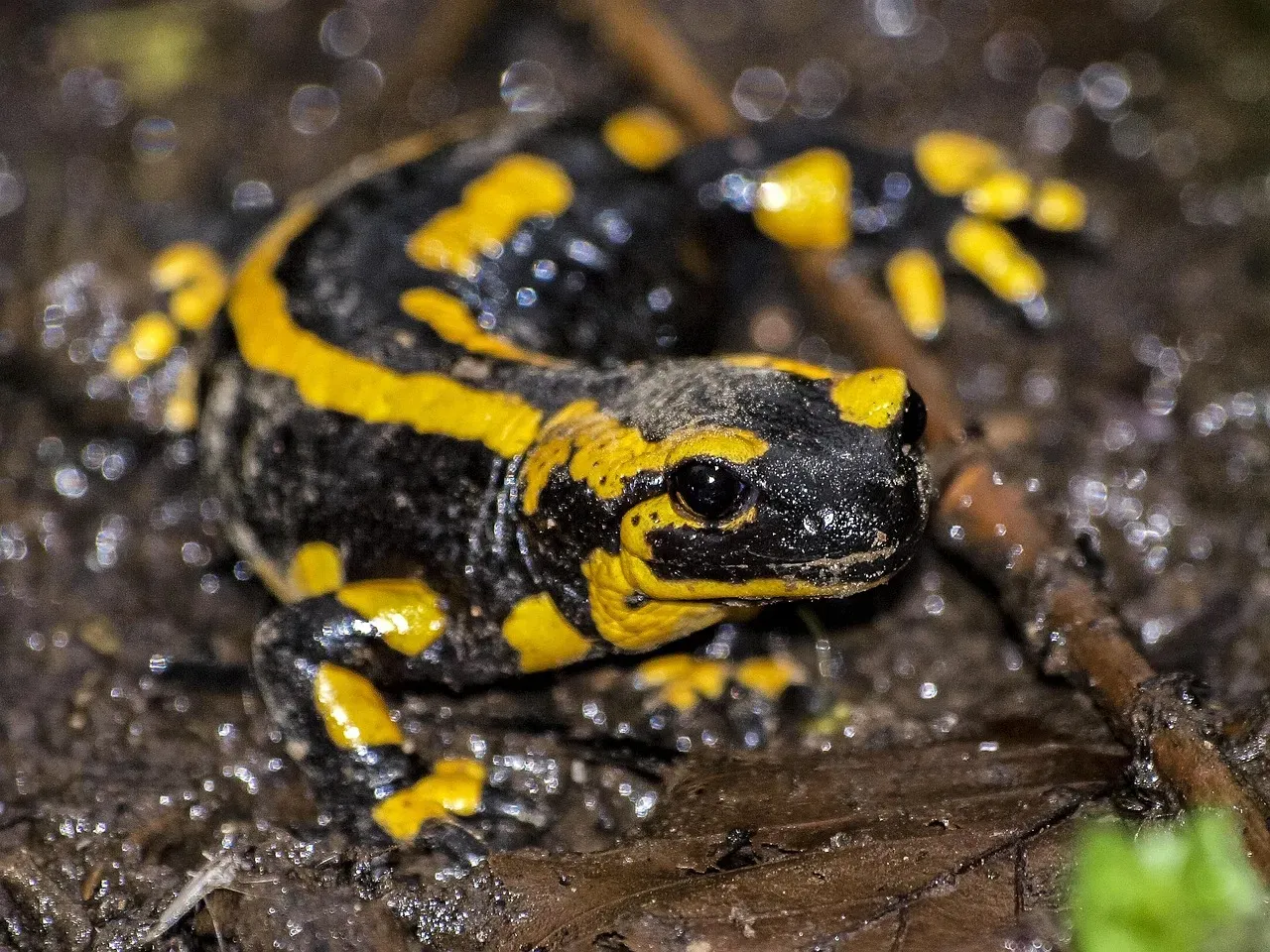
Here’s something most people don’t know. The Smokies aren’t just pretty mountains with autumn foliage. They are, scientifically speaking, one of the most biodiverse patches of land on Earth. With a total of 2,278 plant species and 620 animals, Great Smoky is America’s most biodiverse park.
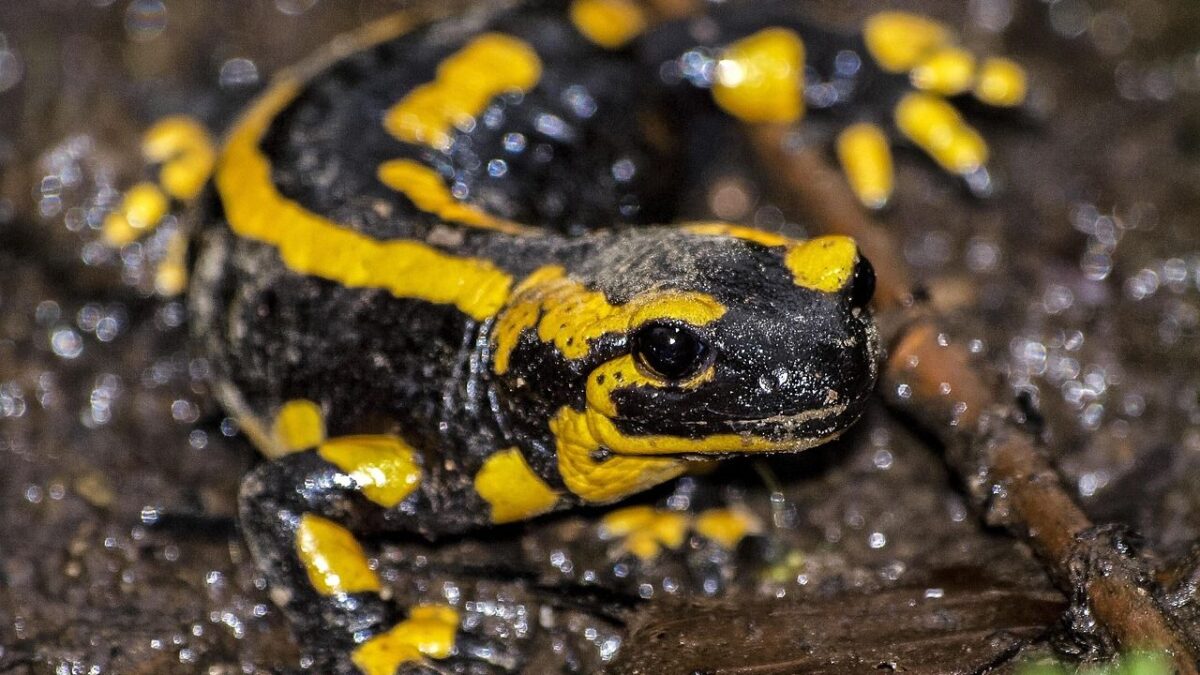
Known as the Salamander Capital of the World, Great Smoky Mountains National Park is home to at least 30 species. The elevation range provides a variety of habitats, and plentiful storm systems over the mountains dump lots of moisture. All that water and sun mean a long growing season, resulting in great productivity for plants, which leads to more diversity overall.
Thirty-six threatened or endangered wildlife species call this region home, including the Florida panther. The hellbender salamander is perhaps the park’s most fascinating resident. This creature’s unusual appearance has inspired such colorful nicknames as “mud devil,” “water dog,” “snot otter,” and “old lasagna sides.” It is also an example of divergent evolution, with Asian ancestors dating back 160 million years, and there are no other species like them anywhere else on the planet.
The Smokies score high for mammals, with 107 species, and reptiles, with 56, and experts reckon the park could hide up to 100,000 unrecorded species. That last number is staggering. A park full of creatures we haven’t even named yet.
5. Glacier National Park, Montana: The Last Refuge of the Mountain Grizzly
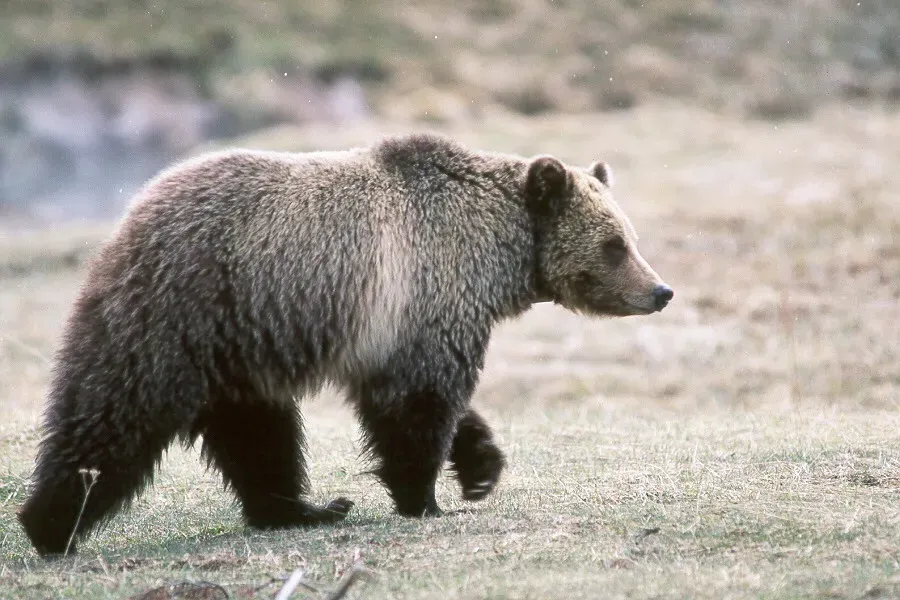
Montana holds a kind of romance that’s hard to put into words. Maybe it’s the scale of the landscape, or the sense that the rules of civilization start to fade the deeper you go into the mountains. Grizzlies are only in the far north of the US now, and can be seen in Glacier National Park in Montana, although sightings are rare. That rarity is precisely what makes them so electric to encounter.
A relatively recent discovery is the threat to the small mist forest stonefly, which lives in streams fed by melting glaciers. As the climate warms, the stonefly’s ability to survive in its natural habitat of the coldest of cold water is increasingly in danger. It’s a sobering reminder that the most fragile creatures are often the ones we never even see.
Glacier is also prime habitat for gray wolves, wolverines, lynx, mountain goats, and bighorn sheep. For those who want the best scenery Montana has to offer as well as outstanding wildlife, a trip to Glacier National Park is a must. The Rocky Mountains are what make for such a diverse crew of animals who call Glacier their home.
6. Death Valley National Park, California and Nevada: Where Only the Toughest Survive
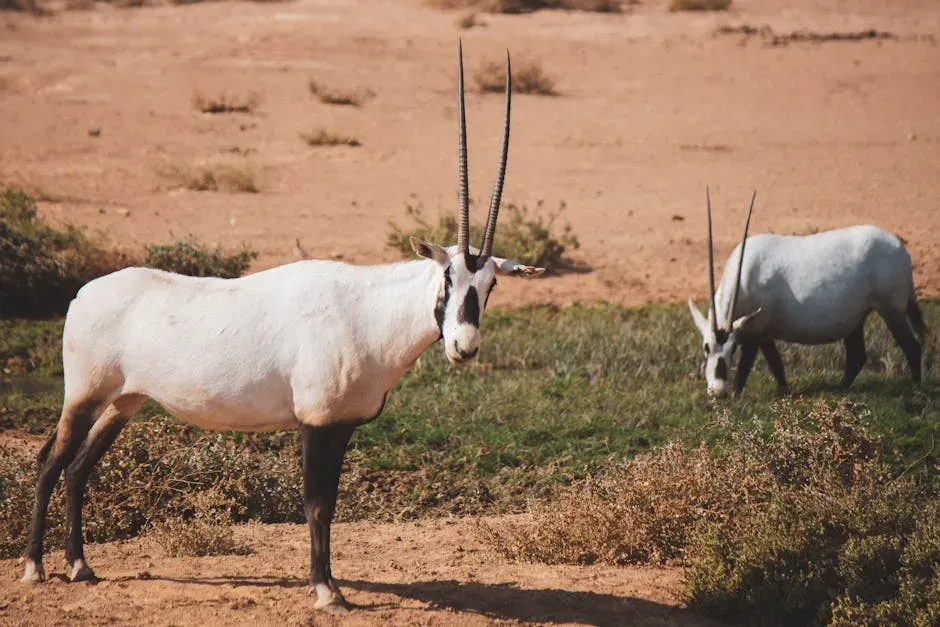
Death Valley sounds like the last place you’d go looking for rare wildlife. That’s exactly why it surprises so many people. The extreme conditions here don’t eliminate life. They sculpt it into something almost unimaginable. Death Valley National Park has an extremely rare species that’s not quite “on view.” An underground lake in Death Valley’s detached Devils Hole unit in Nevada serves as home to one of the world’s rarest fish. The Death Valley pupfish is only found in this 215-square-foot subterranean pool.
Desert Pupfish can only live a maximum of three years and help control mosquito populations in the Death Valley area. Its tolerance for extreme conditions includes water temperatures up to 108 degrees Fahrenheit and extremely low oxygen levels. Think about that. A fish that thrives in conditions hotter than a bathtub and nearly devoid of oxygen. Evolution at its most wild and stubborn.
The Mojave desert tortoise is another extraordinary resident here, capable of surviving decades in arid conditions and storing enough water in its bladder to outlast long dry spells. Death Valley teaches a humbling lesson: life finds a way even where it has absolutely no business existing.
7. Olympic National Park, Washington: Ancient Forests and Vanishing Fishers
Olympic is three parks in one, honestly. Temperate rainforest, alpine meadows, and rugged Pacific coastline all compressed into a single stunning landscape in the northwest corner of Washington. Tucked away in the northwestern corner of Washington state, the Olympic Peninsula hosts one of America’s most distinctive endemic mammals, the Olympic marmot.
The Pacific fisher, an eight- to ten-pound cat-like animal, once roamed the Northwest and California, building dens and raising kits in mature forests. Now, after decades of trapping and logging, the animals are all but gone from Washington State and are considered rare in the rest of their historic range. Olympic National Park has participated in successful reintroduction efforts, and Yosemite National Park has conducted extensive fisher monitoring programs.
Found in the lush forests of Olympic National Park, the barred owl isn’t actually native here. The species is thought to have migrated from Canada. Some conservationists have raised the alarm that it could be competing aggressively for food with the native, very similar-looking, northern spotted owl, which is thought to be declining by around 3 to 4 percent per year. Even in a park this pristine, the battle for survival is constant.
8. Biscayne National Park, Florida: A Coral Kingdom Under the Surface
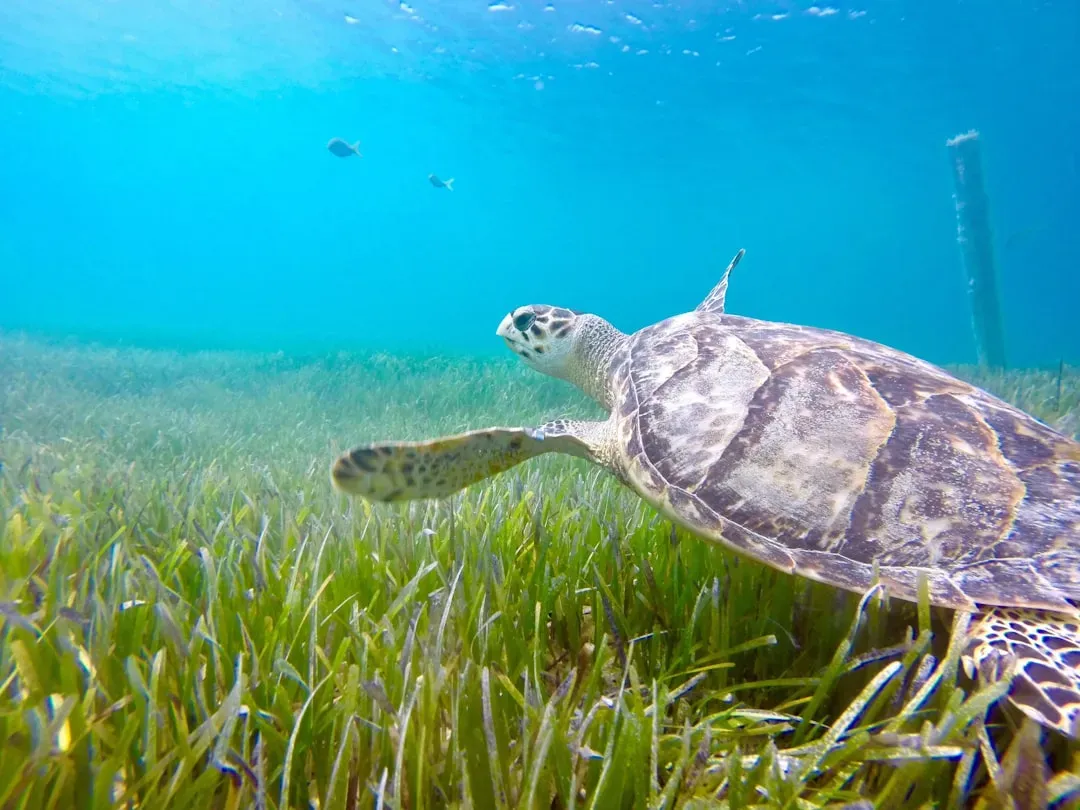
Most people have never heard of Biscayne National Park. That’s a shame. Much of Biscayne’s naturalistic appeal stems from the fact that most of the park is underwater, with a few smatterings of islands accessible only by boat. This marine environment provides Biscayne with a rich network of coral reefs and coastal mangrove forests sitting at the intersection of four distinct ecosystems, all teeming with eye-catching sea life.
The most notable of Biscayne National Park’s endangered residents are perhaps its population of sea turtles. Biscayne is home to several species of sea turtles, including the endangered loggerhead, hawksbill, and leatherback turtles. These creatures have roamed the ocean for over 100 million years. The idea that they could disappear in our lifetime is frankly hard to process.
Not only does Biscayne provide a safe haven and dedicated conservation efforts for these threatened species, but it also offers excellent turtle viewing opportunities from a safe distance along one of its many snorkeling and scuba diving spots. It’s one of those rare parks where the most spectacular wildlife happens to be entirely invisible from dry land.
9. Badlands and Wind Cave National Parks, South Dakota: Prairie Ghosts and Ferret Miracles

The Badlands are otherworldly. Jagged rock spires rise out of the prairie like broken teeth, and the whole landscape shimmers in pinks and purples at dusk. It’s beautiful in a raw, disquieting way. It’s also home to one of the most remarkable conservation comebacks in American history. The black-footed ferret was once considered the rarest mammal in the world, and about a thousand of these ferrets now live in the wild. National Park Service staff in partnership with the Fish and Wildlife Service and other conservation organizations have helped to reintroduce these two-foot-long members of the weasel family into South Dakota’s Badlands and Wind Cave National Parks.
The black-footed ferret is the only ferret species native to North America and can grow up to 2 feet long. It nearly went extinct twice. It’s hard to say for sure what the full story of its recovery will be, but what’s already happened is extraordinary.
Beyond ferrets, both parks also shelter bison herds, pronghorn antelope, and bighorn sheep. Up to 60 million bison once roamed North America, underpinning Indigenous cultures. In the late 1800s, white hunters and soldiers wiped out the herds, largely to weaken Native resistance. The fact that bison graze here freely today feels like a small act of justice.
10. Yosemite National Park, California: Hidden Owl and the Sierra’s Secret Frog
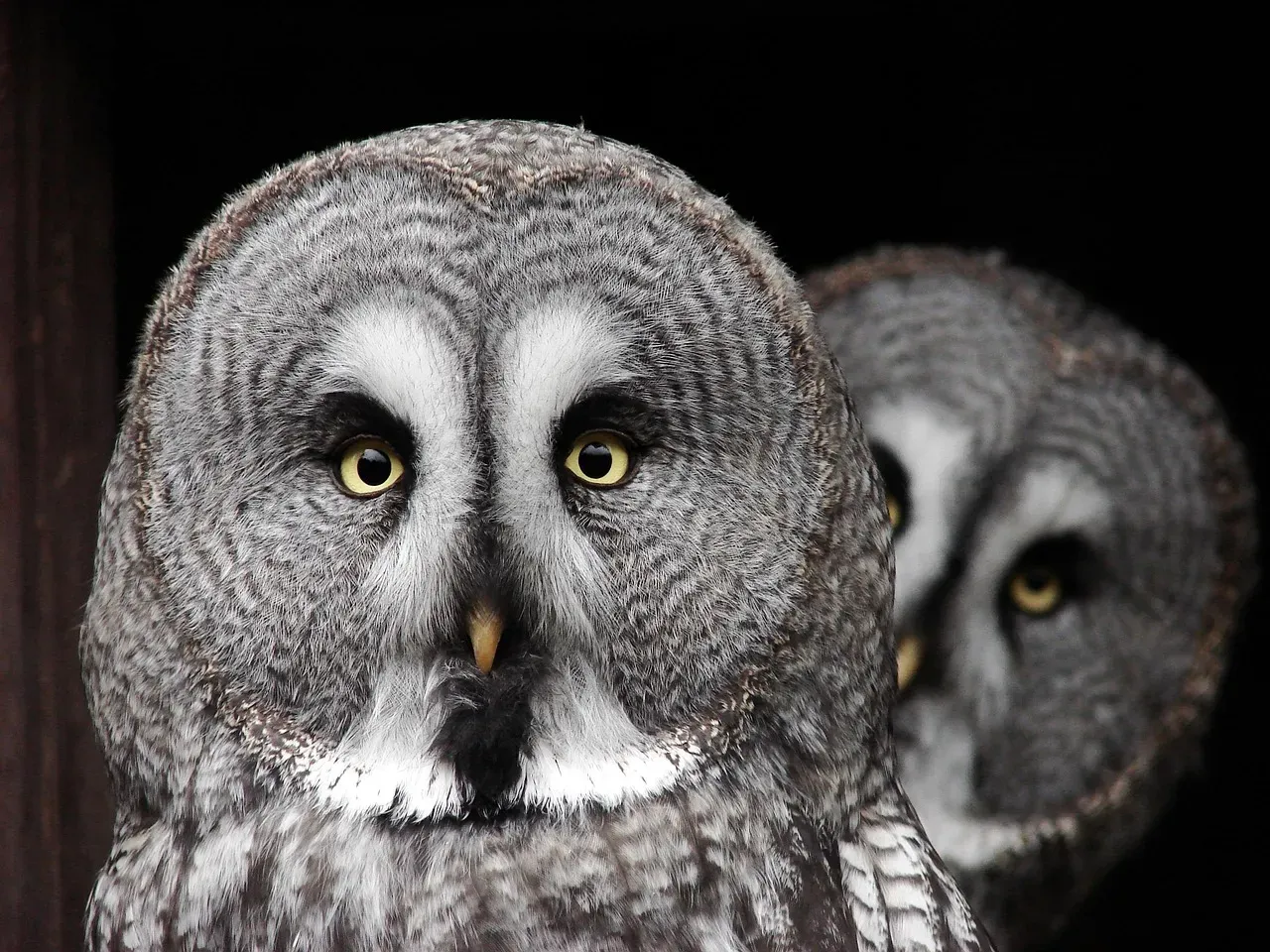
Yosemite draws millions of visitors every year for its iconic granite cliffs and waterfalls. Most of them have no idea that the park is also sheltering some of California’s rarest and most quietly spectacular wildlife. Scientists discovered that Yosemite’s great gray owls are a unique population that developed characteristics and behaviors different from California’s other great grays due to centuries of isolation. Now recognized as a unique subspecies, these magnificent birds are very few in number.
California as a whole holds perhaps 200 to 300 great gray owls, with the Yosemite variety being the largest group. Favoring the forest and hunting along meadow edges, they are notable for their 5-foot wingspans and massive facial disks, which lend them a powerful presence.
Once the most common amphibian in the lakes of the Sierra Nevada region of California, the Sierra Nevada yellow-legged frog has become prey to animals its ancestors never anticipated: non-native fish. It’s a gut-punch of a story. A species that thrived for millennia is now struggling because humans introduced trout into alpine lakes for recreational fishing.
Yosemite proves that sometimes the most extraordinary wildlife doesn’t announce itself. It hides in meadow edges, cold mountain lakes, and silent forest canopies, waiting for those patient enough to look. The tiny owl population now faces intense pressure from visiting humans who tramp around the woods hoping for sightings. The wildlife reminds us that attention, even loving attention, has a cost.
Why These Parks Matter More Than Ever
The National Park Service works to sustain and recover at-risk species, with a mission to prevent extinction of plants and animals in the parks, and to restore species that have occurred in parks historically but have been lost due to various factors. That mission has never felt more urgent than it does right now, in 2026.
Conservation priorities embedded for more than five decades in the country’s national parks and wildlife refuges are under new pressures. Amid staffing challenges, America’s most vulnerable plant and animal species face new peril in their struggle to survive. The politics around wildlife conservation have become genuinely frightening for those paying close attention.
The news is grim for many threatened plants and animals struggling to adapt to habitat loss, changing climate patterns, development, and other dangers. Fortunately, national parks provide habitat for many species with fewer and fewer places to go. That’s the quiet heroism of these places. They hold the line.
These ten national parks aren’t just beautiful. They are ecological lifeboats. They are the places where grizzly bears still fish in rushing streams, where ancient salamanders breathe through their skin, where island foxes trot through fog-drenched mornings, where bison calves take their first shaky steps on prairie grass. Every single one of those moments is, in the grand scheme of things, a miracle of survival worth protecting.
The next time someone asks why national parks matter, tell them it’s not really about the scenery. It’s about what’s still alive inside them. What do you think we stand to lose if we stop protecting these places? Share your thoughts in the comments below.
