

Your dog wags their tail. They eat their food. They follow you from room to room. Everything looks fine, right? Not necessarily. Dogs are surprisingly good at masking emotional distress, and the subtle signs of unhappiness can slip right past even the most devoted pet owners.
In one study, just about a third of dog owners recognized the signals that their dogs were sad. That’s a striking number when you think about how much we love our pets. The truth is, canine unhappiness doesn’t always look like what you’d expect. It hides in yawns, posture, eating habits, and even how your dog looks at you. Let’s dive in.
1. Sudden Changes in Appetite – Eating Too Much or Too Little

Here’s a sign that trips up so many owners: a dog that starts eating differently. Just like in humans, unhappy dogs can lose their appetite, and in one study from the UK, a staggering 900,000 cats and dogs suffered a loss of appetite due to emotional problems.
What makes this tricky is that the opposite can also be true. One study noted that unhappy dogs can also overeat, just like humans. Think of it like emotional eating – sometimes sadness empties the bowl, sometimes it overflows it.
The key is to watch out for sudden changes in your dog’s behavior rather than fixating on one pattern. A dog that normally finishes dinner in seconds and suddenly walks away? That’s worth paying attention to. Reduced interest in food or treats can be a sign of both emotional and physical discomfort.
The fix here starts simple. Consult your vet first to rule out physical causes, then look at what has changed in your dog’s routine or environment recently.
2. Disrupted or Excessive Sleep Patterns
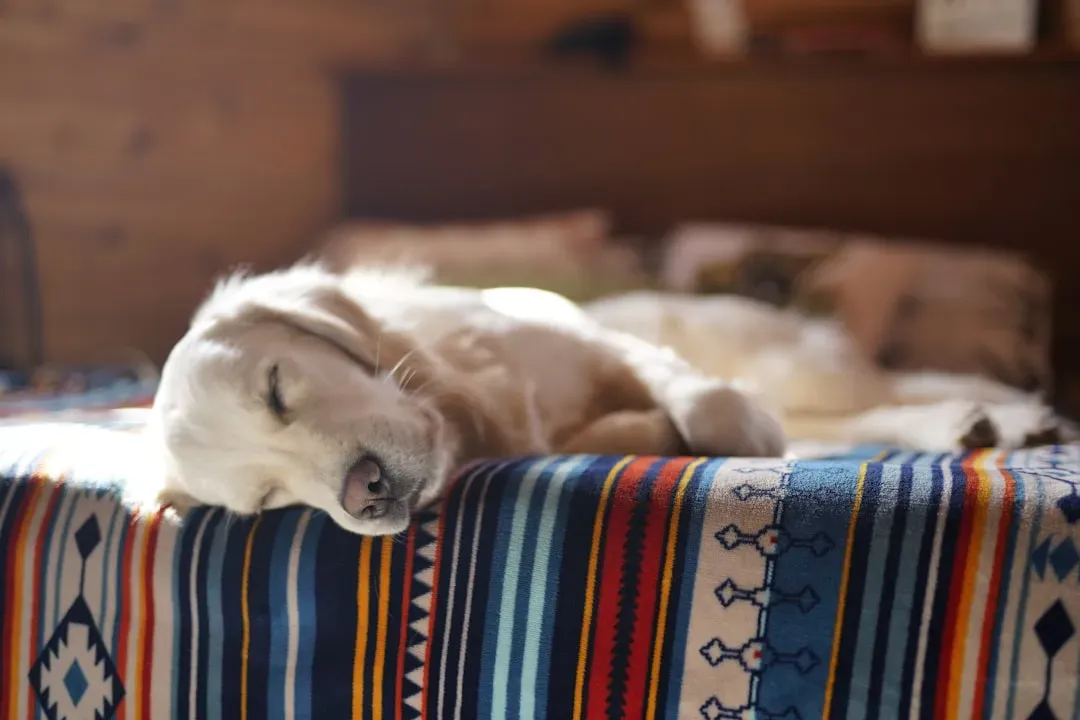
We all know dogs love a good nap. But there’s a difference between a lazy afternoon snooze and sleeping your sadness away. Pay attention to your dog’s sleep – if they’re suddenly sleeping way more than they used to, that’s a classic sign of sadness in humans and might be a signal your dog is unhappy too.
Stress and unhappiness can also cause sleep deprivation in both humans and dogs, and research confirms that sleep deprivation is unhealthy and can actually worsen sadness in both species. It’s a vicious loop, honestly.
Either sleeping excessively or experiencing disrupted sleep can reflect emotional distress. If your usually energetic dog is refusing to get up for their morning walk or, on the flip side, pacing through the night unable to settle, something is off. Re-establish a consistent daily schedule for feeding, walks, and bedtime. Routine is genuinely one of the most powerful tools you have.
3. Whale Eye, Pinned Ears, and Other Subtle Body Language Cues
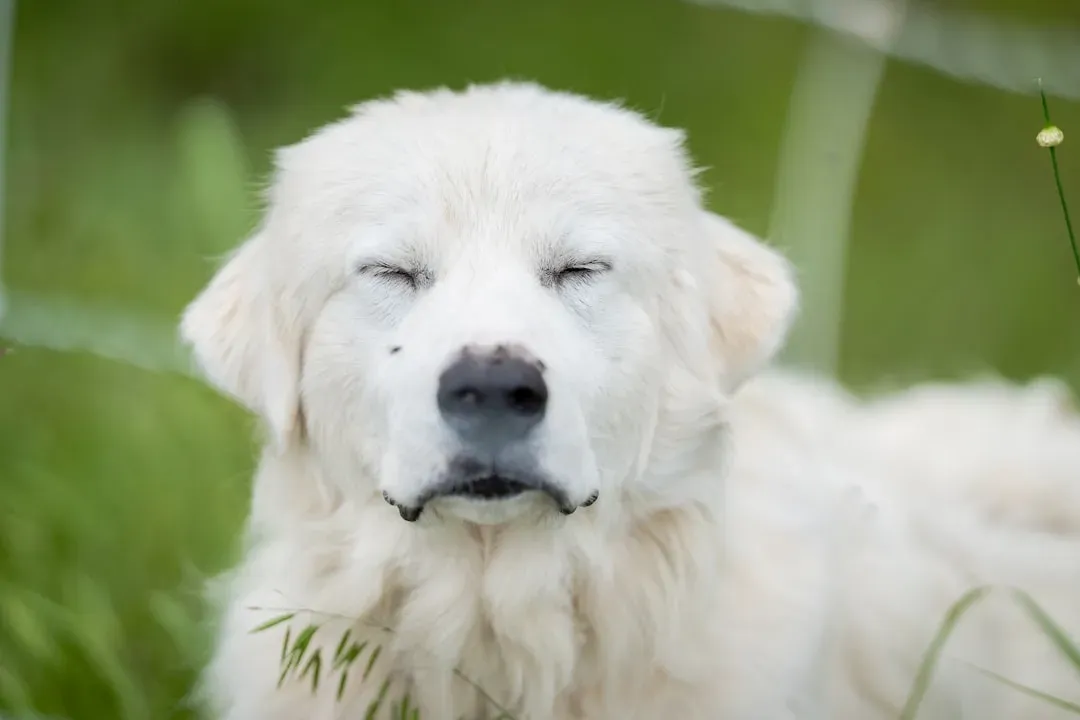
Honestly, this one is the most overlooked sign of all. Most people assume an unhappy dog will look obviously distressed. In reality, the signals are far quieter than that. The signs of anxiety in dogs are often subtle and can easily be misinterpreted unless the full context is understood.
Stress signs to look for include whale eye, when dogs reveal the whites of their eyes, tucked ears or tail, raised hackles, lip-licking, yawning, and panting. “Whale eye” sounds funny but it looks alarming up close – a wide, almost startled expression where you can see the white ring around the iris. It’s your dog communicating discomfort without making a sound.
Stressed dogs may have dilated pupils and blink rapidly, open their eyes really wide, and show more sclera than usual, while ears that are usually relaxed get pinned back against the head. Think of it like reading a person’s face. Once you know what you’re looking for, you can’t unsee it. A relaxed dog usually has semi-erect or forward-facing ears, a soft mouth, and round eyes, and will distribute their weight evenly on all four paws.
4. Withdrawal and Hiding From the People They Love
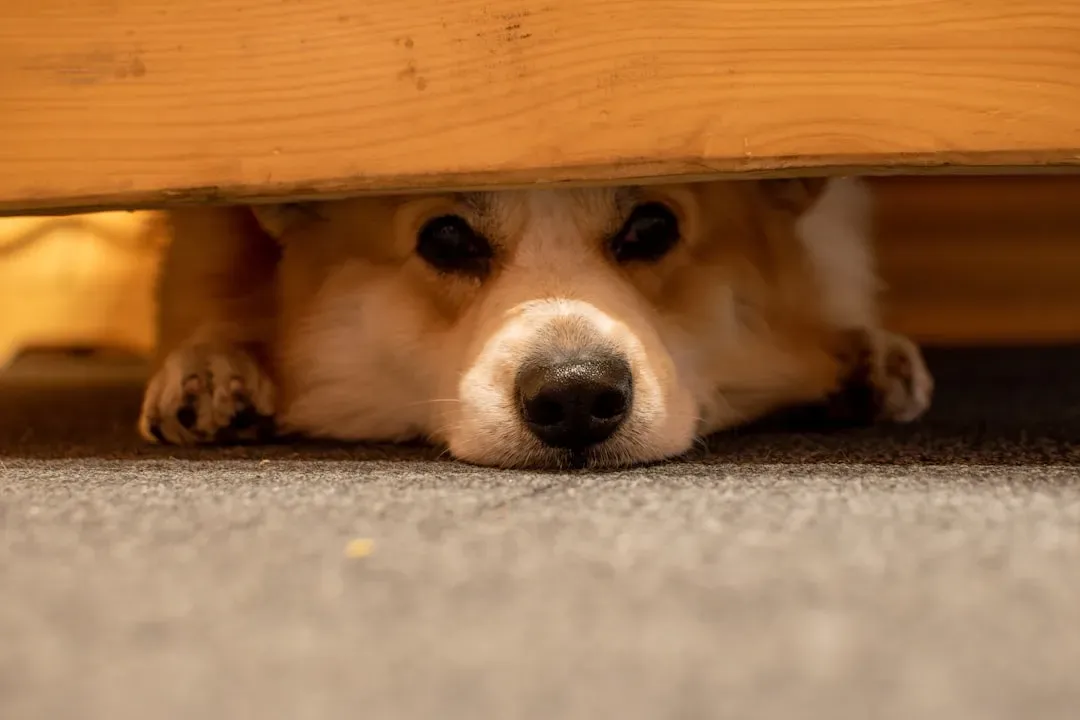
Few things are more heartbreaking than a dog that used to follow you everywhere suddenly disappearing behind the couch. An unhappy dog might avoid attention, hide in corners, or separate themselves from the family.
Social withdrawal is one of the more noticeable signs of depression for pet owners, and if your dog is avoiding interaction even with their favorite people or other pets, it may indicate a deeper emotional issue. It’s the canine equivalent of someone going quiet at a party – something is bothering them.
Your dog might move away or actively try to avoid whatever is worrying them, and in some situations it might even be you they are worried about – some dogs will try to hide or withdraw from a situation entirely. That last part might sting a little, but it’s important to hear. The fix? Give them space first. Then gently reintroduce positive associations through calm interaction, treats, and play. Never force it.
5. Destructive Behavior That Seems to Come Out of Nowhere
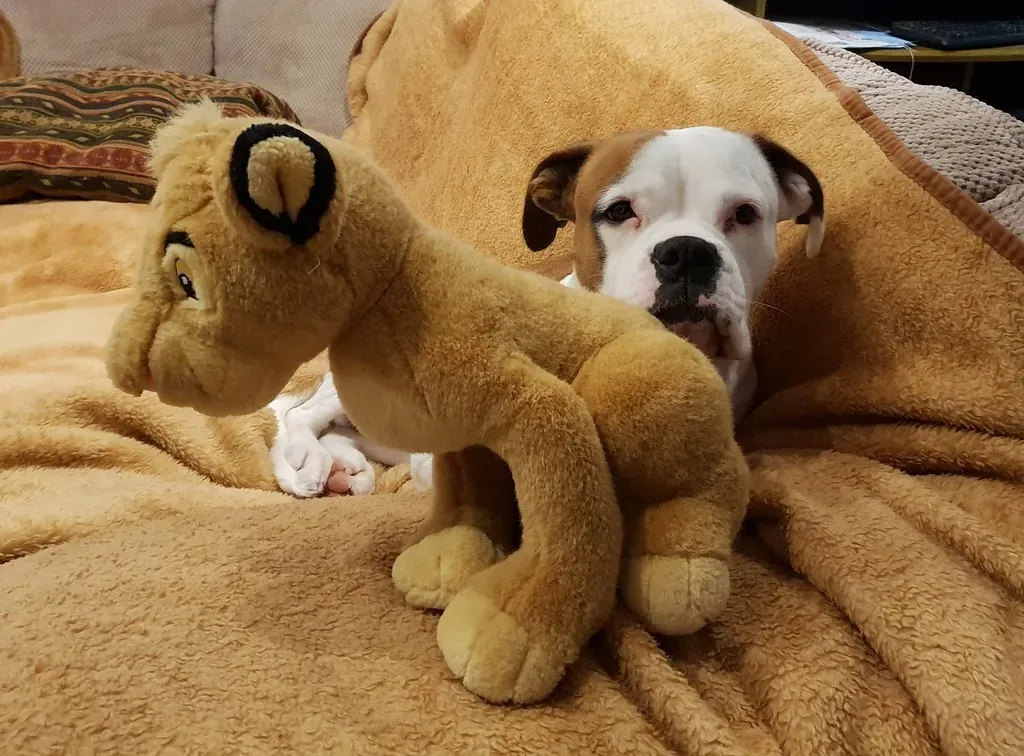
You come home to a chewed sofa leg. Your dog looks guilty. You assume they were just being naughty. Let’s be real though – destruction is rarely about mischief. Sudden destructive behavior like chewing furniture, excessive digging, or scratching can signal frustration or anxiety.
From couch legs to windowsills, stressed dogs have been known to scratch, rip apart, and destroy stuff. It’s their way of releasing internal pressure when they don’t know what else to do. Imagine being overwhelmed but unable to talk to anyone – you’d probably need an outlet too.
Dogs showing signs of distress may whine, howl, bark, pace, house-soil, or destroy household items after their owner leaves. Separation anxiety is a massive driver of this behavior. Ensure your dog receives sufficient exercise before you leave for the day and provide them with toys for entertainment to alleviate their anxiety, including interactive toys filled with treats. A tired dog is a calmer dog. It really is that straightforward sometimes.
6. Loss of Interest in Activities They Once Loved

This one hits differently. Your dog used to sprint to the door at the word “walkies.” Now they just look at you, sigh, and stay on the bed. There may be changes in their interaction with others, and they may become withdrawn and lose interest in playing with you and other dogs.
The main thing to watch is a change in normal demeanor – most clients report that their dog is not as willing to engage in activities they previously seemed to really enjoy, like playing fetch for just one or two rounds before losing interest. It’s a subtle but telling shift.
Dogs who are bored and do not receive enough mental stimulation may become depressed, and offering more walks, games of fetch, and puzzle toys can help boost a dog’s mood. It sounds almost too simple, but mental stimulation is genuinely underrated as a mood lifter for dogs. Try a new walking route. Introduce a puzzle feeder. Teach them a new trick. Small changes can make a surprisingly big difference.
7. Mirroring Your Own Stress and Emotional State

This last sign is perhaps the most surprising – and the most humbling for us as owners. Studies show that dogs react to their family’s stress levels, and long-term stress can actually synchronize between a dog and their human, according to science – so if you’re coming home feeling frantic, your pup may be catching it.
Many dogs are very sensitive to their owner’s emotions, and if your dog is stressed, keeping calm and avoiding raising your voice may help prevent adding to your pet’s stress levels. It’s a two-way relationship, more than most people realize. Your dog isn’t just reacting to their own world – they’re absorbing yours.
Managing your own voice and body language matters because owner stress or erratic behavior can lead to stress in dogs, making it important to keep as calm as possible around your pet. Think of it this way: your nervous system is contagious. The calmer and more predictable you are, the safer your dog feels. Take care of yourself, and you’re literally taking care of them at the same time.
What to Do If You Recognize These Signs
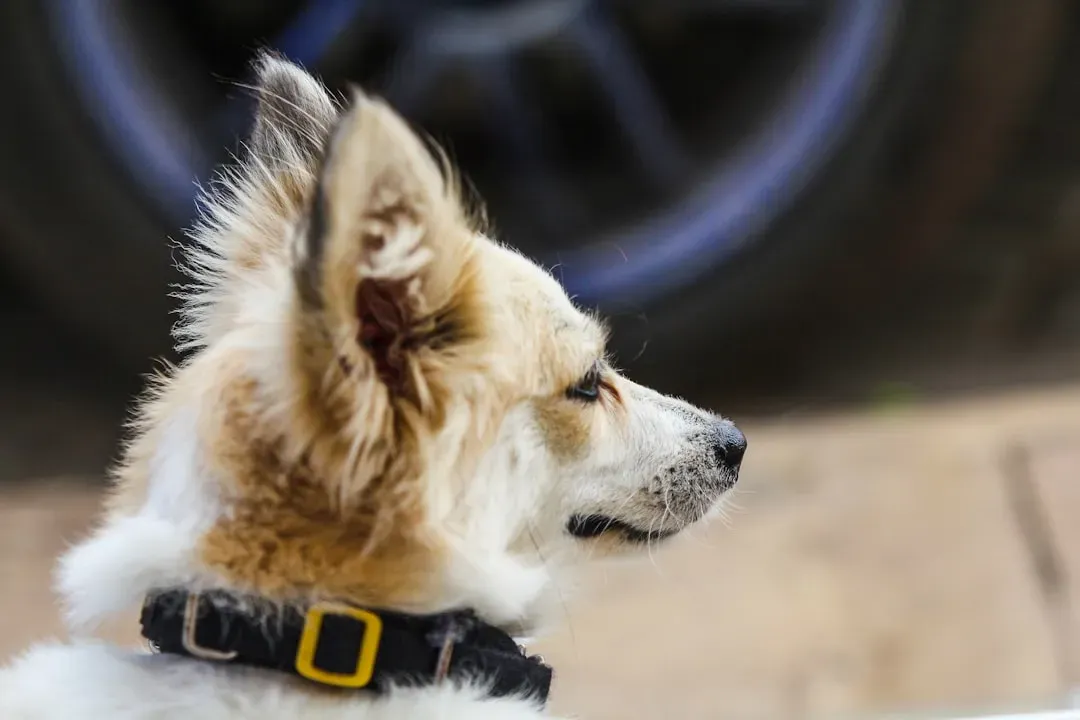
Seeing your dog in this list can feel alarming, but don’t panic. Recognizing whether your dog is stressed is the first step, and there’s a lot you can do to help make your pet feel less stressed and more at ease once you know what to look for.
If your dog becomes stressed often or in response to many triggers, see your veterinarian, who may refer you to a trainer or veterinary behaviorist for further assessment, with a treatment plan that can include behavior modification, routine changes, and medications to reduce their emotional response.
Depressed or anxious dogs often benefit from predictable environments, well-regulated social interaction, and a consistent routine with lots of physical activity. Honestly, those are not bad prescriptions for humans either. Dogs are amazingly resilient, and if there is a significant event associated with their depression, often some simple environmental and social changes can make a huge difference.
The bond between a dog and their human is one of the most extraordinary things on this planet. Your dog reads you, feels with you, and depends on you in ways that go far deeper than food and walks. Learning to read them back? That’s where real companionship begins.
Does any of these signs sound familiar with your own dog? Share your experience in the comments – you might help another pet owner realize something important they’ve been missing.
