

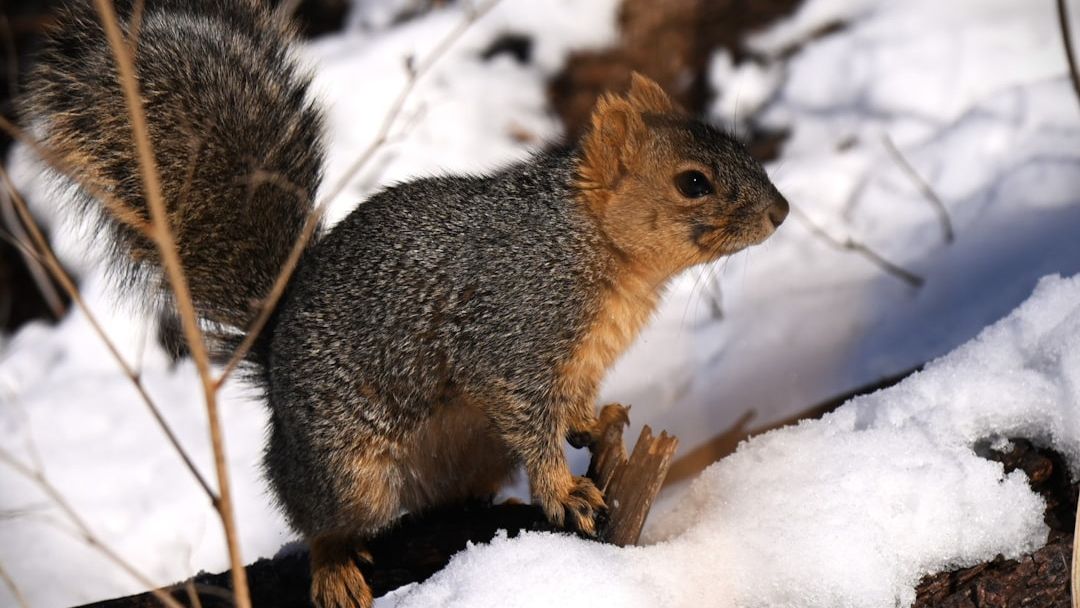
Every winter, something almost unbelievable happens inside a squirrel. Its heart slows to just a few beats per minute, its body temperature plummets, and it essentially stops being a functioning mammal – at least by any normal definition. No food. No water. Months of stillness.
Scientists have been fascinated by hibernation for decades, but a recent discovery has shifted the focus away from the brain and heart and pointed it somewhere far more surprising: the gut. What’s living inside these squirrels might be the key to unlocking one of nature’s most extraordinary survival tricks. Let’s dive in.
The Hibernation Mystery That Stumped Researchers for Years
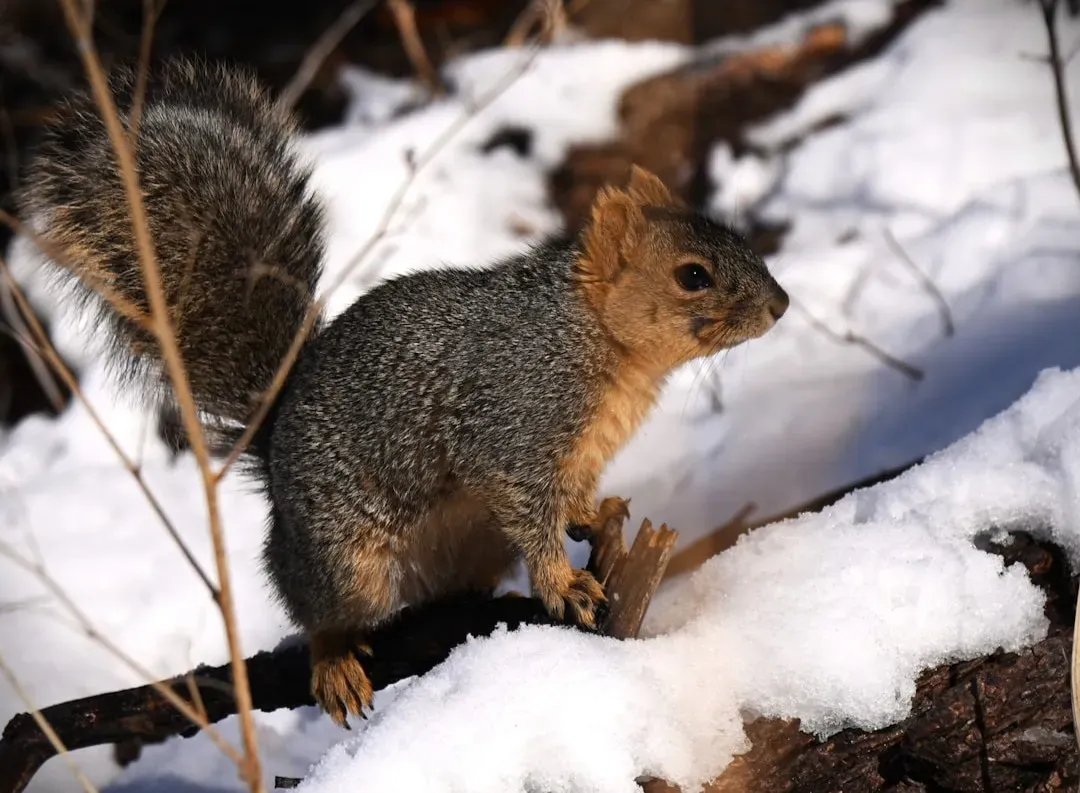
Here’s the thing – hibernation sounds simple from the outside. The animal sleeps, the weather warms up, it wakes up. Easy, right? In reality, hibernation is an extraordinarily complex physiological process that scientists still don’t fully understand, even after generations of study.
For mammals, going months without food should lead to severe muscle loss, organ damage, and metabolic collapse. Yet squirrels emerge in spring looking relatively healthy. That paradox has nagged at researchers for a long time, and it turns out the gut microbiome might be the unsung hero of the whole operation.
The Role of Gut Microbes in Nitrogen Recycling
One of the most remarkable findings involves something called nitrogen recycling. During hibernation, squirrels aren’t eating any protein – yet they manage to maintain muscle mass to a degree that would be impossible for most other mammals under the same conditions.
The gut bacteria appear to break down urea, which is a waste product the body normally excretes, and convert the nitrogen from it back into usable amino acids. Think of it like a recycling plant running inside the gut during a factory shutdown. The squirrel’s own waste becomes raw material for survival. Honestly, that’s one of those findings that makes you stop and think about how little we still understand about the microbial world.
How the Microbiome Shifts Dramatically Between Seasons
The gut microbiome in 13-lined ground squirrels doesn’t stay constant throughout the year. Research has shown that the microbial community changes significantly between the active summer months and deep hibernation in winter. It’s almost like the squirrel swaps out one microbial team for another depending on the season.
Certain bacterial strains become far more dominant during hibernation, especially those capable of processing nitrogen and supporting metabolic functions under extremely low-energy conditions. This seasonal cycling of microbial populations is not something researchers expected to find at this scale, and it opens up entirely new questions about how animals co-evolve with their gut bacteria over evolutionary time.
What Scientists Found When They Disrupted the Microbiome
To test just how important these gut microbes really are, researchers conducted experiments where they disrupted the microbiome in hibernating squirrels. The results were striking. Animals with a compromised microbiome showed greater muscle loss and struggled more with the demands of extended torpor.
This kind of controlled intervention is powerful evidence. It moves the conversation from correlation to something closer to causation. The gut microbes weren’t just along for the ride – they were actively contributing to the squirrel’s ability to survive without food for months. That’s a pretty bold conclusion, but the data seems to support it.
The Surprising Link Between Torpor Cycles and Microbial Activity
Hibernation isn’t one long continuous sleep. Squirrels cycle through bouts of deep torpor interrupted by brief periods of arousal where their body temperature rises and basic functions resume. These arousal periods are energetically costly and have puzzled researchers for years because, logically, waking up during hibernation seems counterproductive.
It now appears that these arousal periods may partially serve to support gut microbial activity. The brief warming of the body could help sustain microbial populations that would otherwise die off completely in the cold. It’s a fascinating theory – the idea that a mammal might be waking itself up partly to keep its bacteria alive. I think that fundamentally changes how we should interpret hibernation arousal behavior.
Could This Research Help Human Medicine?
This is where things get genuinely exciting beyond the world of squirrels and soil burrows. The mechanisms at play here – nitrogen recycling, muscle preservation, metabolic suppression – are all directly relevant to human health challenges.
Think about muscle wasting in bedridden patients, or the challenge of long-duration spaceflight where astronauts lose significant muscle mass over time. If scientists can figure out how to mimic the gut microbial strategies squirrels use, there could be real therapeutic applications down the line. It’s a long road from squirrel gut to hospital ward, but the biological principles are the same. The potential is hard to ignore.
What This Means for Our Understanding of the Microbiome
Research like this fundamentally reframes how we think about the gut microbiome. For years, the narrative in popular science centered on gut bacteria affecting mood, digestion, and immune function. Those are important, obviously. Still, this squirrel research suggests the microbiome’s influence may extend into territory we haven’t even mapped yet.
The idea that microbial communities can enable a mammal to survive months of complete starvation while preserving muscle tissue is, let’s be real, extraordinary. It suggests that the relationship between animals and their gut bacteria is far more intimate and survival-critical than most people realize. The squirrel isn’t just hosting these microbes as passengers. It’s relying on them as partners in one of biology’s most demanding feats.
A Tiny Creature with Enormous Implications
It’s almost poetic, isn’t it? A small, furry rodent burrowing underground every winter has been quietly demonstrating a biological principle that could reshape medicine, space travel research, and our understanding of evolution. The 13-lined ground squirrel wasn’t exactly the most glamorous research subject to begin with.
Yet here we are, in 2026, looking at this creature with fresh eyes. The gut microbiome research emerging from hibernation studies is some of the most genuinely surprising biology to come out of recent years. It reminds us that nature solved problems long before we thought to ask the questions. What other secrets are still hiding in the animal kingdom, waiting for someone to look in the right place?

- Urban Coyotes Show Remarkable Adaptability, Learning to Thrive in City Environments - July 22, 2026
- Beavers Are Nature’s Engineers, Creating Vital Habitats for Other Wildlife Species - July 21, 2026
- The Recovery of the California Condor Offers Hope for Other Critically Endangered Birds - July 21, 2026