

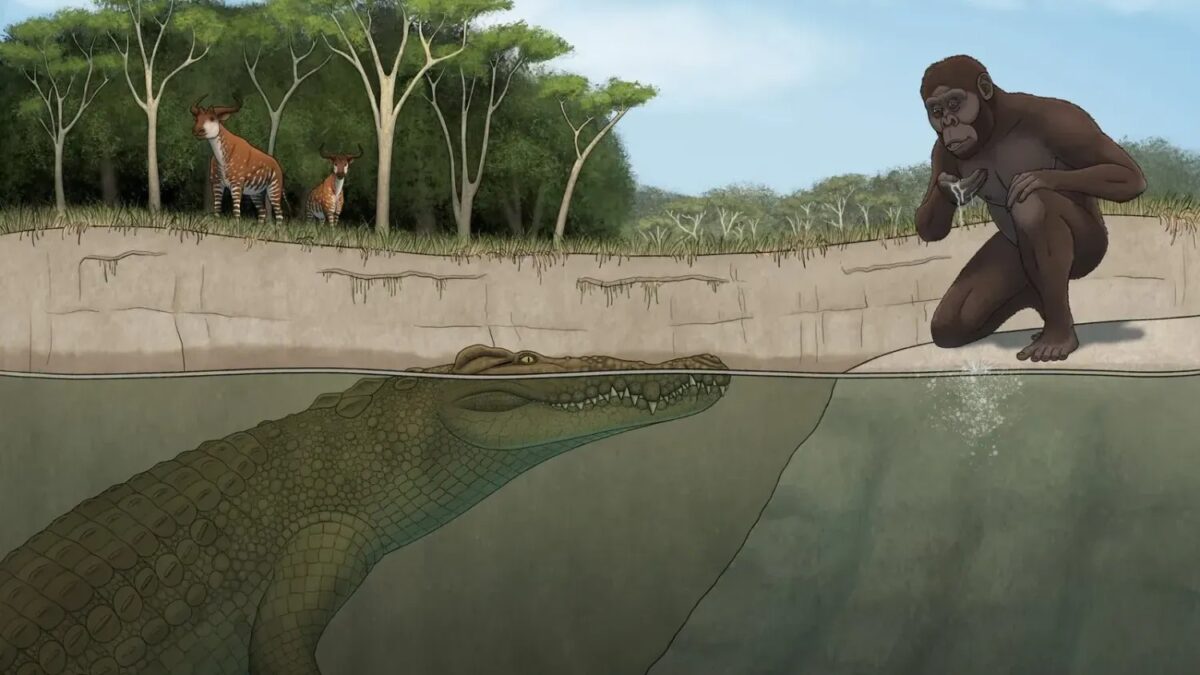
Somewhere beneath ancient rock formations in Tunisia, the fossilized remains of a creature sat undisturbed for millions of years, waiting to upend everything we thought we knew about crocodilian evolution. It’s not every day that paleontologists stumble across something that genuinely reshapes the family tree of one of the planet’s most enduring predator lineages.
This is one of those rare discoveries. A newly described species of ancient crocodile has emerged from the Saharan fossil record, and honestly, it’s the kind of find that makes you reconsider just how complex and dynamic prehistoric ecosystems really were. Let’s dive in.
A Brand New Species With a Very Dramatic Name
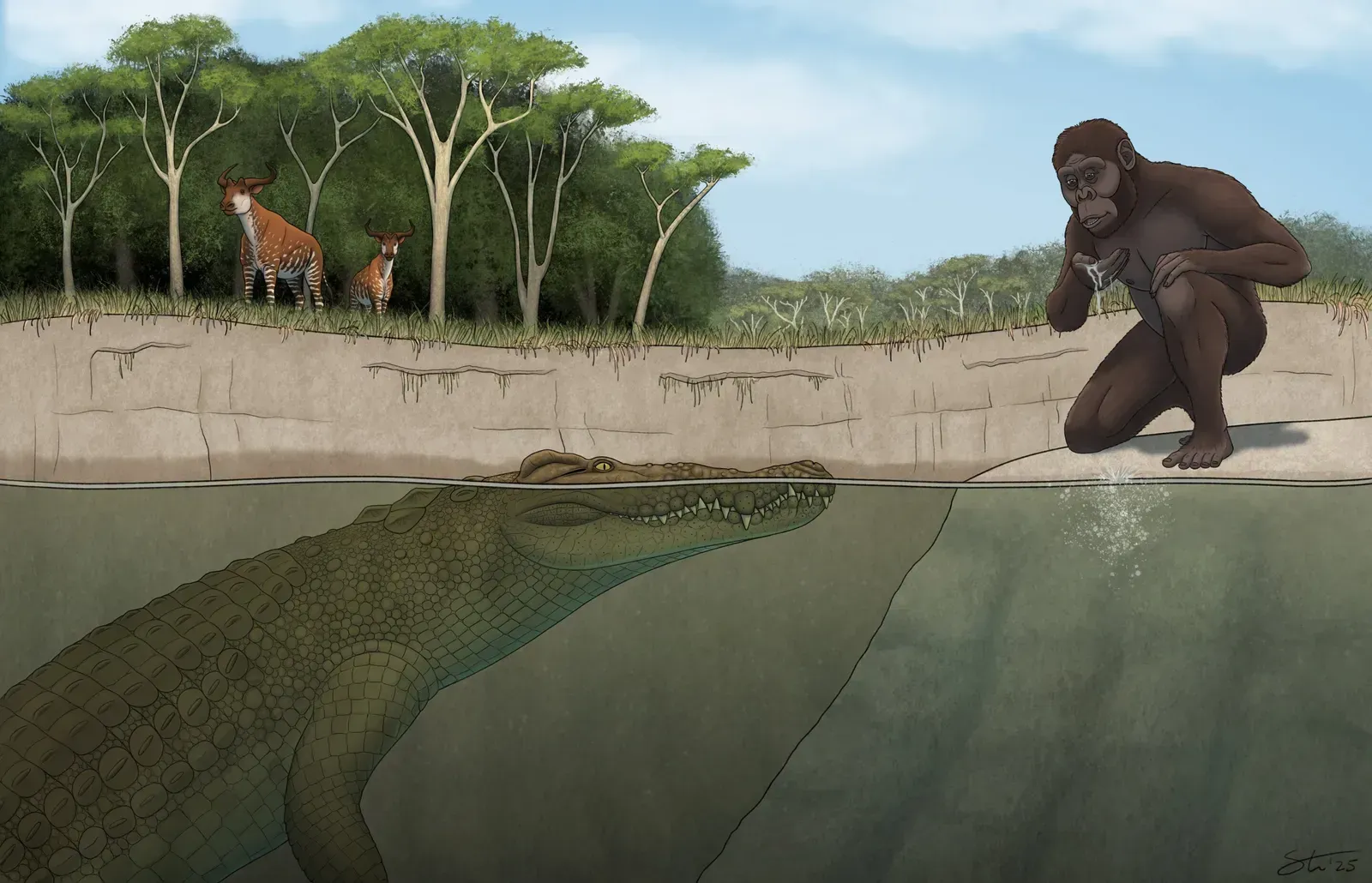
The newly described species has been officially named Crocodylus lucivenator, which translates roughly to “light hunter” in Latin. That name alone carries a certain dramatic flair, doesn’t it? Researchers chose it to reflect characteristics of the animal’s anatomy and presumed predatory behavior based on fossil evidence.
The species was identified through detailed examination of fossil material recovered from Late Cretaceous deposits in North Africa. This places the creature in a time period roughly 72 to 66 million years ago, sharing the world with some of the most iconic dinosaurs that ever existed. The scientific description was published in peer-reviewed research and marks a significant contribution to the field of crocodilian paleontology.
Where Exactly Was This Ancient Predator Discovered?
The fossils were found in Tunisia, specifically within geological formations that date back to the end of the Cretaceous period. North Africa during this era was a very different place, a mosaic of rivers, shallow seas, and lush lowland environments teeming with diverse life. It’s the kind of ancient landscape that apparently supported an impressive range of large predators.
Tunisia has quietly become one of the more productive regions for late Cretaceous fossil discoveries in recent years. The conditions there allowed for exceptional preservation of skeletal material, which is precisely what gave researchers enough to work with when identifying and classifying this new species. Without that quality of preservation, Crocodylus lucivenator might have remained unknown indefinitely.
What Made This Crocodile Stand Apart From Others?
Here’s the thing about ancient crocodilians: they were far more diverse than the relatively small number of species we see crawling around today. Crocodylus lucivenator appears to have been a notably large and robust predator, with anatomical features that distinguish it clearly from other known species of the genus. Researchers note particular characteristics in the skull and tooth structure that point to a specialized predatory lifestyle.
The dentition of this animal suggests it was built to take down substantial prey. This wasn’t some passive opportunist lurking at the water’s edge waiting for unlucky fish. The morphology points toward an active, capable predator that likely competed alongside other large carnivores in its ecosystem, including potentially some dinosaur species. That’s a genuinely striking image to hold in your mind.
How Does It Fit Into Crocodilian Evolution?
One of the most scientifically important aspects of this discovery is what it tells us about the evolutionary history of the genus Crocodylus itself. The presence of this species in late Cretaceous North Africa suggests that the lineage leading to modern crocodiles may have a deeper and more geographically widespread origin than previously understood.
This challenges older assumptions that placed the diversification of true crocodiles primarily in later time periods. I think this is genuinely exciting because it means the roots of the modern crocodilian family tree were already branching out and experimenting with different body plans and ecological roles while dinosaurs still ruled the land. The evolutionary story of crocodiles just got considerably more complicated, and more interesting.
Sharing the World With Giants
Crocodylus lucivenator lived during one of the most dramatic chapters in Earth’s history. The late Cretaceous was the final act for the non-avian dinosaurs, and North Africa at the time hosted a remarkable cast of enormous creatures. Large theropod dinosaurs, massive long-necked sauropods, and a variety of other reptiles all shared this ancient landscape.
What’s fascinating is imagining where a large crocodilian like this fit into that food web. It was almost certainly a top-tier predator in aquatic and semi-aquatic environments, possibly preying on juvenile dinosaurs or other large vertebrates that came to drink. Ecosystems at the end of the Cretaceous were complex, layered, and frankly astonishing in their diversity of apex predators. Crocodylus lucivenator was apparently right there in the thick of it.
Why This Discovery Matters Beyond the Headlines
Discoveries like this one matter for reasons that go beyond the initial excitement of finding a new species. Each new piece of the fossil record helps scientists build a more accurate picture of ancient biodiversity, paleoecology, and the long evolutionary pathways that produced the animals we see today. Crocodylus lucivenator adds a critical data point to our understanding of how the crocodilian lineage survived the mass extinction event at the end of the Cretaceous.
It’s hard to say for sure how many more species from this period remain undiscovered across North Africa and other underexplored fossil-rich regions. The fact that such a significant predator remained unknown until now is itself a reminder of how incomplete the fossil record still is. Every dig season has the potential to rewrite chapters of natural history we thought were already closed.
A Predator Rediscovered
The description of Crocodylus lucivenator is a reminder that the ancient world was more populated, more dangerous, and more ecologically rich than we can sometimes fully appreciate. Modern crocodiles are already awe-inspiring animals, survivors of multiple extinction events over hundreds of millions of years. Knowing that their ancestors included creatures like this ancient light hunter only deepens that respect.
Let’s be real: we tend to focus on dinosaurs when we think about Cretaceous predators, and understandably so. However, discoveries like this shift the spotlight onto the crocodilians, a lineage that has arguably been even more successful over deep geological time. Crocodylus lucivenator is now part of that story, a piece of the puzzle recovered from Tunisian rock and placed back where it belongs in the broader narrative of life on Earth.
What do you think – does the discovery of ancient predators like this change how you see the modern crocodiles sunning themselves at the water’s edge today? Drop your thoughts in the comments.

- Urban Coyotes Show Remarkable Adaptability, Learning to Thrive in City Environments - July 22, 2026
- Beavers Are Nature’s Engineers, Creating Vital Habitats for Other Wildlife Species - July 21, 2026
- The Recovery of the California Condor Offers Hope for Other Critically Endangered Birds - July 21, 2026