

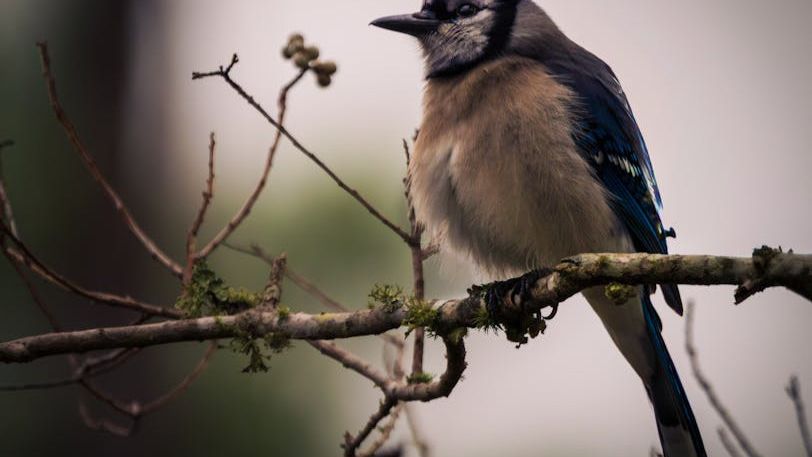
There’s something almost poetic about the idea that the microscopic world living inside a tiny songbird could hold enormous clues about its survival. We often think of wildlife health in terms of what we can see – feathers, behavior, body weight. Yet some of the most revealing signals are invisible to the naked eye, tucked away deep in the digestive tract.
Scientists are now looking at the gut microbiomes of wild songbirds in ways that were simply not possible a decade ago. What they’re finding is reshaping how researchers understand bird immunity, stress responses, and even population health. Let’s dive in.
The Gut as a Window Into Wildlife Health
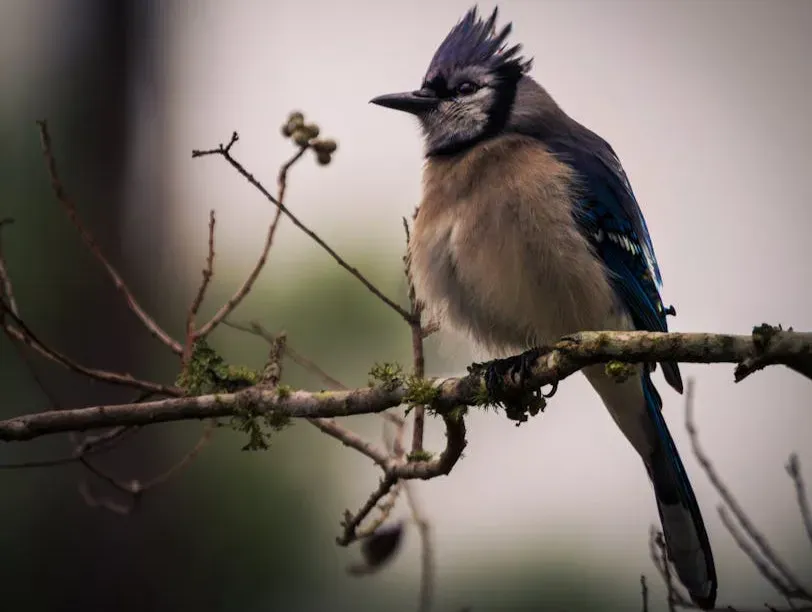
Here’s the thing most people don’t realize: the gut microbiome isn’t just about digestion. It’s essentially a living ecosystem that influences immune function, hormonal responses, and even behavior. In songbirds, this microbial community appears to be just as dynamic and telling as it is in mammals.
Researchers studying wild birds have started treating gut bacteria as biological indicators – almost like a dashboard warning light for an animal’s overall condition. A disrupted or low-diversity microbiome can signal stress, poor nutrition, or exposure to environmental contaminants. It’s a surprisingly elegant system hiding inside a creature that weighs less than a handful of coins.
What the Research Actually Found
The study examined fecal and cloacal samples from wild songbirds across different habitats and seasons, analyzing the microbial communities present in each individual. What emerged was a clear pattern: birds living in more disturbed or degraded environments tended to carry a less diverse gut microbiome compared to those in healthier, more intact habitats.
Diversity here matters enormously. Think of it like a forest ecosystem – the more species present, the more resilient the system is to disruption. A microbiome with many bacterial types can bounce back from stress far better than one dominated by just a few strains. Honestly, it’s one of those findings that sounds obvious in hindsight but is surprisingly hard to prove in the wild.
How Scientists Collected the Data
Gathering microbial data from wild, free-living birds is far from simple. Researchers used non-invasive sampling methods, primarily collecting fresh fecal samples or brief cloacal swabs during standard bird-banding operations. This is actually a clever design choice because it means the birds don’t need to be held for extended periods, reducing stress artifacts in the data.
The samples were then processed using high-throughput DNA sequencing, which can identify bacterial communities at an extraordinary level of detail. Rather than culturing bacteria in a lab the old-fashioned way, this genomic approach allows scientists to detect thousands of microbial species simultaneously. The technology has genuinely transformed what’s possible in wildlife microbiome research over the past several years.
The Role of Environment and Habitat Quality
One of the study’s more striking conclusions was the tight link between landscape health and microbial diversity. Birds sampled in areas with higher levels of agricultural runoff, urban encroachment, or habitat fragmentation consistently showed altered microbial profiles. This wasn’t a subtle difference either – the shifts were statistically robust and ecologically meaningful.
What makes this especially interesting is the implication that habitat degradation leaves biological fingerprints at the microbial level long before a bird visibly appears unwell. It’s a bit like how you might feel run-down and depleted weeks before you actually come down with a cold. The internal warning signs come first. This could have real practical value for conservation monitoring programs going forward.
Seasonal Shifts in Microbial Communities
The research also documented significant seasonal variation in songbird gut microbiomes. During migration periods and breeding seasons, the microbial communities shifted noticeably in composition, reflecting the physiological demands being placed on the birds at those times.
This seasonal dynamism is actually reassuring in some ways – it shows the microbiome is responsive and adaptive rather than fixed. Migration is one of the most physically grueling events any animal can undertake, burning enormous amounts of energy and exposing birds to entirely new environments and food sources. The fact that the gut microbiome flexes and reorganizes during these periods suggests it plays an active role in helping birds manage those extreme physiological transitions.
Implications for Conservation and Monitoring
Perhaps the most exciting takeaway from this line of research is its potential application in conservation biology. Traditionally, assessing wild animal health required blood samples, necropsy, or extended observation. Microbial sampling offers something far less invasive and potentially far more informative.
If scientists can establish baseline microbiome profiles for healthy populations of various songbird species, deviations from those baselines could serve as early warning indicators of environmental stress or disease pressure. Some researchers are already exploring whether microbiome data could be used alongside traditional population surveys to get a more complete picture of bird community health. I think this is genuinely one of the more promising frontiers in applied conservation science right now.
What This Means for the Future of Bird Science
The growing field of wildlife microbiome research is still young, and there’s a lot we don’t yet know. It’s hard to say for sure how universal these findings are across different songbird species, geographic regions, or climate contexts. Replication in diverse settings will be critical before this becomes a standardized conservation tool.
Still, the direction is clear and the momentum is building. Microbiome analysis is becoming cheaper, faster, and more accessible with every passing year. What once required expensive sequencing runs and months of laboratory analysis can now be done far more efficiently. The idea that a tiny cloacal swab from a small warbler could eventually inform landscape management decisions and species recovery plans is, let’s be real, pretty remarkable.
Conclusion: Small Organisms, Big Answers
The more science looks inward – into cells, microbes, and molecular signals – the more it finds answers to questions we’ve been asking at the landscape scale for decades. Wild songbird gut microbiomes are not just a curiosity. They’re turning into a genuinely powerful lens through which to understand bird health, environmental quality, and the cascading effects of habitat change.
What strikes me most about this research is how it reframes the relationship between environment and biology. The landscape doesn’t just surround these birds – it literally shapes what’s living inside them. Next time you hear a warbler singing from a hedgerow, it’s worth remembering there’s an entire microbial universe inside that small body, quietly recording everything about the world around it. What does the state of that inner world say about the health of the outer one?

- Urban Coyotes Show Remarkable Adaptability, Learning to Thrive in City Environments - July 22, 2026
- Beavers Are Nature’s Engineers, Creating Vital Habitats for Other Wildlife Species - July 21, 2026
- The Recovery of the California Condor Offers Hope for Other Critically Endangered Birds - July 21, 2026