
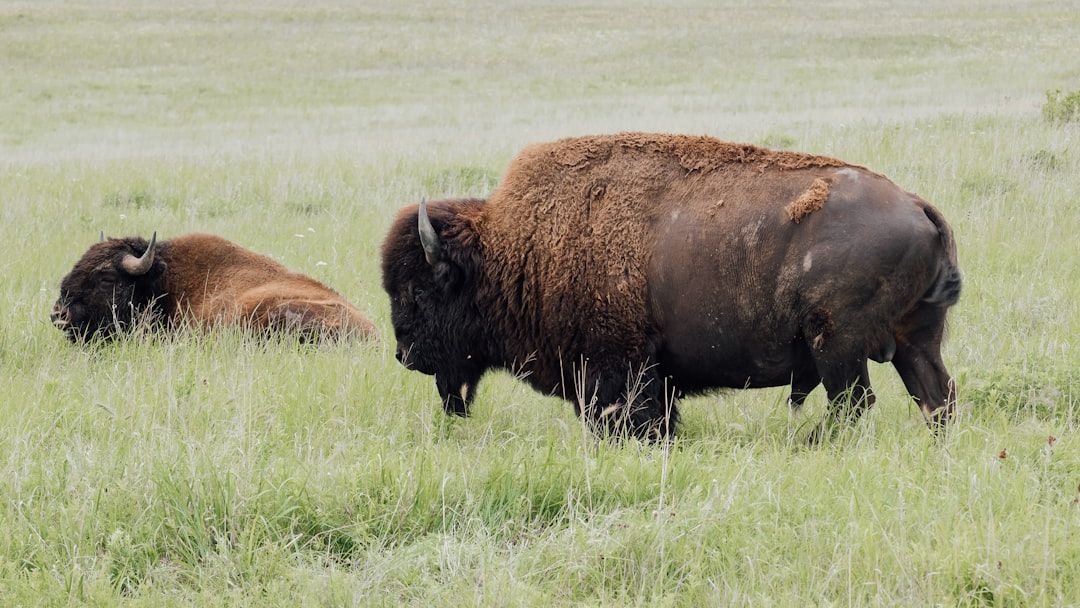
Imagine paddling through a blackwater swamp where alligators glide silently and birds explode from the reeds in a flurry of color. America’s national wildlife refuges hide these raw, untamed spectacles right in our backyard, drawing you into worlds teeming with life you won’t forget. With over 570 refuges spanning the nation, picking where to go feels overwhelming – yet exhilarating.[1]
These spots promise close encounters with nature’s heavy hitters, from massive bison herds to rare migratory flocks. They’re not just pretty; they pulse with stories of conservation triumphs. Ready to plot your escape? Let’s dive into eight must-visits that will redefine your idea of stunning.
1. Okefenokee National Wildlife Refuge, Georgia
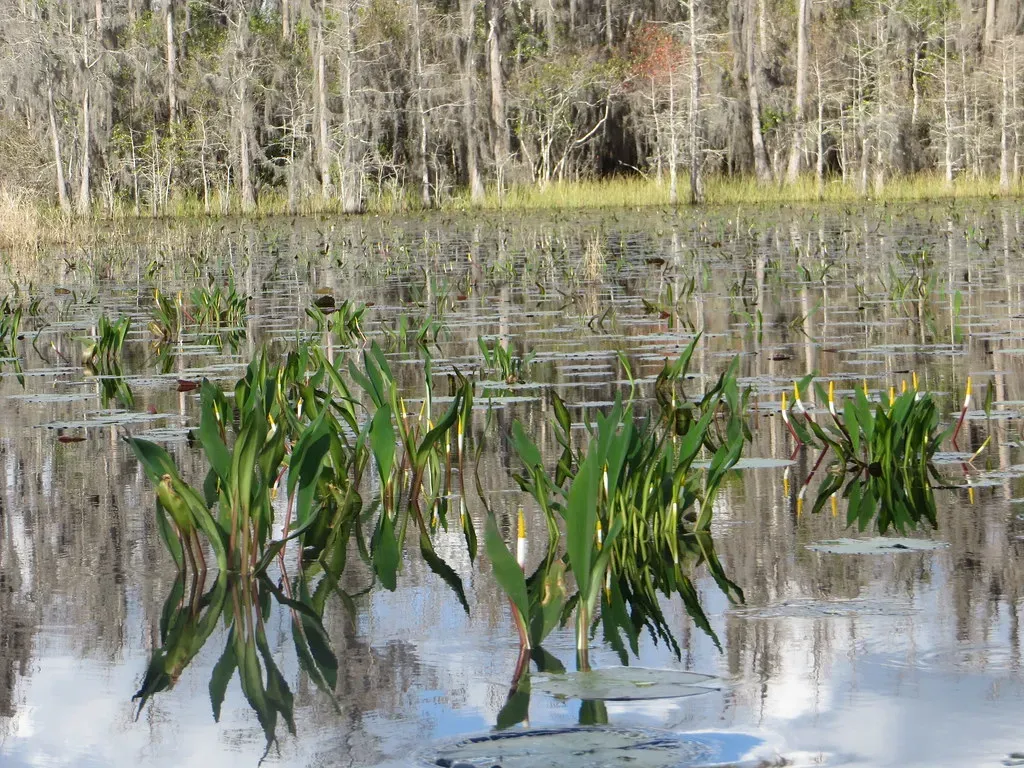
Nestled in southeast Georgia near Folkston, this massive 354,000-acre wilderness forms the headwaters of the Suwannee and St. Marys rivers.[2] It’s a swampy paradise famous for its amphibian hordes, which act like nature’s health check, alongside threatened species like the red-cockaded woodpecker and indigo snake. Paddle a canoe here, and you’ll feel the pulse of a RAMSAR-designated wetland of international importance.
Activities range from guided boat tours to hiking and camping on platforms like Buzzards Roost. Low water levels in early 2026 might tweak your plans, so check ahead. Honestly, the sheer otherworldliness makes it worth every muddy step – visit spring through fall for peak vibrancy.[2]
2. Bosque del Apache National Wildlife Refuge, New Mexico
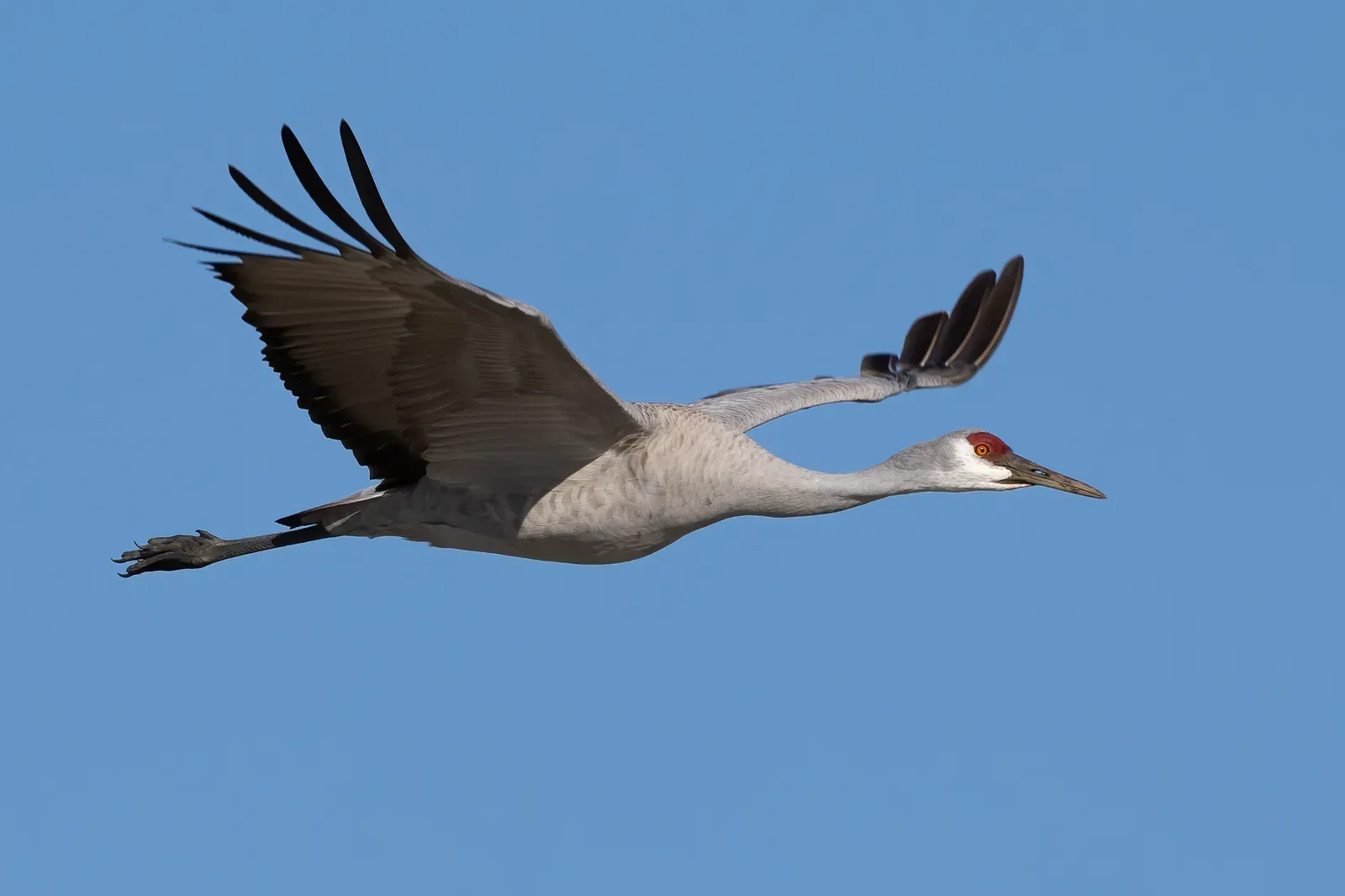
Tucked between New Mexico’s Chupadera and San Pascual mountains, this 57,000-acre haven draws tens of thousands of sandhill cranes, geese, and ducks each winter.[3] Picture dawn flights where the sky fills with wings – it’s photography heaven. The refuge shelters four endangered species year-round, turning a desert stopover into a life-saver for migrants.
Hike trails or scan from observation points for the best views. Winter rules supreme here, especially November to February when the flocks peak. I think it’s one of those places that hooks you instantly, like witnessing a feathered migration ballet.
Fishing and hunting add layers for adventurers. Though remote, the raw spectacle repays the drive every time.[3]
3. Merritt Island National Wildlife Refuge, Florida
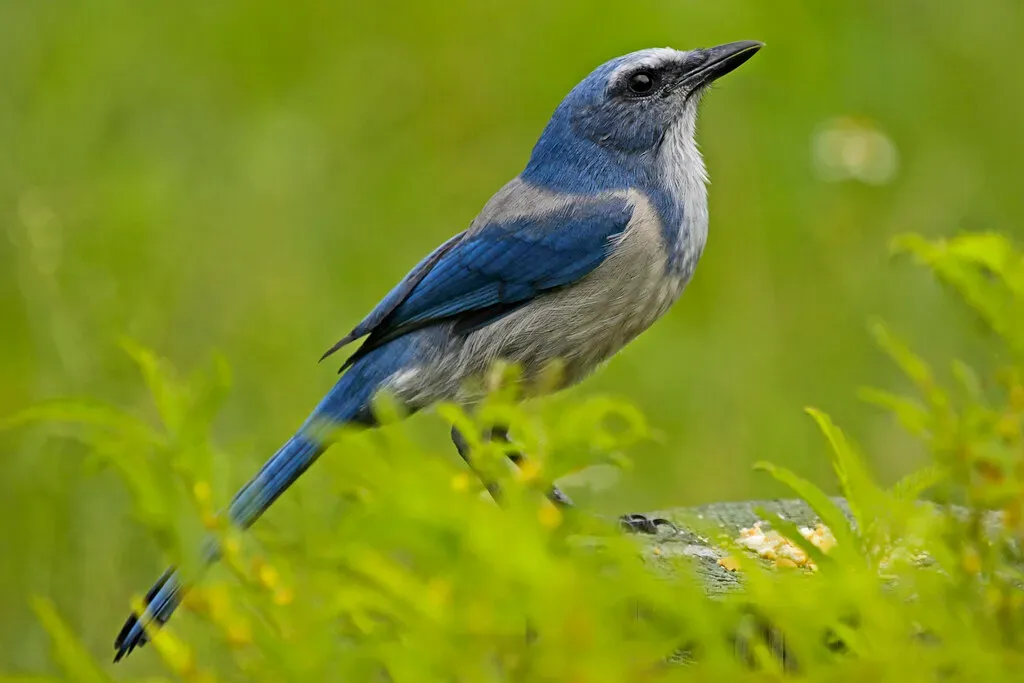
Just east of Orlando along Florida’s coast, this refuge overlaps NASA’s Kennedy Space Center, blending rockets with 1,500 plant and animal species.[4] Coastal dunes, marshes, and scrub host 15 federally listed species, especially migratory birds. Drive the Black Point Wildlife Drive for effortless spotting.
Grab a Refuge Pass for Bio Lab Road or boat launches – fishing thrives too. Year-round appeal shines, but fall migration amps the crowds of feathered travelers. It’s surreal seeing manatees near launch pads; nature reclaiming space-age turf.
Hunt seasonally if that’s your thrill. The mix of wild and historic keeps it endlessly fascinating.
4. J.N. “Ding” Darling National Wildlife Refuge, Florida
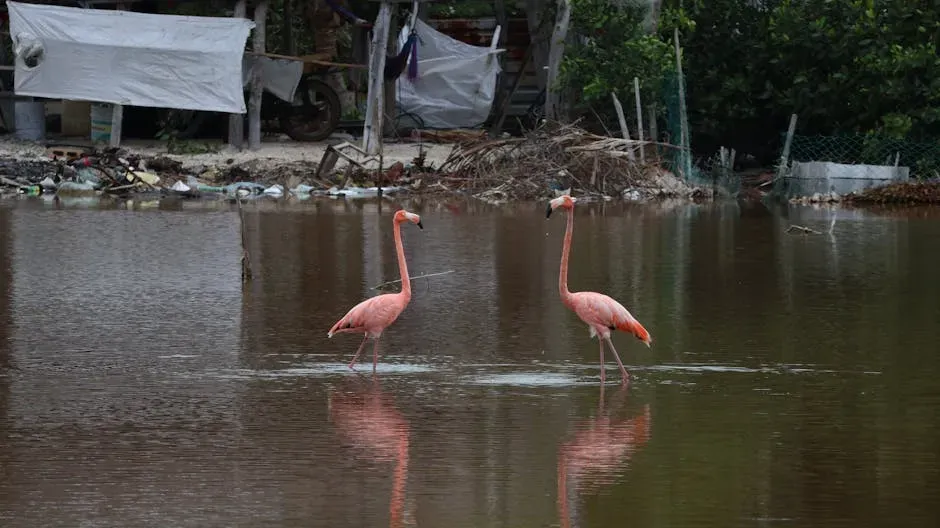
On Sanibel Island’s southwest coast, over 6,000 acres of mangroves and marshes form the U.S.’s largest undeveloped mangrove ecosystem.[5] More than 245 bird species flock here, including endangered manatees and wood storks. The four-mile Wildlife Drive lets you bike, walk, or drive amid roseate spoonbills.
Kayak trails or join tram tours from Tarpon Bay Explorers. Winter (January to mid-April) delivers peak bird action, with summer programs too. That observation tower? Pure magic at sunset.
Free visitor center dives into flyways and ecosystems. Here’s the thing: it’s accessible yet feels wildly remote.
5. Chincoteague National Wildlife Refuge, Virginia
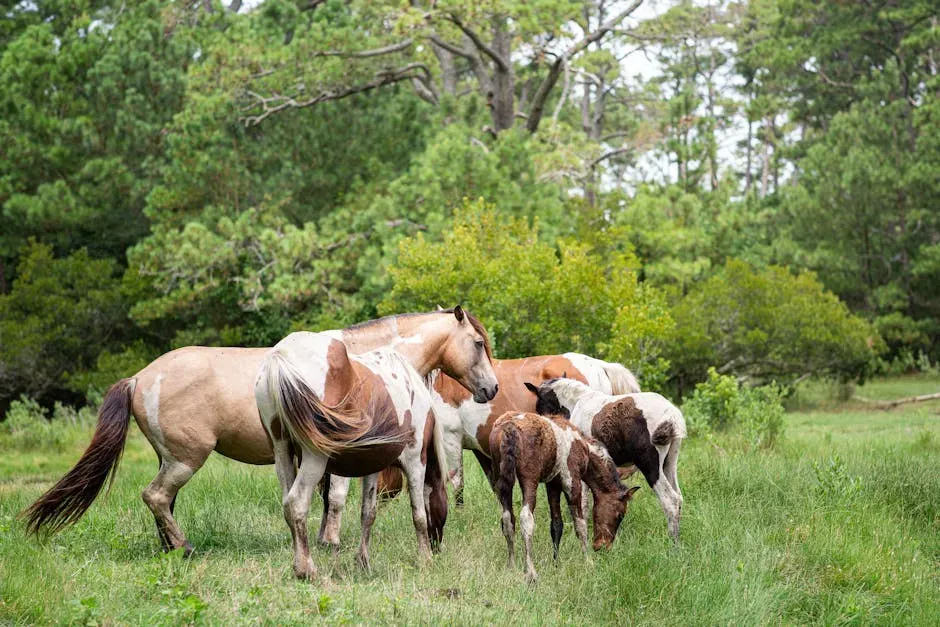
Perched on Chincoteague Island, this birder’s gem boasts the famous wild ponies and Assateague Lighthouse.[6] Miles of pristine beach and 15 hiking trails reveal piping plovers, oystercatchers, and fox squirrels. Waterfowl and shorebirds migrate through in waves.
Stroll the beach or Woodland Trail for pony sightings. Spring and fall migrations ignite the action. The combo of surf and wildlife feels like a postcard come alive.
It’s beginner-friendly yet rewards pros. Pack binoculars; magic hides in every dune.
6. Wichita Mountains Wildlife Refuge, Oklahoma
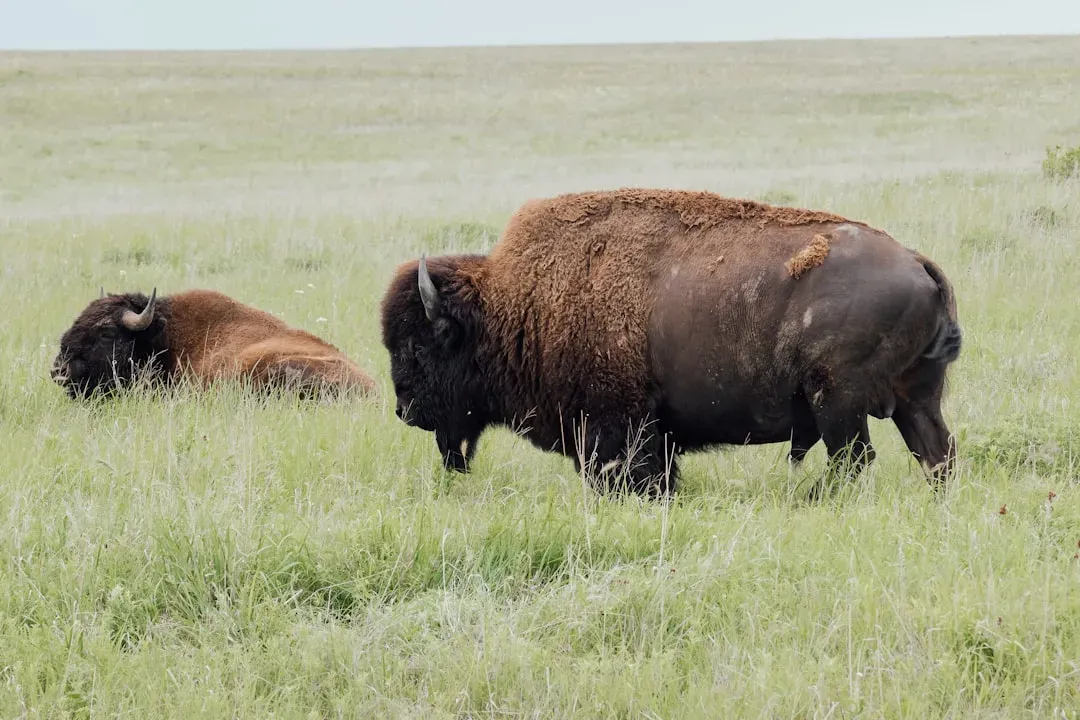
In southwest Oklahoma near Lawton, 60,000 acres mix granite peaks, prairies, and lakes with free-roaming bison, elk, and longhorns.[7] Prairie dogs pop up, lizards scamper, and 275 bird species soar. It’s a throwback to the Great Plains wild.
Hike, fish, camp, or kayak amid the herds. Prescribed fires keep it thriving. Fall colors on ancient mountains stun.
Controlled hunts balance populations. Like stepping into a living history book – raw and real.
7. Rachel Carson National Wildlife Refuge, Maine
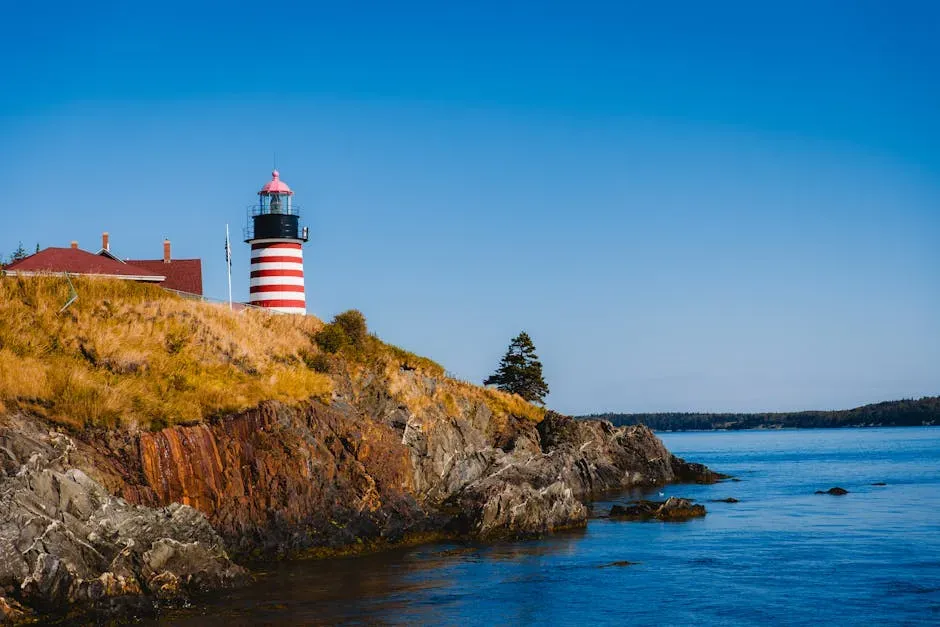
Stretching 50 miles along Maine’s southern coast from Kittery to Cape Elizabeth, salt marshes and beaches shelter migratory birds and rare plants.[8] Shorebirds forage, ducks dive, and saltmarsh sparrows nest in tidal zones. Rocky coasts add drama.
Three nature trails with observation decks make viewing easy. Hunt, fish, or join interpretive programs. Summer swells with songbirds; fall brings waterfowl.
Volunteer for habitat work if inclined. Coastal serenity at its finest – peaceful yet alive.
8. Red Rock Lakes National Wildlife Refuge, Montana
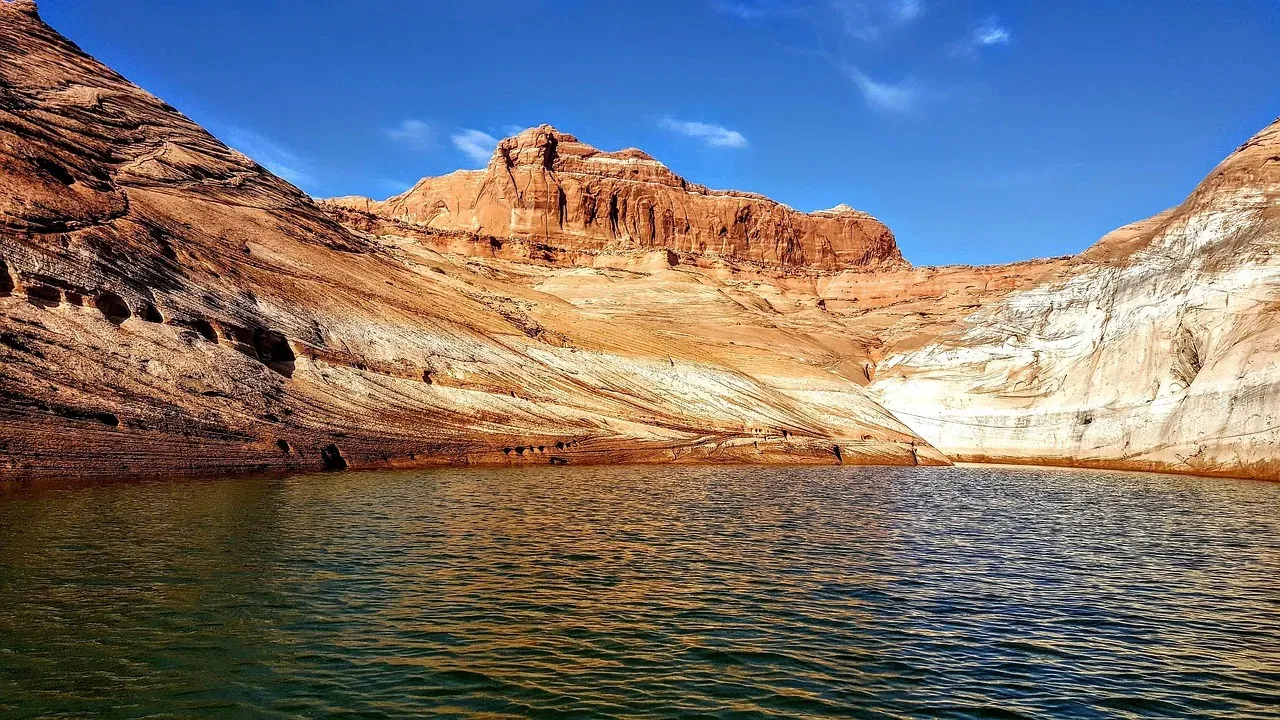
Southern Montana, 30 miles west of Yellowstone, spans 45,000 acres of marshes, lakes, and peaks over 10,000 feet high.[9] Trumpeter swans thrive here – once down to 70 birds nationwide – plus wolves, bears, elk, and 200 bird species. Smaller crowds mean intimate views.
Cross-country ski in winter or hike year-round. Swan numbers explode to 4,000 come cold months. It’s Yellowstone’s quieter twin.
Raptors and otters surprise constantly. Pure, high-country wild that lingers in your soul.
These refuges remind us why wild places matter – they’re alive, essential, and calling your name this year. Grab your gear, pick one (or all), and reconnect with the untamed heart of America. Which will you chase first? Share in the comments.
