
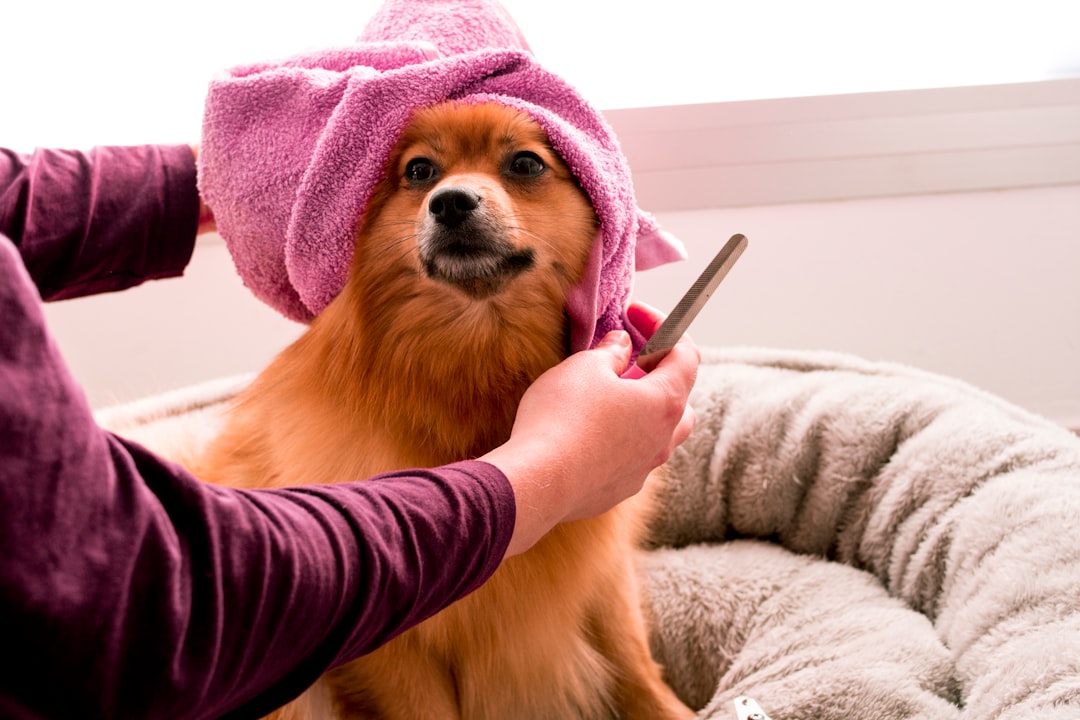
Dog owners often encounter resistance or aggression during grooming sessions, turning routine care into a stressful ordeal for both pet and person.
Why Dogs React Aggressively to Grooming
Fear stands as the primary driver behind many dogs’ aggressive responses to grooming. Past negative experiences, such as painful nail trims or overwhelming noise from clippers, condition dogs to anticipate harm.[1][2] These reactions manifest through growling, snapping, or attempts to flee as defensive measures.
Pain from underlying issues like arthritis, ear infections, or matted fur also provokes defensiveness. Territorial instincts may surface if a dog perceives handling as a challenge to its control. Recognizing these triggers allows owners to address root causes effectively.[3]
Preparation Steps to Desensitize and Build Confidence
Success begins with gradual desensitization, exposing the dog to grooming elements without pressure. Owners leave tools visible for sniffing, rewarding calm behavior with high-value treats to create positive associations.[2] Short, frequent visits to a groomer for treats alone help familiarize the dog with the environment.
Positive reinforcement reinforces trust at every step. Sessions end on a high note, even if brief, preventing escalation. A quiet, non-slip setup in a familiar space like a bathroom minimizes anxiety from slippery surfaces or distractions.[1]
- Week 1: Display tools without contact.
- Week 2: Lightly touch tools to the body.
- Week 3: Perform brief grooming motions.
- Week 4: Extend tolerance gradually.
Implementing Safe Grooming Techniques
Professional groomers emphasize short sessions starting with low-stress areas like the back. Owners perform one task per day, such as brushing before advancing to paws, always pairing actions with rewards.[3] Calm, confident handling – using a soothing voice and predictable movements – prevents escalation, as dogs mirror human stress levels.
Monitor body language closely for early warnings. Yawning, lip licking, or whale eye signal rising tension; stiffening or growling demands an immediate pause.[2] Approach from the side, touching under the chin rather than over the head to avoid threats.
Essential Tools and Professional Considerations
Safety gear proves indispensable for risk management. Basket muzzles allow panting and treats while preventing bites, paired with grooming loops for secure positioning.[4] Nail grinders offer quieter alternatives to clippers, and anxiety wraps provide comfort.
| Factor | At-Home Grooming | Professional Grooming |
|---|---|---|
| Best For | Mild fear; patient owners | Severe cases; sedation options |
| Stress Level | Lower long-term | Potentially higher initially |
| Cost | Tool investment | Session fees |
For severe aggression, consult veterinarians for calming aids or sedation, and select groomers experienced with reactive dogs.[5]
- Prioritize gradual exposure and rewards to shift grooming from fear to positivity.
- Always read body language and equip for safety first.
- Consistent practice transforms sessions into bonding opportunities.
Grooming evolves from confrontation to a trust-building ritual when approached patiently, yielding healthier coats and deeper human-canine connections. What challenges have you faced with grooming your dog? Share in the comments.
