
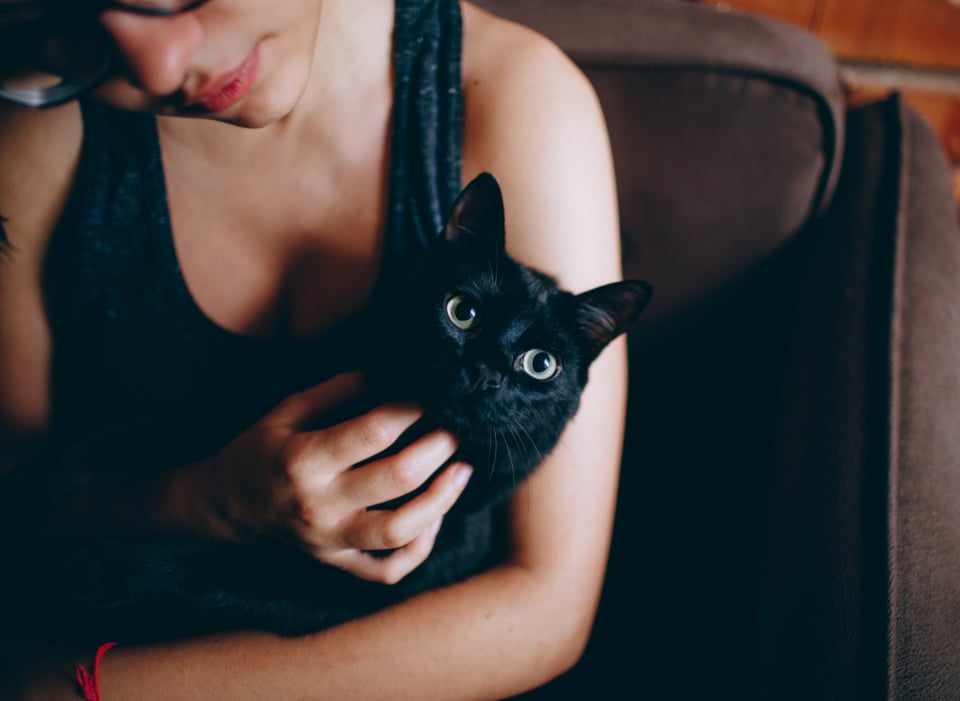
Everyone assumes an old cat is just a slower, blurrier version of the one you brought home years ago. That is almost never how it actually goes. Cat behaviorists and lifelong guardians describe something stranger and warmer instead: as cats slide into their senior years, they don’t fade out – they open up. The distant, too-cool-for-affection cat of their younger years turns into a creature who tracks your moods, waits by the door, and studies you like their whole world depends on it. In a way, it does.
The shift usually starts small enough that you almost miss it – a nap that migrates six inches closer, a meow that sounds different than it used to. But stack thirteen of these changes together and you get something that looks a lot less like decline and a lot more like devotion. Here’s what actually happens inside a senior cat’s heart and habits as the years pile up, and why a few of these might make you look at your own old cat completely differently tonight.
#1 – They Start Choosing You Over Everything Else
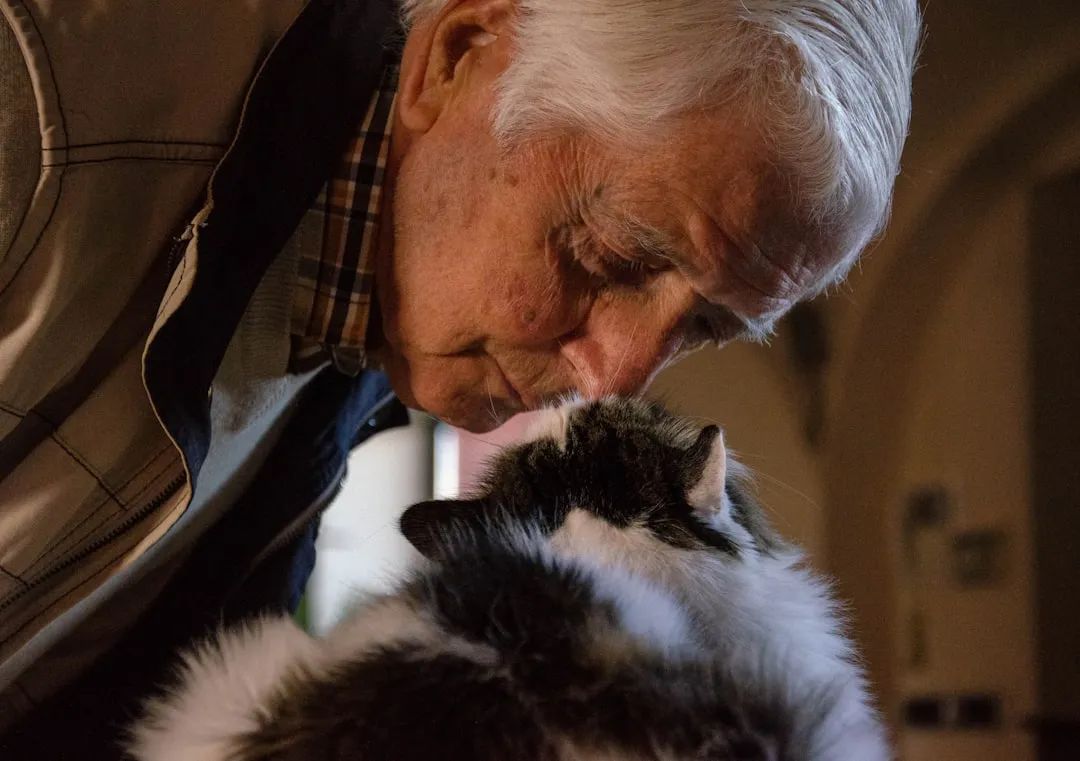
At some point, your senior cat stops “doing their own thing” and starts actively scheduling their day around you. The once-independent prowler now appears every time you sit down, hovers near your Zoom calls, and insists on being in whatever room you’re in. This isn’t neediness – older cats lean harder on predictable, safe figures in their world, and that role now belongs to you.
You’ll notice them abandon a warm window spot the second you move rooms, or sleep lighter so they can perk up at the sound of your footsteps. It can feel intense if you were used to a more distant cat, but the shift usually signals deep trust. You’ve become their safe base, not just the person with the food bowl – and that’s a much bigger deal than it sounds.
#2 – Their Play Turns Into Quiet, Shared Moments
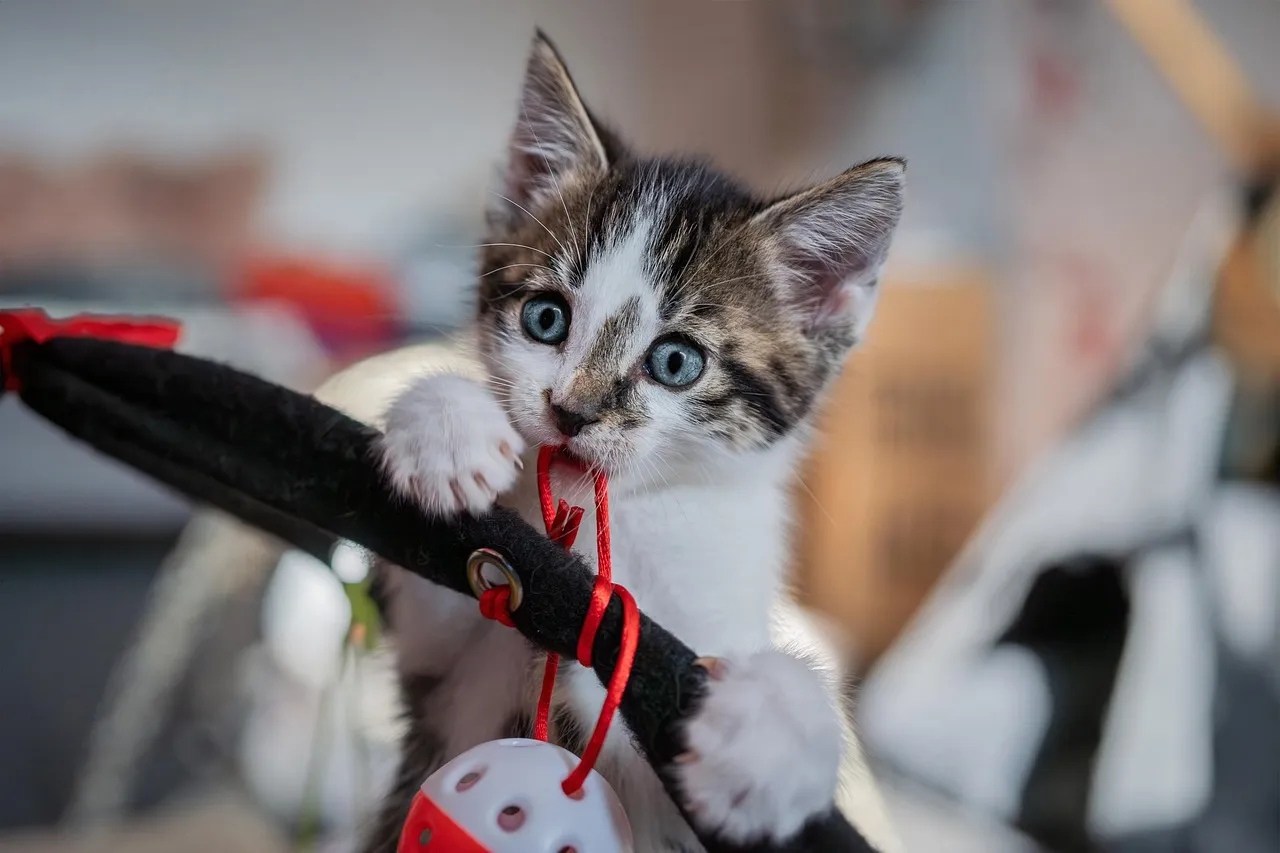
Most people assume an older cat “doesn’t play anymore.” In reality, plenty of senior cats still play – they just trade chaos for connection. The wild zoomies and mid-air acrobatics fade, but you’ll see slow, deliberate paw taps at a feather toy, a soft chase after a rolling ball, or a lazy game of catch from the couch.
The real difference is that they want you in it. Many will only bat at a toy when you’re holding it, pausing between swats to check that you’re actually watching. A five-minute wand-toy session can mean more to a fifteen-year-old cat than thirty minutes of kitten chaos ever did, because it was never really about the toy at all.
Fast Facts
- Many veterinary life-stage guidelines mark “senior” around age 11 and “geriatric” from about 15 onward.
- Play in older cats often shifts from acrobatic bursts to shorter, slower sessions of just a few minutes.
- Interactive toys you hold, like wand toys, tend to hold more appeal than solo toys as cats age.
- Short, gentle daily play can help support joint mobility and mental engagement in senior cats.
#3 – Their Sleep Habits Become Nightly Check-Ins
Younger cats sleep everywhere – shelves, boxes, the space under the bed. With age, many quietly shift to sleeping on or against you: your pillow, your chest, the crook of your knees. It’s not just cute, it’s practical. Older joints ache more, older bodies run colder, and your warmth plus your familiar scent become the best comfort combo they know.
Nighttime wandering turns into night-long cuddles, and midday naps migrate from hidden corners to your lap or office chair. For a lot of senior cats, where they sleep becomes a direct map of who they feel safest with. If your cat used to guard the window and now wedges themselves under your arm instead, that’s not random – that’s a decision.
#4 – Their Meows Turn Into a Private Language Just for You
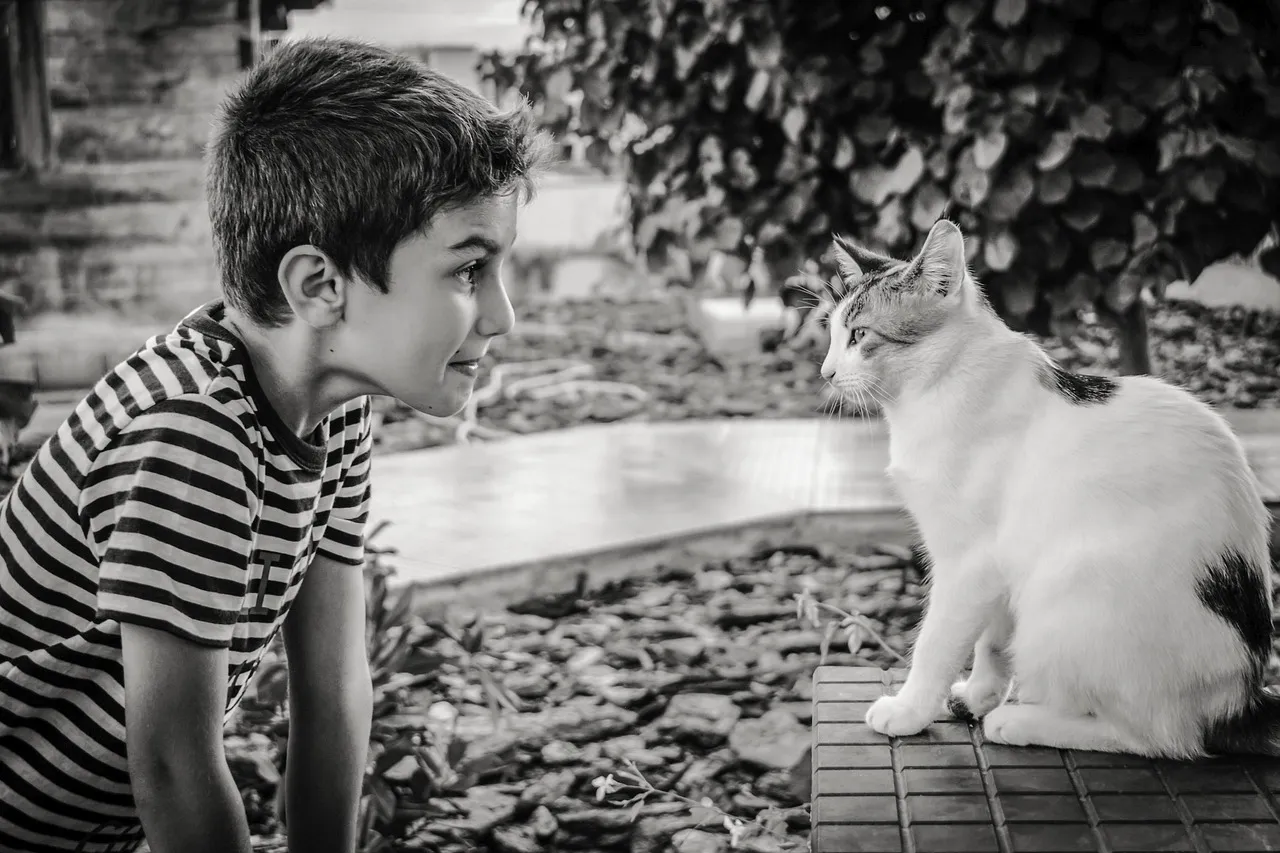
While kittens meow at everyone, older cats often reserve certain sounds for one chosen human. Guardians describe “conversation meows” – short, specific sounds used only during routines like morning greetings, bedtime, or couch time, and nowhere else.
You might notice a distinct soft chirp when you walk in the door, completely different from the food-demand meow, or a quiet, almost muttered sound as they trail you room to room. Cats are known to adapt their vocal patterns to the humans they live with, and that tends to sharpen with age. Your senior cat may genuinely be refining a language meant for an audience of one.
#5 – They Turn Routine Into a Love Language
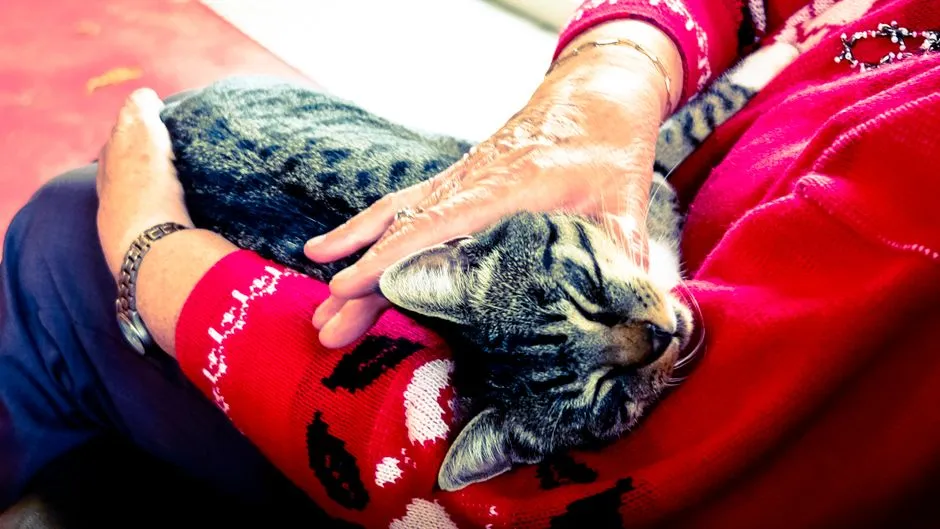
Senior cats fall in love with routine harder than any other age group. What looks like fussiness is often a deep need for predictable, shared rituals – the same chair, the same blanket, the same time each evening for cuddles. As senses dull slightly and new situations feel riskier, familiarity becomes comfort, and comfort usually means doing whatever they always do with you.
Evening lap time the moment you pick up the remote, or morning “supervision” while you brush your teeth – these small rituals quietly tether them to you. A thirty-second daily treat ritual can matter more to them than a brand-new cat tree, which is exactly why sudden schedule changes hit older cats so hard. They’re not just losing structure; they’re losing their favorite shared moments.
#6 – Their Messy Coat Is Actually a Quiet Ask for Help
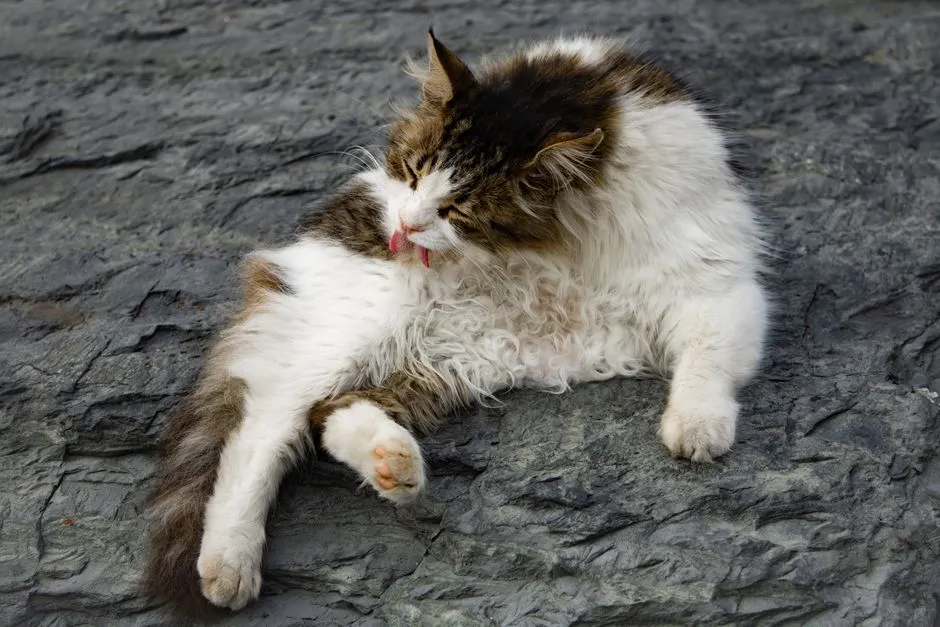
Here’s where a lot of people get it wrong: when a senior cat’s coat starts matting or looking dull, they assume “old and lazy.” In reality, it often means the cat is physically struggling and quietly hoping you’ll step in. Arthritis, dental pain, or stiffness can make entire grooming angles impossible.
This is where the relationship can deepen. Regular, gentle brushing becomes caretaking and bonding at once, and letting you wipe their eyes or clean small mats is a real act of trust. A younger cat might tolerate this. A senior cat who lets you handle their belly, tail, or paws is making a genuine vulnerability decision – a shift from “I take care of myself” to “I trust you to take care of me.”
#7 – They Start Reading Your Moods Like Weather Reports
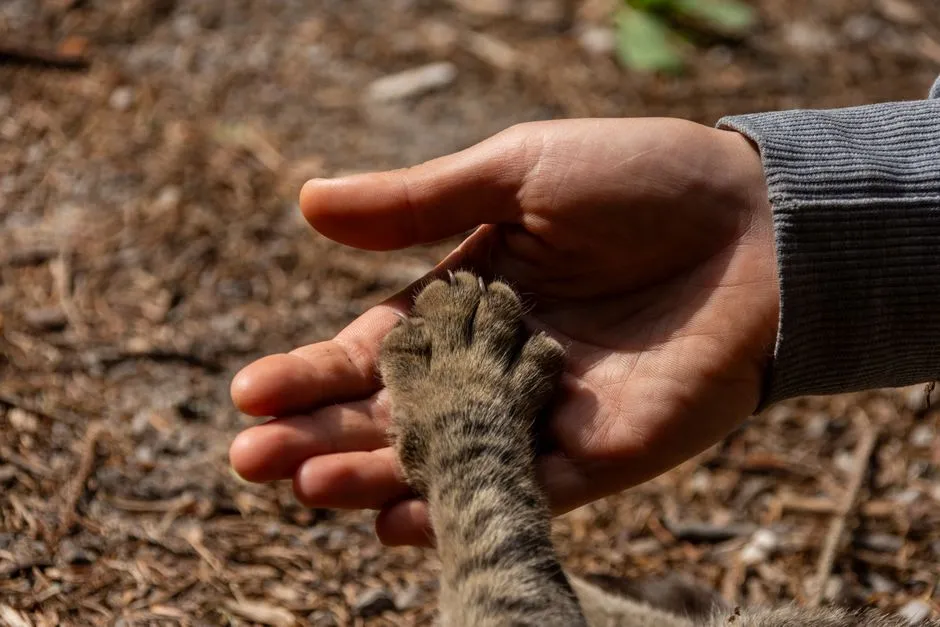
Many long-time guardians swear their older cats get weirdly good at reading the room. When you’re anxious, the cat appears and settles heavily against you. When you’re sick, they camp out at the foot of the bed. Skeptics call it coincidence; anyone who has lived with the same cat for fifteen years calls it something closer to empathy.
They may appear during arguments or crying spells when they’d normally be asleep, or go uncharacteristically still and quiet when you’re obviously unwell. Nobody should turn a cat into a tiny therapist, but there’s real evidence that cats pick up on human tone, body language, and routine changes. An older cat has had over a decade to learn exactly what your “not okay” sounds like, and choosing to glue themselves to you during those moments isn’t an accident.
Worth Knowing
- Cats are highly attuned to human vocal tone and body language, not just the words themselves.
- Many cats increase affectionate, close-contact behaviors when their owner is visibly stressed or unwell.
- Purring can double as self-soothing for the cat, not only as a signal directed at you.
- Sudden extra clinginess paired with appetite or energy changes is also worth mentioning to a vet, since it can flag a health issue too.
#8 – They Finally Start Asking to Be Touched
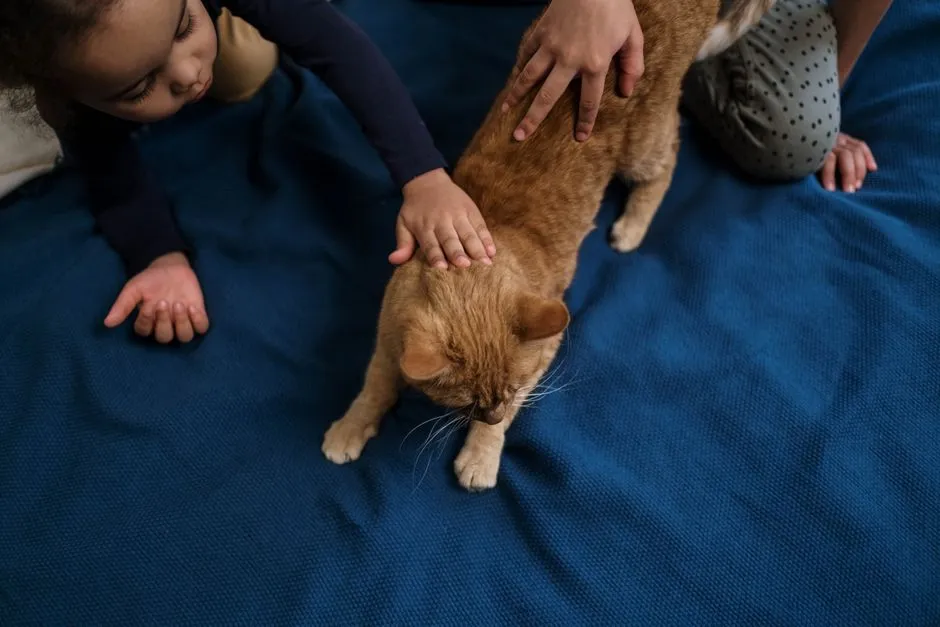
Some cats spend their youth as strictly “look, don’t touch” roommates. Then somewhere around ten or twelve, something shifts – they start asking to be petted. Not tolerating it. Asking for it. A head-butt against your hand, a deliberate lean into your leg, a quiet climb into a lap they never once sat in before.
By now they’ve had years to learn your touch won’t hurt or restrain them, and their priorities have quietly moved from territory and exploration to safety and comfort. People argue endlessly online about “never picking up your cat,” but senior-cat guardians know the real test: does your cat seek out contact on their own? A formerly independent cat who now crashes into your chest for chin scratches is making a bigger declaration of trust than any kitten who was friendly from day one.
#9 – Mealtime Becomes a Ritual of Trust, Not Just a Transaction
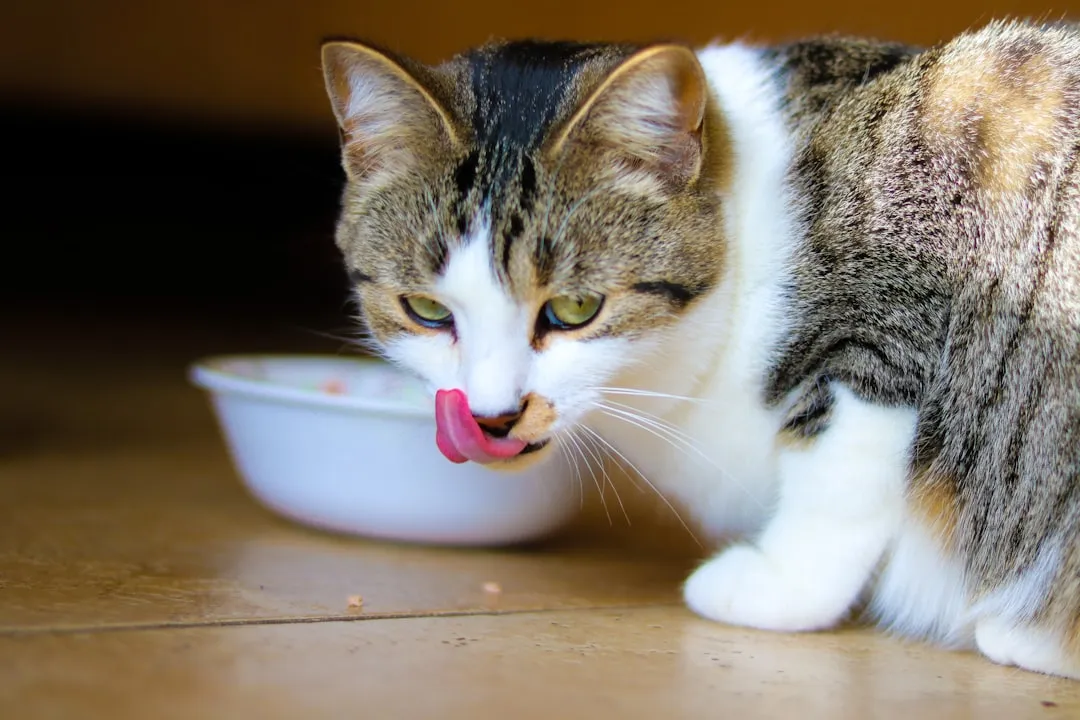
Feeding a young cat can feel like managing a tiny shark. Feeding a senior cat feels more like caring for a grandparent. Appetites get finicky, health needs shift, and mealtime becomes less about calories and more about reassurance and ritual.
Many senior cats eat better when you sit nearby or talk softly to them, and develop small “thank you” behaviors – leg rubs, slow blinks after a meal. You stop being just “the food source” and become the one who understands their exact bowl height, texture preference, and pace. A senior cat who lets you medicate, syringe-feed, or switch their diet without panic is showing you an extraordinary level of emotional safety.
#10 – They Drop Their Guard Around You Completely
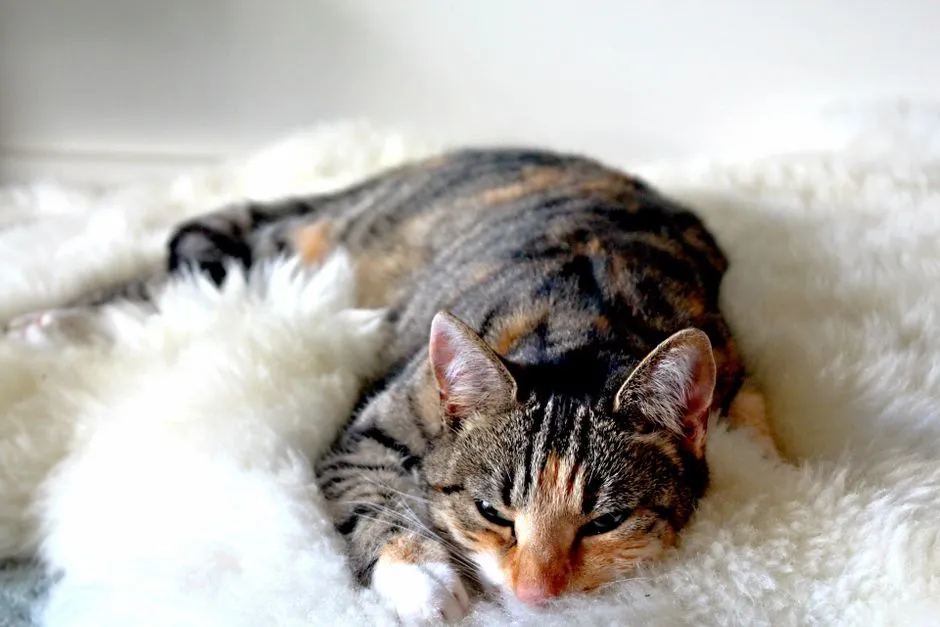
Younger cats, even affectionate ones, keep a certain alertness – ears twitching, eyes tracking, ready to bolt. Many senior cats, once fully bonded, drop that guard entirely in your presence. Full belly-up sprawls, deep snoring, twitchy dream-sleep right next to your hand – all high-risk positions in the wild, and they know it.
A cat sleeping deeply on your lap is temporarily trusting you with their survival. A cat who lets you scoop them up mid-nap is handing over control completely. Age alone doesn’t create this; it’s the result of thousands of safe interactions with you specifically. That loose, floppy, dead-weight nap on your chest isn’t laziness – it’s the highest compliment a cat can pay.
At a Glance
- Belly-up sprawls, deep sleep, and slow blinks are classic feline trust signals.
- A relaxed tail and half-closed eyes usually mean a cat feels safe, not simply sleepy.
- Cats rarely settle into deep, twitchy dream-sleep in an environment that feels unsafe.
- Letting you handle paws, belly, or tail without flinching is a strong trust indicator at any age.
#11 – They Start Making Quiet “Goodbye Rounds”
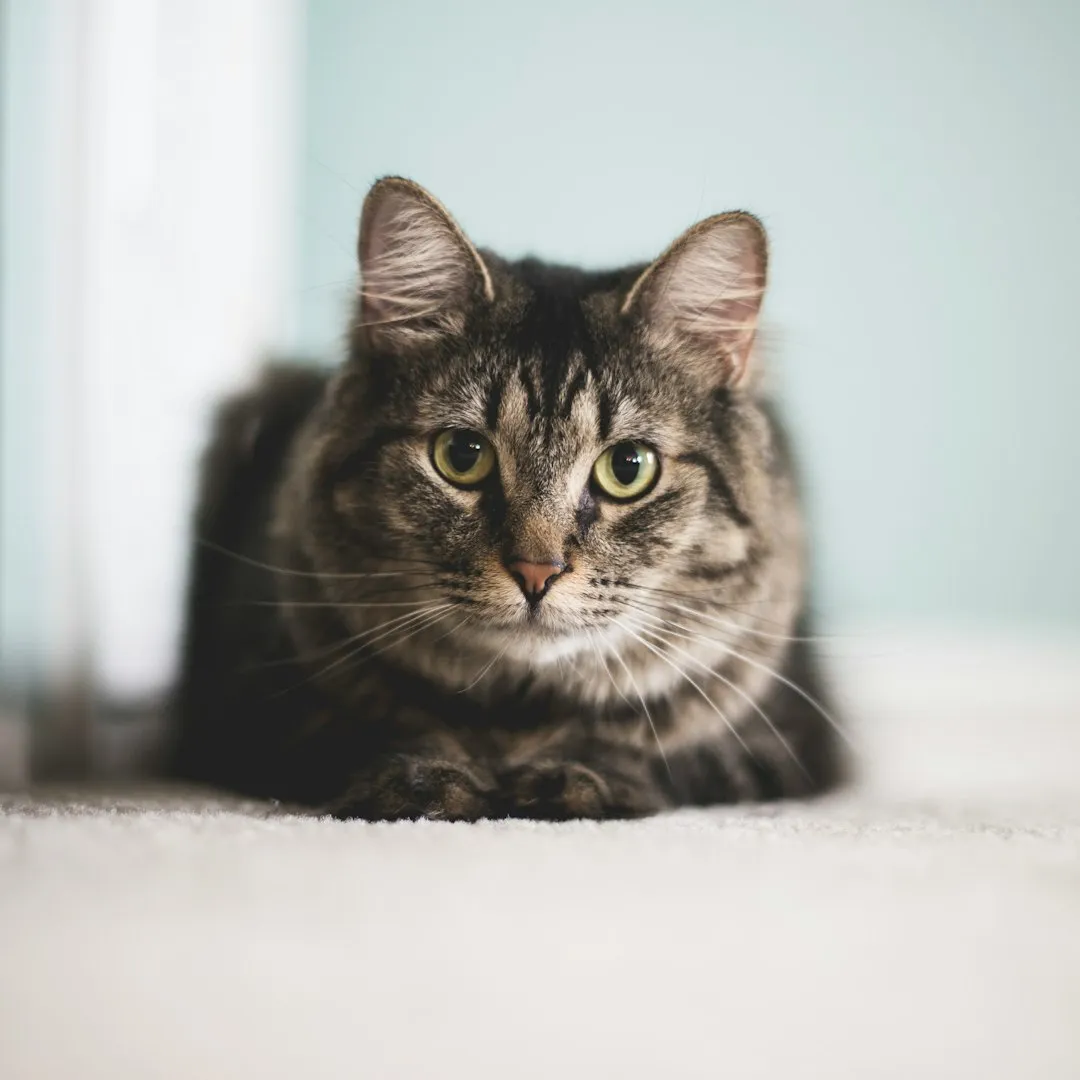
This one is hard to talk about, but anyone who has lived with a truly old cat recognizes it. In their final months or year, some senior cats start doing quiet check-ins around the house – lingering in favorite spots, revisiting old sleeping places, sitting with you in ways they never did before. It can feel like they’re tying emotional knots.
You might notice a sudden interest in sleeping on your pillow after years of ignoring it, or long, calm sessions where they simply watch you and purr softly. We shouldn’t pretend cats understand death the way we do, but they absolutely feel their bodies changing. Choosing to spend more slow, deliberate time pressed against you near the end is their way of anchoring themselves to the one constant they’ve always had – you.
Cats do not have to be shown how to have a good time, for they are unfailingly interested in themselves.
Champfleury
#12 – They Slowly Teach You to Live on Cat Time
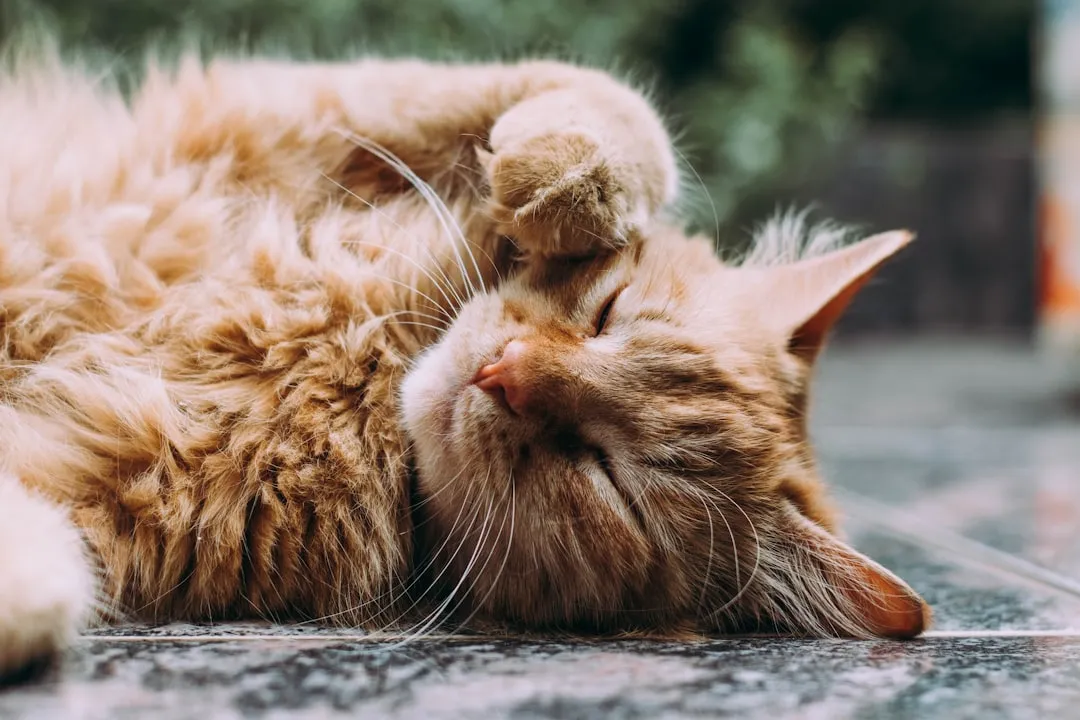
Senior cats unapologetically live on their own clock. They don’t care about your deadlines, your messages, or your to-do list. They care that the sun patch is warm and that you’re finally sitting still. Without trying, they drag you into their slower, quieter world – and the bond deepens because you actually join them in it.
You start planning around their medication schedule or their favorite cuddle window. You notice their rhythms – when they’re social, when they need space. There’s a reason so many people say their bond with a senior cat feels deeper than almost any other relationship they’ve had. The cat has, without ever meaning to, trained them into presence.
#13 – They Become a Shared History You Can Feel in Every Gesture
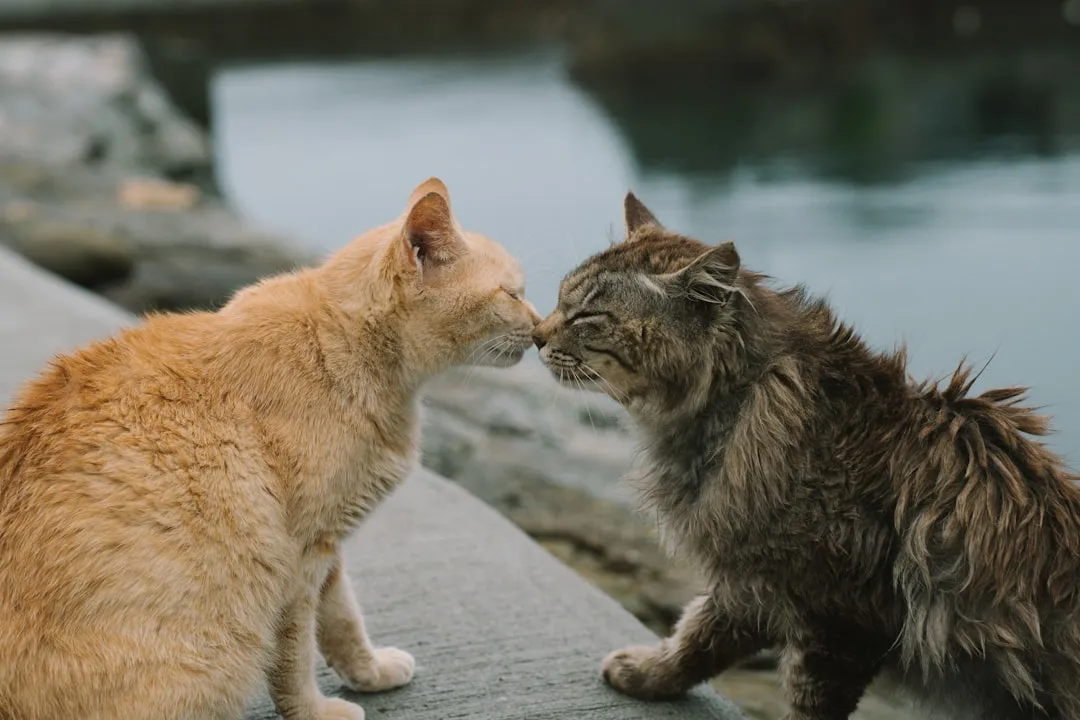
By the time a cat hits true senior age, you’re not just sharing a house – you’re sharing a whole timeline. Moves, breakups, new jobs, illnesses, quiet Tuesday nights, loud Sunday mornings. All of it is stored somewhere in that small body that still insists on sitting on your laptop at the worst possible moment.
Every head-bump is backed by thousands that came before it. Every purr in your lap is layered over a decade of you showing up. A senior cat’s softness isn’t just “getting old and cuddly” – it’s the visible proof of years of evidence that you are safe, predictable, and worth investing their short life in. When they blink slowly at you across the room, there’s history in it.
Why It Stands Out
- Indoor cats often live 15 to 20 years, leaving plenty of time to build layered routines only the two of you understand.
- Guardians of senior cats frequently describe that bond as deeper than any other pet relationship they’ve had.
- It’s usually the small daily rituals, not dramatic moments, that people remember most fondly.
The Bottom Line
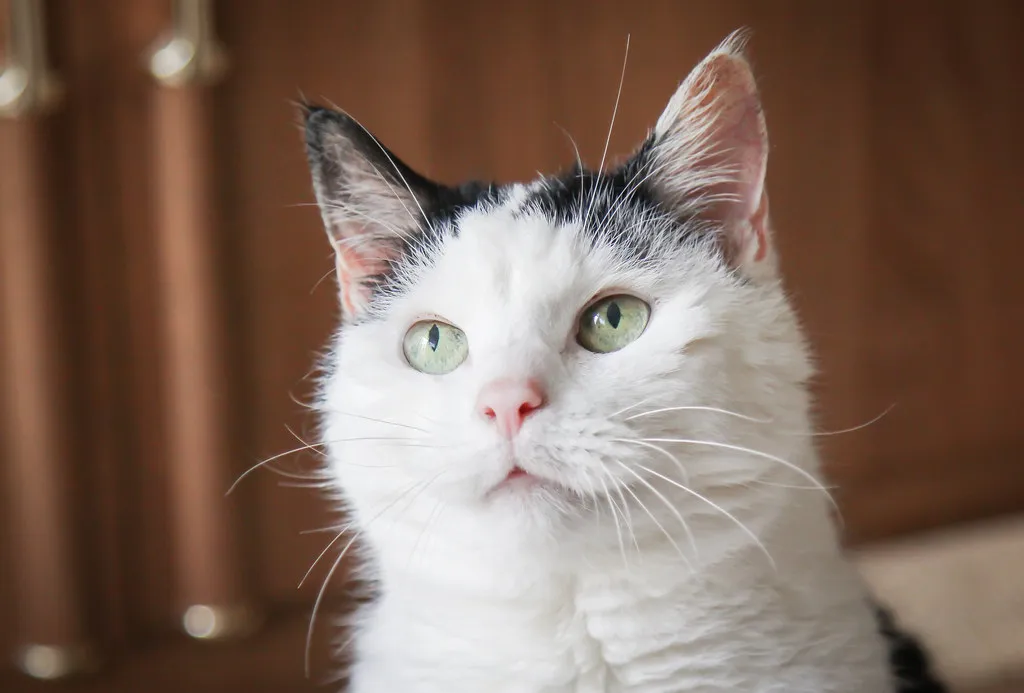
The uncomfortable truth is this: a lot of people give up on cats right when the relationship is finally about to get good. Senior cats aren’t used up – they’re the finished version, the one that has decided exactly who to trust. You either get to be that person, or you miss it.
The softer fur, the slower steps, the increased clinginess, the private rituals at 6 a.m. – none of that is random aging. It’s a quiet, deliberate vote of confidence in you. If you’re lucky enough to grow old alongside a cat, you don’t just have a pet, you have a living archive of your shared life. The real question was never whether senior cats grow closer. It’s whether you’re paying enough attention to notice it while it’s happening.
