

Picture this: you’re having a rough day, trying to hide your frustration behind a smile. Suddenly, your dog nudges closer, eyes full of concern. It’s like they know exactly what’s brewing inside you, often before you fully process it yourself.
Science backs this up with fascinating studies showing dogs’ uncanny emotional radar. These loyal companions tune into our subtlest signals in ways that leave researchers stunned. Let’s dive into the 12 remarkable methods they use to read us so well.[1][2]
1. Reading Facial Expressions

Dogs scan human faces with laser focus. They distinguish happy grins from angry scowls effortlessly. Studies confirm they prefer joyful expressions and react accordingly.[3]
Honestly, it’s wild how they zero in on our eyes and mouth. This skill evolved over thousands of years of living alongside us. Your pup might tilt its head when you frown, already sensing the shift.
2. Detecting Tone of Voice
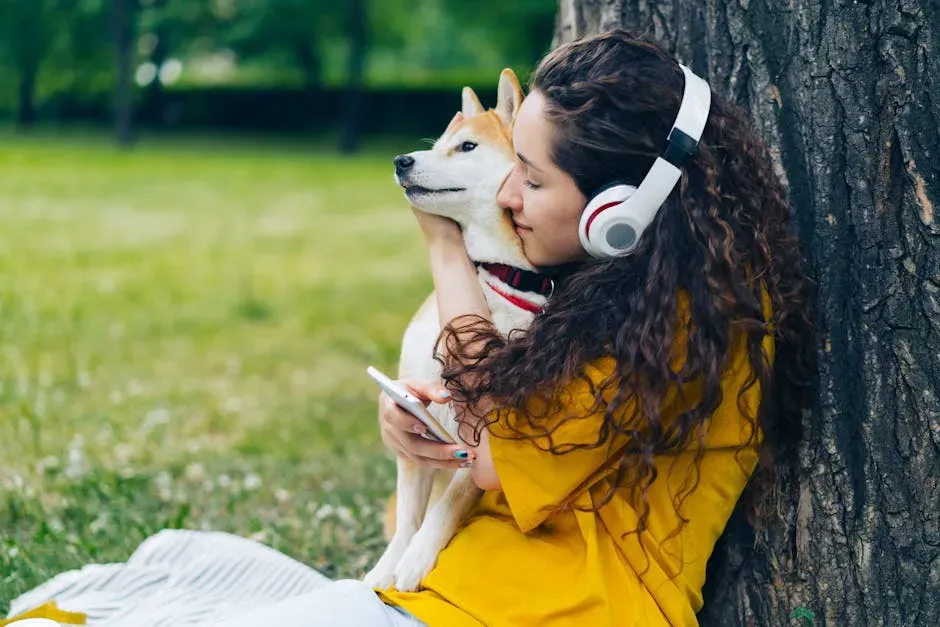
That cheerful lilt or sharp snap in your voice? Dogs catch it instantly. Their brains light up differently for happy chatter versus scolding tones.
Research shows they process human vocal emotions in specialized regions, much like we do.[4] They might wag their tail for praise or cower at anger. Let’s be real, they’ve mastered our emotional soundtrack.
No wonder they comfort us during a rant.
3. Picking Up Body Language

Slumped shoulders or tense fists don’t escape their notice. Dogs mirror our posture, relaxing when we do or alerting to stress signals.
They adjust their own stance to match, creating that seamless bond. Observations reveal they sense excitement in our bouncy steps too. It’s like they’re always one step ahead of our mood swings.[1]
4. Sniffing Out Stress Scents
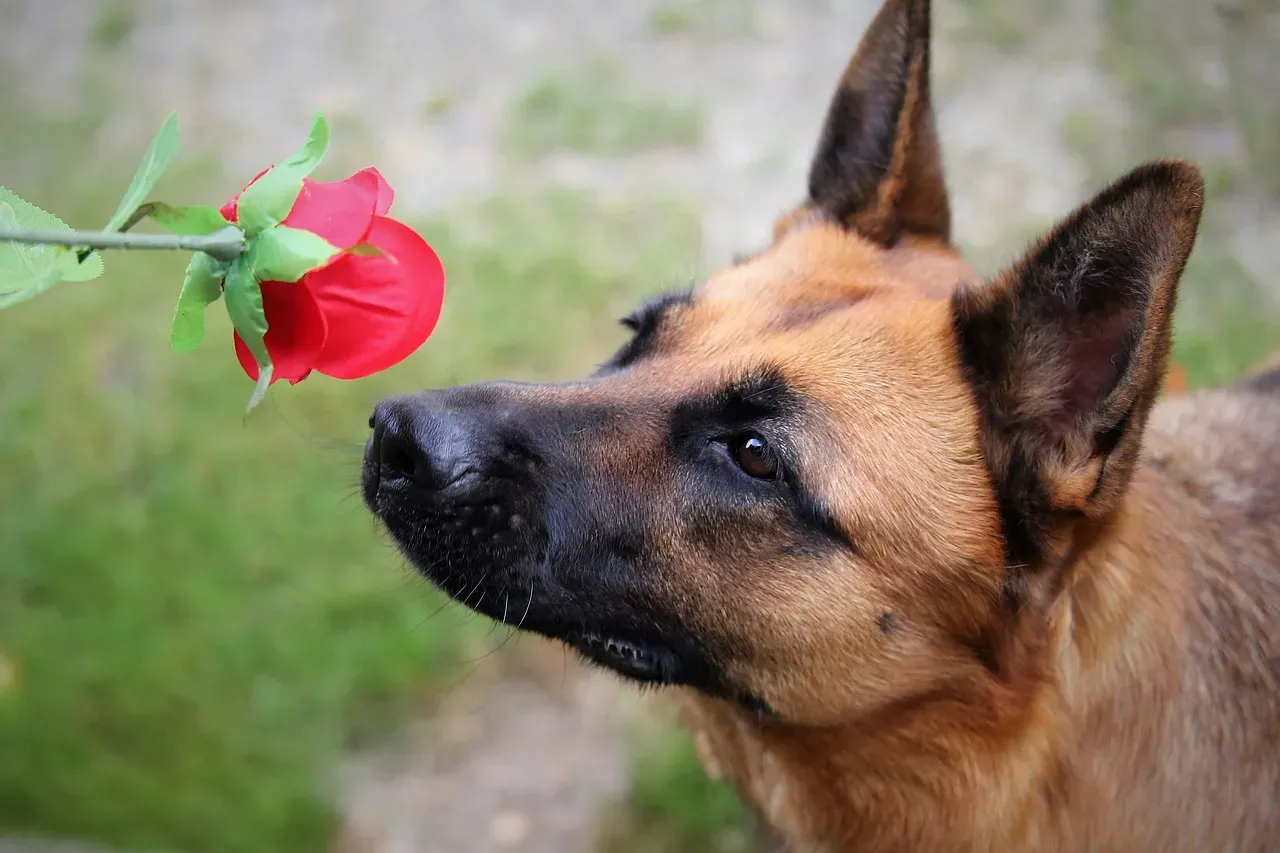
Our sweat carries stress hormones, and dogs’ noses detect them with pinpoint accuracy. A UK study found they make pessimistic choices after smelling human anxiety.[5]
Volatile compounds from fear or tension hit their olfactory receptors first. They respond by staying close or seeking reassurance. This chemical whisper often tips them off before we sigh.
5. Noticing Eye Gaze and Movements

Dogs follow our gaze to understand intent and feelings. They read averted eyes as sadness or direct stares as focus.
Experiments show they perform better when owners express positive emotions visually. Their own eyes lock on ours for cues. I think this mutual stare-down builds their emotional insight.[1]
It’s a silent conversation we barely notice.
6. Synchronizing Heart Rates
During tense moments, dogs’ heartbeats align with ours in emotional contagion. This mirroring happens automatically in bonded pairs.
A study highlighted synchronized cardiac patterns under stress.[6] They feel our racing pulse and match it, sharing the load. Pretty profound for a species without words.
7. Reacting to Crying Sounds

Hear us sob, and dogs rush over faster than to neutral noises. They paw at doors or nuzzle to soothe distress.
Research timed their responses: quicker for tears than humming.[7] This targeted comfort shows they prioritize our pain. Your tears become their call to action.
Service dogs excel here, alerting to crises.
8. Processing Voices in Special Brain Areas

Dogs’ brains have zones tuned to human laughter, cries, or shouts. fMRI scans prove activation for emotional speech.
They differentiate owner distress from strangers’. This neural wiring lets them anticipate our needs. No surprise they seem psychic sometimes.[8]
9. Integrating Face, Voice, and Smell
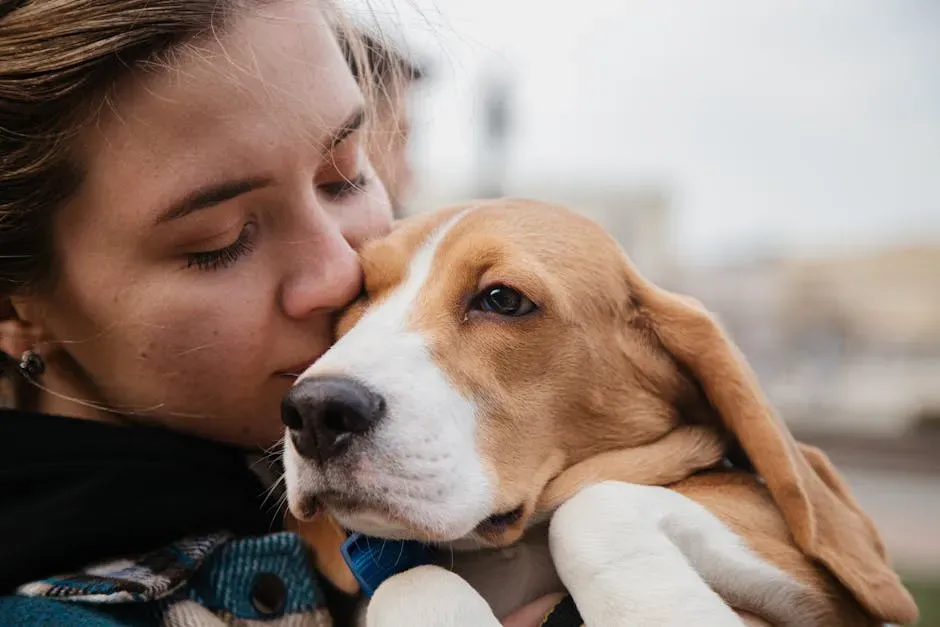
Dogs combine sights, sounds, and scents for full emotional pictures. They match happy faces with playful barks seamlessly.
Studies demonstrate bimodal discrimination of positive versus negative vibes.[2] This multisensory approach outpaces our single-focus awareness. They weave it all into instant understanding.
10. Displaying Owner-Specific Empathy

Pups comfort their people more than strangers in distress. They approach crying owners urgently, offering licks or leans.
Bond strength predicts response speed. This selective care highlights deep attachment. It’s heartwarming proof of their loyalty.[9]
11. Sensing Subtle Physiological Shifts

Beyond basics, dogs detect breathing changes or minor tremors tied to emotions. Their sensitivity rivals medical tools.
They pick up on these before we verbalize unease. Training amplifies it for therapy roles. Imagine the quiet vigilance they provide daily.
12. Boosting Sensitivity Through Oxytocin

Gazing into our eyes releases oxytocin in both, heightening emotional sync. This hormone loop sharpens their read on us.
Studies link it to coevolved empathy.[6] Long stares during calm moments build this bridge. It’s the secret sauce in our unbreakable connection.
Why This Matters and What’s Next
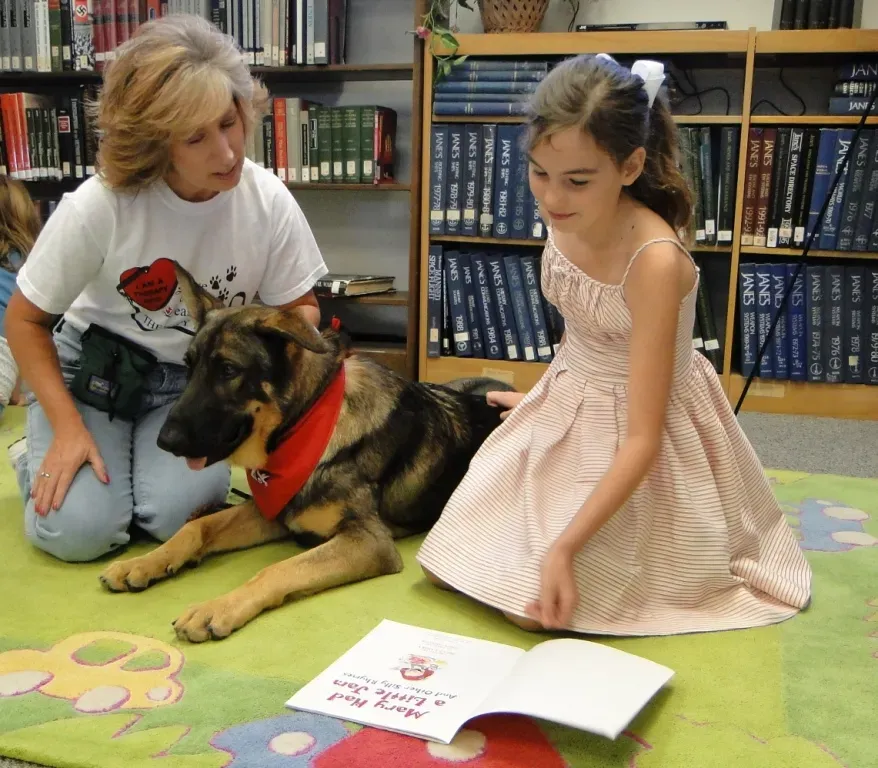
Dogs don’t just sense our emotions; they respond with genuine care, often easing our burdens in ways therapy can’t match. This profound attunement, forged over millennia, reminds us of the magic in our furry friendships.
Next time your dog seems to “know,” trust it – they’re tuned in deeper than you realize. What emotion has your pup picked up on lately? Share in the comments.[10]

- 15 Animals and Wildlife that Start with B - July 30, 2026
- Virgo, Here’s a Tidy, Low-Maintenance Dog for You - July 30, 2026
- 10 Beautiful US National Parks Where Rare Animals Are Protected - July 30, 2026