

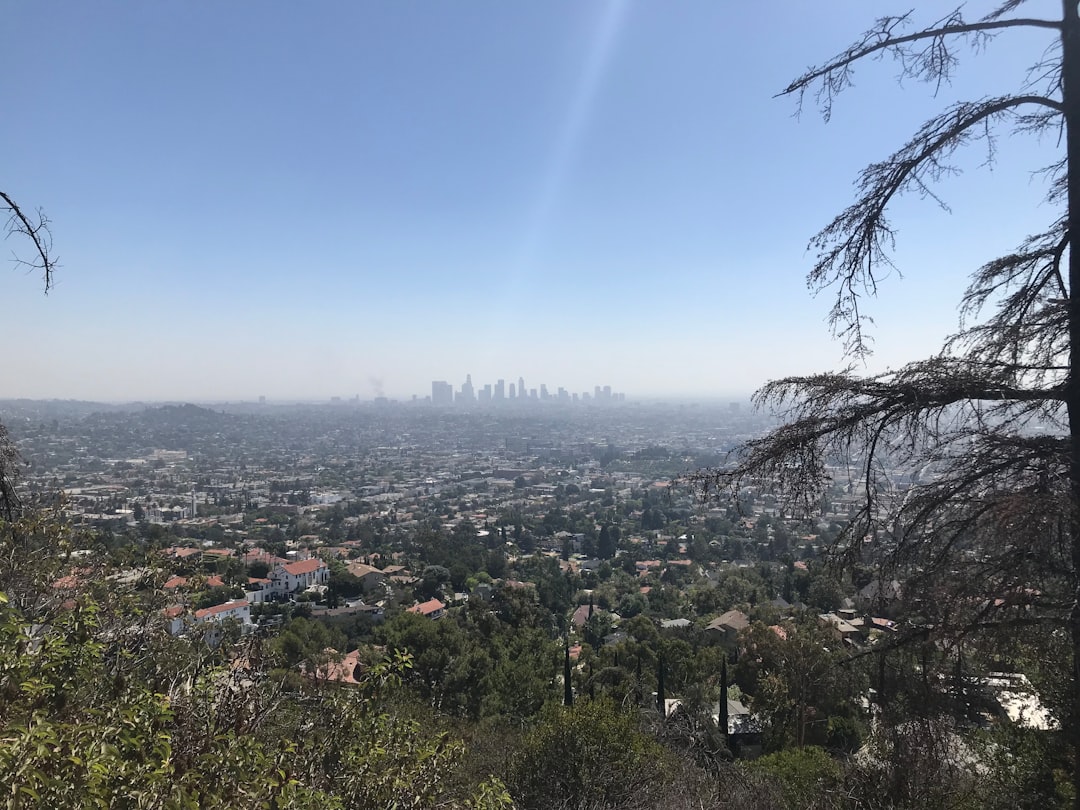
Unprecedented Heat Dome Forms Early (Image Credits: Unsplash)
Los Angeles, San Francisco, and Phoenix — A massive heat dome is building over the Southwest, promising temperatures more typical of midsummer than mid-March. Meteorologists described the incoming event as unprecedented, with prolonged highs poised to topple daily and monthly records across California and Arizona.[1][2] Officials issued rare early-season heat advisories and watches, urging millions to prepare for a multiday marathon of extreme warmth that could exacerbate drought conditions and strain public health resources.
Unprecedented Heat Dome Forms Early
The powerful ridge responsible for this heat emerged from an unusually strong mid-tropospheric high-pressure system, the strongest observed in the Southwest during March. Subsidence within the ridge triggered adiabatic warming, drying the air and amplifying temperatures across a vast area from the California coast to Arizona deserts.[2] This setup arrived in two phases: an initial surge starting Thursday, peaking Friday in Southern California, followed by an even broader intensification next week.
Forecasters noted the event’s exceptional duration and scope, with heat persisting through late March. Unlike typical spring warm spells, this dome trapped warmth under clear skies, preventing any cooling relief. The National Weather Service highlighted its potential to become record-shattering in intensity.[2]
City-by-City Temperature Outlook
Los Angeles faced forecasts approaching 100°F in the basin areas Thursday and Friday, with valleys like the San Fernando potentially hotter. Inland spots such as Palm Springs eyed 110°F, while coastal influences moderated some readings to the mid-90s. San Francisco, often shielded by fog, still braced for Bay Area highs near 90°F, especially inland.[2][3]
Phoenix and southern Arizona deserts expected certain triple digits, possibly 110°F, marking the earliest such extremes on record. The metro area forecast called for 102°F by Tuesday, March 17, under an Extreme Heat Watch from March 19 to 22.[4][2]
| City/Area | Peak Forecast Highs | Notes |
|---|---|---|
| Los Angeles | 95–100°F | Multiple days above 95°F; valleys hotter |
| San Francisco Bay | 80–90°F | Challenging March records |
| Phoenix | 100–110°F | Earliest 100°F day possible |
Records on the Line
Nearly every weather station from California to Arizona stood vulnerable to daily record breaks, some consecutively for 7–10 days. March all-time highs loomed large, alongside benchmarks for earliest 90°F, 100°F, and even 110°F days. San Francisco’s March record of 89°F teetered, while Phoenix chased its first triple-digit reading of 2026 far ahead of schedule.[2][5]
This heat wave already nudged early markers, with Southern California logging 90s before a brief weekend lull. The second peak promised even greater extremes, potentially rivaling April norms in March. Observers called it among the most extraordinary U.S. heat events ever for the season.[6]
Health and Preparation Essentials
Authorities activated heat safety protocols ahead of schedule, emphasizing hydration and limited outdoor exertion. Vulnerable groups, including the elderly and outdoor workers, received priority alerts. Cooling centers prepared to open amid forecasts of minimal overnight relief.[1]
Residents followed these steps to mitigate risks:
- Drink plenty of water and avoid alcohol or caffeine.
- Stay indoors during peak afternoon heat, using air conditioning if available.
- Wear light, loose clothing and check on neighbors or family.
- Recognize heat illness signs like dizziness or nausea, and seek cool areas immediately.
- Never leave children or pets in vehicles.
Far-Reaching Consequences
Beyond urban heat islands, the event accelerated snowpack melt in the Sierras and Rockies, threatening water supplies already strained by drought. Wildfire risks rose with dry fuels and gusty winds possible in spots. The Colorado River basin faced added pressure, compounding long-term shortages.[2]
Energy grids monitored demand spikes from air conditioning, while agriculture watched for crop stress. This early jolt underscored shifting climate patterns, with March now rivaling summer ferocity.
- A double-peaked heat dome will deliver 10+ days of extremes, breaking numerous records.[2]
- LA nears 100°F, SF 90°F, Phoenix 110°F — all historic for March.
- Prioritize hydration, shade, and cooling; watches expand this week.
As the Southwest endures this fiery preview of summer, proactive measures will prove crucial. Communities that weathered past events know the toll of complacency. What steps are you taking to beat the heat? Tell us in the comments.

- Urban Coyotes Show Remarkable Adaptability, Learning to Thrive in City Environments - July 22, 2026
- Beavers Are Nature’s Engineers, Creating Vital Habitats for Other Wildlife Species - July 21, 2026
- The Recovery of the California Condor Offers Hope for Other Critically Endangered Birds - July 21, 2026