
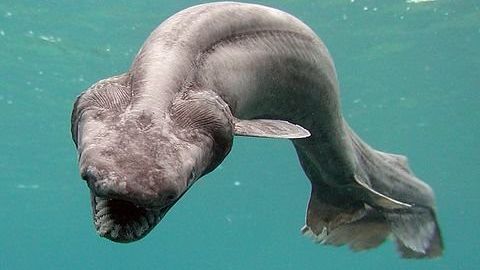
Picture this: you’re snorkeling in crystal-clear waters, and suddenly a bizarre armored beast scuttles across the seafloor. It looks like something from a dinosaur documentary, yet here it swims in our modern oceans. These living fossils challenge everything we know about evolution, proving some designs are just too perfect to tweak.
From deep-sea oddities to coastal survivors, they outlasted mass extinctions that wiped out giants. Ready to meet these timeless ocean dwellers? Let’s plunge in.[1][2]
1. Horseshoe Crabs Outlived Five Mass Extinctions
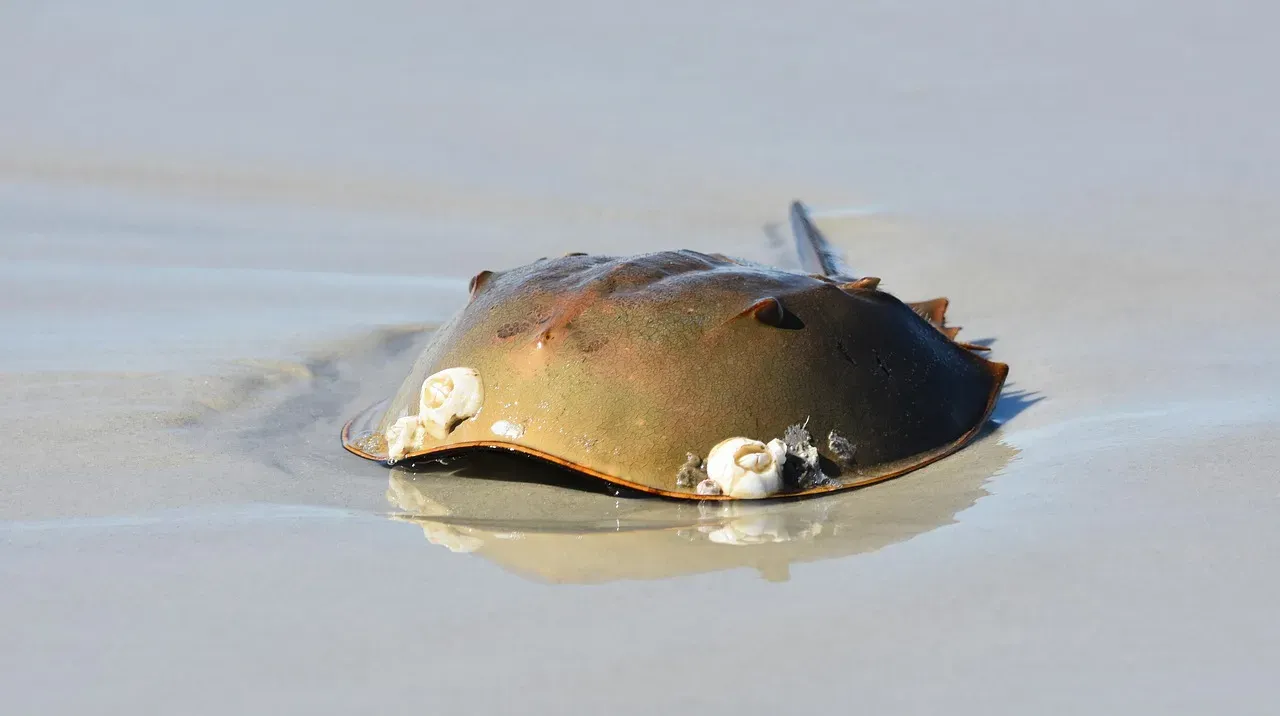
Horseshoe crabs crawled the ocean floor 450 million years ago, long before dinosaurs roamed land. They shrugged off every major extinction event, including the one that doomed the dinos.[1]
Not true crabs at all, these arachnid relatives boast blue blood packed with copper, vital for detecting toxins in medical tests. Females lay up to 80,000 eggs on beaches each spring, fueling shorebird migrations. Honestly, their spiky tails serve as levers to flip themselves upright, no stinger involved. I find it wild how such ancient survivors power modern medicine.[3]
2. Nautiluses Thrive with Stone-Age Tech
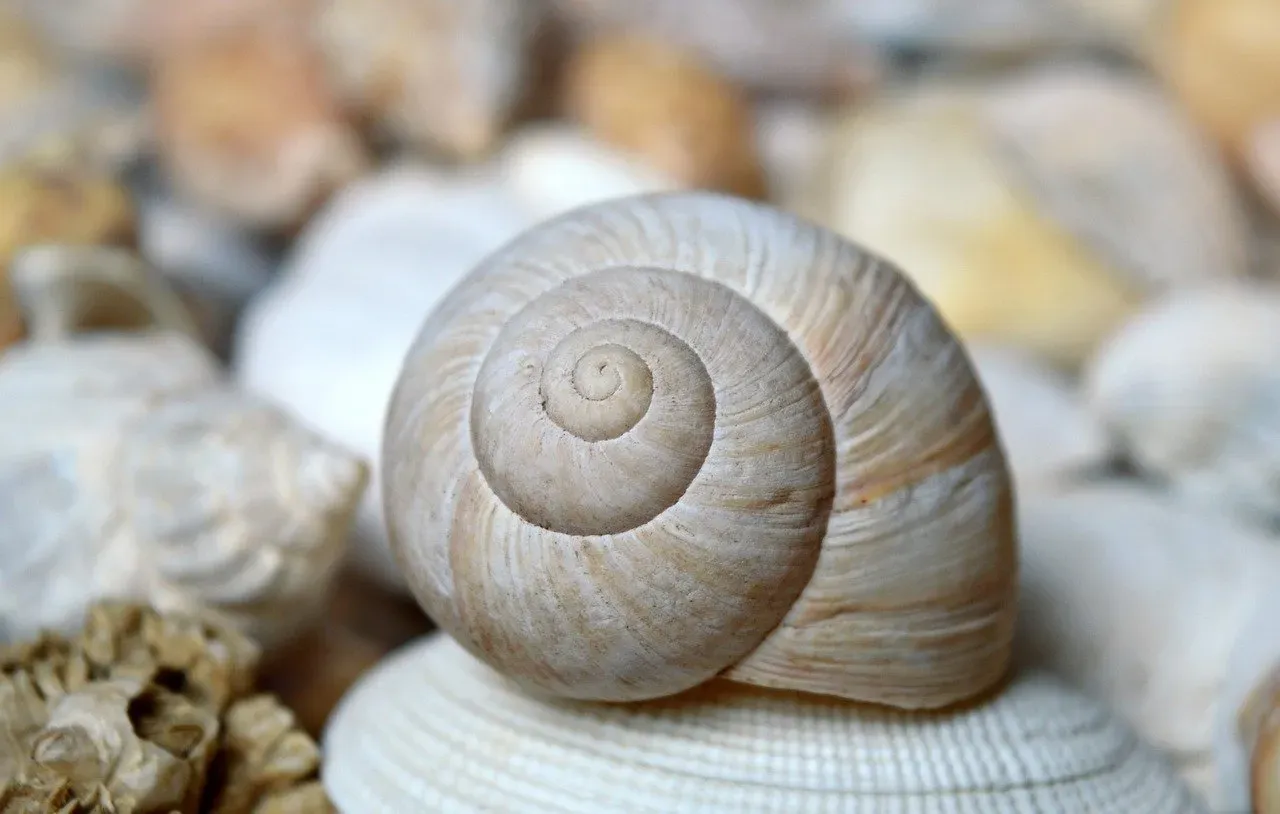
Over 500 million years strong, nautiluses ruled when continents were just splitting up. Today, only a handful of species linger in Indo-Pacific depths, their coiled shells a riot of colors and patterns.[1]
They jet around using a siphuncle to control buoyancy, hunting shrimp and fish with 90 tentacles. Picture a living submarine prototype, beak snapping like a parrot. Slow growers, they mature late, making overfishing a real threat. It’s like evolution said, “If it ain’t broke…”[3]
3. Jellyfish Have Been Pulsing for Half a Billion Years
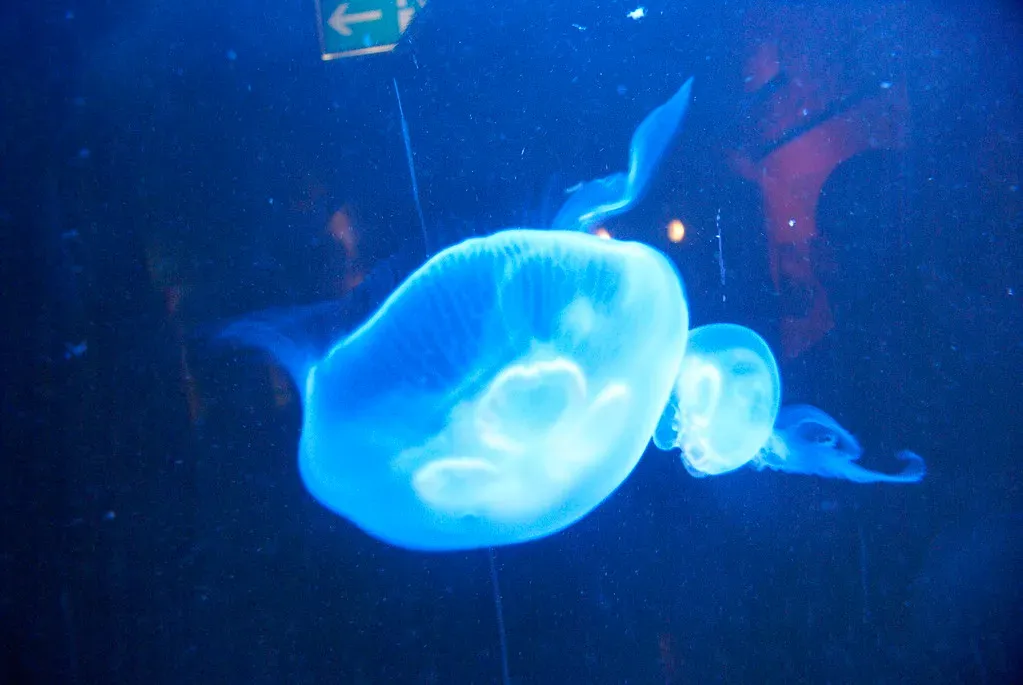
Jellyfish fossils trace back 500 million years, their squishy bodies preserved in rare fine sediments. No brain, heart, or bones, just a nerve net and 95 percent water.[1]
They thrive in dead zones and warming seas where others falter. Some sting with harpoons loaded with venom, turning predators into meals. Here’s the kicker: as oceans acidify, jellies might dominate. Talk about simple winning the long game.[4]
Adaptable drifters, they pulse through currents like ghostly balloons.
4. Coelacanths Walked Before They Swam
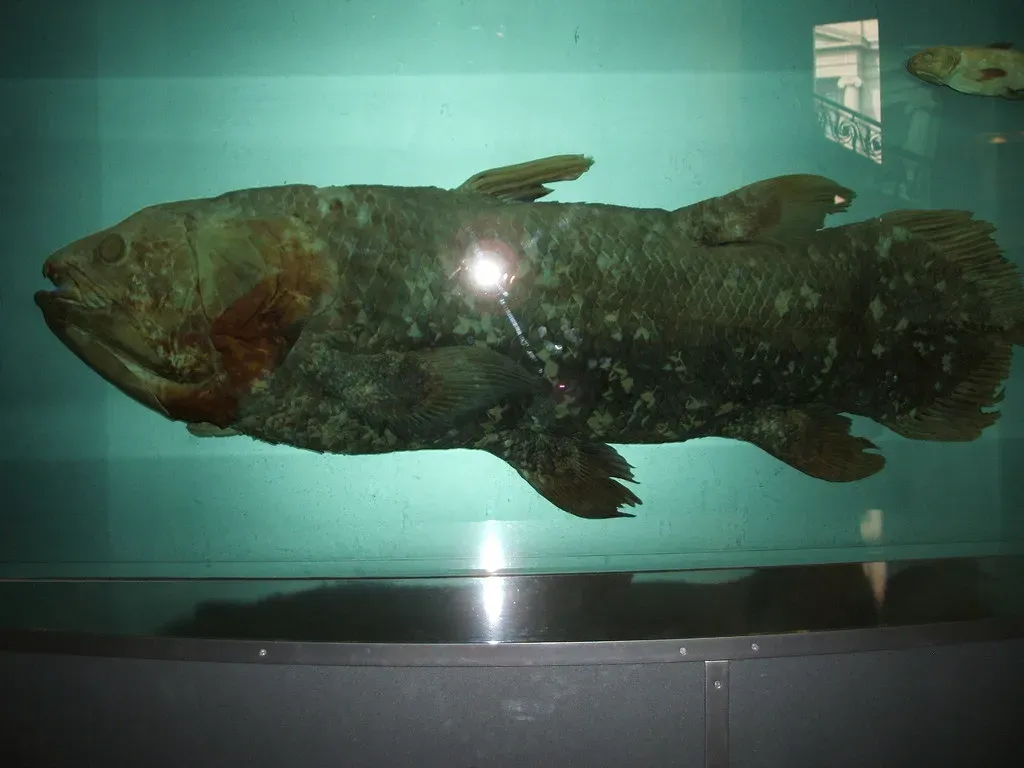
Thought extinct for 65 million years, coelacanths resurfaced in 1938 off South Africa. Their lineage hits 360 million years, with lobed fins that wiggle like legs.[1]
Deep cave dwellers by day, they hunt squid at night, living over 60 years. That hinged skull and electric sensors scream prehistoric. Two species persist, off Africa and Indonesia. I think they’re the missing link we never lost.[2]
5. Lampreys Sucked Blood Through Four Apocalypses
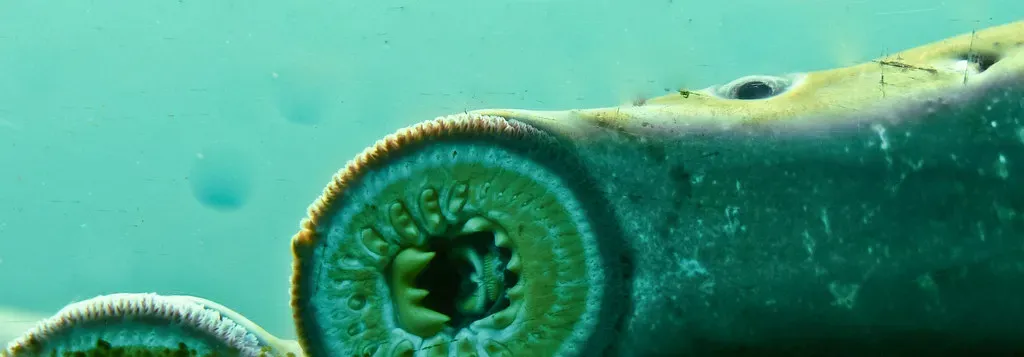
Lampreys slimed around 360 million years ago, surviving extinctions that reshaped life. Jawless parasites with raspy tongues, they latch onto fish and rasp away flesh.[1]
Cartilage skeletons, no scales, just eel-like grace. They regenerate spinal nerves, inspiring human medicine. Anadromous runs pump nutrients upstream. Let’s be real, kings once feasted on them, but now they’re ecosystem linchpins.[3]
6. Frilled Sharks Look Like Eels from Hell
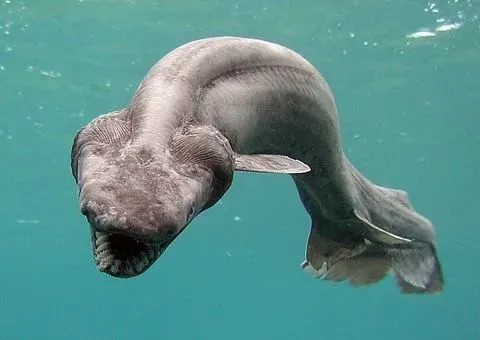
Frilled sharks boast 80 million-year-old designs, with 300 trident teeth and frilly gills. Deep-sea lurkers, they gulp squid whole via expandable jaws.[1]
More snake than shark, they relate distantly to makos. Rare sightings fuel their myth. Bycatch threatens these living relics. Imagine uncoiling 6 feet of nightmare fuel.[1]
7. Goblin Sharks Protrude Jaws Like Sci-Fi Villains
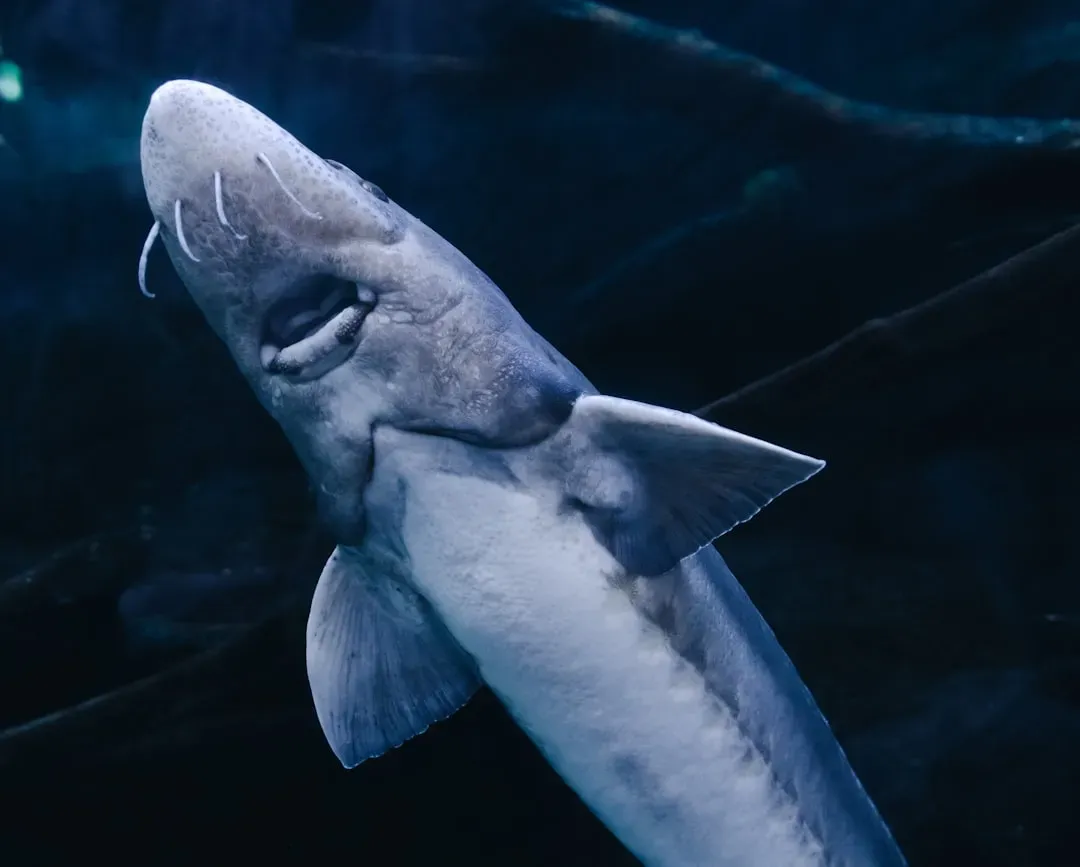
Goblin sharks represent a 125-million-year shark line, sole survivors of their family. Pink-skinned deep-dwellers with nail-like snouts packed with sensors.[2]
That jaw rockets out to snag prey, then snaps back. Found worldwide from 0 to 1300 meters. Most primitive shark alive. It sounds crazy, but they glow faintly too.[3]
8. Crinoids Dance as Sea Lilies
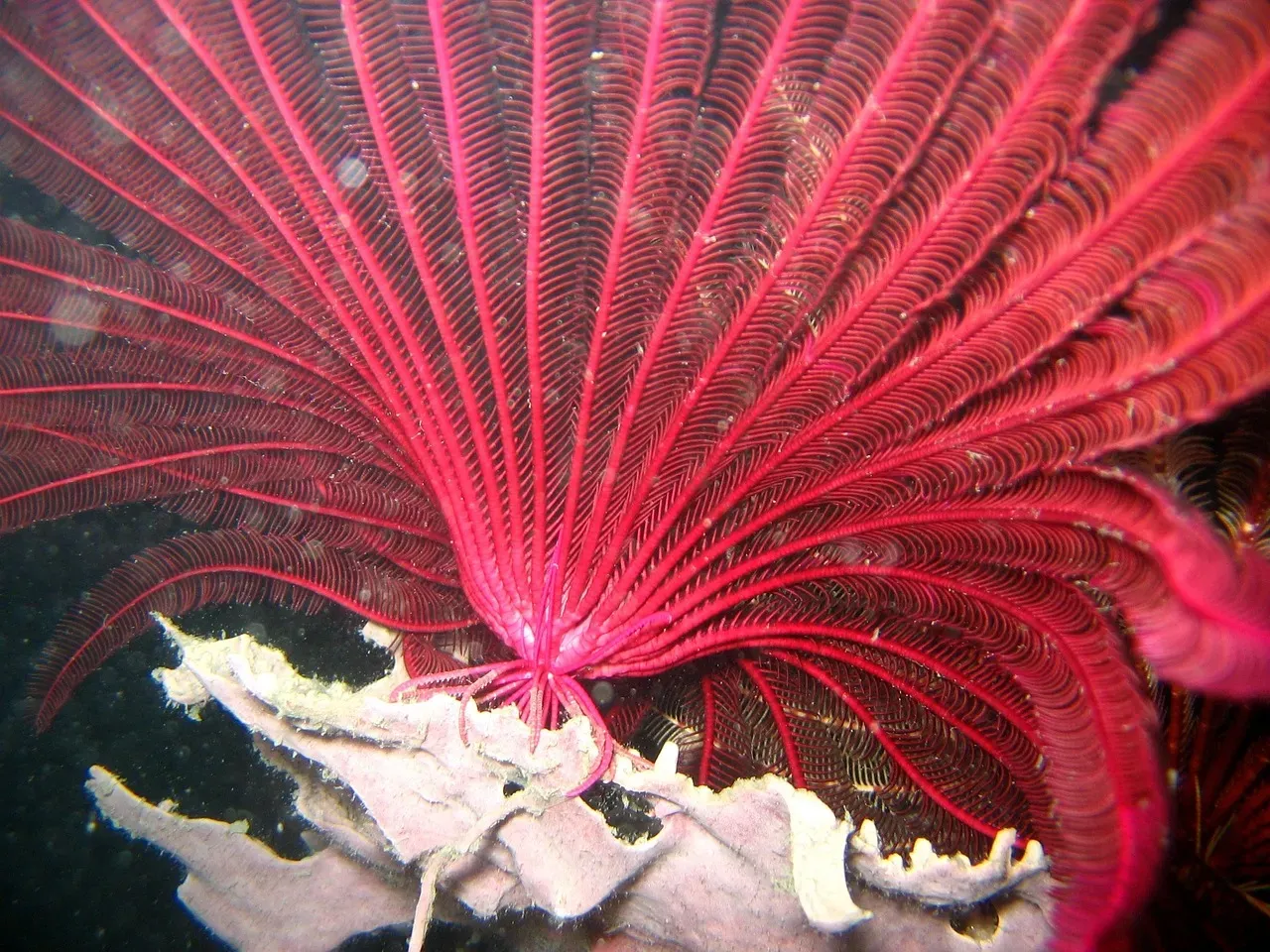
Crinoids waved arms 400 million years ago, maybe earlier. Feathery filter-feeders anchored by stalks, they mimic flowers in currents.[2]
Recent finds show coral buddies elevating them for better eats. Once thought gone, they thrive off Japan. Not plants, these echinoderms pulse with life. Their comeback story inspires.[3]
9. Elephant Sharks Evolved Slower Than Anything
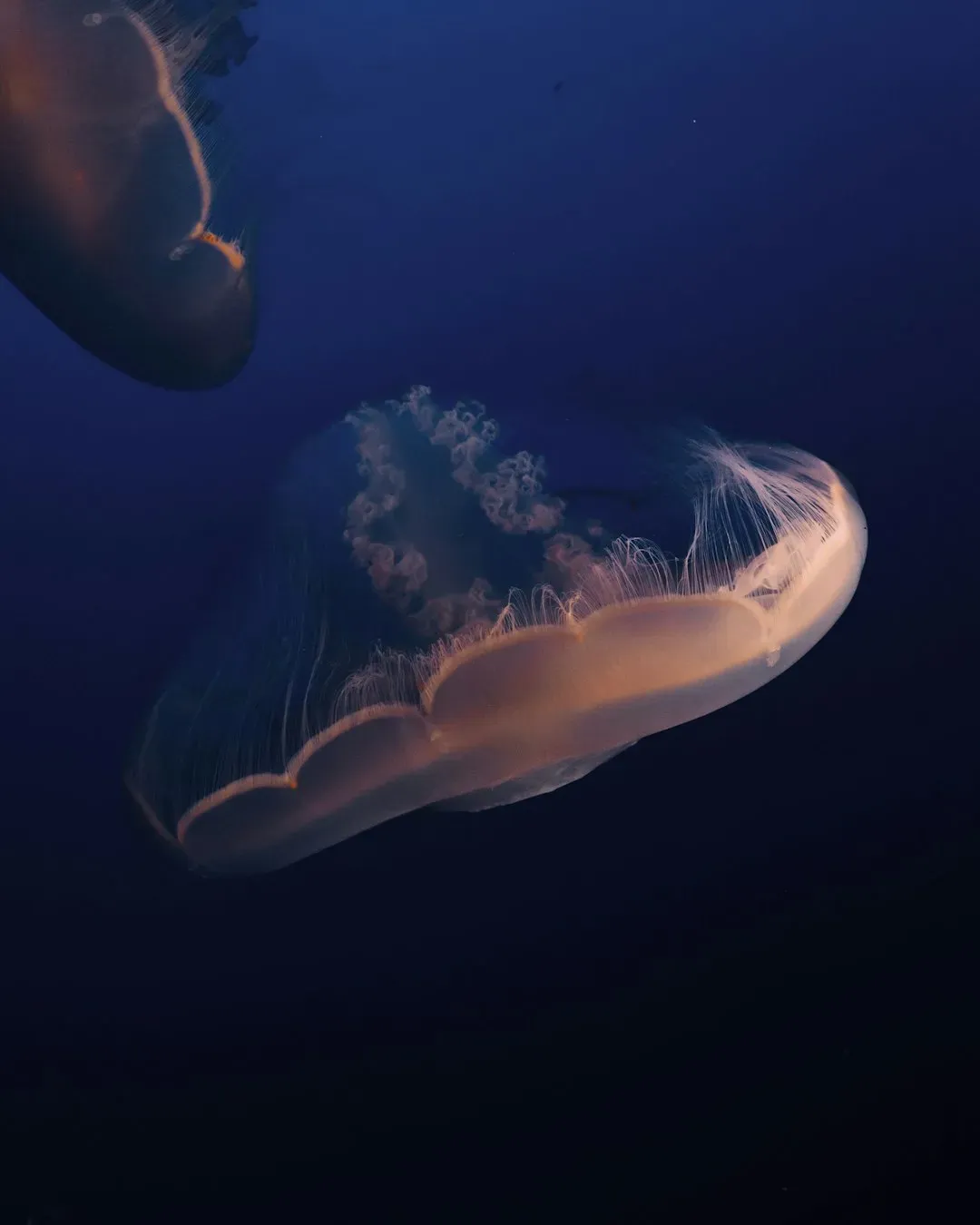
Australian ghost sharks split from sharks 450 million years back. Slowest-evolving vertebrate genome keeps them ghostly unchanged.[2]
Off southern coasts, they grind shells with plates, not teeth. Trunk-like snouts probe mud. Vital for genome studies. Evolution hit snooze here, big time.
10. Sturgeon Giants Predate Bony Fish Booms
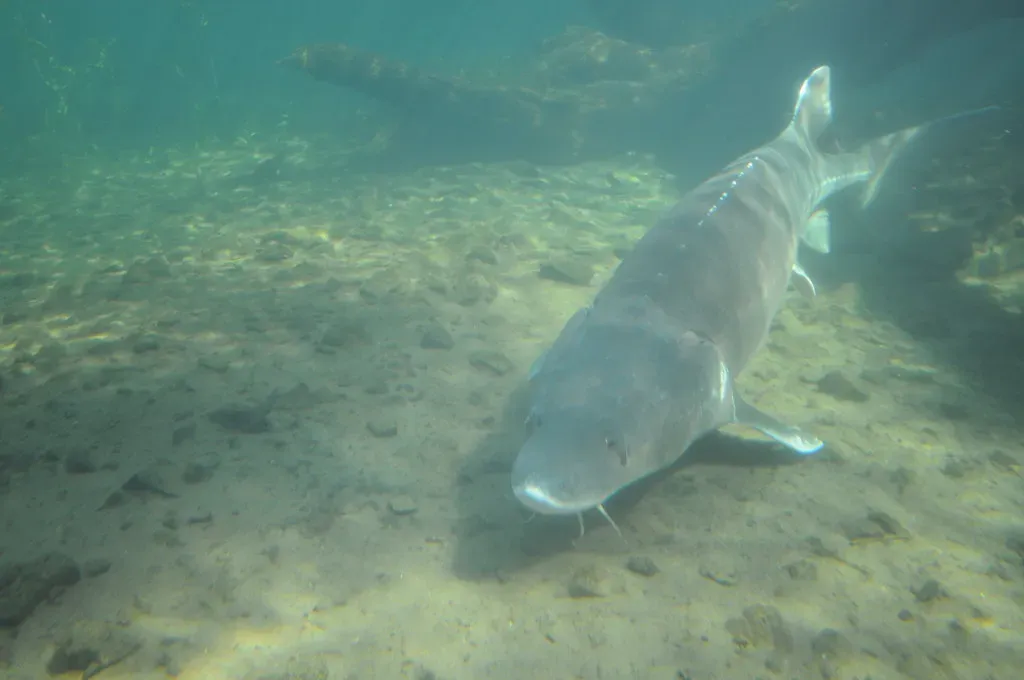
Sturgeon lineages stretch over 200 million years, ancient holdouts with bony plates. Caviar kings, some hit 20 feet and centuries old.[5]
Bottom-feeders sucking worms and mollusks. Migratory spawners face dams. Overfished to brink in many spots. These tanks prove resilience amid change.[6]
Timeless Survivors in a Changing Sea
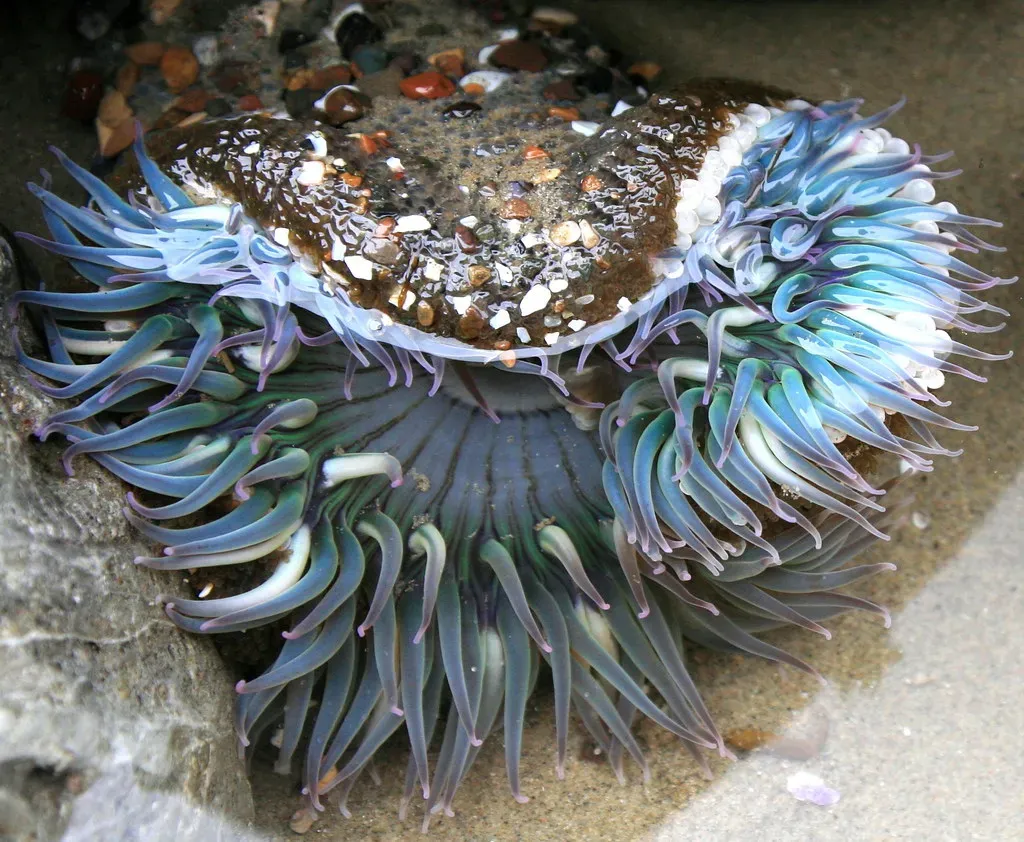
These ocean ancients teach us adaptability trumps flash. They’ve endured ice ages, asteroids, and shifts we can’t fathom. Yet today, pollution and warming test them anew.
Protecting their habitats honors deep time. What blows your mind most about these relics? Share in the comments.[1]
