
There is something deeply moving about watching an animal parent care for its offspring. It stops you in your tracks, makes your heart do a funny little flip, and suddenly reminds you that love, in all its messy and magnificent forms, is not a uniquely human experience. It is scattered throughout the entire animal kingdom, from the frozen tundra to the depths of the ocean, dressed up in behaviors that are sometimes shocking, sometimes hilarious, and sometimes so tender they are almost impossible to describe.
The go far beyond simple feeding or nest-building. Some of them mirror human parenting so closely it can feel uncomfortable. Others are completely alien, yet somehow just as beautiful. So let’s dive in and discover fourteen of the most remarkable, surprising, and emotionally charged ways animals love their young.
1. Elephants Bond Through the Gentle Power of Trunk Touch
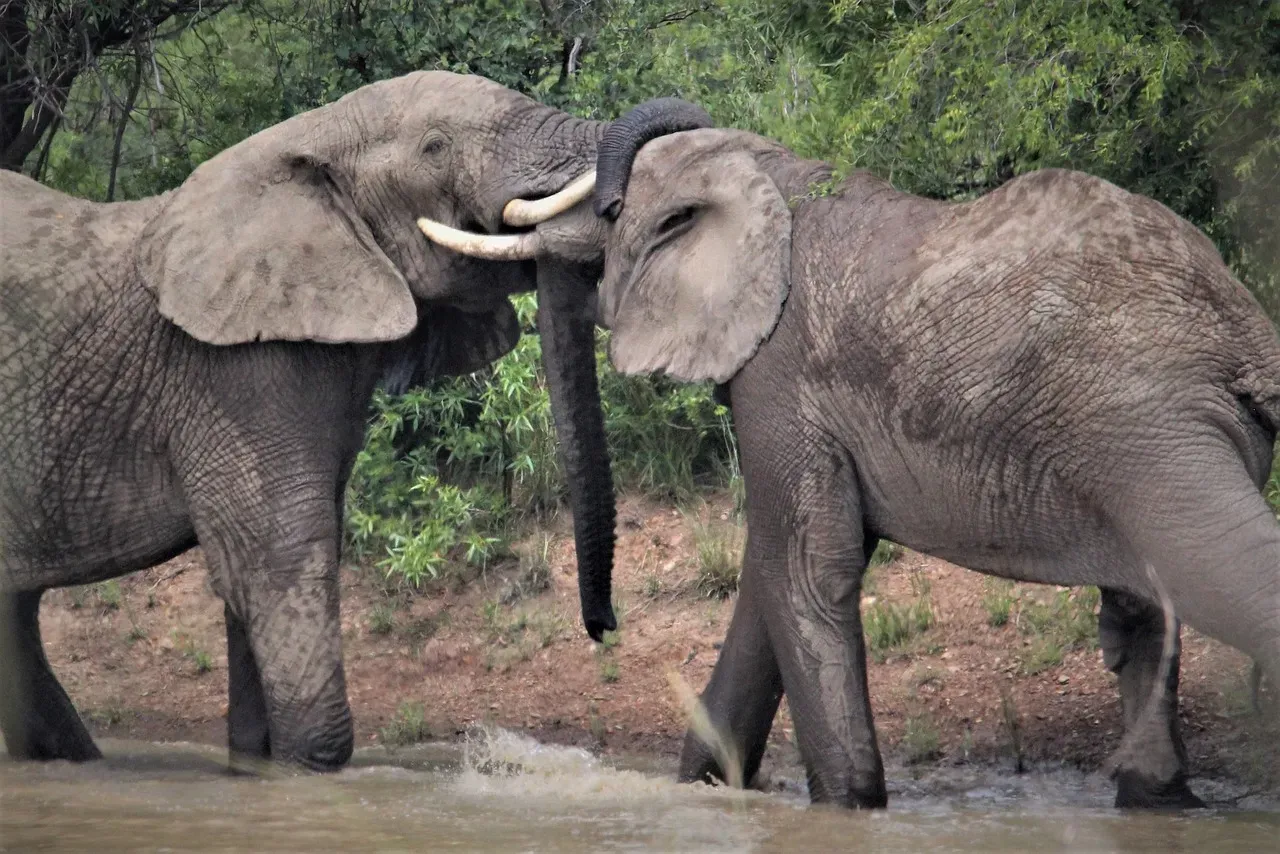
Here is a fact that honestly stopped me cold the first time I came across it: elephant mothers carry their babies for almost two years before giving birth, and once the calf arrives, mother and child remain in constant touch, the calf never straying more than a trunk’s length from its mother, while she gently steers it by grasping its tail with her trunk. That’s nearly constant physical contact, every single day.
This unique connection between elephant mothers and their calves is often expressed through trunk caresses, gentle touches, and reassuring sounds. Think of it like a hug and a whisper wrapped into one extraordinary, muscular limb.
Elephants possess high emotional intelligence, particularly regarding their youngest members. If a calf sounds distressed, the entire herd will often rush over to soothe and comfort them. The whole village turns up. Every time. That is not instinct. That is love in action.
2. Orca Mothers Stay Awake for an Entire Month After Birth
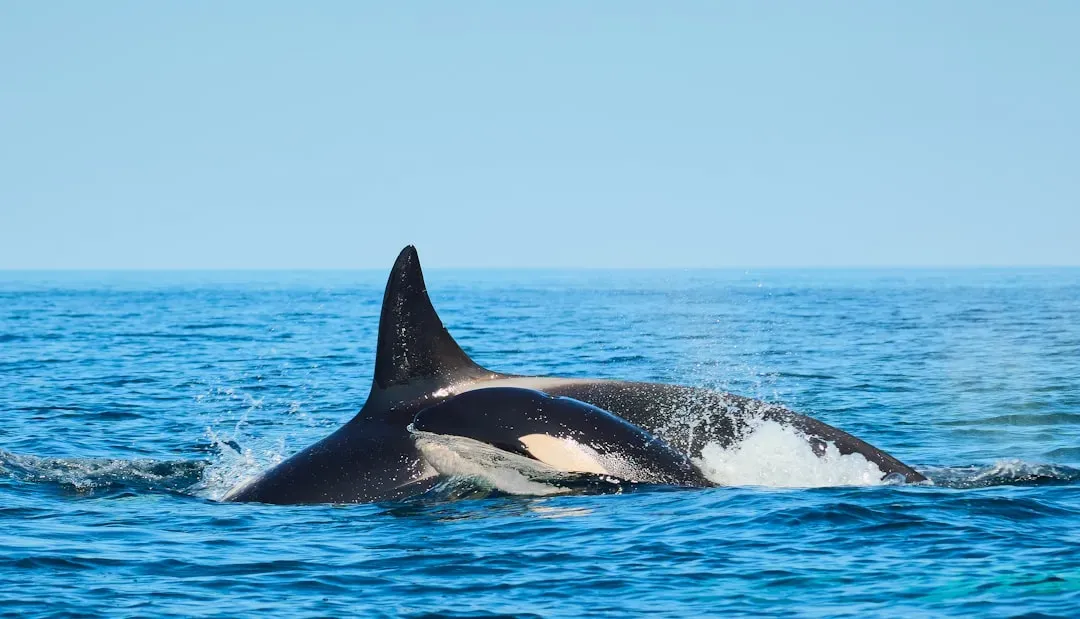
If you ever feel exhausted as a parent, consider the orca. Orca mothers and their calves stay together for life, even after the offspring have their own babies. Orca mothers are fiercely protective, staying awake for the first month of their newborn’s life, mirroring the calf’s sleep patterns. One entire month. No sleep. None.
This kind of dedication is almost inconceivable. The mother essentially programs her own biology to match her child’s, moving with the calf through the ocean and remaining alert to threats day and night during those crucial first weeks.
Many whale species form strong bonds with their offspring, but orcas take it a step further. Honestly, calling orca motherhood “dedication” feels like an understatement. It’s more like a total life commitment, one that never truly ends.
3. Kangaroo Mothers Carry Their Young in Living, Self-Cleaning Nurseries
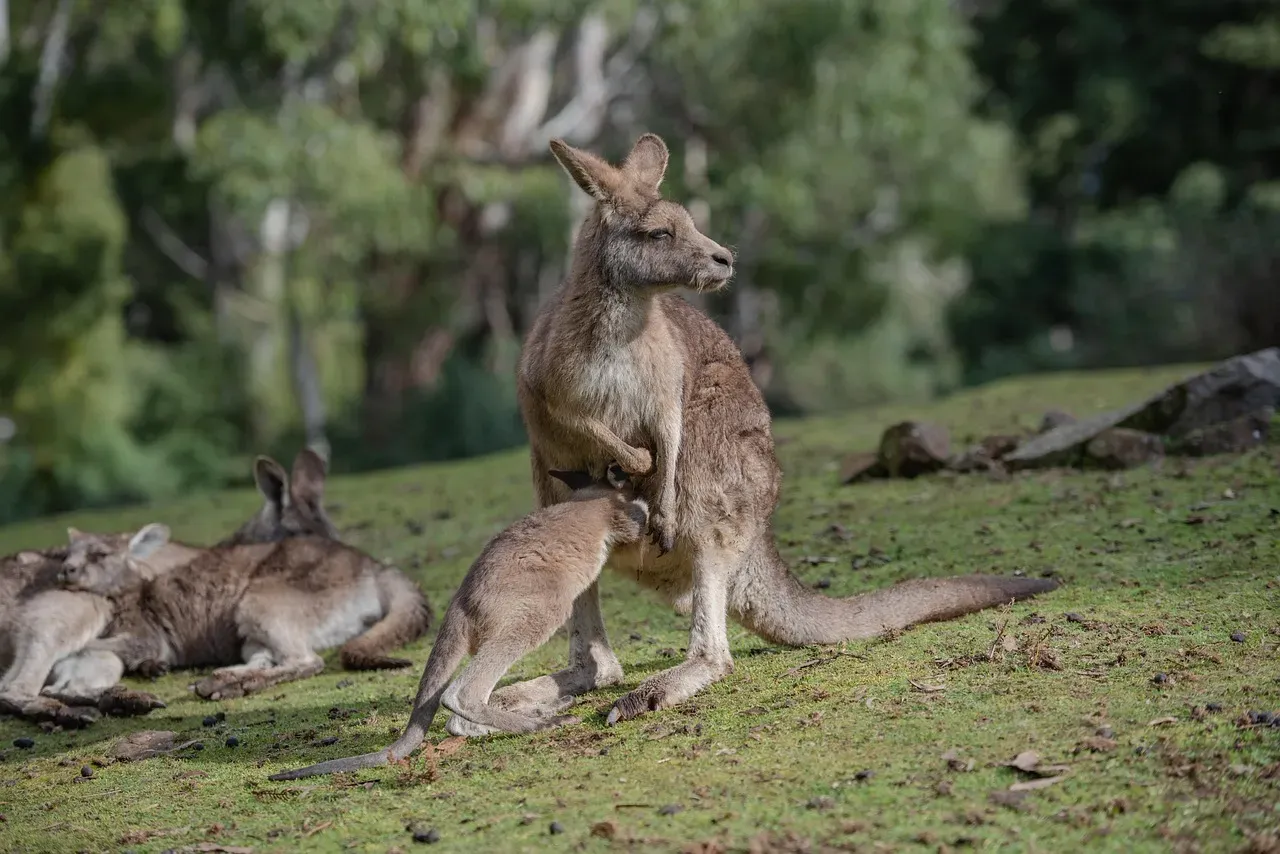
After a gestation period of just about 30 to 36 days, a tiny joey emerges from the womb, weighing less than a gram. It instinctively crawls into its mother’s pouch, a warm and secure environment where it can latch onto one of her teats. The pouch is lined with soft fur and has muscular walls that help keep the joey snugly inside while allowing easy access to milk.
Kangaroo mothers can nurse two different-aged joeys simultaneously, one tiny embryo-like newborn in the pouch and one older joey that returns to nurse. Even more amazingly, she produces two different types of milk from different teats, one perfect for newborns and another for older joeys. That is next-level multitasking.
Thanks to the skin-to-skin bonding the pouch provides, mother and baby form a powerful bond. The famous skin-to-skin contact is possible thanks to a hairless pouch. The soft interior has the same texture as the mother’s skin. The cozy environment encourages a strong bond, as well as the stimulation needed for normal development.
4. Wolves Feed Their Pups Through the Whole Pack
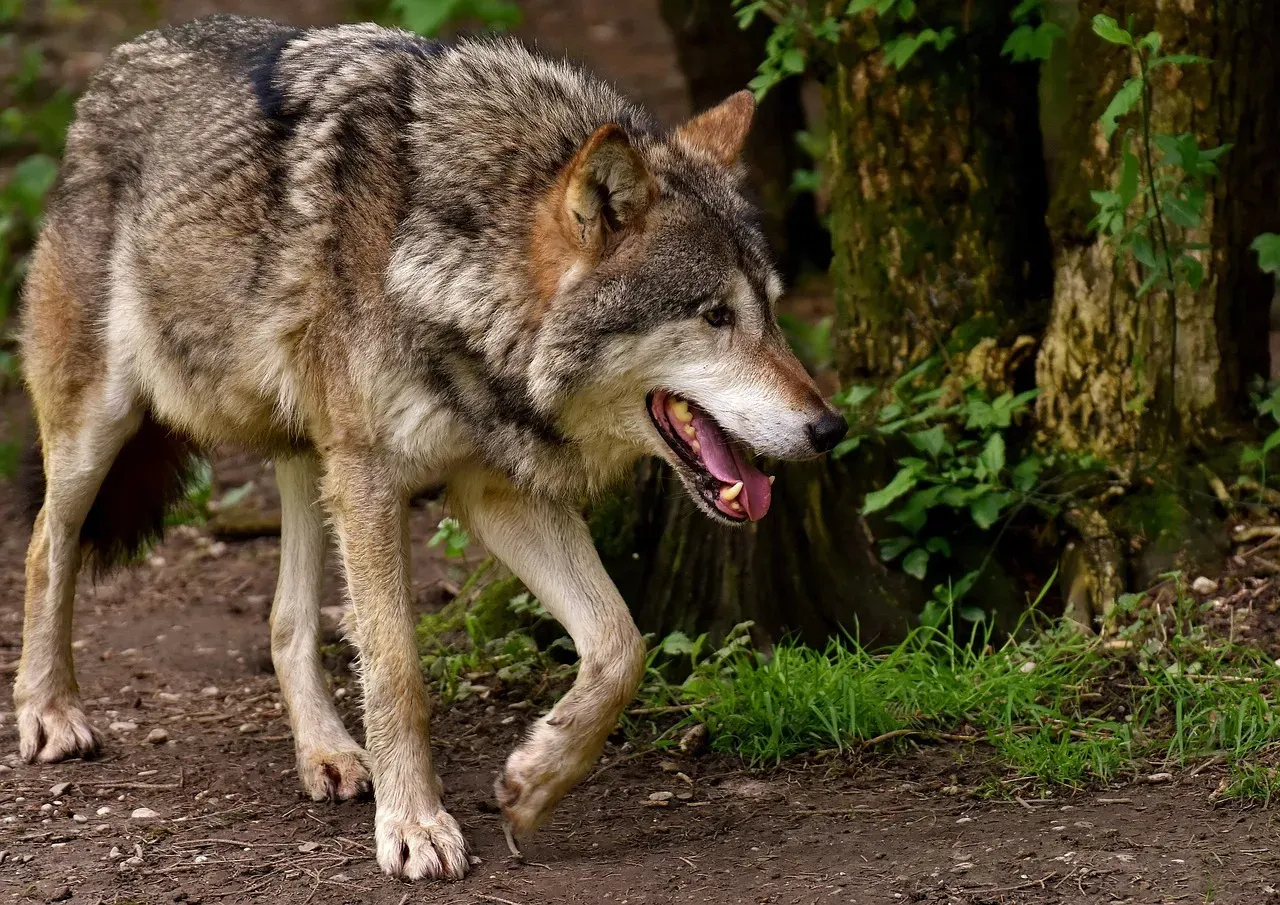
Wolves don’t just mate and move on. Everyone in the pack helps raise the young. Older siblings and extended members bring food, watch over pups, and teach them how to survive. Picture an entire extended family showing up every single day, no complaints, no excuses. That’s wolf parenting.
Pack members take turns regurgitating meat for growing pups. Wolf mothers coordinate this extended family care system, ensuring their pups receive constant protection. Young wolves learn hunting and social skills from the whole community under mom’s watchful leadership.
Let’s be real: the wolf pack model of raising young might be one of the most effective parenting structures in the natural world. They operate like families in the truest sense, showing that raising the next generation is a collective act of care and love.
5. Orangutans Raise Their Young for Up to Eight Years
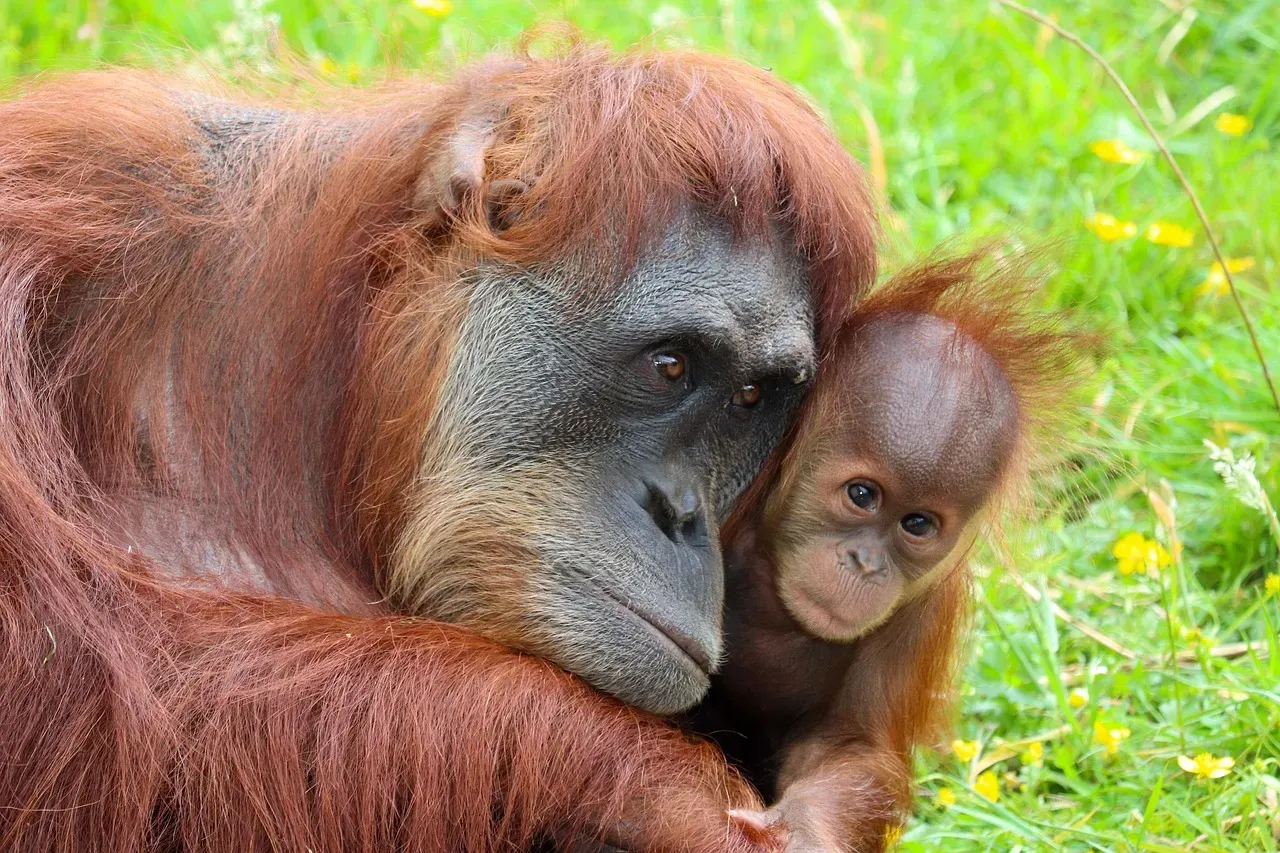
If you want to talk about long-haul parental commitment, look no further than the orangutan. Baby orangutans are entirely dependent on their mother and breastfeed for up to eight years in some cases. For the first two years of life, baby orangutans cling to their mother’s belly, depending on her for all transportation. Every trip. Every branch. Every day.
The bond between an orangutan mother and her offspring epitomizes one of nature’s most enduring relationships. Over the course of six to seven years, young orangutans depend entirely on their mothers for sustenance and guidance. Even after reaching maturity, they maintain close ties, often visiting their mothers until they begin families of their own.
Orangutans teach their young where to find food, what to eat, and how to avoid predators. Orangutans have such a strong maternal bond that offspring have been seen visiting with their mothers even 15 years after birth. Fifteen years. Some human adults don’t call their parents that consistently.
6. Sea Otters Cradle Their Pups on Their Chests and Wrap Them in Kelp
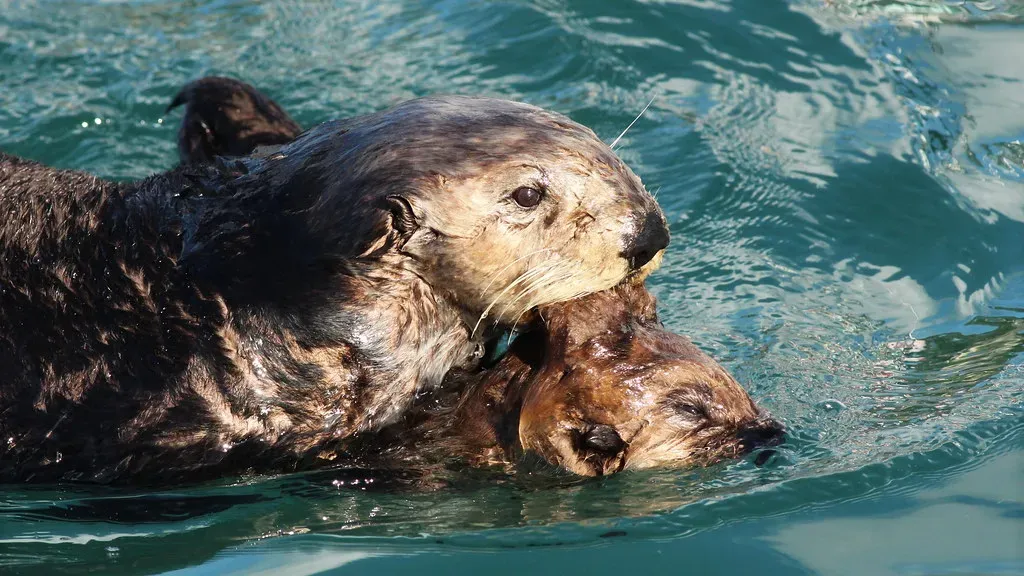
Sea otters exhibit profound maternal devotion. A sea otter mother cradles her pup on her belly as she floats, providing warmth and security. Her meticulous grooming keeps the pup buoyant and healthy. The image of a tiny otter pup resting on its mother’s warm chest while she floats serenely on the open ocean is almost unfairly adorable.
Sea otter mothers wrap their pups in kelp to keep them secure while foraging for food. Think about that for a moment. She literally tucks her baby into a natural blanket so it won’t drift away while she dives to find food. It’s the ocean equivalent of swaddling.
The river otter takes a similarly affectionate approach. Otters are playful creatures known for holding hands while sleeping to prevent drifting apart. This behavior is a heartfelt expression of love and security, ensuring they stay close to each other even while at rest.
7. Humpback Whale Mothers Whisper to Keep Their Calves Safe
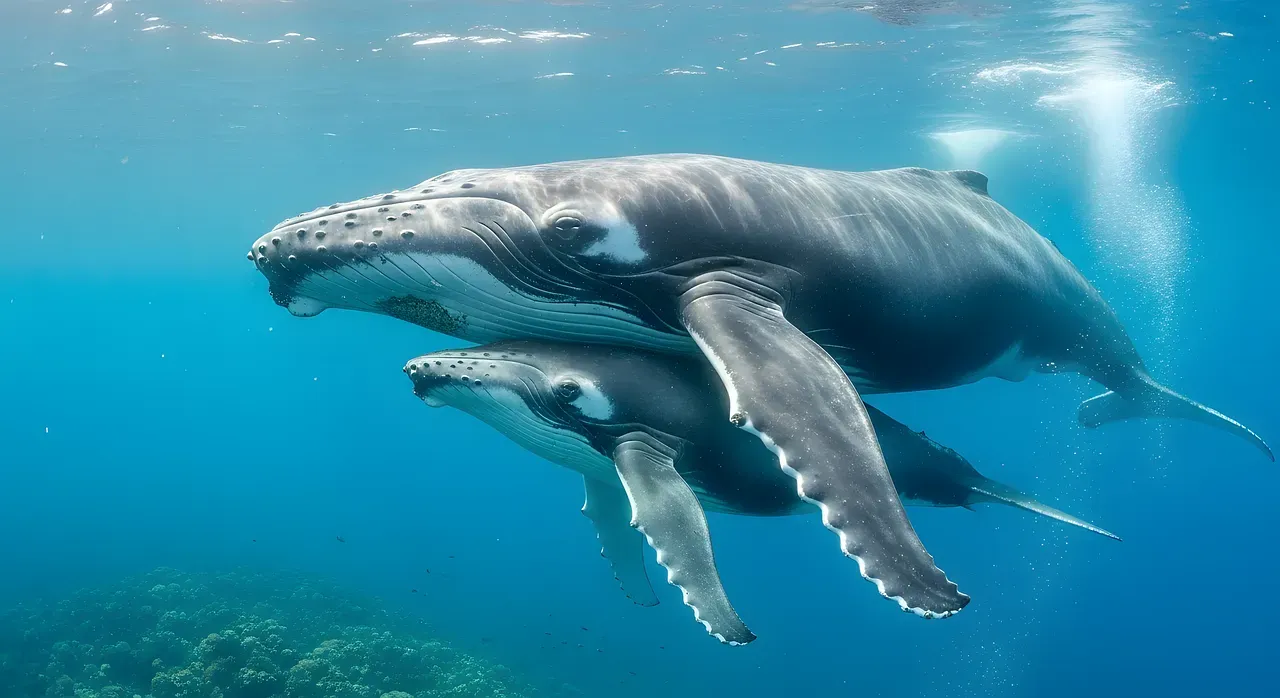
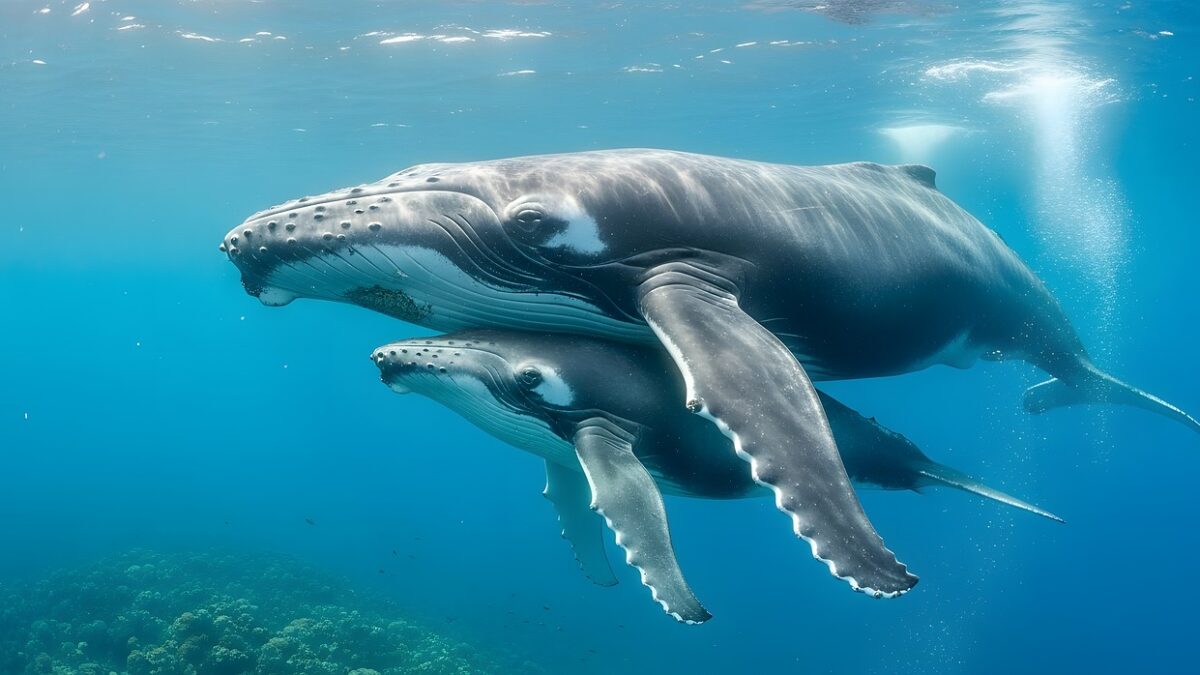
This one is perhaps the most quietly spectacular on the list. A calf will nurse from its mother for a year, during which time the mother has to educate and protect her young from fierce predators. Humpbacks have even been observed whispering with each other so that they can stay in contact without prey overhearing them, and they’ll even bravely defend their young, alone, against entire pods of orcas.
A whale that whispers to its baby. I know it sounds crazy, but that is literally what they do. The mother modulates her calls to a low, intimate frequency that only her calf can detect close by, essentially keeping their communication private and safe in the vast, open ocean.
The idea of a mother creating a secret language with her child just to protect it from danger is not something I would have expected to find in a marine mammal, yet here we are. Nature, as always, delivers.
8. Emperor Penguins Share Parenting Duties Through Brutal Arctic Winters
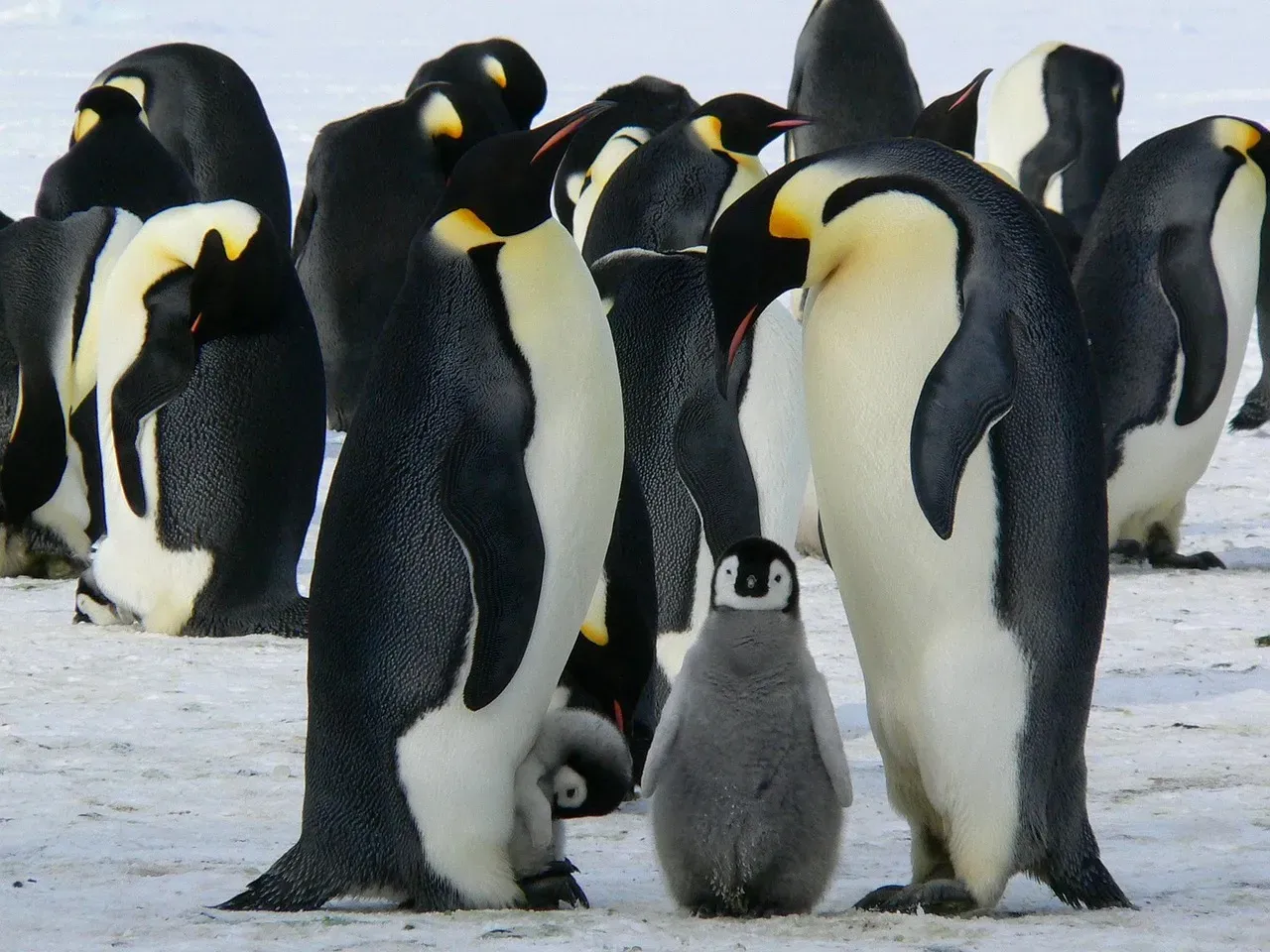
Penguins are exemplary parents that show love through dedication and care. They nurture their young with incredible commitment, often enduring harsh climates to ensure their offspring’s survival. The shared responsibility between mates highlights their enduring bond and love.
Emperor penguins display remarkable fatherhood when they provide for their young during harsh winters while the mothers are away. The male balances a single egg on his feet for weeks in temperatures that would kill most animals, doing nothing but keeping that egg warm. He barely eats. He barely moves. He just stands and protects.
When the mother returns, both parents take active roles in feeding and warming the chick. Although emperor penguins have a particularly intense parenting bond with offspring, all birds have instinctive feeding behaviors for their young. Parents go out and forage for food, bringing food back to regurgitate to their young. As the chicks get older, parents show them how to find food on their own and what to eat.
9. Mother Cows Groom and Nurture Their Calves for Life
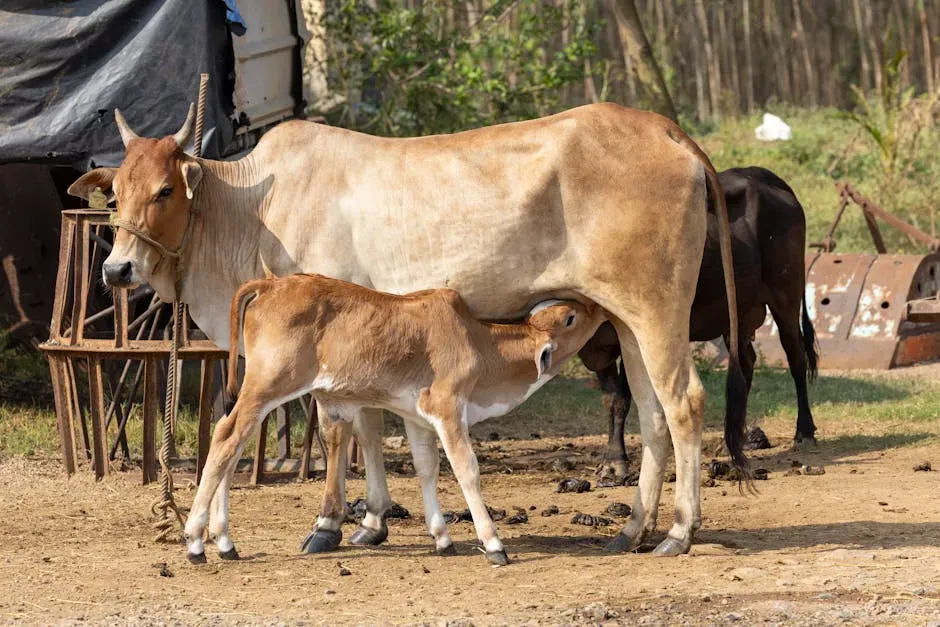
Most people don’t associate cows with deep maternal affection, and that’s honestly a shame. Cows instantly form strong bonds with their calves. Directly after birth, the mother will lick and nuzzle her calf clean, making a unique sound which encourages the calf to get up and nurse.
Mother cows groom their calves for hours and as they reach adulthood spend hours grooming each other. They form lifelong bonds even within a larger herd structure. The grooming isn’t just hygiene. It is connection, language, reassurance all at once.
Mother cows have been found searching fields for their calves for miles around, and if confined within a small space, tend to make loud distressed noises for weeks on end. The depth of that grief is a powerful reminder that maternal love isn’t a human invention. It’s a biological reality across species.
10. Sheep Mothers Develop a Secret Language Only for Their Lambs
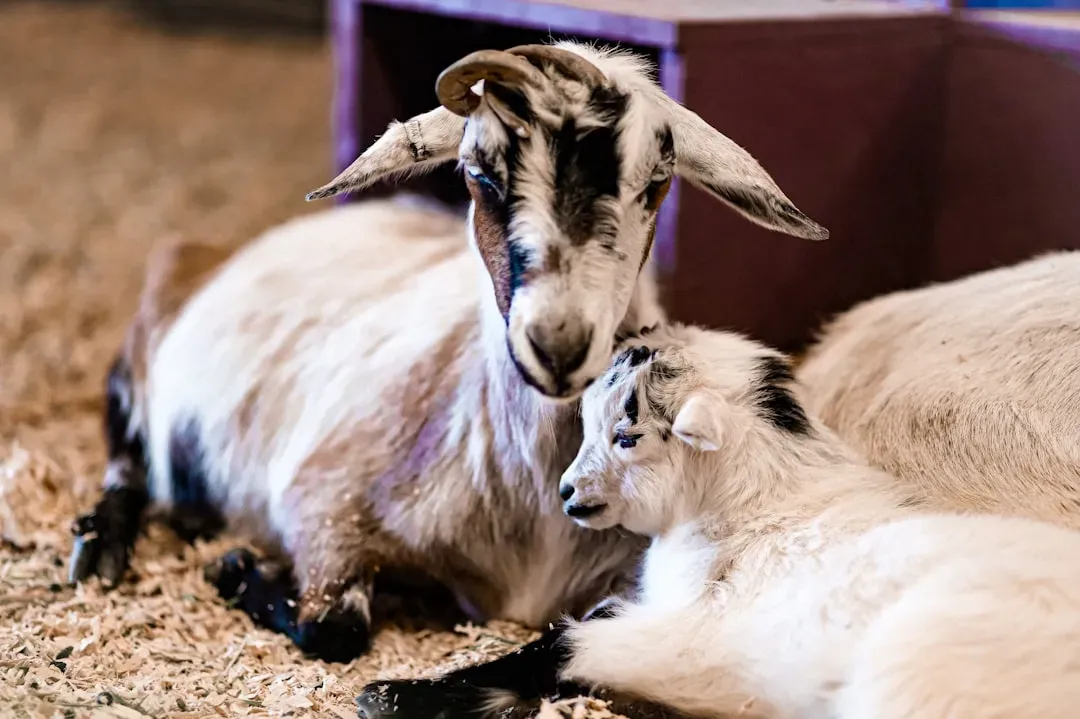
Here is something that genuinely surprised me. Sheep mothers have a specific language they only use with their children, a deep guttural call that tells them to come back quickly or to beware of intruders. The call they make is very distinct and their lamb in a sea of lambs can recognize the voice of its mother.
Imagine a crowded school playground with dozens of kids all shouting at once. A ewe can pick out her own lamb’s voice from that chaos instantly, and vice versa. That is a level of maternal attunement that is genuinely remarkable.
Curious lambs cause moms to go into a panic, and they are often seen running through the pastures literally screaming for their babies until they find them. The lambs too have distinct calls, and whenever they talk, mom quickly responds. It’s basically the sheep version of a mother frantically searching a supermarket for her wandering toddler.
11. Octopus Mothers Guard Their Eggs Without Eating Until They Die
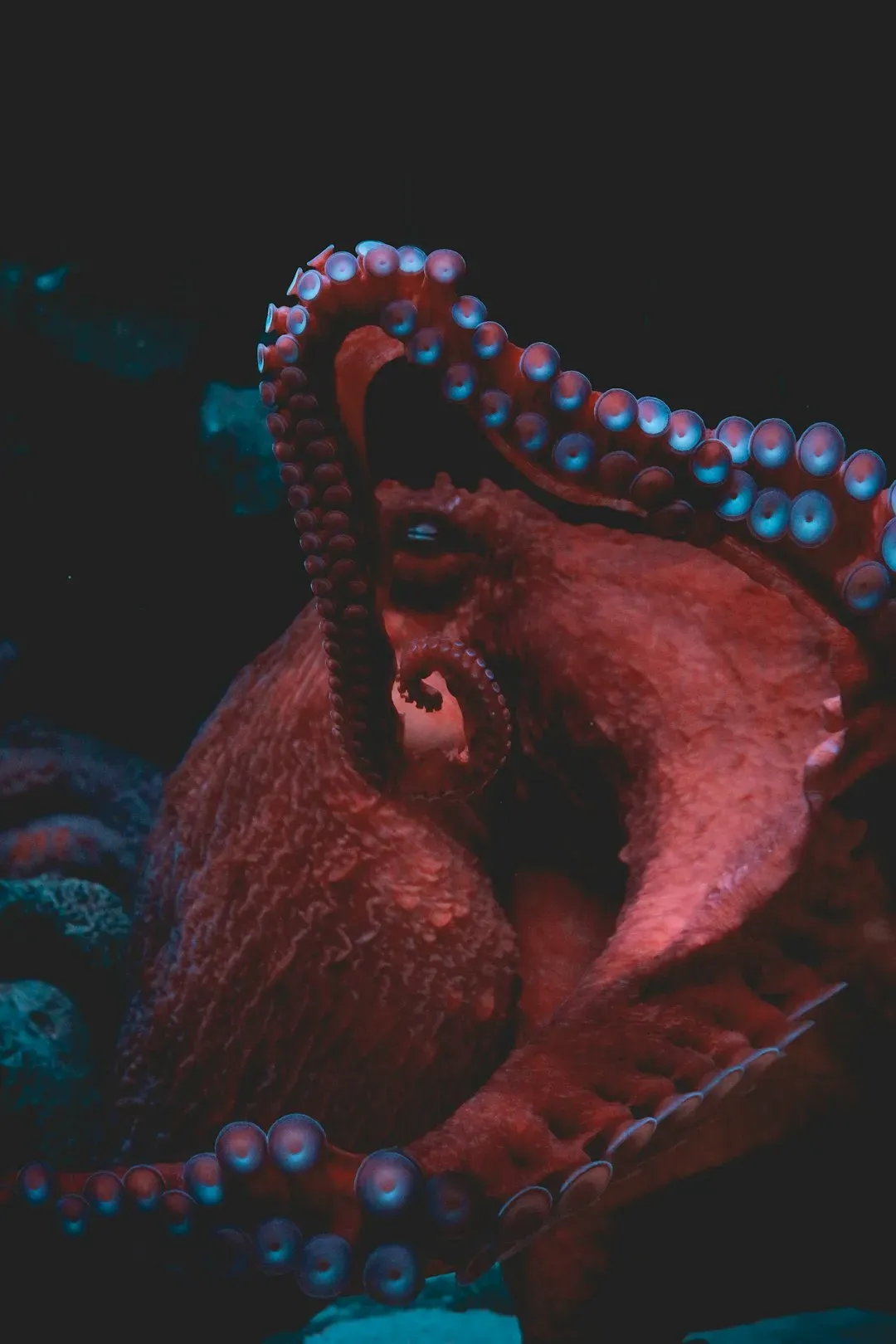
If there is one entry on this list that truly breaks your heart, it is this one. Deep beneath the waves lies perhaps the most extreme example of maternal dedication. After laying up to 100,000 eggs, an octopus mom stops eating completely to guard her brood. For six months, she blows fresh water over the eggs and fends off predators. By the time her babies hatch, she’s too weak to survive. This ultimate sacrifice ensures her offspring have the best possible start in life.
Six months without food, aerating eggs, chasing away threats, all while slowly fading away. The giant Pacific octopus mother is a solitary guardian of her future offspring. Her intelligence is renowned, capable of solving complex puzzles. She dedicates her life to safeguarding her eggs, often foregoing food until they hatch.
It’s hard to say for sure whether octopuses experience something like emotion, but the sheer biological commitment on display here is staggering. Whatever it is, it looks a great deal like love.
12. Lionesses Share Cub Care Through a Communal Nursery
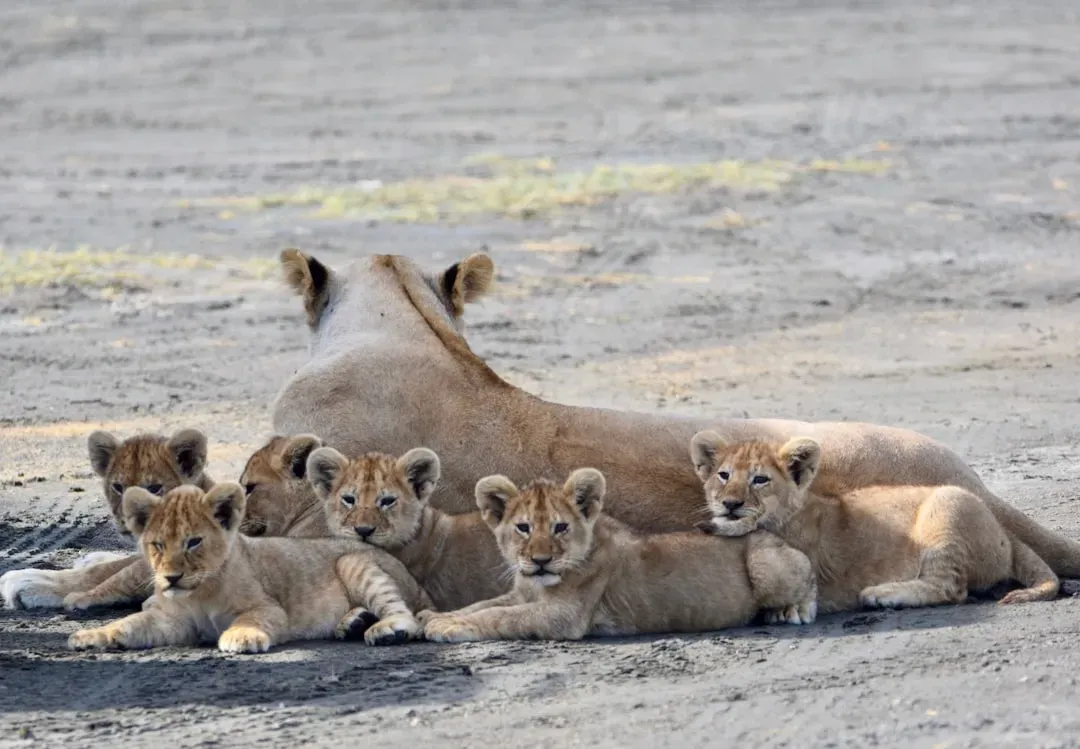
Fierce on the hunt but tender with cubs, lionesses create an elaborate babysitting rotation within the pride. While some moms hunt, others guard all the pride’s cubs together in a communal nursery. It is a cooperative system of care that allows the pride to function while making sure every single cub is protected at all times.
The lioness, a formidable force in the animal kingdom, is also a devoted mother. Within the pride, she nurtures her cubs and teaches them the art of hunting. There is a beautiful contrast here between the fearsome creature who brings down prey on the open savanna and the same animal who gently licks her cubs clean in the shade of an acacia tree.
The communal nature of lion cub-rearing mirrors the village mentality that human cultures have historically relied on for generations. Sometimes the most powerful parenting isn’t done alone. It’s done together.
13. Alligator Mothers Carry Hatchlings to Water in Their Deadly Jaws
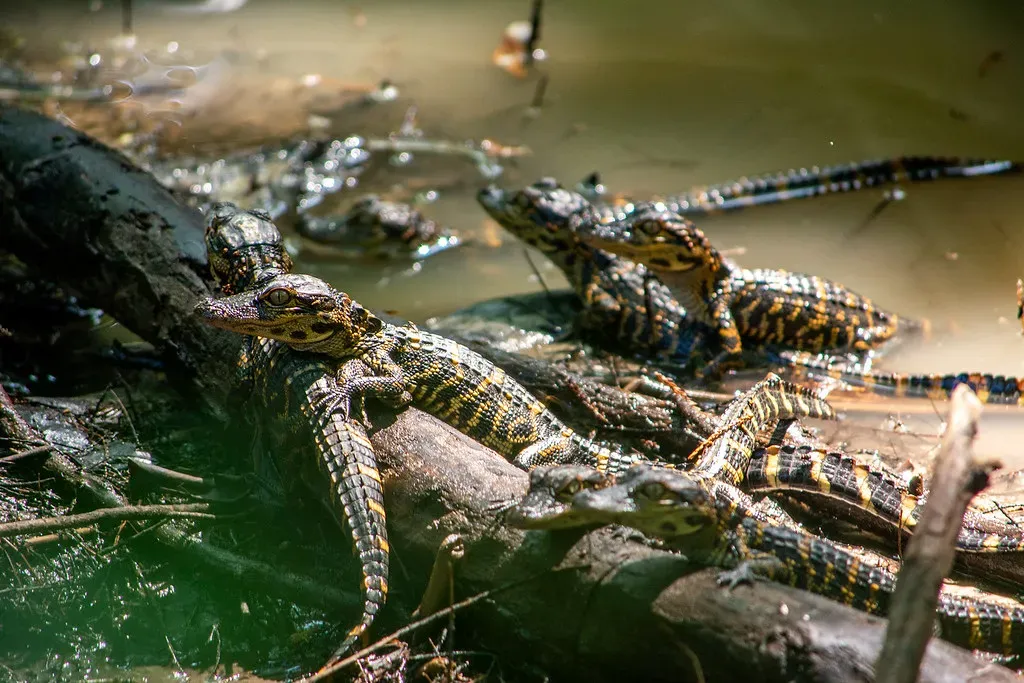
This might be the most visually dramatic entry of them all. Female alligators build mound nests of vegetation and guard them fiercely for two months until eggs hatch. When tiny hatchlings cry from inside their eggs, mom gently digs them out and carries them to water in her mouth, the same jaws that can crush turtle shells. She’ll protect her babies for up to two years.
The precision required to carry a fragile, thumbnail-sized hatchling in jaws built to crush bone is almost incomprehensible. Yet alligator mothers do it with what can only be described as extraordinary tenderness, instinctively switching from apex predator to delicate caregiver in a heartbeat.
It’s one of nature’s most striking contradictions. The most dangerous mouth in the swamp is also the safest place her babies have ever been. That duality is genuinely stunning to think about.
14. Elephant Herds Collectively “Allomother” Every New Calf
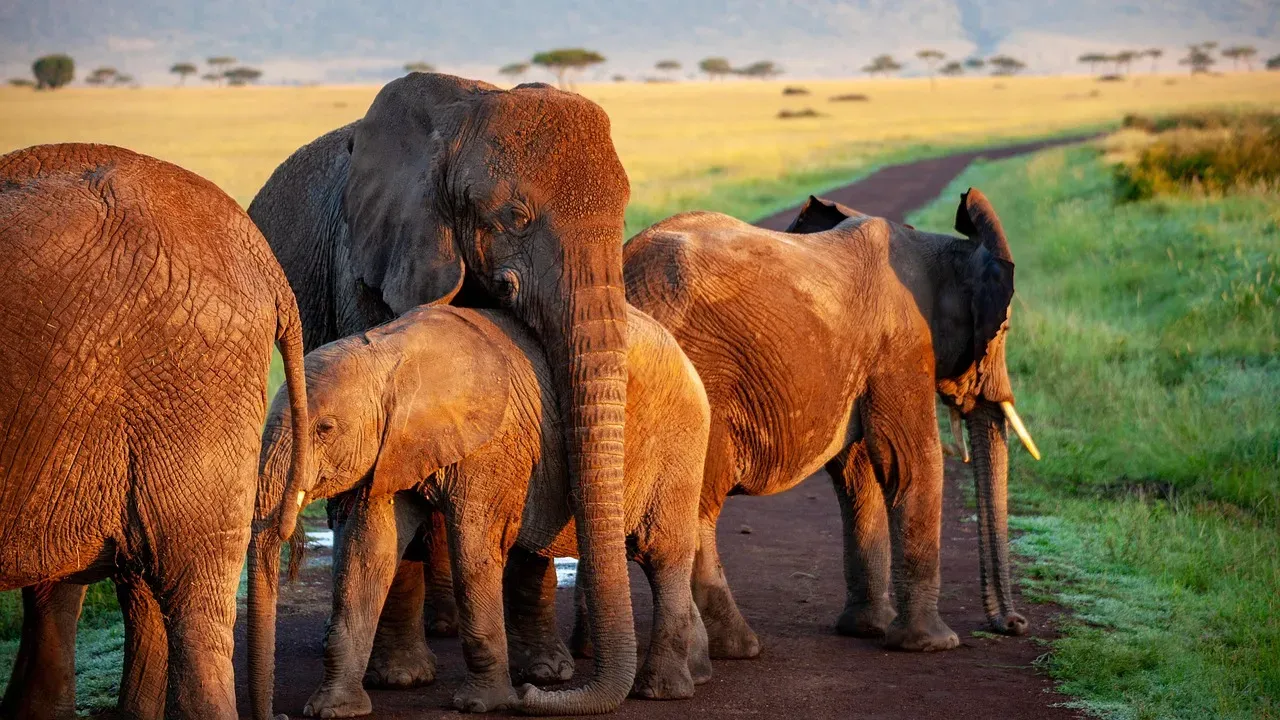
The fourteenth and perhaps most socially sophisticated behavior on this list belongs back to elephants, because honestly, they deserve two entries. Elephant nannies spend a lot of time greeting and touching the baby. They also comfort distressed calves, often touching them all over with their trunk. These nannies, called allomothers, are females in the herd who aren’t the biological mother but take on a genuine caregiving role.
Because herds are matriarchal, calves have aunts, sometimes known as allomothers, who help raise the calves, protecting both the baby and the new mother. Aunts, sisters, and cousins all play a role in bringing up a baby elephant. Younger members of the group use this activity as a sort of training experience for when they have their own babies. The other members pass on life experiences, teaching young elephants everything from how to use their trunks to how to avoid predators.
Three of the park’s older female elephants scrambled to form a protective circle around two young calves during an earthquake. The actions in this video are a great example of herd dynamics in general. Even in moments of pure panic and confusion, the instinct to protect the young kicks in first. Before anything else. Every single time.
The Takeaway: Love Speaks Many Languages
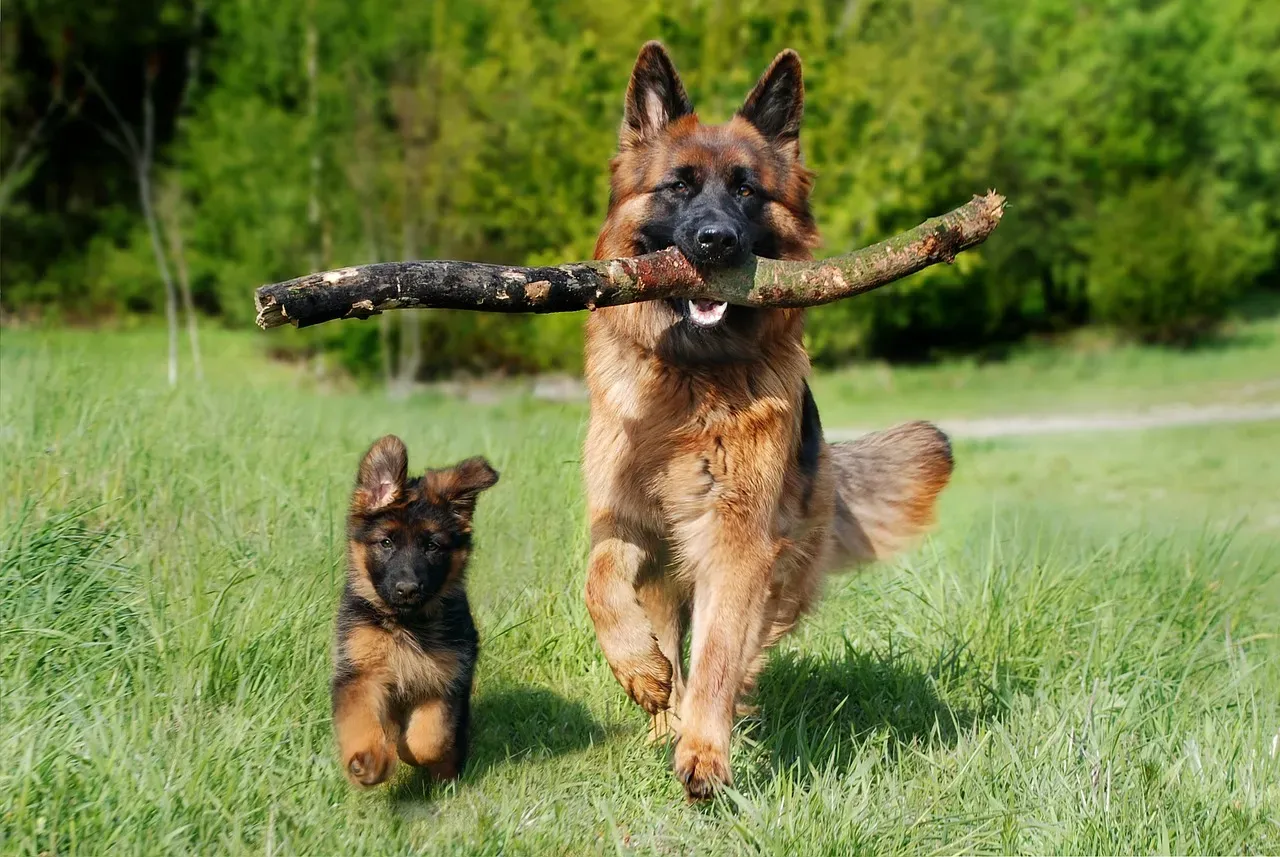
What strikes me most about exploring these fourteen behaviors is how different they all look on the surface, and yet how unmistakably similar they feel at their core. A whale whispering to her calf. An octopus quietly fading away in the dark so her young can live. A wolf pack feeding pups together after a long hunt. The details vary wildly from species to species, but the underlying drive, to protect, to nurture, to stay close, is the same.
Whether it’s lifelong partnerships, acts of compassion, or just staying close for the sake of comfort, these creatures form bonds, build trust, and support each other in ways that feel surprisingly familiar. Nature keeps reminding us that we did not invent love. We just inherited it.
The next time you spot an animal caring for its young, whether on a nature documentary or in your own backyard, take a second longer to watch. You might just recognize something of yourself in it. Which of these fourteen surprised you the most? Share your thoughts in the comments below.
