
Imagine stepping outside on a moonless night. Total darkness. You can barely make out the shapes of trees a few feet away. Now imagine your cat sauntering past you without missing a beat, threading through the shadows like it’s high noon. That’s not magic. That’s millions of years of biological engineering at its finest.
The animal kingdom has produced some of the most jaw-dropping visual systems on the planet, all shaped by one relentless pressure: survival. Whether it’s a predator hunting in the pitch dark or a deep-sea creature navigating total blackness, nature has devised extraordinary solutions. Let’s dive in and discover what’s really going on behind those glowing eyes.
The Biological Mirror: Nature’s Most Ingenious Eye Trick
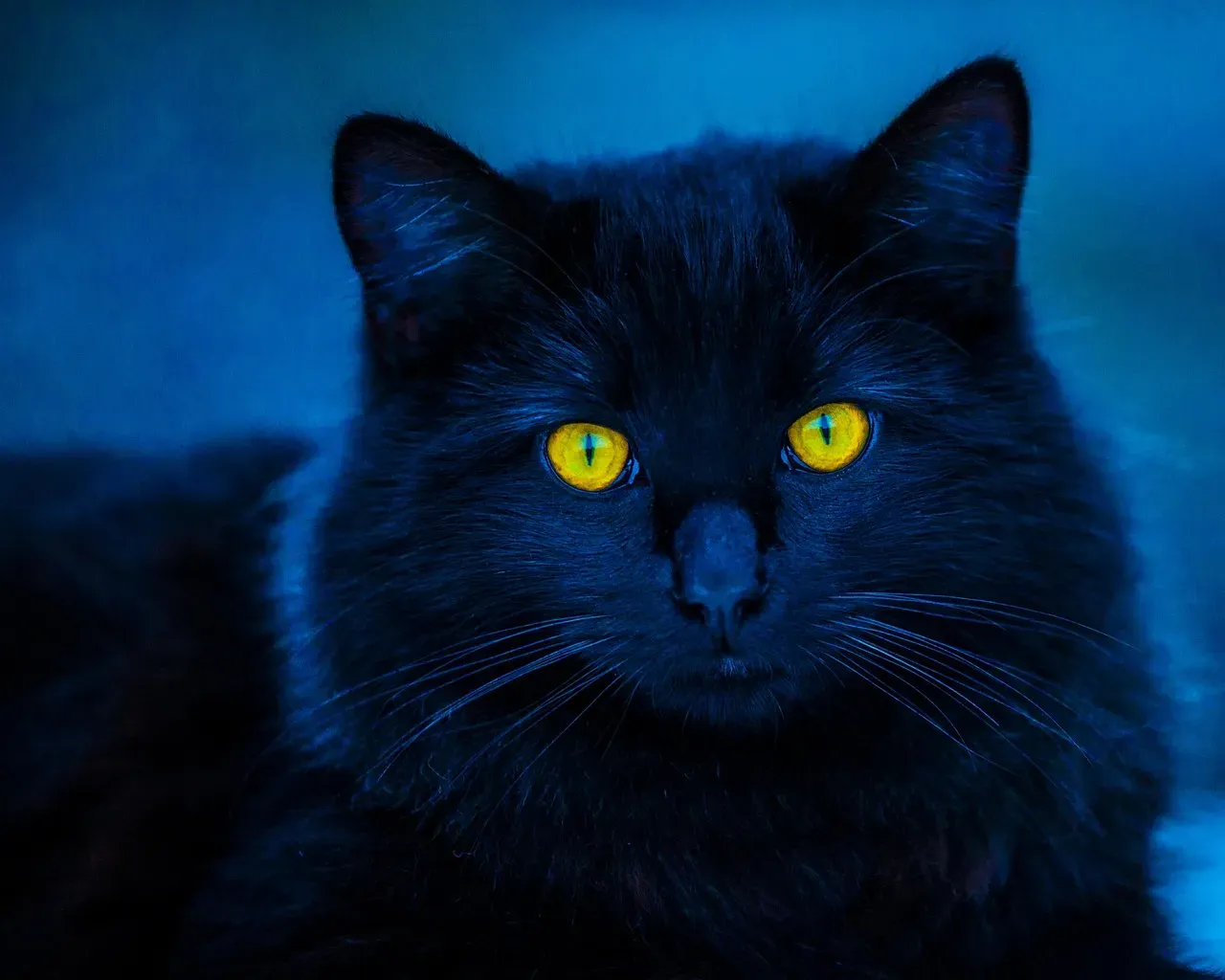
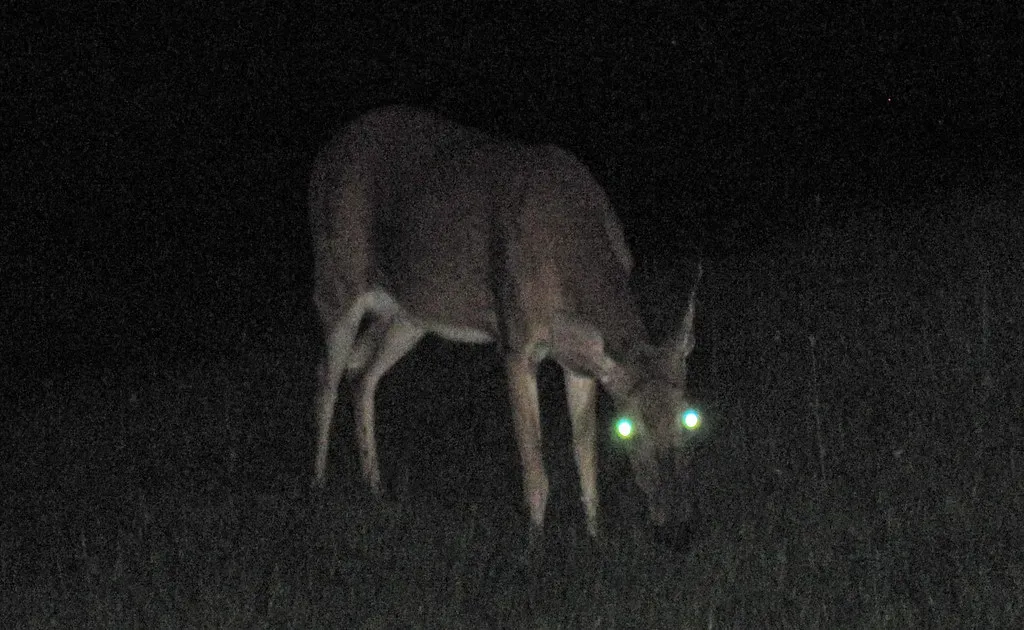
Here’s the thing. That eerie glow you see when you shine a flashlight at a cat, a deer, or even an alligator at night? It’s not something sinister. If you’ve ever snapped a photo of your cat with a flash or caught a deer staring back at you from the headlights, those glowing eyes aren’t generating light. They’re reflecting it, thanks to a remarkable structure called the tapetum lucidum.
Think of it like a second chance for light. The tapetum lucidum is a reflective layer of tissue behind the retina in the eyes of many nocturnal and crepuscular animals, functioning like a biological mirror that gives incoming light a second chance to reach the photoreceptor cells in the retina.
When light enters the eye, some is absorbed on its first pass. The rest hits the tapetum lucidum and bounces back through the retina for a second opportunity to be detected, effectively amplifying available light and dramatically enhancing vision in low-light conditions.
The result is nothing short of remarkable. In the cat, the tapetum lucidum increases the sensitivity of the cat’s vision by 44%, allowing the cat to see light that is imperceptible to human eyes. That’s not a minor upgrade. That’s a completely different visual experience from our own.
Rods, Cones, and the Hidden Architecture of Night Eyes

You can’t talk about night vision without talking about what’s happening deeper inside the eye, at the cellular level. Honestly, this is where things get fascinating. At the heart of all vision is the retina, which contains two types of light-sensing cells: rods and cones. Cones account for color vision but require bright, focused light, whereas rods can sense very dim, scattered light, but don’t produce a color image.
The real magic for night-adapted animals is in how densely they pack those rods. Structural differences of cone photoreceptors across species reflect adaptations to their photic habitat and the demands of visual acuity. At the most basic level, nocturnal animals have the most rod-dominated retinas, whereas diurnal species have more cone-rich retinas.
While each cone has its own brain connection, multiple rods are wired to a single brain connector. This pools the information collected from the rods and creates a stronger signal, but the image is less defined. So, the trade-off is real. Sharper night sensitivity in exchange for a slightly blurrier image. Not a bad deal if you’re a predator hunting in the dark.
The story goes even deeper. The rod cells of nocturnal mammals pack their DNA in a special way that turns the entire cell into a narrow light-collecting lens, completely opposite to the usual arrangement used in the rods of day-living animals. It’s as if the cell itself has been restructured from the inside out, just to squeeze every last photon out of a dark environment.
The Owl: Nature’s Most Extreme Night Vision Machine
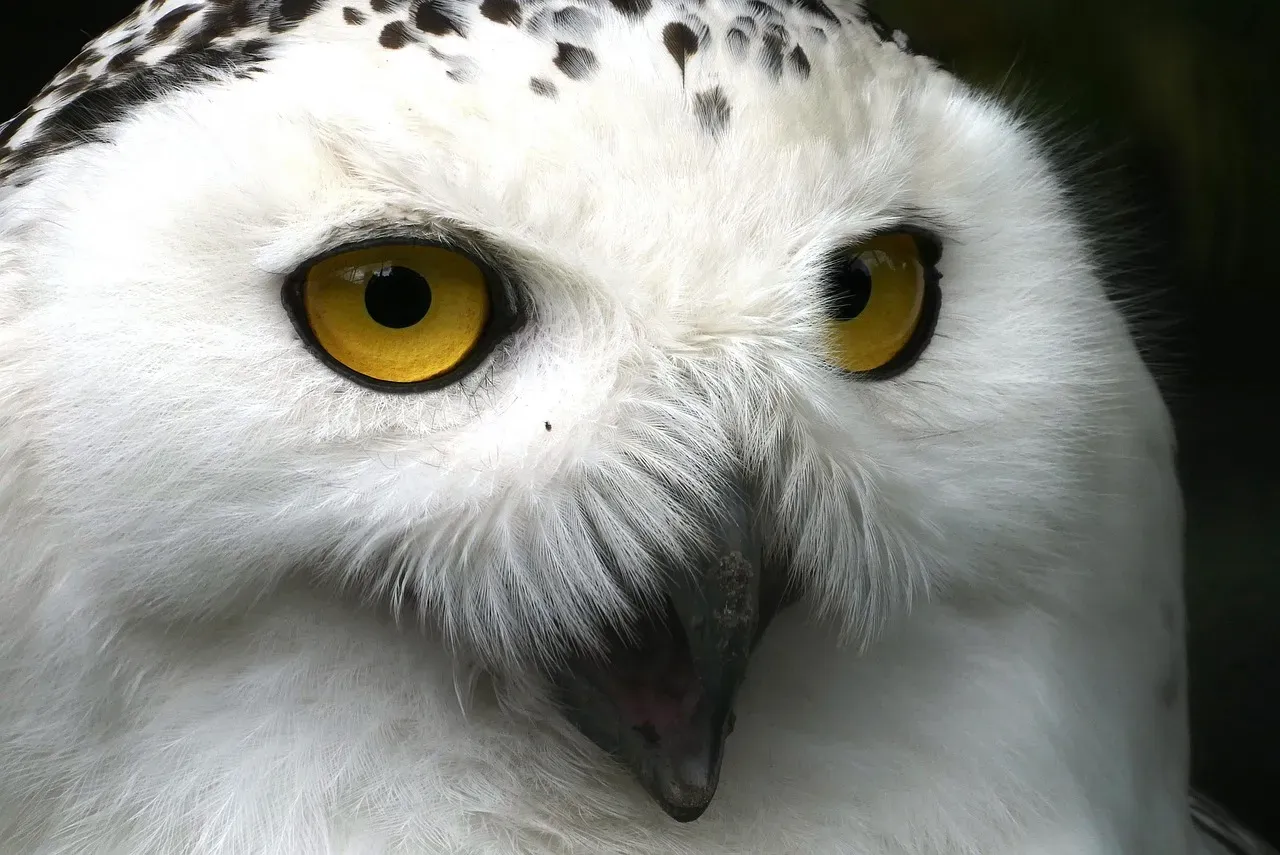
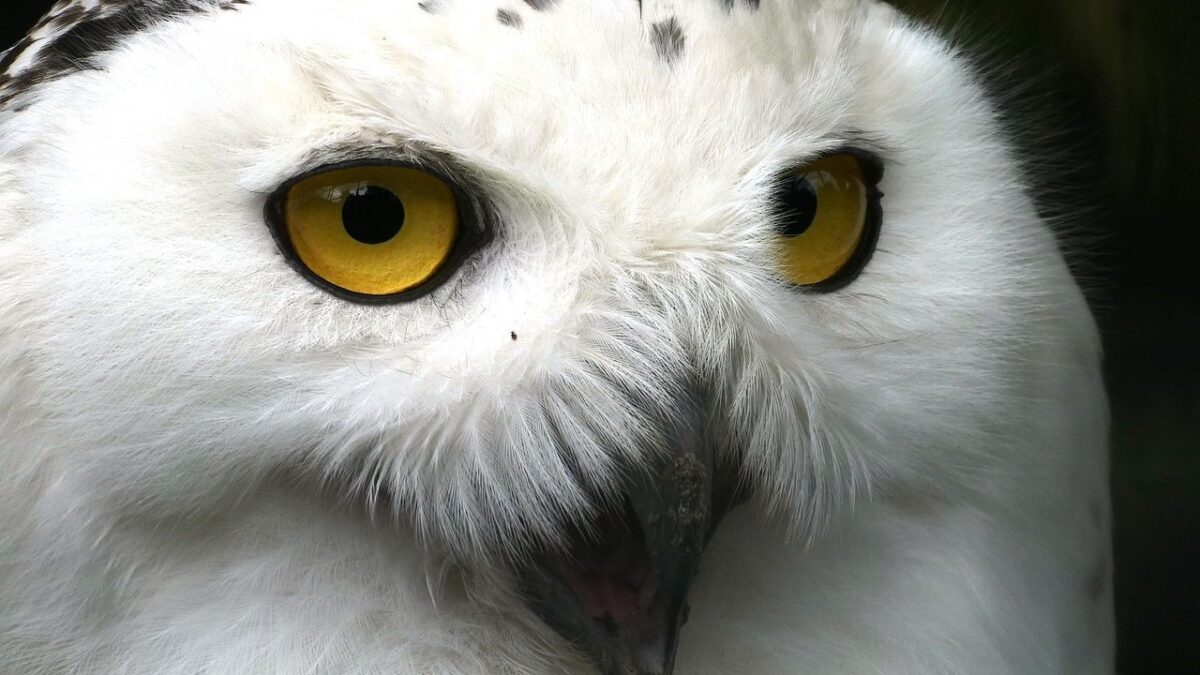
Let’s be real. If there’s one animal that represents built-in night vision at its most spectacular, it’s the owl. Everything about its eye design screams nocturnal mastery. Most owls are active at night, and their eyes must be very efficient at collecting and processing light, starting with a large cornea and pupil.
Those large forward-facing eyes may account for one to five percent of the owl’s total body weight, depending on the species. To put that in perspective, if our eyes were proportionally the same size relative to our heads, they would be roughly the size of grapefruits. That’s a staggering amount of optical real estate dedicated purely to gathering light.
This shape helps to maximize the size and brightness of the image falling on the retina, and the image produced within a Tawny Owl eye has been calculated to be roughly 2.7 times brighter than that produced in a human eye under similar conditions.
Here’s a quirk that surprises most people. Owls have a unique characteristic that sets them apart from many other birds: they can’t move their eyeballs. Unlike humans and many other animals that can move their eyes freely within their eye sockets, owls have fixed, immobile eyeballs. The solution? An owl can turn its head 270 degrees in both directions, more than halfway around its body. Not a bad workaround, honestly.
From Sharks to Deep-Sea Creatures: Night Vision Beyond the Surface
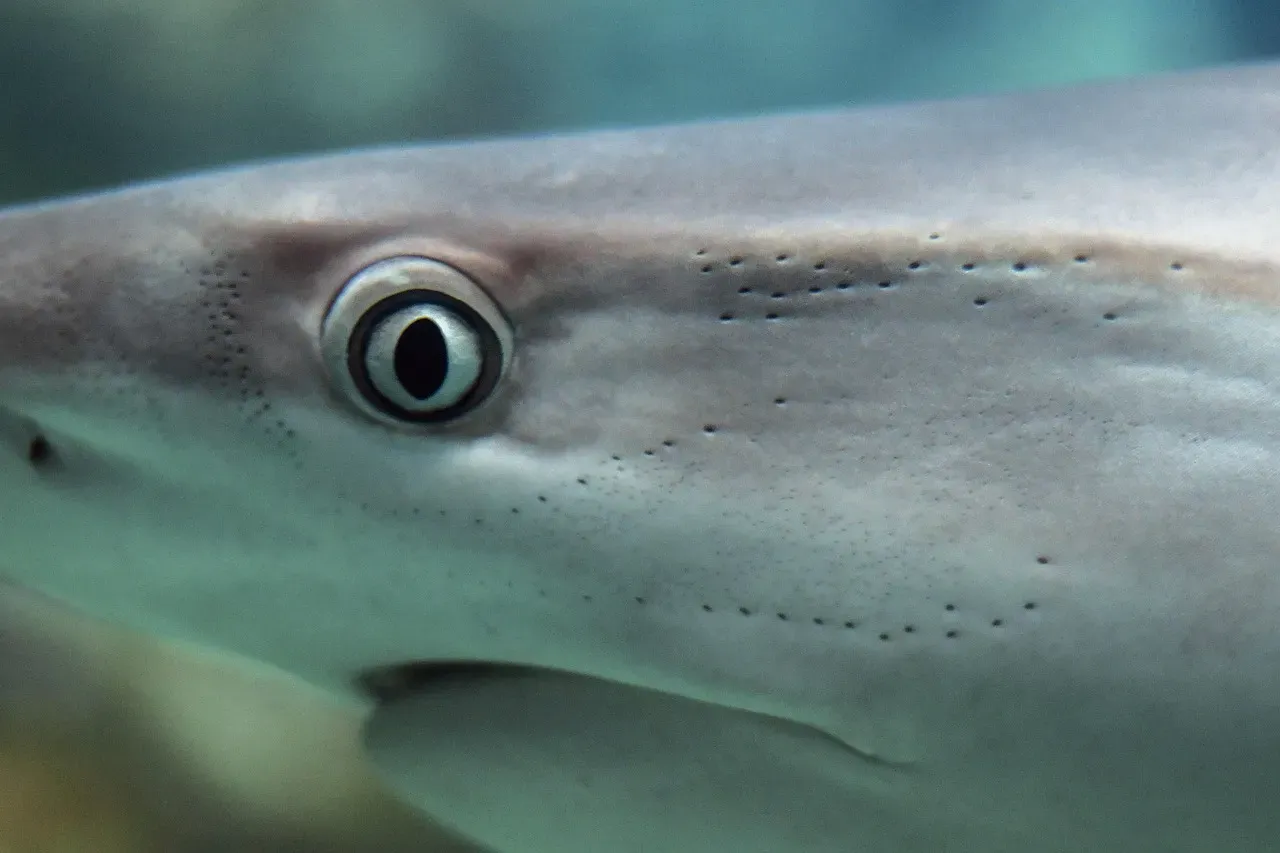
Night vision adaptations aren’t just a land animal phenomenon. Underwater, the pressure to see in dim conditions has produced some genuinely mind-blowing results. Shark eyes are like cat eyes in more ways than one. Just like a cat’s eyes flashing at night, shark eyes shine for the same reason: a layer of reflective crystals called a tapetum lucidum.
This reflects incoming light, giving the cells in a shark’s retina a second look at any light they missed the first time around, helping sharks see an estimated ten times better than humans in dim surroundings. That underwater darkness that terrifies us is, for a shark, a perfectly readable environment.
Certain sharks that hunt day and night have evolved a clever way to get the best of both visual worlds. On sunny days, tiny molecules of dark pigment cover their tapetum lucidum, acting like shutters on a window. That is honestly one of the most elegant biological solutions I’ve ever come across. A built-in, self-adjusting filter.
Venture further down into the deep sea, and the adaptations grow even more extraordinary. Living in the deep sea, ostracods like Gigantocypris never see sunlight. They have the best night vision of any known animal and probably use their eyes to search for bioluminescent animals to prey on. Gigantocypris has a pair of concave mirrors in each eye, rather than a lens, to focus light onto its photoreceptors. Mirrors instead of lenses. Nature is wild.
When Evolution Invents the Same Solution Twice: Convergent Night Vision
Perhaps the most philosophically striking aspect of animal night vision is that so many completely unrelated species arrived at very similar solutions. Independently. Separated by hundreds of millions of years of evolution. The tapetum lucidum has evolved independently in multiple animal groups, a phenomenon known as convergent evolution. This underscores just how valuable enhanced night vision is for survival.
In vertebrates, the tapetum lucidum exhibits diverse structure, organization, and composition. The retinal tapetum is found in teleosts, crocodilians, marsupials, and fruit bats. The choroidal guanine tapetum is found in sharks. The choroidal tapetum cellulosum appears in carnivores, rodents, and cetaceans. The choroidal tapetum fibrosum is found in cows, sheep, goats, and horses.
Different materials, different locations, different species. Same result. The tapetum lucidum represents a remarkable example of neural cell and tissue specialization as an adaptation to a dim light environment and, despite these differences, all tapetal variants act to increase retinal sensitivity by reflecting light back through the photoreceptor layer.
Many adaptations to the visual systems of deep-sea fishes have evolved multiple times convergently or in parallel in different species, for example, morphologically tubular eyes and rod-only retinas. It’s hard not to find that deeply satisfying. Evolution keeps discovering the same answers, over and over, because those answers work. The darkness demands a response, and life, remarkably, always finds one.
Now consider us. Most primates, including humans, lack a tapetum lucidum. Our ancestors evolved as diurnal creatures who relied on color vision, which performs best in bright daylight. We traded night vision for the vivid, detailed, richly colored world we see during the day. Whether that was a good deal depends entirely on what’s hunting you.
Conclusion
The more you understand how animal night vision actually works, the harder it becomes to look at a pair of glowing eyes in the dark and feel anything other than sheer admiration. What looks like something out of a horror movie is, in reality, one of evolution’s most elegant engineering feats. A biological mirror. A retina packed with light-hungry rods. Eyes the size of grapefruits, locked in place, compensated by a neck that rotates 270 degrees. Deep-sea creatures using actual concave mirrors instead of lenses.
Each adaptation is a solution to the same ancient problem: how do you thrive when there is almost no light? Life, it turns out, has answered that question in dozens of brilliant ways. We, with our cone-rich, color-hungry eyes, are just one answer among many.
Next time you catch a flash of green or gold in the darkness, pause for a second. You’re not seeing something frightening. You’re seeing millions of years of biological problem-solving staring right back at you. What other secrets do you think are hiding in the dark?
