
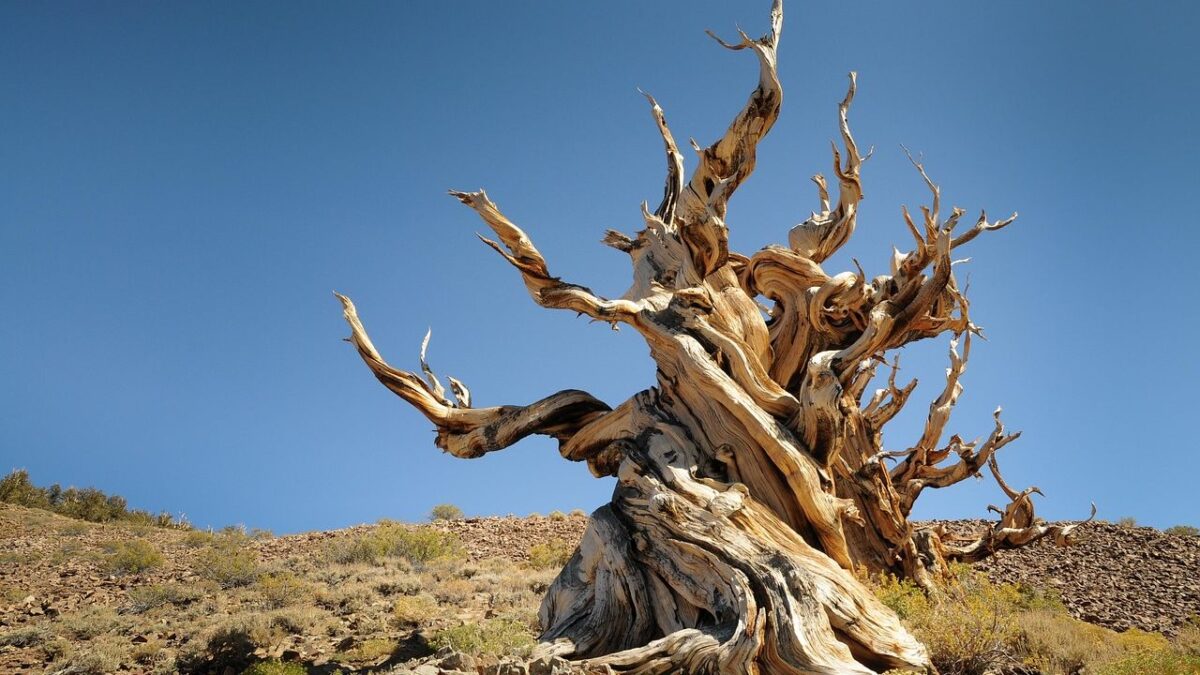
There are trees alive on this planet today that were already ancient when the great pyramids of Egypt were still under construction. Let that sink in for a moment. While empires rose and crumbled, while languages were born and died, while entire civilizations vanished without a trace, these silent, gnarled giants just kept standing. Honestly, that is one of the most humbling ideas in all of nature.
You might picture the world’s oldest trees as towering, majestic pillars. Some are. But others look more like twisted driftwood clinging to a windswept mountainside. The stories behind these trees are stranger, more dramatic, and more scientifically significant than most people ever realize. So let’s dive in.
1. The Oldest Named Tree Was Already Middle-Aged When the Roman Empire Began
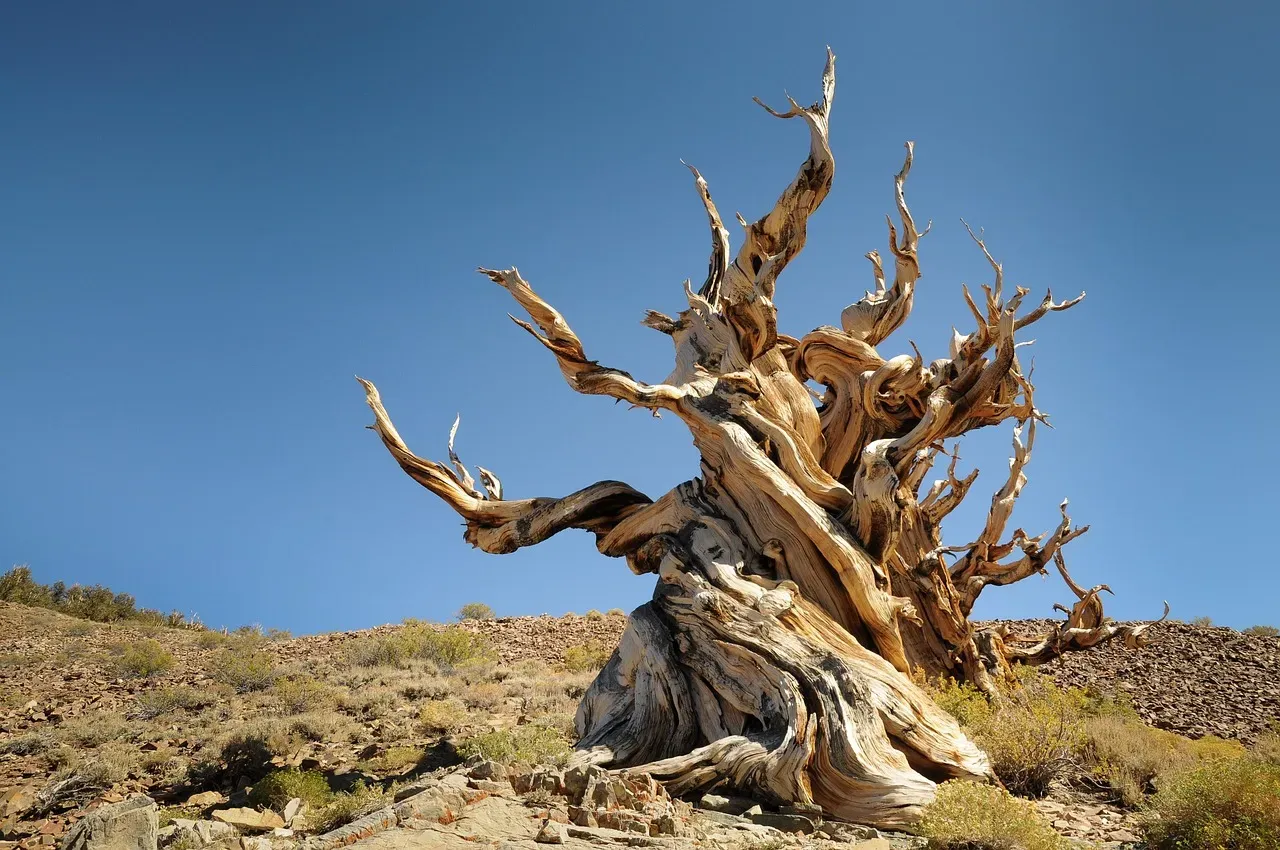
Here’s the kind of fact that stops you mid-sentence. Methuselah is a 4,857-year-old Great Basin bristlecone pine growing high in the White Mountains of Inyo County in eastern California. To put that in perspective, based on the tree’s age, it is estimated that Methuselah germinated around 2832 BCE, making it older than the famous Egyptian pyramids.
It is recognized as the non-clonal tree with the greatest confirmed age in the world. The name itself is telling. The tree’s name refers to the biblical patriarch Methuselah, who is said to have reached 969 years of age before his death, thus becoming synonymous with longevity or old age in many European languages including English.
I find it slightly poetic that the oldest living thing on Earth was named after the oldest person in recorded scripture. Someone had a sense of humor about scale.
2. Its Exact Location Is a Closely Guarded Secret

You might want to track down Methuselah for a visit. Good luck. Methuselah’s exact location is kept secret for its safety, but it lies somewhere among the aptly named Ancient Bristlecone Pine Forest in the White Mountains of eastern California, part of the Inyo National Forest.
Visitors can walk through the Ancient Bristlecone Pine Forest, but no signs mark Methuselah. Its identity blends with many nearby trees that also exceed 4,000 years in age. So even if you hike the trail, you could walk right past it without knowing.
Many of the individual trees that live in this forest are over 4,000 years old. That means the whole grove is, essentially, a crowd of ancient elders.
3. Harsh Conditions Are Precisely What Make These Trees So Old
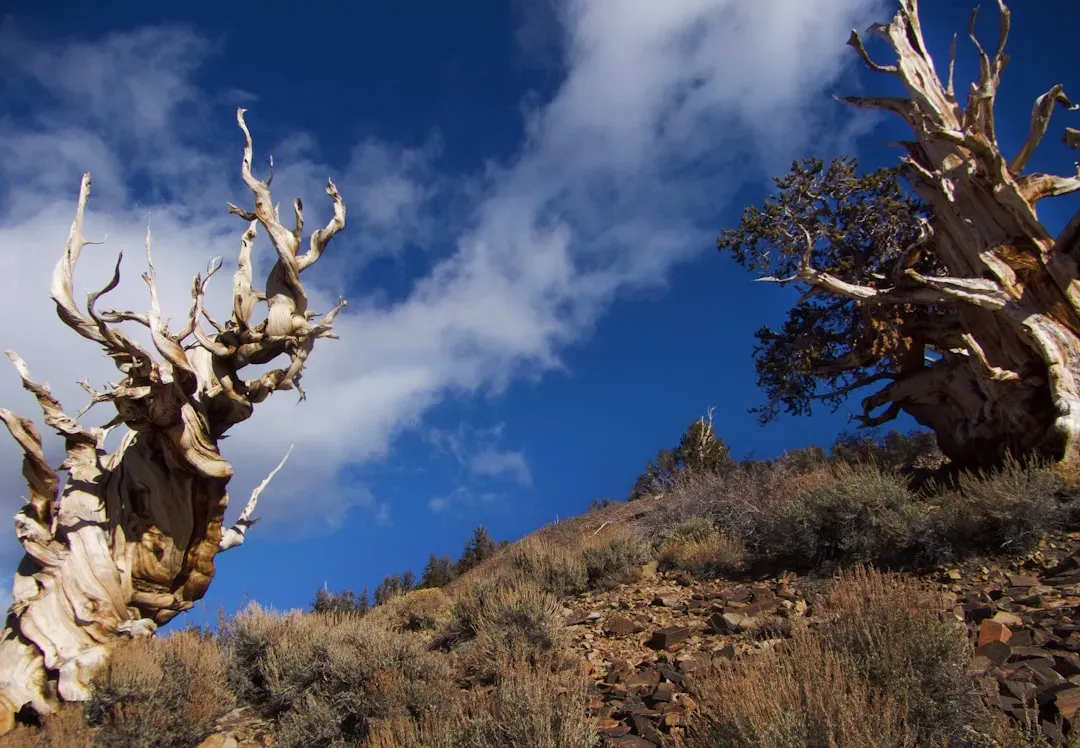
Here’s the thing that flips conventional wisdom completely on its head. Most people assume long-lived creatures need comfort. Methuselah proves otherwise. Pinus longaeva trees grow at the uppermost edge of the timberline, among the windswept peaks of California, Nevada, and Utah. The trees’ ability to thrive in this unforgiving landscape of freezing temperatures, arid soils, and relentless winds is the key to their remarkable longevity.
These conditions slow down the growth rate, resulting in dense, resin-rich wood that is resistant to insects, fungi, and decay. Think of it like how slow-cooked meat is far more flavourful and firm than something rushed. Slow growth makes for extraordinarily tough wood.
The wood grows so slowly it gets too dense for beetles or disease to penetrate. Nature, it turns out, rewards patience in the most literal way possible.
4. These Trees Essentially Keep Themselves Alive Through a Bizarre Survival Trick

Even more astonishing than their longevity is how they manage to survive when parts of them begin to fail. As soil erosion or root decay and age weaken a bristlecone’s trunk or branches, the entire tree does not die. Instead, these majestic beings practice “strip barking,” allowing thin bands of living tissue beneath the bark to curl up the tree delivering water from healthy roots.
On some bristlecones, as little as 5 percent of what you see may still, in fact, be alive. The rest is essentially a beautiful, sculptural skeleton. While other species of trees that grow nearby suffer rot, bare bristlecone pines can endure, even after death, often still standing on their roots for many centuries. Exposed wood on living and dead trees does not rot, but rather erodes like stone due to wind, rain, and freezing, which creates unusual forms and shapes.
5. A Bristlecone Pine Was Once Accidentally Cut Down Before Scientists Realized How Old It Was
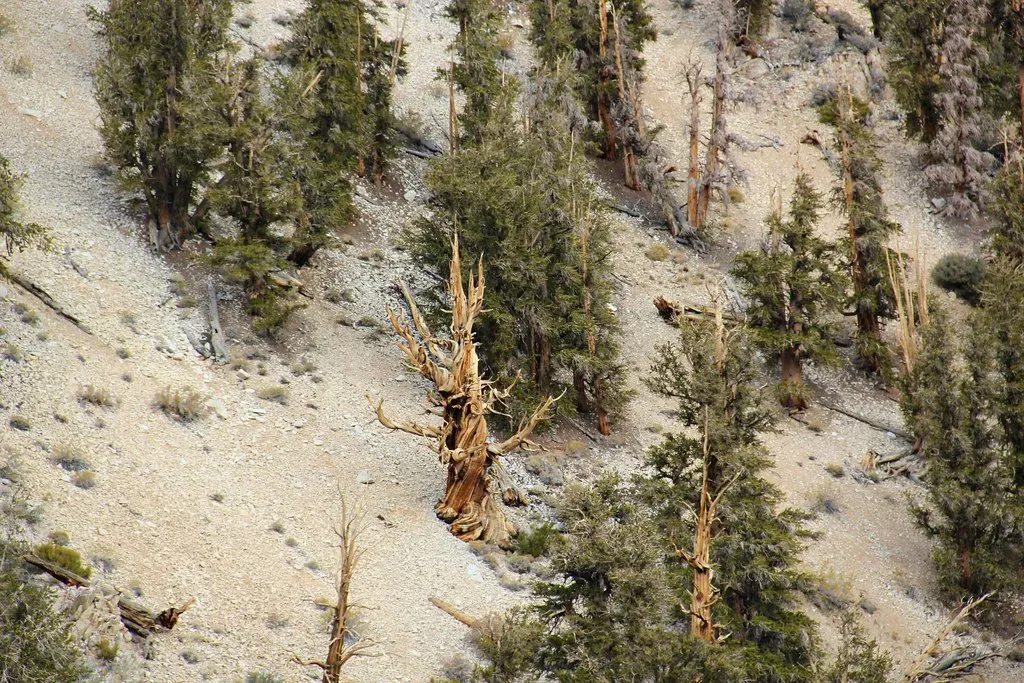
This is one of the most tragic and infuriating stories in botanical history. Prior to Methuselah, the record holder was another bristlecone pine named Prometheus. It was over 4,900 years old when it was controversially cut down in 1964 by Donald Rusk Currey, a graduate student who was conducting a study of trees in the area.
Let’s be real. Cutting down a nearly 5,000-year-old tree by accident is the kind of mistake that haunts an entire field of science. Prometheus is the oldest confirmed tree on Brown’s list, but all that remains of that record-breaking pine is a polished slab kept in the Great Basin Visitor Center in Nevada.
The tree had survived ice ages, droughts, and thousands of years of extreme weather. It could not survive one graduate student with a chainsaw.
6. There May Be an Even Older Tree Out There With No Name
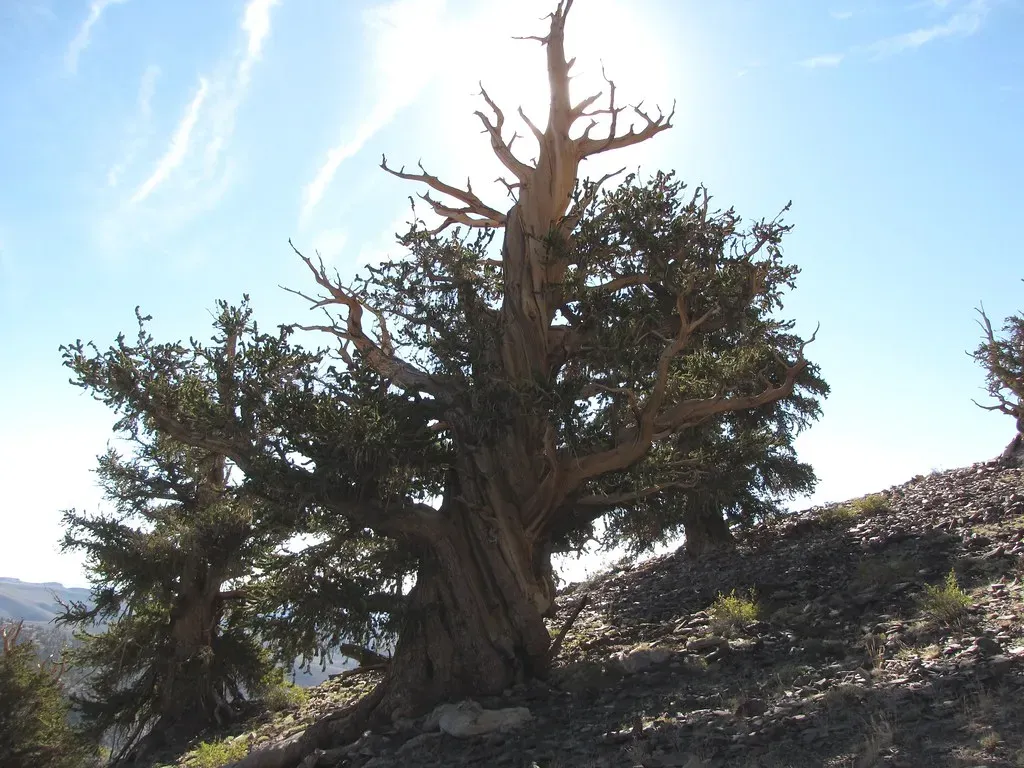
The mystery gets deeper from here. An older bristlecone pine was reportedly discovered by Tom Harlan in 2009, based on a sample core collected in 1957. According to Harlan, the tree was 5,062 years old and still living in 2010. Neither the tree nor the sample core could be located after Harlan’s death in 2013.
Three of Schulman’s successors at the University of Arizona’s Laboratory of Tree-Ring Research also died young. It’s a strange pattern researchers there have actually nicknamed the “bristlecone curse.” Dramatic? Yes. Statistically coincidental? Probably. Fascinating? Absolutely.
A separate bristlecone pine in the same grove, discovered in 2013, may prove older. Researchers continue to study its rings to confirm its age. That tree has not yet received a name.
7. A Chilean Tree May Have Just Stolen the World Record
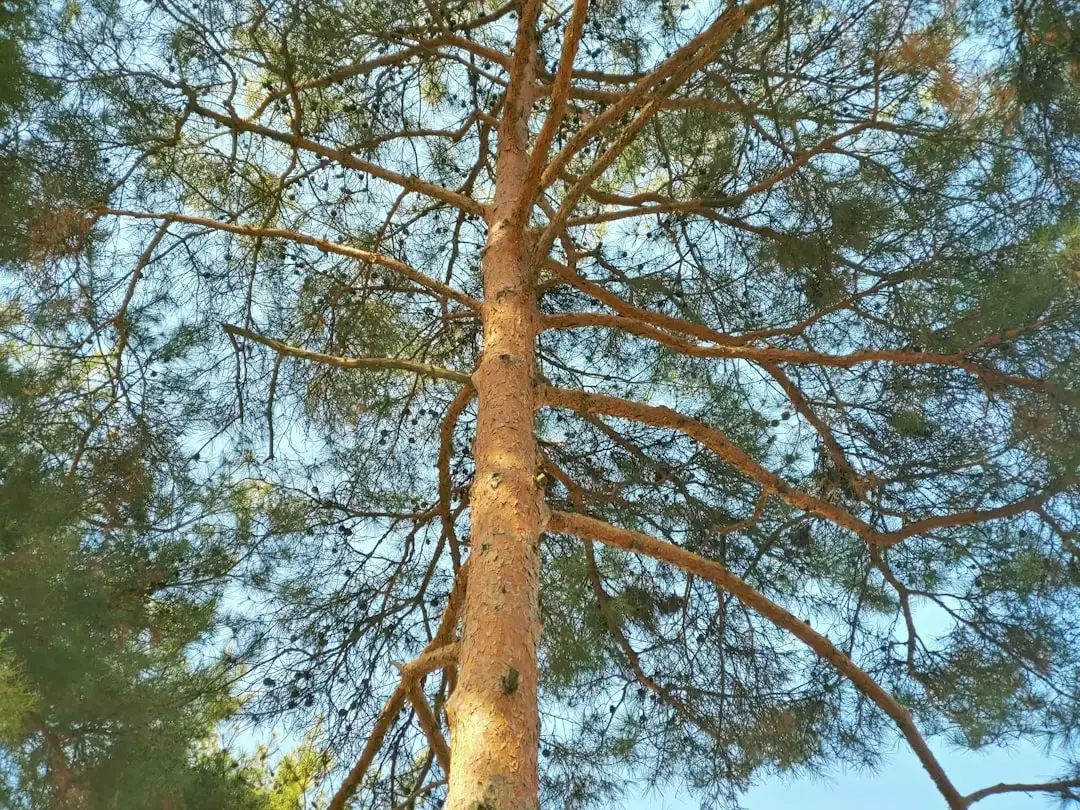
The title of world’s oldest tree is currently under serious dispute and the challenger comes from the other end of the Americas. In Chile, a Patagonian cypress known as the Alerce Milenario or Gran Abuelo, meaning “great grandfather” in Spanish, could be 500 years older than reigning champion Methuselah.
In 2022, a Chilean scientist made world news by announcing that the relict old-growth plant known as Alerce Milenario in Alerce Costero National Park might be the oldest living tree on the planet. The scientist’s estimation was 5,484 years, with an 80 percent probability of being over 5,000 years old.
Dating of the Alerce Milenario was accomplished not via the traditional method of coring the tree, but using a partial ring count coupled with statistical computer modeling to make up the difference. The approach, while less risky for the tree, has left some experts unconvinced. The jury is still very much out.
8. Tree Rings Are Living Climate Diaries That Rewrite History
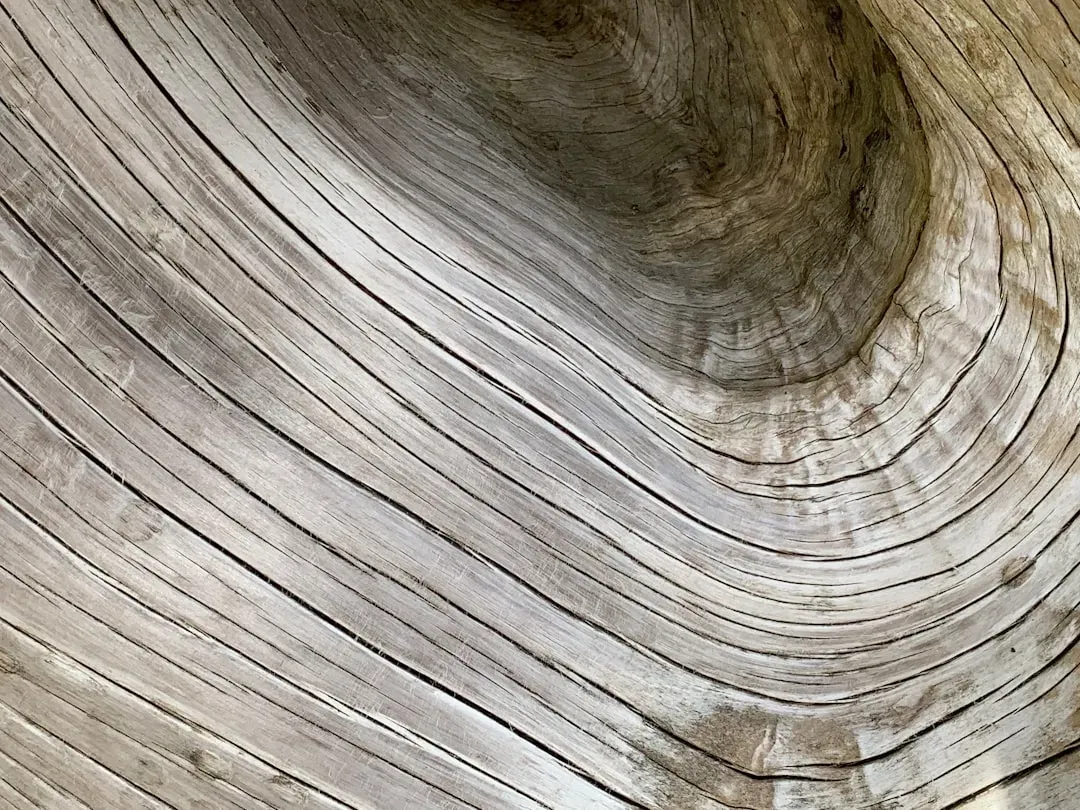
Here is where ancient trees cross over from fascinating curiosity into genuinely world-changing scientific tool. Dendrochronology provides critical data for understanding historical climate patterns and validating climate models. Tree rings create annual records of temperature, precipitation, and growing conditions extending back thousands of years.
The annual growth rings of old trees provide a valuable insight into our changing climate: the bristlecone climate record from dead wood extends back more than 9,000 years. That is not a typo. Nine thousand years of climate data, stored in wood.
Tree growth layers, appearing as rings in the cross section of the tree trunk, record evidence of disastrous floods, insect attacks, lightning strikes, and even earthquakes that occurred during the lifespan of the tree. Think of them as nature’s most patient and meticulous journalist.
9. Pando, the “Trembling Giant,” May Be the Oldest Living Organism on Earth
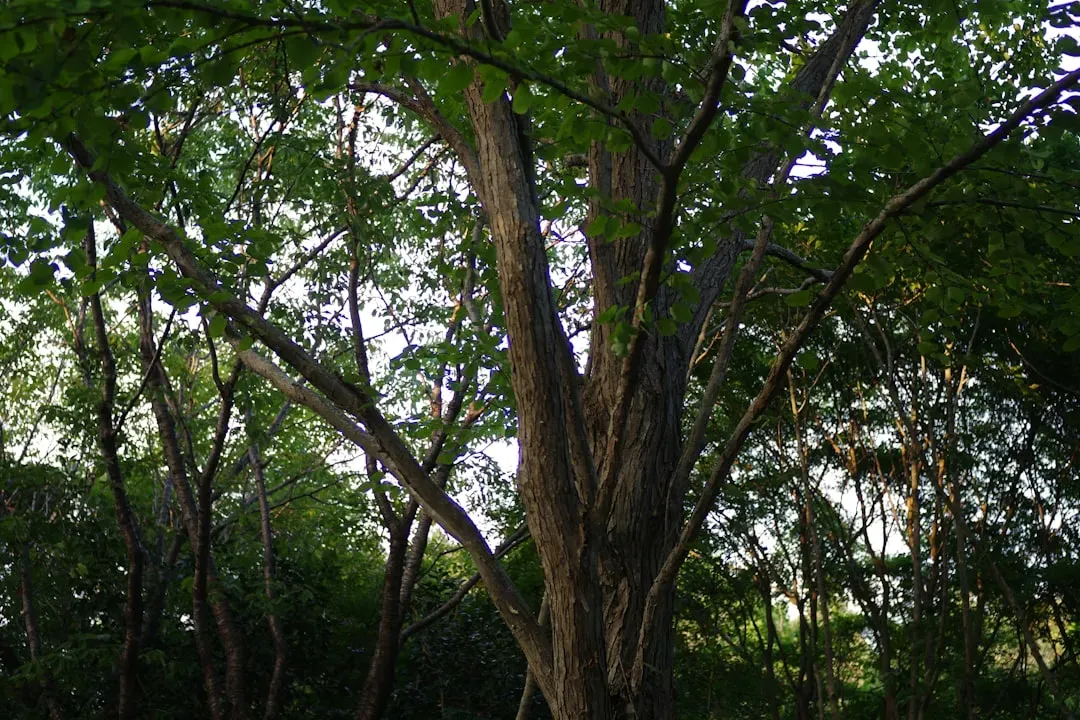
Now, depending on how you define a “tree,” the entire record book changes. Pando is the name of a quaking aspen clone located in Sevier County, Utah, in the Fishlake National Forest. A male clonal organism, Pando has an estimated 47,000 stems that appear to be individual trees but are genetically identical parts of a single tree connected by a root system that spans 106 acres.
Pando is also estimated to be the oldest living plant on Earth. Some research estimates Pando to be between 60,000 and 80,000 years old, which means that it was alive during the last Ice Age. That is a number that should genuinely stop you cold.
The Pando clone is the largest living organism by weight, clocking in at just over 13 million pounds. It’s a forest that is actually one tree. Nature occasionally enjoys showing off.
10. The Jomon Sugi in Japan Is So Remote It Takes a Full Day to Visit
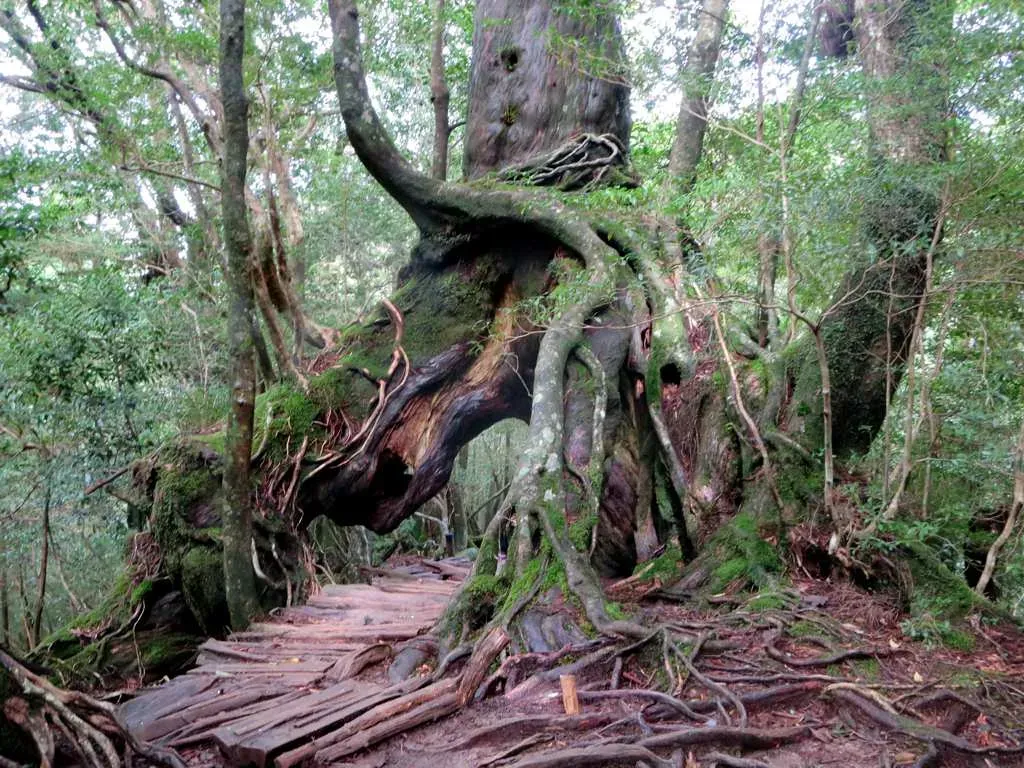
Japan’s most ancient tree is almost inaccessible by design, though the forest, not bureaucracy, built that wall. Jomon Sugi is a large Cryptomeria tree located on Yakushima, a UNESCO World Heritage Site, in Japan. It is the oldest and largest among the old-growth cryptomeria trees on the island, and is estimated to be between 2,170 and 7,200 years old.
Discovery of the tree in 1968 sparked moves to protect the forests of Yakushima and gave rise to the island’s tourist industry, which today comprises more than half of its economy. One tree, effectively, saved an island’s livelihood.
If you’d like to visit this tree for yourself, expect to spend 10 hours hiking and leaving before dawn. Honestly, that kind of pilgrimage might be exactly what it deserves.
11. The Oldest Olive Tree Still Actually Produces Olives
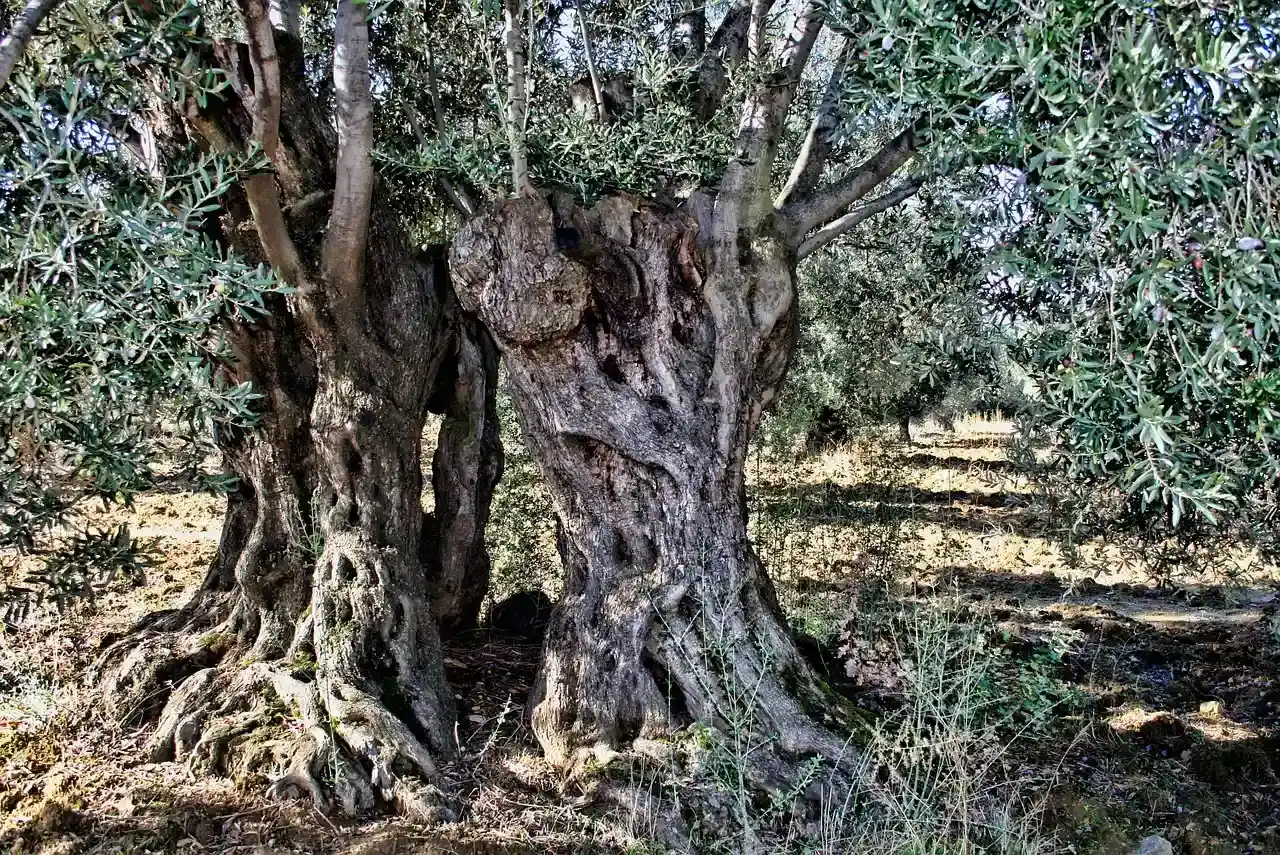
This one catches almost everyone off guard. Ancient trees are not always just monuments. Some of them are still productive. The Olive Tree of Vouves, which is over 3,000 years old and located on Crete, still yields valuable olives, demonstrating the longevity and productivity of ancient trees.
At ground level, the tree’s girth is 10.75 meters. It is believed that this tree was planted in the Bronze Age. People eating olives from a Bronze Age tree in the 21st century is the kind of continuity that makes history feel real, not abstract.
It’s hard to say for sure just how many olives it still produces annually, but the fact that it produces any at all after three millennia of growth is extraordinary. It is less a fruit tree and more a quietly functioning time machine.
12. Climate Change Now Poses the Greatest Threat These Ancient Survivors Have Ever Faced
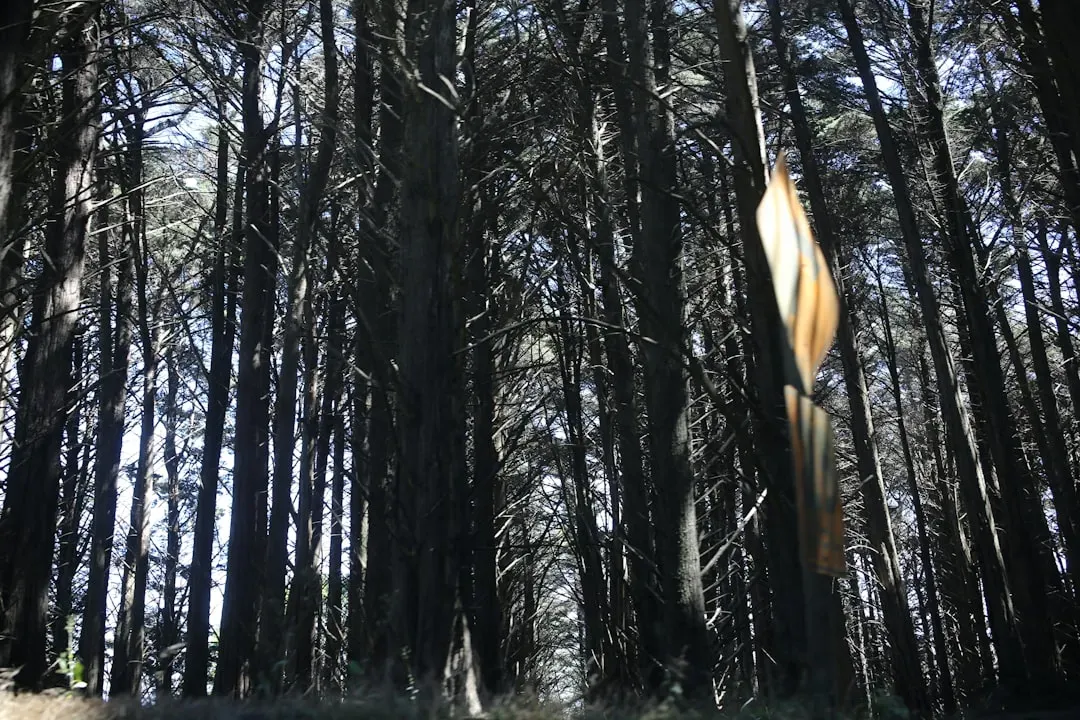
These trees have survived ice ages, mega-droughts, earthquakes, and volcanic activity. The threat they face now is unlike anything before. One reason bristlecones live so long is that they grow in relative isolation, so fires rarely spread through their groves. As fires grow bigger and more intense with climate change, the infernos pose a greater threat to these long-lived trees.
Researchers have argued that Pando’s future is uncertain due to a combination of factors including drought, cattle grazing, and fire suppression. Even the ancient clonal giant in Utah is struggling to regenerate new shoots at sufficient rates.
Ancient trees like Methuselah, growing at high elevations, can be susceptible to small fluctuations in temperature, making them faithful chroniclers of the world’s weather patterns. In a deeply poignant irony, the very trees that have recorded millennia of climate shifts for science are now themselves threatened by the climate shift of our own making.
Conclusion: Living Time Capsules We Cannot Afford to Lose
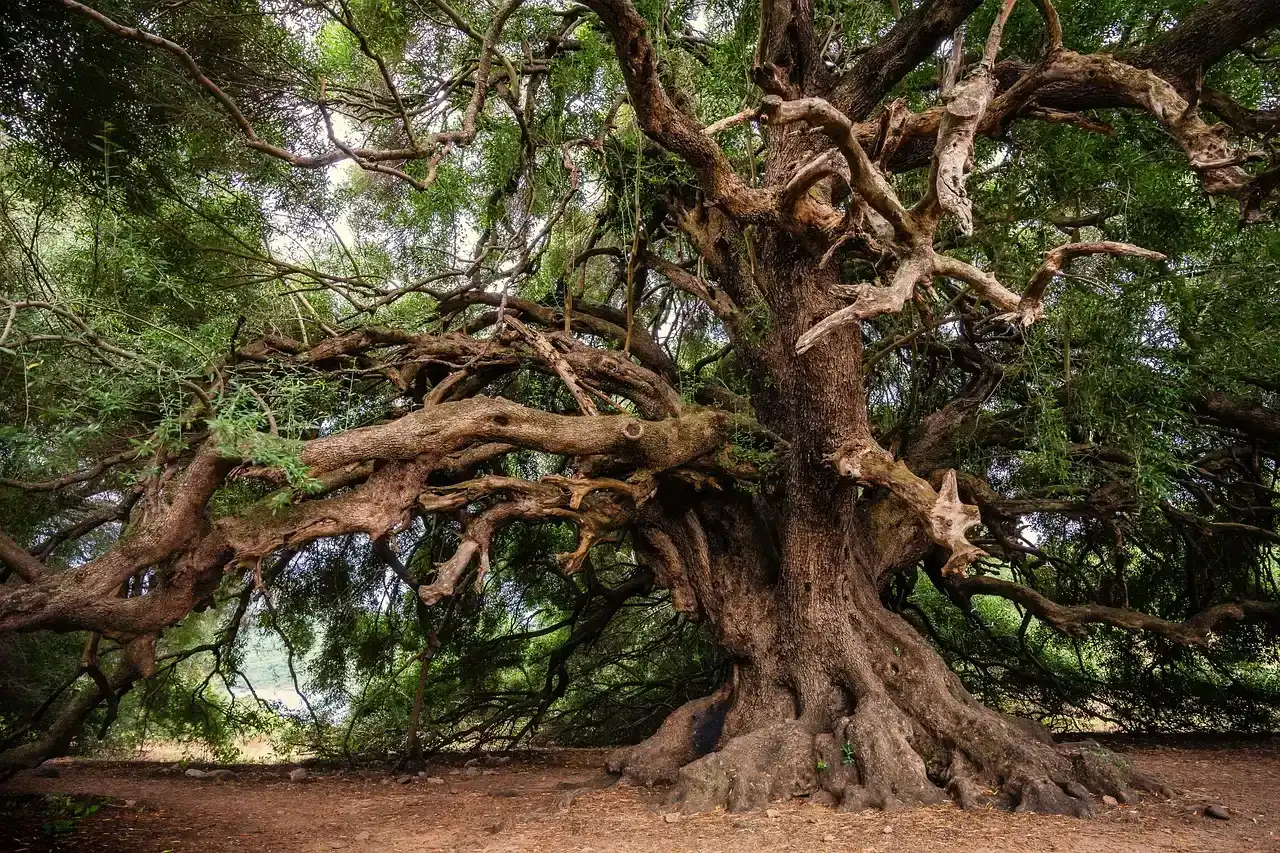
There is something genuinely moving about standing in the shadow of a tree that watched the rise and fall of entire civilizations. These are not just old plants. They are living archives. They carry inside their rings a record of droughts, famines, volcanic winters, and centuries of quiet change that no human document could ever replicate.
From the massive Pando colony to individual giants like Methuselah and Gran Abuelo, these living monuments have survived countless environmental shifts and human eras. Protecting such trees is critical for preserving biodiversity, scientific research, and cultural heritage.
The oldest trees on Earth are not just survivors. They are witnesses. And the fact that something alive today was alive before writing, before steel, before recorded history, should fill us with something between reverence and a quiet, urgent responsibility to protect what remains. Did any of these facts surprise you more than you expected? Share your thoughts in the comments below.
