

There is something almost magical about hearing that rhythmic hammering echo through a quiet forest. It stops you in your tracks. You look up, scan the bark, and suddenly there it is – a flash of red and black, drilling away with extraordinary precision. Woodpeckers are among the most fascinating and recognizable birds on the planet, and yet so many birders, beginners and experienced alike, struggle to tell one species from another.
From the dainty Downy to the imposing Pileated, 22 species of woodpeckers can be found carving out homes in trees – and even cacti – across North America. Each one has its own personality, habitat preference, and set of quirks that make it genuinely worth knowing. Whether you’re chasing a life list or just love spotting wildlife from your back porch, these eight species are the ones you absolutely need to recognize. Let’s dive in.
1. The Downy Woodpecker: Small But Mighty
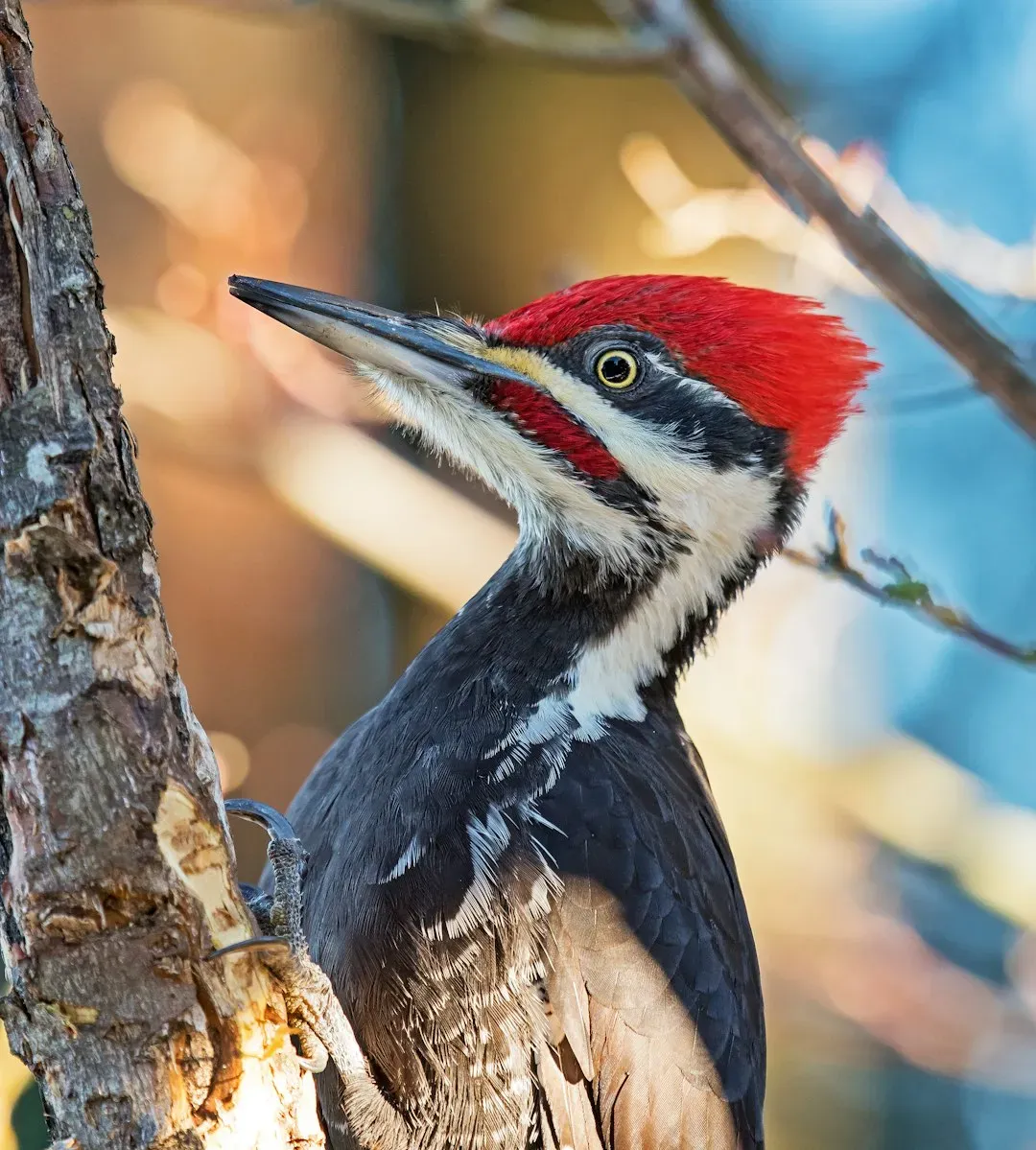
Don’t let the size fool you. The Downy is the smallest woodpecker in North America, and it can be found year-round in a variety of habitats across the majority of the United States. It’s often the very first woodpecker a new birder checks off their list, and honestly, it deserves more credit than it gets.
The Downy is identifiable by its short beak, black and white upper parts with a prominent white stripe down its back, and a black and white striped face, with pure white underparts. Males are distinguished by a red patch on the nape. Downy woodpeckers are frequent backyard visitors and quite happy to eat as much suet as you’ll offer them. Put out a suet feeder and you’ll likely meet one within days.
2. The Hairy Woodpecker: The Downy’s Bigger Look-Alike
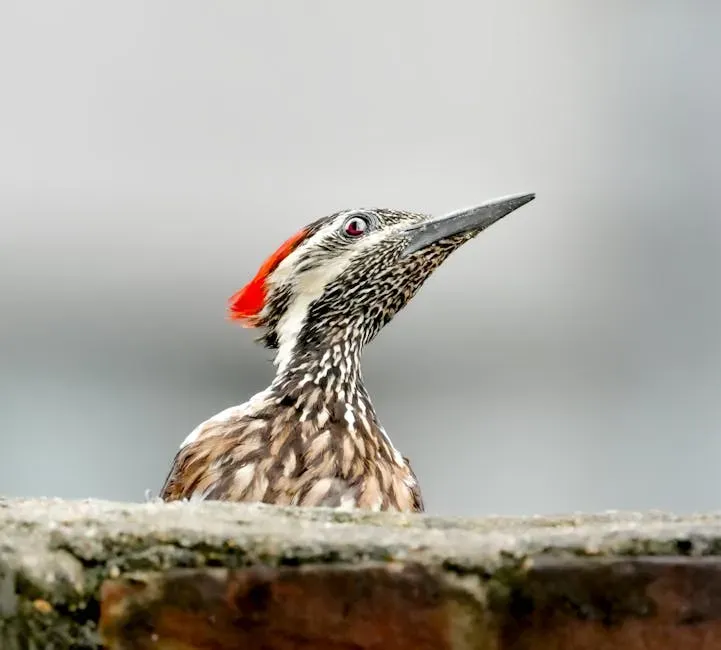
Here’s the thing – the Hairy Woodpecker is one of the most common sources of birder confusion in North America. It looks almost identical to the Downy, but it is noticeably bigger. The Hairy is about one-third larger than the Downy, close in size to a robin. Its chisel-shaped bill is prominent, about the same length as its head – that’s actually the easiest way to tell them apart.
Although Downy and Hairy woodpeckers share some of the same habitats, Downy woodpeckers are more likely to be seen in suburbs and small parks, while Hairy woodpeckers generally prefer heavily forested areas with large trees. Hairy woodpeckers use a variety of forest types, but tend to prefer mature forests where wood-boring beetle larvae are readily found, and often concentrate in areas with many dead trees, particularly after burns. Think of the Hairy as the Downy’s wilder, forest-dwelling cousin.
3. The Pileated Woodpecker: The Forest Giant
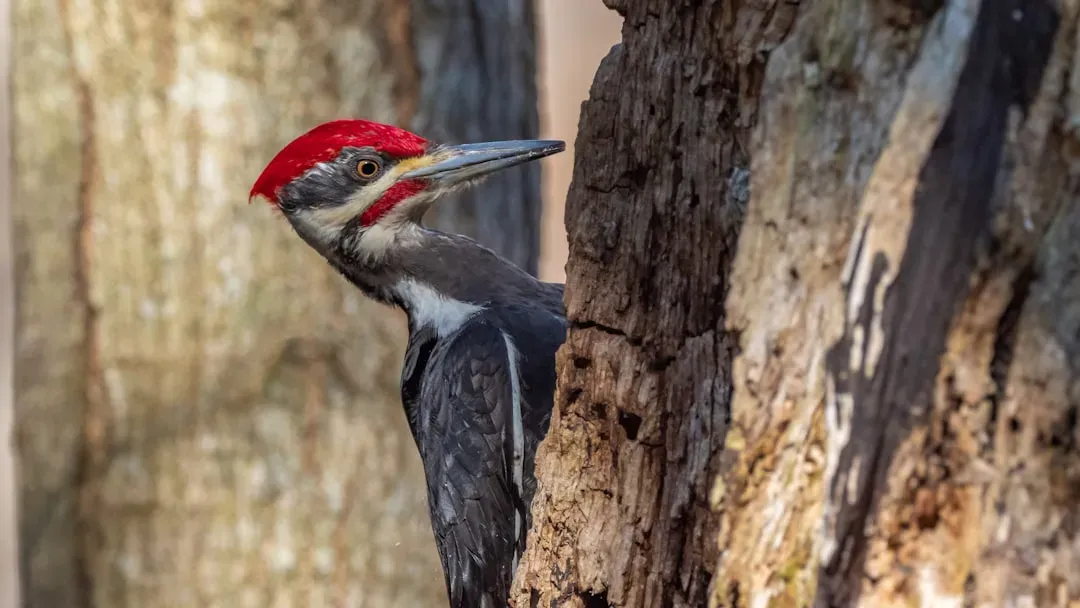
If you’ve ever seen a woodpecker so large it made you do a double take, it was almost certainly a Pileated. The Pileated woodpecker is a behemoth and striking to behold – as soon as you spot one, you’ll know. With a flaming red triangular crest and a wingspan close to 30 inches, this is the largest type of woodpecker in North America.
Pileateds specialize in foraging for carpenter ants, drilling distinctive rectangular holes into trees, and are found in Canada, the eastern U.S., and along the West Coast. Overall, Pileated woodpeckers have a large population, with an estimated 2.6 million living in North America, and that number is growing. I think spotting a Pileated for the first time is genuinely one of birding’s greatest thrills. Nothing else comes close.
4. The Red-Headed Woodpecker: The One You Won’t Forget
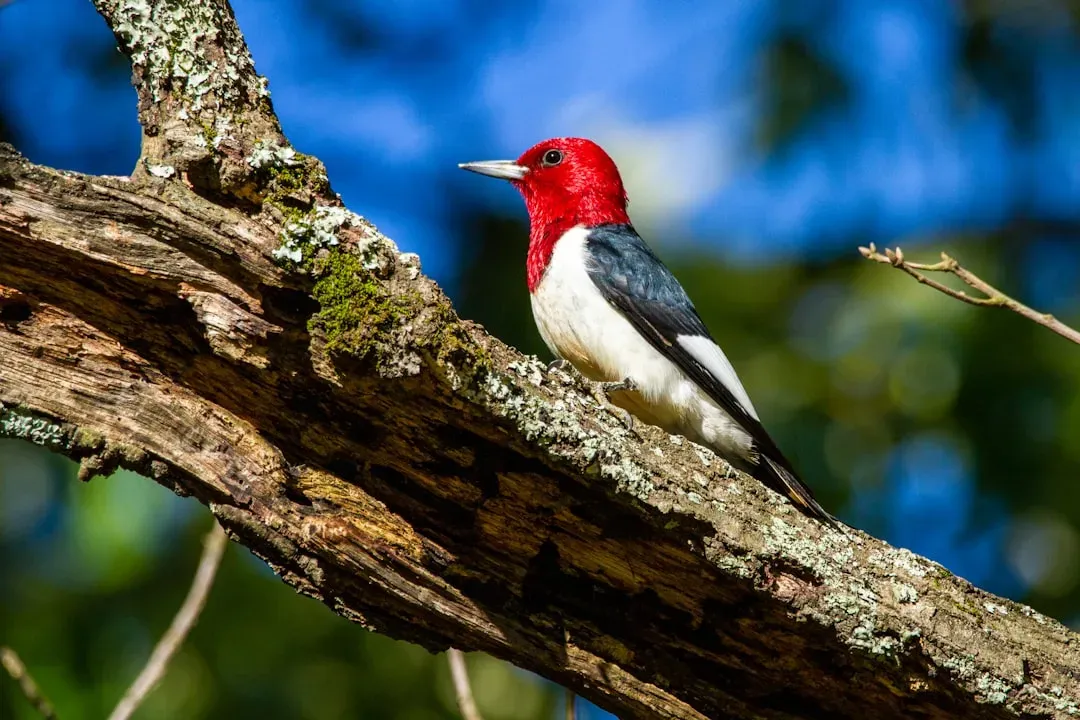
Let’s be real – few birds stop you cold like the Red-headed Woodpecker. This bold woodpecker has a large, scarlet-colored head and spiky bill, and is skilled at catching insects midair. Both sexes sport a white belly, black back, and white wing patches, and the bird is smaller than a crow with a round, crestless head.
The Red-headed Woodpecker is showing up in the southeastern portions of Canada, although it primarily lives in the eastern states. What makes this bird truly extraordinary is that its entire head – not just a patch, but the whole thing – blazes in solid crimson. It looks almost painted. Drumming is most commonly done in spring to attract a mate or to mark territory by alerting the competition, and hearing this species drum in the wild is a sound you won’t quickly forget.
5. The Red-Bellied Woodpecker: The One With the Misleading Name
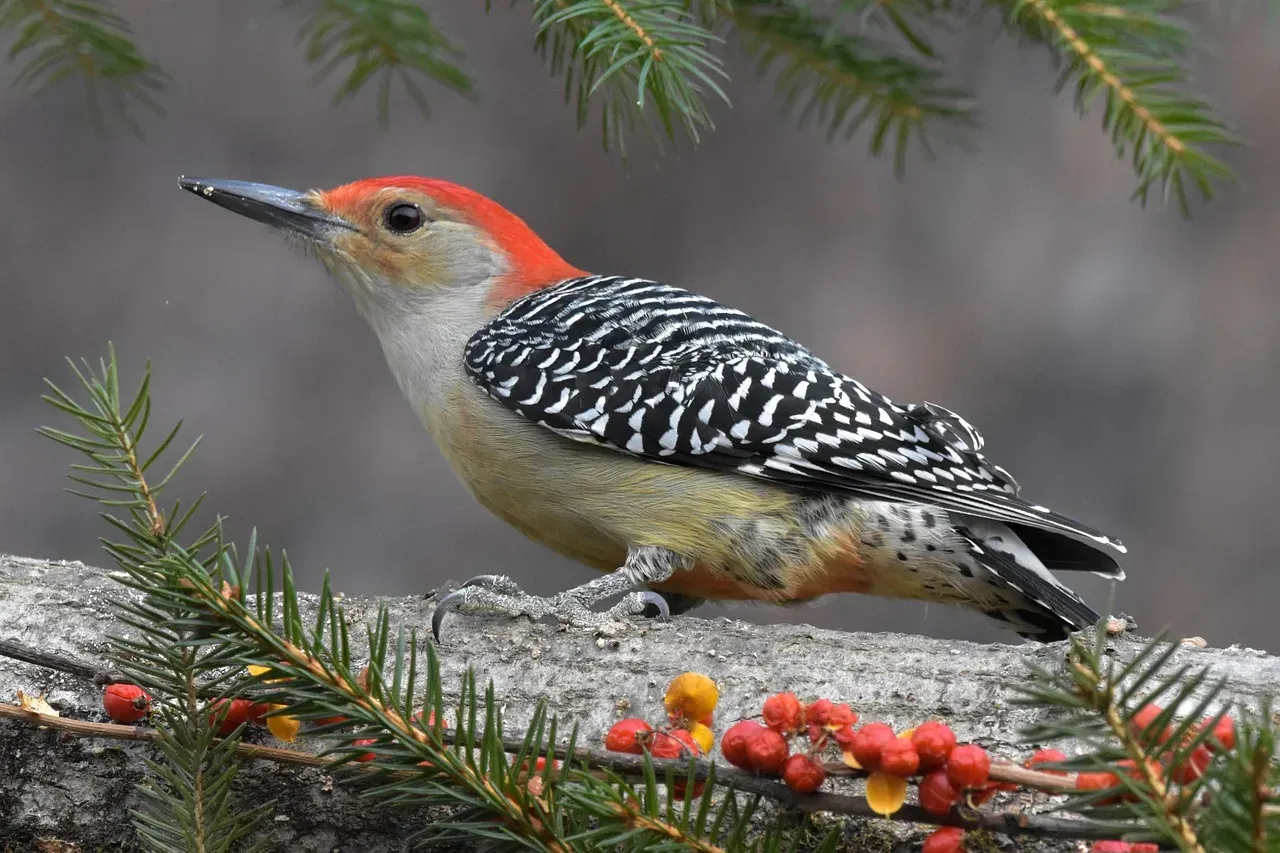
Honestly, whoever named this bird might have been having a laugh. The red-bellied marking is so faint it’s almost invisible in the field. The bird has an attractive black and white pattern on the back and buff on the front, and a bright red crest helps more with identification than the “red belly,” which is only slightly marked and not usually seen.
Often mistaken for the Red-headed Woodpecker, the Red-bellied is a medium-sized woodpecker found in woodlands, parks, and suburban spaces across much of the eastern United States, and their loud, trilling call often gives away their presence long before they’re seen. The estimated number of Red-bellied Woodpeckers in North America is around 16 million – making it one of the most abundant woodpeckers around. Listen for that churring call next time you’re in the eastern woods.
6. The Northern Flicker: The Rule-Breaker of the Family
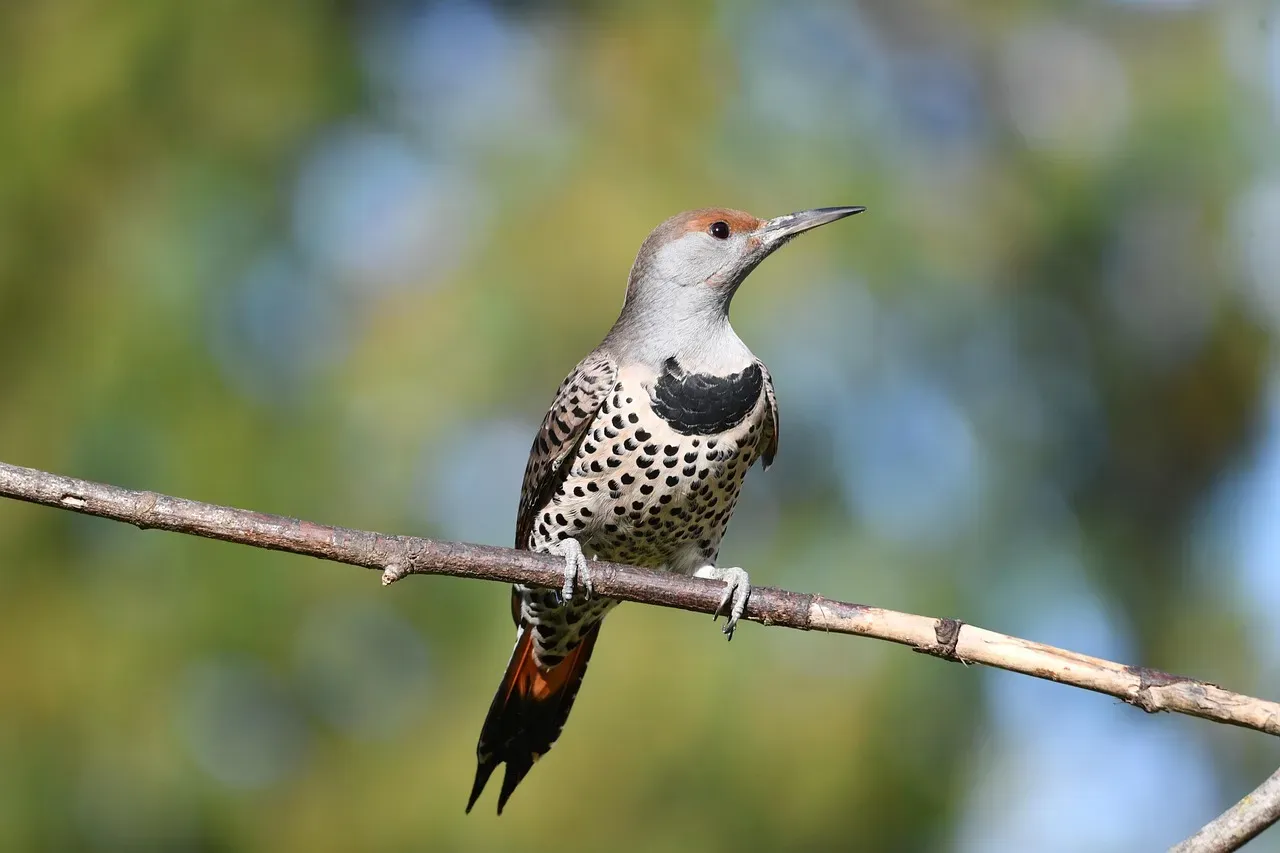
Most woodpeckers spend their lives vertical on tree trunks. The Northern Flicker didn’t get that memo. Unlike other woodpeckers, Flickers often feed on the ground, primarily on ants, making them one of North America’s most prolific ant eaters, and they exhibit a unique foraging behavior of sifting through leaf litter and pecking at the soil with their large bills.
Northern Flickers, distinguished by their black-spotted bellies and barred wings, are larger woodpeckers common in wooded areas of the U.S. They come in two varieties: the “yellow-shafted” in the east, identified by yellow underwing feathers, and the “red-shafted” in the west, with red underwing feathers – not separate species, but varieties that sometimes interbreed where their ranges overlap. The Northern Flicker is the most common type of woodpecker in North America, which means you really have no excuse for not adding this one to your list.
7. The Yellow-Bellied Sapsucker: The Sap Thief
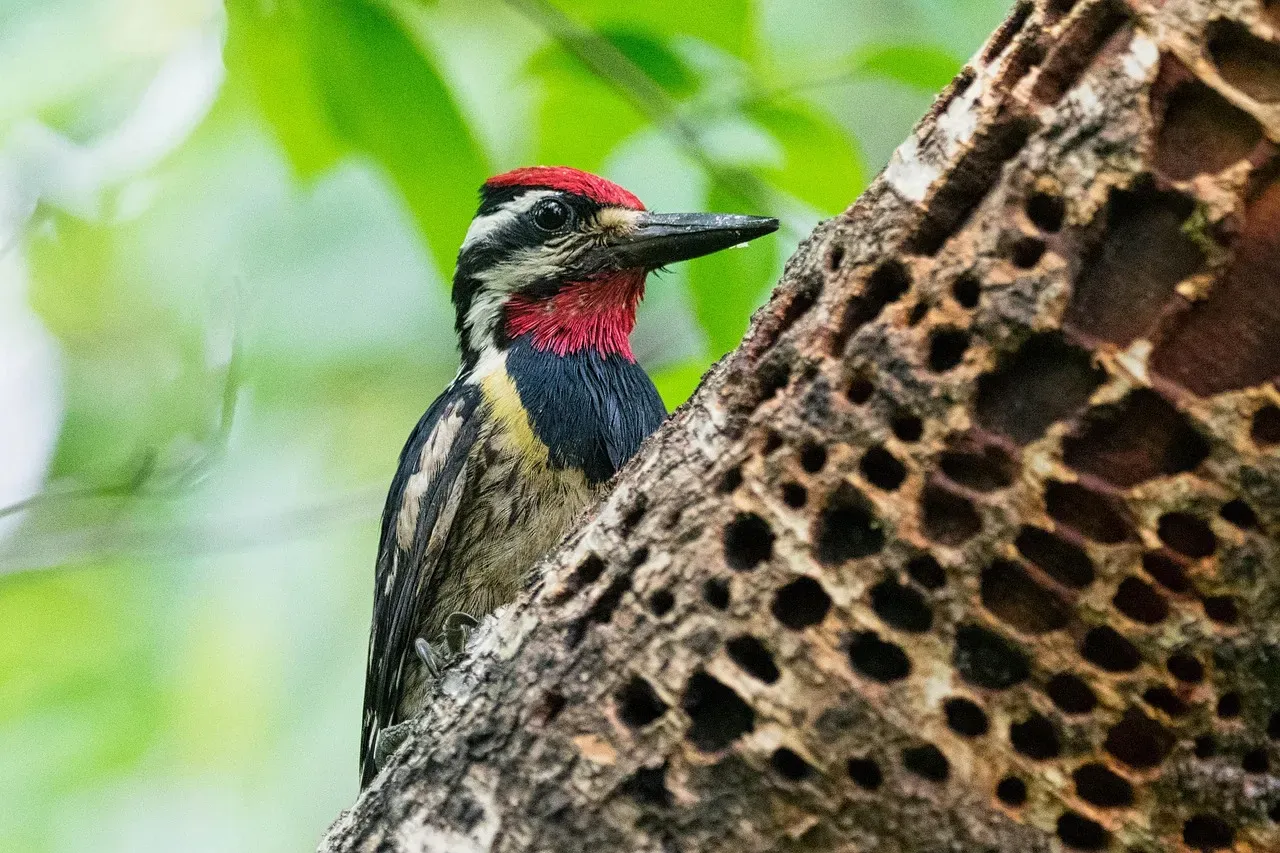
Sapsuckers occupy a wonderfully strange corner of the woodpecker world. They don’t just drill for bugs – they drill for sap. Unlike their name suggests, they don’t actually “suck” sap; instead, they use hair-like bristles on their tongues to lick sap from rows of holes they drill in tree trunks, and this behavior also attracts insects that get caught in the sticky sap, which they then consume.
The Yellow-bellied Sapsucker is a distinctive woodpecker found primarily in eastern North America, with a varied diet that includes sap, insects, and berries. They are identified by their black and white plumage, a white wing patch, and a red crown and throat in males, while females have a white throat. The estimated number of Yellow-bellied Sapsuckers in North America is around 14 million individuals. Neat rows of small holes drilled in a tree are the telltale clue that a sapsucker has been working in the area.
8. The Acorn Woodpecker: The Social Hoarder
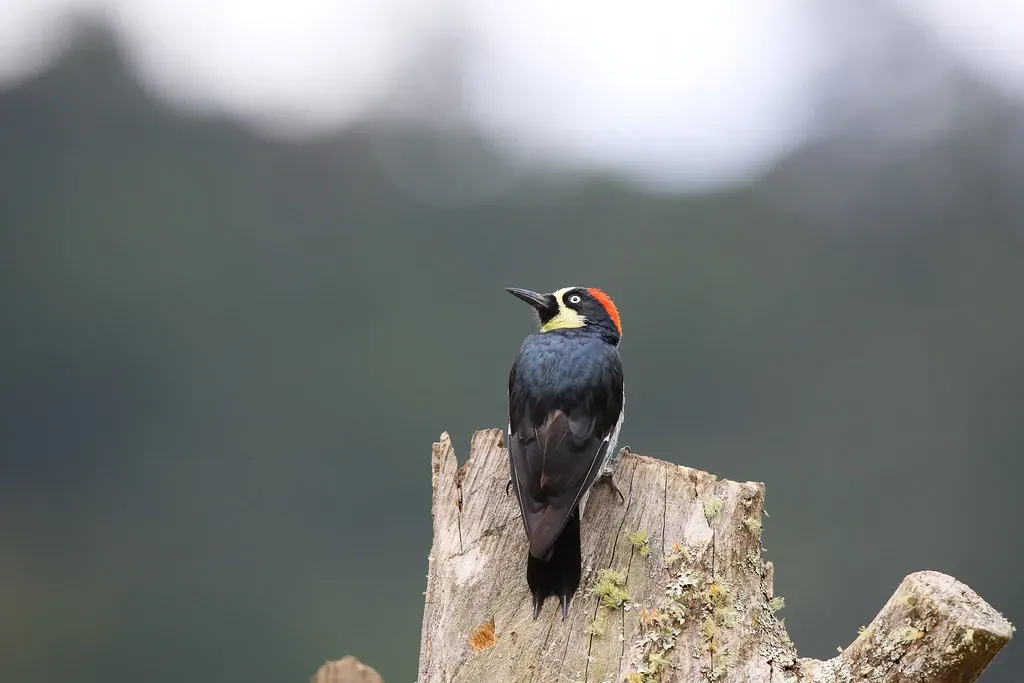
If woodpeckers had a “most eccentric” award, the Acorn Woodpecker would win it every year. These quirky woodpeckers love to stockpile nuts, including acorns, in small holes drilled into tree trunks. Think of them as the ultimate preppers of the bird world. Acorn Woodpeckers are beautiful birds with a clown-like black and white face and a red patch on their head, with a black back, white rump, and black chest patch.
Acorn Woodpeckers feature the most unique bonding habits of North American woodpecker species. While most North American woodpeckers stick with one mate at a time, Acorn Woodpeckers of the West Coast and Southwest live in colonies. They are solitary compared to most woodpeckers – except for the Acorn Woodpecker, which has an advanced social order and lives in groups of 10 to 16 birds. Watching a colony work together around a single “granary tree” loaded with thousands of stored acorns is nothing short of astonishing.
A Final Thought Worth Tapping Out
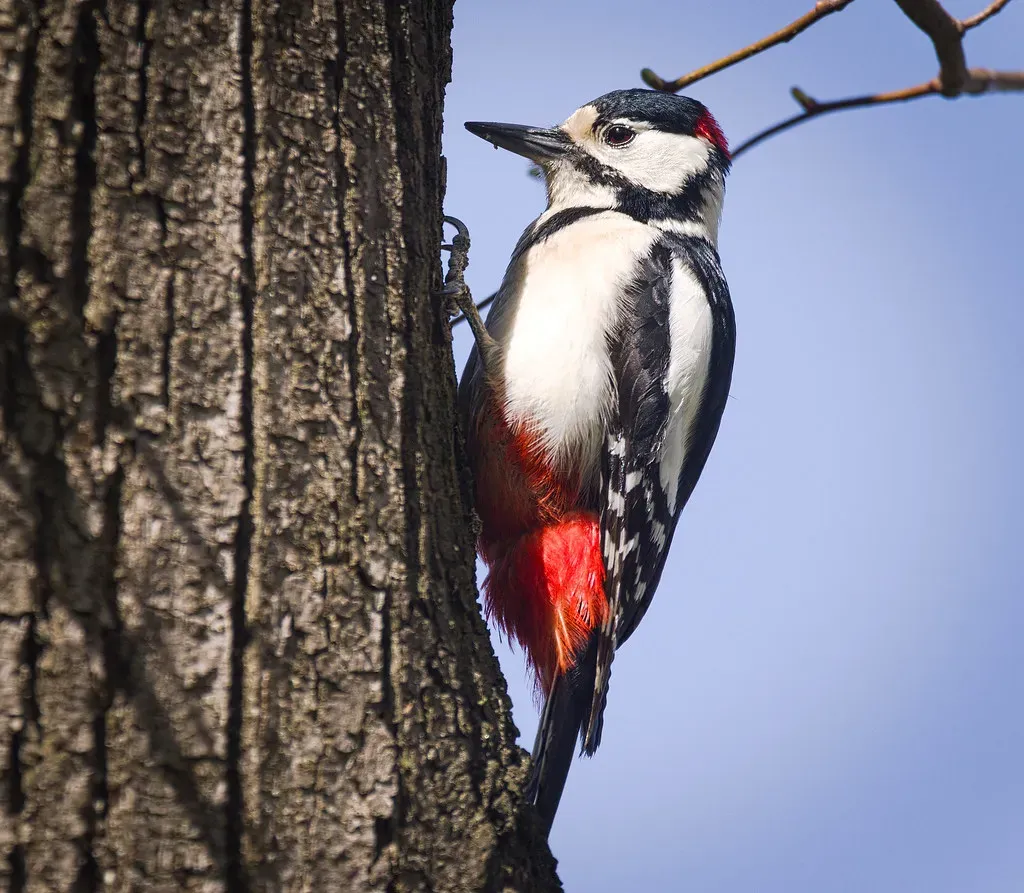
Woodpeckers are more than just the birds making noise outside your window on a quiet morning. The holes woodpeckers leave behind in trees become homes to small mammals after the woodpecker moves on. Woodpeckers also help balance the food chain as they act as both prey and predator, providing food to larger animals while regulating the insects they feed on. They are, in every sense, architects of the forest.
From the tiny Downy at your backyard feeder to the magnificent Pileated thundering through old-growth forest, these eight species offer birders a full spectrum of discovery. Each one rewards patience and attention with something genuinely unforgettable. So the next time you hear that rhythmic knock against a distant tree, don’t just walk past. Stop. Look up. You might be about to meet your new favorite bird.
Which of these woodpeckers have you spotted in the wild? Tell us in the comments – we’d love to know which one surprised you most.

- 6 Exotic Bird Species You Can Spot in U.S. National Parks - July 19, 2026
- 11 Iconic American Birds Facing New Challenges and How You Can Help - July 19, 2026
- 10 Friendliest Animals in the World - July 19, 2026