

Most homeowners don’t think about termites until it’s too late. By the time you notice a sagging floor or a crumbling door frame, those silent, relentless insects may have already been dining on your home’s structural wood for years. It’s a haunting thought, honestly. Termites are among the most financially devastating pests any property owner can face, quietly dismantling a home from the inside out with zero drama and zero noise that’s easy to catch.
Termites can often live on your property or inside your home for an extended period of time before being detected. Whether it’s drywood termites, which burrow deep within wooden structures, or subterranean termites, which are primarily found underground, these discreet intruders can be tough to discover before significant damage has already been done. The good news? They almost always leave clues. You just have to know what to look for. Let’s dive in.
Sign #1: Mud Tubes Along Your Foundation Walls
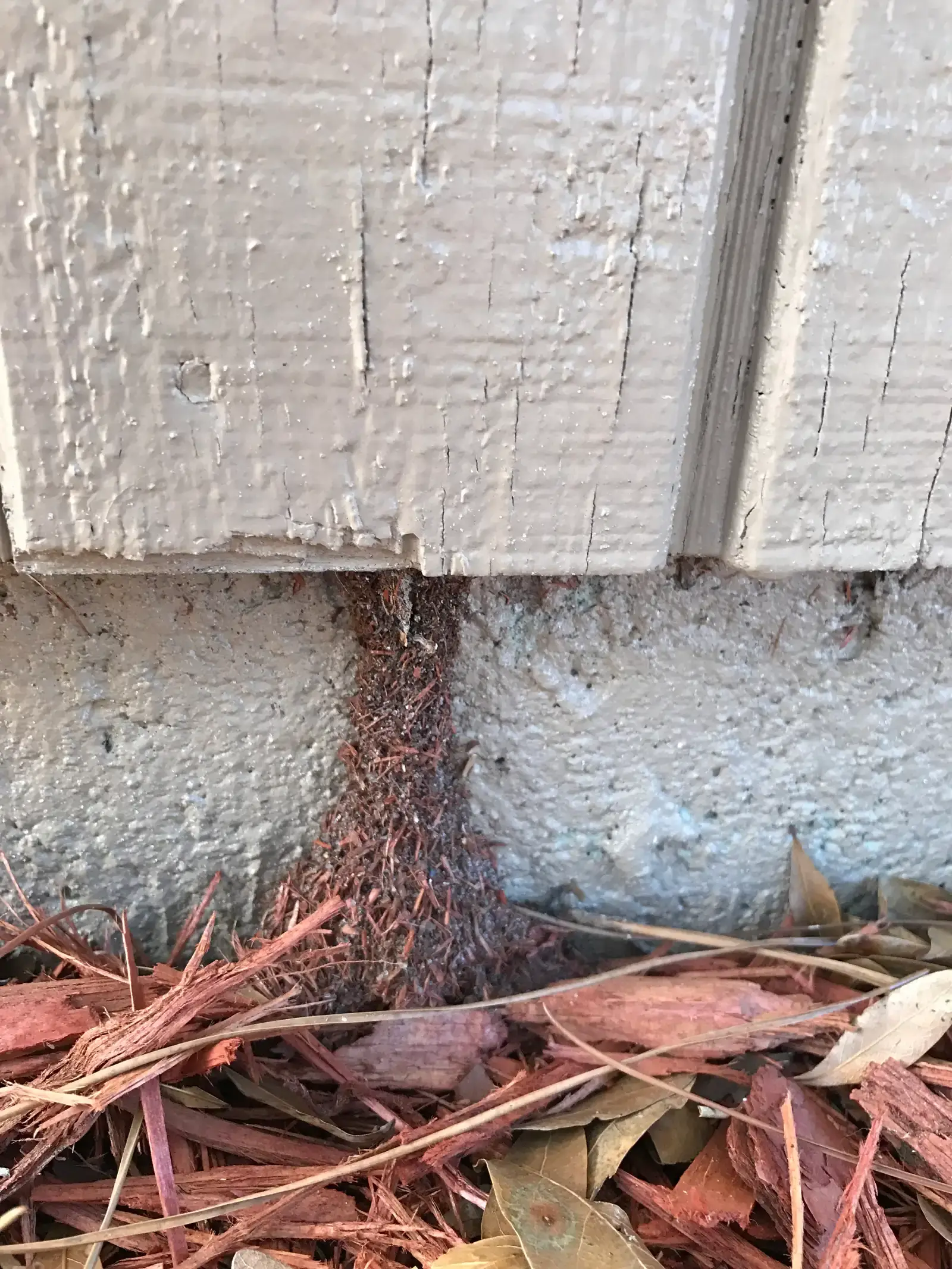
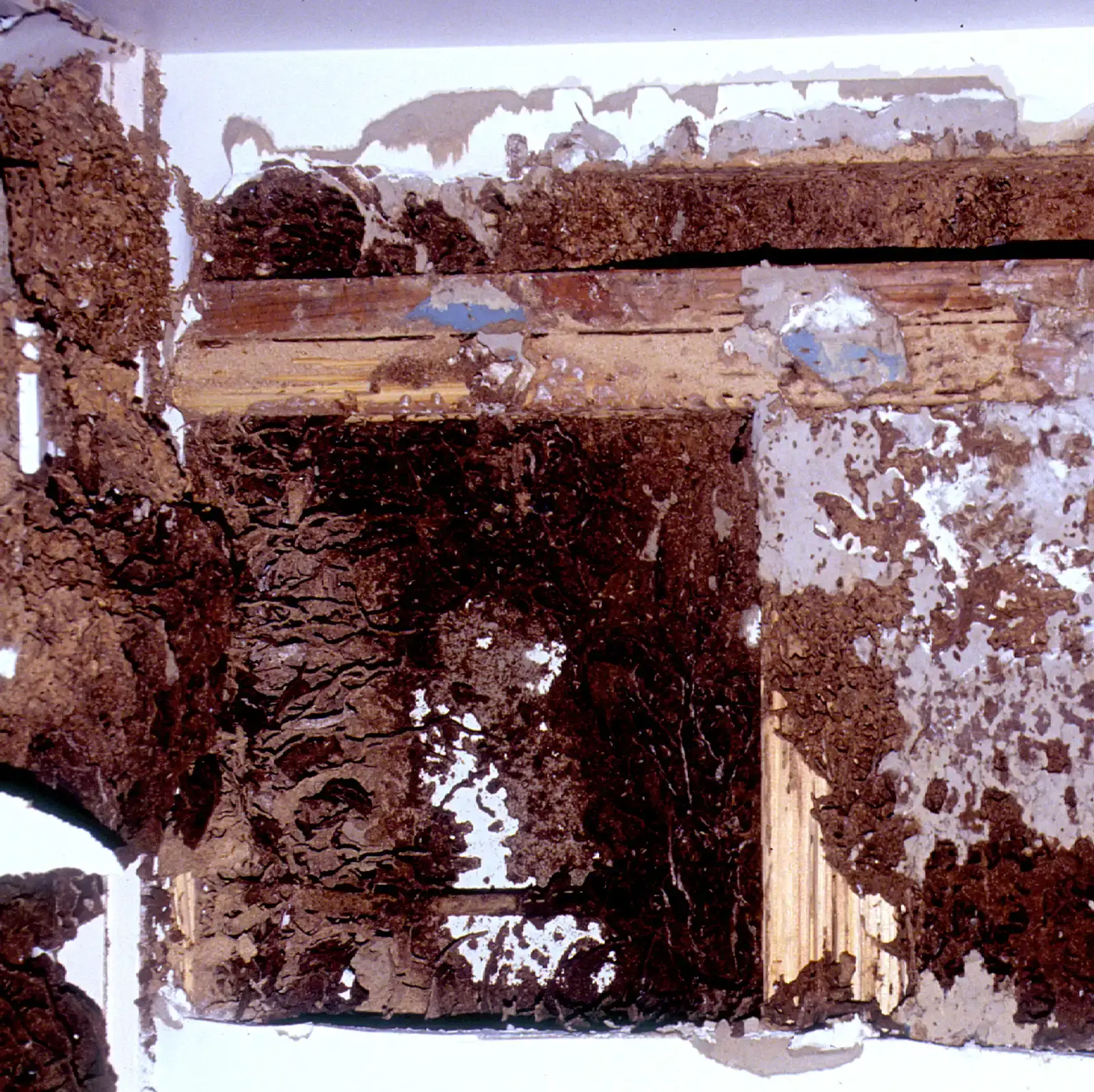
Picture this. You’re doing a casual walk around your house and you notice thin, brownish veins of what looks like dried mud snaking up your foundation wall. Most people dismiss it. Big mistake. Subterranean termites need moisture to survive, so they build sheltered tunnels made of dirt and saliva to travel between the soil and your home. What to look for are brown, pencil-width veins running up your foundation, slab, or crawl space walls.
Subterranean termites build mud tubes, also known as shelter tubes, to serve as bridges between their colony and the wood they consume. These tubes are made of tiny pieces of soil, wood, and debris, and are used to protect the colony from predators and conserve moisture. Here’s the thing – even a single mud tube is enough cause for concern. Even a single tube signals active termite movement. When left alone, these pathways allow a termite colony to expand deeper into wooden structures.
Sign #2: Discarded Wings Near Windows and Doors
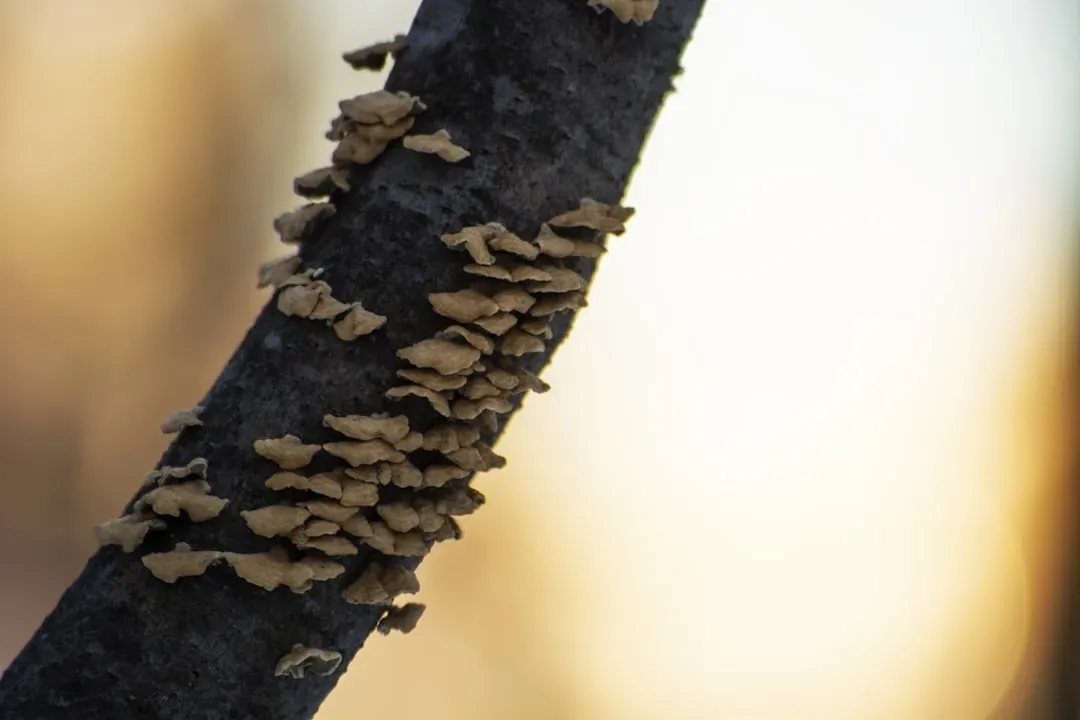
Here’s something that surprises a lot of people. Those small, translucent wings you find scattered on your windowsill or near your door frame aren’t just some random insect mess. They’re one of the clearest early warnings a termite colony sends. Discarded termite wings can be found near closed windows, doors, and other home-access points. Termites fly toward the windows as they are attracted to the light from outside. They intentionally twist their wings off when they land because they won’t need them again. You may notice piles of these discarded wings, but that doesn’t mean the termites are dead – they may be busy trying to build a new colony nearby.
Swarmers are often the first visible sign of termites. These winged termites emerge in large groups, leaving their nests to mate and establish new colonies, potentially in or near your home. Think of it like a neighborhood expansion plan. The colony is thriving, it’s growing, and it’s sending out scouts to find new real estate. That new real estate might just be your walls. Finding termite swarmers inside a building is a sure sign the building has an active termite infestation and needs to be professionally treated.
Sign #3: Hollow-Sounding or Blistering Wood
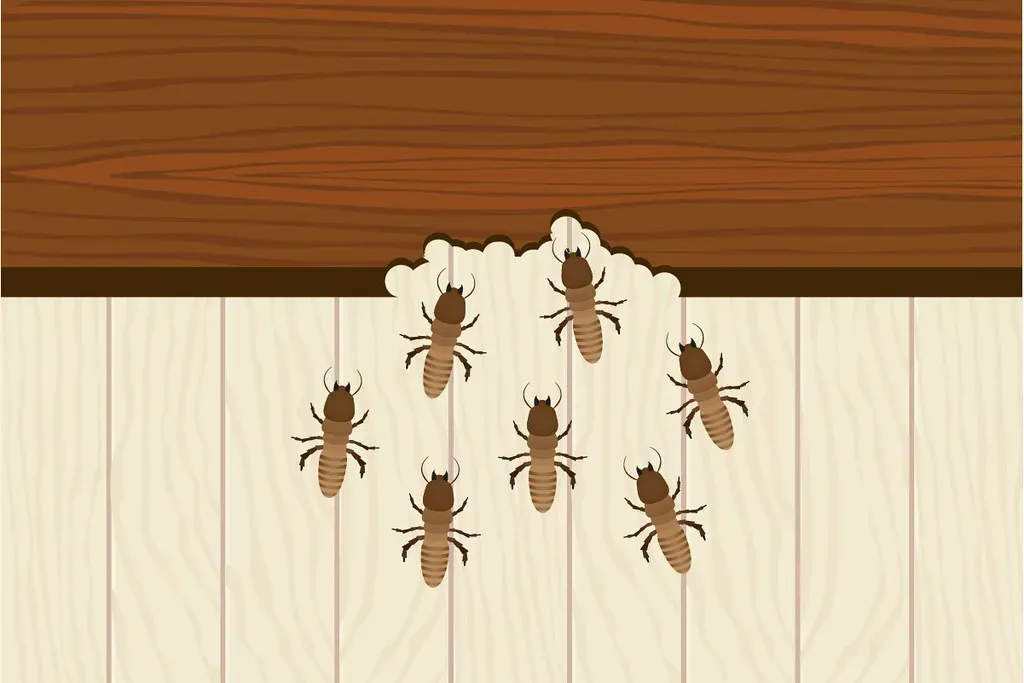
Knock on your wood trim, floor, or door frame. Does it sound solid? It should. If it sounds oddly hollow or papery, like knocking on an empty cardboard box, that should set off alarm bells immediately. Blistering or hollow-sounding wood is a common sign of termites, as they eat wood from the inside out, leaving only a thin outer layer. Tapping on damaged areas may produce a hollow or papery sound. This is because part or all of the timber inside has been eaten away.
Uneven or bubbling paint is often a sign of moisture build-up, which could mean one of two things: water damage or termites. What’s tricky is that this kind of surface damage can look almost identical to simple humidity effects. Sometimes they do this without disturbing the thin coat of paint or wallpaper on the surface, which makes this type of damage difficult to detect unless the paint or wallpaper is removed. That’s why people are more likely to discover termite damage during home repairs and renovations. Don’t wait for a renovation to find out the hard way.
Sign #4: Frass, the Telltale Termite Droppings
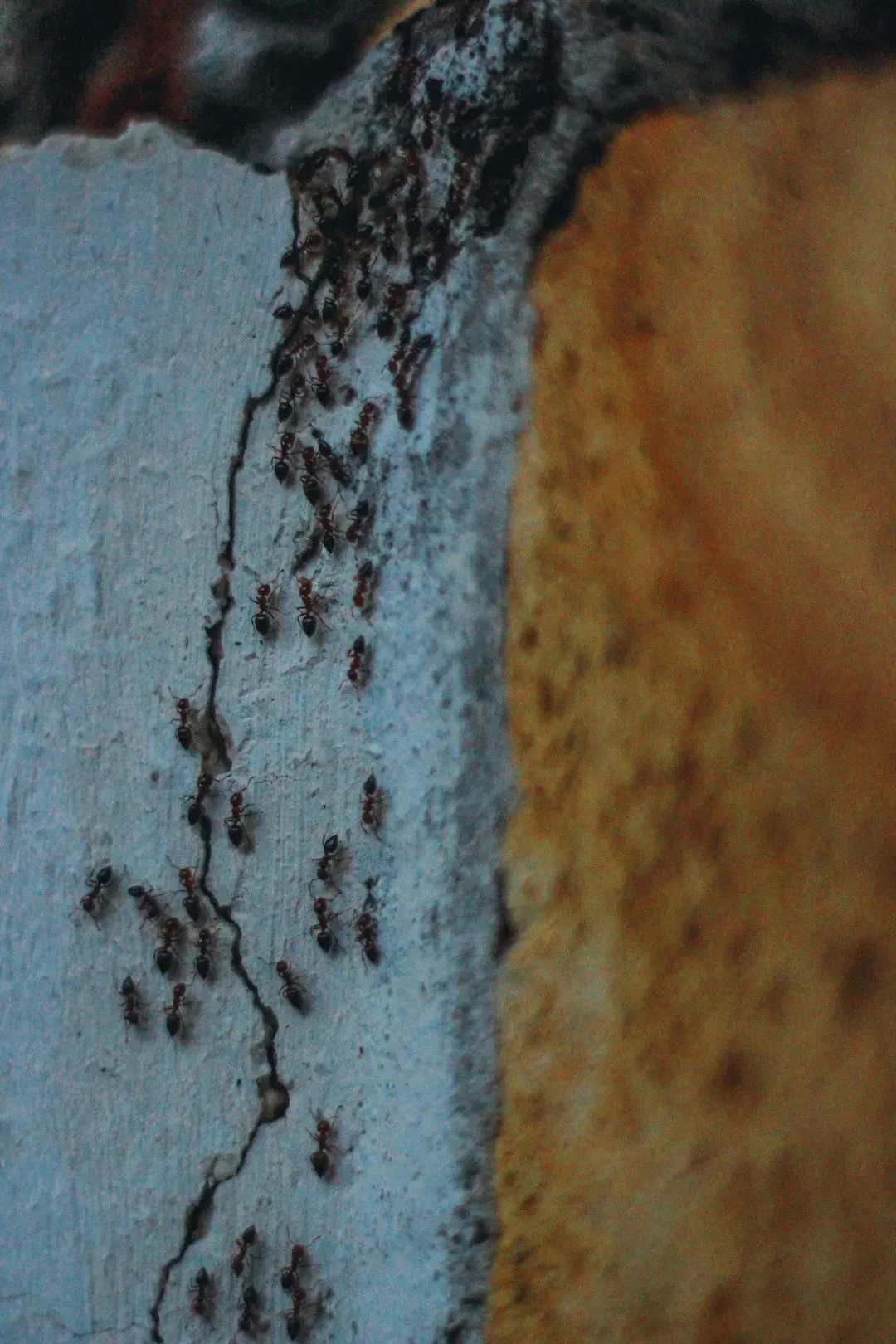
If you’ve ever stumbled across a small pile of what looked like sawdust or fine coffee grounds near your baseboards or on your window ledge, don’t brush it off as construction dust. Worker termites regularly collect feces, called “frass,” in the colony and push them out of “kick-out holes,” which are similar to a trash chute in a large apartment building. Because this waste is collected and dropped out of a small hole regularly, you might find small piles of what looks like sawdust or coffee grounds around your property, especially inside of structures where the pellets aren’t disturbed by wind and rain.
Termite droppings or frass are a tell-tale sign of a termite infestation. Drywood termites nest inside of wood. As they create tunnels and eat the wood they are infesting, termites discard the droppings, creating mounds of pellets. Most frass are very small, about one millimeter long, and can look like sawdust or wood shavings. It’s worth noting that this sign is particularly telling in Florida, where the West Indian drywood termite species is known for leaving behind small piles of frass, droppings that look like sawdust or sand, near infested areas. Florida’s diverse termite species make frass identification a critical skill for any homeowner in the Sunshine State.
Sign #5: Stuck Windows, Warped Doors, and the Florida Scrub Connection

A door that suddenly won’t close properly. A window that was fine last month but now feels stiff and jammed. Most homeowners blame the humid Florida air, and honestly, that’s an understandable first guess. When the termites eat through the wood in search of cellulose, they cause damage to the wood, causing it to buckle or warp. This damage can make opening and closing your doors and windows difficult. Stuck windows and doors that won’t fully close could be early warning signs of a termite infestation.
This sign is especially important to watch for in and around areas bordering Florida’s unique natural landscapes. The Florida scrub habitat, also known as a scrub ecosystem or xeric oak scrub, is a unique and specialized type of ecosystem found primarily in Florida. Florida scrub habitats are considered one of the rarest and most endangered ecosystems in the state due to urban development, agriculture, and other human activities that have led to their fragmentation and decline. Homes built near or encroaching on these ecosystems face a compounded risk. The Florida scrub is found on coastal and inland sand ridges and is characterized by an evergreen xeromorphic plant community dominated by shrubs and dwarf oaks. Because the low-nutrient sandy soils do not retain moisture, the ecosystem is effectively an arid one. Ironically, while the sandy, dry conditions of the Florida scrub seem hostile to moisture-loving termites, subterranean termites are found throughout the entire state of Florida, from coastal communities to inland cities. The combination of warm temperatures, sandy soil, and consistent moisture creates ideal conditions for colonies to thrive year-round. Homes adjacent to these natural areas often sit on soil that already harbors thriving underground colonies.
Conclusion: Don’t Wait for the Damage to Speak for Itself
Termites are remarkably patient. They don’t rush. They work around the clock, every day, and they don’t need a break. Termites in the United States cost property owners over five billion dollars each year, which is more than all natural disasters combined. That number should make every homeowner stop and think. The five signs above – mud tubes, discarded wings, hollow wood, frass piles, and warping doors – are not random coincidences. Each one is a message.
I think the most dangerous thing a homeowner can do is rationalize these signs away. It’s just humidity. It’s just dust. It’s just the house settling. Termites count on exactly that kind of thinking. Termite infestations can compromise the structural stability of a home and cause thousands of dollars in damage without anyone even knowing. It’s important to get a termite inspection done by a licensed pest professional every one to three years to keep the property safe. Catching the problem early is the difference between a manageable treatment and a devastating repair bill.
Stay curious about your home. Look at the foundation when you walk past it. Knock on that wooden trim once in a while. A few seconds of attention today could save you thousands of dollars tomorrow. Have you checked your foundation lately? What would you have found?
