
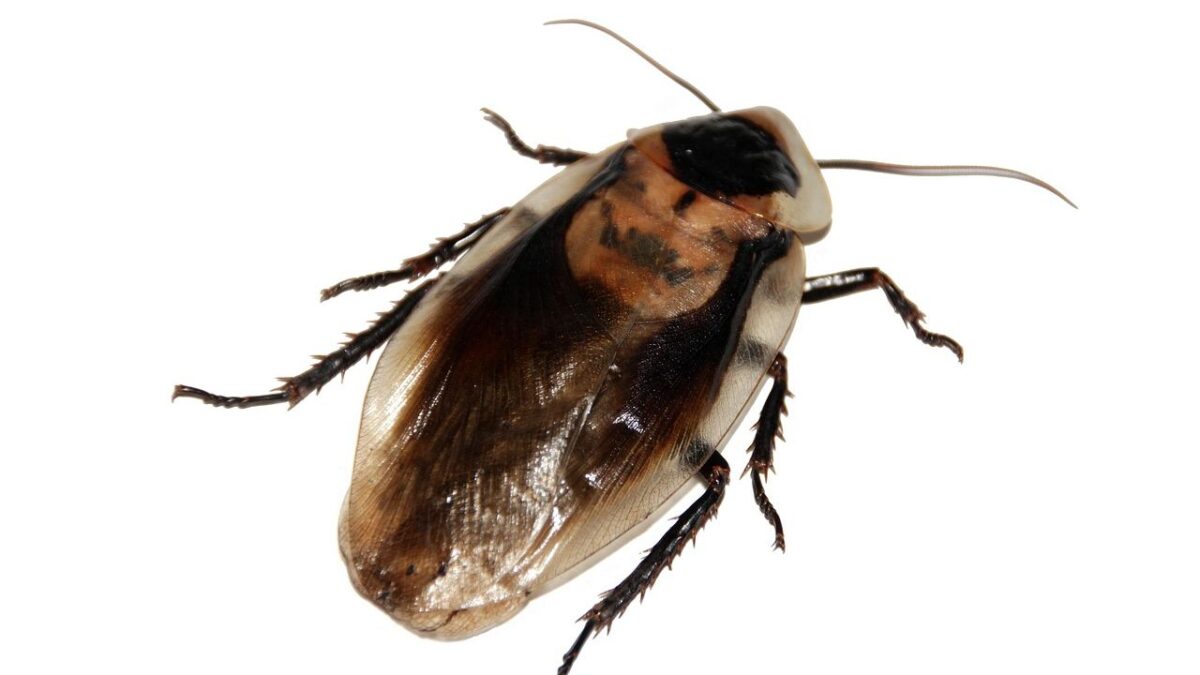
Picture this: tiny beasts shrugging off the vacuum of space, boiling temperatures, or even a nuclear blast. These aren’t superheroes from comics. They’re real animals pushing the limits of survival in ways that make us question what’s possible.
From microscopic marvels to everyday pests turned legends, their tricks reveal nature’s wild ingenuity. Ready to meet the ultimate survivors? Let’s dive in.[1]
Tardigrade: The Ultimate Space Survivor
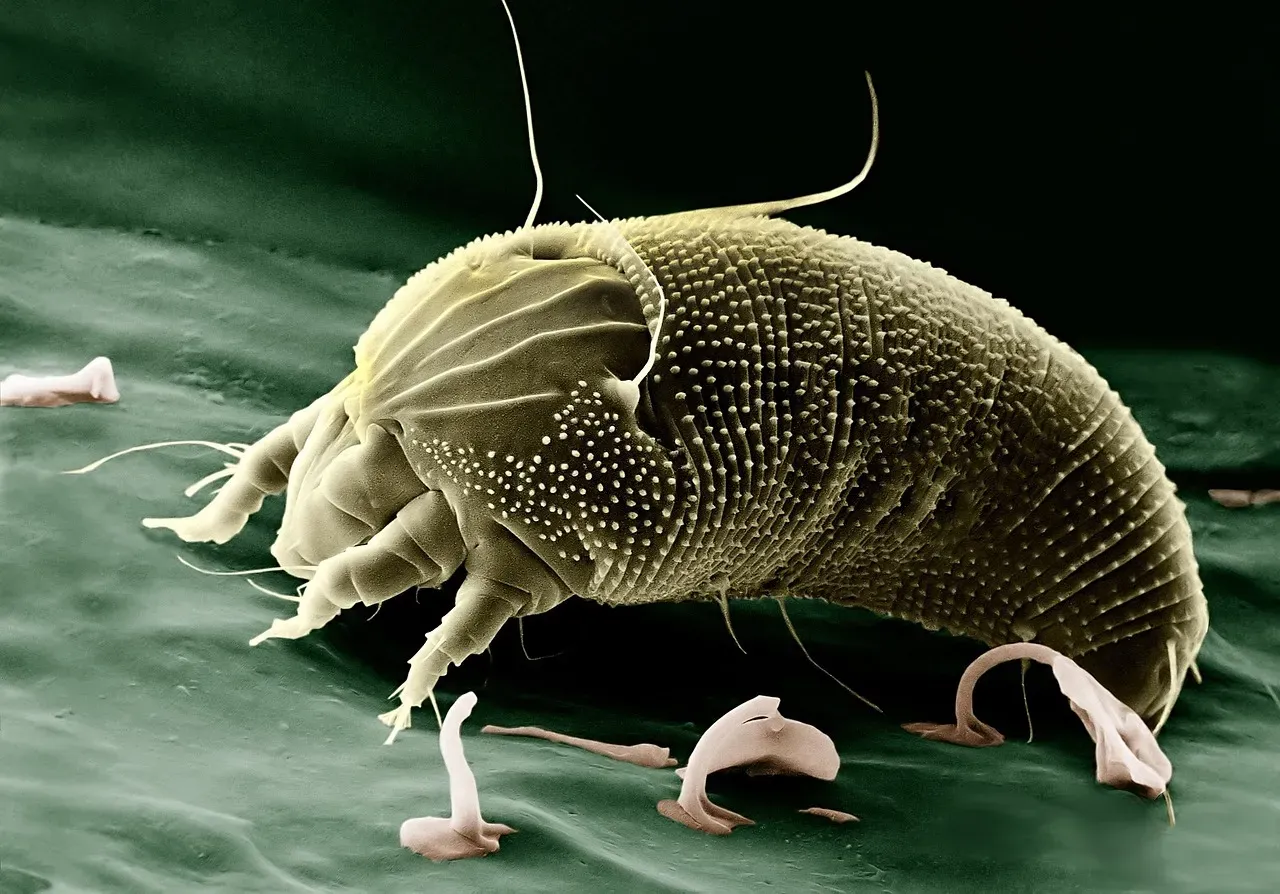
Imagine a creature no bigger than a speck of dust enduring the cold void of space for days. Tardigrades, those pudgy eight-legged wonders, did just that during a 2007 space mission. They curled into a tun state, dehydrating to near dryness while shielding their DNA.[1]
These water bears handle temperatures from near absolute zero to over 150 degrees Celsius. Radiation a thousand times deadlier than what kills humans? No problem. Honestly, if apocalypse hits, I’d bet on them outlasting us all.[2]
Cockroach: Thrives After Nuclear Fallout
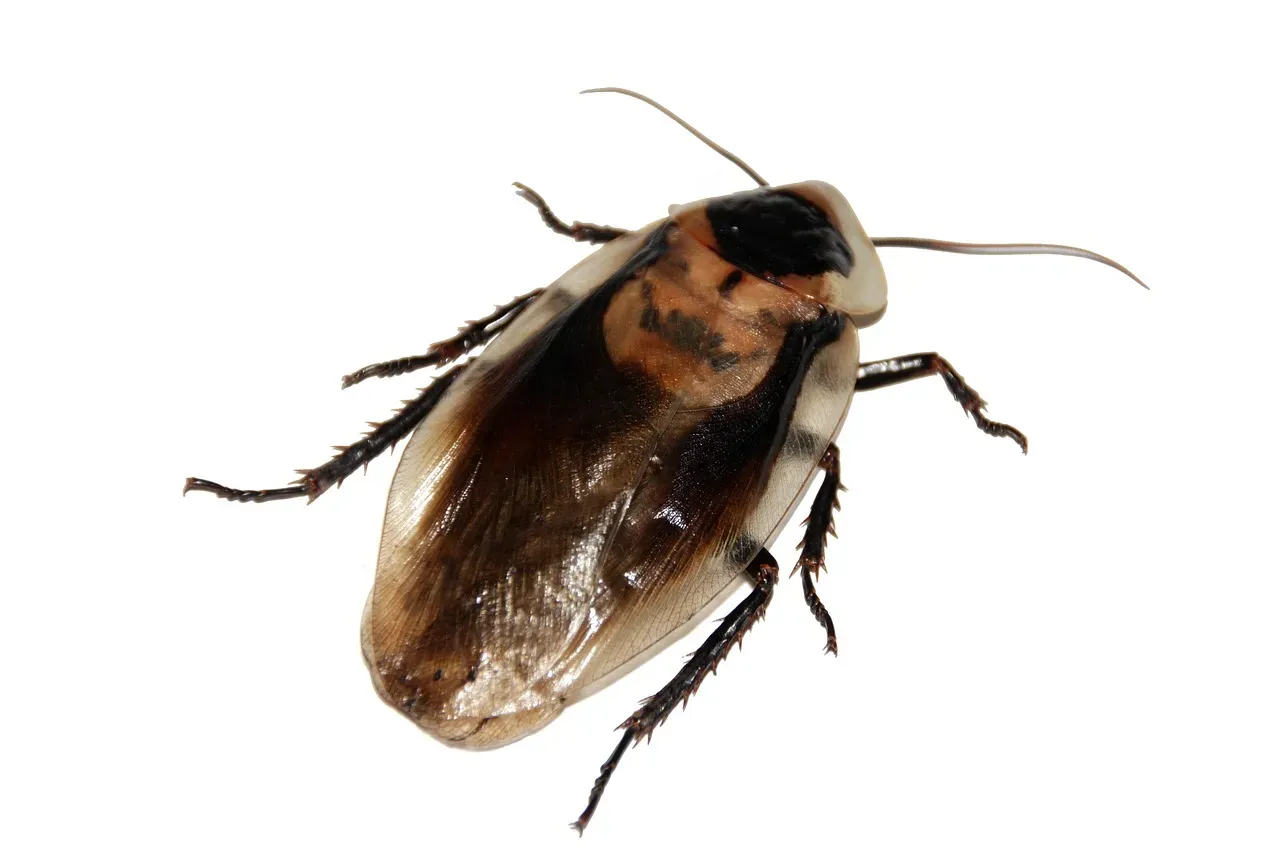
Cockroaches crawled from Hiroshima’s ruins, sparking myths of their invincibility. They endure radiation doses ten times higher than humans, thanks to efficient DNA repair. Without food, they last a month; headless, even a week before bleeding out.[1]
These scavengers munch glue, feces, or hair without batting an eye. Their speed hits 90 body lengths per second, like a human sprinting 200 mph. Let’s be real, they’re the pests we can’t shake for a reason.
Turritopsis dohrnii: The Immortal Jellyfish
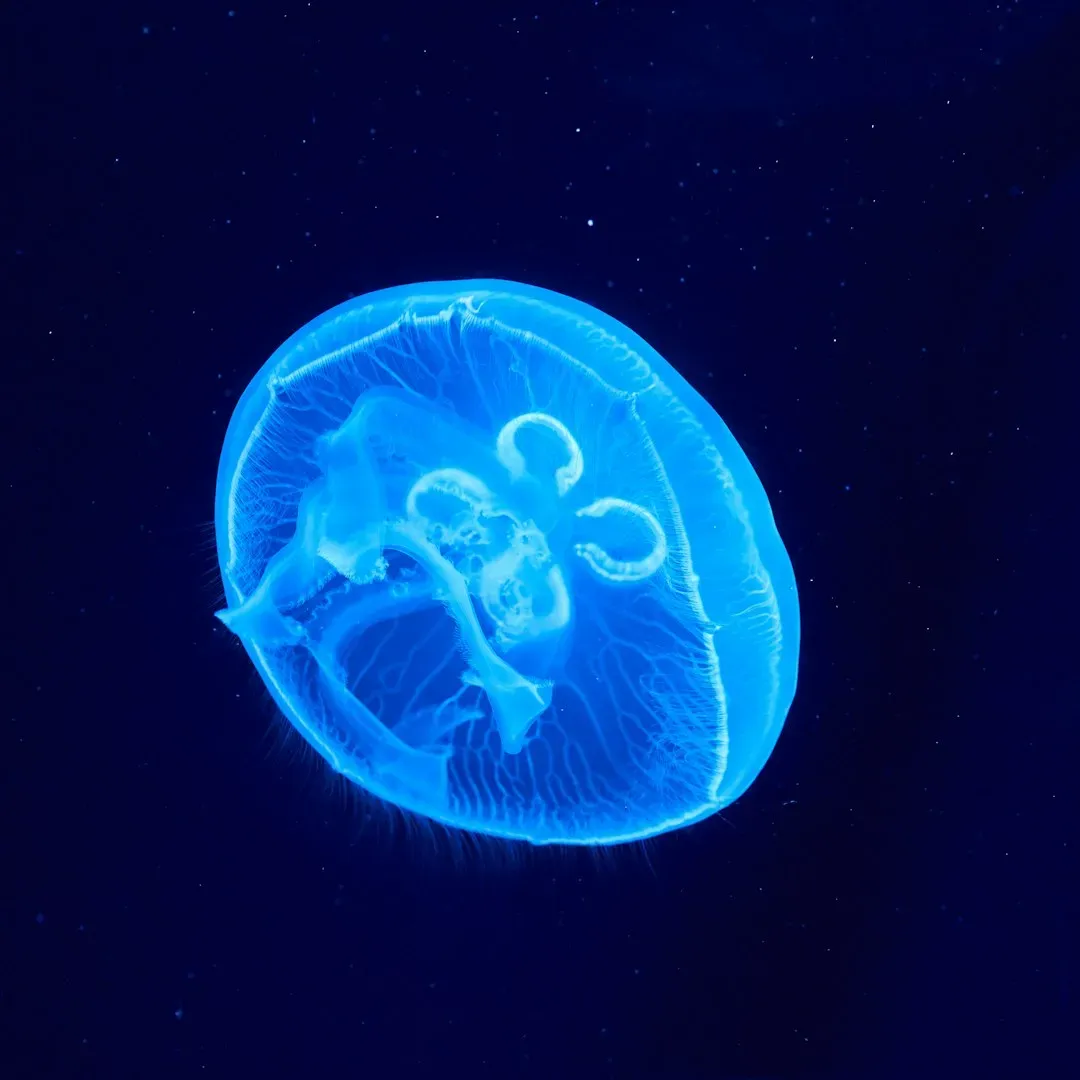
What if death was just a pit stop? This tiny jellyfish cheats it by reverting to its juvenile polyp stage after maturing. Stress or injury triggers the process, restarting its life cycle indefinitely.[1]
At five millimeters wide, it dodges predators and old age alike. Discovered relatively recently, it hints at biological immortality in the ocean’s depths. I know it sounds like sci-fi, but science backs it up.
Populations spread globally now, adapting quietly.
Planarian Flatworm: Regrows from a Sliver
Cut a planarian into 279 pieces, and each scrap regrows a full worm. Stem cells migrate to wounds, rebuilding heads, tails, even brains in weeks. Freshwater dwellers use asexual splitting too for rapid reproduction.[1]
This regeneration rivals comic book heroes. They thrive in varied waters, outpacing damage from predators or mishaps. Nature packed them with survival hacks we can only envy.
Bdelloid Rotifer: Revives After Millennia Frozen
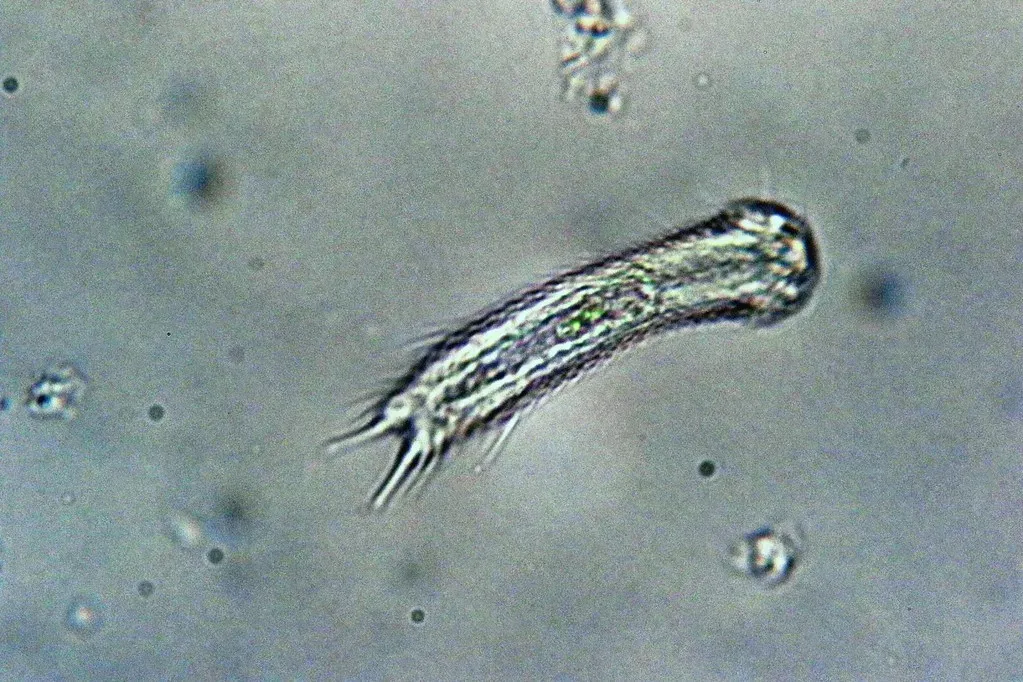
Frozen in Siberian permafrost for 24,000 years, a bdelloid rotifer thawed and swam again. These all-female micro-animals resist desiccation, radiation up to 1,000 times human limits, and extreme cold. They steal genes from other organisms for quick adaptations.[3]00624-2)[4]
Tiny rotors with wheels for feeding, they dominate unstable habitats like moss. No males in 40 million years? That’s resilience redefined. Their comeback story blows my mind every time.
Hydra: The Ageless Regenerator
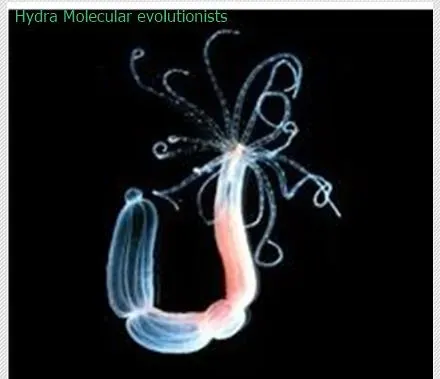
Hydras never seem to age, constantly renewing every cell every 20 days. This freshwater polyp regrows lost heads or bodies effortlessly, defying senescence. Stem cells keep them youthful indefinitely in labs.[5]
Simple tube-shaped bodies hide complex immortality tricks. They challenge our ideas of life’s limits. Though small, their endurance inspires big questions about forever.
These six prove life’s tenacity knows no bounds. From space to ice ages, they endure where others crumble. What extreme would you survive? Share your thoughts below.[6]
