
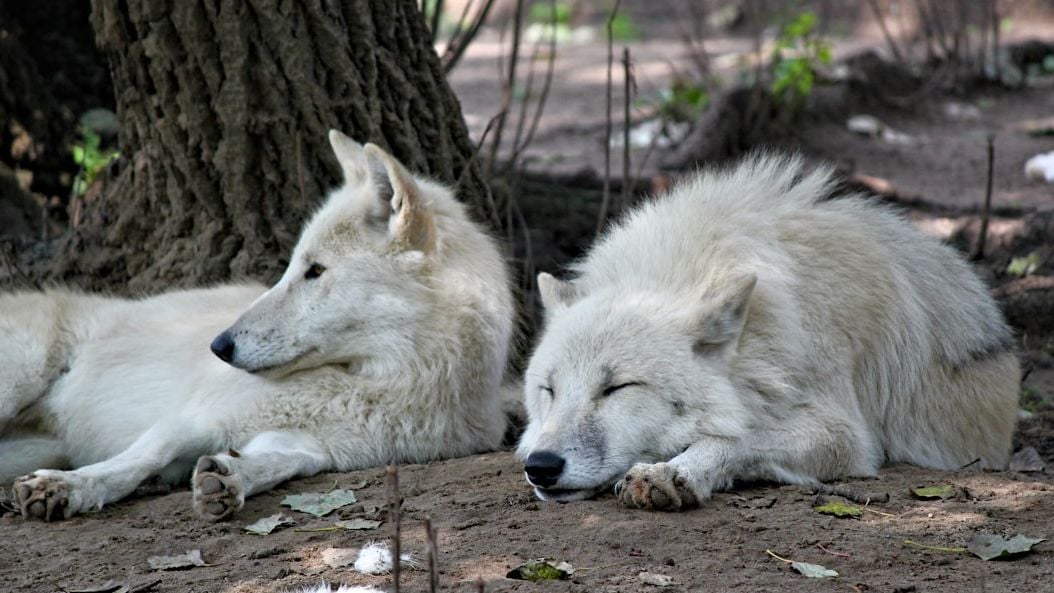
There is something about a wolf that stops you in your tracks. Maybe it’s the howl echoing across a frozen valley, or the image of a pair standing side by side on a ridge, surveying their territory like they own the world. Wolves have long been loaded with symbolic meaning in human culture. Loyalty. Ferocity. Family.
Yet for all that symbolism, most people get the reality of wolf family life surprisingly wrong. The truth is richer, stranger, and honestly more moving than the myths suggest. So let’s dive in.
The Family Unit: Not a Gang, But a Home
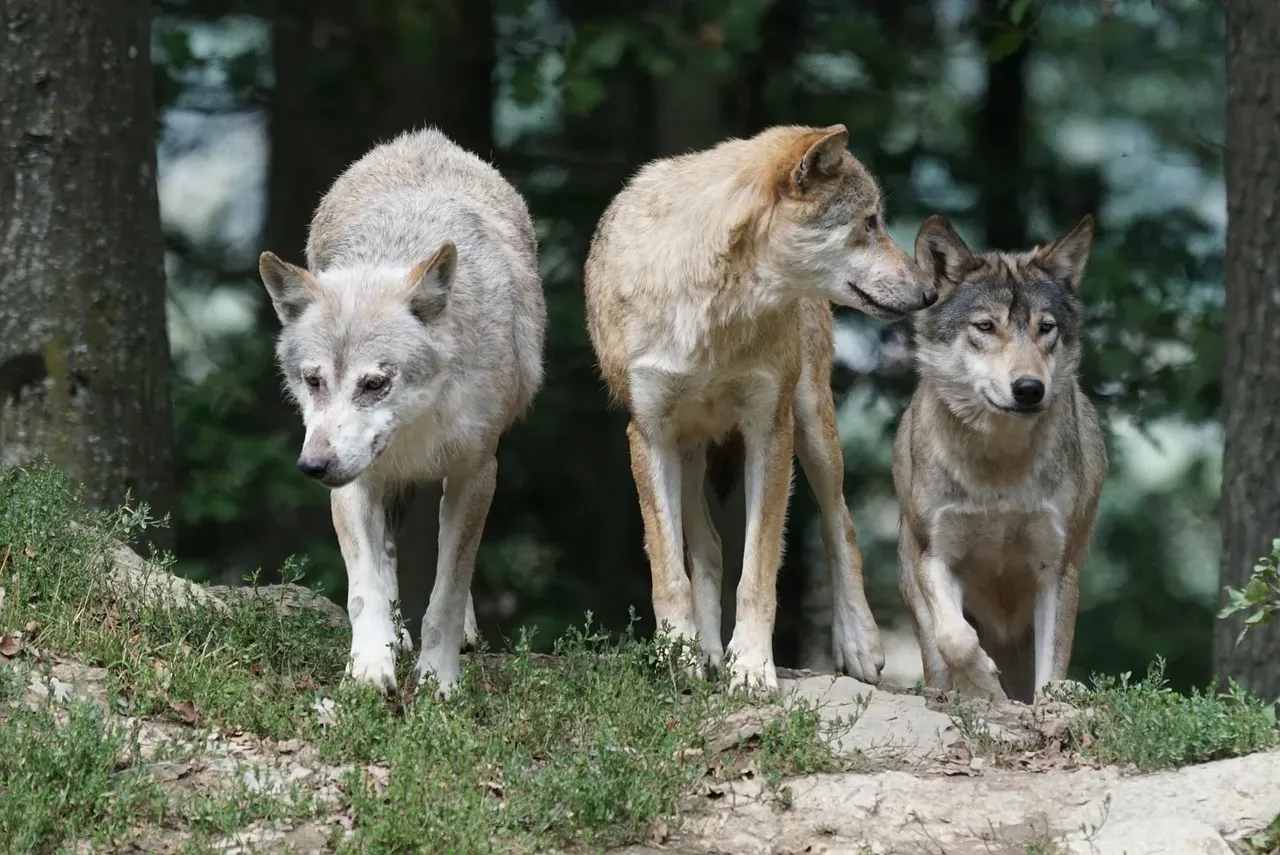
Let’s be real – the popular image of a wolf pack as a violent hierarchy of strangers battling for dominance is simply outdated. The foundational unit of a wild wolf pack is a cohesive nuclear family, not a group of unrelated individuals competing for dominance. This modern understanding corrects the long-held “alpha wolf” concept, which originated from observing unrelated wolves confined in captivity.
Think of it this way: a wolf pack is less like a military unit and more like a household on a Sunday morning. In the wild, a pack typically consists of a breeding male and female – the parents – and their offspring from the current year and previous years.
In the wild, the breeding pair are the parents, the matriarch and patriarch, and the rest of the pack consists primarily of their offspring from previous years. The relationship between the breeding male and female is defined by cooperation rather than constant dominance contests, which are rare in natural, family-based packs.
Research by leading wolf biologists like L. David Mech has shown that wolf packs operate more like human families, with parents guiding their young. That is a profound reframing. It changes everything about how we interpret their behavior.
Serial Monogamy: The Science Behind the Bond
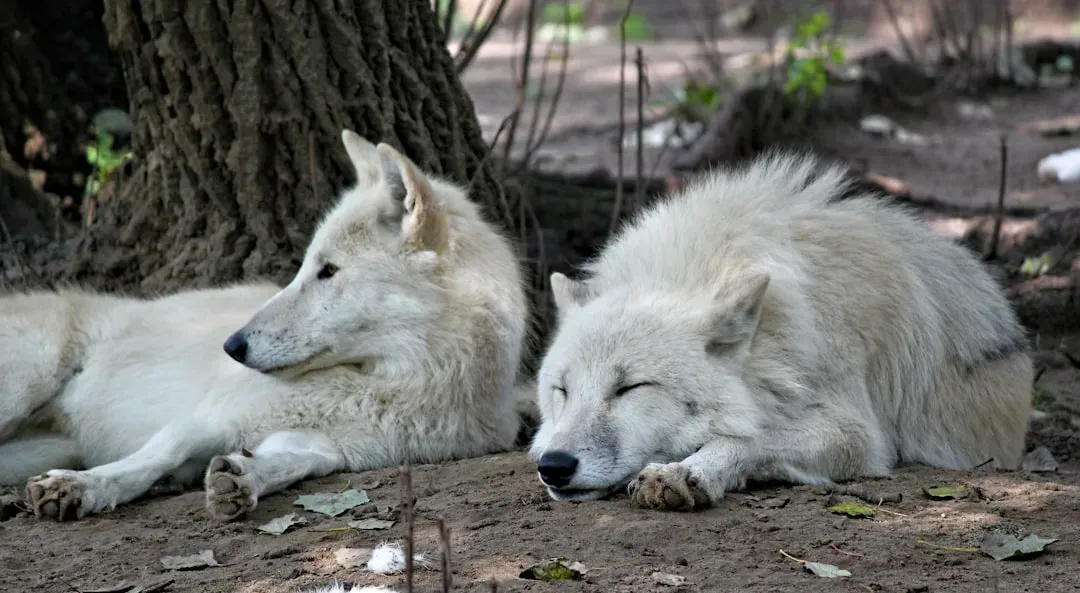
Here’s the thing about wolf fidelity – it’s real, it’s powerful, and it’s also genuinely complicated. Wolves form deep, long-lasting pair bonds, but the more precise term for their behavior is serial monogamy. This means a wolf typically remains with one partner for consecutive breeding seasons, often until one dies.
If a breeding opportunity is lost, or if death occurs, the surviving wolf rapidly establishes a new, equally strong pair bond. They are loyal to the stable pack structure and the necessity of the pairing, showcasing loyalty that is strategic rather than purely romantic.
I think this is actually more impressive than simple lifelong devotion. The wolves are not blindly loyal to a single individual above all else. They are loyal to the idea of the family itself. This pairing mechanism is an adaptation that ensures reproductive success and stability for the family unit. Successfully raising a litter of pups demands the cooperative effort of two dedicated adults. Maintaining an existing successful bond is the most effective strategy for passing on genes, as finding a new partner is a high-risk, energy-intensive endeavor.
The Neurochemistry of Connection: Love on a Molecular Level
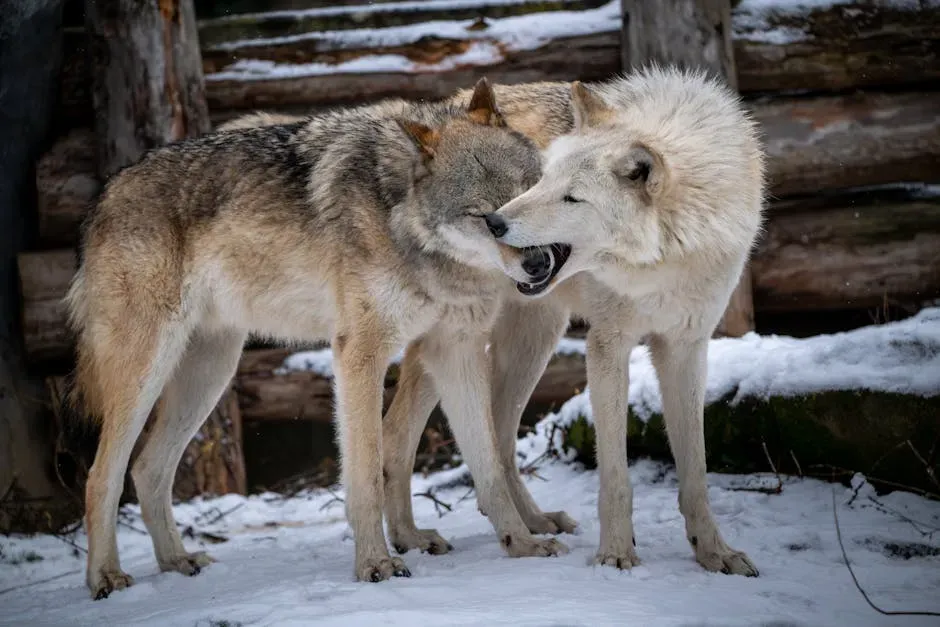
It might sound surprising, but wolf devotion actually has a chemistry to it. Literally. The underlying mechanism for the wolf’s social attachments and pair-bonding is regulated by specific neurochemicals. The neuropeptides oxytocin and vasopressin promote affiliation and create long-lasting bonds in wolves. These chemicals act within the brain’s reward centers, making social contact and caregiving behaviors inherently rewarding.
Oxytocin is important for parent-offspring attachment and facilitates pup survival. Vasopressin is linked to pair-bonding, territoriality, and mate-guarding, strengthening the breeding pair’s monogamous relationship. This chemical infrastructure ensures the parents remain bonded and motivated to protect the pack’s resources.
Honestly, we humans tend to think of love and loyalty as uniquely our domain. Wolves quietly challenge that assumption on a neurological level. The same bonding chemicals that make a human parent rush to their child’s side are working in a wolf den buried under a Montana snowdrift. That shared biology is humbling, to say the least.
Caring for the Vulnerable: Where Loyalty Becomes Action
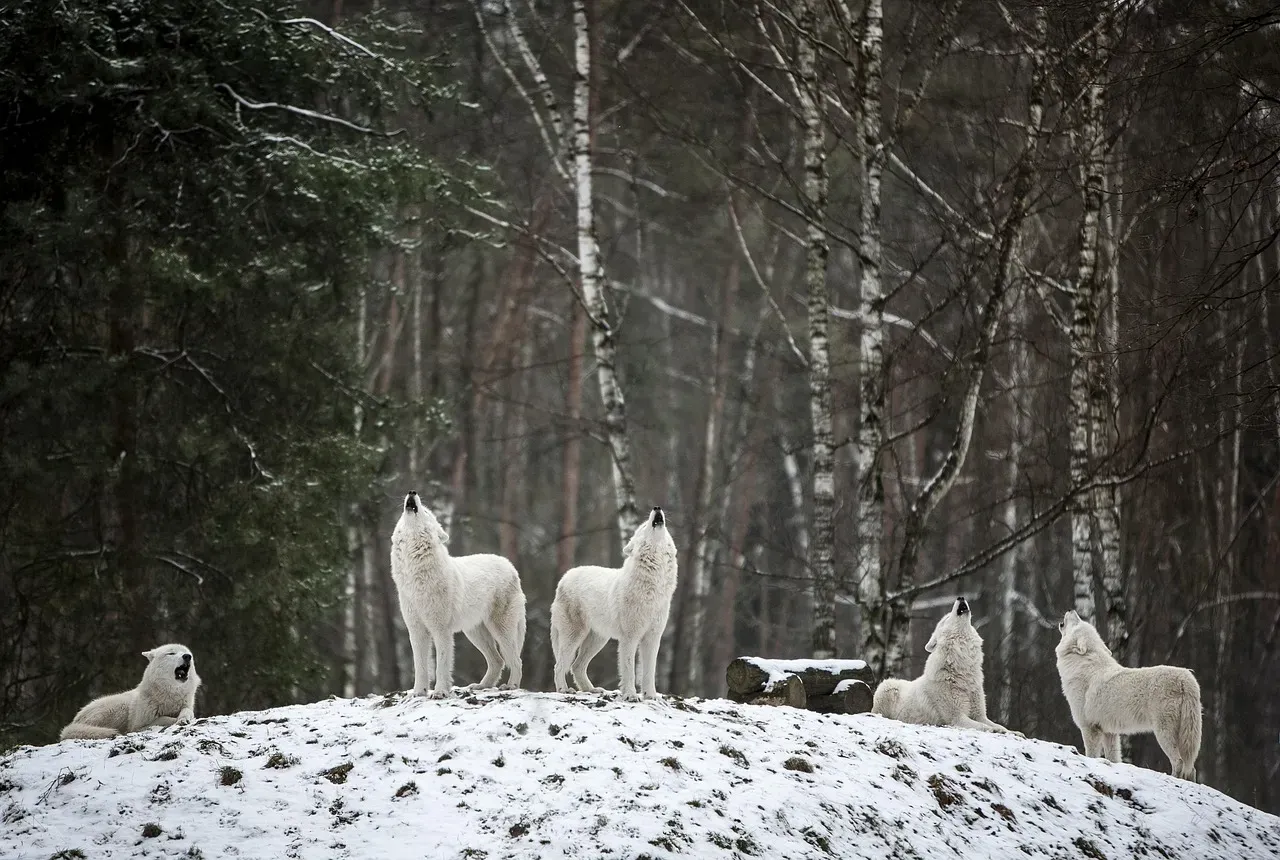
Words are easy. Loyalty, though, is proved in moments of sacrifice. And wolves pass that test in ways that would surprise most people. Wolf packs demonstrate remarkable loyalty through their attentive care for injured or ill packmates. When a wolf is injured, the pack often adjusts its traveling pace to accommodate the wounded member. Researchers have documented cases where packs bring food to injured wolves unable to participate in hunts, essentially sharing their precious resources to keep the injured member alive.
This care extends to elderly pack members as well. Unlike many species that abandon older individuals, wolf packs frequently continue to integrate aging members, allowing them to remain with the family even when they can no longer contribute significantly to hunting efforts.
This loyalty isn’t just instinct – it’s a learned behavior passed from generation to generation. Wolves teach their young the importance of sticking together, reinforcing these bonds from an early age. There’s something almost poetic about that: parents passing down the lesson of loyalty, the way a grandparent passes down a family recipe.
The breeding female is important to the pack’s social cohesion, and the male contributes significantly to provisioning the pack with food, especially when the female is denning. Other pack members, typically older siblings, engage in alloparenting duties, including guarding the pups and regurgitating food for them. This shared responsibility highlights how the initial pair bond creates a functional, multi-generational support system.
Cooperation in the Hunt and the Strength of the Whole
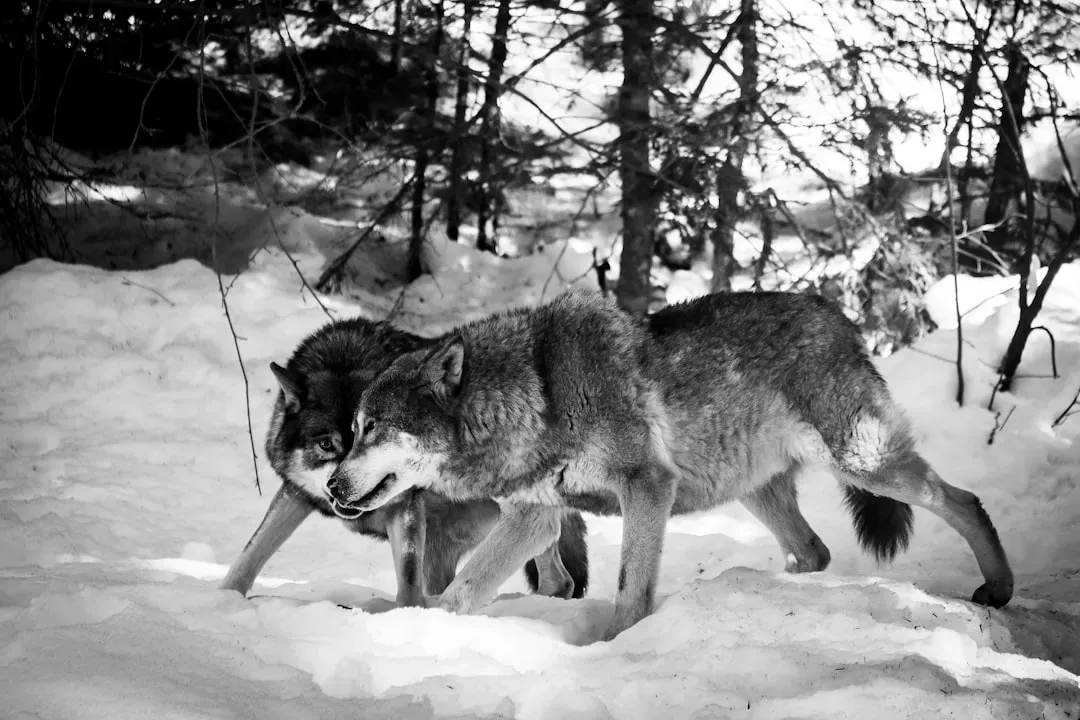
The strong bonds within a pack offer a profound evolutionary advantage, making cooperation a necessity for survival. Wolf cooperation allows the pack to successfully hunt prey much larger than any single wolf could manage, such as elk, bison, or moose. The coordinated effort of a group dramatically increases the success rate of a hunt, providing enough sustenance for all members.
Wolves communicate through body language, sounds, and even scents. A wagging tail can signal submission, while a growl might warn others to back off. Each member of the pack contributes to this complex communication network, allowing for effective collaboration.
Group cohesion is also vital for defending the pack’s territory against rival wolf packs. Territorial defense is a highly aggressive and coordinated effort that reduces the risk of injury and death for any single wolf. In other words, the loyalty is the strategy. The family bond is not a sentimental extra – it is the mechanism of survival itself.
As the offspring mature, they usually disperse from their natal pack around two years of age to find a mate and establish a new territory. This dispersal prevents inbreeding and maintains the family structure of the pack over time. It’s a kind of renewal – each departing wolf carrying the blueprint of the family bond outward, seeding new packs across the landscape.
Conclusion: What Wolves Teach Us About Belonging
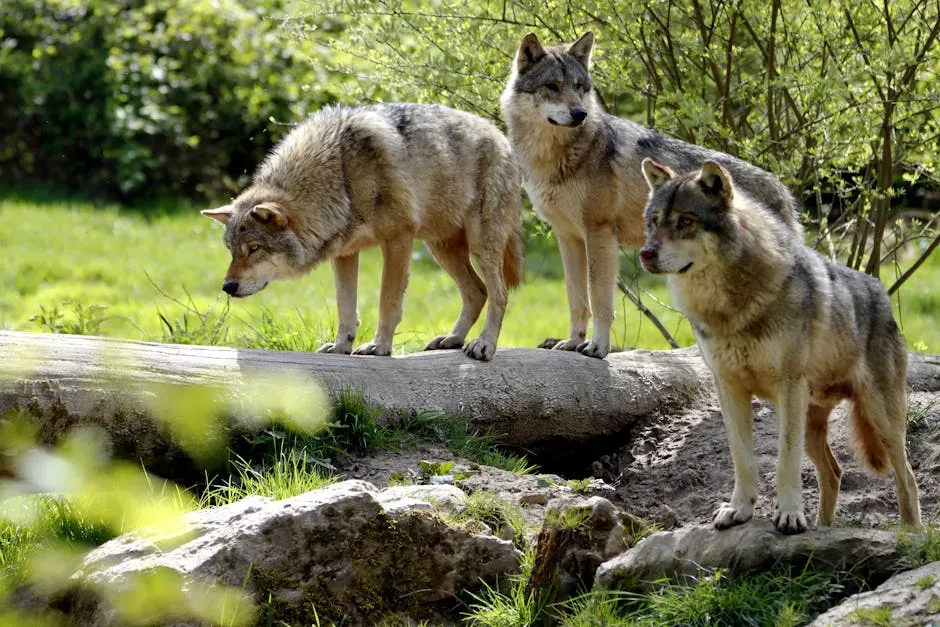
There is a reason wolves have endured as symbols of loyalty across so many cultures and centuries. Wolf loyalty represents one of nature’s most compelling social adaptations, creating family bonds that enable these predators to survive in some of Earth’s harshest environments. It is not romance for its own sake – it is commitment forged by necessity and sustained by biology.
The wolves do not romanticize their bonds. They simply live them out, hunt by hunt, season by season, pup by pup. There is something instructive about that. Real loyalty is not a feeling announced in grand gestures. It’s the quiet act of slowing your pace so the injured one can keep up.
Perhaps the most remarkable thing about wolves is not how different they are from us, but how much of what we value most in human relationships is already written into their daily lives. What does that say about where our own capacity for loyalty really comes from? Think about that one.

- 7 Signs Your Dog Thinks You're Family - July 21, 2026
- These 6 Animals Have the Most Bizarre Mating Rituals on Earth - July 21, 2026
- 7 U.S. States That Have the Best Sunsets in the Country - July 21, 2026