
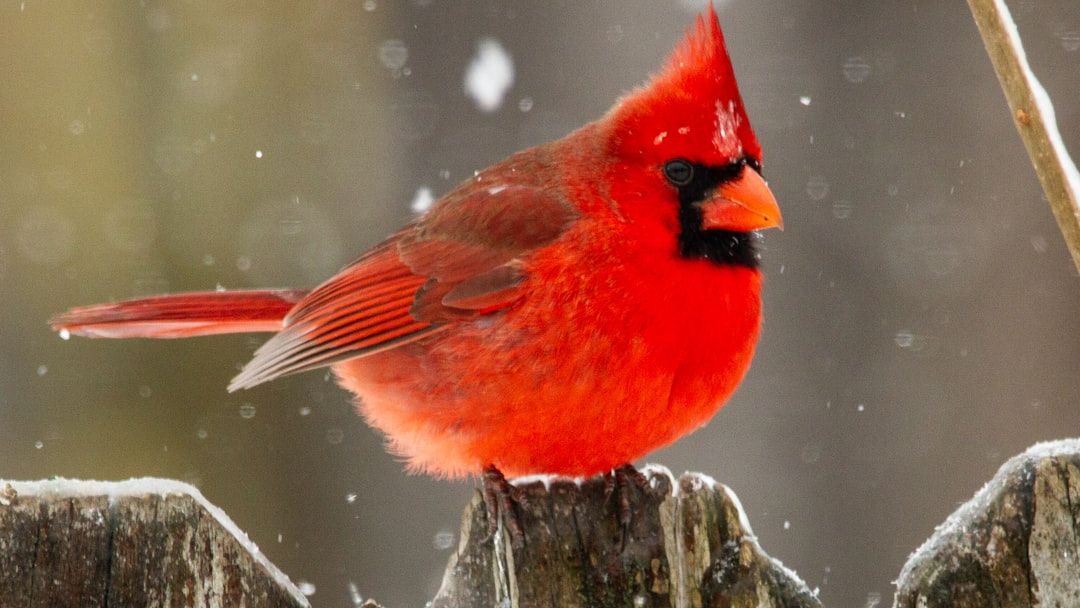
There’s a moment that almost every backyard birder knows. You’ve got the right feeder, the right seeds, even a little patch of dense shrubs right where the field guides say to put them. A flash of brilliant red drops into view. Then, nothing. Gone. You didn’t move. You didn’t speak. Something else did the talking for you.
Cardinals are wired to survive, and their whole sensory system is tuned toward detecting threats before those threats detect them. Sound plays a central role in that system. Understanding which sounds send them bolting – and why – tells you more about these birds than almost any field guide will.
#1. The Alarm Call That Sets Off a Chain Reaction
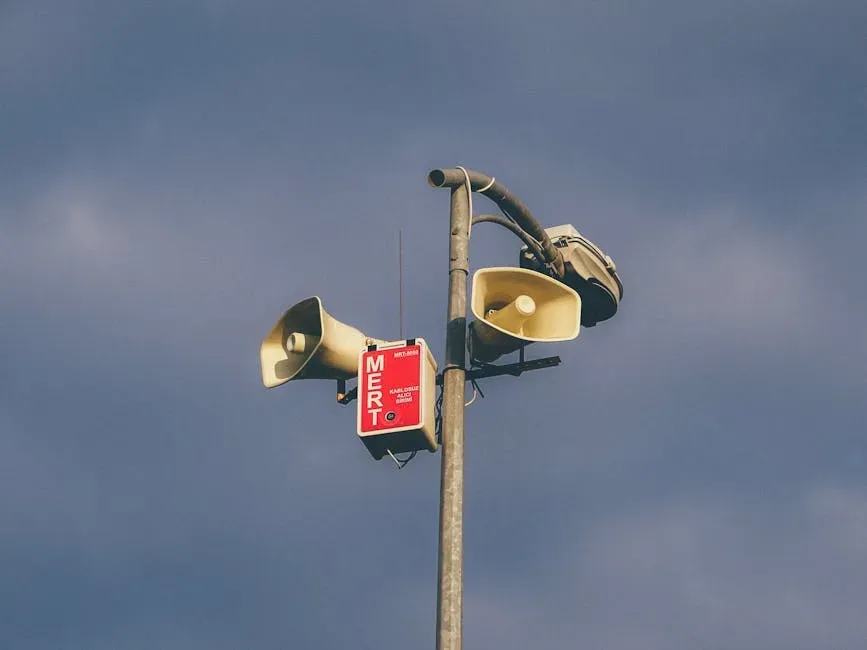
Cardinals don’t just react to predators on their own. They plug into something much bigger: a cross-species alarm network that moves through a backyard faster than you’d expect. The moment one species spots a threat, its alarm call ricochets from bird to bird, spreading rapidly across the yard. Cardinals are full participants in this network.
A rich body of research has revealed that birds can communicate the presence, type, and threat level of predators to each other, with different species mutually understanding the meaning of each other’s calls. So when an alarm rings out nearby, cardinals don’t wait to confirm the source themselves. They trust it and move.
Sparrows, cardinals, and jays will also mimic the titmouse’s signature alarm call, and an interspecies chorus heralds the arrival of an oncoming threat. This means a single alarm voice from one small bird can trigger a yard-wide evacuation, cardinals included. It’s less panic and more precision – a finely tuned survival protocol.
#2. The Hawk’s Cry: The Single Sound Cardinals Fear Most
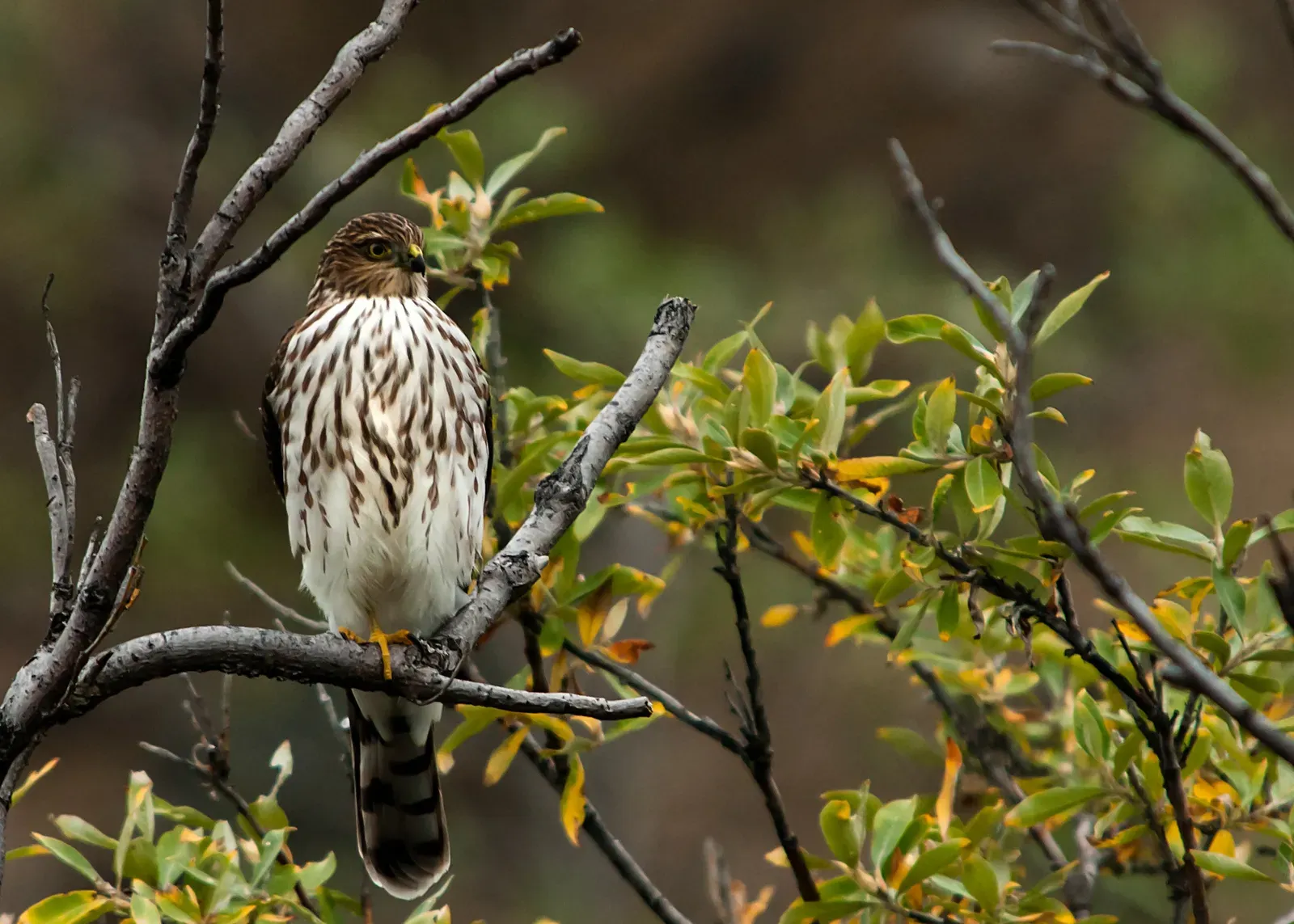
If there is one sound that reliably sends cardinals vanishing in an instant, it is the call – or even the implied presence – of a hawk. Adult northern cardinals are predated by domestic cats, Cooper’s hawks, loggerhead shrikes, northern shrikes, long-eared owls, and eastern screech-owls. Hawks in particular are an ever-present aerial threat, and cardinals know it.
Cardinals produce a thin, whispery “seet” sound when a predator is flying overhead, such as a hawk or owl. This specific call type is notably high-pitched and difficult to localize, meaning even the cardinals’ own warning sound is designed to be hard for the predator to pinpoint. When this sound goes out, every bird in the area understands: get low, get still, get gone.
Male cardinals singing within 100 meters of Cooper’s Hawk nests sing from less-exposed perches than those singing from matched sites without Cooper’s Hawk nests, presumably to reduce the risk of being preyed upon. That behavioral shift speaks volumes. Hawks don’t even have to call out. Their known presence alone reshapes how cardinals move and communicate throughout the day.
#3. Why Unpredictable Noise Is Just as Effective as a Predator Call

You don’t need a hawk to clear your yard of cardinals. Sometimes the culprit is something as domestic as a patio decoration. Wind chimes and other items that make unpredictable noises can scare away cardinals, as things that rattle, crackle, crunch, or clang have a startling effect on birds. The unpredictability is the key part – cardinals can’t assess whether a random clang means danger or not, so they err on the side of caution.
Although humans might find the sounds of wind chimes soothing, they can startle birds and keep them away. Cardinals are not being skittish without reason. Their entire survival strategy depends on treating ambiguous noise as a potential threat, especially when they’re near a feeder and feel exposed. A bird at a feeder is already in a vulnerable position, and anything jarring tips the balance toward retreat.
The same instinct applies to sudden loud sounds from dogs, children, or machinery. A loud and boisterous dog may scare away all the birds from your yard, and if such a dog spends even part of its day outdoors, cardinals may be hesitant to visit. From a cardinal’s perspective, loud and sudden equals dangerous. There’s no negotiation on that point.
#4. How Cardinals Communicate Danger to Each Other
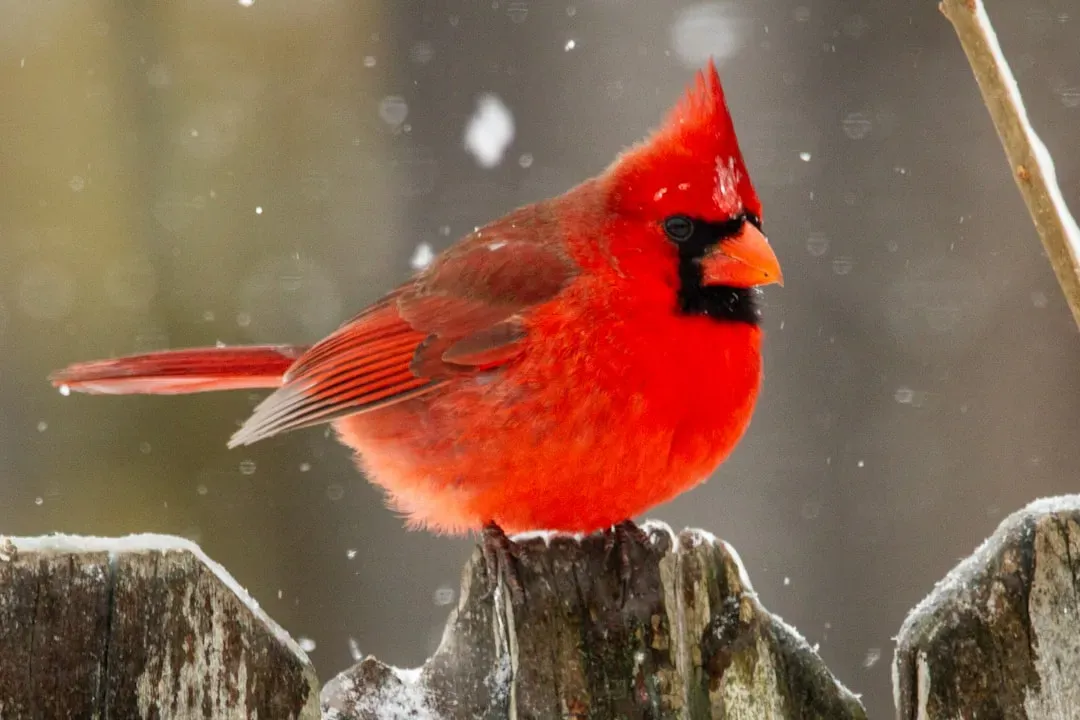
Understanding what sends cardinals fleeing also means understanding their own internal alarm system. These birds are remarkably vocal, and their calls carry very specific information. Scientists have described at least 16 different calls for the Northern Cardinal, and the most commonly heard is a loud, metallic chip – used when warning off intruders to their territory, when predators are near, and when both sexes are carrying food to the nest.
The short, sharp “chip” call is a single, high-pitched sound that cardinals repeat quickly when they sense danger, and the faster the repetition, the closer or more urgent the threat. If you ever hear a cardinal making rapid, staccato chips near your feeder, something has unsettled it. That sound alone will cause nearby cardinals to pause, assess, and typically disappear into the nearest dense cover.
Early warnings of predators via alarm calls benefit not just cardinals but the entire backyard bird community. When cardinals start alarm calling, other species often respond by seeking cover or increasing vigilance. Cardinals, in other words, aren’t just protecting themselves. They’re broadcasting danger to every other species within earshot, functioning as a kind of moving alert system for the whole yard.
#5. What This Means If You Actually Want Cardinals to Stay
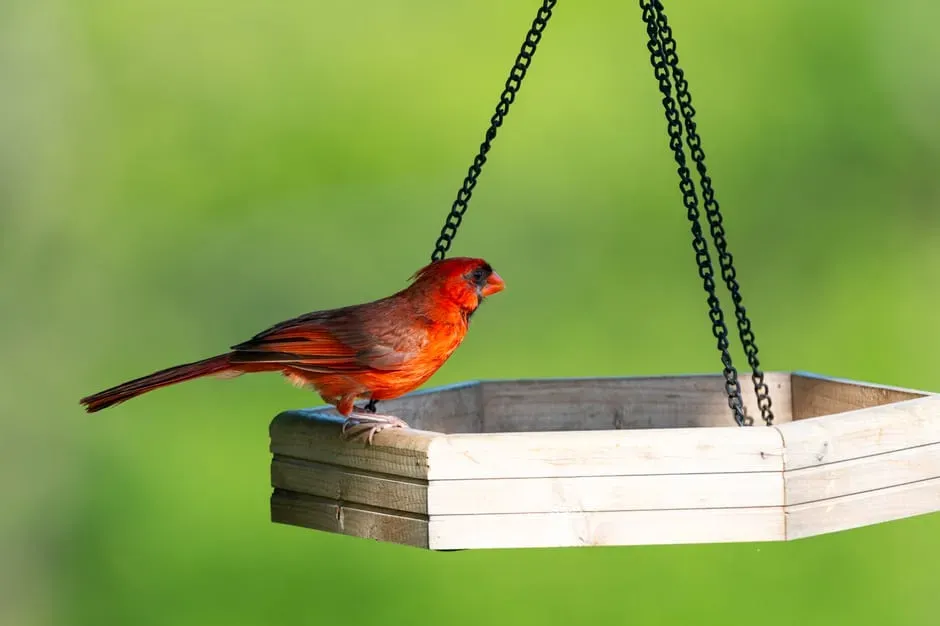
Knowing what drives cardinals away gives you a practical blueprint for inviting them back. Silence – or at least predictable, gentle sound – is genuinely important. Placing wind chimes and other noisy items away from bird feeders is a simple adjustment that removes one of the most common accidental deterrents. The less startling the feeder environment, the more likely cardinals are to linger rather than bolt.
Predators can scare cardinals away, and cats, hawks, or even squirrels can threaten their safety, so keeping feeders and bird baths away from hiding spots is important. Physical placement matters as much as sound management. A feeder near dense shrubs gives cardinals a quick escape route, which actually makes them more comfortable staying, not less. Counterintuitive as it sounds, proximity to cover reduces their anxiety rather than signaling danger.
Cardinals are also creatures of consistency. Cardinals don’t use birdhouses or nesting boxes like most birds, preferring instead to nest in dense plants, with grapevines and evergreen shrubs being among the plants they typically flock to. A yard that offers layered, dense vegetation alongside a quiet, steady feeder environment speaks directly to what a cardinal needs to feel safe enough to stay.
A Final Thought
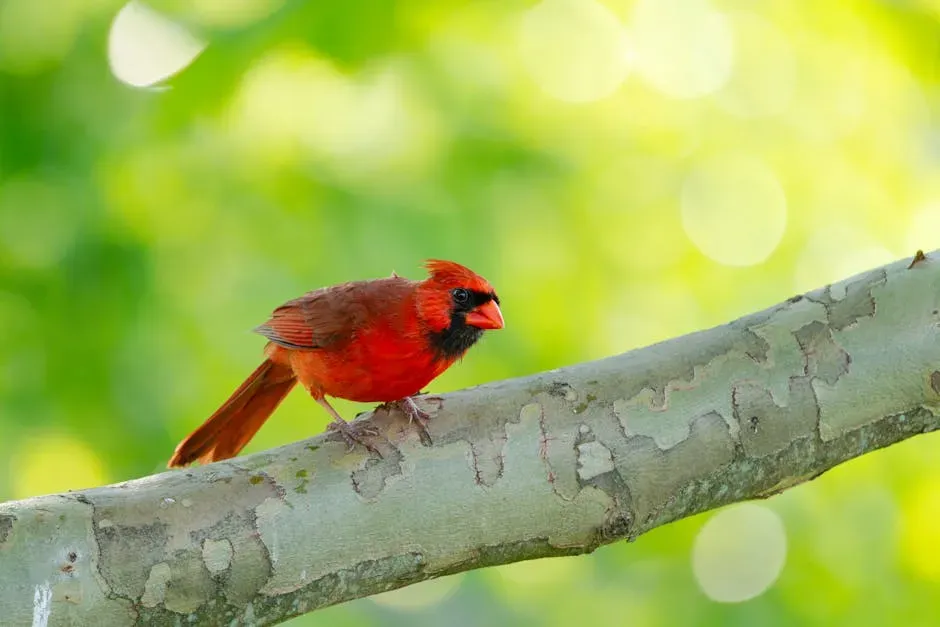
Cardinals are not fragile birds. They’re survivors who’ve refined their threat-detection over millennia, and sound is their most reliable early warning system. The hawk’s call, a sharp alarm chip from a neighboring species, the random clang of wind chimes – all of it registers as potential danger, and all of it can send them vanishing before you’ve even registered what happened.
The flip side of that sensitivity is elegance. A yard that stays calm, predictable, and sheltered becomes a place cardinals return to reliably, sometimes for years. The most effective thing you can do for these birds isn’t to add something new. It’s to stop producing the sounds that told them to leave in the first place.
