
Nature has a stubborn streak. Even when humans push wildlife to the very edge of oblivion, sometimes something remarkable happens. Against all odds, certain species claw their way back. It’s not luck. It’s science, legislation, grit, and thousands of hours spent in the mud, the forest, and the open sea by people who simply refused to give up.
Amid all the doom and gloom about biodiversity loss, there is a genuine sparkle of hope. When communities put concerted effort behind conservation, species can and do recover, and major efforts like the United States Endangered Species Act laid the groundwork that made it possible. The ESA has been credited with preventing the extinction of over 99% of the species it has protected, with more than 100 species of plants and animals already delisted due to recovery actions or downlisted from endangered to threatened based on improved conservation status.
Here are seven remarkable American species that have made extraordinary comebacks. Some of their stories will genuinely surprise you. Let’s dive in.
The Bald Eagle: From 417 Pairs to Over 316,000 Individuals
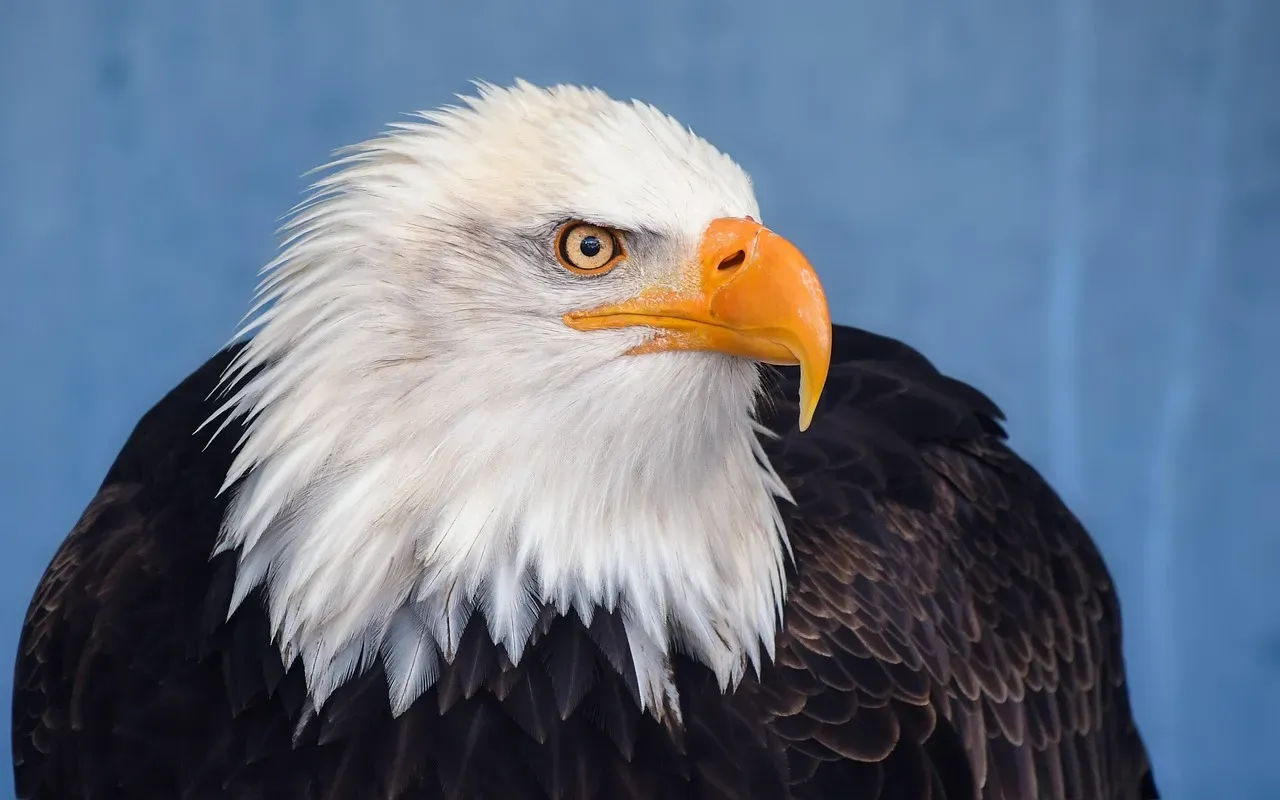
Honestly, if you had told someone in the 1960s that the bald eagle would one day be so common you’d spot one on a casual morning drive, they would have laughed. Bald eagles once teetered on the brink of extinction, reaching an all-time low of just 417 known nesting pairs in 1963 in the lower 48 states.
Bald eagle populations were negatively impacted by habitat destruction and illegal shooting, as well as contamination of their food source from the insecticide DDT. Habitat protection through the ESA, the federal government’s banning of DDT, and conservation actions taken by the American public helped bald eagles make a remarkable recovery.
The bald eagle population has now climbed to an estimated 316,700 individual bald eagles, and this estimate indicates that the population has quadrupled since the last data was collected in 2009. Think about that for a moment. Quadrupled in roughly a decade.
In 2024, the species was officially designated as the United States’ national bird when President Joe Biden signed it into law. A fitting honor for an animal that almost didn’t make it. The Chesapeake Bay area is now home to the highest concentration of bald eagles in the United States outside of Alaska.
The American Alligator: A Comeback So Complete It Became a Blueprint
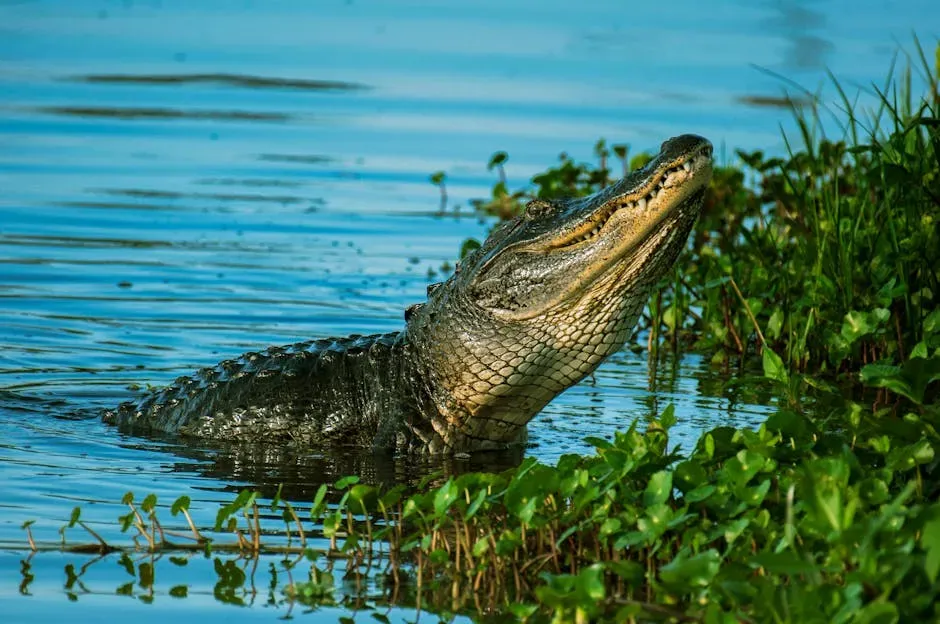
Let’s be real – not many people shed a tear when alligator numbers first started dropping. These ancient, armored reptiles don’t exactly inspire the same warmth as a fluffy songbird. Yet their recovery story is one of the most jaw-dropping in American conservation history.
The American alligator is a member of the crocodile family, essentially a living fossil from the Age of Reptiles that has survived on Earth for over 200 million years. Populations reached an all-time low in the 1950s, primarily due to market hunting and loss of habitat. The species was listed as endangered in 1967 but made a significant recovery and was removed from the list of endangered species in 1987.
Today, over 5 million alligators inhabit their range across the southeastern United States, with particularly robust populations in Florida and Louisiana. That is the kind of number that makes you do a double take.
Carefully regulated hunting and farming of alligators is now permitted, providing economic incentives for habitat conservation. Making alligators economically valuable to local communities was actually a key part of keeping them safe. Counterintuitive? Yes. Effective? Absolutely.
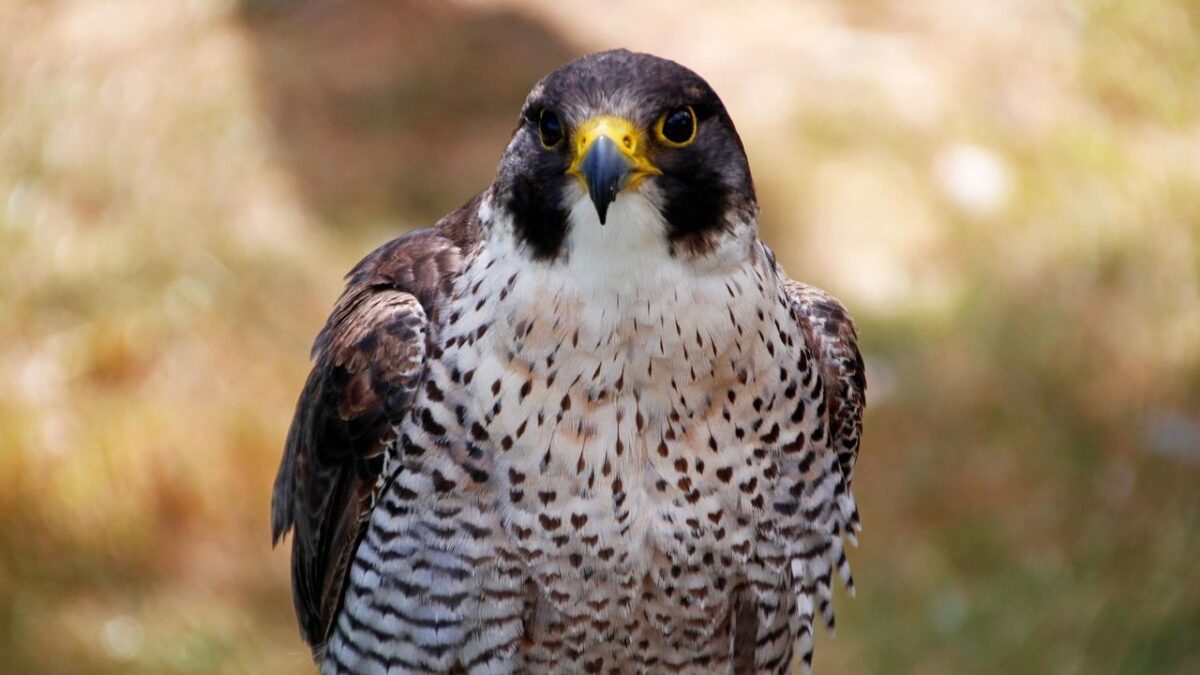
The Peregrine Falcon: The World’s Fastest Bird Races Back From Extinction
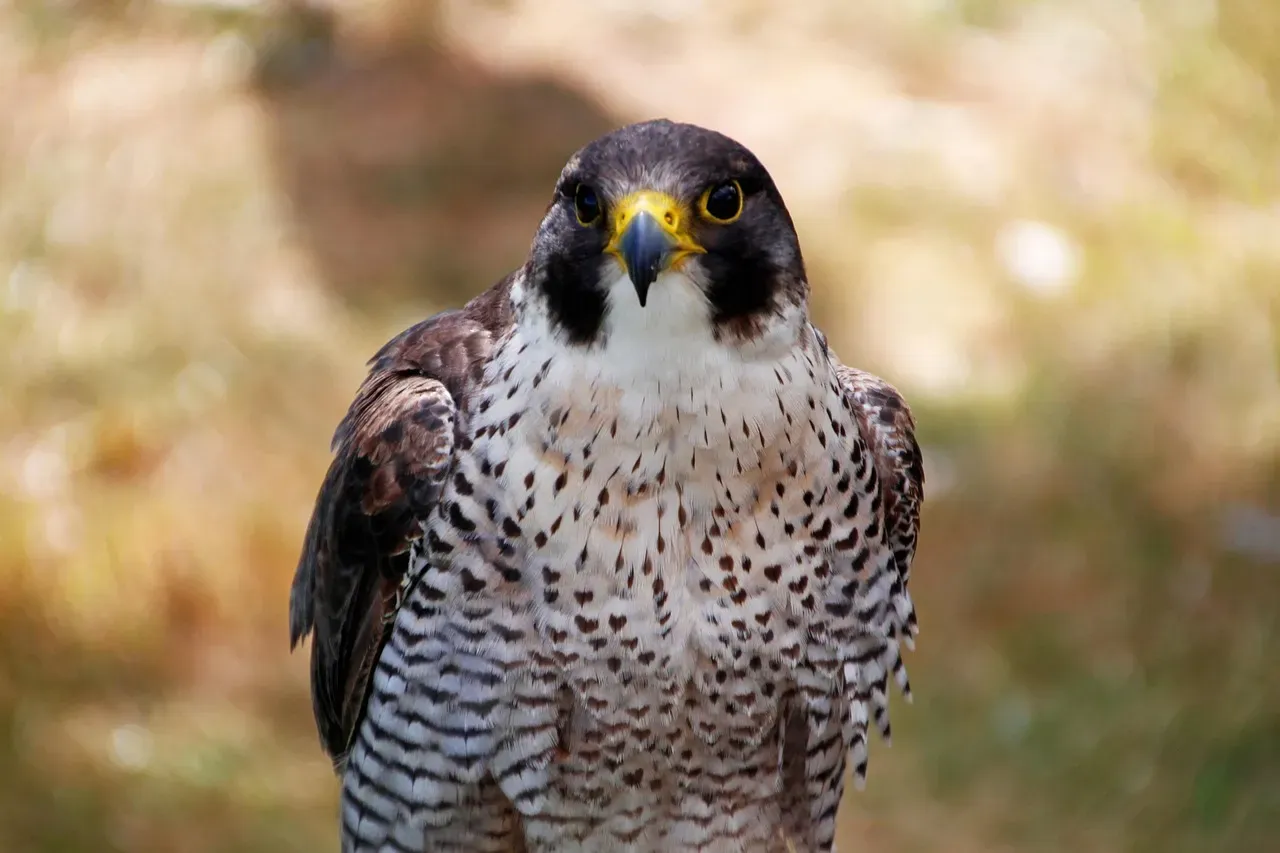
There is something almost poetic about the peregrine falcon’s story. The fastest animal on the planet, capable of diving at speeds that would make a race car driver nervous, was nearly wiped out not by another predator but by a chemical invisible to the naked eye.
The peregrine falcon, capable of diving at speeds exceeding 200 mph, faced a catastrophic decline due to DDT contamination. By 1970, the eastern U.S. breeding population had been completely wiped out, and only 324 known nesting pairs remained across all of North America.
The restrictions on DDT use are the central cause of the recovery of the peregrine falcon. As DDT levels declined after 1972, peregrine falcon productivity rates rose to pre-DDT levels and the population size and range began to increase.
Following DDT’s ban and extensive captive breeding efforts spearheaded by The Peregrine Fund, peregrines made an astonishing comeback. Removed from the endangered species list in 1999, North America now hosts an estimated 3,000 or more breeding pairs. Perhaps most remarkably, these birds have adapted to urban environments, nesting on skyscrapers and bridges in major cities across the country. Honestly, few conservation wins feel as dramatic or as cinematic as this one.
The Whooping Crane: Fifteen Birds. The Entire Future of a Species
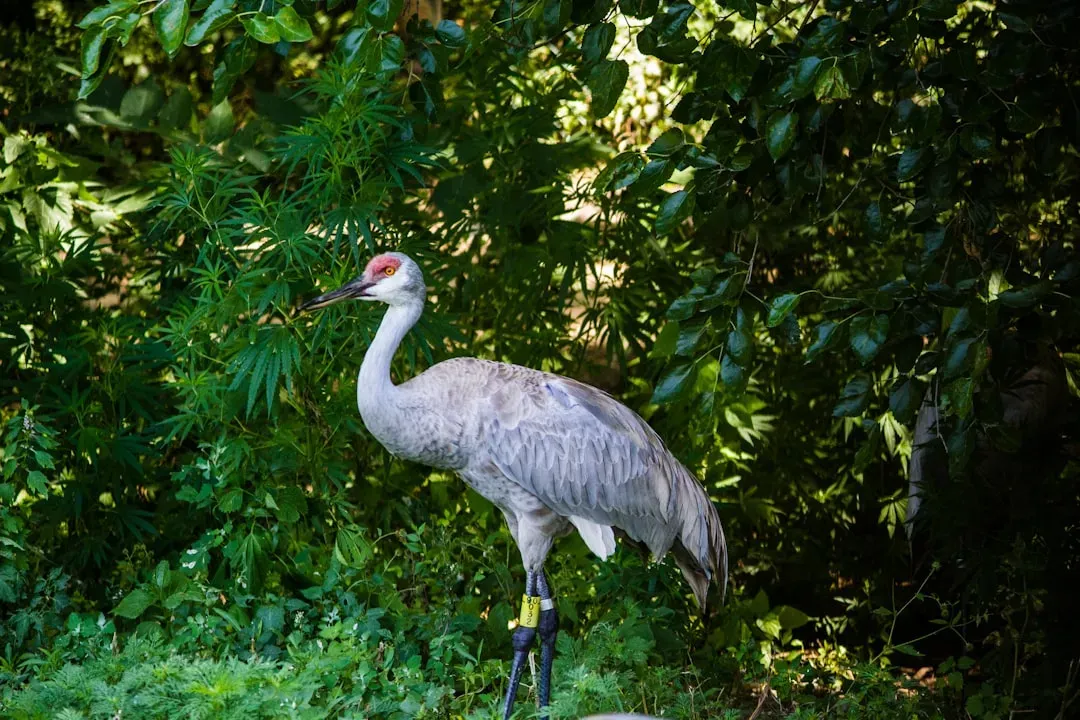
Here is a number that should stop you cold. Fifteen. That was the entire global wild population of whooping cranes in 1941. The entire species, balanced on a razor’s edge, easily small enough to fit inside a single city bus.
Standing five feet tall with a seven-foot wingspan, these majestic white birds declined to just 15 individuals worldwide by 1941 due to hunting and wetland drainage. The whooping crane was listed as endangered in 1970, has made a steady recovery, and its population has increased from just 21 individuals in 1941 to over 500 individuals today.
Recovery strategies have included captive breeding, creation of multiple wild populations, and the remarkable use of ultralight aircraft to teach captive-raised birds their ancestral migration routes.
Conservationists literally dressed in crane costumes to avoid young birds imprinting on humans. It sounds absurd. It worked. Though still endangered, the whooping crane’s ongoing recovery demonstrates how dedicated conservation can save even the most imperiled species when science, innovation, and persistence are applied.
The Black-Footed Ferret: Declared Extinct Twice, Still Alive Today
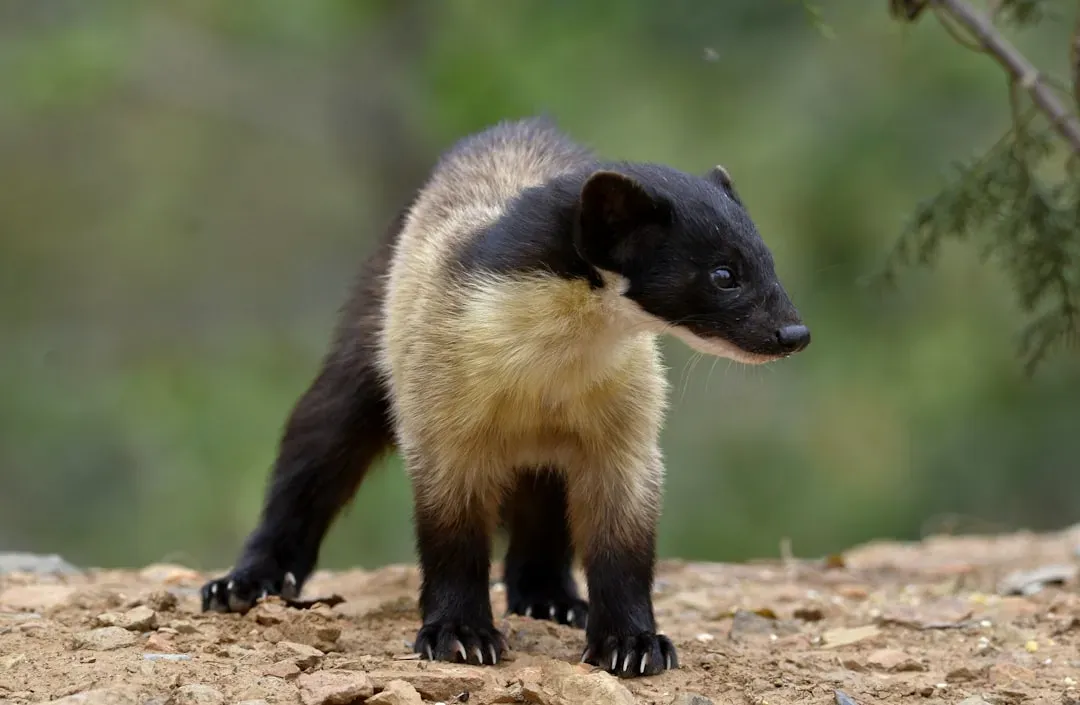
I think the black-footed ferret might have the most jaw-dropping resurrection story in American wildlife history. This species was not just endangered. It was declared extinct. Twice. The black-footed ferret’s recovery is among the most remarkable in conservation history, as the species was actually declared extinct twice before making its comeback. These slender predators, specialized to hunt prairie dogs, were decimated by widespread prairie dog eradication programs and sylvatic plague. By 1979, they were believed extinct until a small colony was discovered in Wyoming in 1981.
When disease threatened this last population, the remaining 18 ferrets were captured for an emergency captive breeding program. From these final 18 animals, over 8,000 kits have been born in captivity, with regular reintroductions since 1991 establishing wild populations across the Great Plains and Rocky Mountain states.
Today, approximately 1,000 black-footed ferrets live in the wild across 30 reintroduction sites. Though still endangered and facing ongoing threats from habitat loss and disease, their recovery from functional extinction represents a testament to the power of captive breeding and reintroduction programs.
Widely considered the most endangered mammal in North America, the black-footed ferret is making a comeback in Colorado and other parts of the West after being rescued from the brink of extinction in the mid-1980s. It’s hard to say for sure whether it’s fully out of the woods yet, but the fact that it exists at all is nothing short of miraculous.
The Kirtland’s Warbler: A Tiny Songbird With a Complicated But Inspiring Story
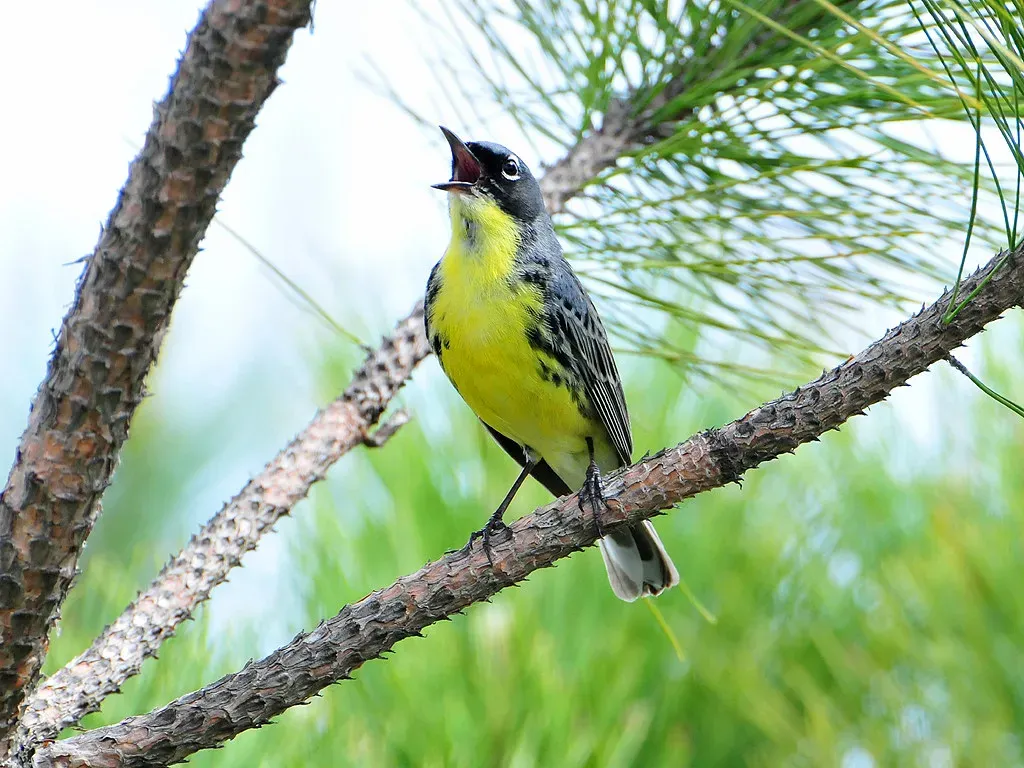
Few conservation stories are as specific, as painstaking, and as instructive as that of the Kirtland’s warbler. This small, yellow-bellied bird does not just need forest. It needs the right forest, at exactly the right age. Think of it like a tenant who will only accept a very particular apartment.
The Kirtland’s warbler is a small, yellow-bellied songbird found in jack pine forests of Michigan, Wisconsin, and Ontario. Threatened by habitat loss and parasitism, the species was listed under the ESA in 1973. Multiple partners worked to restore the warbler’s habitat and control parasitic threats. Thanks to their efforts, the species rebounded from 170 breeding pairs in the 1970s and 1980s to 2,300 breeding pairs in 2019, exceeding recovery plan goals. The warbler was removed from the endangered species list in 2019.
The Kirtland’s warbler was once among the rarest songbirds in North America, with fewer than 200 pairs in the 1970s and 1980s. After decades of collaborative conservation work, it was removed from the federal endangered species list in 2019.
The story is not without its current challenges, though. The global population of the Kirtland’s warbler dropped to 1,489 breeding pairs in 2025, down from 2,245 in 2021, with Michigan home to nearly all of the birds. Conservation teams are implementing a new 10-year habitat plan, including earlier jack pine harvesting and possibly prescribed fire use, to stabilize the population. The story continues, and the outcome is still being written.
The American Wood Stork: Wetlands Restoration Delivers a Comeback
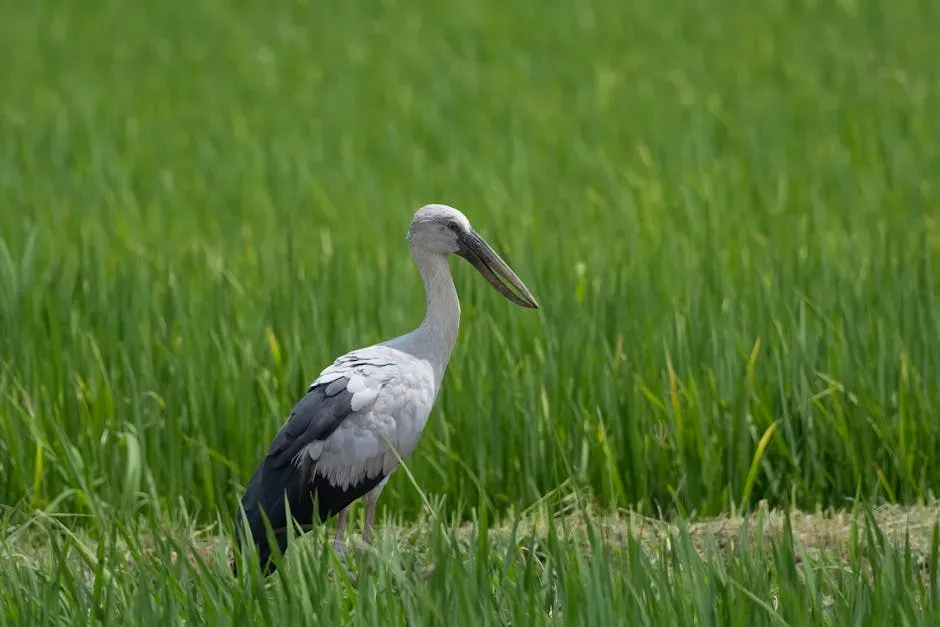
North America’s only stork is not exactly a celebrity of the conservation world. It doesn’t have the bald eagle’s dramatic story or the whooping crane’s near-mythical status. Yet its recovery is a vivid example of what targeted habitat restoration can do.
The species was listed as endangered under the Endangered Species Act in 1984, but large-scale wetland restoration, protection, and creation across the southeastern US, including Florida’s Everglades, allowed the birds to recover. With a current population of over 10,000 breeding pairs, they have expanded their breeding range from Florida to Georgia, South Carolina, and North Carolina.
As a result, the species was downlisted to a lower-risk category in 2014. Though still menaced by habitat loss and climate change, the U.S. Fish and Wildlife Service is considering removing the species from the Endangered Species list altogether.
It’s a quieter victory than some on this list, but no less meaningful. The wood stork’s return is a reminder that ecosystems are deeply interconnected. Restore the wetlands, and you don’t just save a stork. You save an entire web of life that depends on those waters. North America’s only stork, scaly heads and all, now has a genuinely brighter future.
Conclusion: Nature’s Resilience Is Real, But It Needs Our Help
Reading through these stories, a few things become clear. None of these recoveries happened by accident. Every single one required laws, funding, scientific research, and often decades of grinding effort by conservationists who kept showing up even when the odds looked impossible.
The U.S. Endangered Species Act has shown the power of conservation through policy. Now in its fifth decade, the act is one tremendous example of how sound and reasonable policies can provide a safety net for nature.
There are reasons to stay cautious. Some of these species, like the black-footed ferret and the whooping crane, are still far from secure. While we’ve driven many species to extinction, success stories like these prove the narrative can be changed, especially if management efforts start soon enough.
The bald eagle went from 417 breeding pairs to more than 316,000 individuals. The American alligator went from near-extinction to 5 million strong. A species declared dead twice is still alive and being slowly nursed back across the Great Plains. These are not small victories. They are proof that when humanity decides something matters, truly astonishing things can happen.
The real question worth sitting with is this: which species are quietly disappearing right now that future generations will wish we had paid more attention to? What would you have guessed?
