
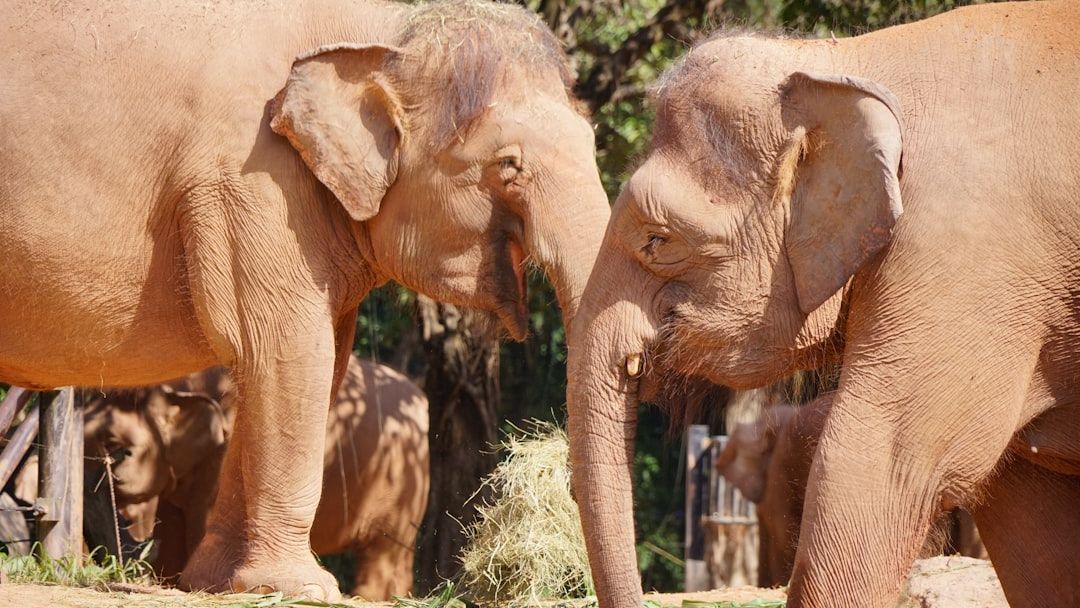
The animal kingdom is, frankly, one of the most astonishing communication networks this planet has ever produced. While we humans get absorbed in our texts and tweets, there’s an entire parallel universe of signals, songs, dances, vibrations, and chemical messages happening all around us, every single second. I think it’s fair to say we’ve barely scratched the surface of understanding it.
From deep ocean floors to the buzzing canopy of a tropical rainforest, creatures great and small are exchanging incredibly complex information, warning each other of danger, flirting, bargaining, and even grieving. Some of these methods are so alien to our own experience that they genuinely bend the mind. Be prepared to see the natural world through completely different eyes.
1. Dolphins Have Their Own Names and “Baby Talk”

Here’s the thing about dolphins: they are shockingly similar to us in ways that feel almost uncanny. Researchers have logged more than 250 distinct signature whistles among bottlenose dolphins, and the animals use these whistles to broadcast their identity and call to each other. Think of it as a first name, carried throughout an entire lifetime.
When mother dolphins call to their calves, they actually modify their signature whistles, exaggerating the frequency range so the highs get a bit higher and the lows get a bit lower. Scientists call this “dolphin-directed speech,” and it mirrors what human parents do when they use a softer, singsong voice with their babies.
Beyond these signature whistles, researchers trawling through more than a thousand hours of vocalizations found that around half of the whistles made by free-swimming dolphins were not signature whistles at all. They identified 20 new whistles, each used by multiple dolphins. The full picture of dolphin communication is turning out to be far richer than anyone first imagined.
2. Elephants Whisper Through the Earth
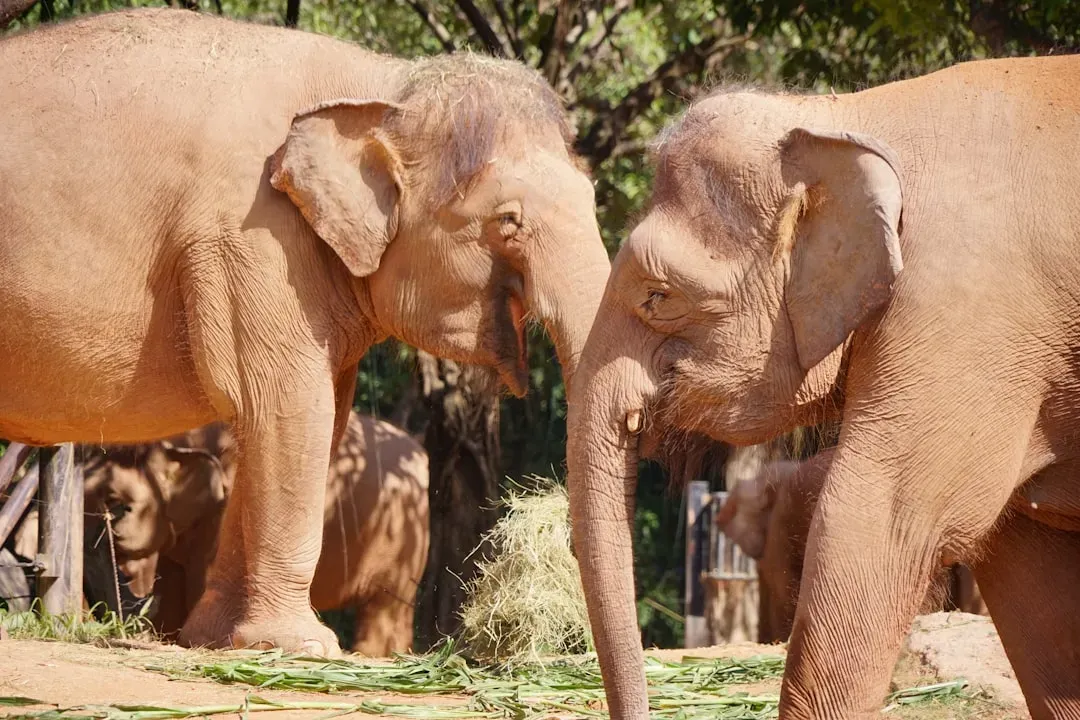
Imagine sending a message to a friend who is many miles away, without any device in your hand. Elephants do something close to that every single day. African elephants speak to one another by using the vocal folds in their larynxes to create a constant, low-frequency rumbling known as infrasound. It is inaudible to humans, but elephants can pick it up from up to just over 6 miles away.
Their massive feet can also detect vibrations from other elephants up to 20 miles away, creating an underground communication network across vast African landscapes. This ability helps separated family members find each other and warns of approaching dangers across incredible distances.
Elephants also use harmonically rich, low-frequency calls to address key members of their group, effectively assigning unique names. Elephants appear to come up with names for other elephants independently, without imitating another’s call, and this is an ability that no animal other than humans were previously known to possess. That one still knocks me sideways every time I think about it.
3. Bees Dance a Map of the World

Bees are tiny. Their brains are tinier still. Yet somehow, they have developed one of the most precise and elegant communication systems in the entire animal kingdom. Honey bees use a unique dance language to inform their hive mates about the location of food sources. When a foraging bee finds a rich source of nectar or pollen, it returns to the hive and performs the waggle dance, a series of movements forming a figure-eight pattern. The direction of the waggle run indicates the direction of the food relative to the sun, while the duration indicates the distance.
In 1973, Karl Von Frisch won the Nobel Prize partly for his work on bee communication. He observed bees “waggling” inside their hives, a dance of sorts which he concluded informs other bees as to the direction and distance to food sources. A Nobel Prize. For decoding a bee’s dance moves. Honestly, if that doesn’t show you how extraordinary this is, nothing will.
4. Cuttlefish Invented Sign Language Millions of Years Before Humans
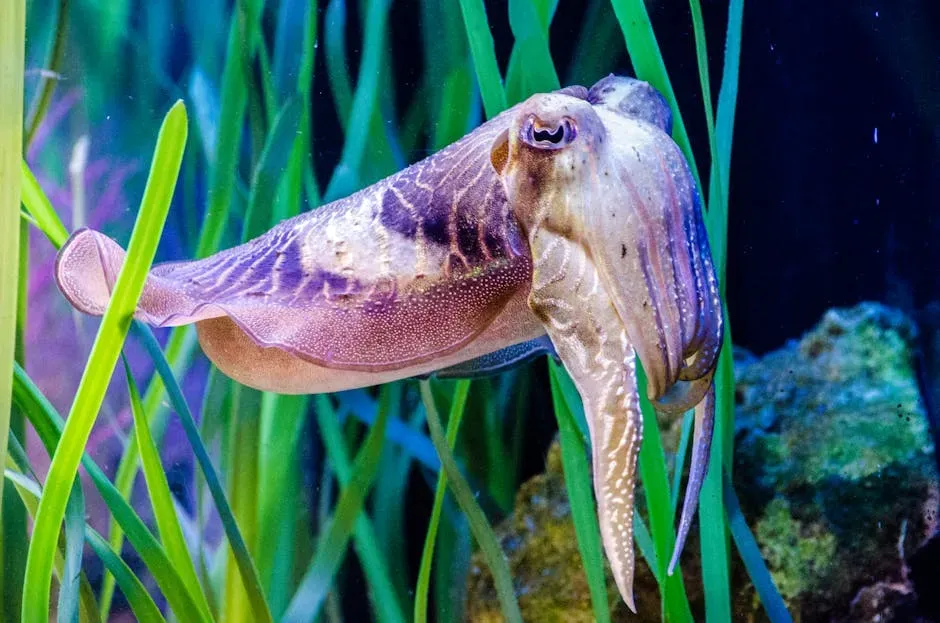
This one is genuinely fresh off the science press and it is mind-blowing. Researchers observed the common cuttlefish routinely waving its arms in four flashy gestures, with cuttlefish waving their expressive tentacles in four distinctive dance-like motions, possibly to communicate visually and by vibration. The four signs have been dubbed “up,” “side,” “roll,” and “crown.”
These cephalopods have been recorded using their arms in a way that looks like they are gesturing to each other, adding a potentially previously unknown form of communication to their toolkit. Even more interesting is that these arm gestures could be multimodal signals that the cuttlefish receive not just visually, but by touch as well, suggesting that the full range of cuttlefish communication involves multiple senses.
When the researchers flipped videos of the gestures upside down, cuttlefish responses all but vanished. The gestures no longer made sense to them, offering tantalizing evidence that the animals recognized specific movement patterns and possibly interpreted them as part of a larger communicative system. A form of sign language, in the ocean. Let that sink in.
5. Prairie Dogs Describe You Better Than You Describe Yourself
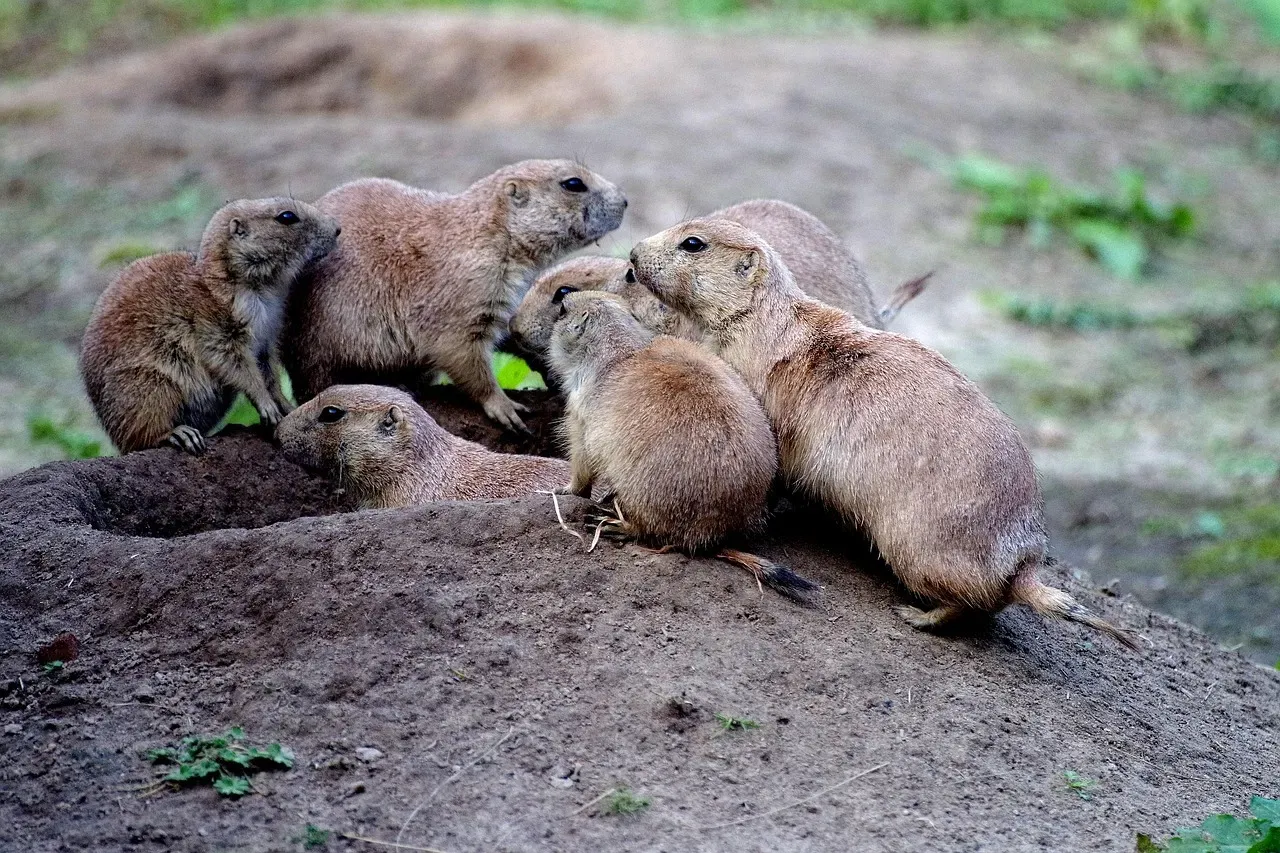
Prairie dogs may look like cute little dirt-dwellers with nothing particularly remarkable going on, but their communication system is one of the most sophisticated found anywhere in the animal kingdom. Prairie dogs take the cake when it comes to complexity. They have different “words” they shout to identify what kind of predator is approaching, including a particular sound that means “humans are coming.” Even more impressively, one researcher found that prairie dogs can vary their calls depending on which specific human they saw.
Prairie dogs are able to communicate an animal’s speed, shape, size, species, and, for humans, specific attire and whether the human is carrying a gun. That is not just warning communication. That is detailed, contextual, individual description. It is closer to a paragraph than a single word.
6. Indri Lemurs Sing Like Musicians with Rhythmic Beats
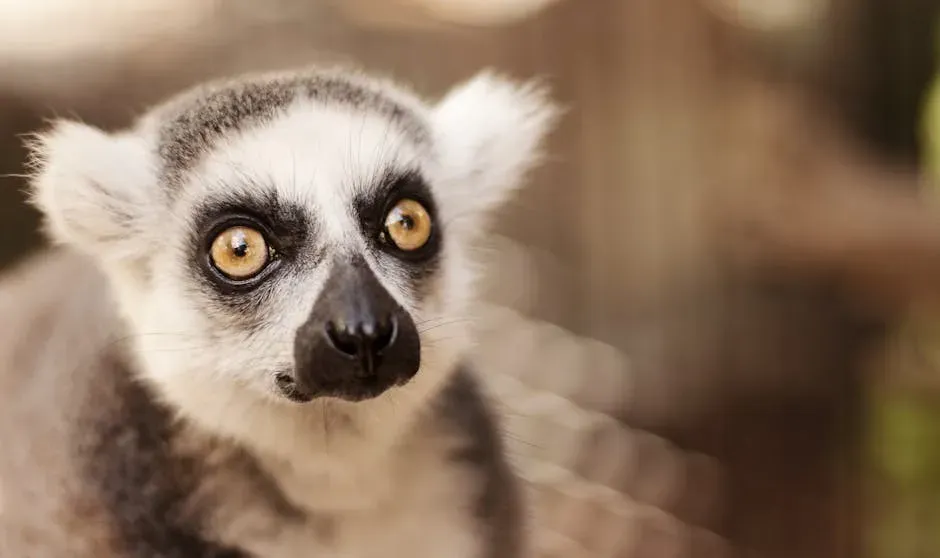
If you ever happen to hear an indri lemur in the wild, you might think someone nearby is playing music. You would not be entirely wrong. A type of lemur called Indris, which communicates in rhythmic song, gave scientists at the University of Warwick an insight into how humans evolved to create music. The researchers found that the lemurs had consistent rhythmic patterns or beats in their communications, much like music.
Indris lemurs, along with humans, have the highest number of vocal rhythms in the animal kingdom, surpassing even songbirds and other mammals. The findings highlight the evolutionary roots of musical rhythm, demonstrating that the foundational elements of human music can be traced back to early primate communication systems.
I think this one reshapes how we think about music itself. It suggests that rhythm is not a human invention but an ancient biological gift, one we share with a small, singing primate in Madagascar.
7. Whales Speak in Regional Dialects
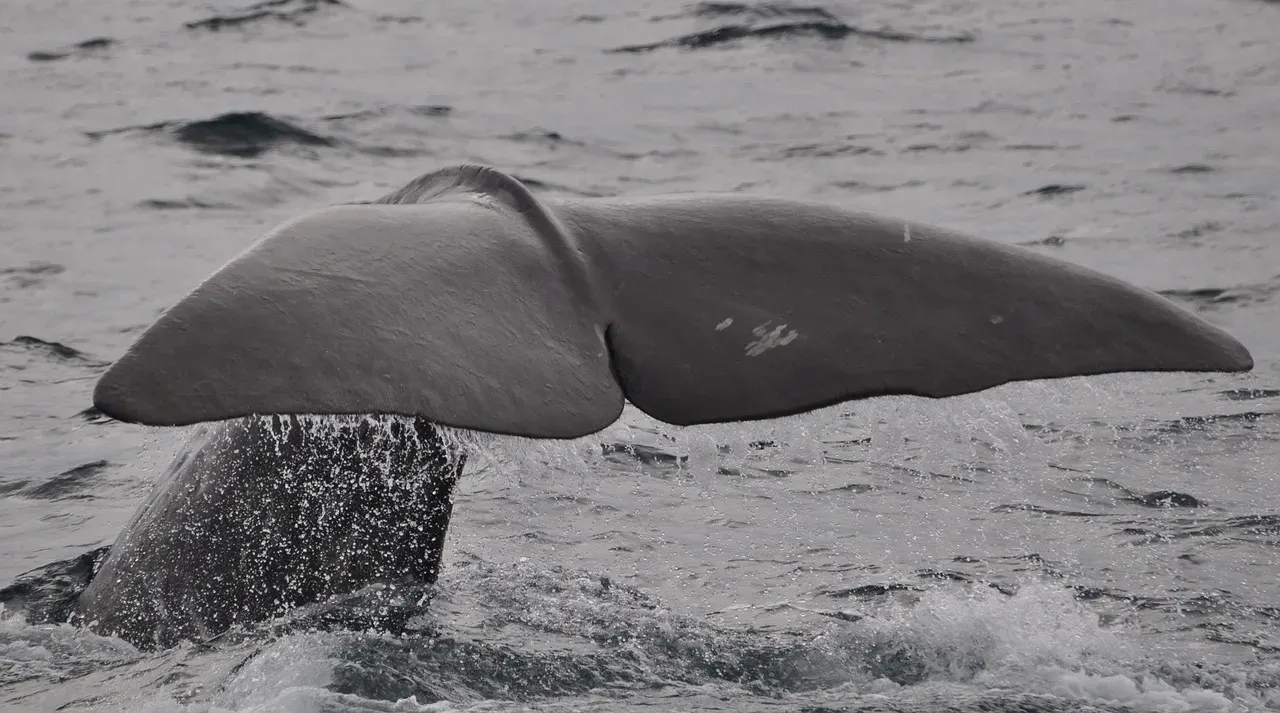
Sperm whales, those enormous deep-diving giants of the ocean, don’t all speak the same way. Sperm whales use clicking sounds known as “codas” to convey information to one another. Those in different areas of the ocean use different clicking patterns, sort of like regional dialects, so Caribbean sperm whales sound slightly different than those in another part of the ocean.
Project CETI is attempting to decode sperm whale vocalizations, and they believe that sperm whale communication is much more similar to human language than previously thought. Scientists are deploying AI and underwater recording technology on a scale never seen before, hoping to finally translate what the ocean’s largest thinkers are actually saying to each other.
8. Gorillas Hum While They Eat (And It Means Stay Away)
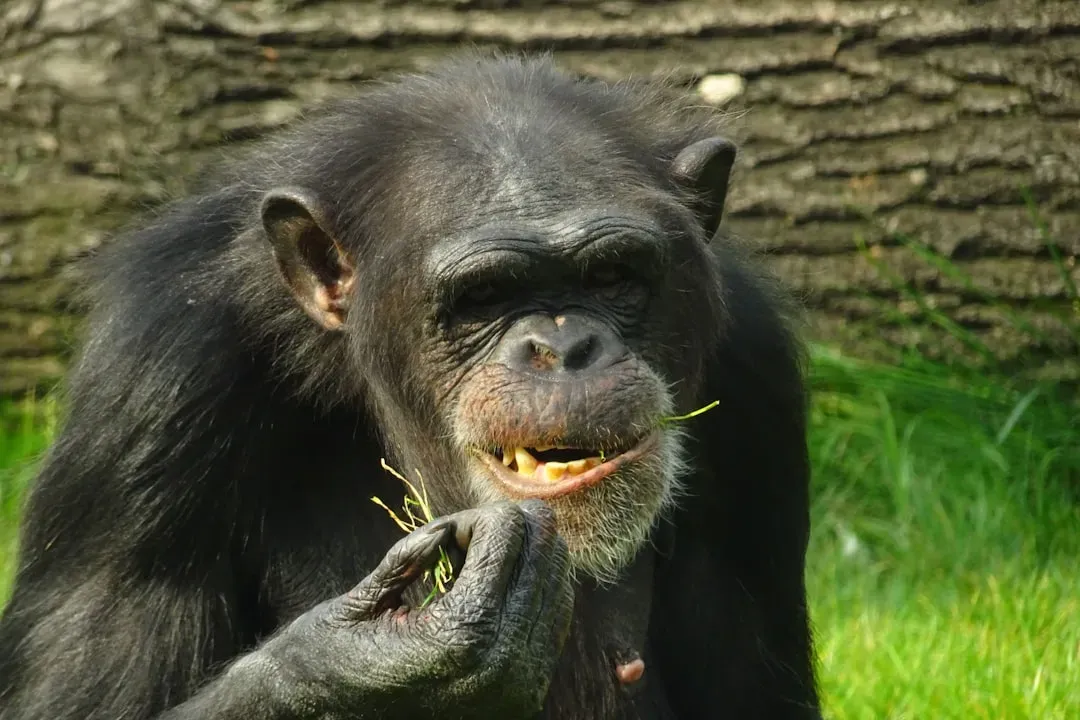
Most of us hum to ourselves without thinking much about it. Silverback gorillas, it turns out, do the same thing, but they are actually sending a very deliberate message. Silverback gorillas hum or sing while chomping down on their favorite vegetation. It is not just a way to indicate that they are enjoying their meal, but a way to convey that they would prefer not to be bothered while eating. When they go quiet, that is a sign that they are willing to chat.
Think of it like putting on headphones at work. The universal signal of “I am busy, please do not interrupt me.” It turns out one of our closest primate relatives has been practicing office etiquette in the forest for centuries. Chimps and bonobos are noisy eaters too, and scientists can learn a lot about primate social structure based on the most vocal members.
9. Naked Mole Rats Have Colony Accents
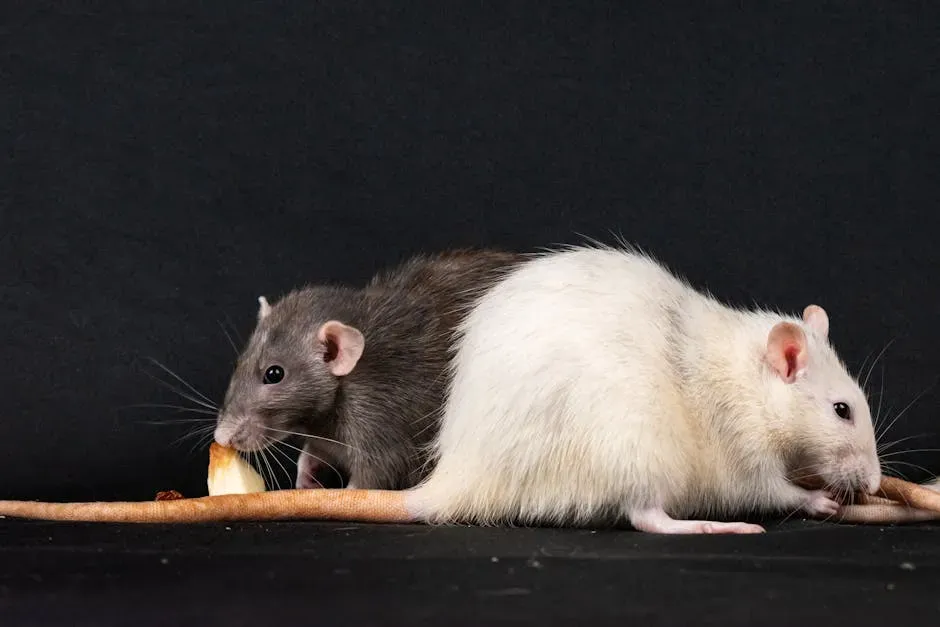
It is hard to say for sure which is more remarkable, the animal itself or its communication method. Naked mole rats are already among the strangest creatures on the planet. The blind, hairless rodents can survive without oxygen for up to 18 minutes by metabolizing fructose instead of glucose, an ability normally reserved for plants. They have an extraordinarily high pain tolerance, are almost completely immune to cancer, and don’t die of old age.
But for all of these oddities, recent research has found that naked mole rats have at least one thing in common with humans other than possessing relatively little body hair: accents. Each colony has its own distinct accent. Just like a person from New York sounds different from someone in Alabama, naked mole rat colonies have their own recognizable vocal identity, passed down through their social group like a cultural tradition.
10. Mantis Shrimp Communicate with Secret Polarized Light
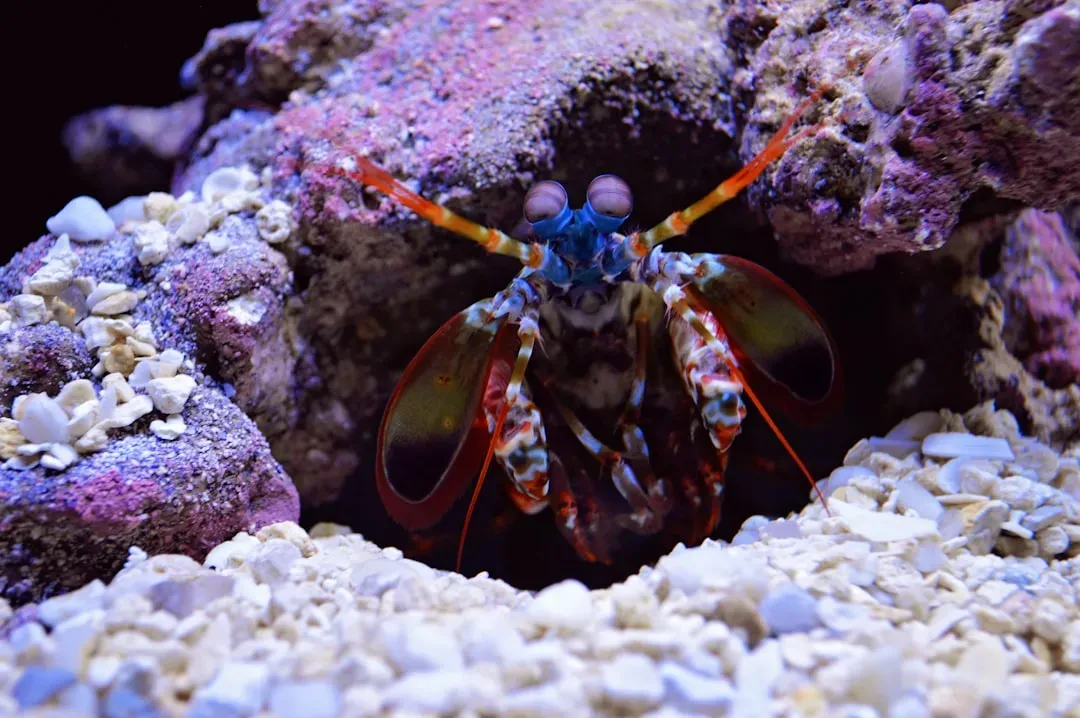
Mantis shrimp are already famous for having some of the most extraordinary eyes in the animal kingdom. The eyes of mantis shrimp are equipped with up to 16 color receptors, while humans are limited to three. This wild visual system turns out to be the foundation for a truly hidden communication channel.
They use their own bodies to communicate using polarized light that other animals cannot spot. Researchers have found that they bounce light off blue spots on their appendages called maxillipeds, scattering and arranging light across the surface in ways that can convey information to other mantis shrimp rather than merely reflecting it.
It is essentially a private broadcast, a secret frequency that only mantis shrimp can decode. Think of it like a coded radio signal playing in a room full of people who don’t have the right receiver. Nobody else even knows the conversation is happening.
11. Trees Talk Through the “Wood Wide Web”

Let’s be real, when most people think of communication in the animal kingdom, trees don’t even come to mind. Trees are not animals, of course, but the communication happening beneath a forest floor is so astonishing it absolutely belongs in this conversation. A mycorrhizal network is an underground network found in forests, created by the hyphae of mycorrhizal fungi joining with plant roots, and this network connects individual plants together.
Through chemical signals and electrical pulses, trees are able to share information with their neighbours concerning any sign of drought, increase in insects, or spreading disease, which can then be relayed forest wide. As a result, the woodland can adapt its growth and behaviour accordingly, increasing its chances of survival.
Through the mycorrhizal network, hub trees detect the ill health of their neighbors from distress signals and send them needed nutrients. Research by Professor Suzanne Simard in the forests of British Columbia has shown that large, old trees form preferential connections with young seedlings that are their genetic offspring, and as a result, young plants connected to the mother’s network have a better chance of survival and faster growth. A forest, then, is not a collection of individuals. It is a community.
12. Beluga Whales Shape-Shift Their Foreheads to Communicate
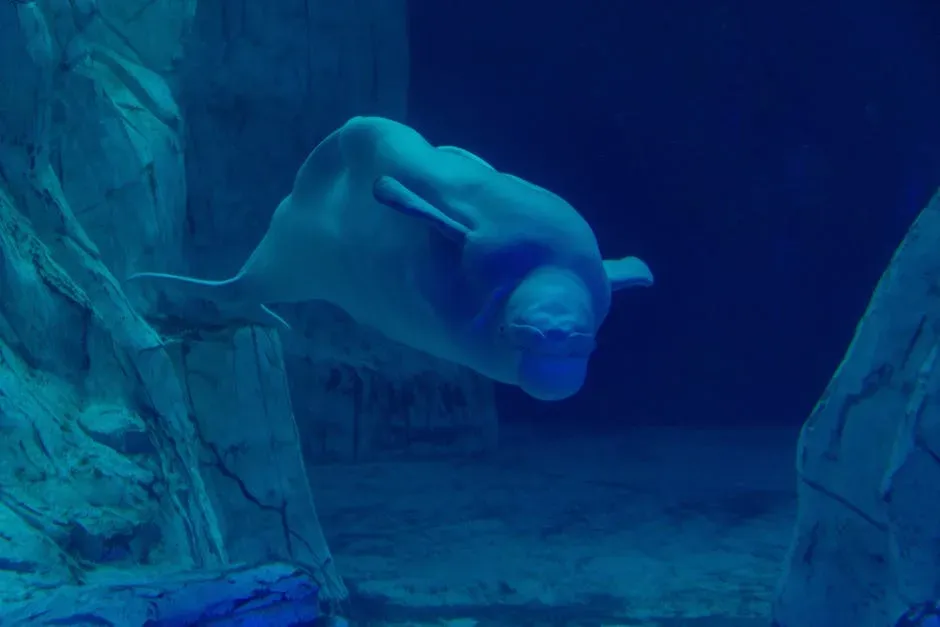
You might have seen videos of beluga whales and marveled at their round, squishy foreheads. That forehead is not just for looking adorable. Belugas have a mass of fat tissue on their forehead called a “melon,” which they move around to communicate with one another. Researchers monitoring belugas at Connecticut’s Mystic Aquarium found that they morph their melon in distinctive ways, such as shaking it or pushing it forward or back.
What the whales are communicating isn’t yet clear, but certain morphs could be used to flirt or to signal aggression. So the next time you see a beluga raising its eyebrows, so to speak, just know that something genuinely important might be getting said.
13. Weakly Electric Fish Communicate Through Electricity
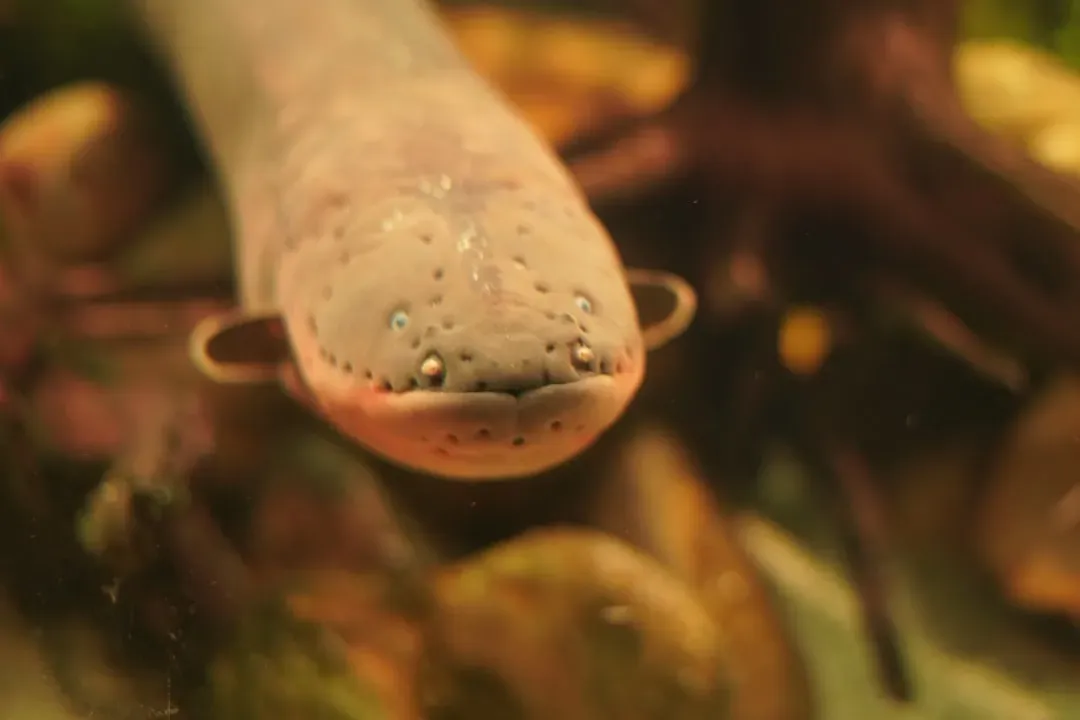
This one sounds like science fiction, but it is entirely real. Some fish in the rivers of South America and Africa have evolved the ability to generate and detect electric fields, using electricity not just to navigate but to talk. When two of these fish meet, they can tweak their wavelengths to produce similar levels of voltage. Weakly electric fish are currently the only known creatures to carry both electric generators and electroreceptors, making them the only animals on Earth with the ability to communicate through electricity.
Imagine shaking hands by matching electrical frequencies instead of using words. That is exactly what these fish do. Each individual fish generates its own unique electric signature, and they modulate these signals to exchange social information, establish dominance, and even court potential mates.
14. White Rhinos Leave a Chemical Bulletin Board in Their Dung
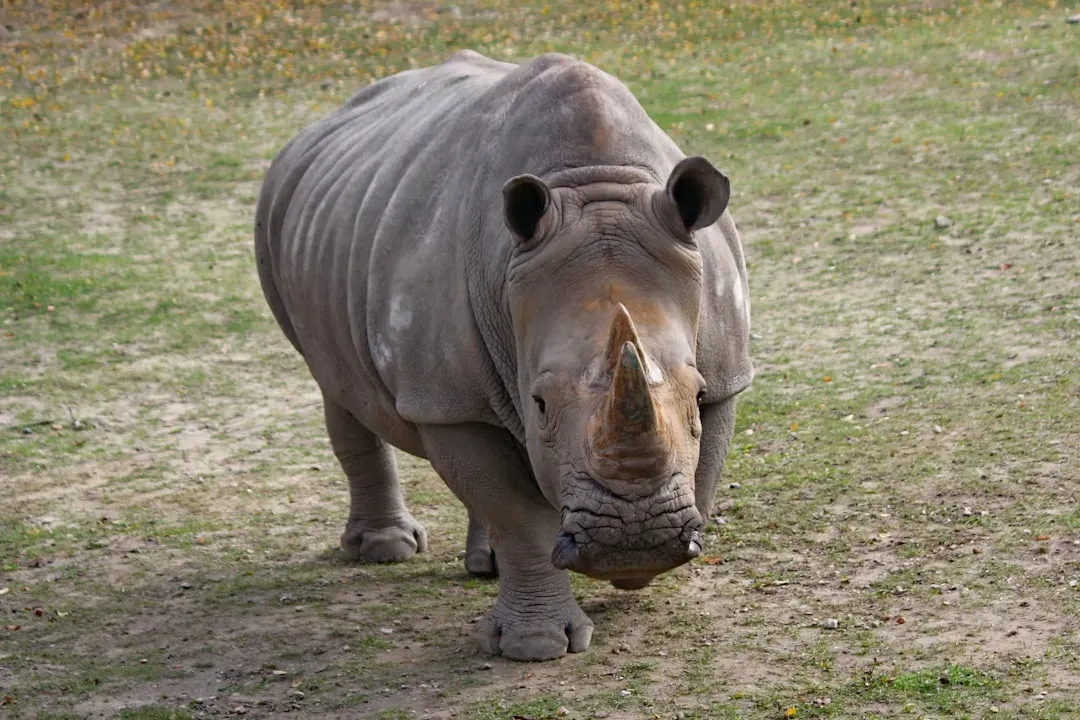
Alright, I know this one sounds deeply unglamorous, but stay with me. White rhinos have developed one of the most information-dense chemical communication systems in nature. The white rhino uses poop-centric methods of communication. These rhinos create communal defecation sites called middens, and the midden acts as a type of rhino message board, as the poop contains all sorts of biological and societal information. It can communicate who rules that specific area. The dominant male rhino will often poop directly in the middle of the midden and kick around his waste to spread his smell around.
These middens serve to mark territory and also leave a surprisingly detailed personal account, via chemical cues, of one’s status and health. Females also leave behind the scent of fertility. It is, in essence, a social media profile written in biology. Less elegant than a dolphin whistle, perhaps, but remarkably effective.
15. Tarsiers Scream in Ultrasound You Can Never Hear
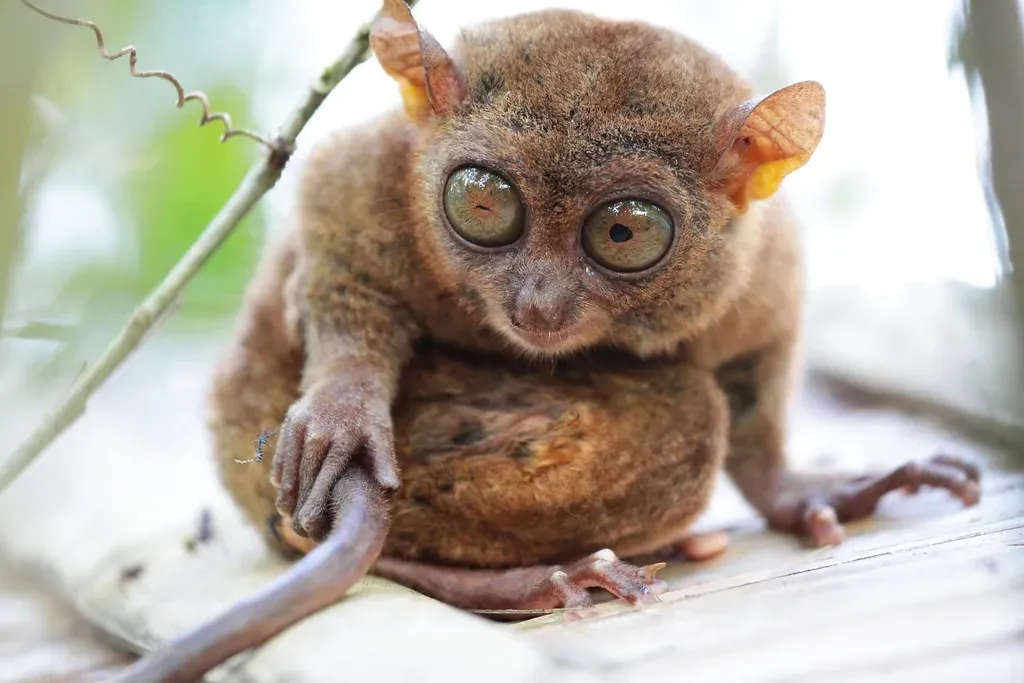
As a final entry, we go from the very low to the impossibly high. Tarsiers are tiny, enormous-eyed primates from Southeast Asia, and they have evolved a communication system sitting at the exact opposite end of the sound spectrum from elephants. These tiny, big-eyed primates communicate at ultrasound frequencies over 20,000 Hertz, far too high-pitched for the human ear to detect. Scientists recorded them using similar devices as those used to record bats, capturing their vocalizations at 70,000 Hertz, which is believed to help them communicate over jungle noise and out of range of predators.
Every time a tarsier opens its mouth in what looks like a silent call, it is broadcasting a full, detailed message to others of its kind at a frequency we will never be able to hear without specialized equipment. There could be a tarsier sitting on a branch above your head right now having a very loud conversation, and you’d never know.
The Bigger Picture: A World Alive with Language
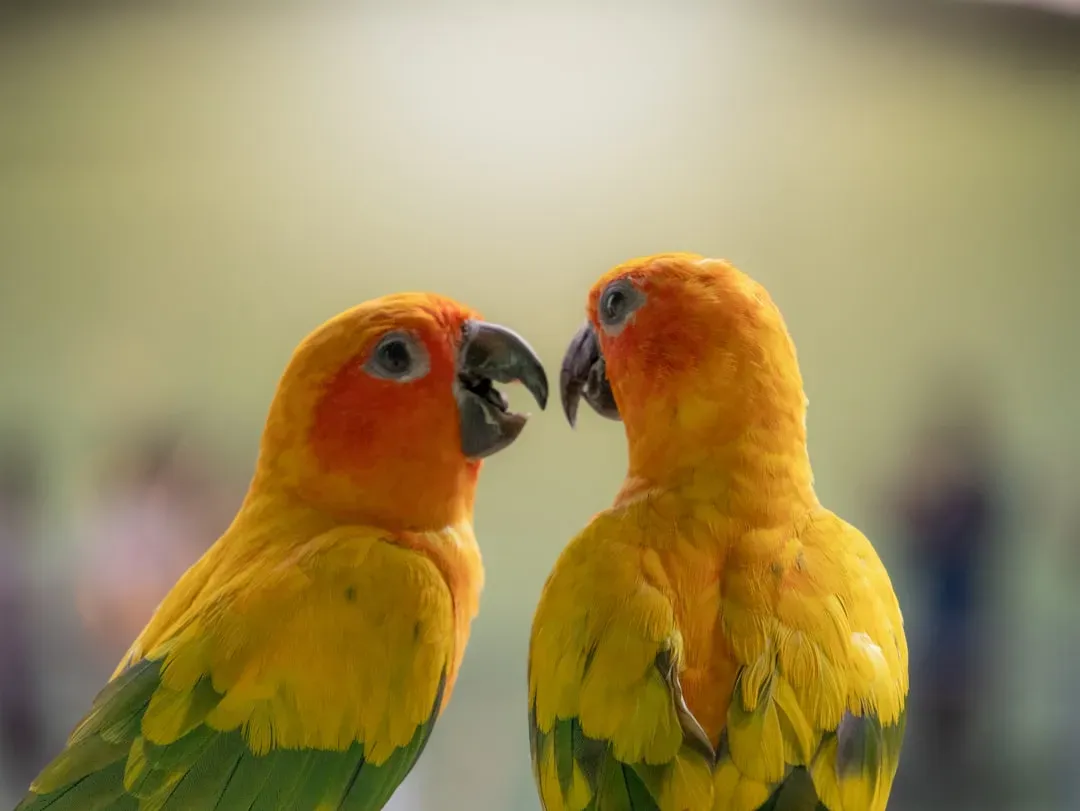
What strikes me most about all of this is how profoundly diverse the solutions to the same problem, “how do I talk to you?” can be. Sound, light, electricity, chemistry, vibration, gesture, dance. Evolution has tried every conceivable channel, and animals have mastered most of them.
Our knowledge of animal communication is growing by the year, and some have even suggested that this knowledge might eventually lead to stronger animal welfare laws. The more we understand what animals are saying, the harder it becomes to dismiss them as silent, passive creatures without interior lives.
Honestly, the question is no longer whether animals communicate in complex and meaningful ways. The evidence is overwhelming on that front. The real question is whether we are humble enough, and curious enough, to keep listening. Which one of these surprised you the most?

- Wildlife Science Says a Wolf Howling Alone in the Dark Is Not Calling Its Pack – It Is Doing the Opposite and the Distinction Changes How We Understand Lone Wolves Entirely - July 18, 2026
- Evolutionary Biology Says the Reason Humans Cannot Stop Looking at Fires Has Nothing to Do With Warmth – It Traces Back to a Brain Adaptation Far Older Than Language - July 18, 2026
- Animal Psychology Says Dogs Who Sleep on Your Pillow While You Are Away Are Not Being Rebellious – They Are Seeking Comfort From Your Scent to Soothe the Separation - July 18, 2026