
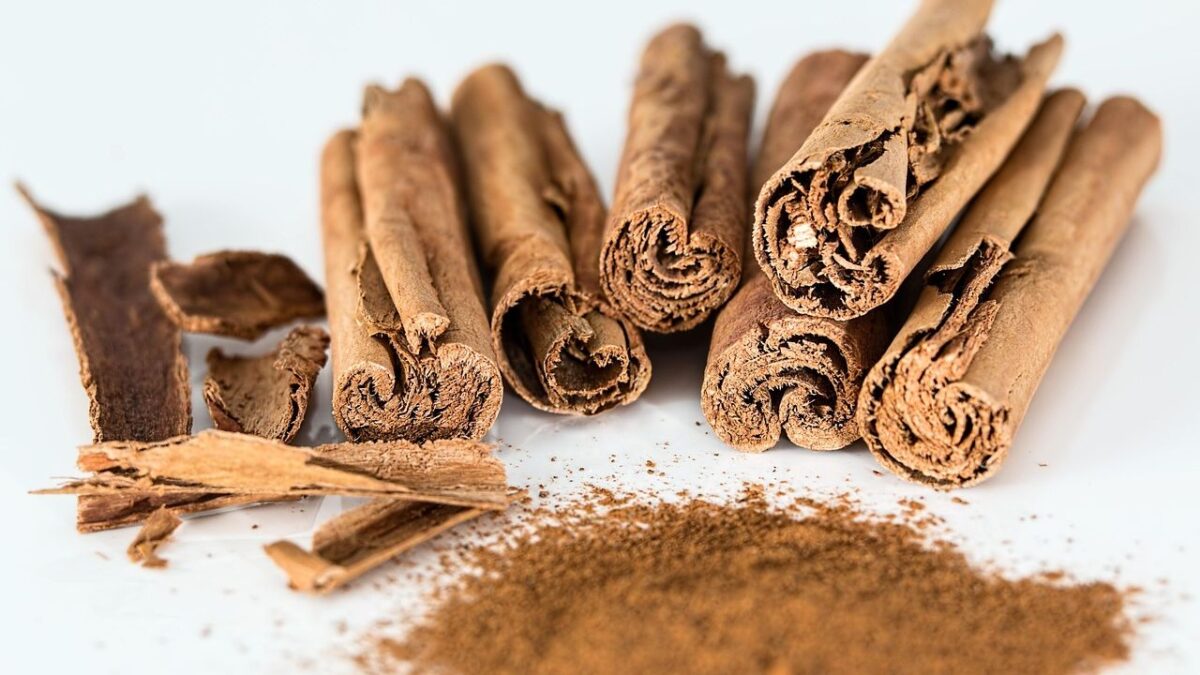
Ants are impressive little creatures. Honestly, if they weren’t marching across your kitchen counter uninvited, you might even respect them. They are organized, relentless, and communicate with stunning efficiency. The problem is, that efficiency is precisely what makes them such a nightmare to deal with once they find their way inside.
Here’s the good news though. Nature gave us something brilliant. There are certain scents so deeply offensive to ants that they will quite literally turn around and go somewhere else. No chemicals, no poison, no drama. Just a handful of everyday smells that these tiny invaders absolutely cannot stand. Let’s dive in.
1. Peppermint: The Ant’s Worst Nightmare
If there’s one scent that consistently tops the list, it’s peppermint. Refreshing and pleasant for us, it is essentially a full-blown sensory catastrophe for ants. Peppermint’s active compounds, menthol and thymol, not only mask ants’ pheromones but also serve as strong irritants to these tiny pests.
Think of pheromone trails as the ant version of Google Maps. Take those away, and the entire navigation system collapses. Peppermint oil is known for its ability to repel ants and is commonly used as a natural deterrent, as the strong scent of peppermint disrupts the ants’ communication and foraging trails, making it unattractive for them to enter an area where the oil is applied.
Scientific evidence strongly supports the use of peppermint oil as an effective ant deterrent. Several studies have demonstrated its potential in repelling ants and disrupting their foraging patterns. One notable study published in the Journal of Economic Entomology showed that peppermint oil significantly reduced ant activity and disrupted foraging trails.
Mix peppermint oil with water in a spray bottle and apply it along baseboards and entry points. Reapply every few days and you’ll notice the difference quickly.
2. White Vinegar: The Invisible Force Field
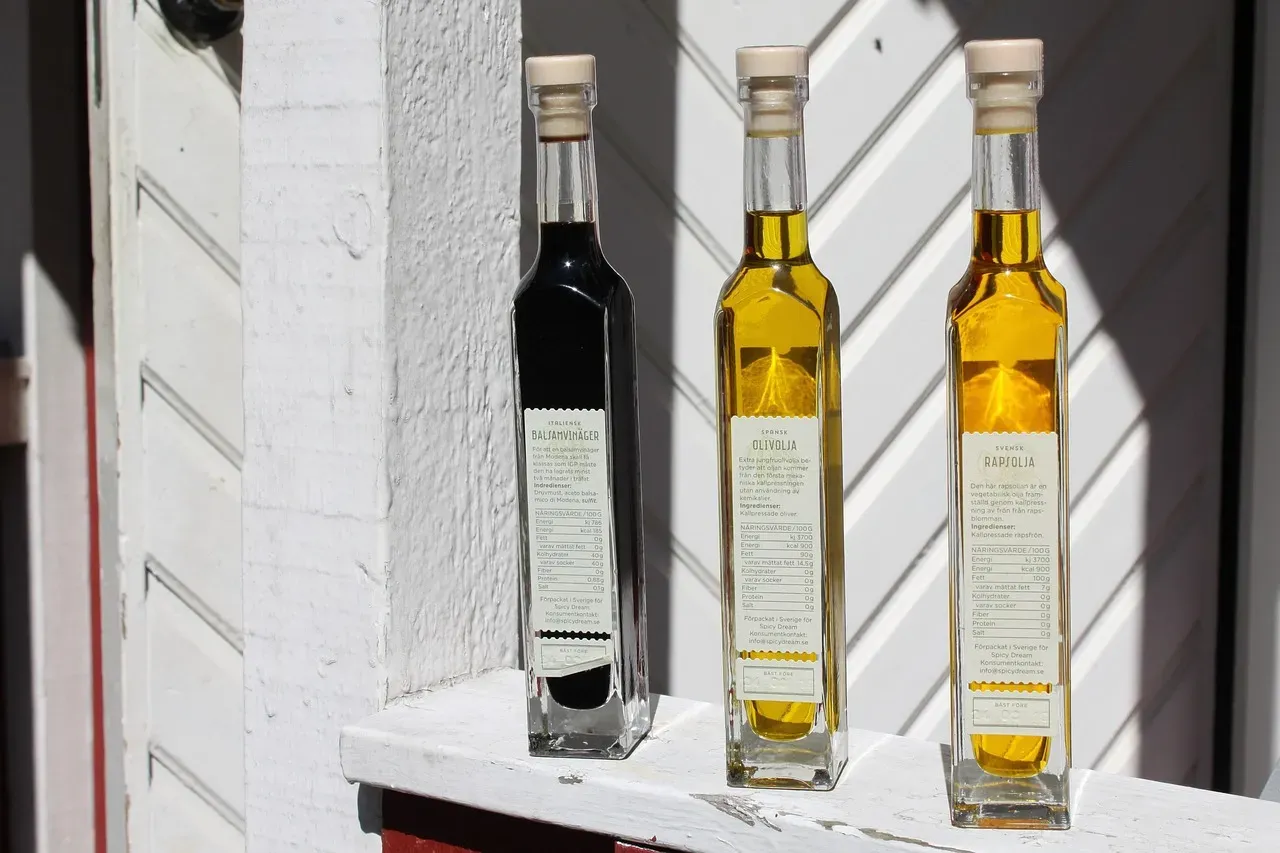
White vinegar is probably already sitting in your kitchen cupboard right now. What you might not realize is that it’s also one of the most effective ant deterrents in existence. Ants hate vinegar because it erases their pheromone trails and confuses their sense of direction.
It’s a bit like someone sneaking into your office and deleting all your work files. The ants simply cannot function without those chemical breadcrumbs. Homeowners often use vinegar solutions, mixing equal parts of vinegar and water in a spray bottle, which can then be applied to areas where ants are commonly seen.
Vinegar also serves as an excellent cleaning method, removing food residues that attract ants. By using vinegar to clean countertops and floors, individuals not only deter ants but also create a less inviting environment for them overall. Two birds, one stone. Hard to beat that.
3. Cinnamon: From Your Spice Rack to the Front Lines
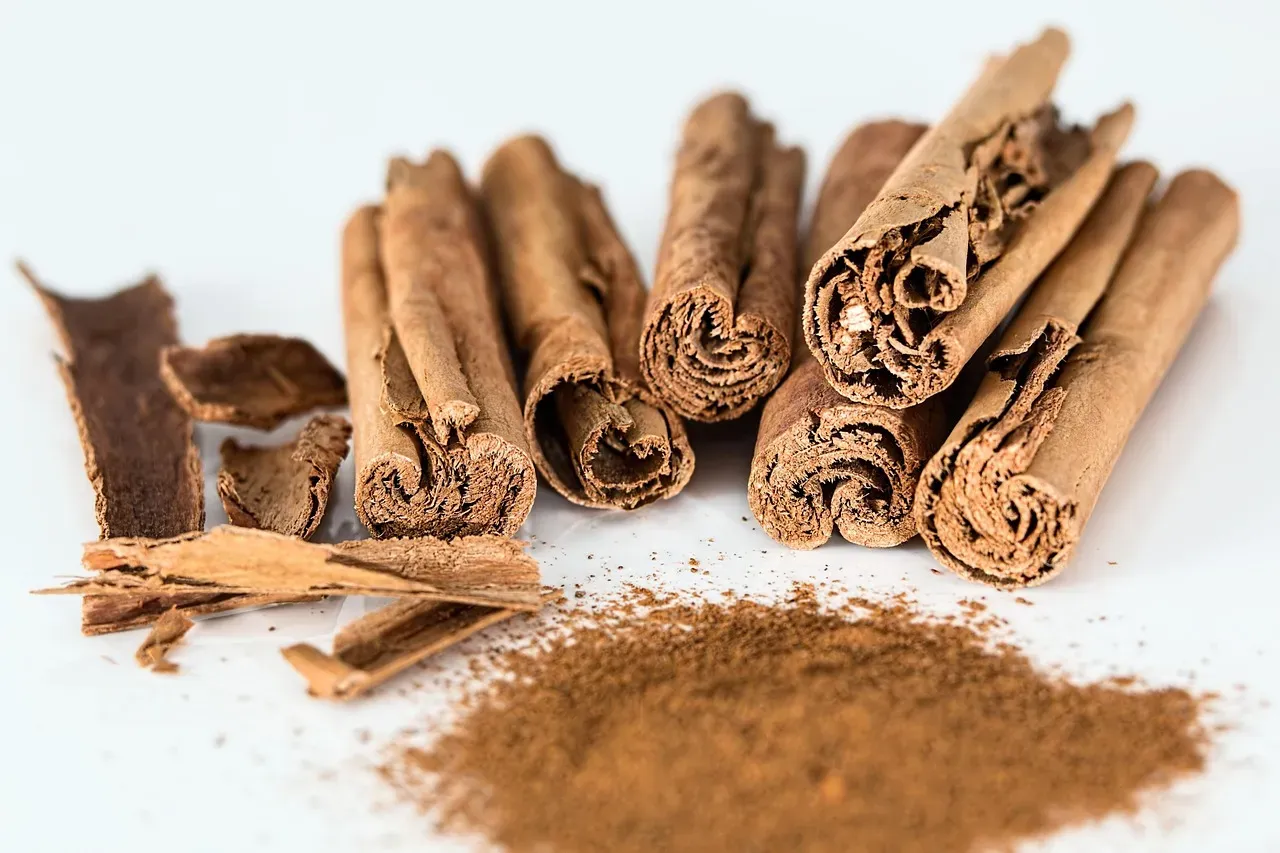
Cinnamon smells like warmth, comfort, and Sunday morning baking. For ants, it smells like danger. Ants don’t like the smell of cinnamon because cinnamaldehyde disrupts their pheromone trails and irritates them.
You can use it as a powder or as an oil, and both work well. Cinnamon’s strong aroma disrupts the ants’ ability to communicate and navigate, and people often use it in various forms, such as powder or essential oil, to create barriers that ants avoid.
The high concentration of cinnamaldehyde in cinnamon oil makes it a powerful ant-repellent. Sprinkle ground cinnamon along window sills, door frames, and any cracks you suspect are entry points. It won’t hurt your family, your pets, or your floors. It just tells the ants very clearly that they are not welcome here.
4. Citrus: Lemon, Orange, and the Power of the Peel
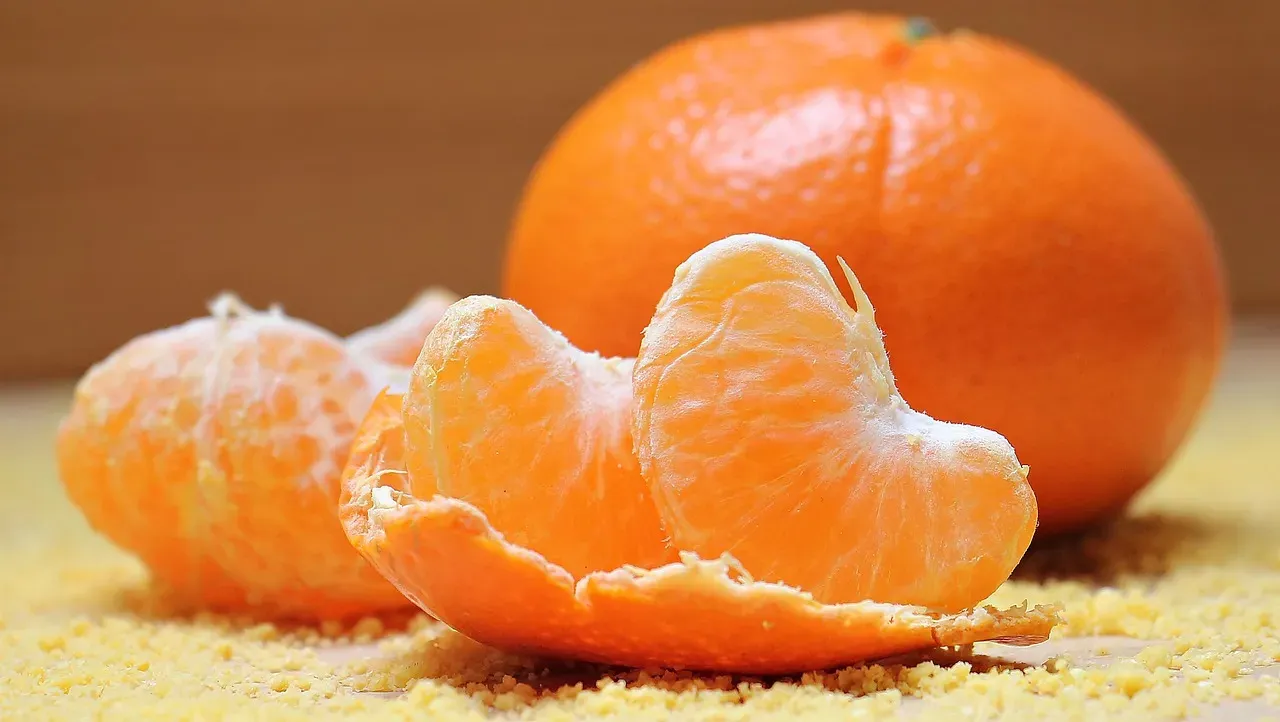
There’s something undeniably refreshing about citrus, and most of us associate that sharp, zesty scent with cleanliness. Ants, however, associate it with retreat. These pests are sensitive to strong odors, and the smell of citrus can disrupt their communication. Citrus peels, particularly from oranges and lemons, contain oils that are unappealing to ants, and when placed in areas where ants are active, these peels can help reduce their presence.
The zestful fragrance of citrus oils like orange and lemon is refreshing for us but a turn-off for ants, as these oils contain compounds that disrupt the ants’ scent trails and communication, effectively disorienting them.
I honestly think this is one of the most practical tips on this list. Wiping your countertops down with a mixture of water and lemon juice will compromise their scent trail. It’s free, natural, and your kitchen will smell absolutely wonderful. Win all around.
5. Garlic: Pungent, Powerful, and Underrated
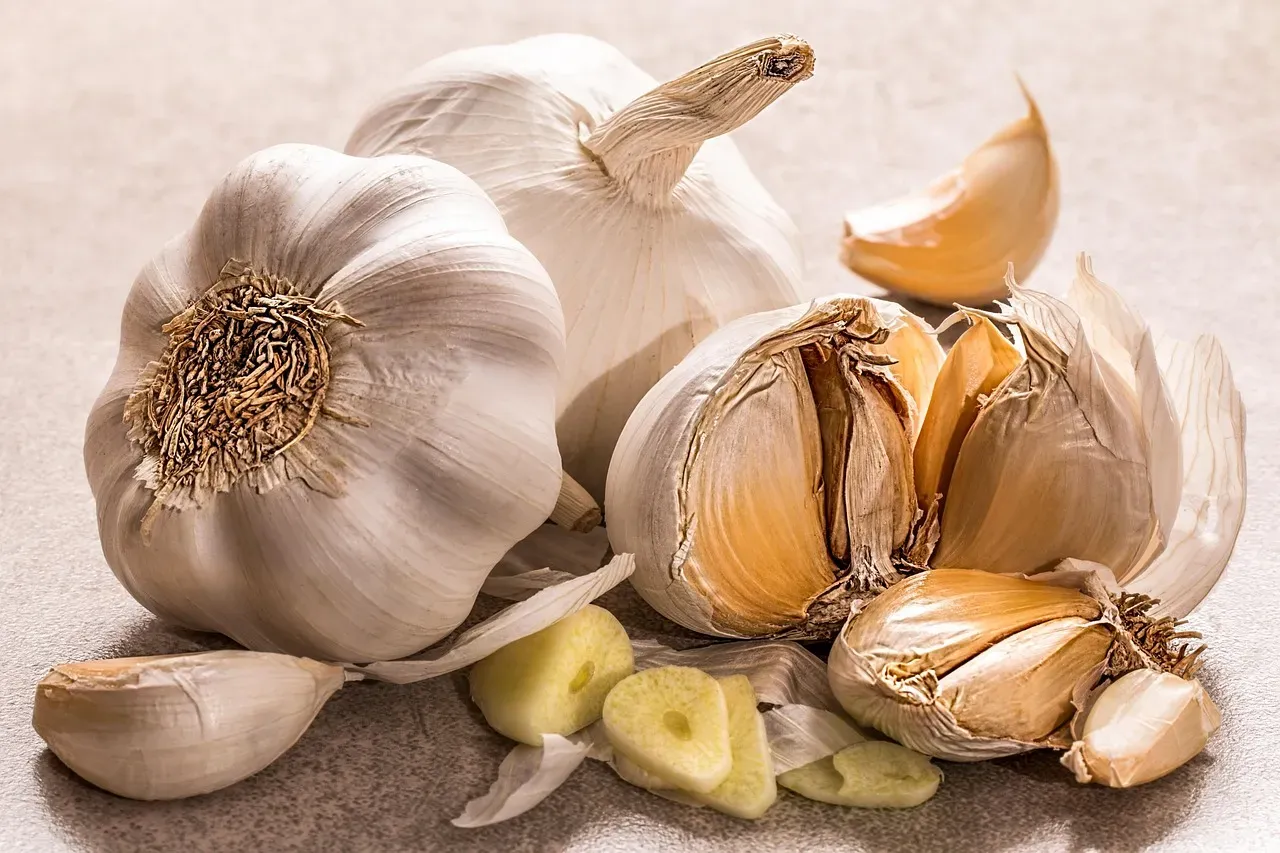
Let’s be real, garlic is a polarizing scent for humans too. Some of us love it, some of us quietly dread sitting next to someone who had garlic bread at lunch. For ants, there is no debate whatsoever. They hate it. Garlic’s potent odor confuses ants’ navigation and communication, making it an effective natural repellent.
It’s worth understanding why. Ants detect scent through very sensitive chemo-receptors on their antennae, and this is how ants zero in on food crumbs and other sources. A scent as overwhelming as garlic essentially sends those receptors into overload.
Strong-smelling herbs such as garlic, black pepper, and bay leaves are known to repel ants effectively. Place crushed garlic cloves near entry points or rub a cut clove along window sills. It won’t win any interior design awards, but it absolutely gets the job done.
6. Eucalyptus Oil: Fresh, Clean, and Completely Offensive to Ants
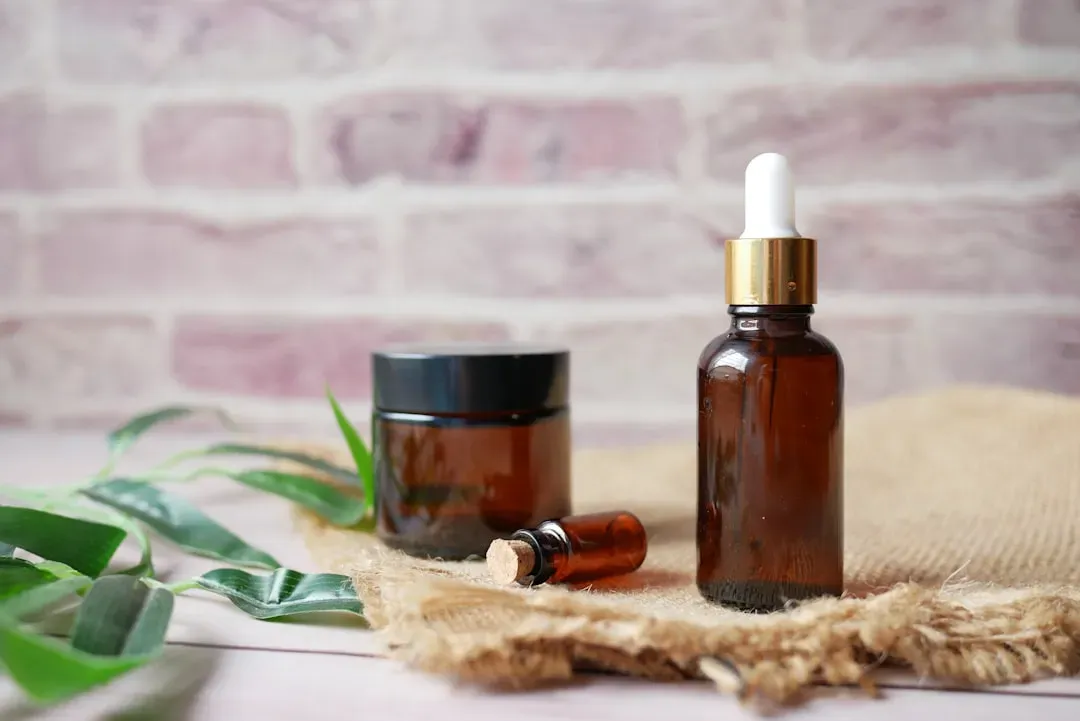
Eucalyptus oil has a sharp, medicinal quality that humans tend to associate with saunas and vapor rubs. It’s invigorating to us. To ants, it’s something else entirely. Eucalyptus oil’s robust and medicinal scent repels ants and other pests.
Oil extracted from the lemon eucalyptus tree is another natural insect repellent, and it contains citronella, the ingredient used in candles to repel mosquitoes. So you’re essentially getting a double-duty repellent with one product, which is honestly pretty impressive for something you can buy at a health food store.
Using an essential oil diffuser can help keep ants at bay. Diffusing eucalyptus oil in rooms where you’ve noticed ant activity not only repels ants but also leaves your home smelling fresh. You can also soak cotton balls in the oil and tuck them into corners, cabinets, and near entry points. Replace them every week or so for ongoing protection.
7. Tea Tree Oil: The Antiseptic Double Agent

Tea tree oil has a strong, slightly medicinal smell that most people either love or find a little overpowering. Ants fall firmly into the second camp. Tea tree oil is known for its antiseptic properties and for disrupting ants’ scent trails.
Here’s what makes tea tree oil particularly interesting. It doesn’t just repel. Essential oils are primarily used to repel ants rather than kill them, however certain oils like tea tree and cinnamon oil have properties that can be toxic to ants when applied directly. That’s a step beyond most natural options on this list.
Tea tree oil works well as ants avoid its strong scent, mainly when you apply it along scent trails. A diluted spray along baseboards or a few soaked cotton balls placed inside kitchen cabinets can make a noticeable difference very quickly. It’s hard to say for sure how long each application lasts, but most experts suggest reapplying every few days for best results.
8. Coffee Grounds: Your Morning Brew’s Secret Superpower
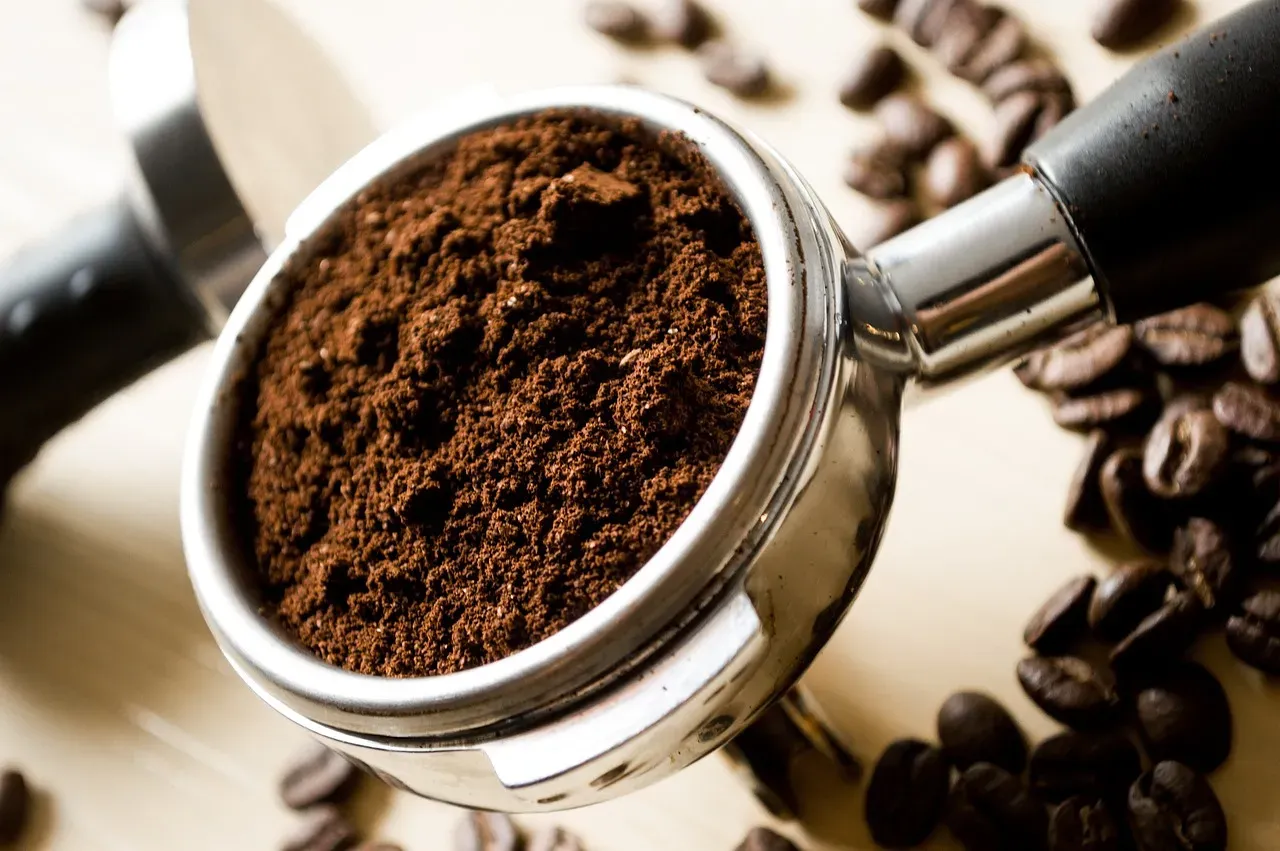
Here’s one that might genuinely surprise you. That pile of used coffee grounds you’re about to throw in the bin? Keep them. Ants are extremely susceptible to caffeine, and this safe material confuses the worker ants because they lose their scent trails.
It’s a bit like noise-canceling headphones for ants, except instead of blocking sound, it blocks the chemical signals they depend on entirely. Ants tend to avoid coffee grounds, and by spreading them around garden plants, you can help keep ants at bay.
Used coffee grounds can help when placed near outdoor entry points or along ant paths. This is particularly great for garden beds and outdoor areas where spraying oils isn’t always practical. Plus, coffee grounds also work as a mild fertilizer for your soil. So you’re protecting your garden while feeding it at the same time. That’s the kind of efficiency even the ants would respect.
Conclusion: Nature’s Arsenal Is More Powerful Than You Think
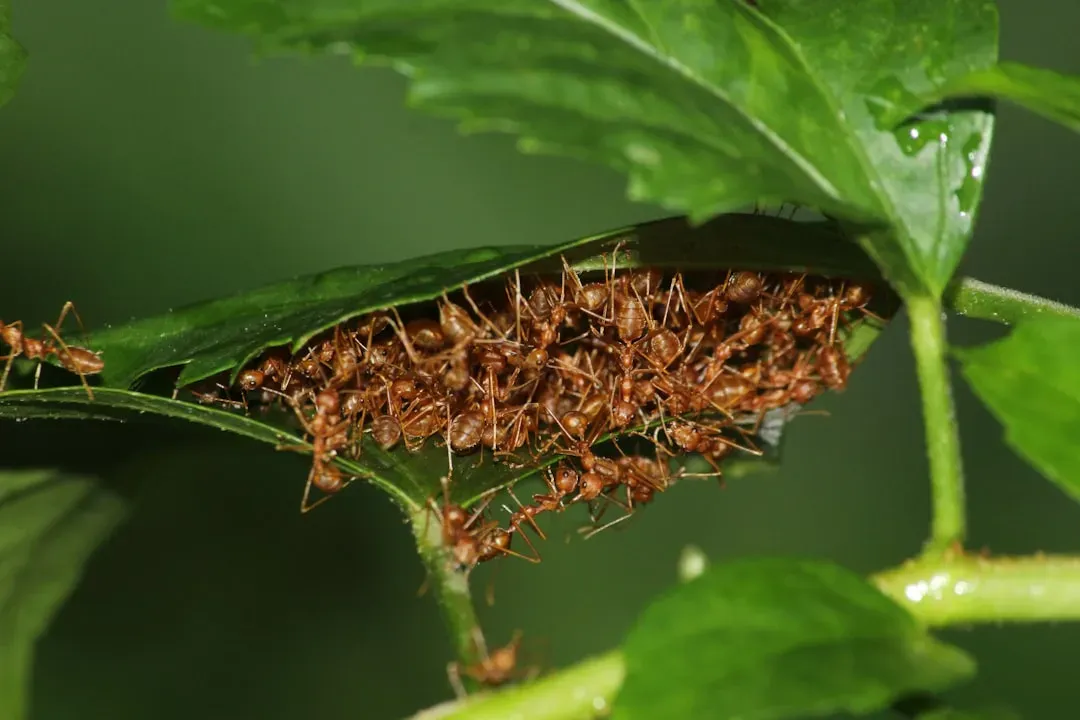
It’s remarkable, honestly, that so many solutions to ant invasions are already sitting in our kitchens, gardens, and bathroom cabinets. Peppermint oil, white vinegar, cinnamon, citrus peels, garlic, eucalyptus, tea tree oil, and coffee grounds all send the same clear message to ants: move on, there’s nothing here for you.
Natural remedies temporarily disrupt ants but do not eliminate nests. Once the scent fades, ants rebuild pheromone trails. That’s worth keeping in mind. Consistency is key. These aren’t one-and-done solutions, they’re part of an ongoing routine.
The real takeaway here is that you don’t need harsh chemicals to reclaim your space. A little knowledge, a few everyday ingredients, and some strategic application go a very long way. So next time you see that little scout ant on your kitchen counter, don’t panic. Grab your peppermint oil and show it who’s boss. What scent are you going to try first?

- 6 Exotic Bird Species You Can Spot in U.S. National Parks - July 19, 2026
- 11 Iconic American Birds Facing New Challenges and How You Can Help - July 19, 2026
- 10 Friendliest Animals in the World - July 19, 2026