

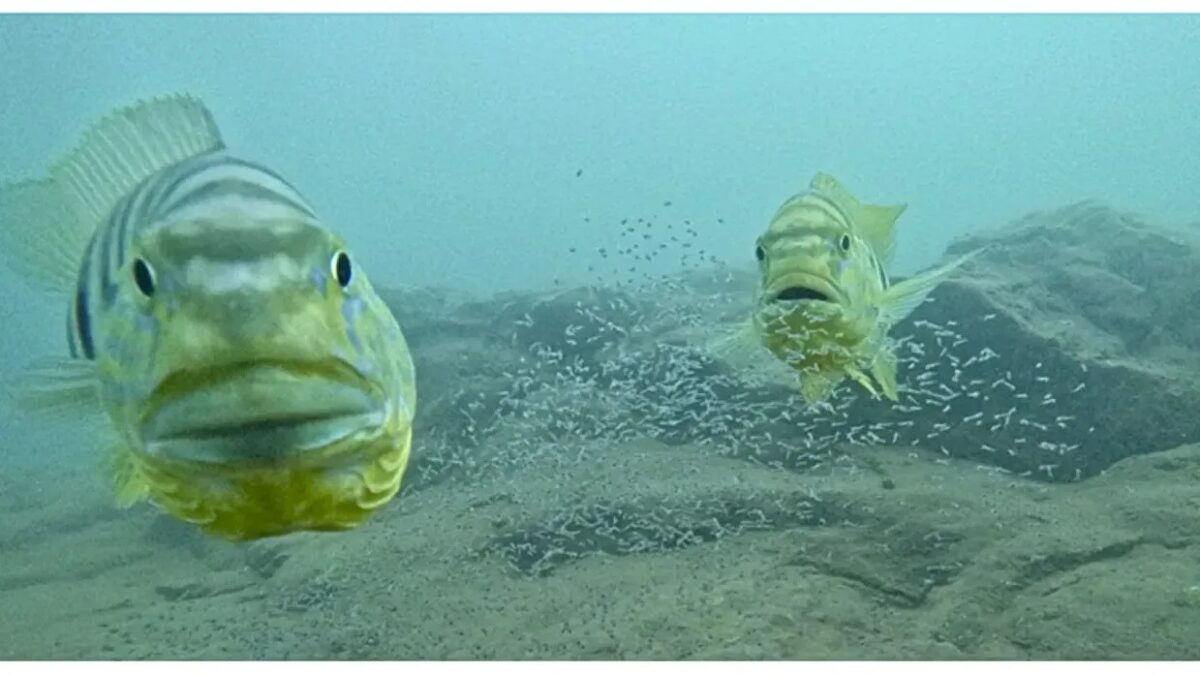
Every year, researchers quietly add new creatures to the official record of life on Earth. Most people never notice. A lizard here, a beetle there. But fish? Fish are supposed to be well-documented by now. We’ve been studying oceans, rivers, and lakes for centuries.
Turns out, we’ve barely scratched the surface. In 2024 alone, scientists described 304 brand new species of fish, a number that honestly made me do a double take when I first read it. The deep sea still holds secrets, yes, but so do shallow coral reefs, murky river systems, and even fish markets in remote parts of the world. What’s being uncovered is surprising in more ways than one. Let’s dive in.
One New Fish Species Every Single Day
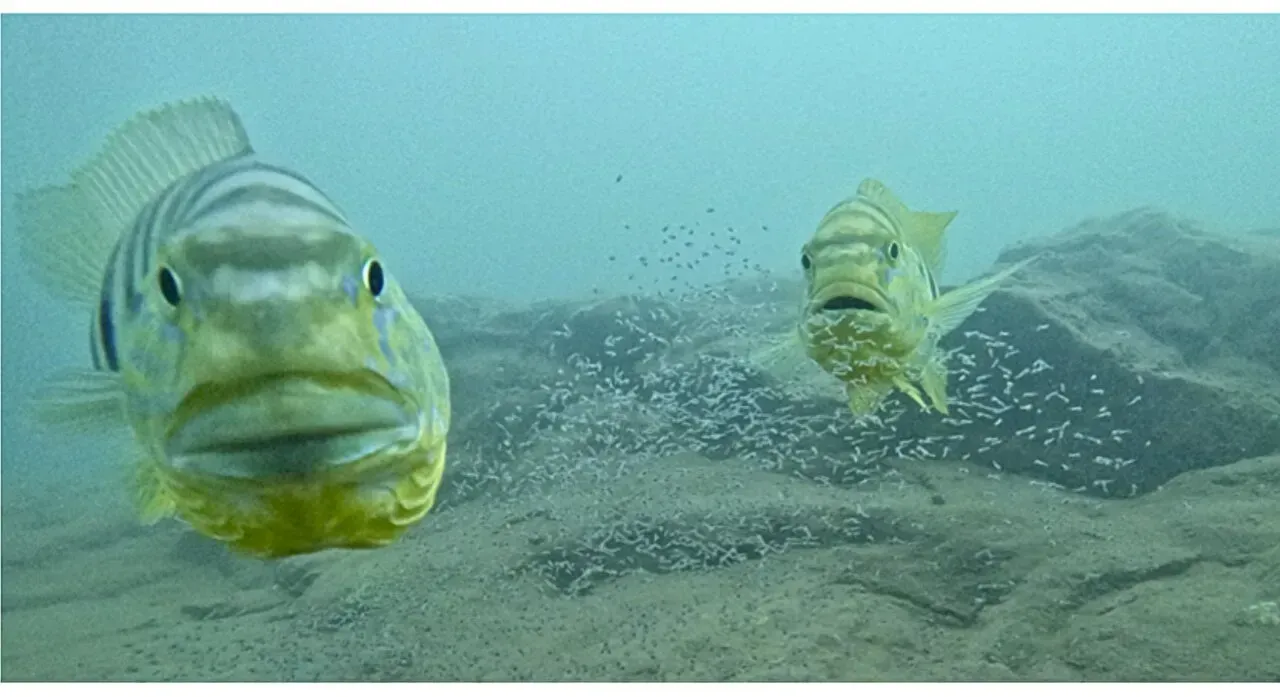
Here’s the thing – 304 species in a year works out to roughly one new fish described almost every single day. That’s not a slow trickle of discovery; that’s a steady, relentless flood of new biological knowledge pouring in from research teams across the globe. When you frame it that way, it hits differently.
The findings were compiled and published by ichthyologists tracking the annual rate of new fish descriptions. The count is part of an ongoing effort to catalog Earth’s biodiversity before habitat loss, climate change, and pollution potentially wipe out species we haven’t even named yet. It’s exciting and sobering at the same time.
Where Are These Mystery Fish Actually Coming From?
You might picture scientists in submarines descending into the abyss to find these creatures. Sometimes that’s true. Several of the newly described species were indeed pulled from deep-sea environments that humans rarely access. The deep ocean remains, without exaggeration, one of the least explored places on the planet.
Still, a good number of new species came from much more accessible places. Freshwater systems in South America, Southeast Asia, and Africa continue to yield extraordinary surprises. Dense river networks in the Amazon basin, for example, hide fish that look almost identical to known species but carry entirely different genetic signatures. Science is only now catching up.
The Role of DNA in Unlocking Hidden Species
A huge driver behind this surge in discoveries is genetic analysis. In the past, two fish that looked similar were assumed to be the same species. Now, DNA sequencing has revealed that what scientists once called a single species is sometimes actually four or five distinct ones. This concept is called a “cryptic species,” and it’s reshaping what we know about biodiversity.
Honestly, it’s a bit like finding out your neighbor has had an identical twin this whole time and you never knew. The fish look the same, they swim the same, but at the molecular level they are fundamentally different organisms. This technology has turbocharged the pace of formal species descriptions and shows no sign of slowing down.
Tiny Fish, Big Discoveries
Many of the newly documented species are small. Miniature gobies, tiny tetras, dwarf catfish measuring just a few centimeters. These aren’t the kind of animals that make it onto wildlife documentaries. They tend to hide in rock crevices, burrow into riverbeds, or blend so perfectly into their environment that even experienced researchers miss them on first pass.
Size, it turns out, is one of the biggest reasons fish diversity has been underestimated for so long. A small, drab-colored fish hiding in a root system in a tributary nobody has surveyed before can go undetected for decades. Some of these newly described species had been sitting in museum collection jars for years before someone took a closer look and realized they’d been mislabeled.
Why Naming a Species Actually Matters
Let’s be real – to most people, a new fish species sounds like an academic footnote. Who cares if something gets a Latin name? Here’s why it matters more than you’d think. A species that hasn’t been formally described technically doesn’t exist in the eyes of conservation law. It cannot be protected. It cannot be listed as endangered. It’s invisible to policy.
Once a species has a name and a formal scientific description, it can be included in biodiversity assessments, conservation plans, and environmental impact studies. Naming things is the first and most essential step toward protecting them. In a world where ecosystems are under relentless pressure, that bureaucratic-sounding process carries real, life-or-death consequences for entire populations of animals.
The Scientists Doing This Work Are Racing Against Time
The researchers and ichthyologists behind these discoveries are working in a landscape of urgency. Deforestation in tropical regions is destroying river habitats faster than they can be surveyed. Coral reef degradation continues to accelerate. Climate-driven shifts in water temperature are forcing fish populations to move or decline. Species are almost certainly being lost before they are ever found.
It’s hard to say for sure how many fish species remain undescribed worldwide, but estimates from the scientific community suggest the total number of fish species on Earth could be significantly higher than current records reflect. Some researchers believe we may have documented only a fraction of true fish diversity. That’s both thrilling and deeply uncomfortable to sit with.
What 304 Species Tells Us About the Planet’s Biodiversity
Think about what 304 new species in a single year actually signals on a broader scale. It tells us that Earth’s biodiversity is far richer, far more complex, and far less understood than most people assume. We talk about biodiversity loss as though we understand what we’re losing. Often, we don’t even know what’s there in the first place.
The fish record is particularly striking because fish are among the most studied vertebrate groups on Earth. If we’re still finding hundreds of new fish species annually, the numbers for insects, fungi, marine invertebrates, and microbial life are almost unimaginable. Every new species described is a reminder that nature is still speaking, still revealing itself, still full of chapters we haven’t read.
A World Still Full of Surprises
The discovery of 304 new fish species in a single year isn’t just a statistic for a scientific journal. It’s a statement about the world we live in. We share this planet with millions of organisms we’ve never formally acknowledged, creatures that have evolved over millions of years in parallel with human civilization, completely unknown to us.
I think the real takeaway here isn’t just about fish. It’s about humility. The assumption that we’ve mapped and cataloged most of life on Earth is, frankly, wrong. There is still so much out there waiting to be found, named, and protected before it quietly disappears. The question worth sitting with is this: how many species will we lose before we ever get the chance to know they existed?
What do you think – does it change how you see the natural world, knowing that hundreds of new animals are still being discovered every single year? Drop your thoughts in the comments.

- Urban Coyotes Show Remarkable Adaptability, Learning to Thrive in City Environments - July 22, 2026
- Beavers Are Nature’s Engineers, Creating Vital Habitats for Other Wildlife Species - July 21, 2026
- The Recovery of the California Condor Offers Hope for Other Critically Endangered Birds - July 21, 2026