

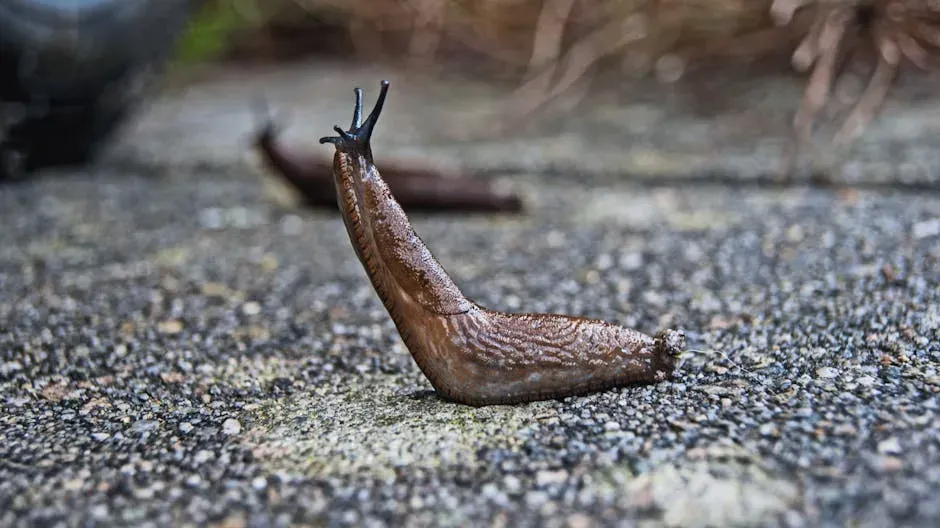
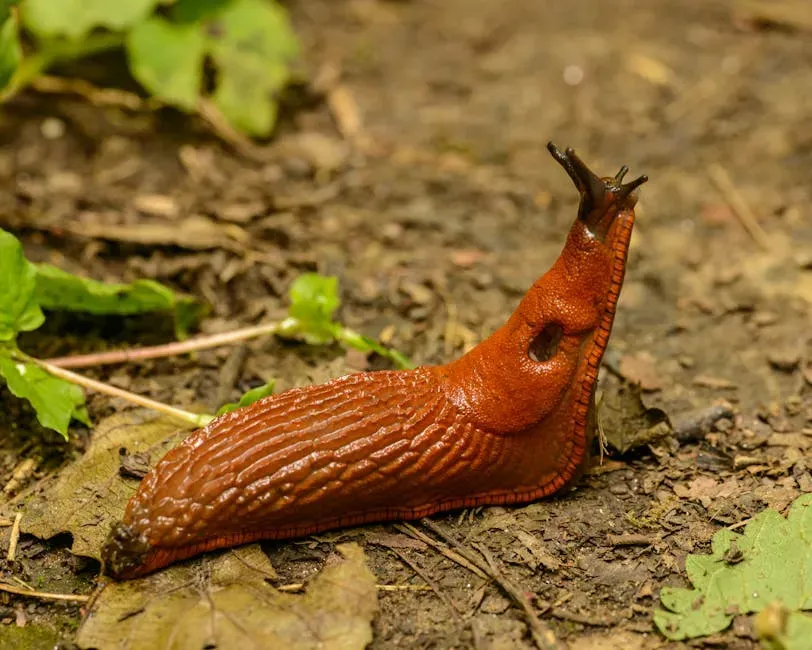
Nothing stings quite like spotting those telltale slime trails weaving through your garden beds at dawn. Your precious hostas or lettuce leaves look like they’ve been through a shredder, courtesy of those nocturnal munchers.
Slugs thrive in moist shade, but you hold the power to turn the tables without harsh chemicals. Ready to reclaim your plot? Let’s explore these straightforward, earth-friendly fixes that real gardeners rely on.[1][2]
Beer Traps: Their Boozy Downfall
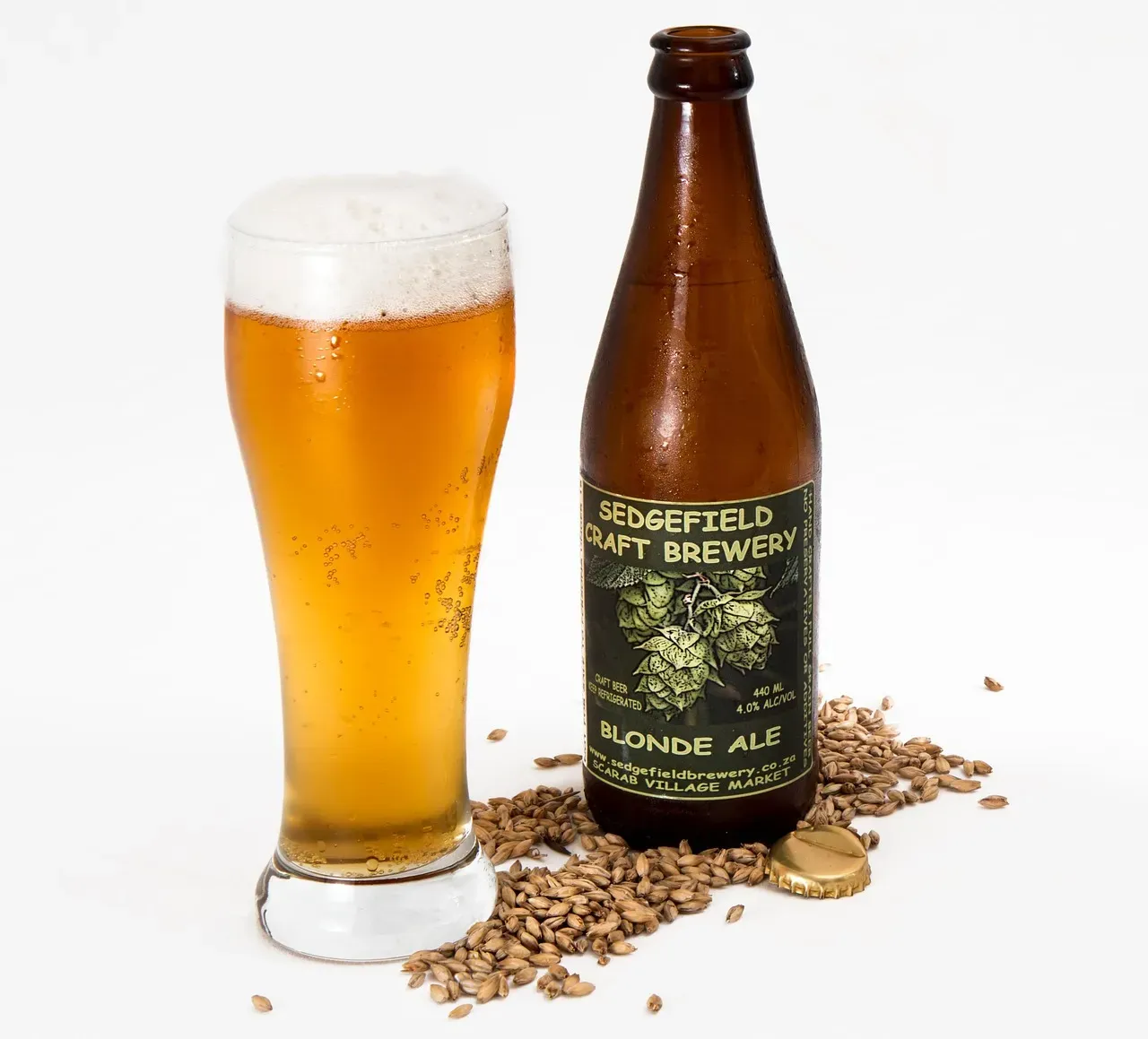
Slugs can’t resist the yeasty aroma of beer. Sink a shallow yogurt pot or tuna can level with the soil, fill it halfway with cheap lager, and watch them tumble in overnight.[1]
They drown happily, far from your plants. Refresh the bait every evening for best results. I know it feels a tad cruel, yet it spares your greens without a trace of poison.
Place several traps around vulnerable spots. Gardeners report fewer sightings within days. This classic trick pulls pests from afar.
Crushed Eggshells: A Crunchy Barrier
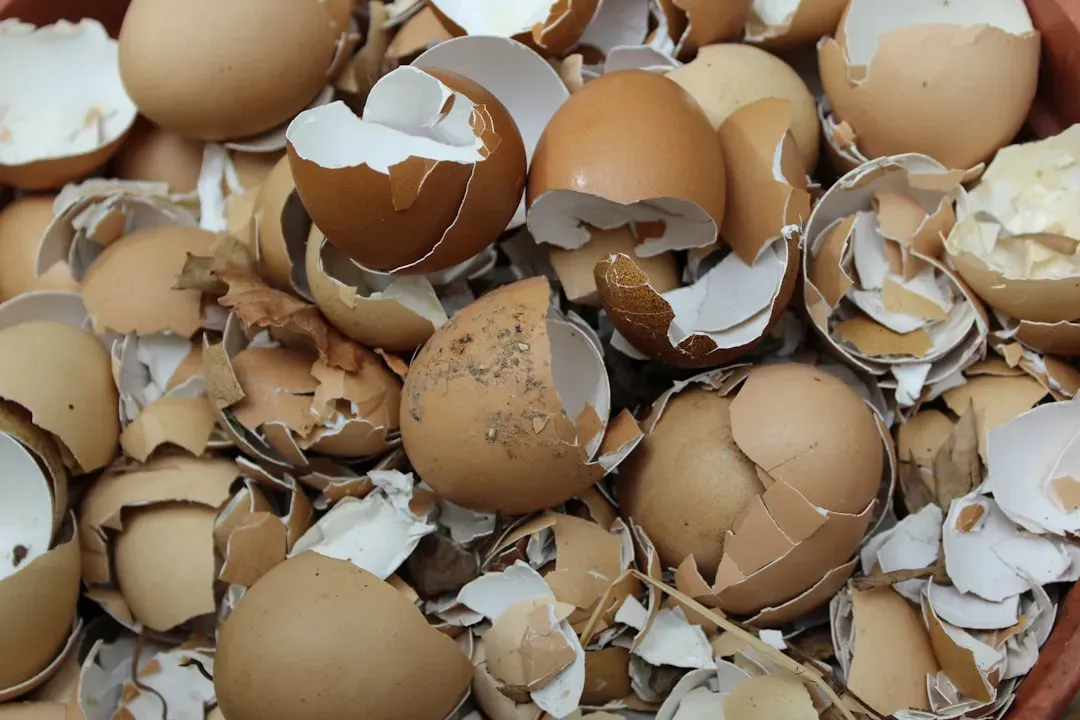
Rinse and bake empty eggshells to dry them out. Crush into sharp fragments and scatter a ring around plant bases. Slugs hate slithering over the jagged edges.[2]
Bonus: they break down to feed your soil calcium. Reapply after rain keeps the defense strong. It’s free kitchen scrap magic.
Thicker layers work better against determined invaders. Pair with mulch for extra texture. Honestly, this one’s as simple as breakfast.
Coffee Grounds: Caffeinated Repellent
Collect used grounds from your morning brew. Sprinkle them liberally around stems and seedlings. The caffeine and texture send slugs packing.[1]
They double as soil enrichers too. Brew strong cold coffee for a spray if you want to amp it up. Slugs avoid the bitter vibe entirely.
Freshness matters, so use recent batches. Coffee shops often give them away. Here’s the thing: it perks up your garden in more ways than one.
Results show up fast in damp weather. Layer lightly to avoid mold. A win for eco-conscious folks.
Diatomaceous Earth: Microscopic Swords
This powdery fossil dust slices slug undersides on contact. Dust it dry around plants after evening dew dries. They dehydrate quickly and retreat.[1]
Food-grade versions stay safe for veggies. Wear a mask during application. Rain washes it away, so refresh often.
It targets soft bodies without harming bees or birds. Think of it as nature’s razor wire. Effective, though a bit dusty.
Copper Tape: Electric Shock Surprise

Wrap self-adhesive copper tape around pots or raised bed edges. Slug slime reacts with the metal for a mild zap that turns them back.[2]
Clean with vinegar to prevent buildup. Wider strips pack more punch. Slugs simply won’t cross.
Reuse year after year. Affordable rolls cover lots of ground. I think it’s clever science in action.
Test on a few pots first. Pairs well with other methods. Keeps things pristine.
Garlic Spray: Pungent Protection
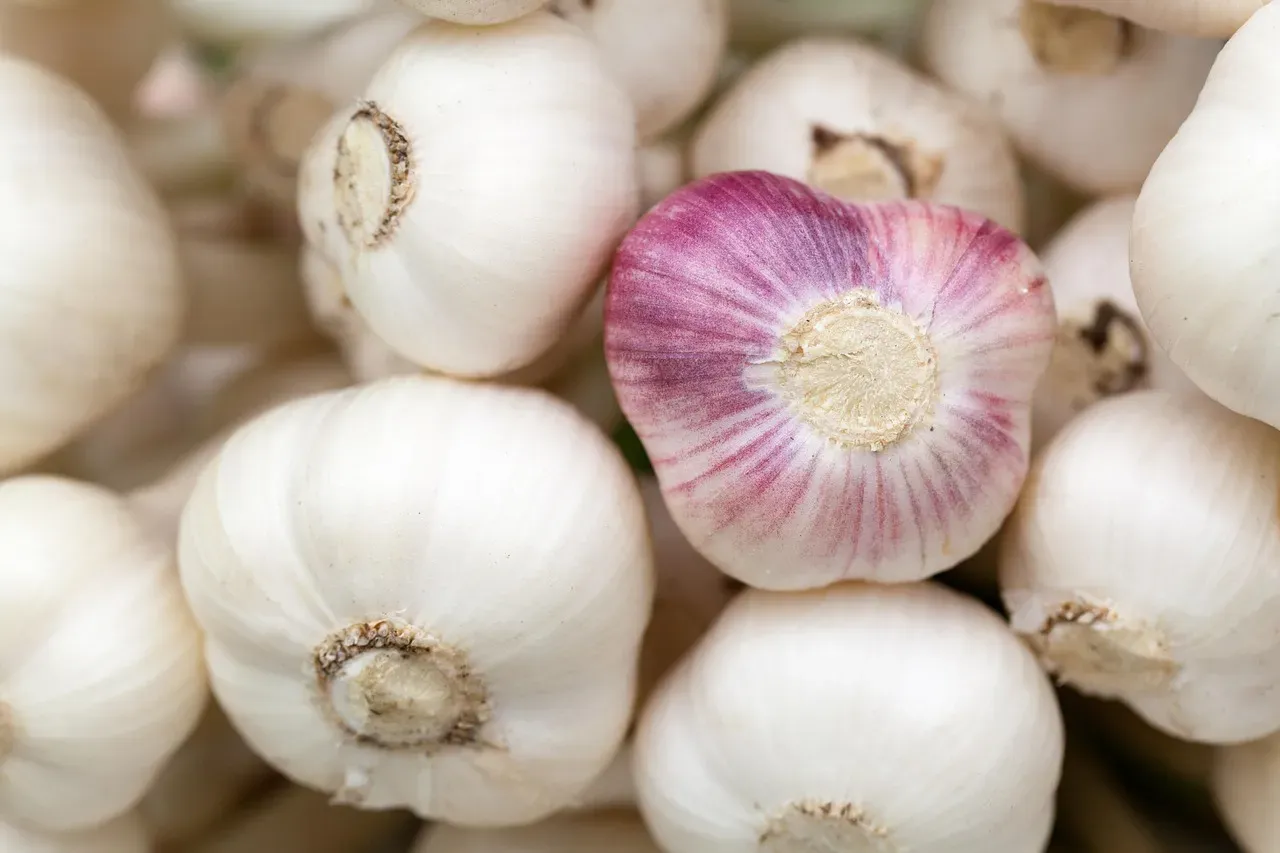
Crush a few cloves and steep in water overnight. Strain into a spray bottle and mist leaves and soil. The sharp scent repels slugs instantly.[1]
Dilute if plants seem sensitive. Reapply post-rain. It’s like an invisible force field from your kitchen.
Grows your own garlic for endless supply. Slugs steer clear of the aroma. Potent and preventive.
Fresh batches smell strongest. Test small areas always. Aromatic defense at its best.
Sharp Gravel or Sand: Rough Roadblock
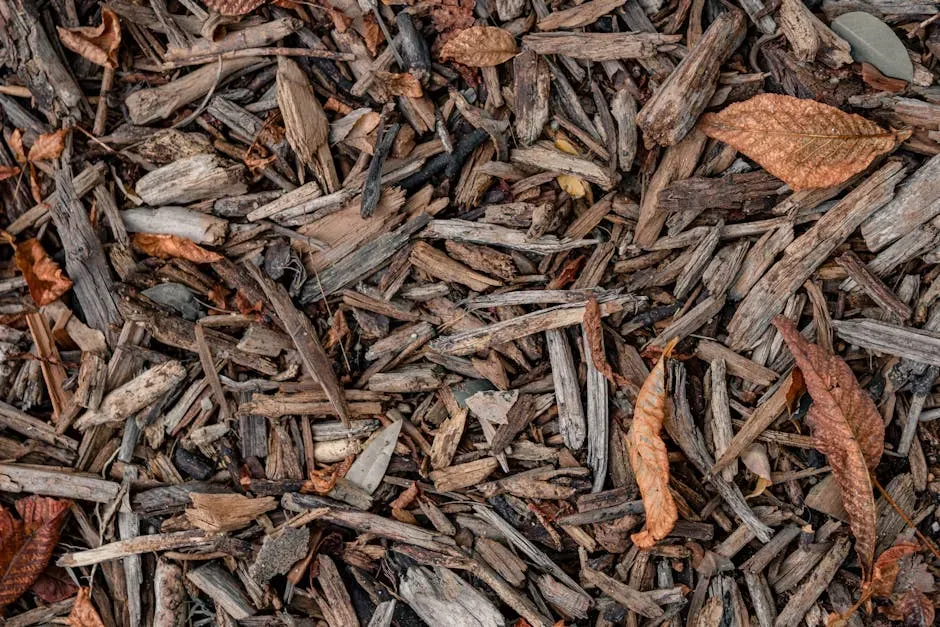
Spread coarse horticultural grit or sharp sand in bands around beds. Slugs loathe the abrasive trek across it. Creates a no-go zone effortlessly.[3]
Improve drainage as a perk. Avoid fine play sand, which they ignore. Layer an inch thick for staying power.
Cheap bags from garden centers suffice. Mix with mulch for looks. Tough on slugs, gentle on soil.
Slug-Repellent Plants: Living Shields

Plant lavender, rosemary, or geraniums as borders. Their scents and textures naturally deter slugs from crossing.[1]
Foxgloves and phlox join the lineup too. They beautify while protecting. Long-term strategy that pays off.
Interplant among veggies. Thrives in sunny spots. Nature’s own bodyguard squad.
Expand gradually. Watch slugs bypass entirely. Elegant and enduring.
Final Thoughts: Slug-Free Gardening Awaits
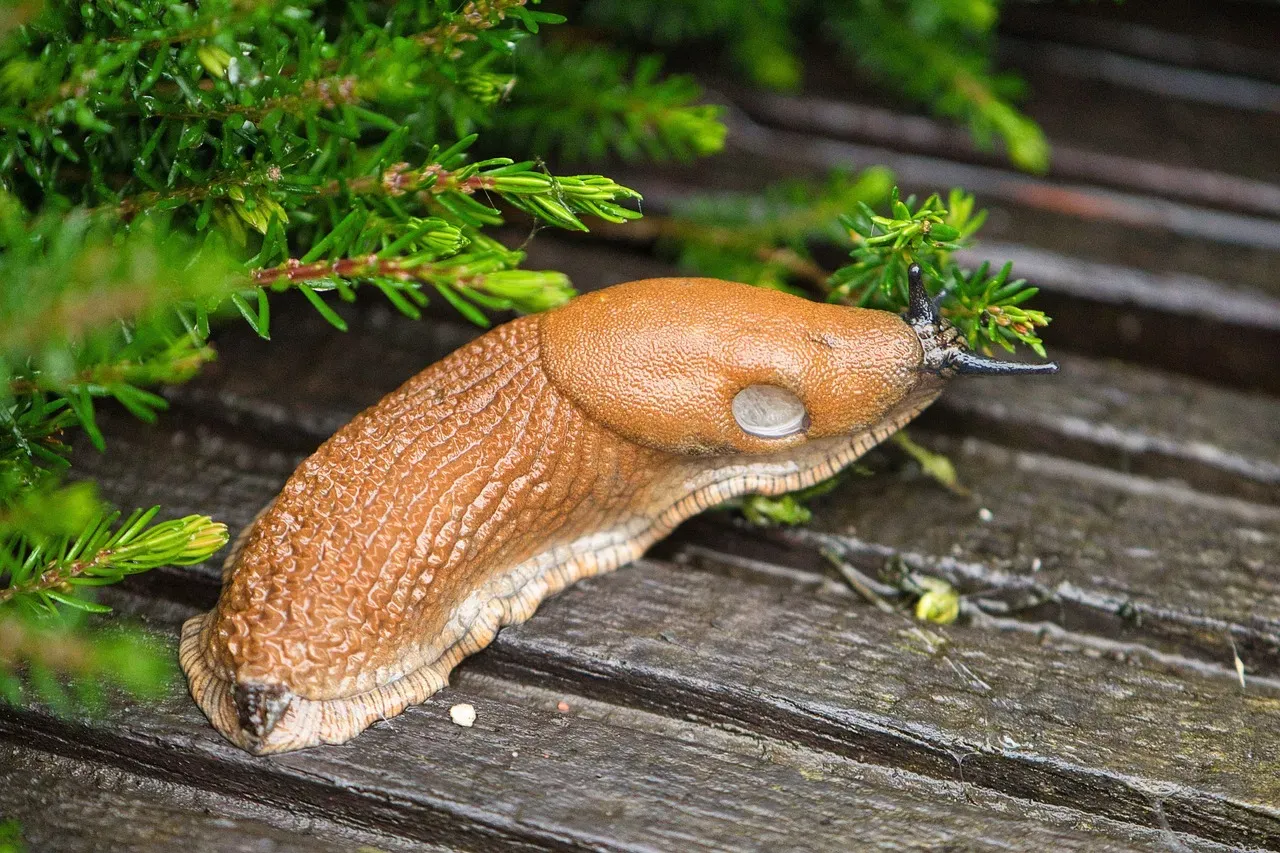
Combine a few of these for unbeatable results. Your plants deserve that thriving chance. Start small tonight.
What surprised you most? Drop your favorites or tweaks in the comments. Happy gardening! [4]
