
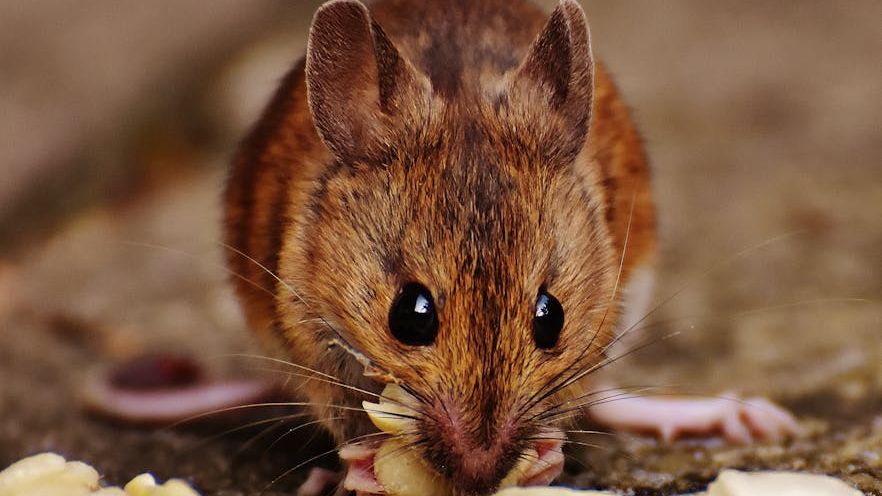
Most homeowners picture a rat or a mouse when they think about rodent damage. Those suspicions are understandable. There is something viscerally unsettling about discovering a chewed wire or a scattering of droppings in the kitchen. But there is another kind of rodent causing serious harm to homes across the country. Quietly. Invisibly. And almost always without you knowing until it is too late.
Voles, moles, and groundhogs rarely make the evening news. They are small, they are shy, and they mostly stay underground. That is exactly what makes them so dangerous. By the time any visible damage appears, these creatures may have already been working on your property for months, or even years. What follows might genuinely surprise you. Let’s dive in.
The Culprit You Probably Never Suspected
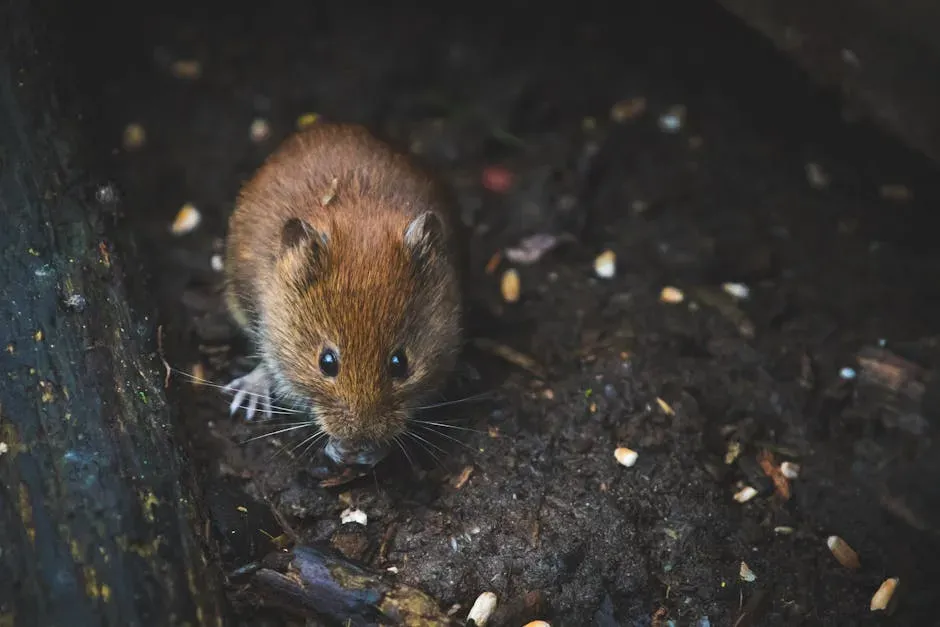
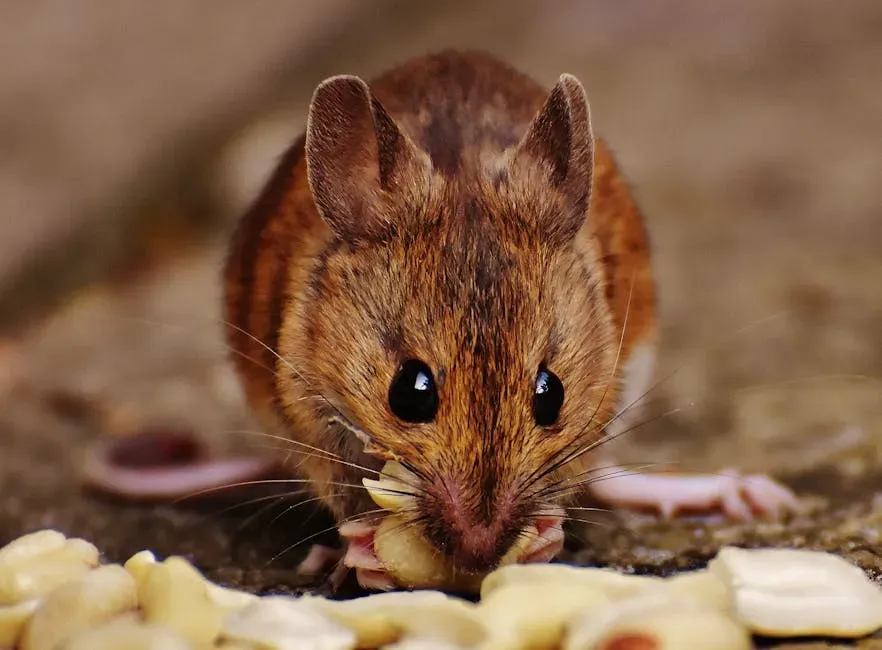
Let’s be real. When someone says “rodent problem,” your mind jumps to rats and mice. They are the famous villains of the pest world. But the unassuming vole, a creature that looks almost identical to a common field mouse, is one of the most quietly destructive animals you can have on your property.
Voles are rodents that look very similar to a mouse and leave scars on your lawn. They can be anywhere from five to seven inches long, with short and small legs and tails. They enjoy eating a variety of plants. Sound harmless? Think again.
Plenty of pests can ruin a lawn, but few can wreak havoc or destruction quite like burrowing rodents. Moles and voles are fairly common throughout much of America, and they have a knack for making even the most seasoned lawn care expert seethe with frustration. These rodents have the ability to dig long, badly-damaging tunnels in a short amount of time, are tremendously difficult to get rid of, and carry a secret few people realize: while they tend to cause the most visible damage to your lawn, they can actually cause even greater damage to your home as a whole.
Honestly, that last part is the part that really keeps property owners up at night once they know about it.
The Underground Attack on Your Foundation
Think of your home’s foundation like the hull of a ship. Solid, protective, essential. Now imagine a crew of small furry creatures quietly drilling tunnels through everything beneath it. That is essentially what burrowing rodents do, and the consequences can be jaw-dropping.
Moles and voles alike have a tendency to dig tunnels in the soil beneath your home’s foundation in search of food. While this rarely results in success, the tunnel they leave behind can significantly compromise the integrity of the land your home sits on. When these tunnels collapse, the land beneath your foundation weakens, resulting in cracks, shifting, sinking, and even collapsing if things get bad enough.
To make matters worse, mole tunnels tend to carry water, and water that the soil absorbs often pools up in these tunnels. During the winter months, this water can freeze, causing the soil to shift even further. When it thaws, it further erodes the soil beneath your foundation, expediting foundation damage even further.
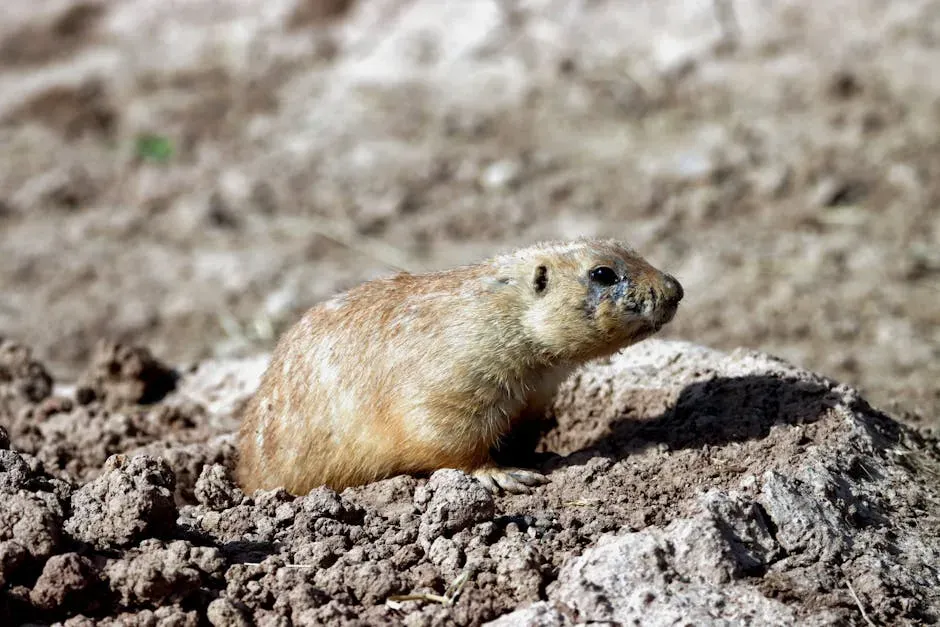
Groundhogs take this threat to another level entirely. An average groundhog excavates around 700 pounds of dirt for one den, and they may have four or five dens in their territory. Groundhog damage may not be limited to the yard. Groundhogs also burrow under houses, especially those built on slab foundation. Seven hundred pounds of dirt. Per den. That number is staggering when you sit with it.
The Damage You Can’t See Until It’s Expensive
Here is the thing about burrowing rodent damage: it is sneaky. It does not announce itself with a crash or a flooding pipe. It hides in your walls and under your floors while quietly racking up a repair bill you will not receive until it is already enormous.
Moles tunnel underground, creating large air pockets of dirt near your foundations. When it rains, the water floods those tunnels and does not drain away like it normally would, resulting in water getting under the foundation and leading to expensive water damage.
Tunnels and burrows can loosen and displace the soil around your foundation. Over time, this can cause uneven support for foundation walls, porches, patios, and walkways. That means your deck, your driveway, your patio: all of them potentially compromised by an animal you have never even seen up close.
Groundhogs burrowed down against a foundation, allowed to come and go for years, can cause entrance holes that open up directly against the foundation, allowing water to seep in. This increased moisture can eventually wear away foundation blocks, causing them to crumble. Eventually, this can allow groundhogs access to the crawl space of the house itself. A real-world scenario. Not a hypothetical. This happens.
The Hidden Health Hazard Behind the Burrows
The structural damage is alarming enough. But there is another layer to this problem that does not get nearly enough attention. These animals do not just damage your property from below. They can also threaten your family’s health in ways most people never connect to a small burrowing rodent in the backyard.
Rodents leave behind droppings and urine wherever they travel, which can be throughout your entire home. These waste products can carry numerous diseases that are transmissible to humans, including salmonella, hantavirus, and leptospirosis.
Rodent infestations are especially harmful for people with asthma or allergies. Rodent fur, dander, urine, and droppings can all become airborne. Even individuals with no prior history of allergies can develop respiratory symptoms after long-term exposure. This is one of the most overlooked dangers, especially in households with children, older adults, or anyone with compromised immune systems.
When rodent waste dries, it can become airborne and circulate through your home’s ventilation system. This means that even if the active infestation is eliminated, contaminated air can continue to pose health risks until proper cleanup and sanitization occur. It is not just about the animals themselves. It is about what they leave behind long after they are gone.
What You Can Actually Do About It (And What Insurance Won’t Cover)
Here is a fact that will likely shock a lot of homeowners: your standard home insurance policy almost certainly will not save you. Standard homeowners insurance typically does not cover damage caused directly by rats or rodents. Knowing why that is, and when limited coverage may apply, can help you prevent costly surprises.
Rodent exclusion exists because insurance providers consider pest control part of standard home maintenance. Since insurance will not typically step in for rat damage, the best protection is prevention. Homeowners can reduce the risk of infestation with several proactive steps, including sealing gaps and cracks around their foundation, roofline, vents, and utility openings.
Prevention really is your best weapon here. Practical steps include using mole or vole traps or natural repellents such as castor oil granules, installing underground barriers if they keep coming back, considering hiring a wildlife control professional if tunneling is extensive, filling in tunnels and burrows with topsoil, and improving drainage by extending downspouts and grading soil to slope away from the home.
Moles and voles can be difficult to spot thanks to their preference for staying underground. Because springtime is when they surface and begin their breeding cycles, it is the best time to remove existing moles or voles. Timing matters. Acting in spring, before populations explode, can save you tens of thousands of dollars in the long run.
Conclusion: The Small Creature With an Outsized Threat
It is almost absurd, when you think about it. An animal smaller than your hand, rarely visible, almost never thought about, capable of destabilizing your foundation, flooding your crawl space, contaminating your air, and sending your repair costs into the thousands. This is the reality of burrowing rodents like voles, moles, and groundhogs.
Postponing pest control has hidden costs. The longer rodents remain in your home or yard, the more damage they cause. Small repairs can quickly escalate into major projects, as what starts as a tiny entry point can lead to a full structural overhaul.
The real lesson here is simple: do not wait for proof. Walk your yard. Look for subtle ridges in the grass, soft spots underfoot, or small mounds of displaced soil near your home’s perimeter. These are the quiet warnings of a problem that could grow into something devastating. Foundation problems do not always start big, but catching them early is key to avoiding expensive repairs. Do not wait until those tiny tunnels cause bigger trouble.
Would you have ever guessed that a creature this small could do this much damage? Most people would not. That is exactly the problem. What do you think – is your yard clear of burrowing rodents? Take a closer look. It might be worth it.

- 14 Signs a Dog Near the Rainbow Bridge Is at Peace With Its Person - July 21, 2026
- 15 Ways a Shelter Animal Tells You It Was Always Meant to Be Yours - July 21, 2026
- 14 Ways a Dog Shows You Are the Center of Its Whole World - July 21, 2026